The Value of Nature Project
Description of the project
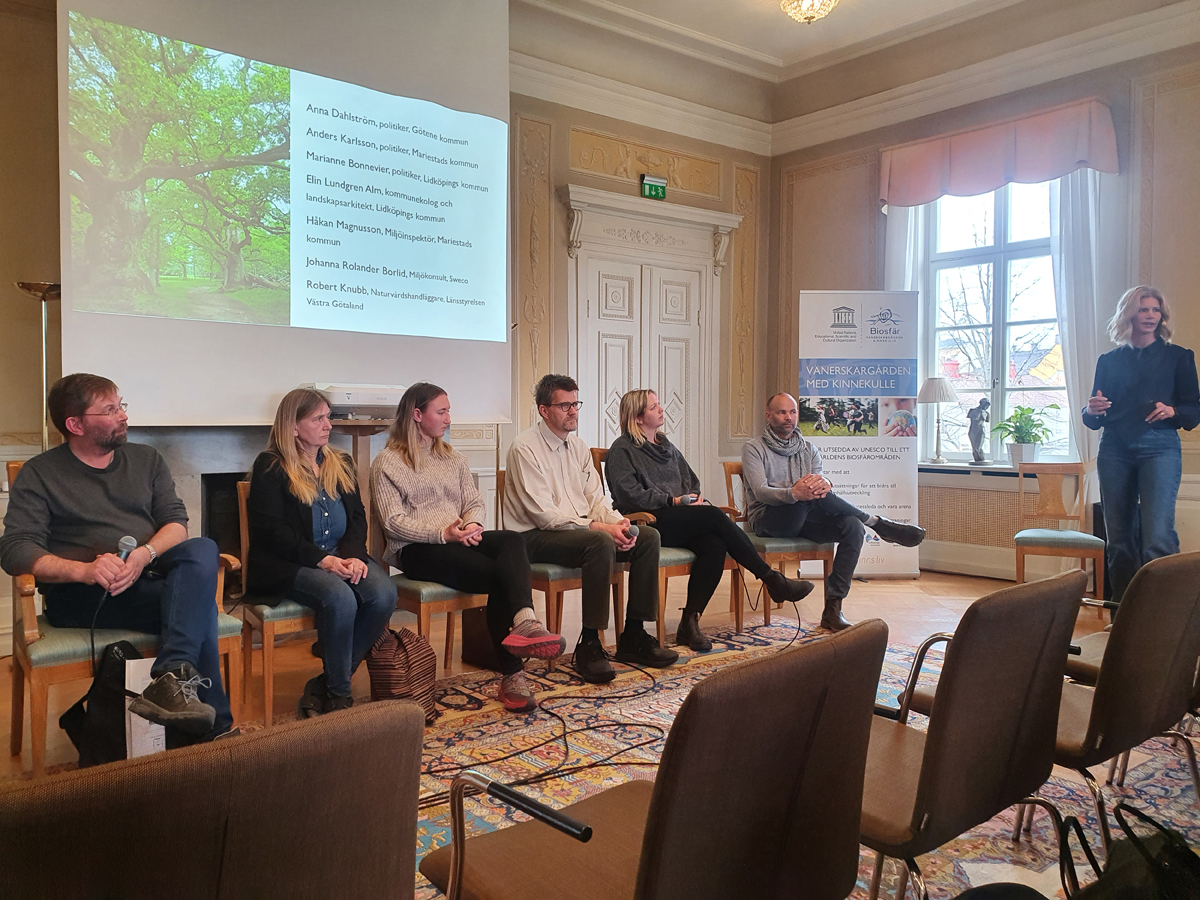
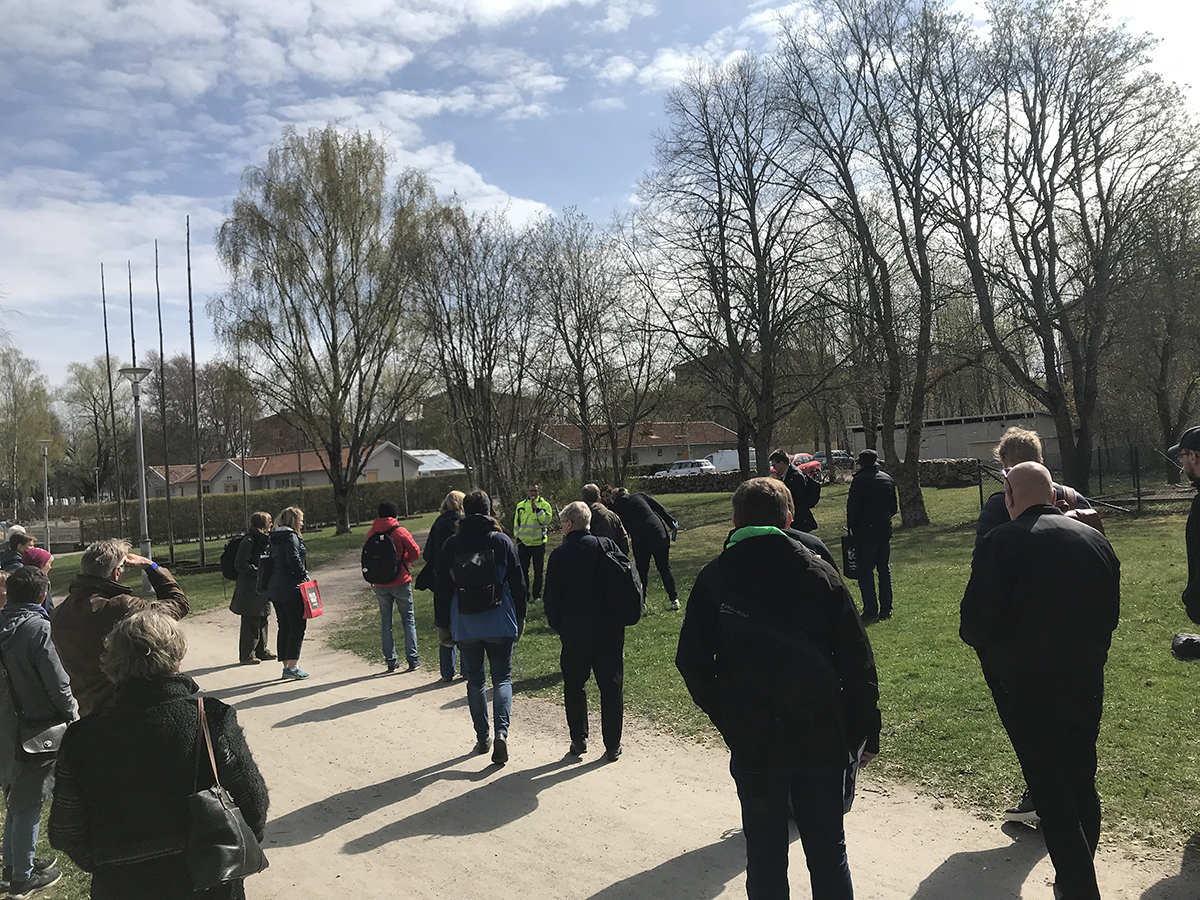
The Value of Nature Project was initiated to spread knowledge about the importance of functional ecosystems and ecosystem services in the BR. The project also developed and strengthened co operations between the three municipalities in the BR. Politicians and municipal officers completed a training where ecosystem services, landscape ecology and green infrastructure were central parts. They also participated in a study trip in the BR where different sites, businesses and good examples were explored. A panel discussion gave different perspectives on how the BR can develop into an even more active model region within the focus subjects. A day for developers was also organized. Good examples were shared among them and from experts.
Results and effects
Conclusions from the participants after the project was that meeting arenas like the ones within the project have been of great value. The project gave new knowledge, a common vocabulary and inspiration to the BR municipalities from other concrete and successful projects. The new network also resulted in a list of ideas for new projects and highlighted the value of nature in a time where the BR is facing many developments. A research collaborator from the University of Gothenburg followed the project.
Focal points:
- The project served as a platform for research and education, fostering a better understanding of ecosystems and sustainable practices. The project provided opportunities for studying the impacts of human activities on biodiversity. (3)
- The BR involved politicians in the project, for participation in questions regarding biodiversity conservation and sustainable development. (4)
- By creating ownership and engagement, the UNESCO BR contributed to steps in a direction of local acceptance of necessary changes and responses to the implementation of the targets of the GBF. (5)
- The importance of conserving ecosystems, species, and genetic diversity were subjects that the participating politicians, municipalities officials and developers now know more about. (1)
- BR’s as living laboratories for testing and implementing strategies to conserve and restore biodiversity and sustainable practices - and land use, agriculture, forestry, and other human activities were also subjects for knowledge and discussions.(2)