The SUPERB project
Nationally: National authorities, forest landowner associations, forest management organisations, WWF etc.
Regional/Locally: Regional authorities, municipalities, Reindeer herding communities, Regional outdoor life association, forest companies, regional cluster for forest technology, regional hunting association, Financing actors (bio- and carbon credit companies)
Description of the project
SUPERB builds on the vast but scattered practical knowledge and lessons learned from successful and non-successful forest restoration and adaptation activities and synthesise them for action. We connect with restoration experts, including from LIFE projects and practitioners with decades of experiences with alternative management approaches. This practical knowledge will be underpinned by a compilation of highly relevant scientific knowledge including economic, governance, forest management, and climate change adaptation aspects of restoration.
The SUPERB project has 12 large-scale demos in 12 countries, representing various challenges and stressors on European forests and a wide range of necessary restoration actions. The demo areas comprise entire socio-ecological systems, protecting and restoring forests while also considering people’s needs for ecosystem services and benefits.
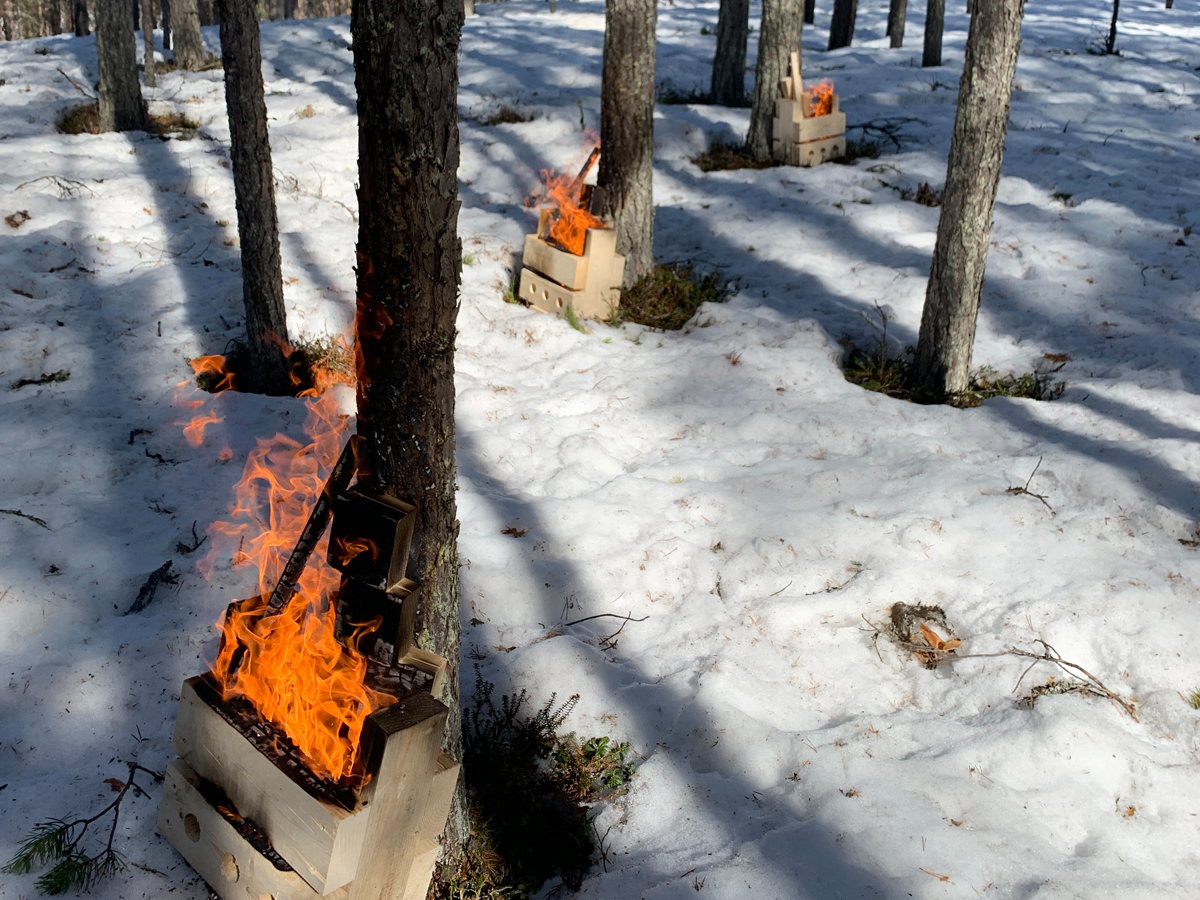
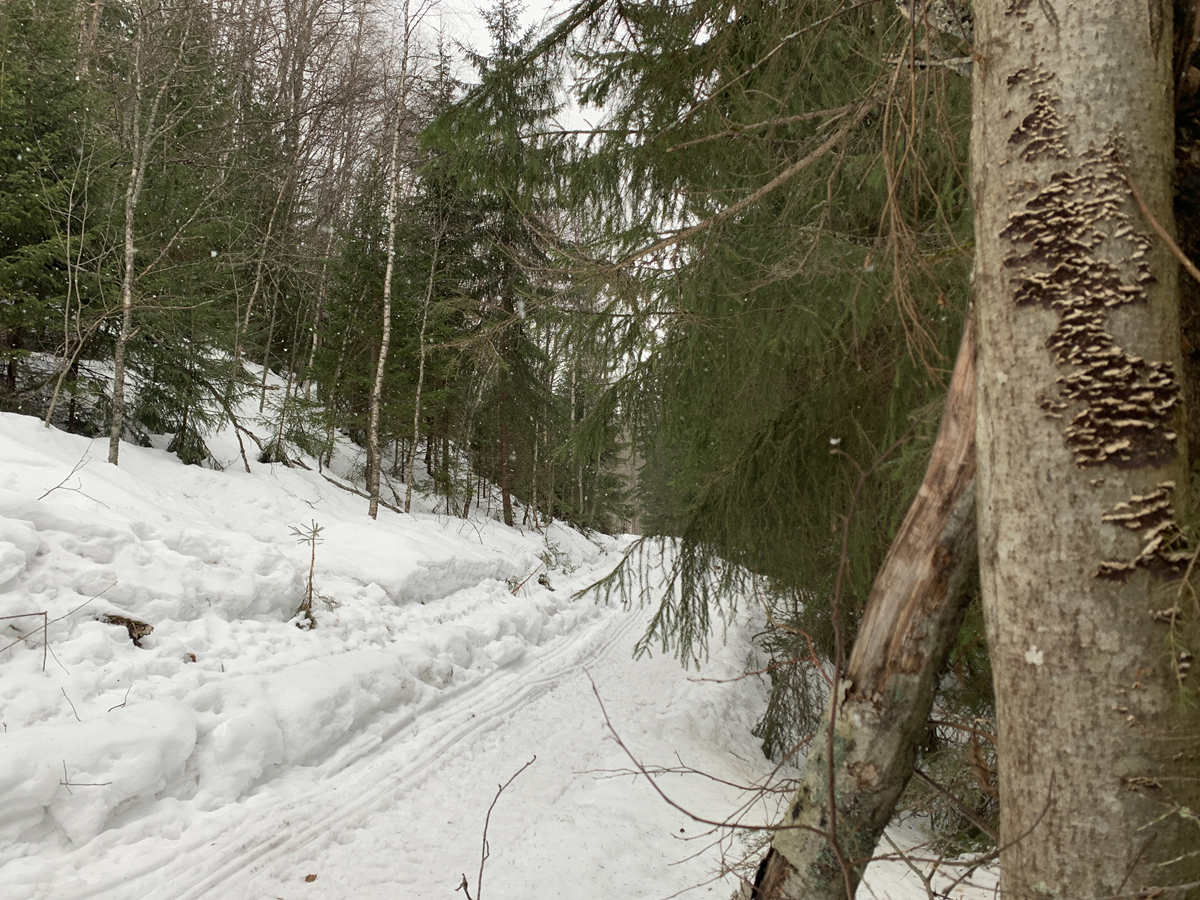
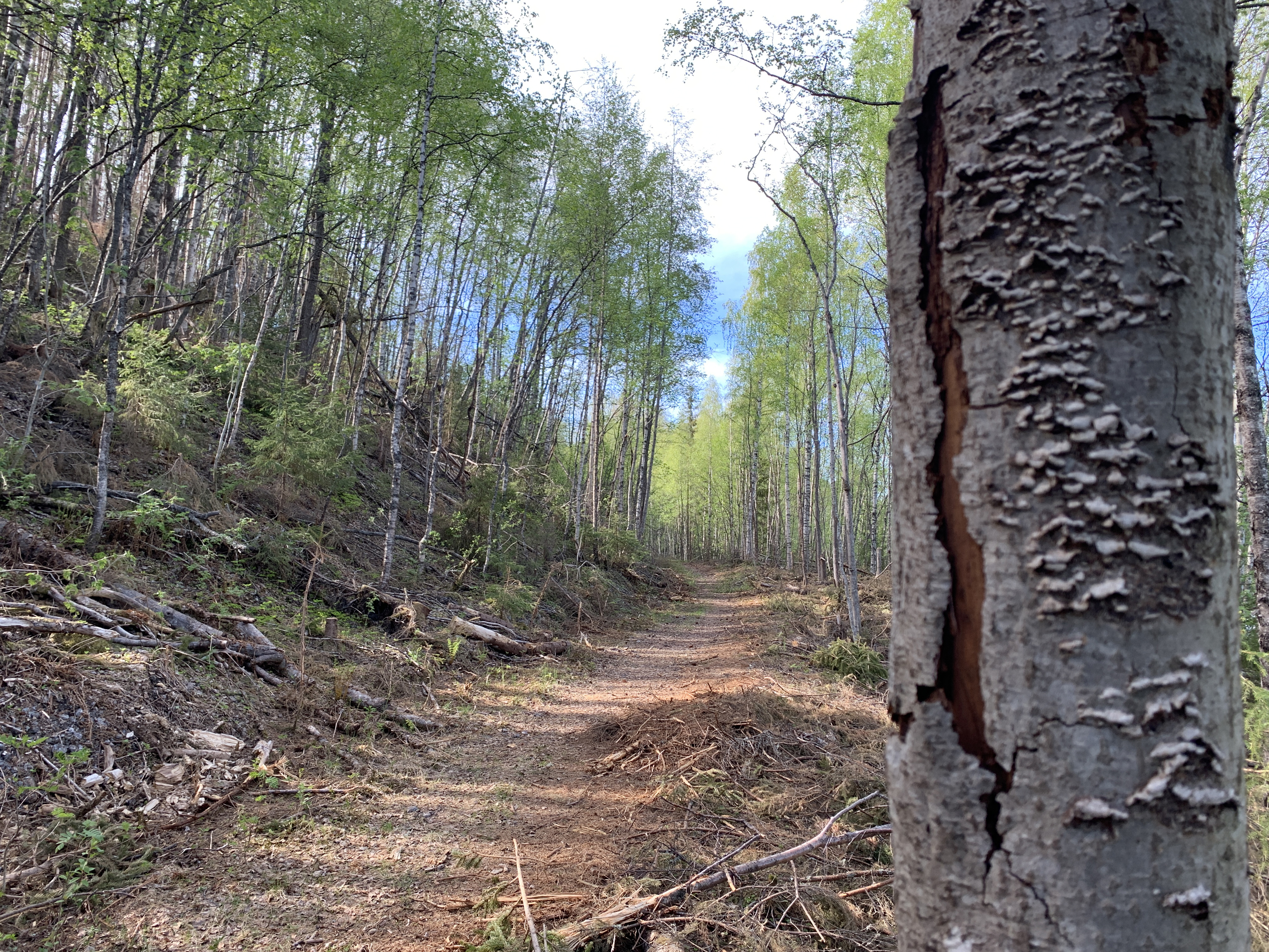
Vindelälven-Juhttátahkka Biosphere Reserve is one of the twelve demo areas, the by far largest and the only one representing the boreal and subalpine forests. Whitin the biosphere reserve, the project aims to meet multiple land-use demands and address sustainability challenges. The overall focus lies on increasing biodiversity in tree monoculture plantations and create climate-adapted multifunctional forests for the future while maintaining tree growth and carbon storage.
More specifically the goals of the demo area are to foster ecologically functioning forests and forest connectivity on a landscape scale, improving conditions for biodiversity and indigenous Sami community reindeer husbandry, promote integrated riparian forests and river restoration, establish natural forest edges, and restore open and semi-open land covers to promote cultural and biodiversity attributes in forest-dominated landscapes.
These goals are achieved by both implementing large scale restoration actions in two areas within the Biosphere reserve, in close collaboration with different local actors, and by, in different fora, addressing governance challenges linked to the multiple ownership of land, including public, private forest company and non-industrial private ownership in large- to small-scale gradients.
Results and effects
The SUPERB project will demonstrate best practices for a variety of forest types and collect practical and scientific knowledge on successful forest restoration:
- Demonstrate and test together with local stakeholders’ successful restoration approaches in 12 large-scale demonstrators (‘demos’) across Europe.
- Deliver evidence-based practical knowledge on sustainably and successfully managing, governing, and financing restoration by learning about barriers and enablers for restoration.
- Improve societal support for restoration and benefits from restoration.
- Launch an interactive online Marketplace where market agents (landowners, funders etc.) can post calls for or offers of sustainable restoration actions and find insights into sustainable financing that take cost-effectiveness, socio-economic benefits, involvement, and just access into account.
- Deliver a multi-language Forest Ecosystem Restoration Gateway that serves as the central knowledge platform for anyone interested or working in restoration.
- Create a large and powerful multi-stakeholder network and movement for the development, uptake, and upscaling of transformative forest restoration approaches and actions.
Focal points:
- being an international project with the aim of creating a large and powerful multi-stakeholder network.
- improving conditions for biodiversity and ecologically functional forest landscapes (1)
- aiming to meet multiple land-use demands in a sustainable way, including timber production, reindeer herding, recreational needs, hunting etc. (2)
- being partly a research project and by meeting students and participating in teaching, mainly at the Forest/Forestry program at Swedish university of Agriculture, Umeå. (3)
- engaging with different stakeholders, both by inviting a broad range of stakeholders to a yearly meeting and in daily activities and contacts with stakeholders within the project (4)
- meeting local politicians and by collaborating with local and regional authorities (5)