Land of epic poetry: Koitajoki watershed restoration
Description of the project
The project aims to restore several key features of the Koitajoki watershed to ecological health. By the end of the project, created wetlands, ecological corridors and restored peatland marsh mires will protect waters downstream and enhance biodiversity, restoring carbon and water cycles. Webs of life will begin to re-establish what industrial land use has removed – the interconnected aquatic and terrestrial matrix of Koitajoki. Restored hydrological interconnectivity will benefit whitefish, trout, grayling, and land-locked Atlantic salmon, addressing issues that have affected the basin for over 70 years. Restoration and increased conservation around terrestrial ‘core areas’ will be established as a model for the restoration of similar areas in the boreal forest suffering from ecological fragmentation.
- Conduct ecological surveys to ensure restoration efforts are targeted.
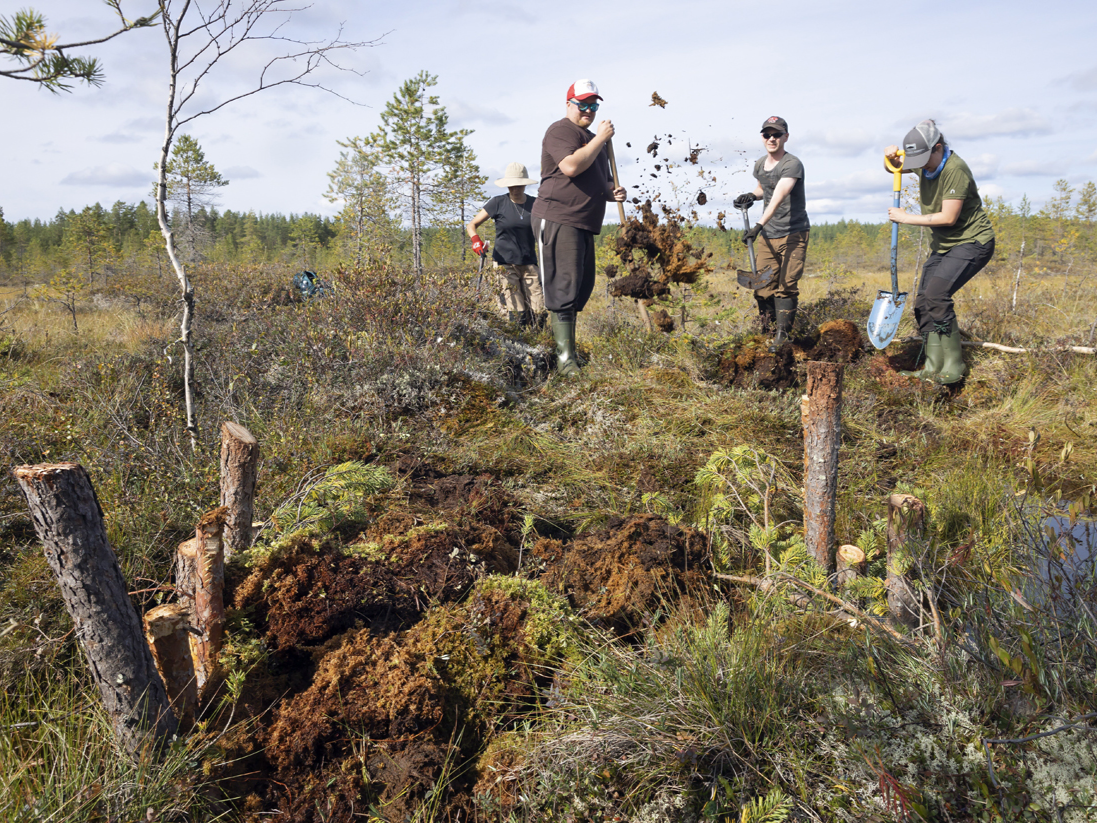
- Restore peatland habitats, through re-wetting drained marshes.
- Restore forest ecosystems by increasing decaying timber and removing invasive species.
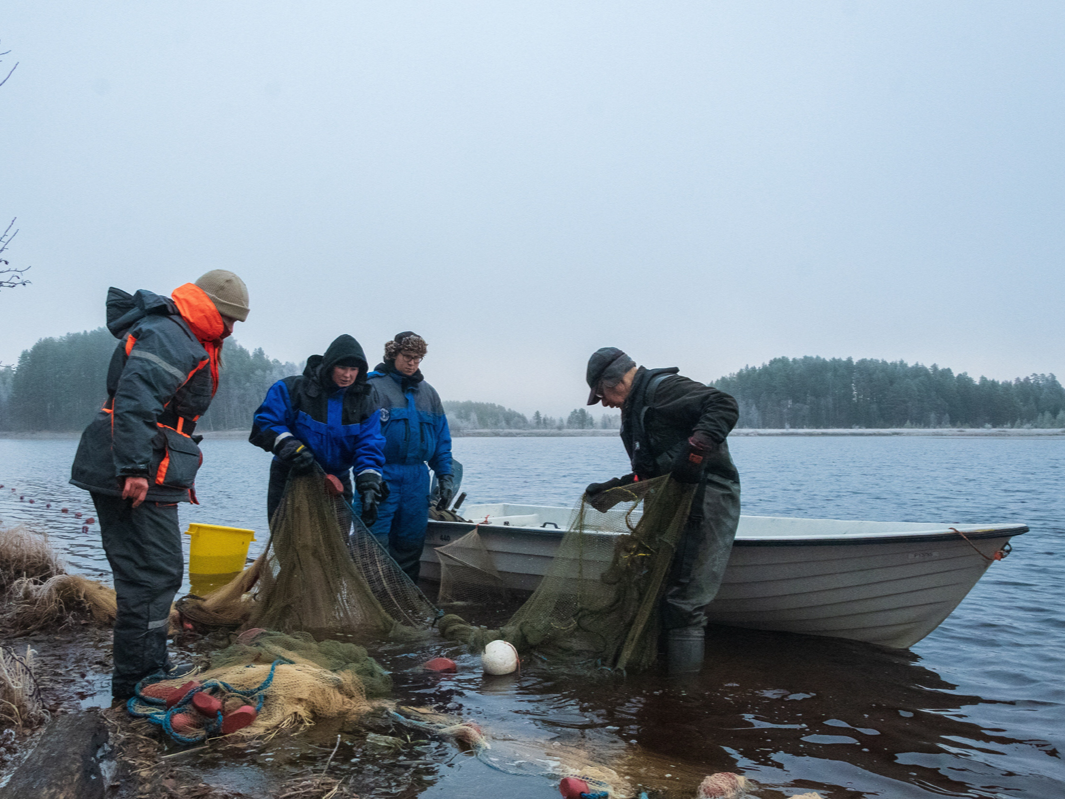
- Restore rivers, lakes, and streams through adding gravel to spawning grounds, placing timber, rocks, and stones in waterways, and dredging if necessary.
- Establish ecological corridors of boreal forest.
- Remove barriers to fish migration and produce the initial dialogues that could enable dam removal in the future.
- Hire local teams and operators to conduct the restoration activities, injecting funding into village economies.
- Engage with local communities to move them towards a new, sustainable, economic model.
- Pilot and develop River Guardian programme where locals conduct citizen science
Results and effects
- Increase focus on nature-based activities, eco-tourism, and cultural heritage.
- Increase the number of women and young people engaged through River Guardian programme.
- Improve pH, organic and chemical loading conditions concerning water quality by blocking ditches and returning the functionality of key peatlands.
- Improve vegetation composition in mires under restoration by refilling ditches, which eventually saturates the area with water and promoting the presence of the plant species that are typical to healthy peatland.
- Advance candidacy for UNESCO World Heritage Status
- Identify forest patches suitable for protection and natural regeneration to improve the connectivity especially of the old-growth patches.
- Increase abundance of endangered fish in restored waterscapes by preventing organic matter from ending up in riverbeds, by creating spawning grounds, and removing barriers from migratory fish
- Increase abundance of birds by peatland restoration, by enhancing old-growth forest corridors and restoring and constructing small wetlands for water quality protection
Focal points:
- improves vegetation composition, abundance of endangered fish and birds by. After restoration forestry actions in the area are forbidden (1)
- engages especially women and youth through River Guardian programme and voluntary work, honours the traditional knowledge of the communities (4)
- Showcasing alternative sustainable ways of livelihoods by employing local contractors and people and showcasing alternative usage for ditched peatlands that have little of economic forestry value (2)
- Surveying the visitor motivations, monitoring changes in the restored peatlands (3)
- Implementing climate change mitigation action on a local level, creating ownership and engagement among the locals, and promoting local dialogue (5)
- Being funded by international Endangered Landscapes Programme that promotes the learned good practises and the project collaborates with the NKBR (6)