Collaboration group and Koitajoki-Koitere forum of Koitajoki river watershed
Description of the project
The goal of the cooperation group is to promote the discussion and exchange of information between the different parties and cooperation to increase and promote concrete actions. Group meetings are a platform to present e.g., new (research) information about the area, planned and ongoing measures, project activities, planning matters, upcoming funding, etc., so that actors in the area know about each other's actions and can also gain synergy benefits in their operations through cooperation. The cooperation group itself is no active actor, but it promotes the activities and cooperation of the parties involved in it.
Collaboration group is open to everyone, and the group meets 1-4 times a year. The meetings of the cooperation group and the discussions held in them also prepare Koitajoki-Koitere forum. The purpose of themed meetings is to think through discussions viewpoints of interest to a wider audience and together look for good topics for the forum in a chosen theme.
The convenors of the meetings change and any actor with for example an on-going project can promote the actions of the group. The cooperation group itself chooses the convener of the meetings.
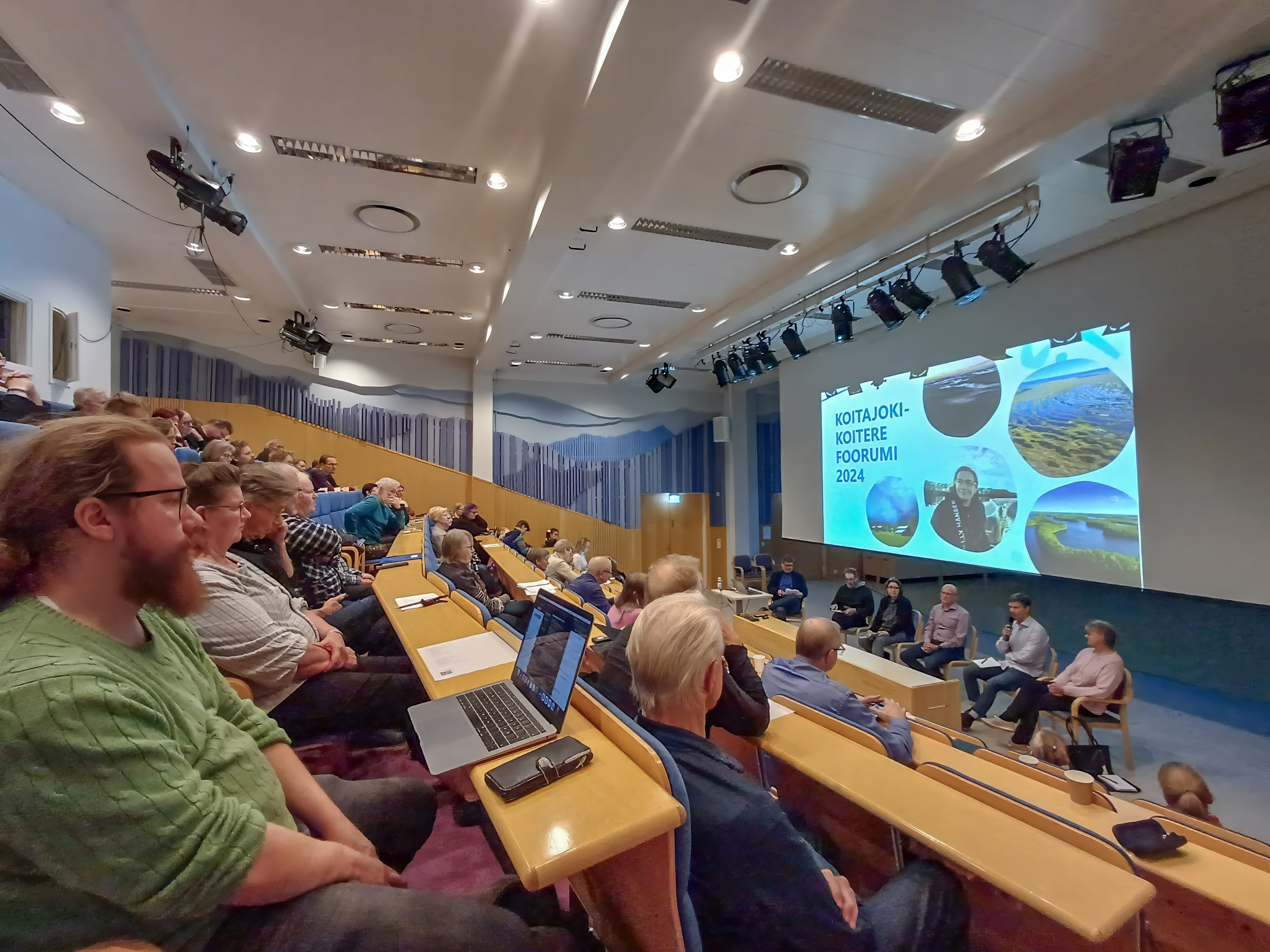
The Koitajoki-Koitere forums are open public events where the Koitajoki area and on-going project work can be disseminated. The aim of the forums is to find solutions to errors instead of focusing on failures. Forums are organized about once a year, and they give those who are interested in the themes the opportunity to participate and express their own opinions.
The Koitajoki-Koitere forum does not have established funding, thus a separate support is needed for the organization for example, from an ongoing project or some operator.
Results and effects
The results from the collaboration and forum include:
- exchange of knowledge on e.g., research results, funding opportunities, on-going actions, good practises
- creation of new projects and synergies through collaborations
- a way for locals to voice their viewpoints to academia and governmental organisations.
- a channel for projects to reach out to locals
Focal points: 2 & 4
- promotes discussion on the use of land, biodiversity loss and sustainable use of natural resources and the sustainability of livelihoods (2 and to some extent 1)
- offers a platform for locals to get their voices heard (4)
- promoting dialogue between research organisations and locals (3)
- inviting the municipality and local politicians in the meetings and forums (5)
- the collaboration group is open to exchange good practises and learn from experts in international networks of the participants (6)