The Semper Pollinator Path – Götene Biosphere Corridor
Description of the project
The project is about strengthening both the biological diversity on the site as well as strengthening the knowledge among the citizens about the importance of the biological diversity and functional ecosystems. This is done by working with a well visited old embankment, in one of the central villages of the BR. The site is situated in the middle of an industrial area.
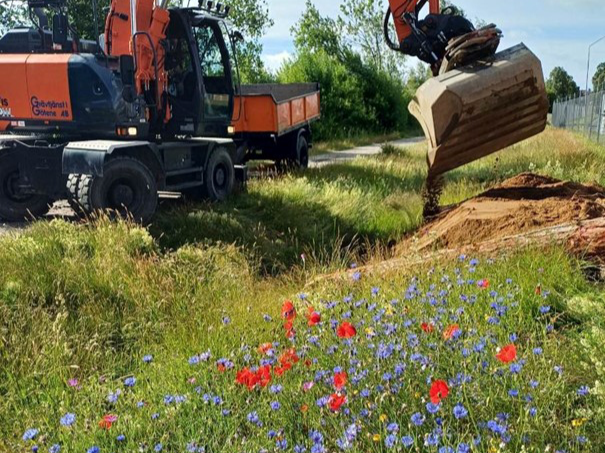
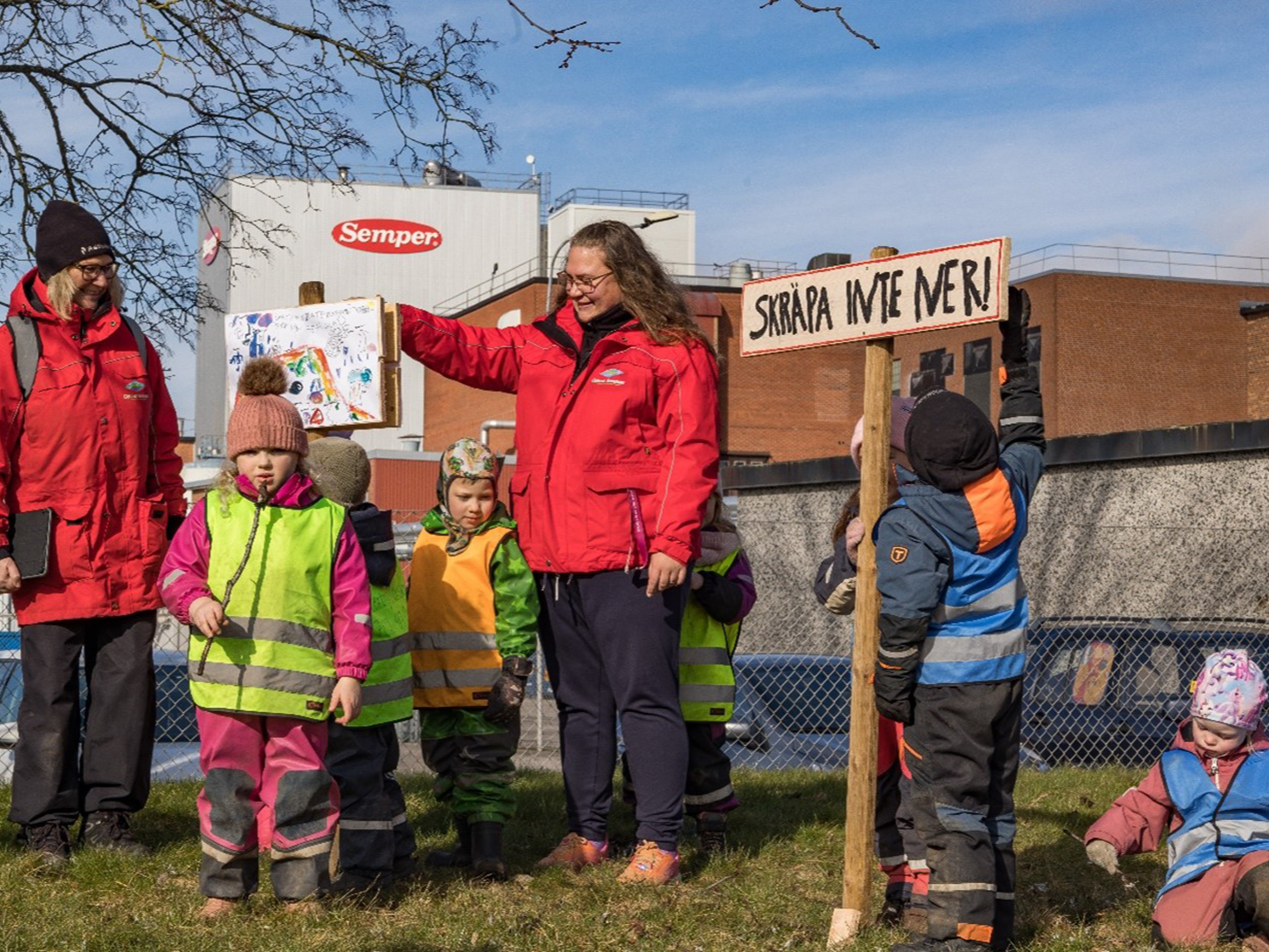
During the project it has been supplemented with a variety of pollinator-friendly plants as well as birdhouses, insect nests and educational signs. There have also been several educational activities for children, young people, industrial personnel and for the public.
This BR is run as an association, with members. A lot of time and effort has been invested in developing collaboration with the business community. Semper has been a member for some years and the project originates from that collaboration.
Results and effects
The project has resulted in a site of 750 metres that is much more appealing to bees, bumblebees, and people. During the project period, residents have been invited to participate in a series of activities to increase knowledge about the importance of preserving, developing, and supporting natural and cultural values.
This project has also resulted in more companies engaging in the BR work and in new / other projects for strengthened biological diversity.
Focal points:
- This site forms a platform for education for preschools and schools, fostering a better understanding of ecosystems and sustainable practices, and provides opportunities for increased knowledge among citizens and visitors. (3)
- Citizens have participated in project activities; sowing meadowland and learning how to mow with a scythe. This grassroots involvement is one way of increasing engagement for biological diversity. (4)
- This project has created engagement by involving citizens in activities - a step in the direction of creating local acceptance of necessary changes and responses to the implementation of the targets of the GBF. (4 and to some extent 5)
- The site is a living laboratory for new cooperations, education and for restoring biodiversity. (1)
- The BR demonstrate sustainable practices in land use. The site showcases how humans can live in harmony with nature. (2)
- The BR has briefly shared information about this project in a panel discussion at the Euro-MAB conference in Germany, June 2024. (6)