Green planning as a way of overcoming environmental challenges
Description of the project
The Swedish Environmental Protection Agency (SEPA) has developed a guide for municipal green planning. The conference was held in a total of 5 areas in Sweden, most of them connected to a biosphere reserve as they contribute with important networks and local knowledge.
The conference was a way of spreading knowledge of the guide but also general information about nature-based planning and mapping of green spaces. Another important part of the project was to establish local networks as a way of working together with green spaces and environmental challenges.
Results and effects
The municipalities made important new connections to other municipalities, the county administrative board and other important stakeholders.
Afterwards, follow- up meetings were held to keep discussions active and to form new networks.
Focal points:
The network provided by the MAB and the networks created in the process was one of the main goals.
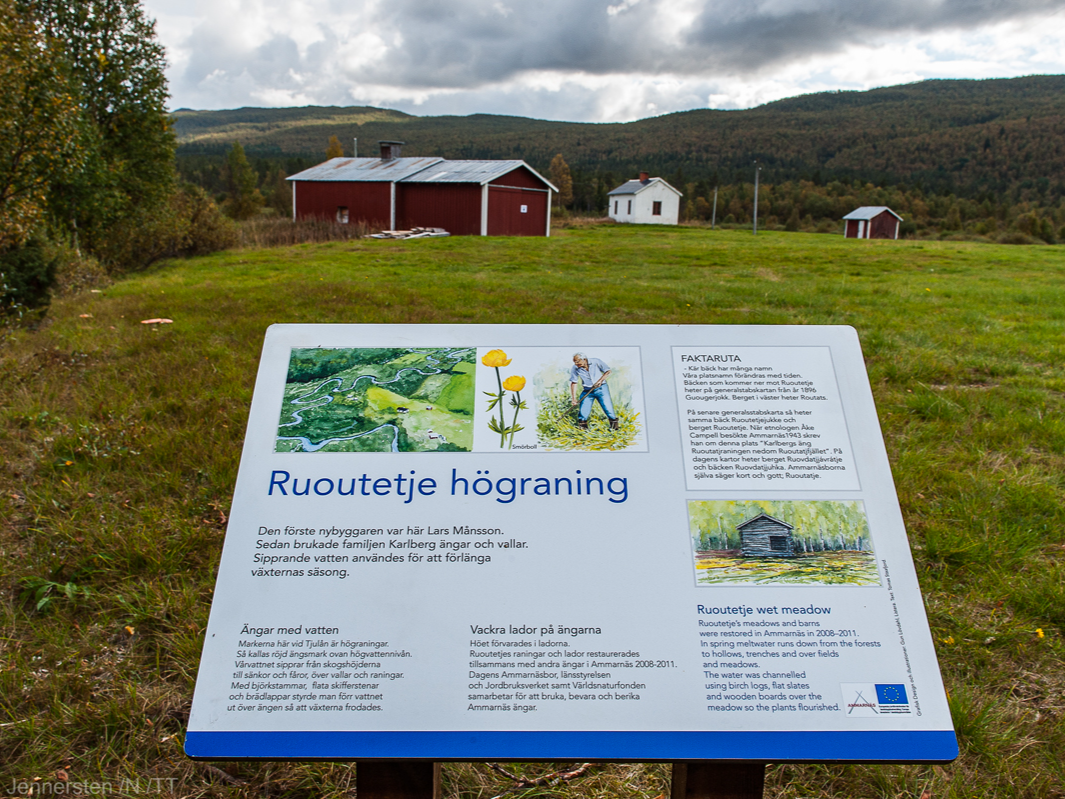
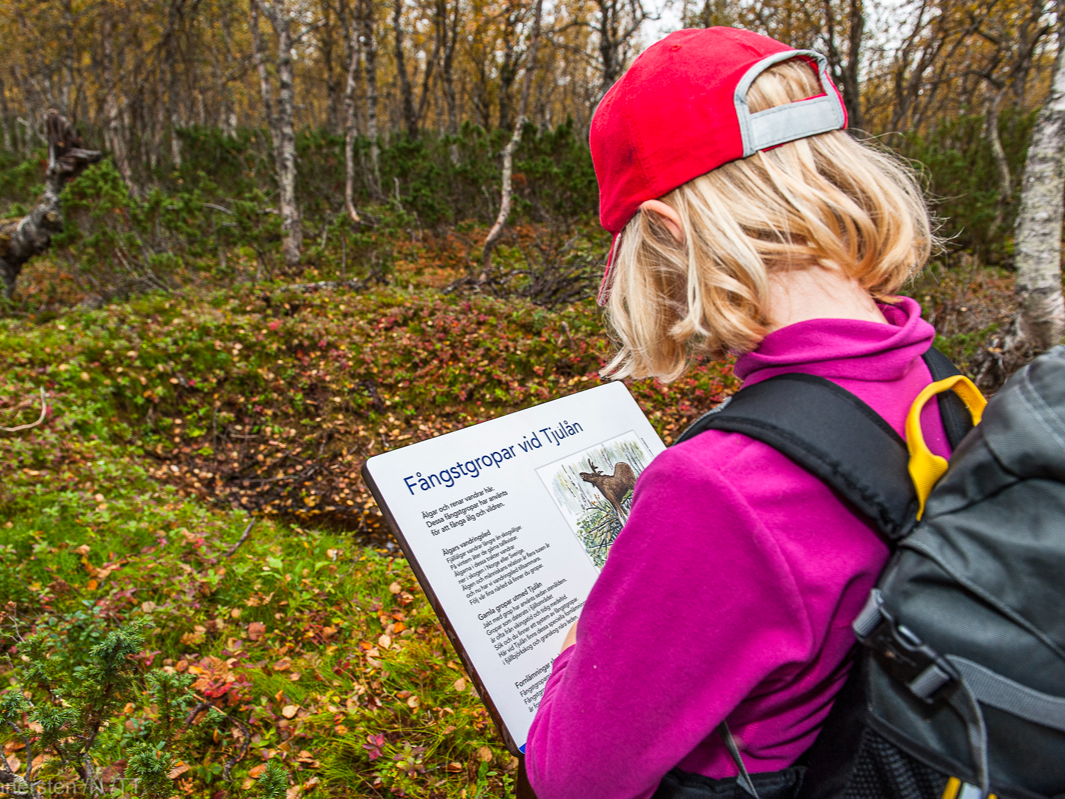
- Providing information about sustainable land-use was and showing local examples (2 & 3)
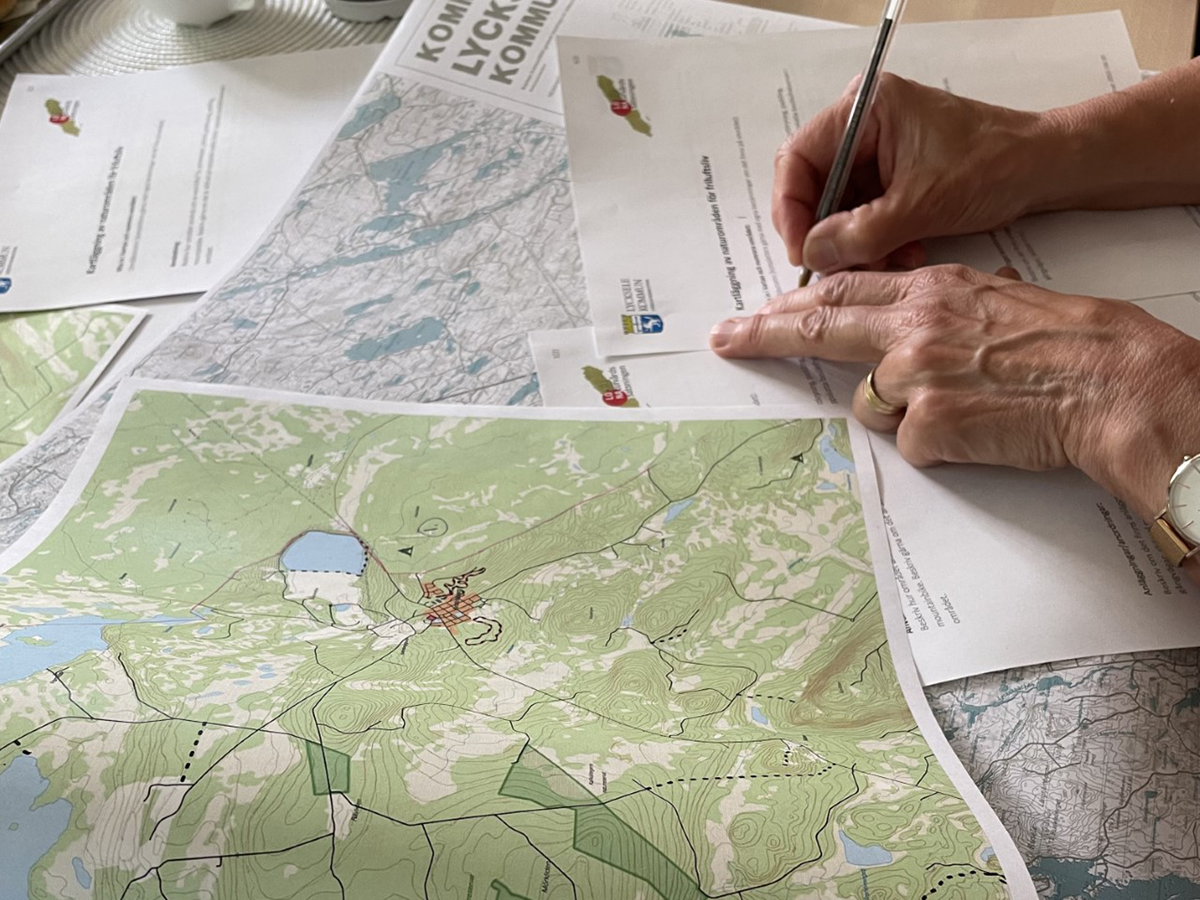
- Discussing municipal policies and planning tools as well as mapping of green spaces (5)