Action plan for the white back woodpecker
Description of the project
There is a lack of deciduous trees in the Swedish forest landscape due to human activities such as forestry and hydroelectric power. Many species are connected to broadleaf forest such as the white back woodpecker and there are many other endangered species. The river of Umeå is used for hydroelectricity power and natural fluctuations have been modified therefore the forests stands are mixed with high content of deciduous trees (at least 20 %). Natural unmodified rivers are rich in deciduous forests as spring floodings keeps the spruce away.
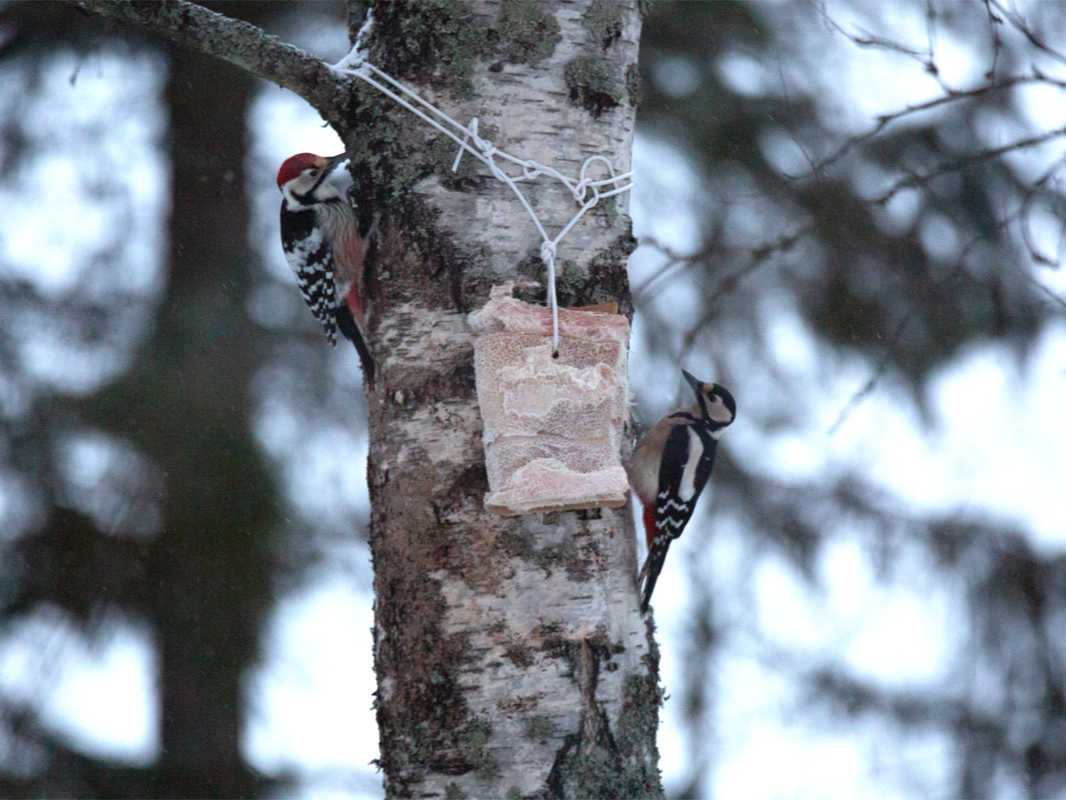
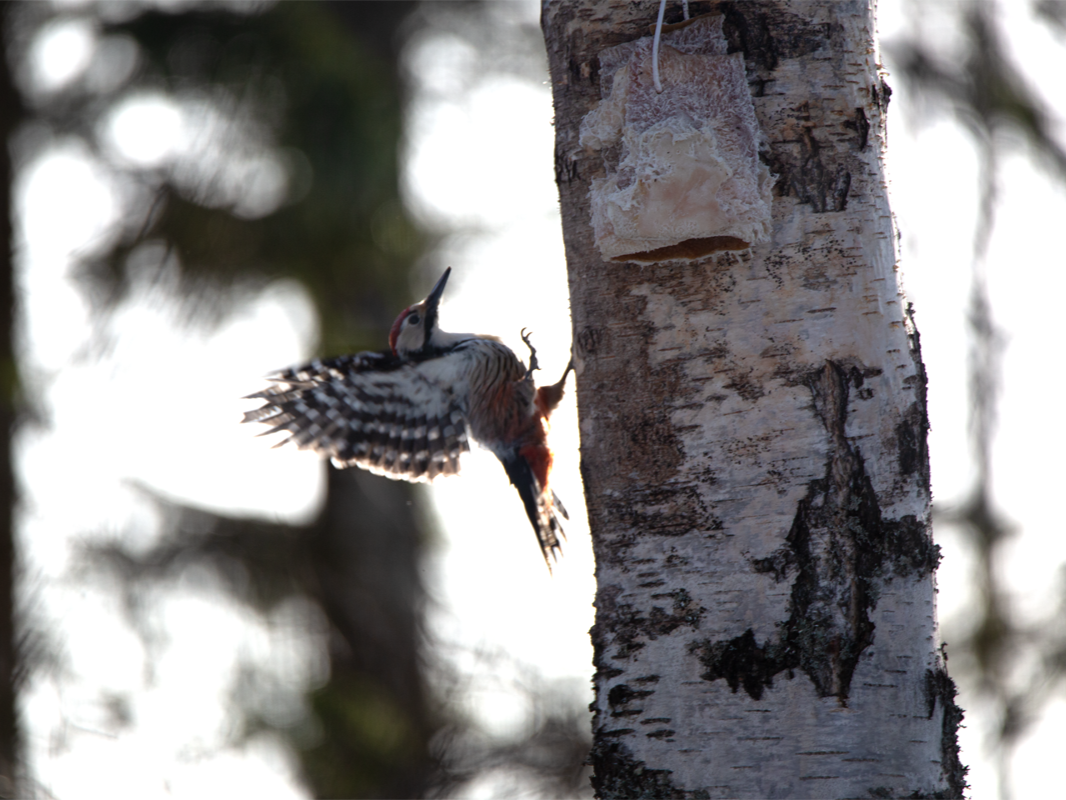
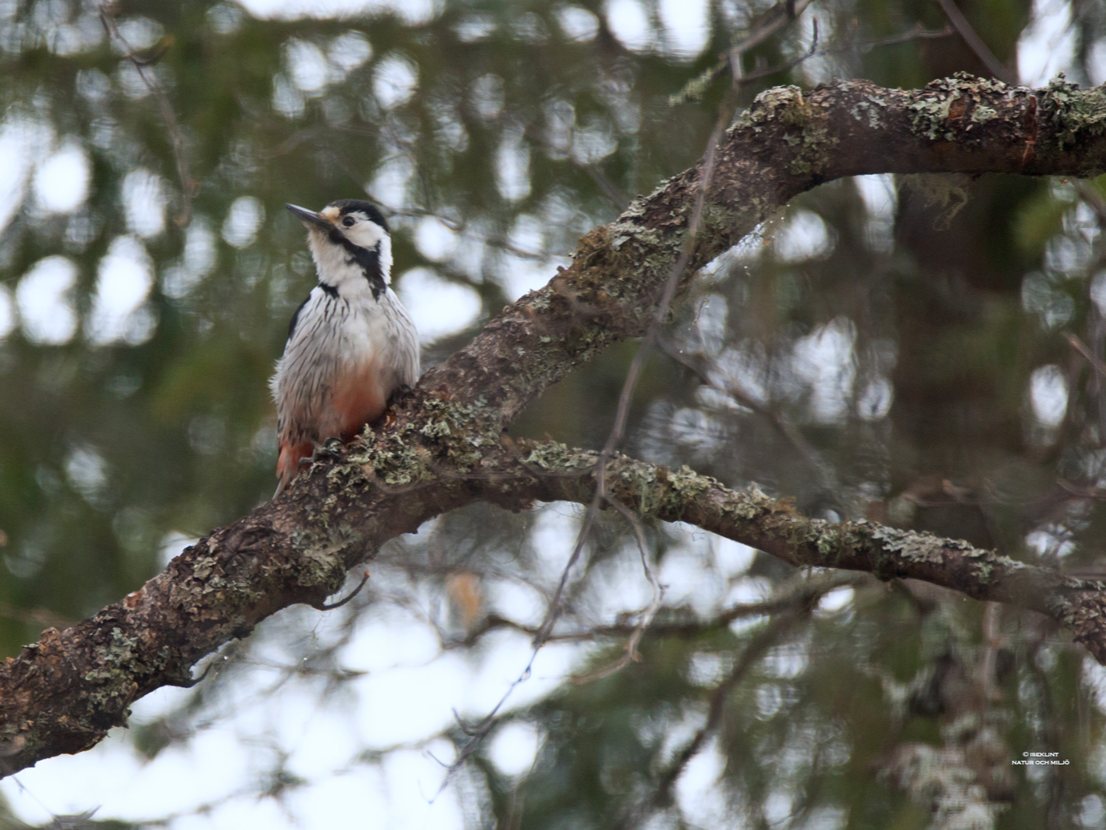
The municipality of Umeå has taken the initiative, as the largest stakeholder in the area, to restore the landscape along the Umeå river to benefit the endangered white back woodpecker. The project was initiated in 2017 when a large migration of young white back woodpeckers came to the city of Umeå over the Baltic Sea from Finland, where the species is more common.
The white back woodpecker is not only a specialist foraging in deciduous forest areas of good quality, but also a key species requiring a large home area of at least 100 ha. Therefore, the initiative is also engaging other stakeholders within the area, to create a large compound area of approximately 140 ha of deciduous forests.
The municipality has been responsible for applying for funds at the Swedish Forest Agency for all the participants in the project. After a long process of establishing the project and applying for funds the restoration finally started in January 2024. In year 2024 40 ha has been maintained from mainly thinning spruce. The project will be going on approximately until the end of 2026.
Results and effects
By collaboration with other stakeholders, the benefits are extensive such as restorations costs will be lower, information about the key species can easily be shared and the learning process and understanding is enhanced. As the restoration is on a large scale the impact on the recreation is vast. Walking trails along the river of Umeå will be open, the restoration will prevent erosion and enhance activity of other species.
Furthermore, we expect enhanced activity of birds and bats which are monitored during the project, the project serves as a model and enhance knowledge about why and how to maintain deciduous and riparian forests among the public and stakeholders. Investigation of synergies between nature restoration and other human activities, try out new models for restoration, training of personnel for restoration work, finding a model of how to finance restoration projects.
Focal points:
- Thinning spruce and restoring young broadleaf rich stands and increasing amount of broadleaf forest of good quality in the landscape and riparian zone of the river of Umeå (1)
- Practices in forestry by applying a type of continuous cover forestry in broadleaf rich forests (2)
- Providing knowledge to local communities and visitors being situated in a very popular recreation area where recreation is enhanced by the thinning and other restoration actions taken (3)
- Involving local communities in a reference group and different stakeholders being part of the project (4)
- Implementing the municipal comprehension plan and contributing to sustainable city planning (5)
- Collaboration with Swedish University of Agricultural Science, SUPERB and Rewilding Sweden. Several excursions with scientists all around the world, sharing experiences and best practices in biodiversity conservation (6)