Citizen Science Seal project
- Learning process
- Biodiversity Conservation
- Grey seal is vulnerable in Iceland
- Harbour seal is endangered in Iceland
- Community Engagement and Participation
- Science, Research and Knowledge Sharing
- Collaboration and Networking
Description of the project
Citizen Science experiment and learning process.
After finding the right people to participate in the “frame”, guests (tourists) were invited to fill out time and weather data, participate in seal counting (according to fixed plan), write down results, use QR code and fill out survey. Leave data sheet in a box at the seal beach.
Scientist visited tourist companies, landowners and other stakeholders involved including our schools during the project time.
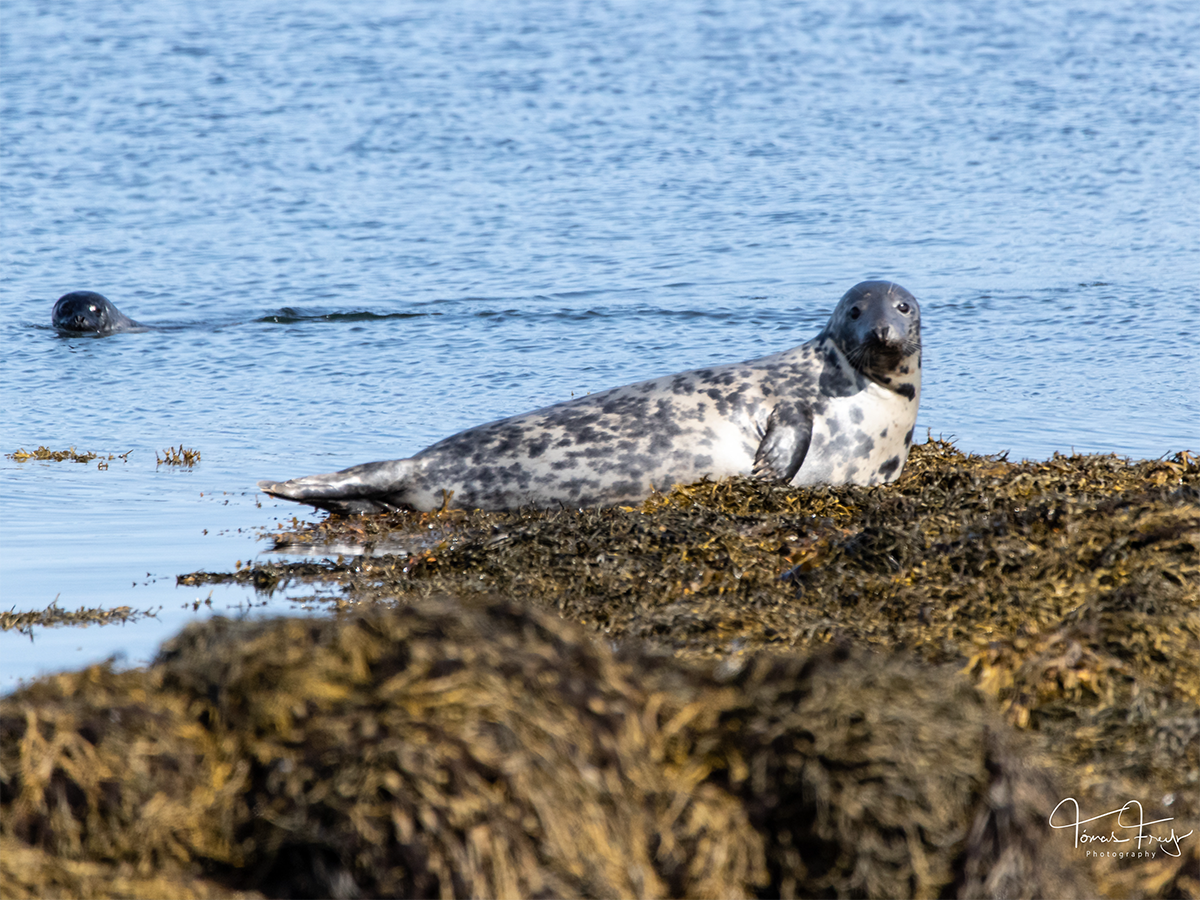
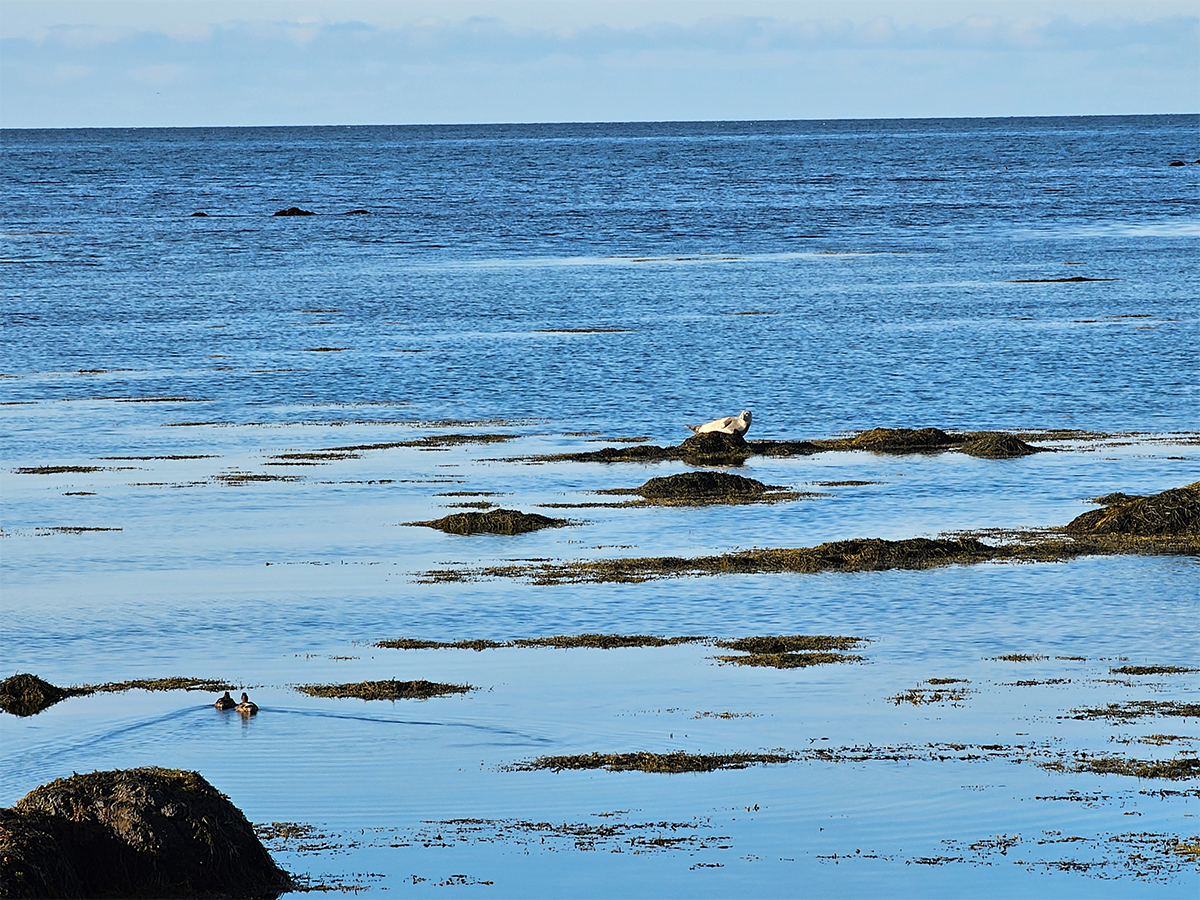
Results and effects
A lot of lessons learned:
- How to do it
- Who needs to be involved
- Capacity sharing
- Engaging the stakeholders
- Local interest and awareness of seal conservation and regenerative tourism (how to look at wild animals in the “right” way)
- Education and networking
- Practical things like binoculars, low tide planning, time frame etc.
Focal points:
The project is primarily fulfilling focal points 3 but also 1, 4 and 6.
- Fostering a better understanding of ecosystems and sustainable practices.
- Practical nature conservation work
- Encouraging children and youth to participate in active biodiversity conservation and sustainable development.