Route to Paris
Description of the project
Building on lessons from previous transitions, the project will analyse carbon flows in society under various forest policy scenarios and assess the consumption patterns of different wood products. By examining these dynamics, the project aims to provide a comprehensive understanding of how different forest management strategies impact carbon sequestration and emissions. This analysis will serve as a foundation for identifying pathways to overcome existing barriers in forest policy that hinder the transition to sustainable forestry practices aligned with carbon reduction goals.
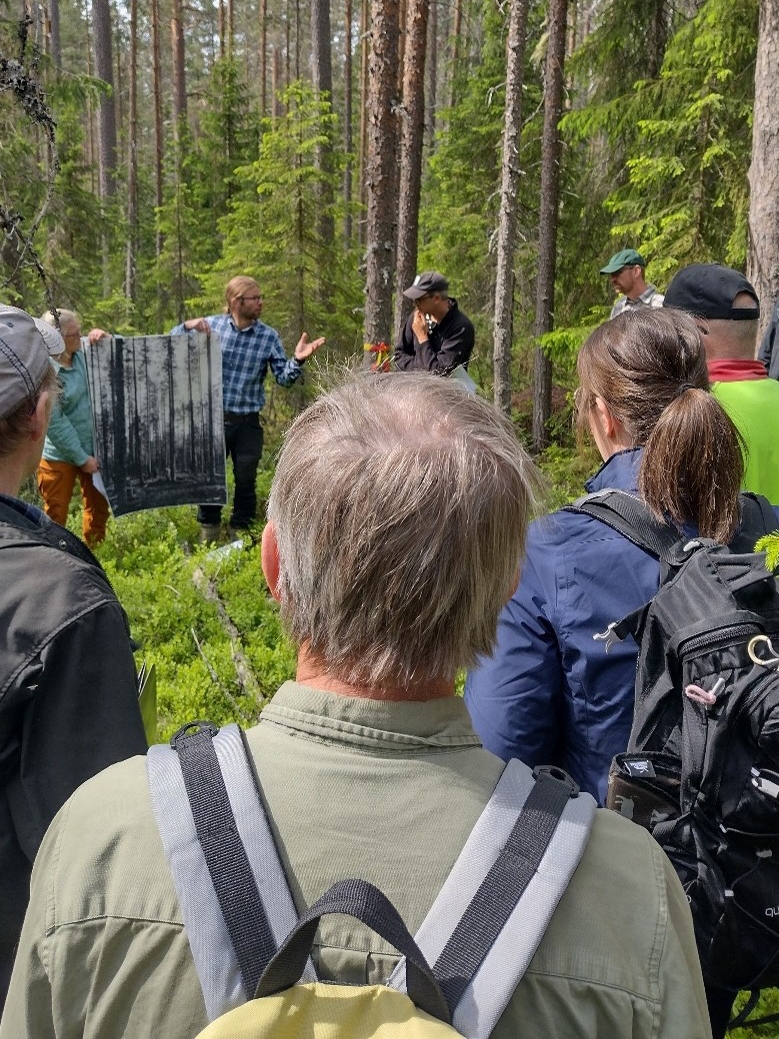
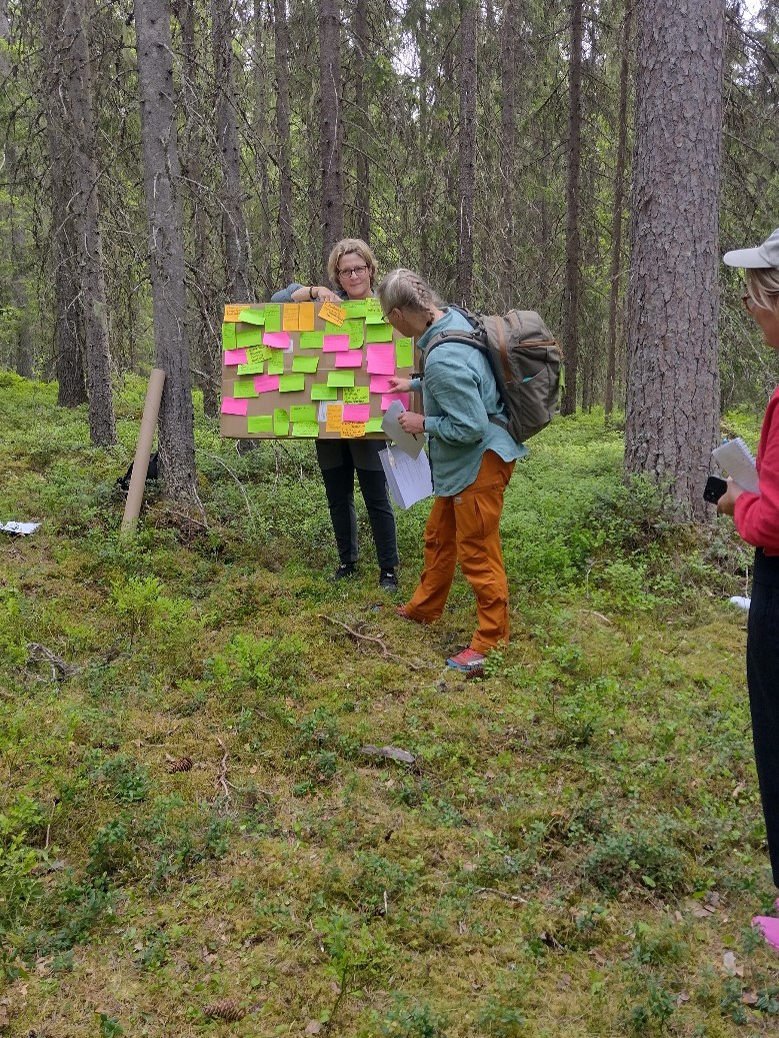
A critical component of the project is its engagement with stakeholders and rights holders, including forest owners, policymakers, environmental organizations, and indigenous communities. Through inclusive dialogues and participatory workshops, while using the Biosphere Reserve as a living lab the project will gather diverse perspectives and foster a collaborative approach to forest management. This engagement will not only enhance the knowledge base but also build consensus on sustainable practices that balance ecological, social, and economic objectives.
Moreover, the project will collaborate closely with various actors to identify and develop innovative concepts that empower and incentivize forest owners across Sweden to adopt climate-smart forestry practices. This may include exploring new financial instruments, market-based incentives, and policy frameworks that promote sustainable land use while ensuring that forest owners are rewarded for contributing to climate mitigation efforts. By aligning economic incentives with environmental outcomes, the project seeks to create a supportive environment for forest owners to participate actively in climate action.
Ultimately, the project aims to bridge the gap between science, policy, and practice, providing actionable insights and tools that facilitate the transition to sustainable forestry practices. By fostering collaboration among key stakeholders and integrating diverse knowledge systems, the project will contribute to the development of a resilient and adaptive forest management framework that supports Sweden's climate goals and enhances the sustainable use of forest resources. The outcomes will inform national and regional policies, ensuring that forest management strategies are aligned with broader climate objectives and contribute to achieving long-term sustainability and carbon neutrality.
Results and effects
The scientific value of ROUTE TO PARIS lies in advancing knowledge and tools for sustainable forest management in the context of climate change mitigation. This research addresses conflicts of interest and diverse goals within forestry by examining the dynamics of the full social-ecological system. It aims to provide the best available scientific knowledge to support informed, legitimate, and transparent decisions on trade-offs related to forest use, spanning various sectors and scales.
The project will contribute to policy discussions on sustainability transformations in Europe, particularly in achieving Sweden's Environmental Quality Objectives, several UN Sustainable Development Goals, the Paris Agreement, and the European Green Deal’s climate neutrality goals. Through stakeholder dialogue in Sweden, ROUTE TO PARIS will identify knowledge gaps and uncertainties in policymaking and forest management, helping to address obstacles to climate-smart forestry and promote a broader societal value.
Focal points:
- Right- and stakeholders related to the forest are the target group and are closely involved in the project.
The project further contributes to the focal points 1, 2, 3 & 4.