SUPER: Sustainability Under Pressure: Environmental Resilience in areas with intensive recreation
Description of the project
The main goal of the project was to reduce adverse effects on the natural and cultural sites involved in the project by the following means:
- Research of the pilot areas to improve the environmental monitoring and nature management systems.
- Develop good practices for implementing waste management in protected areas and acquire innovative waste treatment solutions for pilot sites.
- Educational activities for locals and specialists on the proper waste management
Results and effects
Within the project the following results were achieved:
- The DPSIR framework (Drivers, Pressures, State, Impacts, Responses) study for all the sites
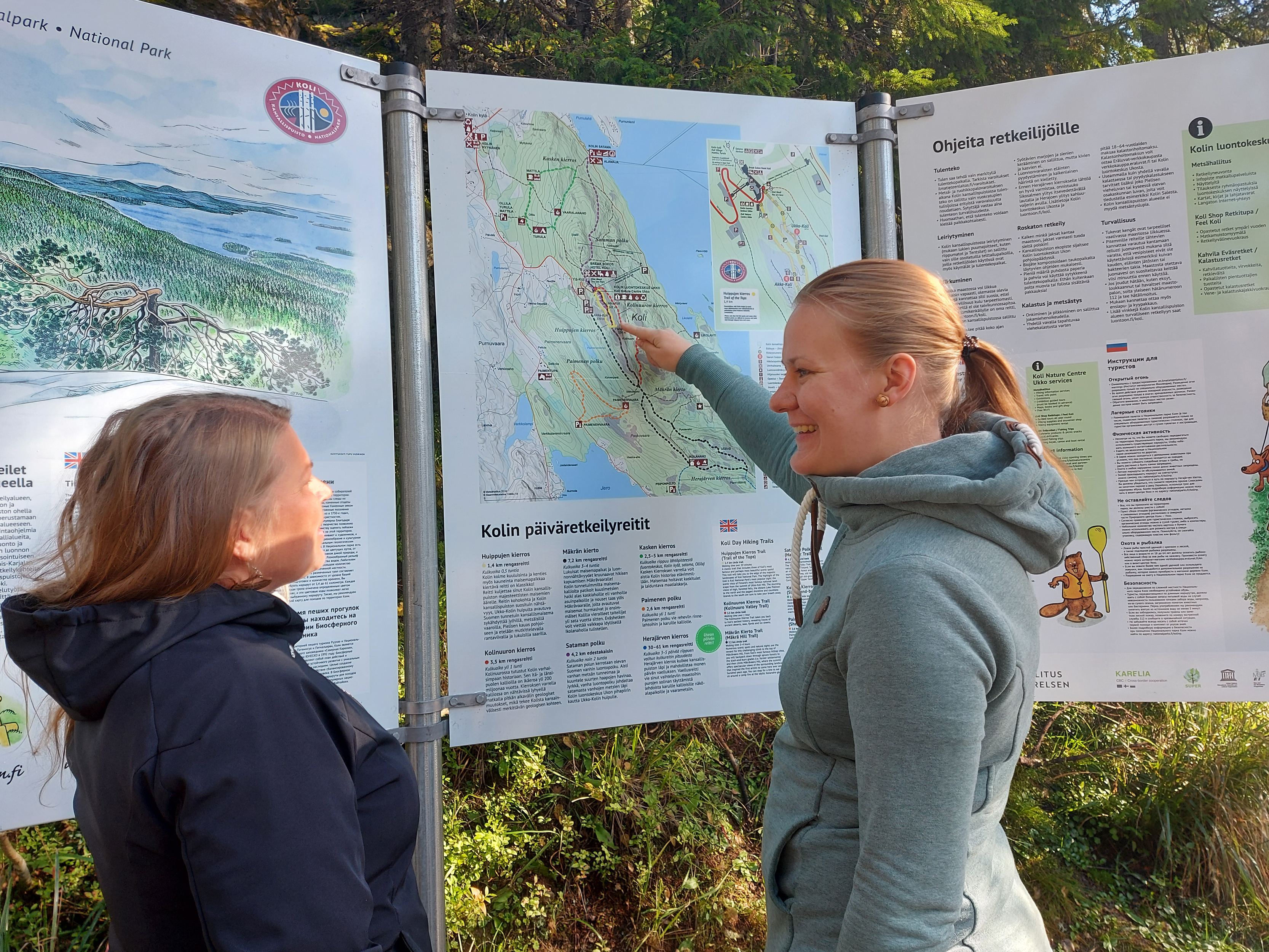
- Concrete waste management solutions within the sites (e.g., new composting and waste stations, weather station, infrastructural improvements such as new boards with information on responsible hiking)
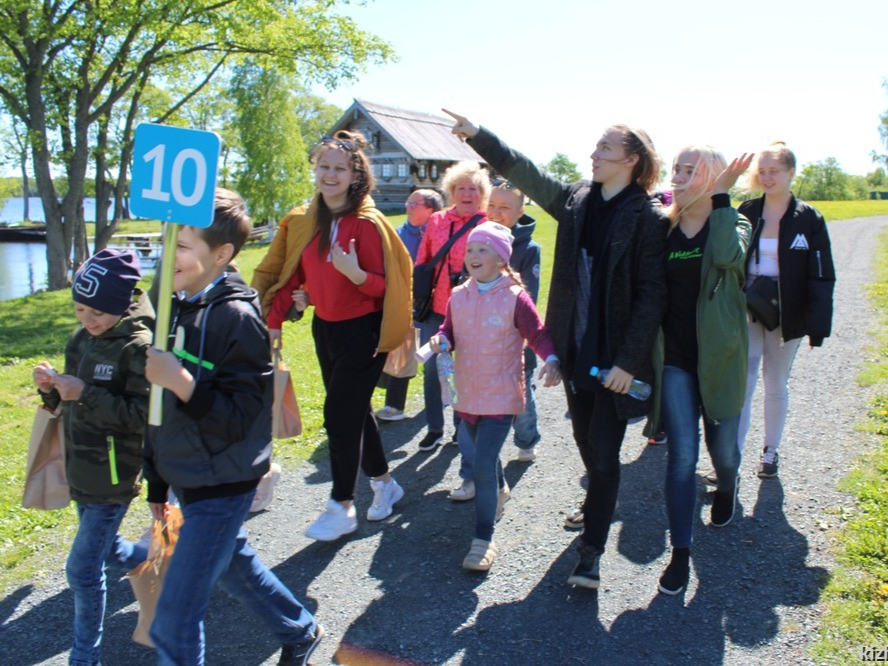
- Educational activities for school children and volunteer camps
- Study tours
- Benchmarking measures for handling potential visitor pressures in protected areas; a case of North Karelia biosphere reserve -report
- Visitor surveys
- Plans for managing the tourism pressure (e.g., North Karelia Biosphere Reserve: Nature Tourism Plan 2020–2025)
Focal points:
- focused on finding ways and combine examples on how to lessen the harmful effects of visitor pressure through management actions and educational actions. Many valuable nature sites are also tourist attractions and thus means to promote sustainable management and behaviour from visitors on these sites is even more important (3)
- was a collaboration of four UNESCO sites in Finland and Russia where good practises were shared and new ideas were created together (6)