Appendix B. Report from the workshop in Oslo 2021
Report from a ”mini future workshop”
3 November 2021
A. Background
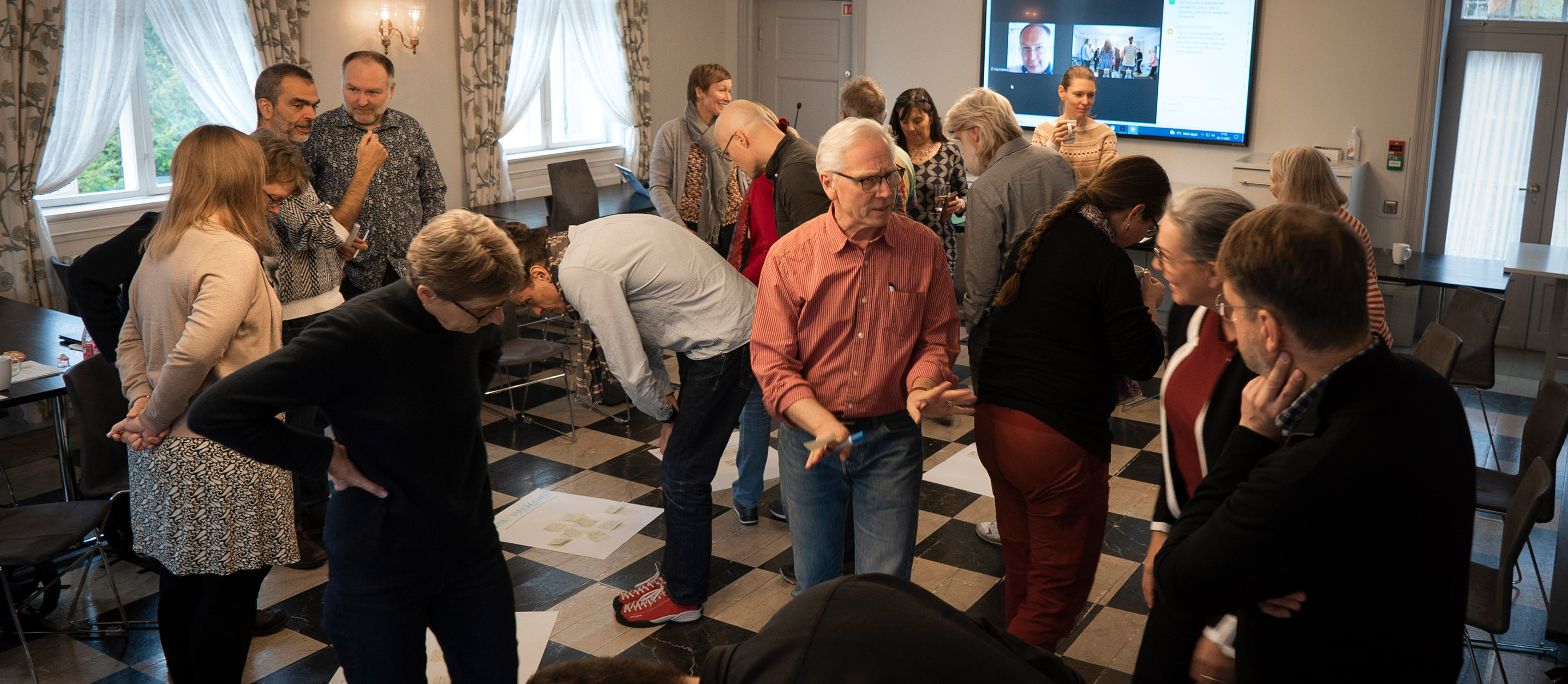
The first Nordic stakeholder workshop on crop wild relative conservation and use placed particular focus on the following theme: Genetic reserve establishment – legal and policy implications. Following a broad palette of presentations and discussion sessions the participants were tasked with developing a work and time plan for the inter-sessional period leading up to the second workshop in 2023. This was done by means of a highly abridged “mini future workshop”, a well-known concept used for identifying and making concrete measures to be taken, including deliverables, responsibilities and deadlines.
B. Process
The over-arching theme for the workshop was Nordic work in focus until 2023. Due to shortage of time, the “mini future workshop” did not contain all the regular elements of a standard future workshop.
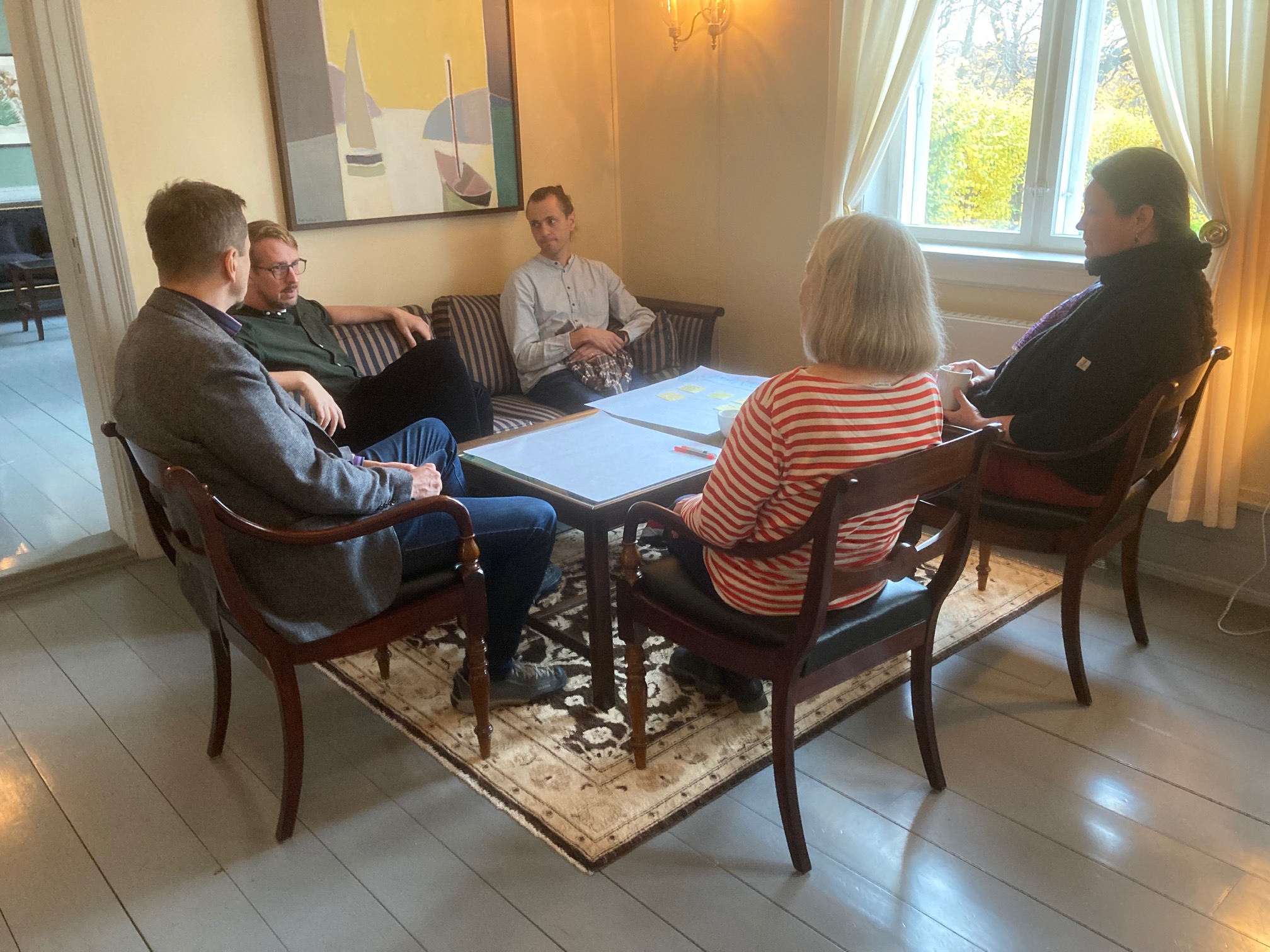
Following a brief introduction by Jens Weibull on the theme and the elements of the future workshop, the participants were invited to propose topics for discussion. The topics were then written on Post-it notes and posted on flip charts (photo example below). While the participants were let go for a coffee break, Anna Palmé and Jens Weibull worked on categorising the topics. A total of six resulting themes were identified and proposed, including:
- Processes at the policy level
- Developing protected area (PA) criteria
- Data management
- Network development
- Access, use, and benefit-sharing
- Communication
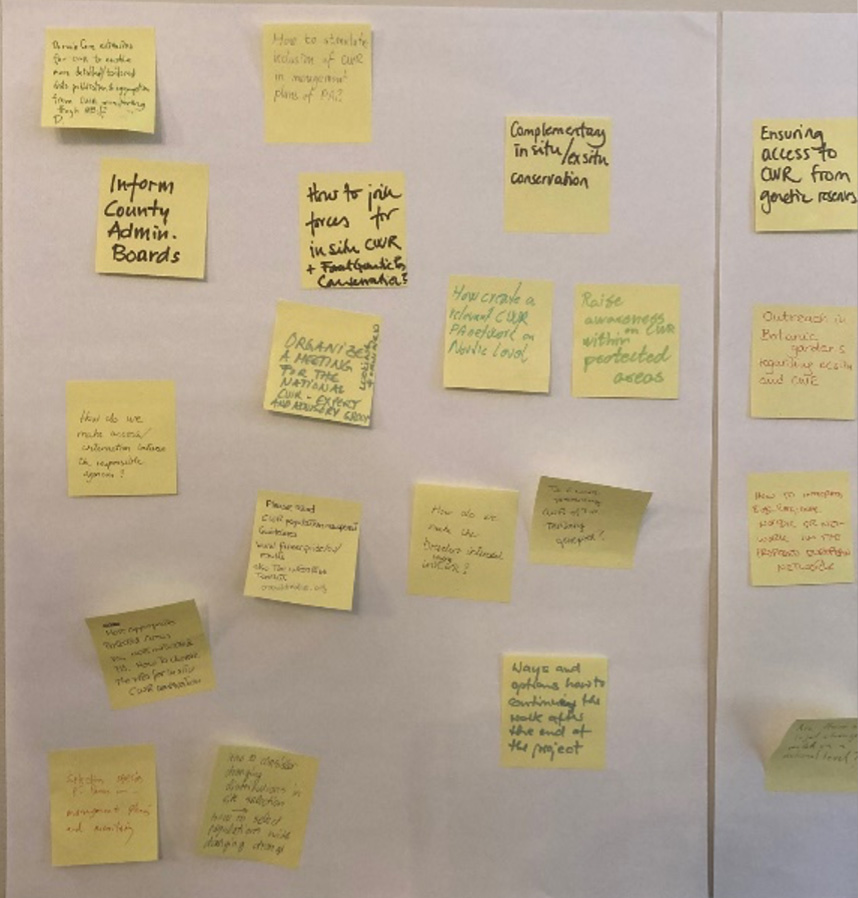
While some ambiguities were noticed among the Post-it notes, the themes were approved by the participants. In the following, the topics are listed:
1. Processes at the policy level
- How do we make access/interaction between the responsible agencies?
- Are there any legal changes needed on a national level?
- Looking forward: organize a meeting for the national CWR expert and advisory group
- How to make best out of the European strategy on genetic resources (GenRes Bridge) → Advantages and … [not readable]
- How do we get the ministries to give us instructions to work on CWR?
2. Developing protected area (PA) criteria
- How can we support PA that are interested in CWR to include it in their management/communication?
- Selecting species – and focus on – management and monitoring
- How to stimulate inclusion of CWR in management plans of PAs?
- Most appropriate protected areas vs. most motivated PA: how to choose the sites for in situ CWR conservation
- How to consider changing distributions in site selection → how to select populations with changing climate
3. Data management
- Ensure assign ROR
- Register all genebank collections (with CWR) GRSciColl (Global Registry of Scientific Collections)
- Harmonize genebank (seedbank) collections with the EU ESFRI
- Utilize the MIDS (minimum information on digital specimens) for sampling of CWR populations
- Register CWR population sites with monitoring in DEIMS (Dynamic Ecological Information Management System)
- Darwin Core extension for CWR to enable more detailed/tailored data publication and aggregation from CWR monitoring through GBIF
- Utilise the MIXS Darwin Core extension for genetic monitoring of genetic reserves (through GBIF & Elixir)
- Assign PIDs/PUIDs such as DOIs for CWR conservation populations
4. Network development
- How create a relevant CWR PA network on Nordic level?
- How should an optimal permanent Nordic CWR network look?
- Ways and options how to continue the work after the end of the project
- How to join forces for in situ CWR + Forest Genetic Resources conservation?
- How to integrate sub-regional Nordic GR network in the proposed European network?
5. Access, use, and benefit-sharing
- Ensuring access to CWR from genetic reserves
- Complementary in situ/ex situ conservation
- How bridge gap between users and conservation
- Pilot mini-project to engage plant breeders in characterization of material conserved in situ
- How do we make the breeders interested in using CWR?
6. Communication
- Inform county administration boards
- Raise awareness on CWR within protected areas
- Outreach in botanic gardens regarding ex situ and CWR
- Communicating the achievements of the Nordic project to the larger European region
- Recognition of the (unintentional) work done for CWR and finding synergies
C. Thematic group work
1. Processes at the policy level
Group members: Björn-Axel Beier, Elina Kiviharju, Birgitte Lund, Snorri Sigurðsson.
Actions: preparation of national CWR strategies – either initiating, continuing or finalising the work.
When: as appropriate and depending on available resources (staff, funding);
IMPORTANT – concrete time plans remains to be developed incl. an initial step for each of the proposed actions (e.g. persons to contact, dividing responsibilities, etc.)
IMPORTANT – concrete time plans remains to be developed incl. an initial step for each of the proposed actions (e.g. persons to contact, dividing responsibilities, etc.)
Who: To be determined

2. Developing protected area (PA) criteria
Nota bene! Theme planned to be discussed in connection with theme 4, but was not dealt with due to time constraints.
Group members: Mora Aronsson, Kjersti Bakkebø Fjellstad, Heli Fitzgerald, Anna Palmé, Oddvar Pedersen
Actions: None formulated
When: Not applicable
Who: Not applicable
3. Data management
Group members: Dag Endresen, José Iriondo, Imke Thormann
Actions:
- Register all stakeholders in ROR (and add ROR institution identifiers to institutions in FAO/WIEWS and EURISCO)
- Register ex situ collections into GRSciColl (linked to holding gene banks with ROR IDs)
- Register important in situ monitoring sites into DEIMS (which is the LTER - Long-Term Ecological Research network registry of sites)
- Explore assigning DOI option for all CWR monitoring populations
- Explore DOI endpoints for CWR populations in EURISCO or through ITPGRFA (“The Treaty”) GLIS (Global Information System)
- Explore gene banks participating in DiSSCo (ESFRI → ERIC) and implementing the MIDS (minimum information for digital specimens) standard
- Apply the GBIF Integrated Data Publishing Toolkit by integrating the Treaty CWR descriptors into a TDWG Darwin Core extension, and utilising MIxS for genetic monitoring or, alternatively,
- Using BioCASe, build an ABCD CWR extension and/or utilise GGBN for genetic monitoring.
When: IMPORTANT – concrete time plans remain to be developed incl. an initial step for each of the proposed action (e.g. persons to contact, dividing responsibilities, etc.)
Who: To be determined

4. Network development
Group members: Mora Aronsson, Kjersti Bakkebø Fjellstad, Heli Fitzgerald, Anna Palmé, Oddvar Pedersen
Actions:
- Develop a permanent Nordic network or Working Group on CWR that is coordinated by NordGen (in situ and ex situ stakeholders)
When: 2022?
Who: Anna/NordGen (in collaboration with forest GR group) - Develop an inspirational website with Nordic focus for examples on strategies, publications, and management plans
When: 2022-2024
Who: Anna, with input from CWR network - Investigate the possibility of cooperation on the national level with forest genetic resources stakeholders (Goal: to talk with one voice to the decision makers)
When: by 2023
Who: National representatives of the network - A policy paper describing the vision of the Nordic CWR network
When: 2024
Who: CWR project network - Targeted communication with relevant national environmental stakeholders (biosphere areas, world heritage sites, county boards/governors) (NOTE: action aimed for thematic group 2)
When: 2023
Who: National representatives active within the Nordic CWR network
Note: IMPORTANT – an initial step for each of the proposed action needs to be determined (e.g. persons to contact, dividing responsibilities, etc.)
5. Access, use, and benefit-sharing
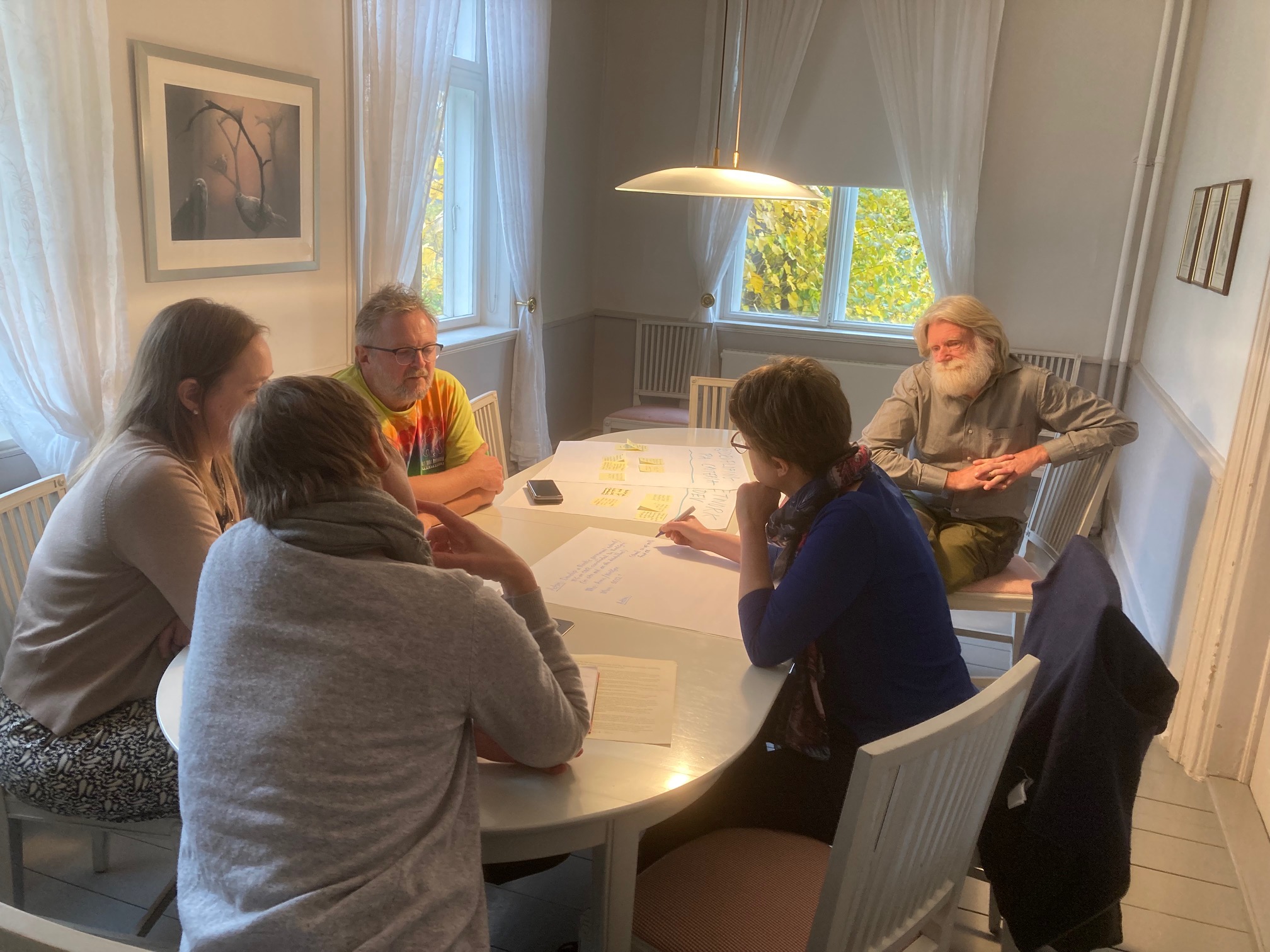
Group members: Linn Borgen Nilsen, Magnus Göransson, Shelagh Kell
Actions:
- Develop an information pamphlet about access, use and benefit sharing for CWR, targeting local governments and national park managers.
- Arrange a workshop with protected area managers to inform them specifically of ABS and value of the resources; discuss needs, interests, synergies, and increase the dialogue.
- Elaborate a concept of a project aiming at conducting predictive characterisation of traits of particular importance in the Nordic region.
- Consider other species that may be more attractive to the breeders’ community.
- Analyse the local jurisdiction related to access and use of CWR that are protected through national parks. This includes exploring to what extent national gene banks or NordGen can play a role in collecting seeds and granting access to users, through managing SMTA.
When: IMPORTANT – concrete time plans remain to be developed incl. an initial step for each of the proposed action (e.g. persons to contact, dividing responsibilities, etc.)
Who: To be determined
6. Communication
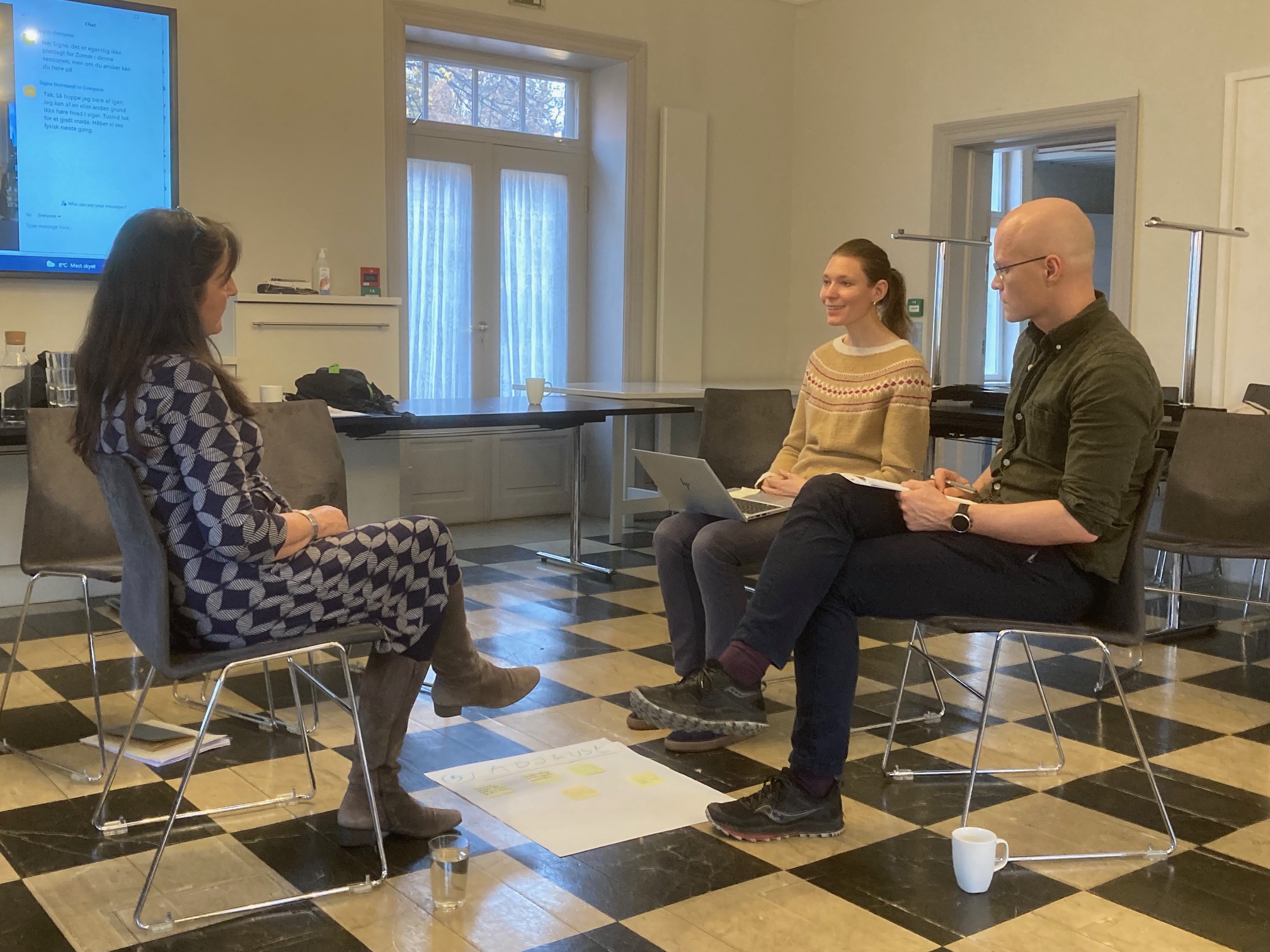
Group members: Kristina Bjureke, Linn Gjellesvik Andresen, Marko Hyvärinen, Jonatan Jacobsson, Hjörtur Þorbjörnsson
Actions:
- A media package, incl. information folder, pictures free and available, Nordic examples, and an “elevator pitch” (a video)
- Increased outreach around CWR in protected areas/national parks, incl. communication on guided tours and more knowledge within sites
- A public outreach package incl. a “CWR trail” and posters aimed at exhibition halls, national parks and botanical gardens
- Better information aimed at public spaces of counties/municipalities, such as e.g. sand beaches, on how to protect CWR and other plant species
When: IMPORTANT – concrete time plans remain to be developed incl. an initial step for each of the proposed action (e.g. persons to contact, dividing responsibilities, etc.)
Who: To be determined
D. Conclusions
A future workshop is normally conducted during a full day or as a lunch-to-lunch activity. From that perspective, a two and a half hour participatory event may seem a futile exercise with little hope of yielding concrete results. The motive behind the mini workshop was, however, to make use of the extensive information that had been presented to the participants during the preceding sessions. Additionally, the preparatory discussion topics also provided a basis for reflections prior to the future workshop. And, finally, participatory activities are generally recognised to be both inspirational and cross-fertilising.
Indeed, despite the limited time allotted to the group discussions, a wealth of actions was proposed, as reported above. One of the identified themes – Developing criteria – was however not elaborated further due to time constraints.
The fact that only a handful of the proposed actions were assigned with (relatively) detailed information regarding timing and responsibilities can also be explained by scarcity of time. An extended session would most certainly have allowed the groups to go into more details of the actions, with a resulting higher level of concretion. It is now up to the members of the groups, during the inter-sessional period, to prioritise among their actions, and carve out the very first “hands on” steps of what they consider being the most essential. This could include any of the following:
- assigning individual responsibilities
- identifying target persons with whom to contact
- drawing up a concept note for a project
- drafting a text for policy makers
- deciding upon a date for a follow-up meeting
- etc.
E. Recommendations
Based on the conclusions above, the following recommendations are given.
- The project management (i.e. at NordGen) to request – before 31 December – each thematic group to (a) jointly elaborate and define concrete steps to take and (b) assign responsibilities of at least one, and maximum three, of the proposed actions.
- Each thematic group to submit their proposal(s) – for discussion in the project coordination group – to the project management before 1 April 2022.
- Each thematic group to report the project management on state-of-the-art before 1 October 2022 (occasion 1).
- Each thematic group to report the project management on state-of-the-art before 1 April 2023 (occasion 2).
- Final reporting of inter-sessional work at second stakeholder workshop in 2023.
F. Evaluation
As a follow-up of the “mini future workshop”, two simple questions were sent out to the participants including an invitation to provide personal comments. Given that the time allotted to the future workshop was very limited, the questions were the following:
- Was it, nevertheless, worthwhile? Yes/No
- Should we consider a similar exercise – though longer – at the next stakeholder meeting? Yes/No
Of the 25 persons that were asked to provide feedback, nine responded. All of these expressed their appreciation of the activity despite the very tight time frame, and recommended arranging a similar activity at the next stakeholder workshop.
To be held in 2023.
“− The mini future workshop was very much worthwhile for me, even if I am not part of the project.”
“− I think it was a good physical exercise, to activate in groups and thinking aloud. Maybe the conclusions could have been firmer – as I don’t recall now exactly the outcome of the last discussions. Would be good to have more time.”
“− I found the exercise to be very good for two reasons: 1, it gets people involved in a dynamic and collaborative way (and is also fun); 2, although I haven't yet seen the report, it seemed to be very productive, even carried out in a short space of time. In addition, I would say that the spontaneity aspect is very good as it makes people focus their ideas.”
“− Aiming at bringing forward broad ideas for a work plan, activities and priorities, I think smaller and focussed groups worked very well.” (free translation)
“− The mini-workshop was a fresh and interactive take, which assured that all voices of the (physically present) participants were heard and gave good input towards future endeavours!”
“− I quite like such activities and found the discussions we had during the “mini future workshop” very useful. More time would perhaps have allowed me to get more out of the other groups’ discussions as well.”
“− […] it does not necessarily need to be all that much longer to be productive.”