2. Applications of critical raw materials (CRM)
CRMs have countless applications in modern products and materials. This chapter presents an overview of central CRM-applications as a foundation for a further discussion on which waste streams that may serve as a feedstock for CRM-recycling. Table 2.1 provides an overview of significant applications of critical and strategic raw materials as defined by EU per December 2023. A more detailed description of each CRM can be found in the Appendices.
CRM/SRM | Applications |
Antimony | Flame retardent, ammunition, alloys, batteries, solder |
Arsenic | LED light, glass, lead alloy, wood preservation |
Baryte | Drilling fluid, filler in paint, plastic, contrast fluid |
Bauxite/Aluminium | Cans and packaging, Light weight construction material, vehicles, EE-products, household products |
Beryllium | EE-products, alloys |
Bismuth | Lead free ammunition and solder, EE-products, ceramics, pharmaceuticals, rocket propellant |
Boron | Light weight materials, fertilizer, magnets, heat resistant glass, eye wash, detergent |
Cobalt | Alloys, catalyst, batteries, magnets, pigment |
Coking coal | Reducing agent, additive in steel production, carbon fibres |
Copper | Pipes, EE-products and electric infrastructure, construction material, bioside, pigment |
Feldspar | Glass and ceramics, filler in paint, plastics, rubber and paint |
Fluorspar/Fluorine | Industrial chemicals, organic chemicals and materials including teflon and Gore Tex, pharmaceuticals, batteries, |
Gallium | LED-light, magnets, screens, infra red detector |
Germanium | Infra red optics, polymerisation catalysts, reflector in projector, transistor/diodes, satelite solar cells, optical fibers |
Graphite | Alloys, batteries, electrode and refractory material in metal production, lubricant |
Hafnium | Nuclear control rods, jet engines, refractory ceramics, alloys, tools |
Helium | Welding/blanket gas, cryogenics, MRI, athmosphere for deep diving, balloons |
HREE (Dysprosium) | Magnets, laser, ceramics, alloys, pigments |
HREE (Erbium) | Magnets, glass, ceramics, EE-products, fiber optics, laser, alloys, catalysts |
HREE (Holmium) | Magnets, glass, alloys, laser |
HREE (Lutetium) | Magnets, phosphors, scintillators, catalysts, laser |
HREE (Terbium) | Magnets, glass, alloys, laser, X-ray |
HREE (Thulium) | Ceramics, laser, X-ray, magnets, EE-products |
HREE (Ytterbium) | Magnets, transistors/diodes, alloys, ceramics, laser, optics, SOFC |
HREE (Yttrium) | Catalysts, phosphors, magnets, ceramics, glass, pigments, EE-products, alloys, pigment, screens, lenses, laser/radar |
Lithium | Batteries, ceramics, lubricants, pharmaceuticals, alloys (steel and aluminium) |
LREE (Cerium) | Alloy, catalyst, pigment, glass, SOFC, super conductor, optical products, arc lamp, polishing powder, lighter flint |
LREE (Europium) | Alloys, pigments, laser, X-ray |
LREE (Gadolinium) | Magnets, EE-products, medical products, ceramics, alloys, superconductors, laser |
LREE (Lanthanum) | Catalysts, pigment, glas, ceramics, lenses, batteries, SOFC |
LREE (Neodymium) | Magnets, glass and ceramics, catalysts, pigment, alloys, lasers |
LREE (Praesodymium) | Magnets, glass and ceramics, pigments, SOFC, alloys, |
LREE (Promethium) | Synthetic nuclear isotope |
LREE (Samarium) | Magnets, glass, alloys |
Magnesium | Light weight construction material, tools, bicycles and wheel chairs, desulphurization agent in steelmaking, EE-products |
Magnetic REE (Dysprosium) | Magnets, laser, ceramics, alloys, pigments |
Magnetic REE (Erbium) | Magnets, glass, ceramics, EE-products, fiber optics, laser, alloys, catalysts |
Magnetic REE (Europium) | Magnets, alloys, pigments, laser, X-ray |
Magnetic REE (Gadolinium) | Magnets, EE-products, medical products, ceramics, alloys, superconductors, laser |
Magnetic REE (Holmium) | Magnets, glass, alloys, laser |
Magnetic REE (Lutetium) | Magnets, phosphors, scintillators, catalysts, laser |
Magnetic REE (Neodymium) | Magnets, glass and ceramics, catalysts, pigment, alloys, lasers |
Magnetic REE (Praesodynium) | Magnets, glass and ceramics, pigments, SOFC, alloys, |
Magnetic REE (Samarium) | Magnets, glass, alloys |
Magnetic REE (Terbium) | Magnets, glass, alloys, Laser, x-ray |
Magnetic REE (Thulium) | Magnets, EE-products, ceramics, laser, X-ray, magnets |
Magnetic REE (Ytterbium) | Magnets, transistors/diodes, alloys, ceramics, laser, optics, SOFC |
Manganese | Alloys, fertilizer, batteries |
Nickel | Alloys, coating, batteries, catalyst |
Niobium | Alloys (high strength temperature resisitant), EE-products (capacitors, magnets etc) |
PGM (Iridium) | Catalysts, industrial scoops |
PGM (Palladium) | Catalysts, EE-products, dental crowns, jewlery |
PGM (Platinum) | Catalysts, dental crowns, jewlery, medical equipment |
PGM (Rhodium) | Jewlery, catalysts |
PGM (Ruthenium) | EE-products, jewlery, catalysts |
Phosphate | Synthetic fertilizer, nutrient additive, flame retardent, food |
Phosphorous | Fireworks, lubricant additive, chemical and defence applications |
Scandium | EE-products, Solid Oxide Fuel Cells, light weight alloys |
Silicon, metall | Photovolaics, semiconductors/microchips, alloys |
Strontium | Pyrotechnics, ceramic magnets, magnets, luminating paint |
Tantalum | Medical and laboratory equipment, alloys, coocking elements, EE-products (capacitors) |
Titanium, metal | Medical implants, EE-products, light weight alloys, military and aeronatics and space applications |
Tungsten | Cutting and drilling bits, mobile phones, alloys, welding rods, projectiles |
Vanadium | Batteries, catalysts, alloys |
Table 2.1 Overview of significant applications of EU CRMs and SRMs.
As can be seen from Table 2.1 dominating applications of CRMs and SRMs include use as chemical components in alloys and magnets. Another important use of many CRMs is as catalysts that support chemical reactions and cleaning of flue gases. CRMs have also many applications in glass and ceramics often as a pigment.
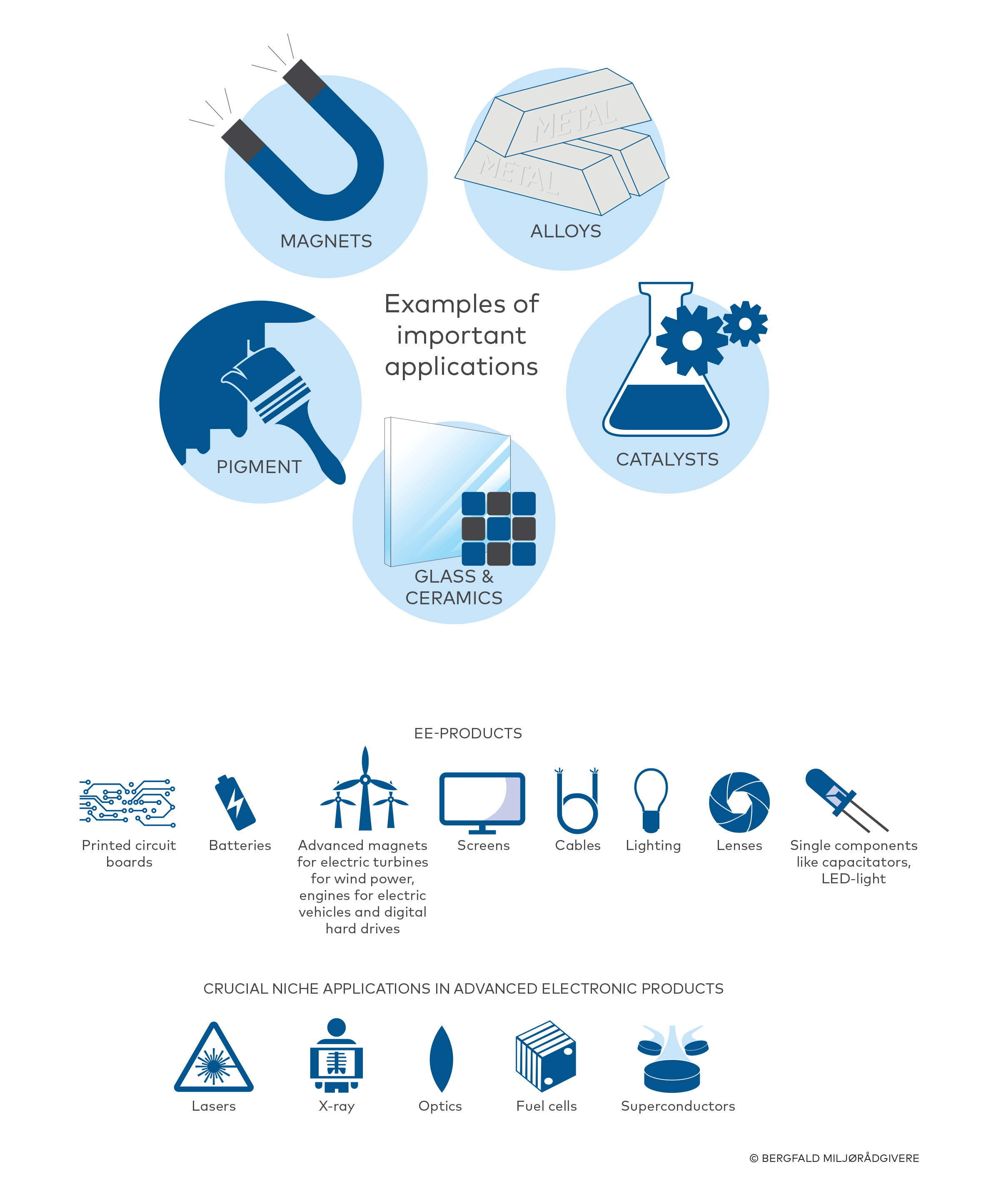
Figure 2.1 Important applications of CRMs.
Illustration Bergfald Miljørådgivere.
Illustration Bergfald Miljørådgivere.
CRMs are essential inputs in almost all electric and electronic products and components from printed circuit boards to batteries. CRMs also form the main components of advanced magnets necessary for making electric turbines for wind power, engines for electric vehicles and digital hard drives. Many CRMs have crucial niche applications in advanced electronic products like lasers, x-ray, optics, fuel cells, superconductors. Some CRMs have important applications for defence (projectiles, radar and electronics), nuclear power production (control rods and cooling) and space programs (rocket propellant, electric power production, thermic insulation).
Large amounts of CRMs are also found in metallic construction materials either as the main material component (aluminium, magnesium or copper) or minor components in alloys. Paint and other coating often contain pigments made from CRMs (titanium, copper, cobalt mm).
All food products, both animalistic and vegetarian contain recyclable phosphate. Other important applications of CRMs include additives in drilling fluids (barite), medical products (titanium, boron, lithium, gadolinium) and ammunition (copper, antimony, bismuth)
Many CRMs are found in countless household products like EE-products, tools, sports equipment, furniture, decorating articles packaging and textiles.
CRMs are also found in many household appliances as flame retardants in textiles, furniture and plastic materials (antimony, and phosphorous), and as coating of cooking equipment (fluorine) and tools and equipment (tungsten and nickel).