ii. Summary in English
The UN’s global biodiversity agreement encourages all countries to increase the involvement of their citizens and to use their knowledge to protect and manage nature. In many countries, there is already cooperation between citizens, authorities, and researchers. Based on experiences from the Nordic countries, this report describes practices and recommendations for citizen participation in Arctic nature management.
The first part of the report focuses on citizen involvement in nature management in Porsangerfjord (Norway), Breiðafjörður Bay (Iceland), and Disko Bay (Greenland). The second part explores citizen participation in nature management on the Faroe Islands, using seabird hunting as an example. The final section provides concrete recommendations on how environmentally-interested citizens can be more involved in managing Arctic nature, helping governments meet the suggestions of the UN’s global biodiversity agreement.
Restoring Nature in Porsangerfjord, Norway. Coastal communities in Northern Norway, especially around Porsangerfjord, have experienced major changes in marine ecosystems, affecting local livelihoods and Sámi culture. The collapse of the coastal cod population in the 1980s led to the destruction of seaweed forests and threatened fishing industries, causing significant economic and social disruption. Several restoration efforts were launched, including the establishment of fishing regulations, and replanting of seaweed, while incorporating both scientific and Sámi knowledge. However, progress has been slow. The “Porsangerfjord 3.0” project aims to integrate local and scientific knowledge for sustainable resource management. Community-based monitoring and co-created knowledge are needed to strengthen biodiversity while balancing conservation and resource use. This initiative could serve as a model for marine restoration across Norway.
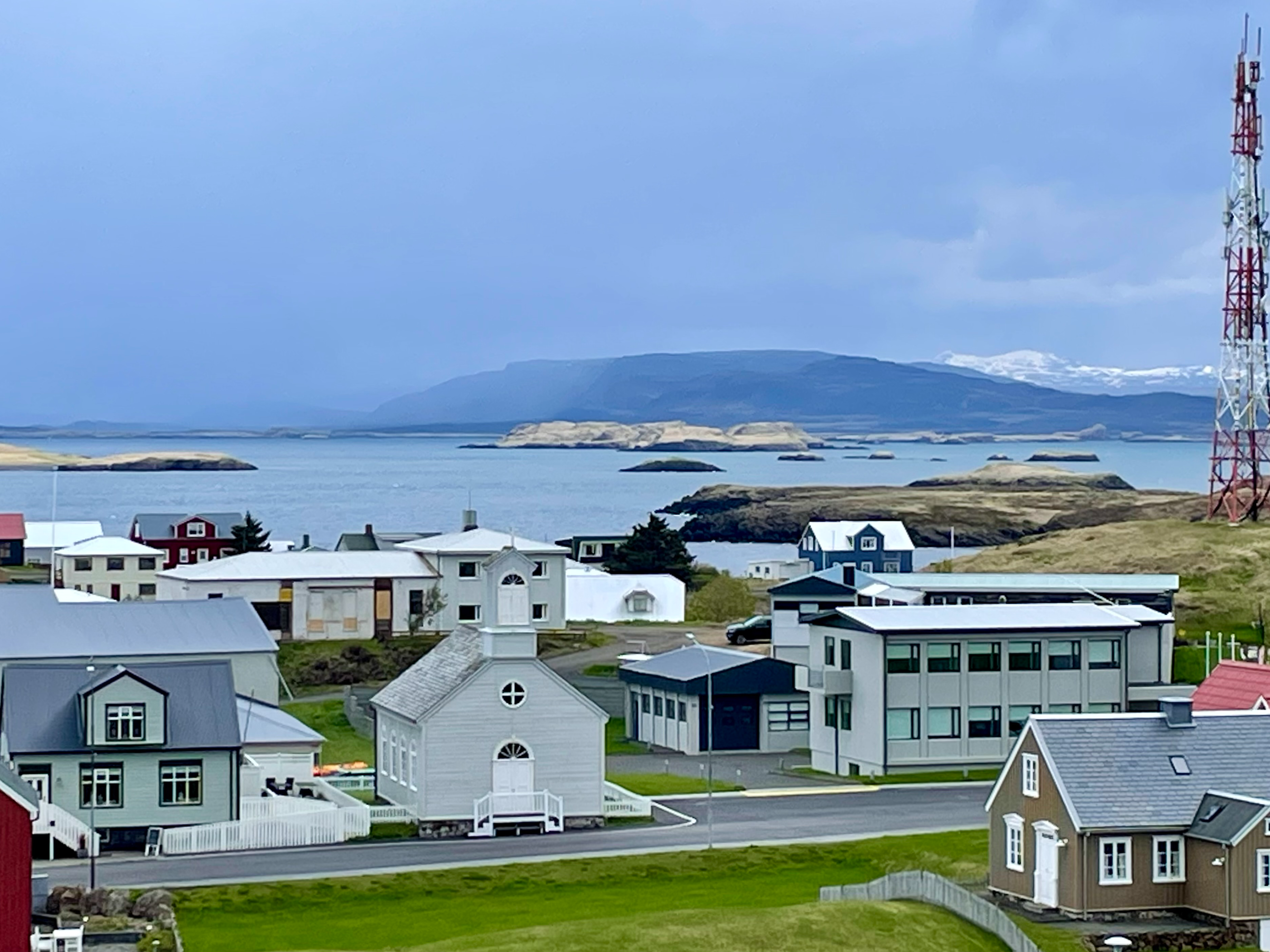
Managing Breiðafjörður Bay, Iceland. Breiðafjörður Bay in Western Iceland is home to about 1.000 farmers and fishers and their families. The area is of international importance to biodiversity. The bay has 3,000 uninhabited islands. It plays a fundamental role in Iceland’s fishing industry and is a global centre for eiderdown production. The inner part of the bay was declared a nature reserve in 1995 but protection has been insufficient, leading to local demands for a new management plan that includes citizen engagement. Climate change, increased tourism, and other challenges in the coastal communities are threatening the area, and the population of nesting eider ducks is in decline. Local farmers, fishers, and researchers possess valuable knowledge about the bay’s environment, which should be incorporated into nature management for example through a community-based monitoring program. Establishing a systematic community-based environmental monitoring system would support sustainable management and help coastal communities become more resilient to future threats.
Local Documentation and Management in Disko Bay, Greenland. Several national policies in Greenland emphasize the importance of including fishers' and hunters' knowledge in nature management, such as Greenland’s Hunting Act (2023), Research Strategy, and Biodiversity Strategy. Until now, decisions about nature management, such as setting quotas and hunting seasons, have mainly been based on scientific data. However, initiatives like the PISUNA program have demonstrated that fishers’ and hunters’ insights can contribute significantly to understanding the environment. In 2022, a workshop established an independent working group to strengthen citizen involvement in decision-making on living resources. The working group recommends long-term funding for local documentation and management programs that collect local knowledge and encourage its use in decision-making, as well as pilot projects in municipalities. The working group will meet again in 2025 and 2026 to evaluate progress.
Citizen Involvement in Nature Management on the Faroe Islands. The second part in the report focuses on citizen participation in nature management on the Faroe Islands, using seabird hunting as a case study. A workshop was held in Sandavágur on May 7, 2024, bringing together government officials, resource managers, and researchers from the Nordic countries. Also in attendance were hunters, farmers, and citizens from villages on Viðoy, Nólsoy, Sandoy, Skúgvoy, and Suðuroy. Discussions showed that hunters and other environmentally-interested citizens possess valuable knowledge about the Faroese environment. While all stakeholders (hunters, government officials, and scientists) agreed on the need for sustainable resource use, their interpretations of what this means in practice varied. Authorities lack specific knowledge on how to implement nature management measures in a way that balances environmental, social, and cultural sustainability. There is great potential to improve nature management by systematically incorporating hunters' and other environmentally-interested citizens’ knowledge into decision-making.
Key takeaways from the workshop:
- Better communication between stakeholders is necessary.
- Hunters are willing to share their knowledge if they feel their input is valued and used.
- Authorities want systematic collaboration with hunters, farmers, and other knowledgeable environmentally-interested citizens.
- Authorities would like to obtain a better understanding of the status of vulnerable species and areas.
Several solutions were discussed, including:
- Establishing hunting statistics.
- Organizing a hunting license system.
- Developing a community-based management system based on shared knowledge and learning.
- Facilitating regular meetings between local representatives and authorities.
- The “Grannastevna” system was mentioned as a potential tool for improving local co-management of natural resources but further analysis of this approach is needed.
Recommendations for Improving Citizen Participation in Arctic Nature Management. To further involve environmentally-interested citizens in nature management, as recommended by the UN’s global biodiversity agreement, the following steps are recommended:
- Community Representatives:
- Hunters, fishers, and other environmentally-interested citizens should appoint a representative to act as a contact point between the citizens and the authorities.
- A Roadmap for Citizen Engagement:
- Authorities should develop a plan to adapt and test community-based monitoring methods used in the Arctic, see https://pub.norden.org/temanord2025-543
- The plan should include a formal dialogue forum where citizens, authorities, and scientists can regularly discuss nature management.
- A dedicated contact point should be established to ensure that local knowledge is collected and shared with relevant government departments.
- National Policies for Citizen Engagement:
- Each country should develop a national policy that ensures that sufficient funding, expertise, and resources are allocated annually to support citizen participation in nature management.