Appendix
Methodology used to develop the NBS policy handbook
About the A-DVICE project
A-DVICE (Advice for Policy Development to Implement, Mainstream and Upscale NBS in the Nordics) is the third project commissioned by the Nordic Council of Ministers under their nature-based solutions programme. The project period was from March 2023 to November 2024. The project was led by Norwegian Institute for Water Research (NIVA), co-led by Norion Consult with VTT Technical Research Centre of Finland, Ensucon AB and University of Iceland as project partners.
The main aim of the project is to provide applicable advice and suggestions for policy development to mainstream and upscale NBS, considering aspects like promotion, incentives, planning and implementation, maintenance and monitoring of NBS at national, regional and local level in the Nordic region. This includes dissemination of examples and learning points from across the region, specifying ways of implementing recommendations from the other projects in the programme (S-ITUATION, S-UMMATION, the NordGen Crop Wild Relative project) as well as the report ‘Synergies between climate and biodiversity objectives in laws, policies and management practices’ (Engelbrecht Hansen et al., 2023).
The project was organised in five work packages (WPs):
- WP1. Policy overview. Synthesizing current knowledge on relevant policies and legislations.
- WP2. Policy gaps, needs and enablers. Identification and assessment of gaps, needs, enablers and success stories for NBS upscaling by consulting key stakeholders.
- WP3. Policy advice. Providing guidance to policy development built on existing policies and legislation, and development of the online handbook.
- WP4. External communication and dissemination. Information about the project work and dissemination of project results to stakeholder groups.
- WP5. Project management. Coordination of activities to secure alignment with objectives, other projects and communication between project partners and the NCM.
Figure 1 provides an overview of the organisation of the work packages, key deliverables and interlinkages.
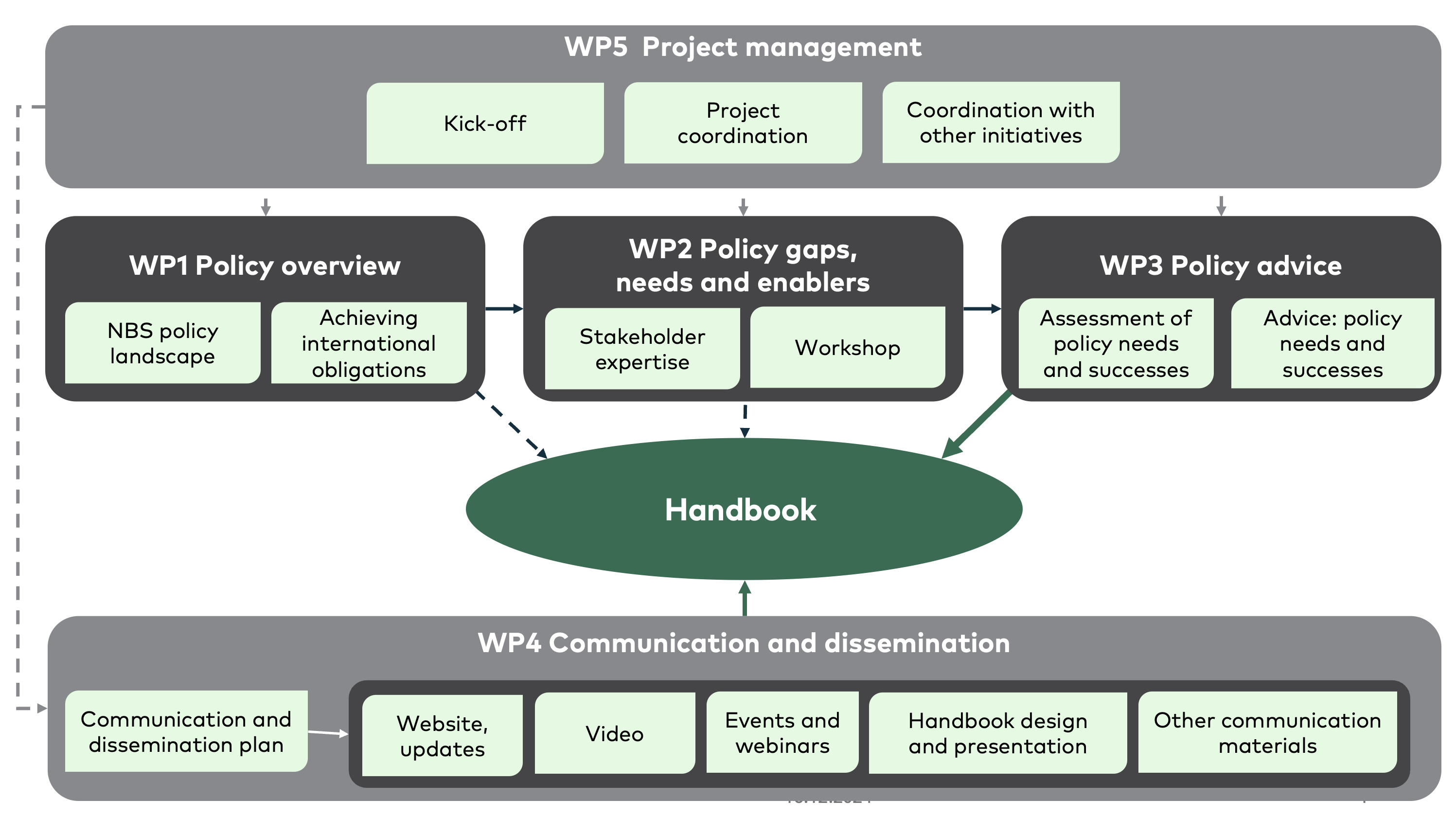
Figure 1. Illustration of the A-DVICE project work packages and organisation.
Accessing and synthesising existing knowledge and findings
The current knowledge about relevant policies and legislations related to NBS in the Nordic countries as well as international targets and obligations was synthesized. This was done by compiling knowledge from the previous projects funded by the NCM (in the NBS programme and the ‘synergy report’). The A-DVICE project partners had been involved in these projects and could therefore access and build on previously gathered data and overviews. A spreadsheet was created merging data from the S-ITUATION synthesis grey literature review and overview of Nordic pilot projects as well as an overview of policies from the Synergy report. The overview was complemented with an extract of all the recommendations from the S-ITUATION, S-UMMATION and Synergy reports. The data was also supplemented by other findings and knowledge from partners’ previous work and experience. The overview was used to inform the identification of gaps, needs, enablers and success stories related to NBS policy development in the Nordics. For international policies, a separate document was developed that contained an overview of key international obligations and targets categorized by key thematic areas.
Stakeholder/expert consultations and reference group
An overview of relevant experts and stakeholders was developed as a living document with inputs from all the partners. Each partner organization was responsible for contact with actors in their country. For the stakeholder consultations, an interview guide was developed and translated in addition to a consent form for participants and a template for reporting the findings. In total, 25 interviews were conducted with NBS practitioners, researchers, project managers, representatives of NGOs and public authorities on local, regional and national levels with expertise or responsibilities related to environment, biodiversity, water management, climate mitigation and adaptation, agriculture, forestry and coastal management across the different countries. The interviews were conducted between the fall of 2023 and spring 2024. They concerned the participants’ views on current gaps and barriers, needs and enablers related to policy development for NBS in their country, region or area of expertise. In addition, the participants were asked about how they access information about NBS and policies and to provide examples of NBS policies and initiatives. The findings were reported in a template and added into an overview in a separate spreadsheet where the findings were coded according to topic, country and kind of information.
The partners also contacted experts and stakeholders to be part of a project reference group. The group consisted of 18 persons representing public authorities at different governance levels in Denmark, Faroe Islands, Finland, Iceland, Norway, Sweden and a representative from the European Commission. In addition, the project leaders of parallel NCM projects GuideNBS and NordGen were part of the reference group. The group was established in August 2023 and was consulted about the content of the handbook as well as testing the structure and user interface of the online handbook.
An online workshop was held on May 7, 2024, with 39 stakeholders and experts in the Nordic countries participating. In the workshop, the project and handbook were presented, as well as preliminary findings. The participants were invited to discuss the findings and potential advice in groups. The first group discussions were based on country and participants could discuss findings related to their national context. The second group discussion was thematically divided, and participants could discuss suggestions for advice and examples of policies related to different topics that they could choose between when registering for the workshop. The topics were biodiversity, coast, restoration, urban, local governance, climate, and wetlands and streams. The findings were summarized and reported and coded into the same overview as findings from interviews.
Development of the online handbook
The structure for the online handbook and the TemaNord report was developed based on the suggestions in the project proposal. During an internal project workshop in November 2023, the partners together worked on the structure and key elements in the content of the handbook and specific advice. This was further developed into a template for developing specific advice. In December 2024, the project presented a preliminary draft for feedback from the NCM steering committee of the TemaNord report with examples of advice as well as an illustration of the online handbook. The content of the advice in the handbook and the TemaNord report has been further developed by the project partners based on the findings from the overviews and expert consultations described above, with responsibilities for writing about different topics and countries divided between the respective partner institutions and researchers.
The online website was developed in a separate platform. The first version of the online handbook was shared with the NCM steering committee and the project reference group for beta testing in March 2024. An online survey was also sent out with specific questions about the accessibility and users’ experience of the handbook. The online handbook will be updated with all text and advice entries in English, as well as translated material in Norwegian and Finnish by the end of November 2024.
Timeline
Figure 2 provides an overview of the project timeline, including key milestones and events.
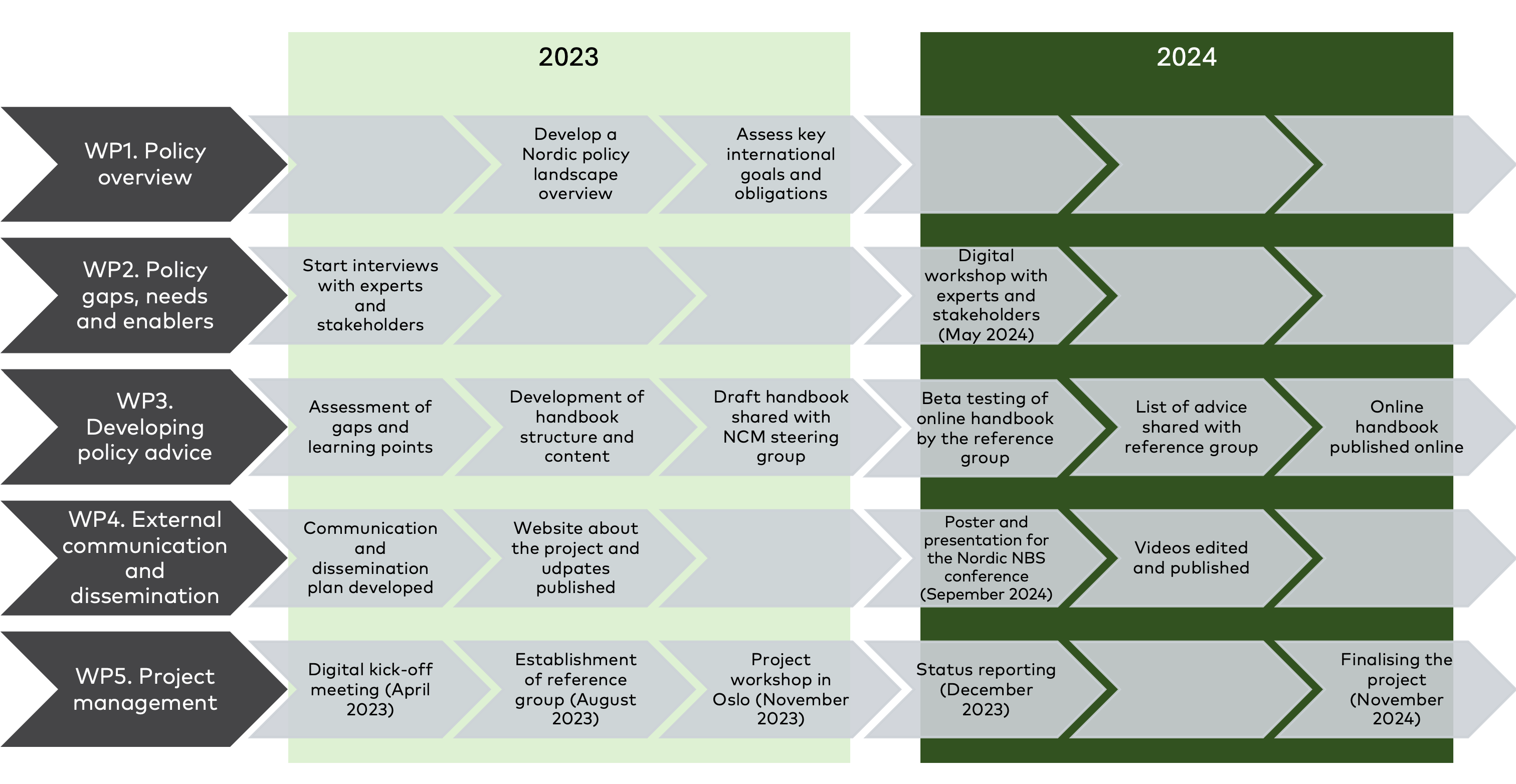
Figure 2. Overviewp of key milestones and events in the A-DVICE project.
Definitions and categories
The definition of nature-based solutions is based on the definition in the United Nations Environmental Assembly resolution (UNEP, 2022), as well as IUCN’s global standard for NBS (IUCN, 2020a). When developing the categories for societal challenges, nature types and NBS actions, the project looked to the IUCN categories as well as previous Nordic publications that the project builds on. The development of categories was aligned with the GuideNBS project so that the handbooks can easier link to each other.
Societal challenges
In the global standard published by IUCN, seven major societal challenges addressed by NBS are highlighted. Of these, climate change mitigation and adaptation, disaster risk reduction, economic and social development, human health, food security and water security were formulated within the IUCN definition of 2016, while “the seventh societal challenge, reversing ecosystem degradation and biodiversity loss, was an outcome of the second public consultation on the Standard” (IUCN, 2020a). In their work with building an evidence and knowledge base on the benefits and challenges of applying NBS, the EKLIPSE project further expanded on the list of challenges to provide a more balanced picture of policy focus areas. For example, the economic and social development category encompasses multiple challenge areas. The EKLIPSE report (Raymond et al., 2017) expanded and revised IUCNs list, with in total 10 categories. The EU handbook for evaluating impacts of NBS (European Commission, 2021a) revised EKLIPSE’s list, with in total 12 categories. In the handbook we acknowledge this by including social justice and capacity building as an 8th category.
Ecosystems/nature types
The policy handbook does not primarily use ecosystems as a category, as policies often can apply across them. However, there is an additional tag for nature types to filter advice in the online handbook. Here, the nature types included are based on the other Nordic projects and sometimes categories are combined into: forests, mountains, urban, cultural and agriculture landscapes, coastal and marine, rivers, streams and lakes, wetlands and peatlands.
The policy handbook does not primarily use ecosystems as a category, as policies often can apply across them. However, there is an additional tag for nature types to filter advice in the online handbook. Here, the nature types included are based on the other Nordic projects and sometimes categories are combined into: forests, mountains, urban, cultural and agriculture landscapes, coastal and marine, rivers, streams and lakes, wetlands and peatlands.
Policy types
Policy instruments are often grouped into legal, economic and voluntary/information types. For this handbook we build on several definitions, including OECD (2023) and EEA (2016) as well as the work done in Engelbrecht Hansen et al. (2023). During the project we have worked with several sub-categories, but in the handbook, we have merged them into four main categories. Table 3 below show the types of policies included in each category.
Table 3. Overview of categorisation of policies in the project policy overview.
Policy approaches | Description |
Laws and regulations | Rules issued by governmental agencies |
Economic instruments | Any economic measure such as funds, taxation, budgets, payment for ecosystem services, etc. |
Administrative practices and strategies |
|
Information, Guidance and other voluntary measures /Governance |
|