16. paving the way to sustainable PSS models
Nordic businesses looking to adopt or expand PSS models face various challenges depending on the industry, market maturity, target segment (B2B, B2G, B2C), and specific business models. This section explores challenges and enablers common across sectors and product groups, drawing from insights from literature reviews and extensive engagement with PSS providers through interviews, workshops, and pilot projects.
Four key categories of barriers and enablers have been analysed: cultural, technical, economic, and regulatory.
- Cultural barriers include deep-rooted consumer behaviours, such as preferences for product ownership, gendered norms influencing alternative business models, and preconceived notions about PSS. They also include aspects related to company culture, such as companies’ hesitance to change long-term practices and embark on a new way of working.
- Technical barriers embrace the absence of standardised solutions, administrative complexities, and difficulties documenting circular and sustainable models.
- Economic barriers encompass access to financing, competition with traditional product sales, high labour costs, internal capacity constraints, and public procurement challenges.
- Regulatory barriers encompass a lack of supporting regulations, a regulatory landscape geared towards linear business models, and an absence of legislative and financial guidance to assist PSS providers in navigating complex legal frameworks..
Table 10 provides a comprehensive view of the challenges and opportunities for advancing PSS in the Nordic Region.
Table 10: Overview of challenges and opportunities for advancing PSS in the Nordic Region.
CULTURAL |
Challenges |
|
Enablers |
|
TECHNICAL |
Challenges |
|
Enablers |
|
ECONOMIC |
Challenges |
|
Enablers |
|
REGULATORY |
Challenges |
|
Enablers |
|
The barriers and enablers are closely interlinked, reflecting PSS providers' complexity in navigating the market and the regulatory and economic landscapes. This is particularly evident in the case of public procurement, which is often perceived as a barrier for PSS providers due to its ties to cultural, economic, and regulatory factors. Yet, it also holds the potential to act as an enabler and exemplary case for PSS adoption. Many challenges, such as high product acquisition costs or difficulties in securing financing, are compounded by slow regulatory adaptation and an overall market structure favouring linear business models. For instance, regulatory gaps create uncertainty that intensifies financial hurdles like profitability and scalability, especially for smaller PSS providers.
Enablers – such as supportive regulations, technological innovations, and shifting consumer perceptions – can directly counterbalance the barriers. Policies like EPR can incentivise circular practices, offering opportunities for PSS providers to scale more effectively. Digital innovations can streamline operations, helping to reduce costs and improve business efficiency.
In general, far more challenges than enablers have been identified through consultations with PSS providers and pilot projects, reflecting PSS providers’ desire to voice the specific challenges and concerns they face in a system still geared toward linear practices. The businesses are operating in a transitional period, where consumers are still adjusting to sustainable consumption, and market conditions and regulations continue favouring traditional ownership models. The identified challenges often centre around overcoming these structural disadvantages to make their business models economically and environmentally viable.
Conversely, the enablers share a common theme of making circular consumption more convenient, accessible, and beneficial for customers. While the current market may favour linear models, these enablers signal a shift toward a more sustainable future, where regulatory support, consumer behaviour, and market dynamics increasingly align with the principles of circularity and sustainability. Ultimately, the success of PSS models depends on leveraging these enablers while addressing the barriers, creating a business ecosystem that can support both profitability and sustainability.
Looking Ahead
The following section will dive deeper into three critical areas that have surfaced as essential for the growth of PSS models:
- Shifting the culture of ownership and enhancing the value proposition: Changing deeply ingrained consumer behaviours and clarifying PSS's benefits will be vital in driving adoption.
- Financing PSS models: Overcoming financial hurdles, including securing scalable funding, is key to ensuring the long-term viability of PSS businesses.
- Leveraging public procurement as a driver for PSS adoption: Public procurement presents a powerful opportunity to mainstream PSS models, especially if regulatory frameworks and purchasing policies begin to prioritise circular solutions.
These deep dives will explore how to unlock the potential of PSS models and turn barriers into opportunities for sustainable business development.
16.1 Culture of ownership and value proposition of PSS
PSS models differ from traditional ownership models by emphasising performance, product use, and functionality over ownership. However, a major challenge for PSS providers is developing and communicating the value proposition of these systems, especially given the deeply ingrained culture of ownership across the B2C, B2B, and B2G sectors. Customers are accustomed to owning the products they acquire, a behaviour long embedded in the traditional linear economy. To succeed, PSS providers must find effective ways to demonstrate the value of their services to target groups and overcome these entrenched ownership habits.
16.1.1 The culture of ownership
One of the most pervasive challenges for PSS providers is addressing the deep-rooted culture of ownership. Consumers across all market segments have developed long-standing attachments to products within the linear economic system, where ownership equates to control and familiarity. PSS models challenge these ingrained habits, whether based on product rental, leasing, or shared access (Cherry & Pidgeon, 2018). The culture of ownership has been evident in all the pilot projects conducted across various product groups. Some companies have made strides in market maturation, helping customers decrease the desire for ownership (section 7.4), but many others are still at the beginning of this transition journey (sections 5.4 and 10.2).
The culture of ownership is particularly apparent with products that carry personal or emotional value and items that may contain sensitive user information. For example, there is a well-established B2B segment for workwear in the clothing rental market, but there is still only a niche market for occasional wear within B2C, with even fewer examples in casual wear. This disparity may partly stem from the emotional attachment to personal clothing, in contrast to workwear, but it should be noted that even in B2B markets, emotional connections can arise. For instance, Nethire’s experience shows that in sectors like construction, workers may feel personally connected to the tools they use daily, making them hesitant to adopt rental.
PSS solutions can bring customers potential drawbacks and risks that discourage them from exploring alternatives to ownership models. These concerns often revolve around guaranteed product access and the convenience of acquiring and returning items, fuelling fear of losing control (Cherry & Pidgeon, 2018). For instance, in membership-based PSS models for clothing, tools, or bicycle rentals, customers may worry that the products they need won’t be available in the right size, condition, or brand. PSS providers must balance offering a wide product assortment to meet these demands without encountering financial or storage challenges, all while maintaining a high product use rate to remain environmentally sustainable. These issues are particularly prominent in B2C markets, where PSS often struggle to create sufficient customer value.
Ownership gives customers a sense of control over usage and availability since external factors don’t influence their access to the product. As a result, PSS providers must demonstrate the advantages of PSS models over what customers perceive as the limitations. While PSS models offer benefits like flexibility, maintenance, and repair services, customers may still perceive inconveniences, such as ongoing payments, product wear and tear, and potential inaccessibility. The value proposition is often clearest in cases where the products are expensive, have short-term usage needs, or require complex maintenance – like large infrastructure machinery, specialised equipment, or high-cost cargo bicycles.
Successfully shifting the culture of ownership will require PSS providers to consistently convey their models' convenience, cost savings, and environmental benefits, making clear the long-term advantages over traditional ownership.
16.1.2 Demonstrating value in a culture of ownership
In this project, we encountered numerous Nordic PSS providers with clear visions – such as reducing plastic waste or increasing product use rates – who struggle to demonstrate their services' value to potential customers effectively. One significant challenge is that customers seek value not only in functional terms but across multiple dimensions, including economic, emotional, and symbolic value (Catulli et al., n.d.).
Communicating cost-savings and long-term value
One of the key challenges PSS providers face is demonstrating their services' monetary value and long-term cost savings – and making customers understand, that convenience also comes at a cost. This is especially prevalent in the B2C segment, where consumers often focus on visible, immediate costs without considering the operational costs during the product’s lifetime. Studies show that customers frequently underestimate the ongoing costs of product use, maintenance, and depreciation – as seen in car ownership (Gössling et al., 2022), where car-sharing users often directly compare rental and fuel expenses, overlooking the Total Cost of Ownership (TCO).
Similarly, clothing rental customers may view rental fees as high compared to purchasing, even though they often buy clothing that is rarely worn. Clothing rental studies show consumers are more inclined to rent expensive, occasional wear, knowing they would otherwise face high cost-per-wear (Gustafsson & Spitzbart, 2020). However, customer perceptions of acceptable rental prices vary significantly, with some expecting to pay less than 10% of the product’s acquisition price, while others see that as excessive. Most B2C customers agree that PSS pricing should be modular – long-term rentals should result in a lower per-day price than short-term rentals as seen in section 11.2.
Part of the explanation is that calculating TCO requires a deep understanding of all operational costs, which can be difficult to predict, especially for variables like future maintenance and repairs. Some benefits, such as repair coverage or spare part availability, may only become apparent to customers after prolonged use, further complicating the calculation and the value communication.
By helping customers understand TCO, providers can make clear comparisons to traditional ownership costs, making long-term savings more tangible and highlighting the economic value PSS offers. However, it is important to note that cost savings are not always guaranteed, as the convenience and flexibility of a service-based model can come at a higher price – but then, transparency on costs can help understand the value of these additional services better. For example, in the case of lighting-as-a-service, TCO calculations can help customers better understand the potential savings related to energy efficiency, reduced upfront installation costs, and fewer repair and maintenance costs compared with the ongoing subscription fees, as seen in section 13.3.
The personal touch vs. scalability
PSS models are often service-centric, making them more complex to communicate and analyse than traditional product offerings (Marek, 2020). High-quality service is integral to PSS value but can also be resource-intensive and costly, as seen in pilot projects like Vaatepuu (Section 10.2), Rent a Bike (Section 5.4) and Nethire (Section 7.4). For instance, Vaatepuu members greatly valued personalised styling advice and problem-solving assistance with damaged or late-returned items. However, providing such individualised attention is labour-intensive and often heavily reliant on one person, such as the founder, making it difficult to scale or sustain.
Common misconceptions about PSS models, such as concerns over hygiene, legal liabilities, and product availability, require additional information efforts and an obligation to constantly deliver a high quality of service. For example, in reusable cup systems, successful implementation depends on behavioural changes from both B2B staff, who must introduce the service to customers, and end-consumers, who must change their consumption habits and return the cup after usage. This complexity necessitates extra communication and education, particularly when dealing with user behavioural changes.
Many PSS services appeal to customers through a ‘personal touch,’ fostered by strong trust, personalised customer service, and flexibility from the provider. Maintaining the ‘personal touch’ while scaling can be challenging. Focusing on personalised customer service can divert attention from scaling efforts, while scaling up can dilute personal connections with customers as operations grow and become more impersonal (Mohamad et al., 2014). The pilot findings show that many customers see close relationships as a key driver for engaging with PSS solutions. Some even describe the personal connection as the most significant factor influencing their choice to adopt PSS.
As such, PSS providers must find ways to maintain this personal touch as they scale – for example, by developing a business model that can be replicated in other locations or markets. This way, businesses can ensure consistency in delivering services while achieving the same level of quality and satisfaction for their customers, building on the experiences from their initial venture. Alternatively, companies can focus on building a sustainable business model that does not depend on further market expansion and growth but is rooted in a local community or a specific market segment.
Environmental benefits are difficult to quantify and communicate
Quantifying environmental benefits remains a challenge for many PSS providers, especially SMEs. The environmental advantages of PSS are often assumed rather than rigorously demonstrated, making it hard for companies to articulate these benefits clearly. Moreover, the actual environmental impact depends significantly on user behaviour and interaction with the service. For example, in the reusable cup pilot project with Kleen Hub, the true environmental benefit depends on product usage, return rates, and the logistics of the operational system, as seen in section 6.1. Comprehensive environmental assessments, such as life cycle assessments (LCA), are complex and resource-intensive but necessary to fully communicate PSS's environmental value in line with marketing regulations.
Social benefits for customers and local communities
Many PSS models offer social benefits in addition to economic and environmental benefits. For example, in membership-based clothing rental services, customers might initially be interested in supplementing their wardrobe by renting specific pieces to "spice up" their collection; over time, however, they may feel part of a broader community with similar fashion interests or sustainability values as seen in section 10.2.
Many PSS providers in the Nordics incorporate socio-economic business models, offering local employment opportunities through labour-intensive services such as the repair and maintenance of bikes, electronics, and other products. In some cases, like the Danish circular lighting company Fischer Lighting, this includes integrating individuals who struggle to find employment as seen in section 13.3, supporting local job creation and skill development and enhancing the PSS model’s sustainability. Emphasising the PSS models’ social and economic contributions can appeal to customers and stakeholders who value corporate social responsibility and the positive impact on local communities.
16.1.3 Conclusions, recommendations and further resources
PSS providers often struggle to develop a clear value proposition in competition with traditional product sales. Customers are used to owning products rather than renting or leasing them. PSS models promote use-oriented consumption, which requires a cultural shift in household and business sectors. It is crucially important for PSS providers to define the factors that differentiate their offerings from traditional products and communicate what customers can expect from their service regarding personalisation, support, and problem-solving.
Understanding and mapping customer journeys can help identify key points where value is generated. However, this requires a deep dive into how customer segments experience and benefit from the service. Moreover, the complex nature of PSS services – such as dealing with questions related to insurance, damages, or loss – demands more extensive communication with customers than selling a simple product. Thus, PSS providers must develop detailed FAQs and other resources to address customer concerns and highlight the customer support structures offered. Given customers' general interest but hesitance to fully commit to PSS models, personal recommendations and testimonials can further help attract new users.
Another solution may be to collaborate with other PSS companies. Creating networks with ‘competing’ providers can foster collaboration and knowledge sharing (Terziovski, 2003). By exchanging ideas and experiences, PSS companies can overcome challenges in maintaining high-quality customer service while scaling and unlocking new funding opportunities (Schoonjans et al., 2013). Our pilot projects showed that SMEs working within PSS models are generally open to helping each other navigate these shared challenges related to the value proposition.
16.2 Financing PSS Models
Realising the potential of PSS business models depends strongly on the provider’s ability to address questions related to financial factors and business configurations. Implementing a PSS model can be a promising business opportunity because it can secure long-term recurring revenue with higher returns on the investment. Still, the provider may face significant challenges in ensuring stable cash flows, managing value chain risks, and aligning investments with repayment periods. Moreover, finance providers are often reluctant to grant loans to new circular business models due to lack of knowledge and the new types of risks that are associated with them. Still, access to capital is at the heart of the challenges for PSS.
16.2.1 The challenge of providing more than a good business case
While all businesses must present a good case to attract investments, non-linear business models face additional barriers because it can be difficult to align them to perform well on traditional financial evaluation measures, such as key economic indicators and asset structure. Interviews with Nordic financial institutions reveal several challenges that non-linear business models, such as PSS, face when seeking financing.
Traditional financial metrics and PSS models
Firms, especially SMEs and start-ups, often rely on external sources of finance to fund innovation. Those external sources are often banks, which are legally obligated to follow stringent due diligence procedures and require business customers to live up to certain financial metrics to access capital. Banks and financial institutions often mandate co-payment arrangements and expect the business to contribute equity – usually at least 20% of the loan or total financing amount. Banks also expect a detailed budget and a thorough business development plan that addresses potential challenges and outlines growth strategies. Documentation reflecting an in-depth understanding of the business’ assets, risks related to financing, development visions and security of payment, with the latter being highlighted as the most important aspect for evaluating prospecting firms. Bookkeeping data for at least one year is essential, as well as proof of successful maintenance of previous loans or financing sources and a comprehensive overview of historical financial accounts highlighting profits and positive repayment history of interest and loans.
For start-ups, fulfilling these requirements is difficult, not least for PSS models, which typically require substantial upfront loans or investment to create a sufficient scale for generating ongoing revenue while paying interest rates and investment costs 5.3. This long-term revenue focus differs from traditional models, where every sale provides the full return immediately, allowing businesses to scale their production and/or procurement organically according to demand.
Key financial indicators
Key economic metrics, most commonly return on assets, are typically suited to linear business models and will be inadequate for evaluating the efficiency of use-oriented PSS providers, requiring significant capital investment, as the assets remain on the provider’s balance sheet, increasing their financial exposure. Traditional accounting practices exacerbate this by considering owning and maintaining assets a financial risk (Cf. section 5.4).
Linear models are driven by direct sales and profitability linked to asset disposal, while PSS models generate recurring revenue through incremental payments (Acsinte & Verbeek, 2017; Kirchherr et al., 2018). The lower returns on assets and the circular economy principles inherent in PSS models add complexity, as they require a shift in financial evaluation away from short-term profitability towards long-term value creation. The business's asset-heavy nature limits operational agility, making it challenging to adapt to market fluctuations or technological advancements swiftly (Kirchherr et al., 2018; Reim et al., 2021)
The mismatch between the timing of revenue generation and capital outlays can lead to cash flow challenges, making it difficult to maintain an adequate liquidity level (Cf. Section 5.4 and 6.3). If access to risk capital is present, the issue can be partially addressed through financing arrangements that offer longer payback periods. However, this may result in higher total investment costs due to increased interest rates over the extended period.
Net income measures, which compare gross income to expenses, may appear lower for PSS models because income is distributed over time, while costs, such as labour and interest payments, tend to rise in the short to mid-term (Linder et al., 2022). Solvency ratios, which gauge a firm’s ability to meet long-term debt obligations, pose a challenge, as the interest coverage ratio may be lower for PSS firms due to the combination of high upfront investment and the gradual accumulation of revenue. These factors can lead to an inaccurate financial evaluation of PSS businesses when using traditional financial ratios (Linder et al., 2022). PSS providers must develop new financial metrics aligned with their business model, emphasising sustainability, recurring revenue streams, steady growth, and long-term financial health to exhibit a good business case and attract investors (Fallahi et al., 2023; Toxopeus et al., 2021; Vinnova, 2017).
Banks generally accept a wide range of forms of collateral but traditionally prefer tangible, reusable assets. PSS providers who deal with consumer goods of low capital value, such as clothing, provide little security for loans due to their low resell value (Berger & Udell, 2006) – a challenge recognised in the project's pilots.
16.2.2 Opportunities
The challenge of ensuring sufficient capital is especially evident for smaller businesses and start-ups. Mature businesses wanting to venture into PSS business models do not rely on external capital to the same extent as small businesses. Successful PSS solutions are often supplementary business avenues by companies with successful sales through traditional models, providing the required financial robustness.
The joint venture between the Finnish IT company 3 Step IT and the multinational bank and financial service provider BNP Paribas combines expertise in IT lifecycle management with access to financial resources. The joint-venture offers businesses a comprehensive full-service circular PSS solution for IT devices, which has allowed the business to scale to 11 countries across Europe (4 in the Nordics) where they +3 mio. devices under management.
The joint venture between 3 Step IT and BNP Paribas offers substantial strategic advantages for 3 Step IT, particularly by enhancing its financial strength and operational capacity. Through this long-term partnership, 3 Step IT gains access to the extensive capital resources of BNP Paribas, a key factor in supporting large-scale leasing agreements and expanding their product-as-a-service offerings across Northern and Western Europe.
PSS providers can adopt efficient asset management strategies to mitigate financial challenges. This involves refining processes around asset operation, monitoring, maintenance, upgrading, and disposal – all to minimise costs.
Lease-and-lease-on and sale-and-leaseback arrangements can ease financial pressure by reducing direct ownership, improving liquidity, and introducing flexibility essential for navigating a dynamic market.
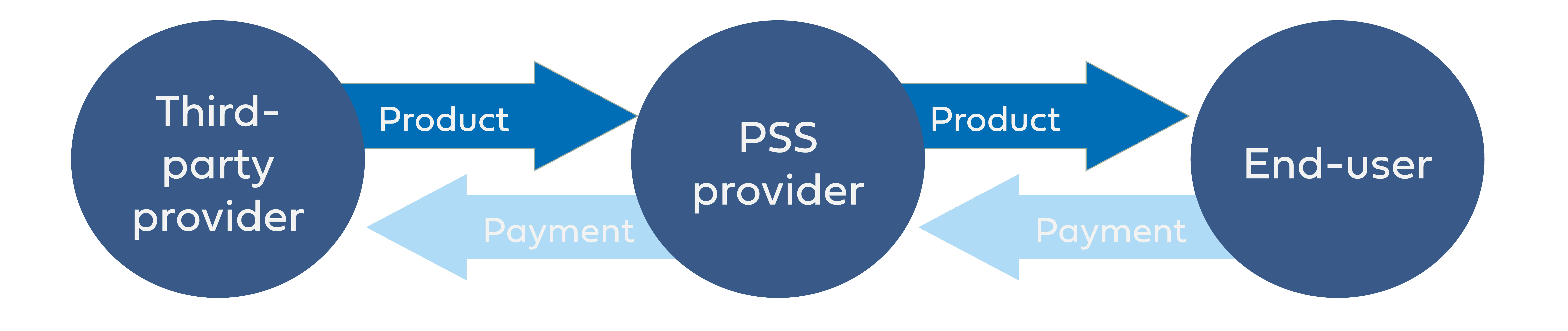
Figure 19: Example of lease-and-lease-on. Based on Fallahi et al. (2023).
The lease-and-lease-on model allows PSS providers to lease products from a third-party lessor and sublease them to customers, acting as an intermediary. In this model, the provider avoids significant upfront capital investment and the risks associated with asset ownership and obsolescence (Fallahi et al., 2023).
In a sale-and-leaseback model, a PSS provider sells ownership of assets to a third party while continuing to use the assets under a lease agreement. This approach releases capital immobilised in the assets, enhancing liquidity and allowing for reinvestment in strategic initiatives (Fallahi et al., 2023) Lease payments and the loss of ownership necessitate a thorough evaluation of long-term financial implications to ensure profitability.
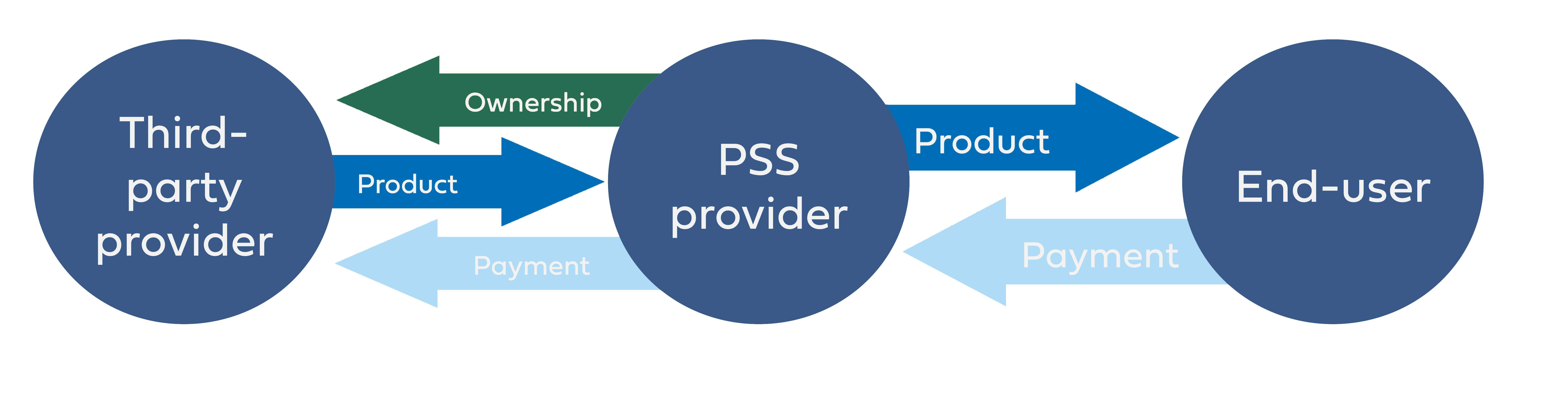
Figure 20: Example of sale-and-leaseback. Based on Fallahi et al. (2023).
16.2.3 Conclusions
Traditional banks are often hesitant to lend to PSS providers, especially SMEs, and governments should investigate solutions to provide financial instruments that reduce the risk of investing in promising circular business models. Financial institutions would be more willing to finance PSS ventures in co-payment structures where the government guarantees part of the loan.
Nordic countries have established a green financing institution, the Nordic Green Bank (Nefco), which provides financing for the global scaling of promising green business solutions (Nefco, n.d.). Nefco does not, however, consider the financing challenges of circular business models in its investment criteria and will consequently prioritise linear business models. Nefco does not support businesses that aim to develop their business in a national or cross-Nordic market (only an international market). The Nordic policymakers, therefore, do not need to look far to find an opportunity to help reduce the financing barriers of promising PSS businesses.
Sale-and-leaseback and lease-and-lease-on arrangements can improve liquidity for PSS providers. However, this might lead to an increase in overall costs and should thus be carefully evaluated by public institutions. Governments can support this by providing tax incentives and encouraging financial institutions to offer favourable terms to PSS providers adopting asset-based financing. Such strategies would reduce the capital constraints faced by PSS businesses, allowing them to grow and innovate without being burdened by large upfront investments.
Governments should use existing platforms to invest in upskilling initiatives and knowledge-sharing platforms to improve access to finance that helps PSS providers navigate financial challenges. This could be done by enabling and encouraging regional business hubs, business clusters, and other similar public institutions to emphasise circular business models. These initiatives would ensure that SMEs and start-ups in the PSS sector have the skills and knowledge to structure their business cases effectively, access both formal and informal financing sources, and successfully manage their capital.
16.3 Public procurement as an enabler for PSS
Due to its vast scale and purchasing power, public procurement holds significant potential to drive systemic changes towards sustainability. Moreover, it can signal the willingness of public institutions to drive social change, and help introduce more sustainable products and services to the wider society. Already, many assets for the public sector are procured through a PSS agreement, including vehicles, fixtures, coffee machines, printers, ICT equipment, and textiles for the healthcare and criminal justice sectors.
While no specific legal barriers prevent public institutions from procuring PSS solutions, PSS providers targeting the public sector still face significant challenges. Few municipalities actively include PSS solutions in their procurement strategies, with the exceptions primarily in areas like ICT, mobility (such as cars and bikes), and textiles.
Public procurement rules, which focus on the procedures for purchasing rather than the specifics of what is being purchased, are often criticised for being overly complex and restrictive, potentially limiting the flexibility needed for green procurement. However, the true challenge lies not in the rules but in the lack of knowledge and experience in identifying the most effective strategies and organisational setup for achieving green transitions (UNEP, 2021). Instead of adding more stringent requirements, there is a growing recognition that increasing knowledge and providing practical tools to incorporate climate and resource considerations into public procurement is essential. This issue has received public attention, underscoring the need for a more informed and practical approach to green procurement (Hamer, 2024; United Nations Environmental Programme, n.d.).
If there are no suppliers, you must cancel the competition due to lack of offers. Starting early allows you to prepare the market for PSS, but it can be risky for suppliers to adapt. It's beneficial if more public sector providers request the same thing– Procurement consultant in a Nordic municipality
The Tender Process
Interviews with six Nordic municipalities identify the tender process as the main barrier to public procurement of PSS. For PSS to be considered, the demand must be explicitly stated in the procurement requirements within the tender document. Directive 2014/24/EU on public procurement mandates transparency and equal treatment in inviting tenders for goods or services. To ensure that PSS or “X-as-a-Service” providers can respond to municipal tenders, the tender must clearly state that rental, leasing, subscription, or pay-as-you-go solutions are considered. Alternatively, TCOs should be added as one of the evaluation criteria.
In the interviews, municipal procurers highlighted the necessity of competition when procuring goods or services. For larger contracts, a municipality must achieve three offers from the market, which can be challenging if there are few suppliers. At the same time, municipalities face significant challenges in preparing the market to deliver PSS solutions. If suppliers are not ready or willing to offer a PSS solution, procurement competitions may be cancelled due to a lack of bids, which will be costly for the municipality and delay the procurement of the needed services and goods. This situation highlights the importance of early market engagement, where municipalities must start the procurement process well in advance to prepare and educate the market.
Traditional suppliers may hesitate to adapt to the PSS model unless there is clear and consistent demand from the public sector. The public procurement entities can engage in transparent, pre-commercial dialogue with potential suppliers. Still, they often lack the resources and expertise to effectively guide this market transformation, further complicating the transition to PSS procurement.
Bollnäs Municipality, driven by its environmental policy to minimise its environmental impact, embarked on a five-year procurement project for indoor lighting in a 1,200 square meters school facility. The municipality aimed for energy efficiency and products made from reused and recycled materials whenever possible. The procurement specifications included requirements for lux levels (brightness), colour temperature, and flicker rates, with bids evaluated based on price per square meter of illuminated space.
The process attracted significant interest from the market, with the municipality actively engaging in multiple stages of dialogue with potential suppliers. This resulted in strong participation, with 14 representatives from nine different lighting companies attending the initial meetings, and three companies ultimately submitted competitive bids.
The contract was awarded to Två punkt ett, an innovative company and the smallest of the bidders in terms of size. "I would say that Bollnäs municipality is the bravest municipality in Sweden to invest in this type of service," says Joel Smedberg, founder and owner of Två punkt ett (Inköpsrådet, 2018).
16.3.1 Framework agreements and PSS
Many framework agreements pose a significant barrier to PSS adoption due to their extensive and rigid requirements.
Like single procurements, these agreements require that quantities and amounts be specified in the tender documents, offering limited flexibility (Bauer et al., 2016).
Typically, a framework agreement can last up to four years, with a competitive award procedure required if the contract's total value exceeds the established threshold (Konkurrenseverket, n.d.). In fact, the European Court of Justice has ruled that a framework agreement expires once the total value or quantity of predefined purchases reaches the scope specified by the contracting authority (Dalgaard Pedersen et al., 2019). This adds rigidity, making it difficult for municipalities to manage their needs over the agreement’s duration, particularly when those needs are uncertain or evolving. Municipalities expressed concerns about estimating the quantity and type of products or services required over the four years, especially for PSS solutions where asset life often exceeds the duration of the framework agreement. This creates a challenging environment for PSS providers.
This lack of flexibility is particularly problematic for use-oriented PSS models, where procuring entities are concerned about returning assets with long lifespans, such as furniture and fixtures, every four years. For product-oriented PSS models, uncertainties arise around whether and how a municipality can sell back products, as government institutions typically do not operate like corporations. Some municipalities find this feasible for certain product categories like ICT, while others lack the knowledge and experience to navigate these procurements effectively.
One interviewed municipality expressed specific concerns about the risks associated with take-back agreements, particularly the uncertainty surrounding the long-term viability of PSS providers. There is a reluctance to commit to such agreements if there is a possibility that the provider may no longer be operational by the end of the contract. This risk is compounded by potential conflicts of being tied to a voucher for new products while simultaneously being in a different framework agreement, limiting options and flexibility.
We are not sure if [a take-back or buy-back agreement] would conflict with future framework agreements– Head of business partnerships in a Nordic municipality
The above risks, paired with the rigid nature of framework agreements, requiring all procurement aspects to be predefined, leave little room to adapt to changing circumstances or innovate with new PSS models. This inflexibility is particularly problematic because the supplier community in public procurement is dominated by large, established firms that operate primarily within linear business models, incorporating only select elements of circular practices. There is little room for startups or SMEs with more innovative or comprehensive PSS offerings.
ADDA, a procurement agency under Sveriges Kommuner och Regioner (SKR), offers guidelines for integrating “As-a-Service” elements in public procurement – a good step forward. However, centralised procurement entities like ADDA and the Danish equivalent SKI, which benefit from strong bargaining power due to their large volumes, tend to favour larger providers who can offer lower prices. This often results in smaller providers being priced out of the market. Additionally, smaller suppliers may face difficulties with pre-qualification procedures and other bureaucratic hurdles, putting them at a disadvantage compared to larger, more established companies. This dynamic reinforces the barriers, making it challenging for newer or smaller innovative companies to compete effectively in the public procurement arena.
A lack of early and meaningful pre-commercial engagement between suppliers and procurement bodies often results in missed opportunities to co-develop innovative solutions. This makes it difficult for municipalities to explore and adopt more flexible and innovative PSS options, ultimately hindering the potential for transformation in public procurement practices. Rigid and overly detailed specifications can also prevent suppliers from proposing innovative solutions that might more efficiently achieve the desired outcomes.
[PSS procurement] includes some relatively complex aspects, the municipality is not quite there yet, but we need to look at IT and how they have solved it
– Procurement consultant in a Danish municipality
Lifespan and logistics
PSS arrangements challenge conventional asset management practices. Assets acquired under PSS agreements often do not fit neatly into existing inventory and procurement systems, complicating the maintenance of accurate asset records. These assets are typically tied to service agreements rather than outright ownership, making tracking their condition, location, and lifecycle difficult and resource-intensive. Additionally, coordinating maintenance activities across multiple service providers and contracts can strain municipal resources, leading to potential inefficiencies and disruptions.
When we initially developed the guidelines, we engaged in technical dialogue with the market regarding the washing/renting of clothing for home care services. At first glance, the market seemed generally positive about the idea, but they immediately highlighted challenges and obstacles, such as the issue of handling clothing that had been treated and washed by their worst competitor for four years, recalls Anne-Merete Gier, a procurement consultant at Herning Municipality.
Since suppliers were not interested in handling competitors’ clothing, the environmental cost-benefit analysis did not hold up. As a result, the procurement department opted for a traditional model where the municipality owns the work clothing. Instead of a circular model, the project has opened up opportunities for other sustainable initiatives. The procurement department is now focusing more on total cost of ownership (TCO) and ensuring that work clothing is passed down from one employee to another, rather than being personal, so that the clothing is only discarded when it is worn out (Alhola et al., 2017; Den Ansvarlige Indkøber, n.d.).
Uncertainty regarding Total Cost of Ownership (TCO)
PSS solutions are often perceived as more expensive than direct purchases due to the complexities involved in service agreements. Half of the municipalities interviewed cited cost as their primary concern, showing a preference for outright purchases over renting or leasing, except for short-term needs. Municipalities can prioritise Total Cost of Ownership (TCO) and sustainability requirements in their procurement decisions. Still, it can be challenging to address these priorities effectively as PSS maintenance agreement terms can be hard to estimate in terms of scope, frequency, and price throughout the useful life of the procured product.
Municipalities are required by accounting regulations to carefully consider the useful life of their assets when calculating the Total Cost of Ownership (TCO), involving cost assessment of maintaining and repairing these assets throughout their expected lifespan. ICT equipment and office machines are considered to have a maximum useful life of five years, while items like fixtures, furniture, vehicles, tools, and machinery are expected to last up to ten years. Therefore, when municipalities plan their budgets and procurement strategies, they must account for the full cost of ownership over these periods, including expected maintenance and repair expenses. Estimating the maintenance and repair needs can be challenging. Often, assets purchased through framework agreements are covered by warranties only for the duration of the agreement. Once these warranties expire, the responsibility – and cost – of maintaining the asset falls to the municipality. This underscores the importance of accurately estimating TCO to avoid unexpected expenses.
Organisations like the Danish SKI have developed specific guidelines and tools for TCO calculations to assist public procurers in integrating environmental criteria into their procurement decisions (Alhola et al., 2017). These tools help municipalities evaluate their procurement choices’ long-term financial and environmental impacts.
Municipalities are generally restricted from take-back or buy-back solutions due to concerns about distorting market competition. One interviewed municipality suggested that take-back or buy-back options could be incorporated within the initial purchase agreement, with the terms reflected in the contract price. This approach would allow municipalities to recoup some costs at the end of an asset's life while remaining compliant with regulations.
16.4 Municipalities taking on PSS in innovative ways
Public institutions can achieve significant cost savings and environmental and social benefits by adopting PSS models themselves or applying these principles in innovative ways. The following two case studies illustrate how municipalities can lead by thinking beyond traditional frameworks and leveraging PSS to deliver more efficient, cost-effective, and sustainable services.
16.4.1 The municipality as a PSS facilitator
Municipalities can also facilitate a wider implementation of PSS solutions at a city level, as shown in the case of Aarhus municipality.
In January 2024, the City of Aarhus launched a three-year pilot project to implement a city-wide reusable cup system and address the growing challenge of takeaway packaging in municipal waste. The project is in collaboration with Rotake by TOMRA, a Norwegian manufacturer of reverse vending machines.
While the initial focus is on replacing single-use cups, the ambition is to expand the system to include other packaging types, such as meal boxes, as the project progresses. Thus, while the ambition is to develop the world’s most attractive and effective circular system for takeaway packaging in order to minimise municipal waste, it also aims to create a knowledge base to support the implementation of EPR schemes on packaging, proposed EU legislation on packaging waste (PPWR) and the implementation of the Danish “Climate plan for a green waste sector and a circular economy” (Teknik og Miljø, Aarhus Kommune, 2023).
The reusable cup system in Aarhus already has 66 participating cafés and restaurants and 27 deposit machines across the city. So far, the system has reached a return rate of around 87 % for the cups, and 581,000 returns have been registered (Oct. 2024). It has been estimated that cups must circulate six times to be more environmentally friendly than single-use cups. Some cups, especially cold cups, have been circulated up to 32 times. End of life for most cups is just that they have not been returned. Very few are discarded for recycling due to wear or tear.
The system in Aarhus is designed as an open system, which means that reusable cups can be returned at all times to automated collection points in the city. Customers can get their takeaway drink in a reusable cup in one of the over 60 participating cafés and restaurants and return it at one of the 27 reverse vending machines (RVM) across the city. Consumers pay a 5 DKK deposit for the reusable cup, which is refunded directly to the consumer’s bank account by tapping any debit-/credit card or device at the RVM when the cup is returned. The cups are then collected, transported to a sanitation facility in Aarhus for the washing, and redistributed to the participating cafés and restaurants.
Rethinking costs: municipal investment in reusable cup systems
Acknowledging that reusable packaging is more costly due to the externalised social and environmental impacts of single-use alternatives, the City of Aarhus launched an open tender process to test a reusable cup system. To support this initiative and help offset the higher costs, the municipality committed to covering a portion of the expenses for three years. In the future, single-use costs are expected to increase due to the implementation of upcoming legislation, making reuse alternatives more financially attractive. The operator of the reusable cup system must pay for the development, testing, and daily operations. This includes the infrastructure needed to collect, clean, and distribute the cups. The goal is to create a system that can eventually run without relying on city funds. This financial support was provided under specific conditions, including achieving targets for the frequency of reusable cup use, so-called “rotations”. The following table provides an overview of the requirements and the budget:
Table 11: Overview budget and rotations defined in tender proposal by Aarhus municipality.
Period | Expected rotations | Budget |
Year 1 | Min. 500,000 | 875,000 kr. |
Year 2 | Min. 1,500,000 | 1,875,000 kr. |
Year 3 | Over 1,500,000 | 750,000 kr. |
The broader costs associated with single-use packaging are complex and far-reaching. Some of these costs are direct, like those related to municipal waste management and litter collection. Since much of the disposable packaging ends up in public trash bins, the municipality must manage the cleanup. However, other significant costs extend beyond waste collection. These include the negative social impacts of GHG emissions and the negative effects on urban living conditions, such as reduced quality of life for residents due to litter in public spaces. Such impacts can lower property values, harm mental well-being, and make city centres less appealing for both residents and visitors.
Before the pilot project, waste composition analysis in Aarhus revealed that 27% of inner-city waste is related to takeaway packaging (Grant et al., 2024). This figure rises to 46% when including all food and beverage packaging. First, findings on the effects of the reusable cup system suggest that it could help reduce the volume of single-use waste in Aarhus. During a weekend analysis, only seven reusable cups were found in city litter bins, while nearly 1,300 reusable cups were returned through reverse vending machines (Grant et al., 2024). This shift suggests a potential reduction in the city's waste management burden, though the exact financial savings remain uncertain. It is important to note that waste collection costs are shared among various types of waste, so removing single-use packaging might not directly translate into proportional cost savings for the municipality. In the case of Aarhus, cost savings are not expected to occur as long as the market share remains low. This outlook is anticipated to shift only if the system transitions away from a model of voluntary adherence.
Additionally, transitioning to reusable packaging has implications for environmental costs. An LCA conducted on the system in Aarhus shows that the system can reduce GHG emissions compared to single-use cups as long as each is reused at least six times, if a return rate of 83% is achieved (Bradbury et al., 2023). Reducing waste also benefits the urban environment, leading to a cleaner city. Potentially, this can contribute to improved well-being for residents.
Overall, the case of Aarhus illustrates an innovative approach to addressing specific challenges by adopting PSS models and reducing waste while promoting sustainable consumer behaviour. By supporting the initial phases of the reusable cup system, Aarhus is not only addressing some of the immediate costs but also working toward a cleaner, more sustainable urban environment. Though immediate savings are not guaranteed, the potential for future benefits offers a promising path for managing the environmental and social impacts of takeaway packaging.
16.4.2 The municipality as a PSS actor
An alternative to purchasing PSS solutions is for municipalities to become PSS providers themselves, which is already happening in relation to schools, healthcare institutions, and administrative units. Several municipalities are exploring ways to extend the lifecycle of furniture and interior products in the Nordic region by offering municipal institutions varying access levels rather than ownership.
One of the more advantageous approaches is for municipalities to establish a warehouse for internal reuse instead of relying on a private company to manage the collection, storage, and redistribution of furniture through a PSS model. By providing this service internally, municipalities gain greater control and oversight of furniture inventories across all departments, leading to more efficient resource management and reduced waste. Unlike private companies prioritising profitability, municipalities can focus on long-term sustainability by allocating more resources toward refurbishing and preparing items for reuse. This strategy not only extends the lifespan of the products but also creates inclusive employment opportunities – social benefits that profit-driven companies might overlook.
Redistribution for reuse through a municipal warehouse
Several Nordic municipalities have either established or are in the process of setting up municipal warehouses to redistribute furniture and interior products discarded by the public sector. Often, these items are not discarded because they are broken beyond repair but because they are no longer in need or because storing or relocating is more expensive than buying new ones. While the pilot study with Oslo Municipality revealed that many individual sectors (e.g., universities, public schools, and hospitals) already have internal systems for redistributing these items, a centralised municipal warehouse increases the scale and effectiveness of such efforts. By pooling a larger supply of items and offering extended storage capabilities, municipalities can better match surplus items with the needs of other public entities. The municipalities interviewed during the pilot study implementing these systems provide a digital platform to showcase available items and expand visibility and potential demand. This approach plays a crucial role in promoting continued use of the items. Individual entities often lack the communication tools to advertise what they have available effectively. Moreover, there is often a demand for multiple identical items (e.g., a full set of chairs for a school), which smaller entities may be unable to supply. As a result, single items can become difficult to repurpose or reuse.
The survey was shared in Oslo Municipality's internal Facebook group and personally sent out to relevant contacts and stakeholders in the various public services. The survey inquired about the estimation of amounts of items discarded in the last month, frequency and pattern of discarding items, the condition of the items, reasons for them being discarded, and the respondents’ view on the potential benefits of a warehouse for reuse. 89 services in Oslo Municipality answered the survey. Overall, there was an even distribution between the services sector and size (defined as the number of users). |
Redistributing furniture and interior products through a warehouse can increase their lifetime, significantly reduce the spending on new furniture in the overall municipality budget, avoid municipal CO2 emissions and resource consumption, and provide inclusive jobs for people outside the labour market.
In Oslo municipality's pilot case, a conservative estimate based on the extrapolation of a survey among municipal entities suggests that 67,000 items are discarded yearly (excluding one-time discards due to renovations or relocations) – including chairs, tables, storage units, lighting, home appliances (washing machines, stoves, fridges), beds, office supplies, toys, decorations, and kitchen appliances. Respondents said 17% were in good condition and 13% in medium condition, indicating that up to 30% could be reused after refurbishment.
Table 12 provides an overview of the yearly distribution per category, including the estimated average amount per public entity.
Table 12: Overview of yearly distribution per product category.
Chairs | Tables | Storage | Lighting | Home app- liences | Beds | Office supply | Toys | Decoration | Kitchen appliances | Other | SUM | |
Total | 9,145 | 5,724 | 5,720 | 4,070 | 4,099 | 3,632 | 10,042 | 1,702 | 3,232 | 4,804 | 4,908 | 57,079 |
Average per entity | 7 | 4 | 4 | 3 | 3 | 3 | 7 | 1 | 2 | 4 | 4 | 42 |
Redistributing these massive amounts of discarded items could result in substantial economic and environmental savings. By avoiding procuring new furniture, Oslo could save approximately 122 million NOK annually, or 90,000 NOK per public entity. The most significant economic potential lies in reusing high-cost items like beds, chairs, and tables. Additionally, this reuse could prevent the production of new items, avoiding an estimated 2,723 tons of CO2 emissions, with home appliances offering the highest potential for environmental impact.
Figure 20: Overview of value of avoidable purchases of new items in millions NOK.
Reusing these items would reduce the need to produce new ones. Assuming an 80% replacement rate, where items are restored to good condition, reusing all 57,000 items can potentially avoid 2,723 tons of CO2e. This estimate is based on a combination of the CO2e per new item and the amount discarded for each category. Among the categories, home appliances offer the greatest potential for reducing emissions, given their higher environmental impact during production.
Figure 21: Overview of CO2e avoided per product category in tonne.
Preparing all items for reuse requires both human resources and materials to some extent. Given the high salaries in the Nordics, labour costs represent a significant expense, likely exceeding the costs of establishing and renting the warehouse. Since the latter two expenses can vary significantly depending on the location, they are excluded from the current calculation. The required labour hours have been estimated based on the varying degrees of work needed to refurbish items, depending on their condition. It is projected that approximately 71 full-time positions would be necessary to prepare all items for reuse. However, this estimate is indicative, as more accurate figures would depend on a detailed understanding of the specific repairs required for each item category.
Based on all these calculations, the reuse of discarded items is projected to result in total savings of 79.7 million NOK, in addition to the environmental benefits and the social impact of creating jobs. The economic savings are primarily driven by reduced procurement costs for new items, offset by labour costs for refurbishing the discarded goods. The estimated requirement of 71 full-time positions to prepare the items accounts for most labour expenses. If these roles are filled through inclusive employment programs, salary costs could be reduced, improving the financial outcome. This would make the overall economic balance more favourable, reinforcing the financial viability of the initiative while maximising its social benefits.
Table 13: Balance sheet.
Balance sheet | |
Saved costs from procurement of new items | 122 mill. NOK |
Salary costs | - 42.3 mill. NOK |
Financial result | + 79.7 mill. NOK |
Avoided CO2e | 2,723 ton |
Number of inclusive jobs | 71 jobs |
Key recommendations for municipal warehouse operations:
- Prioritise temporary storage for items displaced during renovations or relocations.
- Centralise warehouse operations in one large facility rather than multiple smaller ones.
- Create space for a showroom to display available items.
- Offer items for free to simplify the process and increase uptake.
- Provide free transport to and from the warehouse to encourage participation, especially for entities without transportation.
- Focus on high-demand, high-impact items such as chairs, home appliances, tables, and office supplies.
- Utilise the warehouse as a source of inclusive jobs to reduce costs and increase social benefits.
Municipal leasing
Municipalities can take another step toward becoming full-fledged PSS providers through leasing programs. One example is the municipality of Gothenburg, where each public entity leases furniture, interior products, ICT equipment, vehicles, and even unique items like a chocolate fountain.
This system was established in 1992 to improve oversight and management of the various leasing agreements municipal entities were entering into. Since 2007, Gothenburg has mandated that all municipal entities lease furniture and fixtures valued above 50% of the ‘base amount’ (approximately SEK 28,000) with a repayment term of more than three years. These leasing agreements are managed through Gothenburg City Leasing, and municipal entities pay a monthly fee for each item. Once the item has been fully paid for, the entity gains the right to use it indefinitely, though ownership remains with Gothenburg City Leasing.
The system is highly efficient, thanks to a well-functioning IT platform that enables just six employees to manage approximately 100,000 leasing agreements. This approach enhances operational control, reduces the need for large upfront purchases, and aligns with sustainable practices by encouraging longer product lifecycles and resource management across municipal sectors.
16.4 Possibilities for public procurement to enhance PSS adoption
Organisational inadequacy and limited familiarity with PSS solutions are significant barriers for municipalities considering alternative procurement methods. PSS involves complex arrangements, such as long-term service agreements or shared ownership, which the procurers are unfamiliar with and perceive as risky. Even though public agencies, in principle, promote “as-a-service” models, the confidence to pursue these options remains low. The knowledge gap makes it difficult for procurement teams to draft suitable contracts, evaluate PSS proposals, or manage the logistics of these agreements.
Innovation in public procurement: Countries like Norway and Finland are exploring innovative public procurement methods that could help overcome some of the barriers discussed. Years back, this approach was widely applied in Sweden and was very successful (Bauer et al., 2014). Today, Norway seems to take the lead, as the National Programme for Supplier Development (Leverandørutviklingsprogrammet / LUP) is designed to accelerate innovation and the development of new solutions through strategic public procurement. This program not only fosters innovation but also creates new market opportunities by encouraging suppliers to develop solutions tailored to municipal needs.
In innovative procurement processes, municipalities avoid specifying pre-defined solutions. Instead, they communicate their needs and desired functions to the market, inviting businesses to propose the best possible solutions through a marked dialogue (Innovative Anskaffelse, 2022). This approach allows municipalities to harness the creativity and expertise of suppliers, encouraging tailored solutions that may not have emerged from more traditional procurement processes. EU procurement regulations allow for flexibility as long as certain principles are followed. For example, Malmö has successfully required service and repair options for prams, demonstrating that the market can adapt to the demands of significant customers like municipalities. By addressing these barriers and capitalising on these possibilities, municipalities can unlock the full potential of PSS solutions, driving more sustainable and cost-effective procurement practices in the public sector.
Offering direct awards in public procurement: This offers a streamlined approach to acquiring goods and services, particularly for smaller contracts or specialised needs. Still, the method is only applicable for procurements under the regulatory thresholds. Direct awards are particularly beneficial in encouraging small and medium-sized enterprises (SMEs) to participate in public procurement by reducing the barriers encountered in larger tenders. Through direct awards, councils can pilot new PSS models, allowing for the testing of their effectiveness on a smaller scale before wider adoption is considered. This strategy fosters innovation and supports the transition to more sustainable practices by enabling tailored solutions that meet specific public needs. Ultimately, within the confines of procurement regulations, direct awards can be crucial in advancing efficiency, sustainability, and innovation in public services.
While interviews have repeatedly highlighted the challenges of procuring PSS solutions, Aalborg Municipality has made a notable advancement in public procurement by incorporating circular economy principles into the refurbishment of school environments. In this procurement initiative, the municipality issued a tender that focused on reusing, repairing, and repurposing old school furniture to create sustainable and innovative learning spaces.
Aalborg Municipality recognises that the success of this project was heavily dependent on extensive collaboration with various stakeholders, including Aalborg University, local schools, and sustainability networks. This collaborative effort ensured that resources from outdated learning environments were effectively utilised without compromising on quality. The Danish furniture manufacturer Højer Møbler was selected to implement the project, offering a solution that combined furniture reuse with pedagogical design, aiming to enhance student well-being and improve the learning environment.
By viewing old school furniture as a resource rather than waste, the municipality is setting an example in applying circular economy practices within public procurement, demonstrating potential for broader application in the non-traditional PSS-procurements across other sectors. (Netværk For Bæredygtig Erhvervsudvikling Norddanmark, 2018)
Capacity building and organisational strengthening: Procurement entities should prepare ambitious circular visions and goals with operational strategies, conducive structures, capacitated procurers and effective systems. Expanding knowledge and providing tools will help public procurers identify and implement PSS opportunities more effectively. Clear guidelines on integrating PSS, such as structuring contracts and managing products and assets procured through PSS, might increase confidence in their use. These resources could gradually increase demand for PSS, encouraging suppliers to offer more tailored solutions. This, in turn, may improve sustainability and efficiency outcomes in public procurement over time.
Operating as a PSS provider: An alternative to purchasing PSS solutions is for municipalities to become PSS providers themselves. By taking on this role, they can explore innovative ways to extend the lifecycle of furniture, interior products, and other goods used in public institutions. In the Nordics, several municipalities have adopted this approach, offering access to products rather than transferring ownership. For example, public institutions may lease furniture, ICT equipment, and other goods directly from the municipality, which retains ownership and manages maintenance. Additionally, municipalities can play a key role in redistributing discarded items for reuse, ensuring that these products find a second life within other institutions or community spaces. These innovative approaches can lead to significant economic and environmental benefits by reducing the need for new purchases, cutting down on waste, and optimising the use of resources throughout the lifecycle of various products.
Facilitating PSS implementation at a city level: Municipalities can support the adoption of PSS solutions at the city level, as seen in Aarhus’ Rotake reuse system. This initiative, funded in part by the municipality, was introduced in participating coffee shops and restaurants to help reduce waste from takeaway packaging. By encouraging the return of reusable cups, Aarhus aims to decrease waste while promoting more sustainable consumer habits. This example shows how municipalities can adopt new approaches to foster sustainability, moving beyond traditional methods of waste management.