Security, safety and a sustainable environment
Image: Masma / Johnér
This chapter addresses the domain of security, safety and a sustainable environment of the WHO maternal well-being framework. This domain is composed of a variety of constructs to ensure physical and financial safety and security, as well as adaptability and resilience to the environment, including climate-related events (Le Lez et al., 2025).
This chapter discusses subdomains of the domain security, safety and a sustainable environment related to psychosocial well-being during pregnancy, childbirth and the child's first two years. as well as the associations between mental health and social inequalities. It emphasises the multinominal and directional nature of social and societal-level structures and individual well-being. The chapter also addresses violence in relationships and adverse childhood experiences.
Adverse childhood experiences (ACE) refer to harmful, stressful, hurtful or traumatic experiences during childhood that can jeopardize a child's safety, development, care, health, nutrition, learning opportunities and emotional well-being. These experiences may be related, for example, to parental neglect, family conflicts, violence, substance abuse, mental health problems or safety hazards in the child's living environment. The original ACE classification of Felitti et al. (1998) included ten key adverse childhood experiences in three main categories:
- Neglect
- Abuse
- Family difficulties (e.g., violence, substance abuse, mental health problems, parental divorce)
The original ACE classification has been criticized for being too narrow, as it does not take into account adverse childhood experiences outside the home. For this reason, the list has since been expanded. The expanded ACE definition adds:
- Poverty and social conditions,
- Illnesses of the child and parent,
- Risks in the growth environment outside the home,
- Peer violence
- Structural discrimination and racism
(Jussila et al., 2024)

Adverse childhood experiences are risk factors for the parent and child
Adverse childhood experiences (ACEs) such as poverty, abuse, neglect and various types of household dysfunction experienced in childhood are associated with increased health risks across the life course and are especially relevant during the perinatal period (Racine et al., 2021). Exposure to ACEs can influence neurological and physiological development, increase vulnerability to health-harming behaviours and heighten the risk of mental illness and chronic disease. Population-level impacts of ACEs are caused by intimate partner violence, followed by harmful alcohol use, illegal drug use and anxiety. Violence, addiction and maltreatment are part of a broader social burden that affects parenting and intergenerational well-being. They highlight the need to understand family-level challenges to strengthen prevention and early intervention efforts (Hughes et al., 2021).
Earlier experiences of adversity, especially violence or maltreatment, can resurface during the perinatal period. Stressful memories and cognitions associated with childhood abuse and household dysfunction may re-emerge during pregnancy or in early parenting, increasing vulnerability to mental health difficulties (Alvarez-Segura et al., 2014; Racine et al., 2021). Parents who have experienced maltreatment in childhood have reported ambivalent feelings about becoming a parent and multiple psychosocial challenges, including internal distress, pressures to be a good parent, concerns about safety and a lack of parental role models (Chamberlain et al., 2019). There is robust evidence linking maternal ACEs with perinatal depression and prenatal anxiety, and exposure to abuse is associated with more severe and prolonged depressive symptoms.
Combined experiences of childhood and adulthood abuse further intensify this risk (Alvarez-Segura et al., 2014; Racine et al., 2021). Trauma may be reactivated by bodily experiences (such as pregnancy, birth and breastfeeding) or by perceived loss of control in care settings. This can potentially lead to emotional dysregulation, relational difficulties and avoidance of services. Women have described how the physical changes during pregnancy and the lack of control during childbirth triggered their memories of childhood sexual abuse (Chamberlain et al., 2019; LoGiudice, 2016).
Parents with a history of childhood trauma may also face challenges in child rearing. Trauma can hinder the formation of emotional bonds with children. Parents who did not experience secure attachment themselves may find it difficult to be warm and responsive. Managing both personal emotional needs and those of the child can feel overwhelming, and parenthood may heighten vulnerability. This can impair the parent’s ability to recognise and regulate the child’s emotions, influencing attachment quality.
For some, however, parenting represented a meaningful opportunity to break free from the past, even when strategies for change remain unclear (Siverns & Morgan, 2019). Parents with a history of maltreatment often report strong pressure to be good parents and to create a safe environment for their children (Chamberlain et al., 2019). They tend to evaluate their parenting skills more negatively and experience heightened uncertainty about being ‘good enough’, particularly when they lack personal models of safe and responsive parenting and instead rely on media or cultural ideals. Fears of harming the child and a strong desire to break cycles of abuse are central themes, but seeking help is often perceived as unsafe (Siverns & Morgan, 2019).
Although much literature focuses on difficulties, it is also essential to recognise and support parents’ strengths, which may be overlooked. Some parents report that becoming a parent can be healing and provide a sense of direction and purpose. Parenthood may act as a turning point, prompting motivation to overcome challenges. Supportive and trusting relationships with care providers are especially important during this transition (Chamberlain et al., 2019).
The transmission of abuse across generations is not inevitable; it is shaped by the broader family, community and societal contexts (Siverns & Morgan, 2019). Positive childhood experiences, including safe environments and supportive relationships, can mitigate the impact of ACEs on maternal mental health during pregnancy and postpartum (Atzl et al., 2019). The perinatal period can also provide opportunities for healing, and for parents motivated to actively use strategies, such as connecting with others, strengthening the parent–child bond and consciously creating safe environments, to overcome their challenges.
High‑quality care, characterised by safe, trusting relationships with providers, is a key factor in supporting parents with traumatic histories (Atzl et al., 2019; Chamberlain et al., 2019). Internal psychological resources (e.g. resilience, self‑esteem and reflective functioning) play a significant role in reducing perinatal depression and PTSD symptoms and fostering secure mother–infant attachment among parents with ACEs. Broader life satisfaction, including housing stability, employment and community support, further strengthens resilience and supports positive parenting throughout the perinatal period (Atzl et al., 2019).
In the context of mental health, inequities can be understood as differences among groups in mental health outcomes or access to evidence-based interventions stemming from unfairness or injustice. The poorest mental health and most limited access to prevention and treatment are concentrated in groups marginalized by social and structural factors such as poverty, discrimination, violence and humanitarian crises. These factors increase mental health risks through cumulative stress, insecurity and loss of control. (McGinty et al., 2024).

Socioeconomic status and perinatal well-being
A low socioeconomic status has multiple effects on parenting and perinatal well-being. Social isolation, single parenthood, low income, an immigrant or refugee background and poor relationship quality increase the risk of perinatal depression (Ammerman et al., 2010; Bedaso et al., 2021; Heer et al., 2024; Kirubarajan et al., 2022; Pillas et al., 2024; Smythe et al., 2022). The stage of starting a family is often associated with concerns about finances and securing a livelihood, which can increase stress and undermine the sense of control (Ansari et al., 2021; Evans & Bullock, 2012; Lancaster et al., 2010). Low income, unemployment and limited resources are also associated with weaker psychological resilience, the risk factors for which include previous depression, psychiatric problems, poor sleep quality, premature birth, low income and unemployment (Hajure et al., 2024).
Financial limitations and money-related stress are reportedly risk factors for postpartum depression (Heer et al., 2024; O’Mahony & Donnelly, 2010). Low education, low income and single parenthood increase symptoms of depression during pregnancy (Evans & Bullock, 2012; Lancaster et al., 2010). After childbirth, mothers experiencing depression reported hopelessness related to financial concerns (Holopainen & Hakulinen, 2019). Long‑term exposure to social and environmental disadvantage can lead to cumulative physiological stress (allostatic load), further increasing health risks (Siddika et al., 2023). For fathers, financial worries, unemployment and low educational attainment can increase the risk of postpartum depression and anxiety, especially when combined with relationship dissatisfaction and stress (Ansari et al., 2021).
Perinatal mental health disorders are more common among young pregnant women (Howard & Khalifeh, 2020), and being under 20 years of age is a clear risk factor for postpartum depression (Silva-Fernandez et al., 2023). For young mothers, the risk is often increased by socioeconomic challenges, poor social support and previous depression (Hymas & Girard, 2019). There are few young mothers in the Nordic countries, and in 2022, those under the age of 20 accounted for only 0.3–1.1% of mothers (Heino & Gissler, 2024). Although studies focusing specifically on young mothers were excluded from this review, other studies highlighted the age of the mother as a risk factor.
Women with an immigrant background are particularly vulnerable when social isolation and low socioeconomic status are combined with previous mental health challenges (Nilaweera et al., 2014). In addition, structural discrimination and social injustices can further increase the risks (Siddika et al., 2023).
Socioeconomic factors also influence the use of services: poorer perinatal health and well-being outcomes among women with a low socioeconomic status may be associated with lower utilisation of health services (Grand-Guillaume-Perrenoud et al., 2022). Underuse of perinatal services is particularly common among young and less educated mothers, unmarried women, ethnic minorities and in areas with high levels of deprivation (Feijen-De Jong et al., 2011). People at risk of poverty or social exclusion are more likely to receive inadequate care during pregnancy and are at increased risk of poor perinatal health outcomes (Darling et al., 2020).
Families in risk or experiencing poverty in the Nordic countries
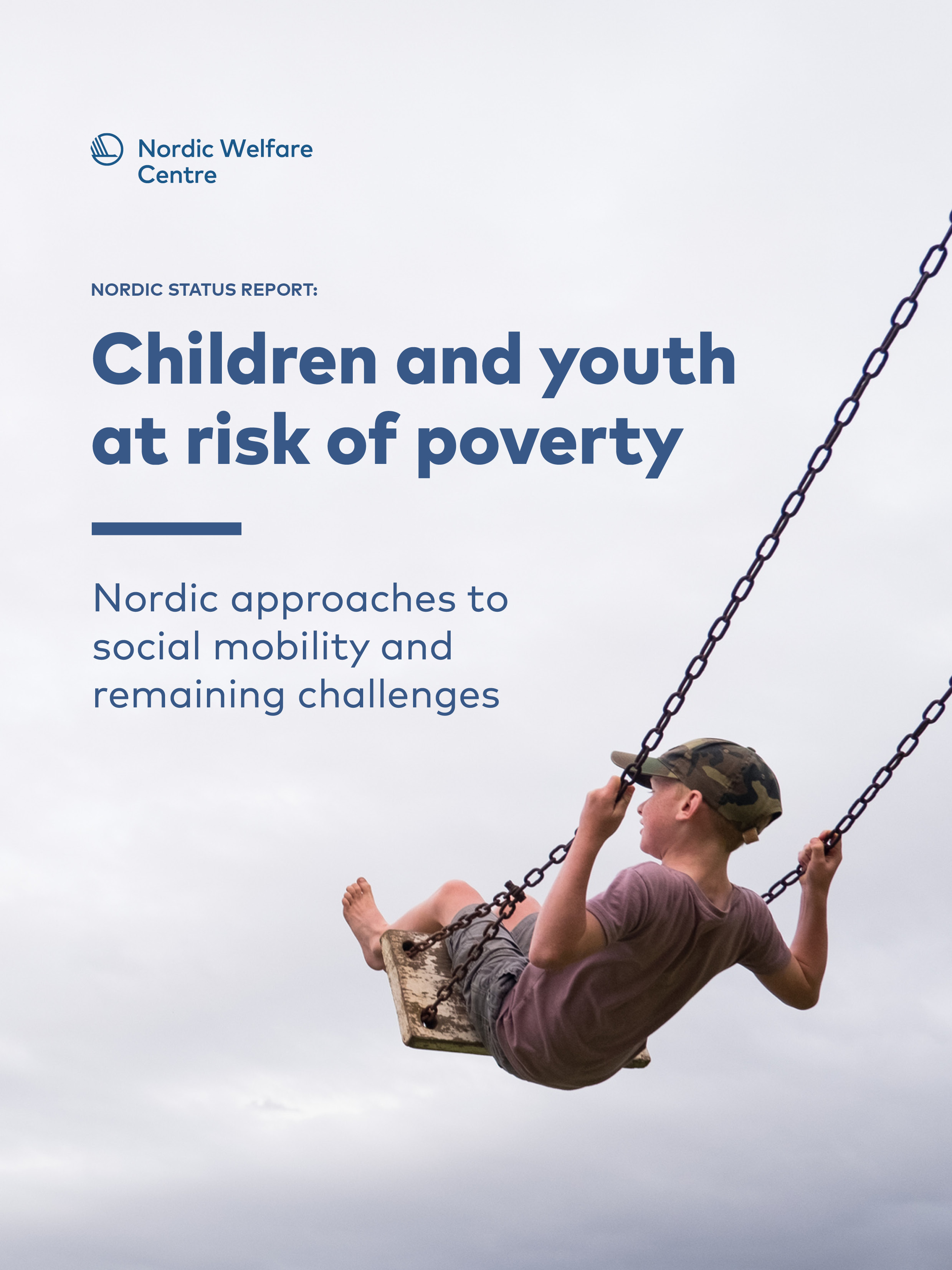
Child poverty has increased in the Nordic countries, despite their strong welfare systems. It is measured using Eurostat’s at‑risk‑of‑poverty (AROP) indicator, defined as living in a household with an income below 60% of the national median. Vulnerable groups include children in single‑parent families, migrant and refugee children, large families and those affected by regional and labour‑market inequalities. Policy differences across countries also contribute to varying poverty levels. For more information, see: Children and youth at risk of poverty
Socioeconomic disadvantage and child development
Research strongly indicates that disadvantages at the individual, family, community and societal levels have a significant impact on children's health and development. Socioeconomic disadvantage is strongly linked to children’s psychosocial and developmental outcomes and is also the most identified risk factor in studies examining parental well‑being (Pillas et al., 2014).
Financial challenges and parental socioeconomic status are associated with increased stress and unhealthy health behaviours, such as smoking and being overweight, which in turn can increase the risk of preterm birth (Grote et al., 2010; McHale et al., 2022; Staneva et al., 2015). Housing instability and homelessness further reduce healthcare utilisation and are linked to low birthweight, preterm birth and delivery complications (DiTosto et al., 2021). Living in degraded or unstable housing environments increases the risk of preterm birth by elevating maternal stress, promoting harmful health behaviours and limiting access to nutritious food and health services (Siddika et al., 2023).
More broadly, regional deprivation, low parental education, unemployment, work overload, insecure housing and a lack of material resources are associated with many aspects of child health and development, such as general health, asthma, dental health and mental health. These factors are also associated with poorer cognitive, motor and language development in children, poorer school readiness and increased emotional and behavioural challenges. Associations are consistent across most European countries, including the Nordic countries (Pillas et al., 2014). Socioeconomic factors influence development throughout early childhood, with effects that appear to accumulate and intensify as children grow older (Pillas et al., 2014).
Domestic and intimate partner violence
The search did not retrieve Nordic studies focusing on domestic or intimate partner violence studies. However, this does not necessarily mean that such work has not been conducted; it may lie outside the scope or inclusion criteria of the present review, and some recent findings from Nordic countries are highlighted below.
Intimate partner violence (IPV) refers to “any behaviour within an intimate relationship that causes physical, psychological or sexual harm to those in the relationship” (Eikemo et al., 2023). Despite high levels of gender equality, research from the Nordic countries indicates that violence against women during the perinatal period is common, with studies reporting lifetime violence exposure among pregnant women ranging from 15% to over 30%, and perinatal violence prevalence typically between 3% and 12%. A history of violence is the strongest predictor of perinatal abuse and is linked to severe consequences, including antenatal and postpartum depression, anxiety, PTSD symptoms, fear of childbirth and negative birth experiences, as well as increased risks of pregnancy complications, preterm birth and more obstetric interventions. Women with prior or ongoing experiences of violence also report more physical symptoms, higher healthcare use and a reduced sense of coherence during pregnancy (Finnbogadottir et al., 2024).

Experiences of violence in close relationships
Violence against women is a global public health issue that affects many women during the perinatal period. Violence in close relationships is intertwined with questions of gender norms, bodily autonomy, the sense of self and physical and mental health. Intimate partner violence (IPV), whether physical, emotional or sexual, is associated with serious health issues such as urinary tract infections, delayed access to prenatal care and, in rare cases, maternal death. All forms of IPV contribute to poorer pregnancy outcomes, such as preterm birth and miscarriage, and psychological IPV is particularly associated with premature rupture of membranes. IPV also contributes to inadequate gestational weight gain and delayed prenatal care, which can compromise pregnancy monitoring and lead to poorer outcomes, such as preterm birth (Pastor-Moreno et al., 2020).
IPV, whether physical, emotional or sexual, occurring close to the perinatal period is associated with weaker maternal mental health. Experiences of intimate partner violence and other forms of maltreatment are identified as associated with antenatal and postnatal depression (Alvarez-Segura et al., 2014; Ammerman et al. 2010; Evans & Bullock, 2012; Howard et al., 2013; Lancaster et al., 2010), as well as with postpartum anxiety and post-traumatic stress disorder (PTSD) (Howard et al., 2013). Recent intimate partner violence has been reported to increase the likelihood of depression by up to 2.5 times and was a strong predictor of antenatal post-traumatic stress symptoms, especially when combined with lifetime exposure. Psychological and sexual IPV were more strongly associated with persistent PTSS than physical IPV, and gender discrimination further intensified these effects (Paulson, 2022).
Women with a migrant background can be vulnerable to domestic violence, especially if restricted to talk and lacking knowledge of legislation in their new country (Fair et al., 2020). Experiences of domestic violence have also been identified as a contributing factor to perinatal anxiety and depression in fathers (Chhabra et al., 2020). Social support and positive adult relationships may buffer some effects, but cumulative trauma from both childhood and adult abuse tends to intensify depressive outcomes (Alvarez-Segura et al., 2014).
Experiences of disasters
Although studies on disasters are geographically diverse, they offer valuable insights into the broader significance of disaster-like experiences for mental health. Two studies reported the impact of catastrophic/disaster events (e.g., terrorist attacks and natural disasters) on women’s mental health during the perinatal period. Harville, Xiong and Buekens (2010) reported that particularly prolonged exposure to a disaster increases the risk of maternal mental health problems, and that the mother’s post-disaster mental state may have a greater impact on child development than stress experienced during the disaster itself. Another study found women who had experienced an earthquake to be at increased risk of antenatal mental health problems (Khatri et al., 2019). Hajure et al. (2019) reported that women who have experienced extreme weather conditions, especially including life threating or traumatic experiences or illness, have weaker levels of resilience.
Findings from the psychosocial intervention review for the security, safety and sustainable environment domain
Total of 13 psychosocial intervention assessed as effective in information portals were targeted at parents or mothers identified as having social inequalities. These risks include financial insecurity, threats to physical safety or exposure to violence, disadvantaged or deprived environments and safety concerns related to childhood adverse experiences (ACE) of the parents. Only one of the interventions (CPP) was targeted at families who had experienced natural disasters or serious accidents, or similar types of crises.
Interventions that clearly targeted multiple risk factors simultaneously, or their cumulative complex nature, were placed in this domain. A different categorisation could have been made, but the presence of several risk factors tends to undermine a child’s overall safe development particularly easily. The psychosocial interventions in this domain also similarly incorporate elements aimed at fostering socio-emotional well-being and a secure attachment between the baby and the parents, thereby supporting overall safety and a healthy start to the new life.
One psychosocial intervention, Family Growth Center, was targeted at young mothers living in high-risk neighborhoods, but there is no information on its effectiveness in the Nordic context. Overall, psychosocial interventions aimed at young mothers emphasize improving physical safety for both the mother and child. Additionally, they are typically aimed to enhance economic security, finding supportive services, and strengthening social support during the early stages of parenthood and adulthood. For teenage parents, supporting education and facilitating school completion may be included in supporting interventions.
Families experiencing complex and multiple needs, such as parental substance use, mental health problems, intimate partner violence, adverse childhood experiences, a refugee or undocumented status and socio-economic disadvantages, face compounded challenges. These circumstances make it difficult to identify comprehensive needs and select appropriate psychosocial interventions. Research emphasizes that engaging parents with multiple needs requires interventions that fit within the broader context of their lives, acknowledging everyday constraints and complexities (Bax et al., 2025). In the mapping of psychosocial intervention portals, ten interventions were identified that targeted multiple simultaneous needs. Five of these had been evaluated for their effectiveness in the Nordic context.
Table 10. Identified effective psychosocial interventions in the Security, safety & a sustainable environment domain.
Intervention | Security, safety & a sustainable environment* | |||||
|---|---|---|---|---|---|---|
Experiences of disasters | Families at socioeconomic risk | Intimate partner violence | Disadvantaged or deprived environments | Parental childhood adverse experiences (ACE) | Multiple risks | |
Child-Parent Psychotherapy (CPP) | X | X | ||||
Family check up (FCU) component 1-24 months | X | |||||
Mellow Bumbs | X | X | X | |||
Minding the Baby® (MTB) | X | X | X | X | ||
Nurse Family Partnership (NFP) | X | X | X | X | ||
Safe Environment for Every Kid (SEEK) | X | |||||
Child First | X | X | ||||
Family Growth Center, The (FGC) | X | X | X | |||
Mellow Babies | X | |||||
Mom Power® | X | |||||
Parents as first Teachers /Parents as teachers (USA) | X | |||||
Preparing for life | X | |||||
Promoting First Relationships (PFR) | X | |||||
*) Reminder: The selected portals only include interventions that have been evaluated within the assessment systems according to specific criteria, with an emphasis on research-based evidence of effectiveness. The interventions that demonstrate at least some research-based evidence of effectiveness are presented. The assessment systems operate dynamically, and the information presented in this report may therefore be updated quite rapidly. Regular monitoring of the relevant portals of these assessment systems is recommended.
Only a few studies on interventions targeting social inequalities were identified during the literature review. There is a need for high‐quality research on intervention programmes that, for example, aim to reduce violence and their outcomes considering their prevalence in Nordic countries. Hare et al. (2024) identified two parenting programmes with evidence-based effects on infant mental health and the parent–infant relationship or attachment outcomes among infants experiencing homelessness (Attachment and Behavioural Catch-Up; Video-feedback Intervention Parenting Program), even though homelessness is not mentioned as a special target for these. Homelessness is less common in the Nordic countries, but these findings underline the importance of recognising that targeted interventions can provide meaningful benefits in addressing complex challenges when social risk factors overlap with other vulnerabilities.
To ensure interventions are both targeted and effective, timely and skilled assessment is essential. The perinatal period offers a unique opportunity for preventive and universal approaches, but identifying risk groups remains critical for safeguarding child well-being. Programmes aimed at educating professionals in perinatal care have demonstrated promise, particularly in preventing perinatal depression (McNeill et al., 2012; Wang et al., 2022). However, gaps persist in multiprofessional collaboration, especially in addressing psychiatric symptoms during pregnancy. Strengthening this collaboration and improving the recognition of individual needs are key areas for development.
Key observations from Nordic expert discussions concerning the security, safety and sustainable environment domain
Experts noted rising rates of intimate partner violence, as well as increasing criminality and radicalisation, as growing concerns. Parents of young children in prison were identified as a group needing more specialised support.
Economic stress and poverty are increasingly affecting families, contributing to housing difficulties, unemployment, relationship strain and risks of violence.
Digital security and equity in remote care were emphasised, particularly given increasing misinformation and declining health literacy. AI‑related parenting tools were identified as an emerging area requiring ethical and practical scrutiny. Broader societal trends, such as polarisation, may generate new support needs to maintain fairness and equality in parenting support.
Foreign-born women, including refugees and asylum seekers, require targeted support, including culturally sensitive community structures to increase feelings of safety. Climate change and global crises, including pandemics and armed conflicts, were identified as stressors affecting maternal and infant well-being. Growing institutional mistrust may hinder access to care.