SUPPORT FOR YOUNG NORM CHALLENGERS IN WORKPLACE LEARNING
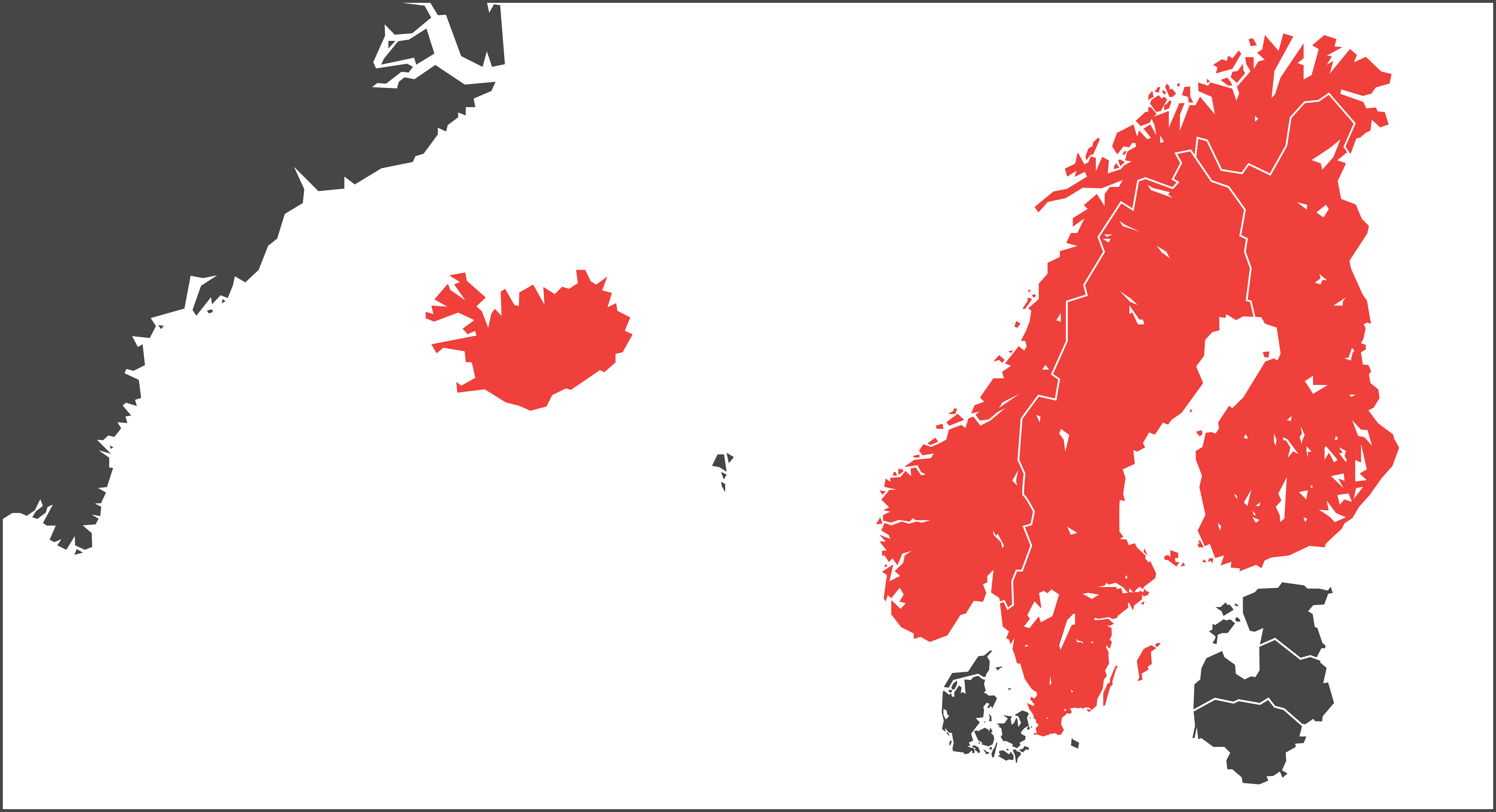
NORWAY, ICELAND, ÅLAND ISLANDS, FINLAND, SWEDEN
Many efforts are being made to encourage young people to dare breaking with gender norms in their educational choices, but how do you best support these pupils once they have made their choices? This was the focus of the project Gender equality in workplace learning in the Nordic countries, which the Nordic Gender Equality Fund financed in 2018.
“It’s not enough to say that we want more men in schools or to start projects that will get girls more interested in engineering. If the pupils don’t feel comfortable at these workplaces, they won’t stay,” says Gunilla Rooke, teaching adviser at the Swedish Agency for Education and one of the project’s co-ordinators.
The project was a collaboration between actors in Finland, Iceland, Norway, Sweden and the Aaland Islands. The goal was to get a picture of what support the pupils receive during workplace learning (APL), the practical component of their studies, and what the needs of the supervisors and school staff are for them whosupport the pupils.
“The pupils get a shock”
Gunilla Rooke notes that many workplaces are infused with outdated norms and that many pupils get a shock at the first encounter with the world of work.
“It can be girls who arrive at construction sites where there are no changing rooms for them, or where the changing rooms are full of pictures of naked girls. Or boys starting to work in health care or in preschools being confronted with a culture that is suspicious of them or shuts them out.
All the Nordic countries that were part of the project face similar challenges, she concludes.
“There is very little talk about the structural problems that put up obstacles in the way in education and the workplace. That surprises me,” she says.
Gunilla Rooke feels that their project contributed to more people having their eyes opened to the gender equality challenges in relation to workplace learning. She has also seen that the project has strengthened relations between the participating organisations and made it possible to continue working together.
“The Nordic countries have similar education systems, so we have great opportunities to support each other and make progress together,” she says.
Nordic Conference in Stockholm
During the APL project, a Nordic conference was held in Stockholm with participants from schools as well as various industry organisations. In the wake of the project, new training initiatives have also been implemented with the aim of strengthening the skills in gender equality of those responsible for supporting pupils during their workplace learning placements. In this way, Gunilla Rooke believes that those who are responsible for supervising the pupils out in the workplace have become better equipped.
“The project helped us to see what efforts we need to make linked to workplace learning,” she says.
In her view, much work remains to be done in improving support for pupils who make non-traditional educational choices.
“If we want to encourage these pupils, we need to be better at supporting them so that they can complete their educational choices. This is a challenge for both industries and schools,” she says.
Gender equality in workplace learning in the Nordic countries |
Year granted: 2017 |
Subject: Working life and the labour market, education and training |
Funds granted: DKK 400,000 |
Partners:
|