RESEARCH NETWORK SEEKS SOLUTIONS FOR THE ARCTIC
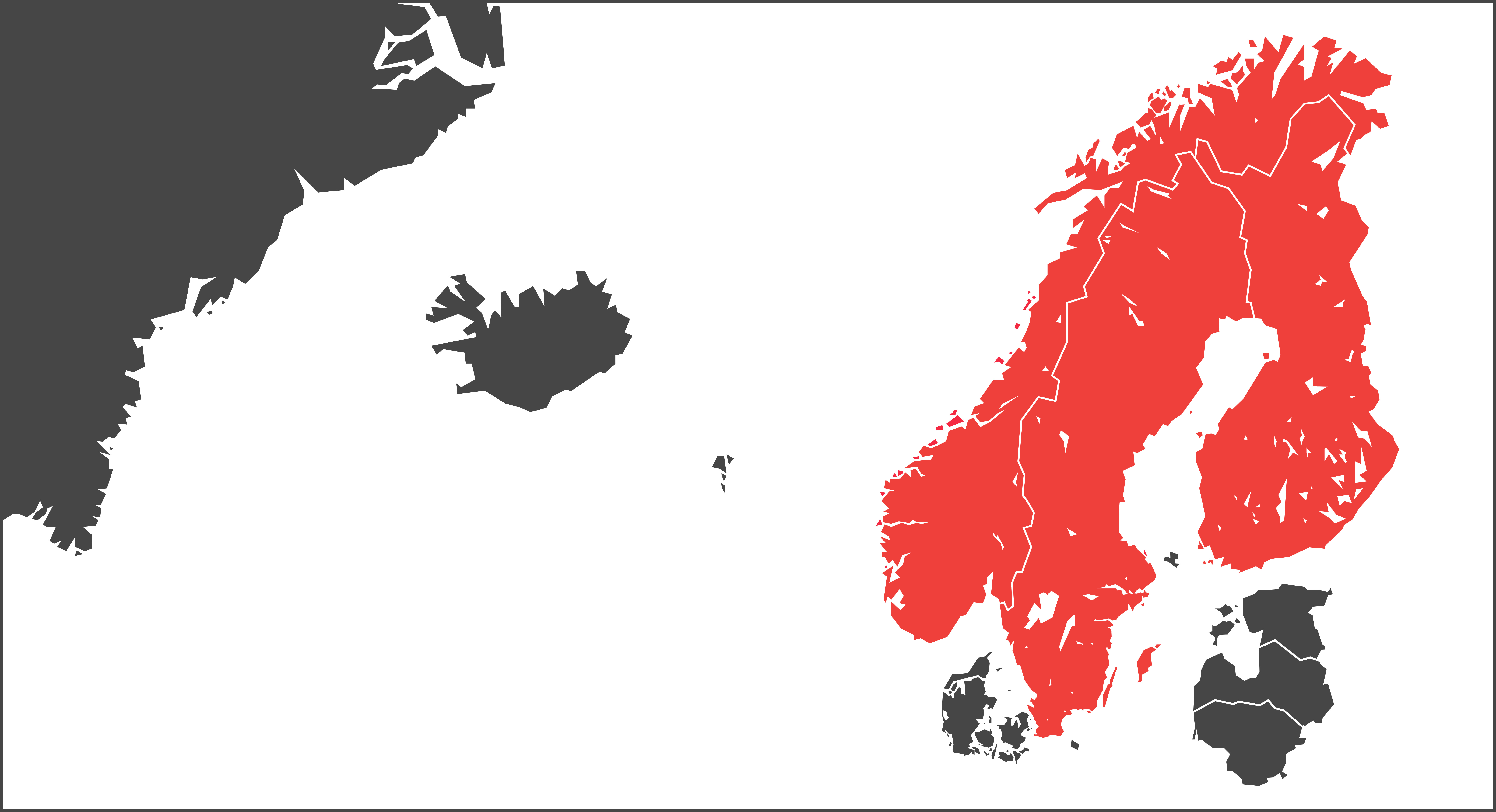
FINLAND, SWEDEN NORWAY, RUSSIA
The Nordic research network Arctic Change Network is studying changes in the Arctic from a gender perspective. It aims to strengthen cooperation between researchers at different universities and to raise awareness of the challenges in the area.
In 2013, researchers at three universities were granted funding from the Nordic Gender Equality Fund to establish the network via the two-year project Gender perspective and climate in the Arctic. During the project, network meetings were organised for researchers from different universities. The group also collected material for a larger research project on ageing in the Arctic. Shahnaj Begun, researcher at the University of Lapland, worked with this project as her doctoral degree project and has been part of the network since its inception. She has seen that the Arctic is facing a major demographic challenge, which is the result of many young people, and in particular of many young women, moving from the region.
The fact that young people are leaving means that there are not enough people who can take care of the elderly who remain. This is a problem that we need to discuss and where we should be able to find common solutions in the Nordic countries,” she says.
Gender perspective on climate change
Shahnaj Begun names climate change as another major challenge in the Arctic and notes that climate change and demographic challenges are in part connected.
“Climate change is making the present and future uncertain, and unfortunately that is contributing to many young people not believing that there is a future here,” she says.
She believes that it is important to analyse the effects of climate change from a gender and gender equality perspective.
“Climate change, for example, is making life more difficult for reindeer herding Sami people because their reindeer are finding it more difficult to locate food. This is affecting men in the first instance because it is more common for men to the reindeer herders, but it also affects women when it becomes more difficult to make ends meet and when their traditional way of life is threatened.”
Growing researcher network
Shahnaj Begun has experienced that their Arctic gender research network has opened many doors over the years – to new collaborations and to new research projects.
The network consisted of researchers from the University of Lapland in Finland, Umeå University in Sweden and the University of Tromsø – The Arctic University of Norway. In the past ten years the group has grown and now includes researchers from Iceland’s Reykjavik University and Canada’s Manitoba University.
“The network has made it easier for us gender researchers who research in or about the Arctic to find colleagues to share ideas or cooperate with, and that is very valuable.”
Gender perspective and climate in the Arctic |
Year granted: 2013 |
Subject: Gender equality and welfare policy |
Funds granted: DKK 150,000 |
Partners:
|