GENDERLAB, A WORKSHOP METHODOLOGY FOR CHANGE MANAGEMENT
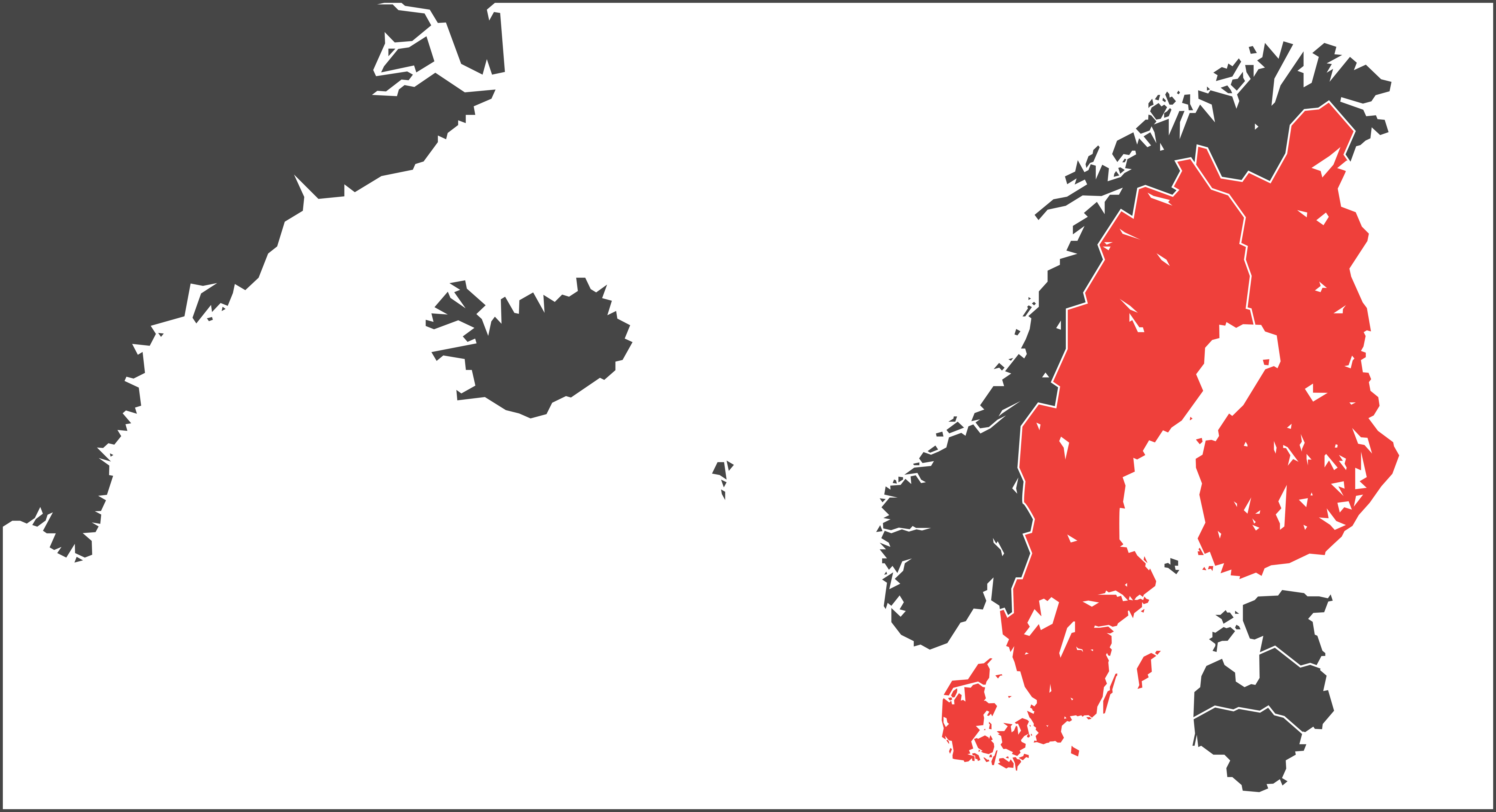
DENMARK, FINLAND, SWEDEN
There are no universal solutions for working with gender equality that fit everywhere. It is therefore difficult to give advice on how to make progress in this process of change. This was the starting point when actors from Denmark, Finland and Sweden developed the workshop methodology GenderLAB.
The methodology was developed in 2018–2019 through the project Co-creating gender equality from classroom to organization: Innovations in Nordic welfare. During the project, workshops were conducted on a trial basis in Copenhagen, Helsinki and Stockholm.
The starting point for this methodology is that the workshops utilise the participants’ own experiences and their local challenges.
“The participants have to identify the problems themselves and come up with solutions,” says Sara Louise Muhr, professor at Copenhagen Business School.
She describes GenderLAB’s approach as being based on a combination of norm criticism and ‘design thinking’.
Norm criticism is about making visible and changing taken-for-granted norms and structures. ‘Design thinking’ is a methodology that designers often use to find creative solutions to complex problems.
“We saw that these methods worked very well together,” says Sara Louise Muhr.
Developing solutions together
During a GenderLAB workshop, the goal is for participants to gain knowledge of the gender equality challenges in their organisation and commit to change. From the workshop, they should also take with them a number of solutions that they themselves have been involved in developing.
“There should be concrete proposals that they can take home and implement the following day,” says Sara Louise Muhr.
She explains that the workshops are structured as various components and exercises.
“To lose your prejudices and think outside the box, for example, you might brainstorm freely and come up with as many solutions as possible in four minutes,” she says.
Successful cooperation
The GenderLAB methodology was developed by the Copenhagen Business School and KVINFO (the Danish Center for Research on Women and Gender) in cooperation with KTH Royal Institute of Technology in Stockholm and the GODESS Research Institute at the Hanken School of Economics in Helsinki. Sara Louise Muhr describes Nordic cooperation as a key success factor.
“We bring different perspectives and can see each other’s blind spots. At the same time, we are not too different. We can learn from each other and share the belief that it is important to challenge norms and power structures,” she says.
The GenderLAB methodology is distributed via websites at KVINFO and the Copenhagen Business School. These websites describe how a GenderLAB workshop can be carried out.
“You choose for yourself the size and scale of the workshop. You can conduct a GenderLAB workshop on a small or large scale, with moderators who make sure that everything function smoothly,” says Sara Louise Muhr.
She explains that the workshop methodology has been shown to have potential outside the gender field.
“In 2019, for example, we held a QueerLAB during Copenhagen Pride.”
Co-creating gender equality from classroom to organization: Innovations in Nordic welfare |
Year granted: 2018 |
Subject: Gender equality and welfare policy |
Funds granted: DDK 310,000 |
Partners:
|