NORDIC COOPERATION AGAINST ONLINE VIOLENCE
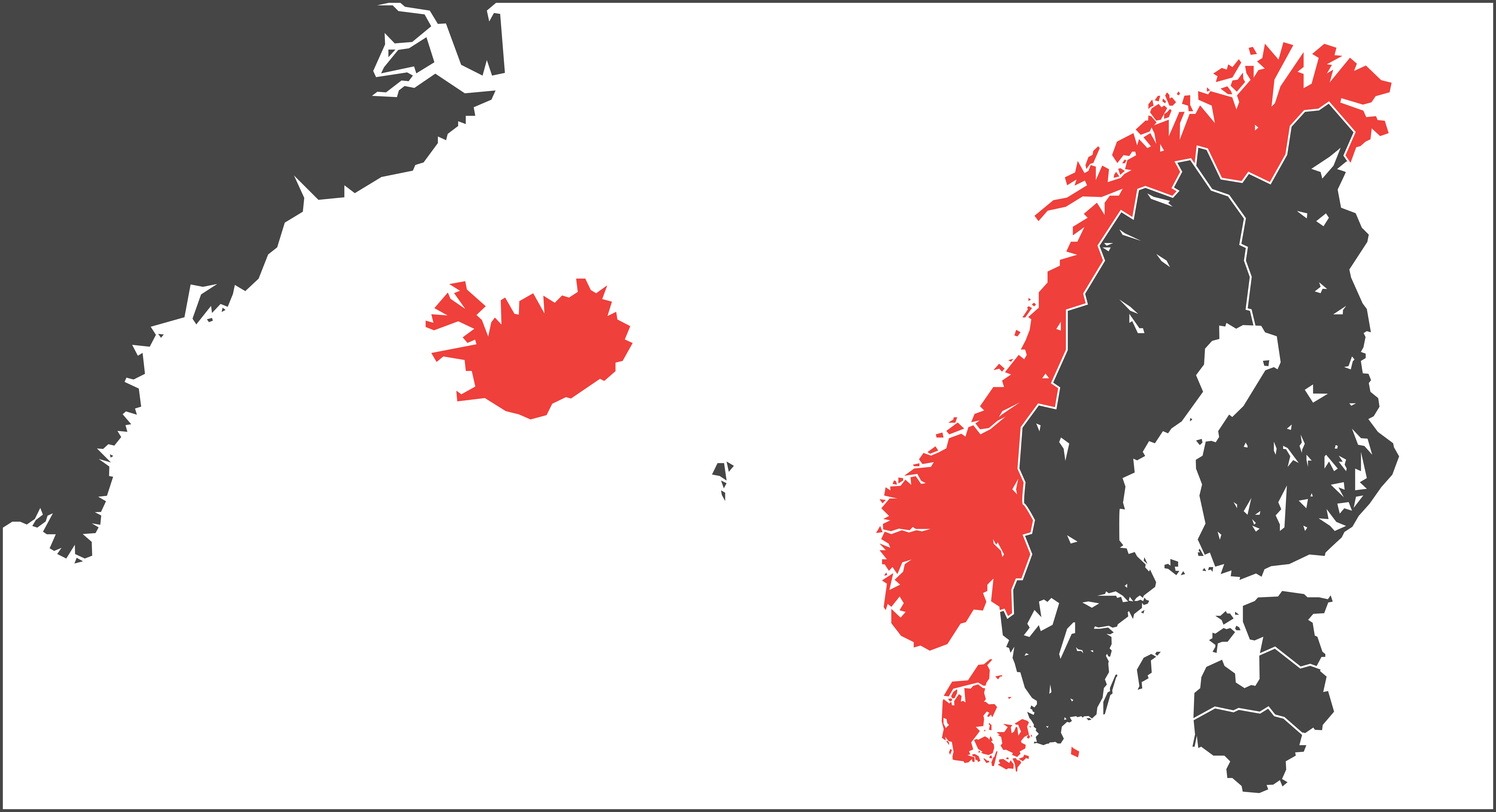
ICELAND, DENMARK, NORWAY
Sexist comments. Threats. Nude images shared without your consent. Online violence is a growing problem and the Icelandic Women’s Rights Association saw the advantages of tackling the issue jointly in the Nordic countries at an early stage. In 2015, funding was granted to the organisation for a project carried out in cooperation with the Women’s Council Denmark and the Norwegian organisation KUN Centre for Equality and Diversity.
“Our focus was on the opportunities women have to seek justice and legal redress in our various countries,” says Brynhildur Heiðar- og Ómarsdóttir, former Secretary General and now senior adviser of the Icelandic Women’s Rights Association.
Iceland the exception
Within the framework of the project, the three organisations produced the report entitled Preventing online gender-based violence in the Nordics, published in 2017. One of the sources for the report were interviews with victimised women in Norway and Denmark. In the report, women describe their experiences of their contacts with the police and the courts. But it proved impossible to give any attention to cases from Iceland according to Brynhildur Heiðar- og Ómarsdóttir.
“It was difficult to find people to interview – not because women in Iceland are less exposed to this kind of violence but because they saw no point in reporting it. Under Icelandic law at the time, there were few opportunities to pursue their case legally.
Online sexual violence was not mentioned in Icelandic law and very few perpetrators had been prosecuted. Women also refrained from reporting this kind of violence because they did not trust the police to take their cases seriously,” she adds.
Placed the issue on the political agenda
Brynhildur Heiðar- og Ómarsdóttir believes that the Nordic project contributed to placing the issue of online sexual violence on the political agenda, especially in Iceland.
“We saw that more attention had been paid to the issue in Norway and Denmark. The fact that Iceland was the exception in a negative sense in the comparison I think put pressure on our authorities,” she says.
“Iceland has since got a new law which has made it easier to get redress if someone has spread sexual images of a person without their consent. The law was promulgated in 2021 and means that it is illegal to share images as well as to threaten to share them.
“I’m not saying that we got the new law thanks to our project, but I believe that the project meant that a discussion was started and we got a better understanding that this is a form of violence,” says Brynhildur Heiðar- og Ómarsdóttir.
Online violence against women in the Nordic countries |
Financed by: Nordic Gender Equality Fund |
Year granted: 2015 |
Subject: Gender-based violence |
Funds granted: DKK 280,000 |
Partners:
|