GENDER PERSPECTIVE ON CRISIS INFORMATION DURING THE (COVID-19) PANDEMIC
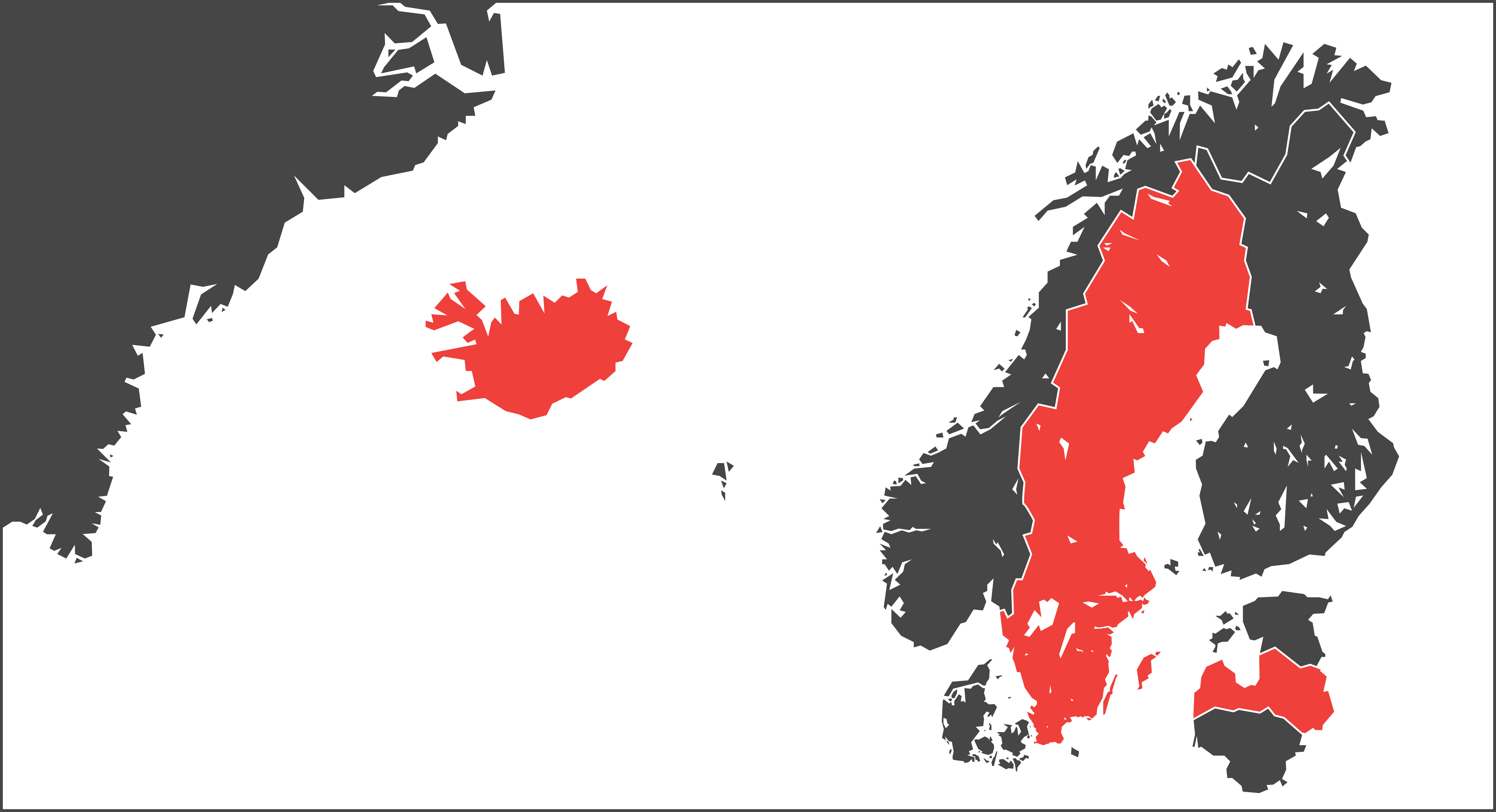
ICELAND, SWEDEN, LATVIA
How successful were Swedish and Icelandic authorities in their efforts to reach out to migrant women during the COVID-19 pandemic? Did this group receive sufficient information on how the infection was spread and the option to get vaccinated? This was the focus of enquiry in the Nordic-Baltic project Gender-based health inequalities among migrant women during COVID-19 and public health responses in the Nordic countries.
The background to the project is that both people born abroad and women as groups have been disproportionately affected by the pandemic. Both groups have been more diagnosed more often with COVID-19 and also appear to be more affected by the long-term consequences of the actions of the authorities. Migrants have also registered lower vaccination uptake and a disproportionately high percentage of deaths. However, the situation of migrant women during the pandemic is poorly investigated according to project manager Markus Meckl, professor at the University of Akureyri in Iceland.
He believes that one reason why both migrants and women were particularly affected during the pandemic is that many in these groups work in occupations where risk of infection cannot be avoided.
“If you clean, work in a factory or in health care, working from home is not an option,” he says.
He points to overcrowded housing and the lower vaccination uptake as other reasons why migrants were particularly hard hit.
Latvian migrants in focus
The current project involves researchers from Iceland, Sweden and Latvia. They are investigating how successful be Swedish and Icelandic authorities were in reaching Latvian migrants, and in particular migrant women, with their information about the crisis. The choice to focus on Latvian migrants is due this group being relatively large both in Sweden and in Iceland.
During the project, the researchers will interview Latvian migrants in Iceland and Sweden but also residents of Latvia.
“We are curious about whether migrants’ views on COVID-19 and vaccination reflect the prevailing attitudes in their home country,” says Markus Meckl.
If it’s the case that in times of crisis, migrants mainly seek information from their home countries, that is something that the Nordic authorities may have to consider when formulating crisis information and choosing information channels.
Gender perspective on crisis information
Markus Meckl believes that it is important to have a gender perspective on crisis information. During the project, he and the other researchers will investigate how important gender was in where migrants sought information about the spread of the novel coronavirus and the options for getting vaccinated.
“We don't know if there are gender differences, but there are likely to be,” says Markus Meckl.
In his view, the authorities in the Nordic countries need to review how successful they were in reaching migrants with crisis information during the pandemic, and if it turns out that these countries have each done things differently, there is an opportunity to learn from each other. He hopes that their projects will contribute to knowledge for future crises.
“The COVID-19 pandemic is more or less over, but in the next crisis we must be able to reach the whole population. It may not be enough to simply translate the information into different languages – it may require more,” he says.
Gender-based health inequalities among migrant women during COVID-19 and public health responses in the Nordic countries |
Year granted: 2022 |
Subject: Gender and welfare policy, health |
Funds granted: DKK 500,000 |
Partners:
|