MOBILISATION AGAINST SEXUAL HARASSMENT AMONG YOUNG PEOPLE
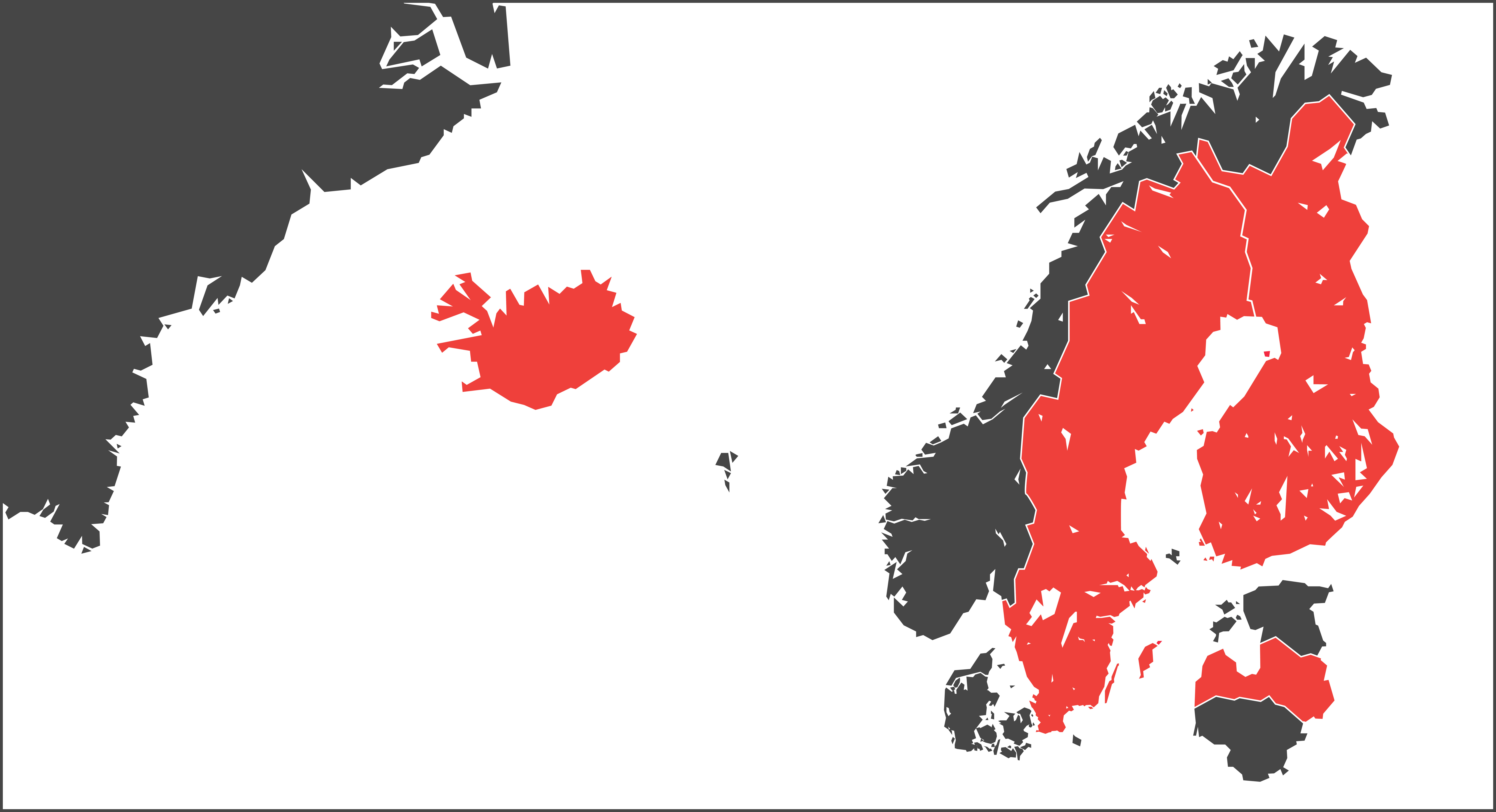
SWEDEN, FINLAND, LATVIA, ICELAND
In the wake of the #MeToo movement, representatives of various Nordic children’s rights organisations saw that more knowledge was needed about how sexual harassment sometimes functions as a form of bullying.
The Nordic countries are world leaders in preventing bullying, but when it comes to sexual harassment we saw that more needed to be done. We saw that there was a need to link the fields of bullying and sexual harassment,” says Åsa Gustavsson, expert at the Swedish organisation Friends.
She was the Swedish coordinator for the Nordic–Baltic project Research-based knowledge against sexual harassment and bullying among children and young people. The project was funded by the Nordic Gender Equality Fund in 2019 and resulted in a report and a conference which brought together actors working to prevent bullying.
The project included children’s rights organisations from Sweden, Finland, Iceland and Lithuania.
Better support for victimised children
One difficulty in supporting children and young people who are bullied is that many of the victims feel ashamed. This means that they are reluctant to tell anyone about what has happened to them, and this applies to perhaps an exceptionally high degree two children subjected to sexual violence, according to Åsa Gustavsson.
She feels that one of the positives with their project is increased knowledge about how to make it easier for children and young people to start telling people about their victimisation.
“If we only ask children if they have been subjected to sexual harassment, they often answer no, but if we ask more specifically about various behaviours or if someone has done something to them without their consent, that’s when these stories emerge,” she says.
Sharing continues
In hindsight, Åsa Gustavsson feels that the Nordic–Baltic project has not only contributed new knowledge to the work to combat sexual harassment. An important side effect, she says, is that it has deepened relations between Nordic and Baltic children’s rights organisations.
“Through the project, we had the opportunity to share methods and approaches, and that sharing has continued,” she says.
A network of representatives from the participating organisations was established during the project and they have continued to meet regularly.
“Learning from each other is really valuable. By joining forces, we also have a stronger voice. Hopefully, that can help us to push through changes at policy level,” says Åsa Gustavsson.
In the ongoing work to combat bullying and sexual harassment in schools, she feels that the vulnerability of young LGBTI people in particular needs to be made more visible.
“We are seeing that young LGBTI people are often at risk and are victims of various forms of violence.”
Research-based knowledge about combating sexual harassment and bullying among children and young people |
Year granted: 2019 |
Subject: Children and young people, sexual harassment |
Funds granted: DKK 296,640 |
Partners:
|