METHODOLOGY FOR WORKING WITH NORM CRITICISM IN SCHOOLS
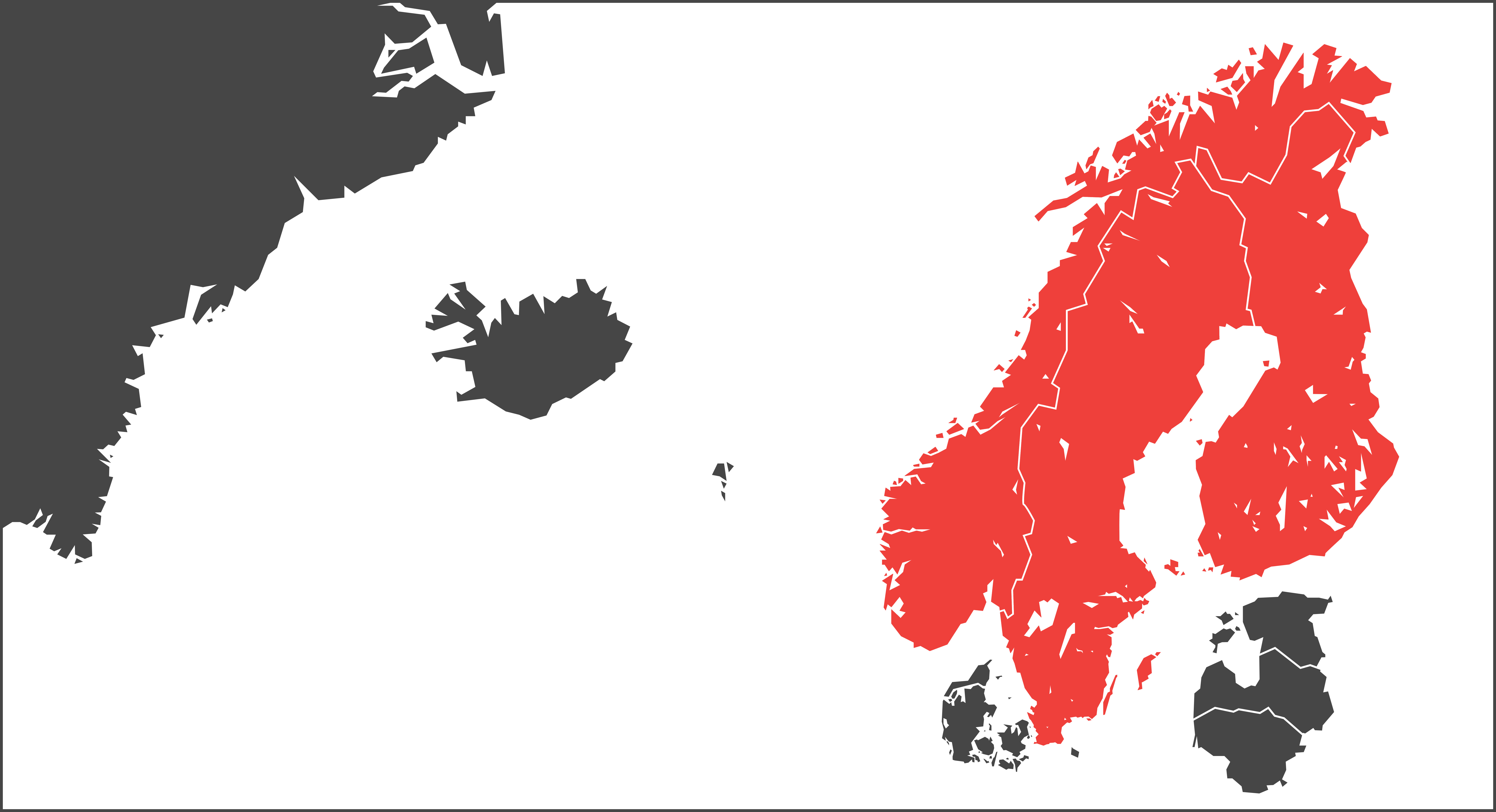
NORWAY, FINLAND, SWEDEN, ÅLAND ISLANDS
Students who don’t fit the norm are particularly vulnerable to bullying, harassment and discrimination. The pupil council could lead the way to a school environment that is open and welcoming to everyone. This is the starting point for the project Safe schools - Nordic method for pupil participation and norm criticism.
Studies show that bullying in schools is particularly prevalent for pupils who do not fit the norms when it comes to gender expression, sexuality, skin colour or ableness. The norms are narrow and if you stick out in any way you risk becoming bullied,” says Linn Bylund, Senior Adviser at the Norwegian KUN Centre for Equality and Diversity.
They run the Safe Schools project in cooperation with organisations in Sweden, Finland and the Aaland Islands.
“We saw that there was a lot of discussion about norm criticism in schools in all our countries, but there is not much happening in practice and we want to change that,” she says.
New methodology material is being developed
Safe Schools received funding from the Nordic Gender Equality Fund in 2021. The project is developing and testing a methodology material for working with norm criticism in a number of secondary and upper secondary schools in these different countries. The material is intended for pupil councils, school managements and pupil ombudsmen (who investigate reports of harassment and bullying in schools).
Linn Bylund believes that the pupil councils can play an important role in the school’s norm criticism work since the representatives that sit on these councils have better insight than the school management into what is actually happening between the pupils.
“To successfully make the school a place that is safe for everyone, the pupils’ voices must be heard,” she says.
An important task for pupil councils, as she sees it, is to make visible the norms operating in the school and which groups are being affected negatively. To accomplish this task, the pupil council representatives need to be able to see their own privileges.
“If everyone on the pupil council is white, they may not notice that there is racism in the school, for example.
The Safe Schools methodology should provide guidance on precisely these types of challenges, as well as concrete tips on how the people council can use normal criticism in their work.
“If you want a broad picture of the norms operating in the school, you could perhaps send out a questionnaire to your schoolmates, for example.”
“School principals must listen”
Linn Bylund emphasises that the pupil councils’ work can only have significance if the school management actually listens to them.
“It’s not good enough to have a hypocritical pupil democracy, the school principals really have to listen,” she says.
During work with Safe Schools it has emerged that many pupil councils feel that it is difficult to reach the school management. The methodology material therefore includes a model for how this communication can be structured so that the pupil council’s views cannot be ignored, fended off or forgotten.
Linn Bylund believes that there is much to gain from working together in the Nordic countries in efforts for a better school environment.
“We have similar school models and face similar challenges in work with norm criticism. I believe that we can speed up the process by joining forces rather than focusing our efforts in different directions.”
Safe Schools - Nordic method for pupil participation and norm criticism |
Year granted: 2021 |
Subject: Children and young people, education |
Funds granted: DKK 498,170 |
Partners:
|