NEW NORDIC PLATFORM FOCUSING ON MEN AND MASCULINITY NORMS
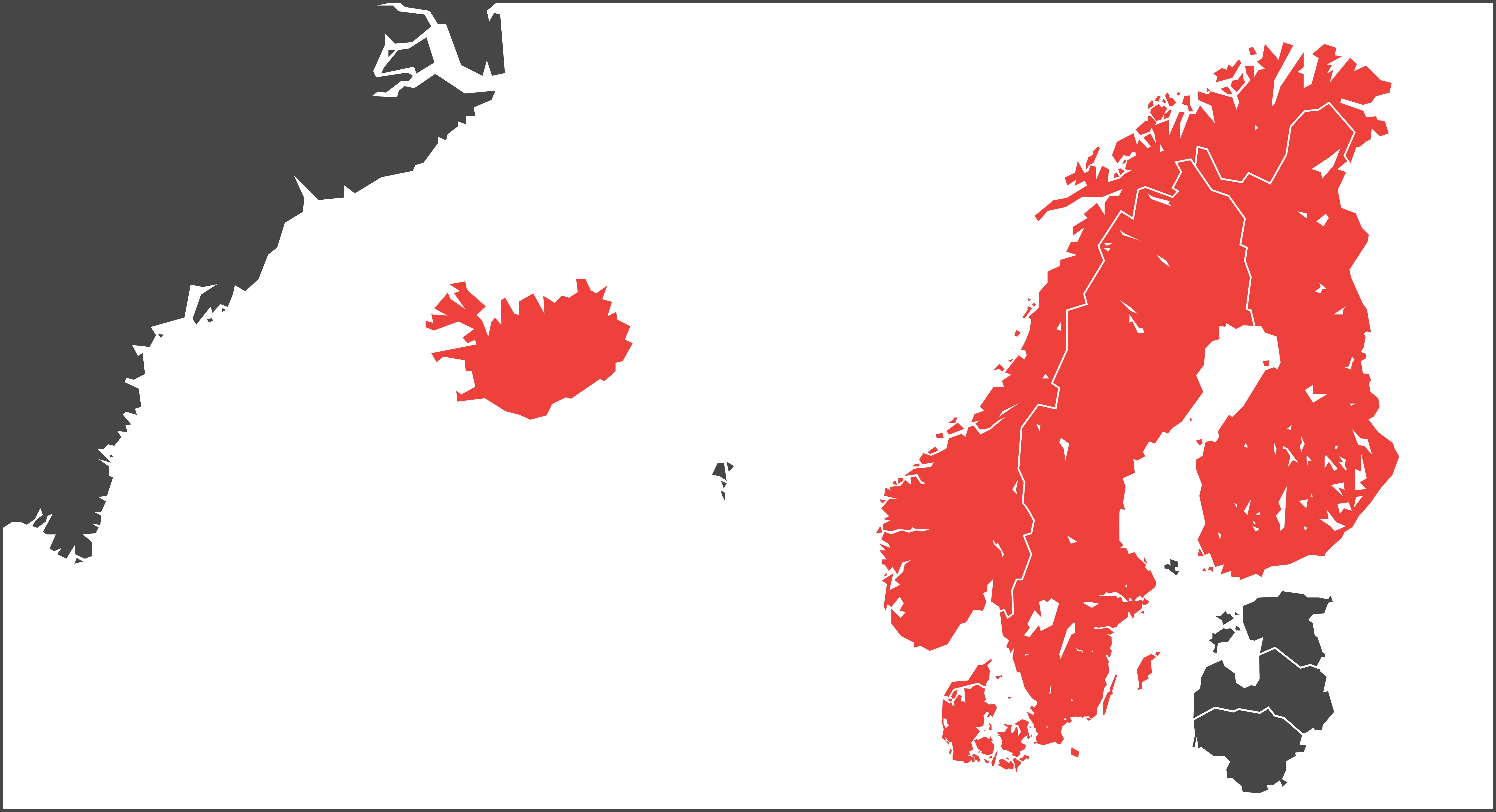
NORWAY, DENMARK, ICELAND, SWEDEN, FINLAND, USA
The winter of 2017 saw the first ever Nordic MenEngage conference. MenEngage is an international movement that aims to challenge destructive masculinity norms and engage men in gender equality efforts. The Nordic conference, which was granted funding from the Nordic Gender Equality Fund, was held in Oslo under the banner “Making the Invisible Visible: Transforming Social Norms among Boys & Men for Gender Justice in Practice”.
The conference focused on conditions and challenges in the Nordic countries, and brought together organisations from all the Nordic countries. The initiator was the Norwegian organisation Reform. The chair of this organisation, Ole Bredesen Nordfjell, says that after taking part in several international conferences on men and equality, he saw a need to gather in a Nordic context. He believes that gender equality organisations in the Nordic countries can benefit greatly from cooperating with each other.
“Of course, we can learn a lot from organisations from other countries too, in Europe and the rest of the world, but it is easier to share experiences and conduct joint campaigns within the Nordic countries because our societies have similarities. For example, we have similar welfare systems and school systems. In the Nordic countries, we also began to involve men in gender equality efforts earlier than many others, for example by introducing paternity leave,” he says.
Broke new ground
Around 100 participants attended the conference, which focused on common challenges and examples to learn from. Organisations from several different countries – from among the Nordics and beyond – presented their activities. During the seminars, topics such as men’s violence, the experiences of men with migrant backgrounds and the absence of men in the social care professions were highlighted.
Ole Bredesen Nordfjell feels that the conference broke new ground in several ways, for example through the approach itself. The goal was to create a platform where participants could learn from each other and find solutions together, and this was a defining feature of the whole event.
“The participants didn’t have everything laid on – everyone who was involved contributed to the content. I think that was a great success,” he says.
He also highlights the intersectional starting point of the conference.
“It was important for us to make room for different experiences and perspectives, and I think we succeeded in doing that,” he says.
Enhanced collaboration in the Nordic region
Ole Bredesen Nordfjell believes that it was thanks to its intersectional starting point that the conference helped to highlight new issues and inject new energy into Nordic gender equality organisations that focus on men and masculinity. In addition, he has been able to observe that the conference has led to deeper cooperation between organisations in different countries and he believes that the event strengthened organisations as well as individuals.
“You can feel very alone sometimes when you’re working with gender equality, especially those of us whose focus is men, the feminist work, but during the conference it became clear that there are many of us pushing towards the same goal,” he says.
Nordic MenEngage Conference – Making the invisible visible |
Year granted: 2016 |
Subject: Masculinities |
Funds granted: DKK 400,000 |
Partners:
|