Panel discussion
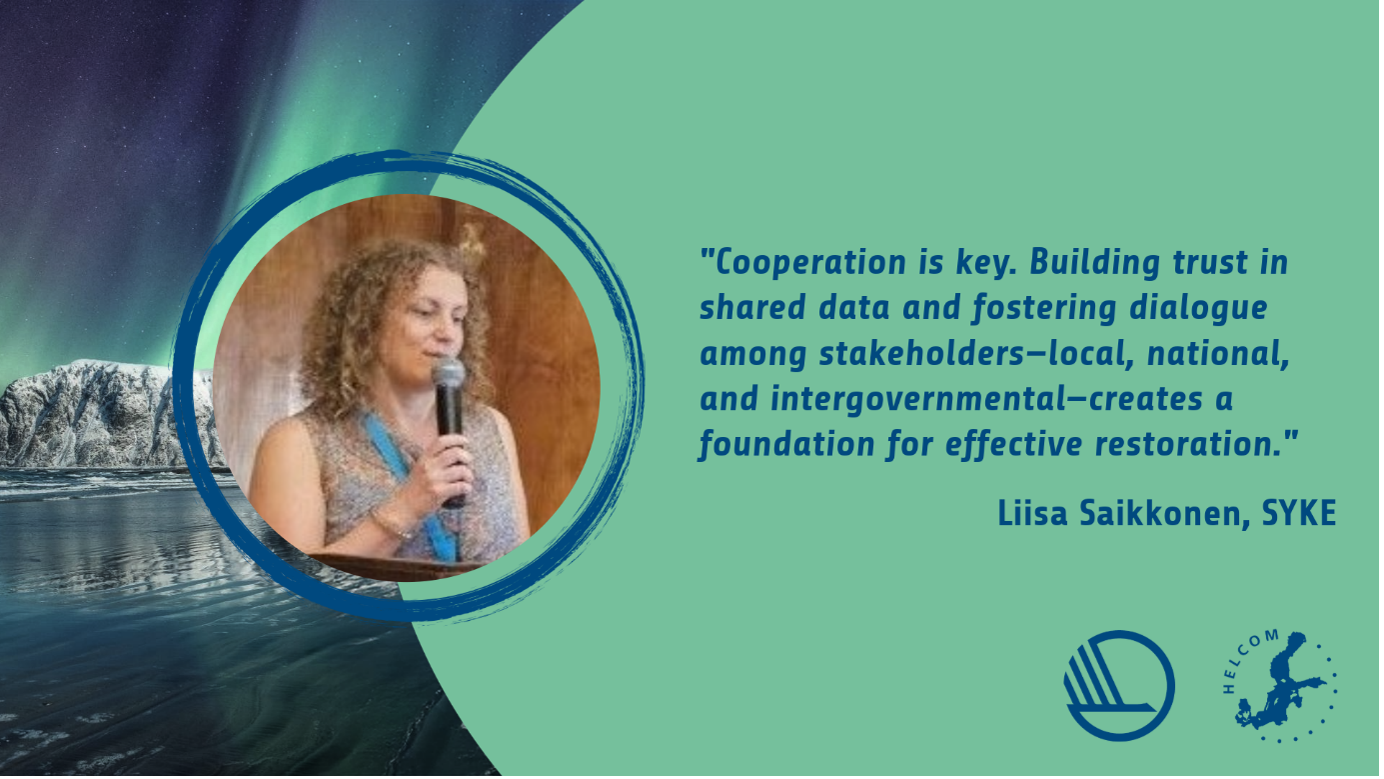
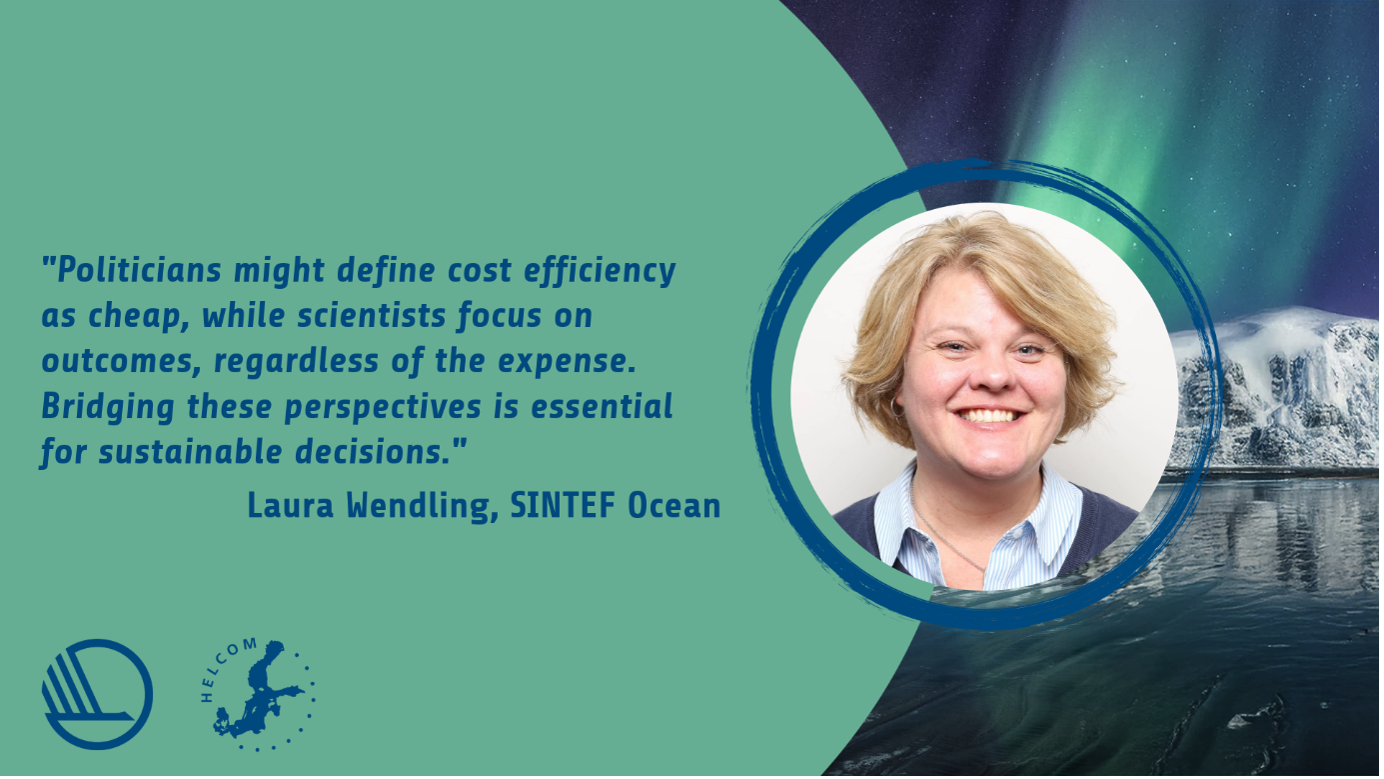
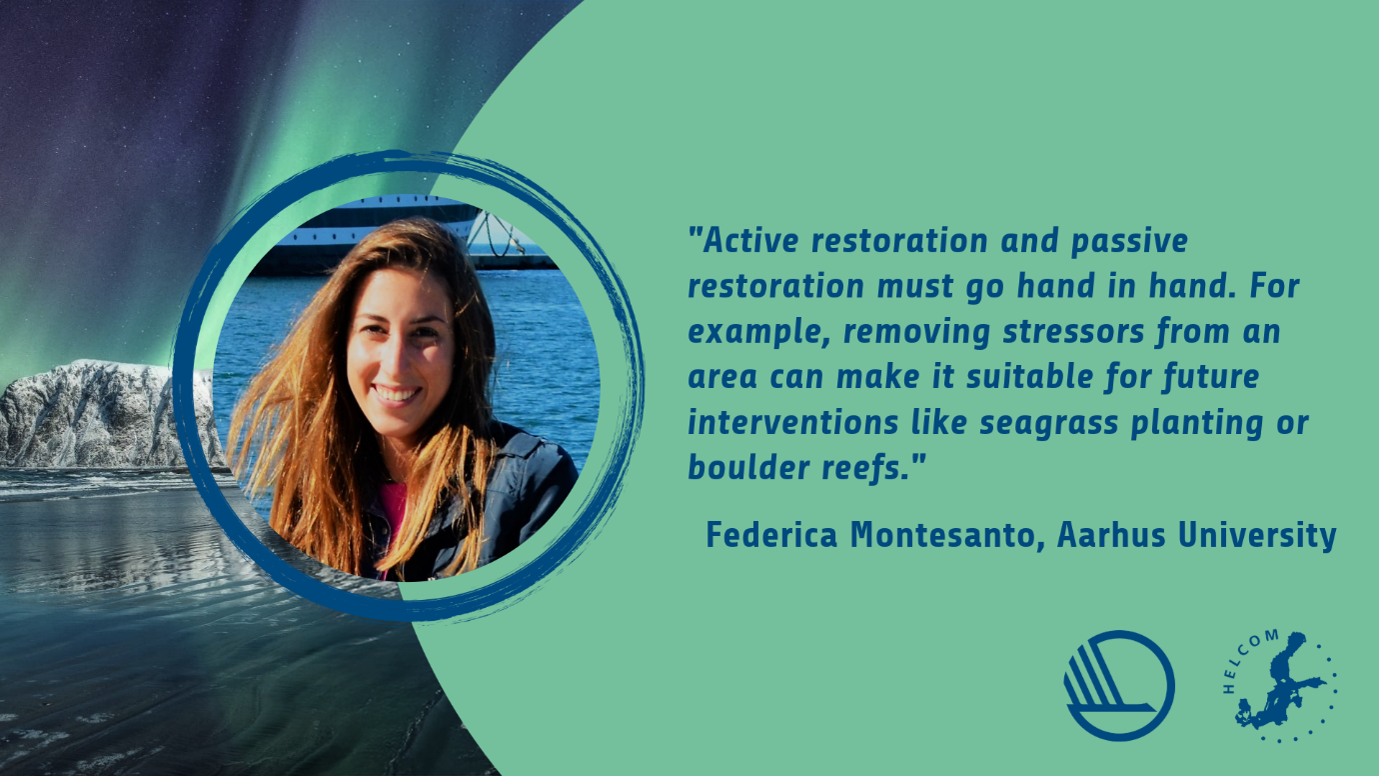
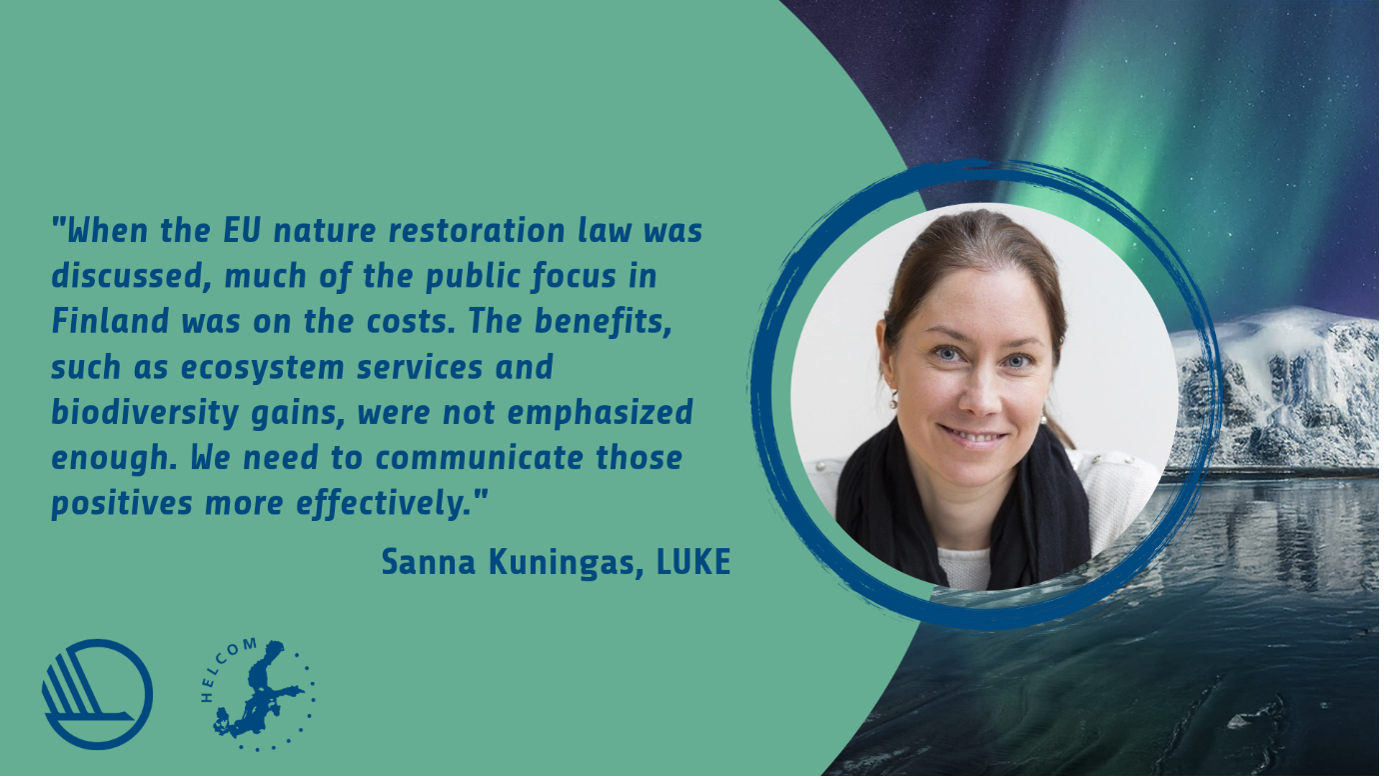
The panel discussion was a thought-provoking conversation on the complexities of balancing active and passive restoration strategies, community engagement, socio-economic considerations, and the role of communication in driving long-term environmental change. The panelists included the presenters Laura Wendling, Sanna Kuningas, Federica Montesanto, and they were joined by Liisa Saikkonen from the Finnish Environmental Institute (SYKE). The discussion was moderated by Mikelis Bendiks.
Engaging community to participate in marine restoration
The panel began by discussing the importance of community involvement in marine restoration projects. The conversation touched on the complexities of engaging local communities, who may prioritize their rights and interests (such as ownership of land and water) over broader environmental goals.
Community engagement and volunteering: The panelists agreed that involving local communities could lead to positive outcomes, such as people contributing their time and resources for the restoration projects. Federica Montesanto noted that some individuals, particularly retirees, are eager to volunteer, especially if they feel personally invested in the cause, such as seeing more fish in local waters. She shared an example from Denmark, where local boat owners have volunteered to take restoration experts out on the water, offering their boats for surveys and data collection. This informal collaboration is seen as mutually beneficial.
Laura Wendling emphasized the importance of informal collaborations and noted that these partnerships can provide mutual benefits, as local knowledge complements scientific expertise.
However, Liisa Saikkonen raised concerns about the financial costs associated with raising awareness and educating the public. The panel debated the balance between the financial investment in educating and engaging the community versus the benefits of their involvement. The consensus seemed to be that while there is an initial cost, these investments pay off in the long run by building social capacity and increasing public support for restoration work.
Education and communication: Liisa Saikkonen discussed the need for clear communication on the benefits of restoration, in terms of environmental impact and socio-economic advantages. She cited the example of Finland, where media coverage of the EU Nature Restoration Law emphasized the potential costs of restoration but failed to adequately focus on the long-term benefits of healthier ecosystems.
Sanna Kuningas added that communicating the value of marine ecosystems to a wider audience is essential. She stressed the importance of ensuring that the public understands the benefits restoration can bring to both nature and human societies.
Community contributions to science: Federica Montesanto highlighted the growing role of citizen science in marine conservation. She shared an example of divers in Madeira, who have been involved in monitoring sea urchin populations while enjoying their diving activities. This underscores how communities, including tourists and volunteers, can contribute to restoration efforts through data collection and monitoring.
Economic implications of restoration projects
A significant part of the discussion centered around the economic aspects of marine restoration and whether community involvement helps or hinders the financial feasibility of these efforts.
Cost vs. value of community involvement: Liisa Saikkonen explained that while education and awareness campaigns come with a cost, the long-term socio-economic benefits of public involvement outweigh the initial investment.
Federica Montesanto emphasized that restoration projects also strengthen social fabric by fostering cooperation and innovation within communities. Laura Wendling added that investing in people creates a multiplier effect, leading to more sustainable practices and broader acceptance of restoration efforts.
Economic benefits of ecosystem services: Laura Wendling pointed out that marine restoration enhances ecosystems’ capacity to provide services like clean water, fisheries, and tourism opportunities. She argued that delaying restoration efforts could lead to greater economic costs in the future, particularly in terms of biodiversity loss or declining fish stocks.
Passive restoration and pressure reduction
The panel discussed the concept of passive restoration, which refers to allowing ecosystems to recover naturally when anthropogenic pressures are reduced. This was contrasted with active restoration efforts where human intervention is necessary.
Passive restoration in the Baltic Sea: In the Baltic Sea, passive restoration plays a crucial role, particularly in relation to reducing eutrophication (nutrient pollution) that affects various marine habitats. Liisa Saikkonen emphasized the importance of addressing eutrophication in the Baltic Sea. She explained that while active restoration efforts, like planting seagrass, are beneficial, their long-term success depends on reducing underlying pressures such as nutrient pollution.
Balancing active and passive restoration: The panelists agreed that active and passive restoration are complementary strategies. Federica Montesanto stressed the importance of removing stressors, such as invasive species, in areas unsuitable for active restoration. This approach can make these sites viable for future interventions.
Economic considerations of passive restoration: While passive restoration may seem like a cost-effective approach in some cases, the panel acknowledged that it might not always be a sufficient solution, particularly in areas that have been heavily degraded by human activity. In some cases, however, reducing pressure on ecosystems could allow nature to recover on its own, thus reducing the need for more expensive active interventions. The balance between active restoration and passive restoration, and how to manage both in the context of economic costs, remains a central challenge.
Timeframes for restoration and adaptive management
The conversation delved into the timelines involved in marine restoration projects, particularly regarding how long it takes for ecosystems to recover after restoration efforts.
Timeframe of passive restoration: Sanna Kuningas mentioned that the concept of passive restoration is tied to specific ecological conditions, such as land uplift. In Finland, some coastal areas are naturally being uplifted, and restoration efforts are complicated by these natural processes. The question of how to distinguish between natural recovery and the effects of eutrophication was raised, indicating the challenge in defining clear timelines for passive restoration. Without addressing eutrophication, passive restoration may only provide short-term benefits.
Additionally, she noted that public perception plays a crucial role in “valuing” restoration initiatives. When the EU Nature Restoration Law was discussed in Finland, much of the media coverage and public focus was on the costs involved. However, the benefits, such as improved ecosystem services and biodiversity gains, were not emphasized enough. She stressed the need for more effective communication to highlight these long-term positives and garner broader public support for restoration efforts.
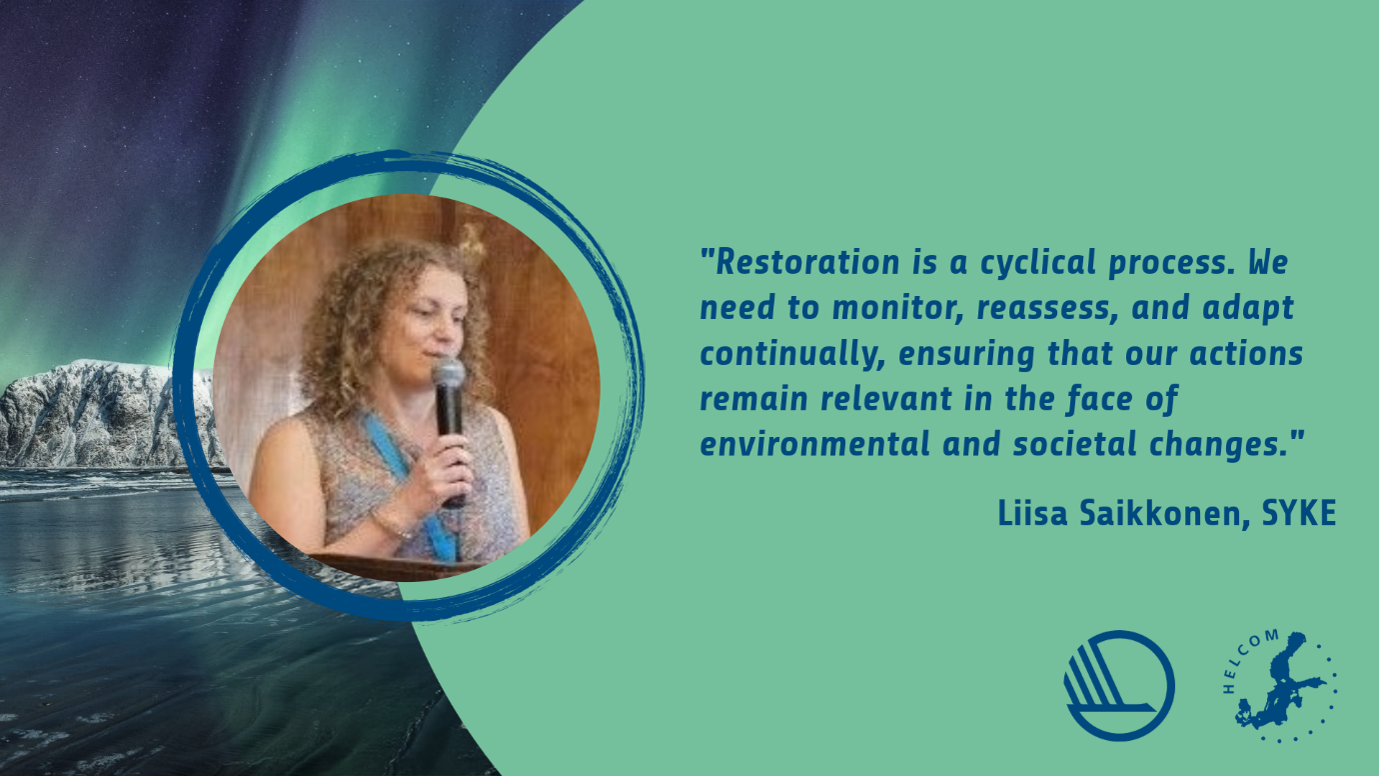
Adaptive management approach: Laura Wendling discussed the need for adaptive management, which involves continually monitoring, assessing, and adjusting restoration efforts. She highlighted the importance of integrating restoration with broader maritime spatial planning, identifying key areas for restoration, and managing them strategically. Management frameworks that incorporate both active restoration and passive restoration, while considering broader pressures and threats, were seen as crucial for achieving long-term success.
Addressing human activities and economic pressures
Finally, the panel discussed the tension between addressing the root causes of environmental degradation (such as fishing practices) and pursuing restoration efforts simultaneously.
Fishing and restoration: Federica Montesanto highlighted the challenge of restoring ecosystems, such as fish spawning grounds, while allowing fishing activities to continue in the same areas. For example, limiting fishing during critical spawning periods can help ensure the success of restoration efforts. This was framed as an example of how pressure reduction (in this case, fishing restrictions) can complement active restoration measures.
Balancing restoration with economic activities: Liisa Saikkonen emphasized the need to balance restoration efforts with economic activities like fishing and agriculture. She suggested that, while it might be difficult to eliminate harmful practices entirely, a more integrated approach – where restoration and sustainable use of resources go hand-in-hand – could provide a solution.
In conclusion, the discussion highlighted the importance of community involvement, effective communication, and balancing both active and passive restoration efforts. While challenges remain, particularly in managing economic pressures and ensuring the sustainability of restoration work, there is a shared belief that restoration efforts, combined with pressure reduction and strategic management, offer the best pathway to healthy and resilient marine ecosystems.
The panelists were optimistic that with the right investments in both people and the environment, restoration projects could provide long-term benefits, not just ecologically, but also economically and socially.