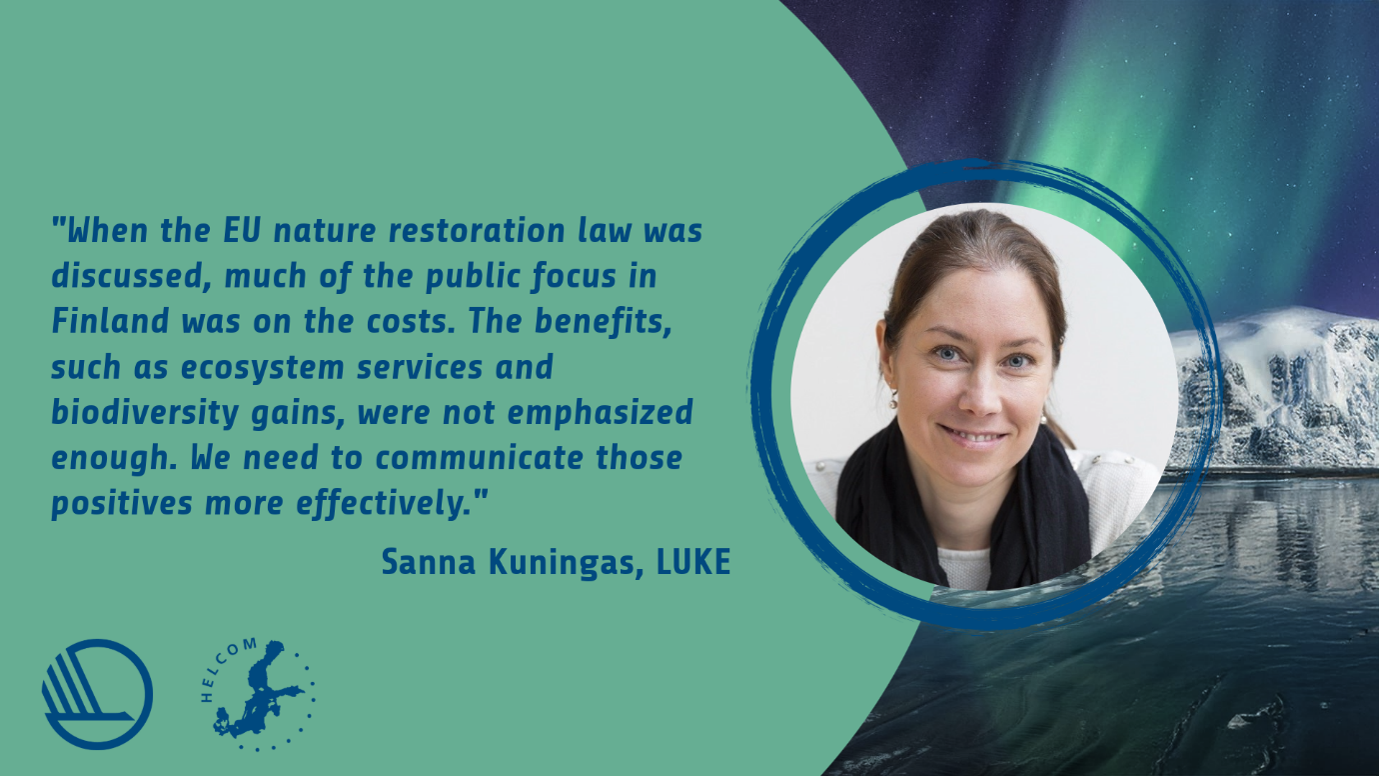
Habitat restoration in coastal lagoons in Finland
Sanna Kuningas
Sanna Kuningas, representing the Natural Resources Institute Finland (LUKE), shared insights on the restoration of coastal lagoons in Finland. These lagoons are vital habitats for spring-spawning fish species, such as perch and pike, and the restoration efforts aim to improve fish spawning conditions. Sanna provided an overview of the ongoing Life IP Biodiversea project and the cost considerations of these restoration activities.
Overview of the Life IP Biodiversea project
The Life IP Biodiversea project is Finland’s largest cooperation initiative to safeguard the biodiversity of the Baltic Sea. The project, with a budget of €20,000,000 over 8 years, involves nine partners and focuses on various themes related to the protection of nature. Of this budget, €567,000 is allocated for the restoration of coastal lagoons, particularly for fish spawning areas.
Sanna explained that the restoration of these habitats primarily targets enhancing the natural reproduction of spring-spawning fish, such as perch and pike, by restoring at least 20 coastal lagoons along the entirety of Finland's coast, from the Bay of Bothnia to the eastern Gulf of Finland. Coastal lagoons are important because they provide shelter for fish during spawning, and their water temperatures in the spring are significantly warmer than the open sea, which is crucial for successful reproduction.
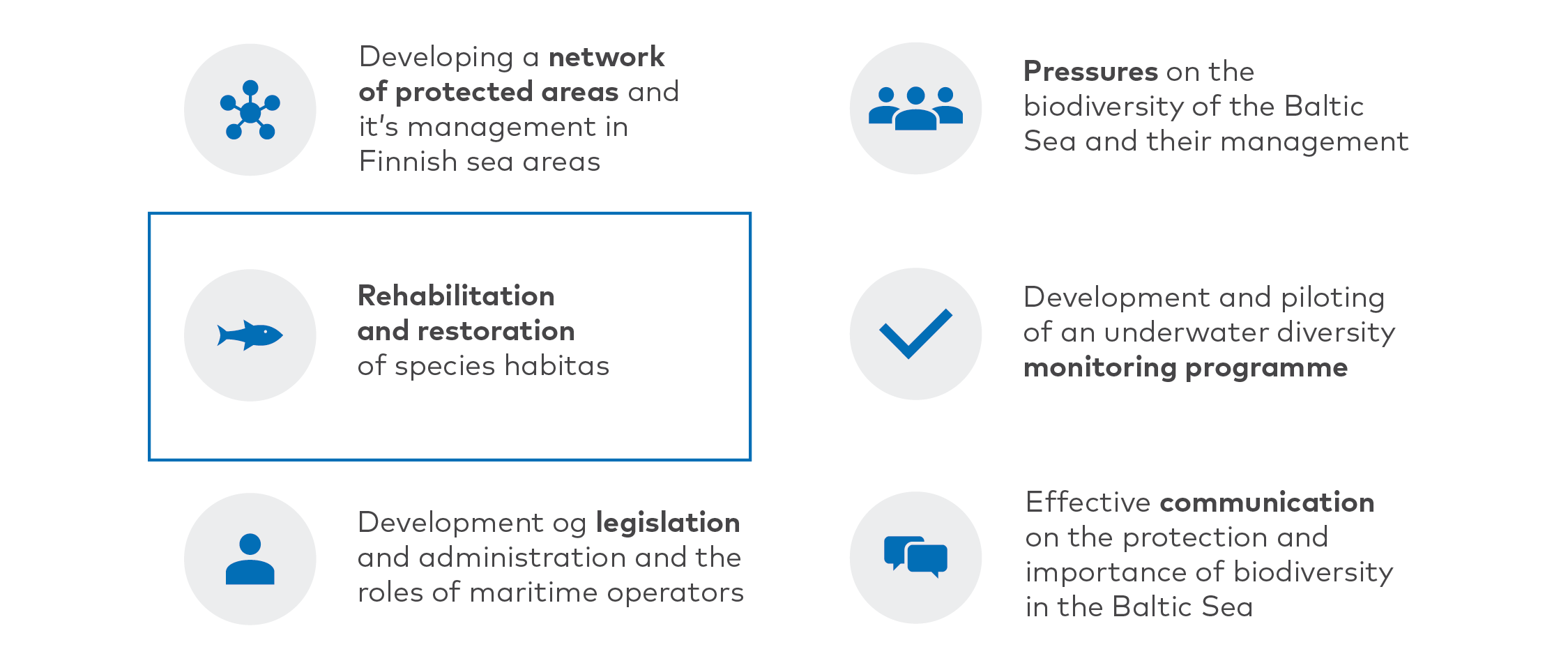
Figure 6: Finland’s largest cooperation project to safeguard the diverse nature of the Baltic Sea with a budget of over €20 million over eight years.
Challenges and natural processes
Coastal lagoons are formed due to land uplift after the Ice Age, with Finland’s land rising by up to 8 millimeters each year. While new lagoons are continuously being formed, many are disappearing due to both natural and human-induced pressures. Human activities, such as dredging channels for boating purposes and dealing with eutrophication, have damaged these sensitive habitats. Dredging, which was initially intended to improve water circulation and combat eutrophication, has had unintended consequences, such as disrupting the natural shelter and temperature regulation essential for fish spawning.
Eutrophication is also a significant issue, as it promotes the rapid growth of reed belts that can block the migration channels used by fish to access the lagoons.
Restoration methods and costs
Sanna provided examples of different restoration methods, such as the opening of channels blocked by reed growth or artificial structures like culverts, to ensure fish can migrate freely. One example of channel restoration involved manually opening a channel, which is a less expensive approach compared to using machinery. The costs for these methods can range depending on the complexity and scale of the work. For instance, restoring a channel by opening it with machinery can be more expensive due to the cost of materials and labor, while some simple rock placements to control the flow of water can cost as little as €500.
However, the most significant costs in these restoration projects are often the preparatory activities, including mapping the location, designing a restoration plan, obtaining necessary permissions, and engaging relevant stakeholders. Monitoring post-restoration is also a crucial and costly step to ensure the success of the project.
Example costs and the Helmi Habitats Programme
Sanna mentioned that the Helmi Habitats programme, which works alongside the Life IP Biodiversity project, focuses on restoring habitats like dredged channels. A key example involved restoring a dredged channel by using rocks sourced locally, which cost about €5,000. The Helmi programme also utilizes consultants for restoration planning, with typical costs for these plans ranging from €1,000 to €4,000.
For a larger scale, the restoration of all coastal lagoons in Finland that have been dredged would amount to an estimated €14,500,000. The restoration cost per lagoon is approximately €16,000, based on a comprehensive analysis conducted by colleagues at Metsähallitus, who used aerial images to identify all dredged coastal lagoons.
Finland’s national plan for habitat restoration
Looking ahead, Finland is preparing its national plan to fulfil the mandate set by the EU Nature Restoration Law, which is due for submission by the summer of 2026. Some preliminary work on cost estimation for habitat restoration has been completed, but the detailed report is currently available only in Finnish.
Sanna highlighted that the restoration of coastal lagoons is expected to cost between €5,000 and €25,000 per site, depending on the specific condition of the lagoon.
Benefits of coastal lagoon restoration
Sanna emphasized the multiple benefits of these restoration efforts. Beyond improving fish stocks, which in turn supports commercial fisheries, restoring coastal lagoons also enhances food provisioning, contributing to the overall health of the ecosystem. These benefits underscore the importance of the restoration work, which is not just an environmental initiative but one that has socio-economic advantages as well.
The lifespan of restoration efforts
In conclusion, Sanna expressed her appreciation for the opportunity to present the ongoing restoration efforts in Finland and the associated costs.
She was asked about the expected lifespan of the open channels created in the lagoons and the need for future management. While she noted that the natural process of land uplift could affect the longevity of these restoration efforts, Sanna agreed that periodic revisits and further restoration work would be necessary, with the timing depending on the region's rate of land uplift.
She concluded that the reoccurring nature of restoration work is important to consider when assessing the long-term cost-efficiency of these efforts.