CHAPTER 4: Insurance
Key take aways
Insurance can play different roles in averting, minimizing and addressing loss and damage (L&D) caused by climate-related events. It enhances risk assessment through data analysis, incentivizes loss reduction and resilience building, provides crucial financial resources for recovery and reconstruction, and reduces volatility, enabling more productive investments for sustainable development.
Establishing an effective insurance system necessitates a well-structured legal and regulatory framework. Government intervention in insurance markets typically occurs in response to market failures, often following major disasters. These interventions can take various forms, such as public sector insurance schemes, public-private partnerships, and regulatory measures to stimulate demand. While these interventions can be crucial, they should strike a balance between promoting insurance accessibility and maintaining risk-reflective pricing. Additionally, governments may choose to partner with insurers and capital market actors to share risks, especially for public assets, infrastructures, and post-disaster contingencies, ensuring timely financial support when needed.
Regional risk pools, such as CCRIF-SPC in the Caribbean, ARC in Africa, and PCRIC in the Pacific, play a crucial role in helping countries effectively manage and mitigate losses from disasters. These pools, owned by member countries, offer parametric insurance coverage for short-term liquidity after disasters and leverage risk pooling to provide more affordable risk transfer options. They not only provide rapid funding for disaster responses but also offer advisory services, access to international markets, and integration with social protection systems.
There are also new frontiers for insurance in responding to L&D. Insurance, traditionally associated with acute loss events, should also be explored for addressing slow-onset climate risks and non-economic L&D situations. Innovative insurance solutions are emerging to tackle these challenges:
- Anticipatory Insurance: Anticipatory insurance, driven by advanced forecasting, aims to provide early payouts for preventive actions. It can help reduce the need for risk transfer and enhance preparedness for climate-related events.
- Parametric Insurance for Debt-Servicing: Parametric insurance can cover debt-servicing obligations for climate-vulnerable countries, reducing the financial burden on governments after disasters. It can also be bundled with disaster liquidity coverage.
- Insurance for Natural Capital and Ecosystems: Insurance products are being developed to cover natural capital and ecosystems, helping address both slow-onset processes and non-economic L&D. For example, reef insurance supports coral reef recovery after hurricanes.
- Insurance for Emerging Risks: Insurance can provide coverage for emerging risks resulting from shifts in livelihoods or business models, promoting resilience in evolving economic landscapes.
- Long-Term Insurance Solutions: Efforts are underway to link insurance to long-term resilience strategies, offering insurance contracts beyond the traditional yearly renewals. These solutions could encourage investment in resilient infrastructure.
- Life Insurance Model for Slow-Onset Events: Insurance for slow-onset events could focus on timing risks rather than the event itself. It could provide payouts when pre-agreed thresholds are surpassed within specified timeframes.
- Addressing Affordability: Affordability remains a significant challenge in insurance uptake. Premium subsidies and concessional financing are explored to make insurance more accessible, but they need careful consideration to avoid moral hazard.
These takeaways emphasize the evolving role of insurance in averting, minimizing and addressing L&D associated with climate change and the need for innovative approaches, international cooperation, and transparency in this context.
COP 28 presents a pivotal opportunity to advance new funding arrangements and the fund for responding to L&D, and the Transitional Committee (TC) could use this opportunity to highlight the potential and solutions relevant for L&D in its recommendations for COP28. Insurance-linked approaches can significantly enhance support for vulnerable communities. However, it is crucial to recognize that insurance alone cannot be the sole source of funding for L&D. Instead, it should be an integral part of a comprehensive strategy that includes various loss mitigation measures. Insurance instruments and schemes can serve as valuable tools for addressing losses and reducing overall costs associated with L&D, thus lessening the need for extensive financing.
COP 28 is expected to define key attributes for the funding arrangements and the fund, and their coordination under the UNFCCC. While specific modalities are still under debate, there is a growing consensus that these mechanisms should address both rapid and slow onset events. Part of the disbursements will follow a programmatic approach, ensuring adaptability and room for additional functions and instruments over time. These elements are intended to work harmoniously, with the funding arrangements and the fund on addressing priority gaps. Principles such as country ownership and the development of in-country processes are emerging as guiding principles. Importantly, any solutions for L&D should not exacerbate the public debt situation of vulnerable countries.
In addressing climate L&D at COP 28, decision-makers should consider several key actions:
- Anchor Risk Transfer: Promote risk sharing and transfer through insurance-linked solutions as a vital component of the strategy to finance L&D. These solutions uniquely address climate L&D while fostering risk understanding and preventive action.
- Incubate Innovation: Encourage innovation through calls for developing insurance products that address climate L&D. Foster partnerships with the private insurance sector and provide financing mechanisms for product development. Clearly defined objectives should guide these efforts, focusing on vulnerable populations' needs, affordability, and addressing specific challenges.
- Innovate Pre-Arranged Financing: Support investments in technical work, forecasting, impact modeling, and strengthen money-in and money-out processes to enhance pre-arranged finance and anticipatory action. Develop both public and private risk markets while promoting financial inclusion.
- Dialogue with IFIs: Engage in dialogue with International Financial Institutions (IFIs) to create debt-related climate insurance instruments. These IFIs, including the World Bank, play a significant role in post-disaster recovery but often rely on debt-related mechanisms. Explore insurance approaches to mitigate climate-related economic risks and offer expanded premium payments.
- Strengthen In-Country Mechanisms: Implement a programmatic approach at the country level to address rapid and slow onset events. This should include loss reduction strategies, public contingency planning, and transformative policies. Recognize and expand initiatives like the Global Shield and involve stakeholders in risk assessments and audits to structure risk financing options.
- Enhance Regional Risk Pools: Support regional risk pools by boosting risk capital and providing premium support and discounts. Encourage expansion of membership, development of new products, and non-sovereign offerings, benefiting sub-national climate risk insurance and non-sovereign actors.
- Consider Global Pooling: Explore options for global pooling of catastrophic climate risks, establishing a mechanism for rapid disbursement during acute disaster situations. Prioritize support based on countries' specific needs while promoting alternative risk finance and risk management.
- Develop Mutualized Climate Risk Capacity: Address the protection gap in vulnerable countries by creating a mutual captive insurance company, offering risk capacity for new insurance products in L&D contexts.
- Create Transparency Systems: Establish transparency systems to monitor and compare progress across different L&D instruments, fostering a culture of evidence and learning. Adapt existing coding frameworks and impact measurement tools to reflect actions addressing L&D, including insurance
In conclusions COP 28 represents a significant opportunity to emphasize the role of insurance and risk transfer in responding to L&D in vulnerable communities. It can establish this concept as an integral part of international cooperation for the funding arrangements and the fund. While not all details need to be finalized during COP 28, it can set the groundwork for further developments in this policy area in the coming years and thereby create momentum at national levels and among stakeholders.
Introduction
Insurance approaches are crucial in adapting to climate change and minimizing, averting and addressing L&D associated with its impacts. On national, regional and international levels, insurance is increasingly considered a policy choice designed to provide financial protection and support to those affected by climate-related events and disasters. This part of the paper will assess the potential of insurance in enhancing sources of finance and providing solutions for activities to avert, minimize and address L&D. Insurance should not be confused with being a source of finance for replenishing the L&D fund, as insurance companies generates revenue through charging premiums or reinvesting these premiums in other interest generating assets. However, insurance could be utilized by the L&D fund to manage financial resilience. Further, insurance as a tool for the new funding arrangements in responding to L&D should not be underestimated and could be further enhanced to play a more vital role in minimizing, averting and addressing L&D. This section will highlight the general development in promoting insurance as a policy option and specifically to address L&D. It will further dive into some innovations and frontiers relevant for the L&D discourse. Lastly, it provides some conclusions for decision-makers to advance the topic at COP 28 and beyond.
Current landscape of insurance for climate resilience – including as a source of funding
Risk transfer fundamentals
Insurance is a risk management tool that protects against uncertain events of losses. Risk transfer serves as a means to shift the financial burden of potential risks from an individual or entity to a third party – usually an insurance company. The risk transfer process relies on principles such as risk reflective pricing, risk pooling, and risk diversification. Risk pricing describes the ability to assess the individual risk level and differentiate the insurance costs accordingly. Risk pooling characterizes the aggregation of insureds in order to reduce the load of individual events. Risk pooling is often open to a cross-subsidization from members with higher risks and who are statistically more likely to receive a payout to those with lower risks. Lastly, risk diversification describes the practice by the insurance industry to spread loss exposures among different classes of (uncorrelated) risks, thereby optimizing the capital required to underwrite risks.
Jarzabkowski, P.; Chalkias, K.; Clarke, D.; Iyahen, E.; Stadtmueller, D.; Zwick, A. (2019). Insurance for climate adaptation. Opportunities and limitations. Global Commission on Adaptation. Rotterdam. Available at https://eprints.bbk.ac.uk/id/eprint/28797/1/insurance-for-climate-adaptation-opportunities-limitations.pdf.
The risk transfer ecosystem consists of various actors and levels: Policy-holders representing an insurable interest are individuals, businesses, organizations, and in some instances governments seeking to protect themselves financially from specific risks. Insurers are the core entities providing insurance through underwriting, premium collection, and handling loss-adjustments. Reinsurers provide insurance to insurance companies, thereby diversifying risks globally and protecting insurer’s financial stability. Capital market providers might also play this role and accept insured risk for a profit. Brokers are key market intermediaries and foster competition between insurers and between reinsurers. Model Service Providers provide key catastrophe models that calculate risk levels and pricings based on assumptions of hazard, exposure and vulnerability. Other Insurtech and specialized providers might support enhancing various aspects of the insurance process, including policy underwriting, claims processing, and customer experience. Lastly, government agencies oversee and regulate the insurance industry to ensure compliance with laws, protect consumers, and maintain the financial stability of insurance providers. This complex and dynamic network has a vital role in mitigating financial losses and provide greater resilience.
The risk transfer process takes place on various levels. First, micro-level insurance describes direct insurance of individuals, with insurance providers often directly interacting with possible policyholders. Second, meso-level insurance refers to insurance offers to an aggregation of individuals. This group might be an organization like a farming collective buying insurance, with possible payouts benefiting individuals indirectly. Third, macro-insurance refers to insurance to sovereign entities. Governments can use insurance payments to maintain public services or cover public disaster spending contingencies, including providing relief to vulnerable populations.
Insurance contracts can be indemnity based, with payouts acting as a compensation for actual losses suffered. Parametric insurance contracts rely on predefined triggers or indexes to determine the amount of the payout. Parametric insurance comes with the benefit of fast and transparent payouts, but basis risk might result in a discrepancy between the actual loss suffered and the parametric payout.
UNU-EHS, UNCDF, MCII (2023). Climate and Disaster Risk Financing and Insurance: 25 key terms you need to know. Available at https://www.uncdf.org/article/8345/climate-and-disaster-risk-financing-and-insurance-25-key-terms-you-need-to-know
As an example, for the country of Kenya, one study indicates that a disaster risk insurance contract would raise social welfare compared to a fixed budget for supporting vulnerable households. Moreover, according to that study, insurance would also reduce the negative impacts of budget volatility on growth.
Carter, M.; Sugastti, M.M.; Fava, F. & Jensen, N. (2021). Evaluating the case for national disaster risk insurance. MRR Innovation Lab Evidence Insight No. 2021-02.
Another study examined how climate risk information generated through insurance activities, including parametric sovereign risk pools in Africa (ARC), can support climate adaptation. The authors investigate the potential of the insurance industry to promote the use of such information. According to the report, there is potential for collaborative efforts to enhance the utilization of climate risk information in insurance-related activities.
See: Surminski, S.; Barnes, J.; Vincent, K. (2022). Can insurance catalyse government planning on climate? Emergent evidence from Sub-Saharan Africa. World Development, 153.
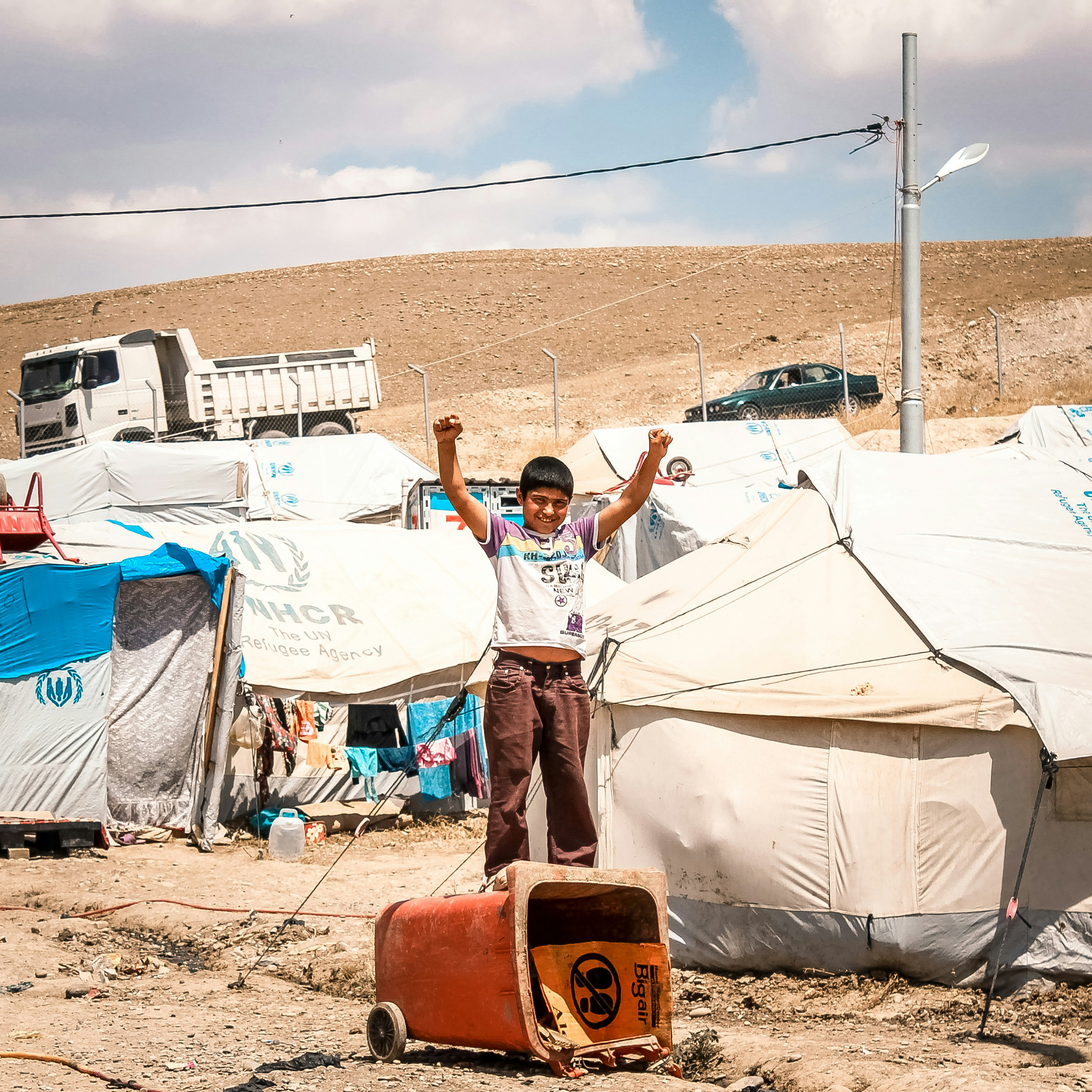
The role of insurance in averting, minimizing and addressing L&D
Several functions make insurance an attractive policy choice to avert, minimize and address L&D.
Warner, K.; Kreft, S.; Zissener, M.; Höppe, P.; Bals, C.; Loster, T. et al. (2012): Insurance solutions in the context of climate change-related L&D. In 97839399. Available at http://collections.unu.edu/view/unu:1835
Secondly, insurance can reward loss reduction. While insurance is not necessarily reducing the risk, it can be a central approach to incentive loss reduction and resilience building. Risk-reflective pricing can send signals to households, enterprises, and governments to reduce the risks. It can also make insurance coverage contingent on loss-reducing measures. Thus, it could be used to encourage positive action to reduce and minimize L&D. Many loss-reducing measures are cost-effective, especially for low-impact events, but not for extreme disasters. Thus, a risk layering approach, including risk finance and insurance for tail-risk disasters, makes management of L&D more effective overall.
Thirdly, insurance provides finance in addressing L&D situations. The main function of insurance is to provide a payout in the case of an insured event. This can provide much-needed financial liquidity to cover post-disaster needs and support reconstruction efforts. Timely payouts allow households to cope with a disaster situation without selling productive assets. Additionally, they help governments avoid fiscal deficits and costly post-disaster loans. Due to its timeliness and reliability, insurance offers a significant advantage over other post-disaster financing options, such as aid, loans, and family assistance. Unlike ad hoc disaster assistance, insured clients are legally entitled to receive post-disaster compensation. Index-based contracts, which require no loss inspections for claim settlements, have the potential to provide immediate payouts following the occurrence of the triggering event.
Fourthly, insurance might reduce volatility and enhance certainty for decision-makers. L&D events have the potential to undo development gains, and volatility and disruption caused by climatic events challenge needed investments for socio-economic development. Insurance can create “a space of certainty”, enabling more productive investments.
Currently, the protection gap for nat-cat disasters stands at a staggering 210bn USD per year. Protection gap is defined as the difference between total economic losses from nat-cats and the insured part of these losses. While the world as a whole made progress in closing this share, there are large disparities between the global regions, with African countries, LDCs and island states suffering from underinsurance the most. In some countries there is a trend of widening protection gaps. In financial terms the last decade was the costliest both on a nominal and an inflation-adjusted basis. Basic drivers include an increased number of disasters in part due to climate change, but also growing exposures due to economic development and population growth.
Global Federation of Insurance Associations (2023): Global protection gaps and recommendations for bridging them. Available at https://gfiainsurance.org/topics/487#
Figure 1: Insured share of natcat losses varied significantly by region (GFIA 2023, p.75)
Promoting insurance as a public policy intervention
Insurance as an instrument requires the right legal and regulatory environment. Failure to provide insurance often triggers government interventions. Generally, these interventions follow the collapse of existing insurance markets – and less to establish insurance offerings when markets do not exist. Nevertheless, the general principles are the same.
Governments might see themselves intervening in insurance markets when the insurance supply contracts after large-scale disasters. This can involve mandating public sector schemes, with risk cover guaranteed by government’s budget sheets. Or public-private partnerships, in which certain tranches of risk transfer are offered by private insurers and others underpinned by public capital reserves. These public policy choices are often context-specific, based on market conditions and the wider risk governance of a country. Also, supply-side failure to offer insurance at a price for consumers to accept might hint that particular risks are becoming unsustainable and require new approaches for adaptation. In addition, policy choices must be carefully designed to involve the full risk capacities of insurance markets, yet avoid private actors only trading the ‘good’ risk while avoiding long-term societal transitions in risk governance and management.
Similarly, governments might strengthen the demand side to promote insurance. Interventions include the regulatory enforcement of cross-subsidization between different classes of policyholders. Also, direct premium subsidies are provided to bolster insurance demand. While the issue of underinsurance might require targeted public support, this runs counter to principles of truly risk-reflective insurance pricings. Thus, they come with potential moral hazards and need to be accompanied by risk management measures to reduce the overall load of disasters.
Lastly, governments themselves can decide to share their risk with insurers and capital market actors directly. Relevant exposures include, for example, public assets and infrastructures. This is especially true if there is a critical timing for reconstruction, and if relevant sub-national institutions do not have access to plannable post-disaster finance. Another relevant category are general post-disaster contingencies, i.e. financial liquidity that is required in a disaster situation by public sector entities to reduce the human and social costs of disasters. Another significant category is sovereign risk transfer.
Jarzabkowski et al. (2019). Insurance for climate adaptation: Opportunities and limitations, op. cit.
The advent of regional and global risk pools
Regional risk pools offering sovereign insurance have gained significance as a crucial mechanism for countries to handle and mitigate losses following the occurrence of disasters effectively. Currently, they are most consolidated in the Caribbean (CCRIF-SPC - Caribbean Catastrophic Risk Insurance Facility-Segregated Portfolio Company), Africa (ARC – Africa Risk Capacity), and in the Pacific (PCRIC – Pacific Catastrophe Risk Insurance Company). In Southeast Asia, several countries have signed Memorandums of Understanding to interact with a specialized regional risk insurance company. Such companies represent mutual companies that form a risk pool owned by their member. They offer different parametric insurance coverages, mostly for short-term liquidity after disaster strikes. By pooling risks – and placing them as a single portfolio to the international reinsurance and capital markets – countries benefit from cheaper risk transfer than if single-country transactions would occur.
Generally, risk pools can provide fast, reliable funding as a quick response measure to disasters, allowing countries quick and effect responses. They can also help countries manage financial risks by transforming disaster-related financial risks into predictable insurance premiums. Furthermore, by pooling and sharing risks, countries would usually be able to secure better conditions as they would receive as single entities.
Regional risk pools also offer various co-benefits, including advisory services to governments on data repositories, risk profiles and risk models helping governments better understand their risk. Also, several regional risk pools have extended their offerings and access to the international reinsurance and capital markets to benefit their member states. This includes providing risk capacities to national-level micro-insurance solutions. Increasingly, regional risk pools also dovetail with e.g., national social protection systems or are part of innovations in the strive to provide anticipatory finance to humanitarian assistance.
Martinez-Diaz, L.; Sidner, L.; McClamrock, J. (2019). The Future of disaster risk pooling. Google Scholar. World Resources Institute. Washington. Available at https://scholar.google.com/scholar?cluster=10292514299593698604&hl=en&as_sdt=0,5
Ciullo et al. (2023) suggest that internationally pooled risks – in contrast to regional risk constructions – had several benefits, as those would increase risk diversification, improve the distribution of countries’ risk share within the pool, and thus increase the number of countries benefiting from risk sharing.
Ciullo, A., Strobl, E., Meiler, S., Martius, O., Bresch, D. (2023). Increasing countries’ financial resilience through global catastrophe risk pooling. Nature Communications 14.

International agenda on climate and disaster finance, including insurance
The Paris Agreement highlights the importance of averting, minimizing and addressing loss and damage associated with both rapid and slow onset processes. One area highlighted for cooperation on action and support is risk transfer: risk insurance facilities, climate risk pooling and other insurance solutions. This is also reflected in several activities under the Warsaw International Mechanism. For instance, the ‘Fiji clearinghouse’ for risk transfer was mandated and operationalized as part of the climate summit 2015 and 2016.
Currently inoperable.
Outside of the convention process, several political initiatives aimed to advance the agenda on climate and disaster finance, including insurance. In 2015, the G-7 committed to enhancing access to insurance by up to 400 million people by 2020. Several financing vehicles were created available to developing countries and relevant stakeholders – including the Worldbank Global Risk Financing Facility or the Asia-Pacific Climate Change Fund under the Asian Development Bank. These multi-donor trust funds received specific mandates for promoting insurance and disaster finance instruments. In 2017, the InsuResilience Global Partnership (IGP) was founded. It aims to galvanize stakeholder action on disaster finance and insurance and includes a high-level political decision mechanism. At the UN Secretary General’s Climate Action Summit in 2019, a comprehensive ‘Vision 2025’
InsuResilience Global Partnership Vision 2025 (2021). Available at https://www.insuresilience.org/wp-content/uploads/2022/10/vision2025_211022.pdf
To increase the ambition level and learn from the experiences of the IGP and associated funding institutions, the Vulnerable Twenty (V20) Group and the Group of Seven (G7) initiated the Global Shield against Climate Risks during COP27, which aims to enhance protection for vulnerable communities and nations and effectively contribute to addressing L&D intensified by climate change. The Global Shield builds on an in-country process assisted through assessments of protection gaps that inform the programming of dedicated financing structures. These consist of the Global Shield Financing Facility by the Worldbank (the former Global Risk Financing Facility), the Global Shield Solution Platform and the Climate Vulnerable Forum (CVF) & V20 Joint Multi-Donor Fund.
‘Insurance’ has already been anchored in the UNFCCC convention text in 1992 alongside finance and technology transfer
“In the implementation of the commitments in this [4] Article, the Parties shall give full consideration to what actions are necessary under the Convention, including actions related to funding, insurance and the transfer of technology, to meet the specific needs and concerns of developing country Parties…”
Addressing L&D – new frontiers for insurance solutions?
The following section includes some markers for elements that represent new frontiers for insurance solutions in the context of addressing L&D, especially looking at the fringes of the discourse. Insurance, for example, is usually not considered a suitable source of funding for slow onset type of climate risks like sea-level or desertification as these are chronic in nature, and principles of risk diversification cannot be applied. Similarly, non-economic L&D situations have been described as a category of risk for which insurance is less-suited.
Robinson, S.-A.; Khan, M.; Roberts, J. T.; Weikmans, R.; Ciplet, D. (2021). Financing L&D from slow onset events in developing countries. Current Opinion in Environmental Sustainability 50, pp. 138–148. DOI: 10.1016/j.cosust.2021.03.014
New insurance solutions in the context of addressing L&D
One area of innovation is anticipatory insurance. The innovation uses better forecasting and providing early payouts to enable swift preventive action. This way, anticipatory insurance could, for example, pay out for alternative seeds if models indicate crop failure at the beginning of the agricultural season.
UN OCHA and ARC are collaborating on piloting the concept of anticipatory insurance in Malawi and Zambia, see Maslo, D. (2022). How anticipatory insurance can help Africa better prepare and respond to natural disasters. World Economic Forum. Available at https://www.weforum.org/agenda/2022/11/africaanticipatory-insurance-africa-natural-disasters-response/
GlobalAgRisk Inc. (1/29/2013). First-Ever "Forecast" Insurance Offered for Extreme El Niño in Peru. Lexington, Kentucky. Jerry Skees. Available at http://globalagrisk.com/Pubs/2013%20Press%20Release_First_Ever%20_Forecast%20Insurance%20Peru.pdf
Climate-vulnerable countries might not be able to collect government revenues in the face of disaster. At the same time, they need to increase their spending to manage the disaster aftermath and compensate for a reduction in private spending. Hence, they find themselves in the situation of borrowing money. For vulnerable countries, the cost of capital is already increased in part due to existing disaster and climate impact burdens and respective risks for debt default.
Beirne, J.; Renzhi, N.; Volz, U. (2021). Feeling the heat. Climate risks and the cost of sovereign borrowing. International Review of Economics & Finance 76, pp. 920–936. DOI: 10.1016/j.iref.2021.06.019.
To tackle this, Bharadwaj et al. (2023) show how parametric insurance could provide cover for debt servicing. Based on pre-agreed triggers, the insurance payout would cover the loan repayment. The level and duration of debt servicing would need individual assessment. Also, the product could be bundled with existing sovereign disaster liquidity coverage to increase the capacities of governments in a post-disaster situation. Already today, there are examples of parametric insurance enabling successful debt conversions and debt swaps.
For a more in-depth discussion on debt swaps, please see Chapter 3.
The Nature Conservancy (2023). Case Study - Belize blue bonds for ocean conservation. The Nature Conservancy.
A third innovative class of insurance innovation is products covering natural capital and ecosystems, which in part addresses both slow onset processes and non-economic L&D. A concrete solution again in Belize is currently rolled out with the Mesoamerican Reef Insurance product. Based on third-party validated index data – the product funds early response activities for faster recovery of damaged coral reefs in the aftermath of hurricanes. While current trigger events are linked to hurricane intensity, they can also be related to chronic stressors, including the level of health/bleaching level coral reefs.
Another possible application for insurance in the context of addressing slow-onset impacts is to provide financial coverage for emerging risks that result from transformations to new forms of livelihoods or business models. While insurance cannot insure the success of a business idea, it can cover against e.g., excess liabilities in case of prototype applications. A related solution was conceptualized by Worldbanks ‘drought adaptation insurance’ linking the promotion of new drought-tolerant seeds to an insurance product, which covers either the farmers, or the agricultural loan providers against newly emerging risks from changing farming practices.
These are just a few examples of how insurance might contribute innovatively to emerging challenges in addressing L&D.
Extending short-term insurance products
Most insurance agreements primarily offer coverage for existing risks, rather than future or anticipated risks. Typically, insurance contracts are renewed or terminated on a yearly basis (Surminski et al. 2016). The challenge, however, is how insurance solutions can be directly linked to long-term resilience strategies.
Parametric insurance payouts are mostly used for short-term liquidity. In an effort to increase the long-term resilience of its risk pool members, the African Risk Capacity (ARC) is developing an ‘eXtreme Climate Facility’ (XTF). The XTF aims at insuring not a singular event such as the traditional ARC cover but rather an increase in the frequency of extreme events based on a parametric multi-hazard trigger. The payouts are received by a group of countries in the affected regional cluster and should be used for measures to adapt to the detected change in climate. Further services of the XTF shall include e.g., access to risk analytics and technical assistance for the development of an investment plan for climate change adaptation.
African Risk Capacity (2021). eXtreme Climate Facility (XCF) Summary. Index Design and Risk Modelling. Policy Brief. South Africa. Available at https://www.arc.int/sites/default/files/2021-09/XCF-Policy-Brief-Summary.pdf Further: Adesiyan, T., (2020). Policy Framework - Extreme Climate Facility v.0.4. African Risk Capacity. Available at: https://www.arc.int/extreme-climate-facility
Innovation also takes place regarding the yearly nature of insurance contracts. Climate Insurance Linked Resilient Infrastructure Financing (CILRIF) is a long-term “known price” insurance solution that incentivizes municipalities to invest in resilient infrastructure. Under the CILRIF pilot by the United Nations Capital Development Fund (UNCDF), municipalities will be offered long-term (10+ years) insurance with both parametric (for post-disaster liquidity) and indemnity-based (for post-disaster reconstruction) components for a fixed price. When taking out insurance, the municipality becomes eligible for the CILRIF infrastructure investment facility which targets private and public investors, providing both non-concessional and concessional investment and grants. When municipal resilience is built through sustainable urban infrastructure investments, the insurance premium will be reduced according to a tired scheme, which reduces total strain on cities’ budgetary resources.
The Global Innovation Lab for Climate Finance (2022): Climate Insurance-Linked Resilient Infrastructure Financing (CILRIF) | The Global Innovation Lab for Climate Finance. Available at https://www.climatefinancelab.org/ideas/climate-insurance-linked-resilient-infrastructure-financing-cilrif/
A life insurance model for slow-onset events?
The outcomes of some slow-onset processes like sea-level rise are dependent on fundamental physical and atmospheric processes and thus manifest with a degree of certainty. This certainty makes it difficult to insure the slow onset ‘event’ as it lacks randomness and, with that, a determinant of insurability. Nevertheless, insurance might play a useful role in facilitating long-term transition processes in response to slow-onset events, including current models in life insurance. Rather than insuring the event itself, the insurance would focus on the timing risks. This would be like term life insurance
The term life insurance describes the most simple form of life insurance; it provides a stated death benefit that pays the beneficiaries of the policyholder during a specified period of time.
Conway, S.; Young, S. (2023): Slow-onset climate hazards pose unique risks (Insurance Day). Available at https://insuranceday.maritimeintelligence.informa.com/ID1144301/Slow-onset-climate-hazards-pose-unique-risks
Addressing unaffordable insurance
Affordability stands out as a primary challenge in advancing coverage. The lack of financial resources to cover insurance premiums hinders individuals and communities from accessing crucial coverage. As a result, despite recognizing the importance of insurance, many climate-vulnerable populations struggle to afford the premiums, underscoring the need for innovative solutions and support mechanisms.
The barriers to insurance uptake in countries eligible for risk pool participation have been studied, revealing a significant obstacle – the lack of capital to cover insurance premiums. The notion of ’affordability’ in this context isn't a strictly measurable concept; instead, it reflects the financial constraints and complex political priorities facing many climate-vulnerable economies, as pointed out by some authors.
Scott, Z.; Panwar, V.; Weingärtner, L.; Wilkinson, E. (2022). The political economy of premium subsidies: searching for better impact and design. Insights for Sovereign Climate and Disaster Risk Finance and Insurance. Available at https://www.insuresilience.org/wp-content/uploads/2022/12/PEA_PremiumSubsidies_TP2-2022-12-22-14_06_52.pdf
External support has played a substantial role in increasing demand for insurance, boosting insurance uptake rates, and enhancing membership in risk pools. However, it is important to acknowledge the potential downsides of premium subsidies, including the emergence of moral hazard – where subsidized policies could encourage riskier behaviors – and behavioral shifts that might lead to less cautious practices. Additionally, there is a risk that these subsidies might create a dependency on external financial support for the insurance scheme, as highlighted by vivideconomics in 2017.
Vivideconomics (2017): Final report. Understanding the role of publicly funded premium subsidies in disaster risk insurance in developing countries.
The “moral hazard” is a subject in insurance, as insured parties may be less motivated to reduce risk as an insurance will cover their losses. Governments benefiting from insurance may neglect attention and subsequent action of disaster preparedness measures. A reduction of “moral hazard” could be an advantage of parametric and index insurance compared to traditional indemnity-based insurance, as payout is based on an index rather than single policyholders.
Vivideconomics (2016). Final report. Understanding the role of publicly funded premium subsidies in disaster risk insurance in developing countries. Evidence on Demand.
Concessional donor support can target micro, meso, and macro schemes. It can either be direct and on the demand side by financing a portion of the insurance premium through premium subsidies. On the supply side, donors can indirectly subsidize the insurance product by providing the capital necessary for product development, marketing and distribution or capitalizing risk carriers.
Panda, A.; Ahmed, S. J.; Seifert, V.; Kreft, S. (2021). Background Note. Further Taxonomic Considerations of Premium and Capital Support and Allocation Aspects. MCII. Available at https://climate-insurance.org/wp-content/uploads/2020/04/SMART-principles-for-premium-support-_26July-Pre-Publication_final.pdf
Both types of subsidies have been used in the past, but not always based on purely impact-based considerations. Donors are often limited by the kind of finance available through government decisions (loan vs. grant finance) and often prefer to provide indirect finance to insurance vehicles to increase their capital base. While at micro- and meso levels this approach is often well justified, stakeholders in risk pool-eligible countries expect direct donor support to grow and unanimously support more premium subsidies. Evidence also points to the benefit of prioritizing premium over capital support at the current moment.
Scott et al. (2022). The political economy of premium subsidies, op. cit.
While initially hesitant, donors are becoming more open to the idea of (longer-term) premium subsidies. In order to be just and efficient, allocation criteria become ever more important. The InsuResilience Global Partnership has developed a set of SMART Principles for Premium and Capital support. However, further research is needed to optimally allocate the support across countries, instruments, and means of support.
Töpper, J.; Stadtmüller, D. (2022). Smart Premium and Capital Support: Enhancing Climate and Disaster Risk Finance Effectiveness Through Greater Affordability and Sustainability. Available at https://www.insuresilience.org/wp-content/uploads/2022/10/SMART-Premium-and-Capital-Support_Policy-Note-1.pdf
Scott et al. (2022): The political economy of premium subsidies, op. cit.
In addition to systematic premium support, there might also be the necessity for premium relief reacting to short-term factors negating the ability to purchase appropriate insurance coverage. This could include pre-financing insurance premiums.
The concept of insurance frequently intersects with notions of “climate justice”, as it involves climate-vulnerable nations and communities having to bear the cost of insurance premiums for events they are not fully responsible for. This notion, as highlighted by the Centre for International Governance Innovation in 2016, frames premium support as a potential avenue for addressing the financial consequences of such events, akin to a form of financing for L&D.
While there is a developing discourse on the need for premium support, there are several issues to be solved. This includes, among others, transparent allocation criteria and long-term, predictable provisions. The discussions –including institutional set-up – is the most advanced for sovereign-level insurance. For instance, the African Disaster Risk Financing Programme (ADRiFi) by the African Development Bank provides premium support in the context of ARC insurance offerings and has been a determining factor to upscale sovereign coverage, though its capitalization is insufficient vis-à-vis the overall need.
African Development Bank rolls out programme to boost climate risk financing and insurance for African countries, (2018). Available at https://www.afdb.org/en/news-and-events/african-development-bank-rolls-out-programme-to-boost-climate-risk-financing-and-insurance-for-african-countries-18618
The benefits of subsidizing insurance premiums must be compared to other solutions such as direct cash transfers. Insurance is a powerful tool to promote economic growth and reduce inequality.
Compared to cash-transfers, insurance gives greater long-term incentive for investing for poor and vulnerable households.
Janzen et al. (2018). ‘Can Insurance Markets Alter Poverty Dynamics and Reduce the Cost of Social Protection in Risk-Prone Regions of Developing Countries?’ (25 January 2018). Available at: https://arefiles.ucdavis.edu/uploads/filer_public/93/65/936524ce-1430-455e-b7b1-e63b2d38a8ee/valuing_asset_insurance_format_test.pdf
The Innovation Dividend Podcast (2020). ‘A Covid cash-transfer programme that gives more money to women’ (16 June 2020). Available at: https://undp-ric.medium.com/cina-lawson-a-covid-cash-transfer-programme-that-gives-more-money-to-women-in-togo-2386c5dff49
Pople, A.; Hill, R. V.; Dercon, S.; Brunckhorst, B. (2021). Anticipatory Cash Transfers in Climate Disaster Response, p. 7. Working paper 6, Centre for Disaster Protection, London. Available at: https://static1.squarespace.com/static/61542ee0a87a394f7bc17b3a/t/61b9bec86ba2e76d344f8b63/1639562959520/FINAL%2BAnticipatory_Cash_Transfers_in_Climate_Disaster_Response%2B%28for%2BWP%29%2BF3.pdf
Pople, A.; Hill, R. V.; Dercon, S.; Brunckhorst, B. (2021). Anticipatory Cash Transfers in Climate Disaster Response, p. 8. Working paper 6, Centre for Disaster Protection, London. Available at: https://static1.squarespace.com/static/61542ee0a87a394f7bc17b3a/t/61b9bec86ba2e76d344f8b63/1639562959520/FINAL%2BAnticipatory_Cash_Transfers_in_Climate_Disaster_Response%2B%28for%2BWP%29%2BF3.pdf
For activities that avert and minimize L&D, a feasible approach might be (small) payouts that enable asset protection, and to promote adaptation and investment in resilience, with particular focus on the poorest and most vulnerable communities.
For further information and reference, please see the African Risk Capacity (ARC): https://www.arc.int/
Finally, there is likely a very limited economic basis for non-concessional weather-related insurance arrangement in some countries, such as the Sub-Sahara African countries, without any governmental support, as insurance premiums would be too high to be financially manageable for low-income countries. Affordability remains a central barrier for index-based insurance. With climate change progressing, disastrous weather events will be hard to insure against, which will likely increase needs for concessional financing.
For further information: https://www.arc.int/
- A Plan to Build Government Capacities Over Time: Through insurance and its in-country capacity building programme, ARC Agency provides expertise to and incentives for governments to invest in their emergency planning and response capacities.
- Government Ownership of Planning and Response: In order to be eligible to take out an insurance contract, all participating governments must seek approval for their operations plans from ARC’s Peer Review Mechanism (PRM).
- Alignment with Global Policy: In order to ensure harmonisation with post-2015 global policy (in climate change, humanitarian financing, and disaster risk reduction), the ARC Agency Governing Board will form a high level consultative group with the heads of relevant UN and other humanitarian agencies participating in the replica coverage programme.
Enhanced resilience and adaptation of countries to the negative impacts of climate change, as well as disaster risk insurance cover, will reduce the vulnerability of the poor to climate change and act as a safeguard against loss of livelihoods in communities, especially for smallholder farmers. […] ADRiFi will promote disaster response mechanisms such as sovereign parametric index-based insurance, for which payouts will be disbursed automatically and in timely manner when a pre-defined risk threshold is exceeded.
Conclusion
This chapter showed that several options exist to further the agenda on insurance addressing L&D. With that, it becomes clear that insurance is indeed ‘one colour in the rainbow’ of solutions that will be required to address L&D. Insurance as a tool for the new funding arrangements and the fund for L&D should not be underestimated.
Further, although insurance is a tool that has historically not been part of the solutions of the Climate Funds under the UNFCCC, this does not need to continue. As such, the role of the L&D fund in coordinating, catalysing and dissemination information on insurance could be highlighted by Parties in the negotiations at COP28. Furthermore, innovative solutions for how the funding arrangements and the fund operates could be encouraged, including how the L&D fund can take part in creating insurance tools. This could also be highlighted by Parties to influence the decision to be taken at COP28.
In advancing the insurance agenda in the context of L&D, decision makers will have to balance several expectations related to innovations, systems building for insurance and learning, evidence and accountability.
COP 28 represents a significant opportunity to emphasize the role of insurance and risk transfer in addressing L&D in vulnerable communities, and to advance the new funding arrangements responding to L&D and the L&D fund. As such, the Transitional Committee should highlight insurance as an integral part of international cooperation for the funding arrangements and the L&D fund in its recommendations for COP28. While not all details need to be finalized during COP 28, it can set the groundwork for further developments in this policy area in the coming years and thereby create momentum at national levels and among stakeholders.
More specifically, insurance-linked approaches can enhance overall effectiveness in supporting vulnerable communities. However, it is important to recognize that insurance approaches have limitations and should be advocated as part of a comprehensive package that includes other loss mitigation measures. Insurance, by itself, is not a source for L&D finance. Applying insurance instruments and creating insurance schemes can serve as tools for addressing losses or reducing overall L&D costs, thus diminishing the overall need for financing.
In advancing the insurance agenda in the context of L&D, decision makers will have to balance several expectations related to innovations, systems building for insurance and learning, evidence and accountability. The following are elements that could form part of the recommendations from the Transitional Committee:
- Innovations: As shown, there is a need for innovations. Providing solutions, therefore, requires central functions of incubators and accelerators that develop and bring to market new insurance products to climate vulnerable populations.
- System building for insurance: It is also important to address the underlying reasons for low insurance levels and underinsurance. Developing lasting systems and international cooperation to make insurance practicable and affordable in the context of L&D will require investment and support in establishing the right data environments, institution building, and support structures.
- Learning, evidence and accountability: In parallel to the focus on innovations and system-building, there is a strong need for research to continuously identify what works now and in the future, what has the greatest impact and economic efficiency. This agenda needs to be underpinned by a transparency and accountability framework to decide on relevant performance indicators.
Further, in responding to, including addressing, L&D, the Transitional Committee could encourage decision-makers at COP 28 to consider:
a) Anchor risk transfer in the mosaic of solutions to address L&D and encourage further action
Risk sharing and transfer through insurance-linked solutions are part of the mosaic of solutions to finance L&D. They are uniquely positioned to address L&D while encouraging a better understanding of the risks and the need for preventive action. However, this approach is not without challenges, especially in the context of climate-vulnerable countries. It will require dedicated efforts in the coming years to further develop the technical, regulatory, and financial aspects of insurance solutions in the context of L&D.
To make this work, COP 28 could incorporate this thematic approach into the funding arrangements and the fund. Additionally, it should be integrated into decisions regarding the Santiago Network, aiming to establish a global dialogue and community of practice to catalyze relevant actions. In this context, acknowledging the role of initiatives like the Global Shield is also important.
b) Create incubator & innovation calls for utilising insurance in addressing L&D
As demonstrated in this paper, there is potential for product innovation to offer new coverage addressing L&D in vulnerable communities. To stimulate the development of new product categories, it is essential to establish new partnerships, including with the private (insurance) sector. Either the fund or individual actors within the funding arrangement should provide financing mechanisms to support the costs associated with developing insurance products that cover L&D. Such a call for innovation needs to be accompanied by clearly defined objectives. These objectives may include:
- Addressing the unique needs of vulnerable populations.
- Providing affordable coverage for L&D.
- Tackling specific challenges related to slow-onset processes and non-economic L&D.
The innovation pilots could include a comprehensive implementation strategy, including a plan for market rollout. It is important to note that insurance-related inventions are rarely patented, or patents are limited to their technological aspects. Any seed funding allocated for product development should be accompanied by a rigorous evaluation and learning component to ensure broader adoption by other insurance providers. Such programs could be coordinated with existing stakeholders, including specialized international funds and initiatives.
This includes e.g. the InsuResilience Solution Fund (https://insuresilience-solutions-fund.org/), and the Global Shield Solution Platform (https://global-shield-solutions.org/), as well as the Insurance Development Forum (www.insdevforum.org)

c) Encourage international actors to innovate on pre-arranged financing and insurance
Pre-arranged finance and anticipatory action have the potential to increase coverage in L&D situations. For this to be effective, investments need to be made in technical work (including forecasting and impact modelling to define optimal payout moments) and the strengthening of money-in processes (including insurance, as well as other disaster risk finance options) and money-out processes (including post-disaster protocols or the establishment of social protection schemes). In addition to building up public sector systems, such investments could be accompanied by programs to develop private risk markets and promote financial inclusion.
d) Establish a dialogue with IFIs to develop debt-related climate insurance instruments
International Financial Institutions (IFIs), including the World Bank and other multilateral and regional development banks, play a crucial role in providing public resources for post-disaster recovery, including infrastructure rebuilding. However, they often rely on debt-related instruments, which can lead to reduced external finance for vulnerable countries after climate disasters. One approach is the promotion of sovereign debt clauses to provide financial relief to countries affected by economic shocks. Another evolution could involve insurance approaches that actively mitigate climate-related economic risks or offer expanded premium payments in case of climate-related L&D. The systematic promotion of such innovative solutions could be advanced through specific dialogues with the Heads of IFIs on this matter.
e) Build in-country mechanisms and coordination for a programmatic L&D funding approach
A programmatic approach at the country level to address rapid onset and slow onset events will require a strategy that includes elements of loss reduction, public contingency planning for L&D events, and transformative policies to address system-shifting chronic climate stressors. These strategies could, in part, be based on a risk-layering approach and developed in collaboration with relevant stakeholders. Currently, the Global Shield is pioneering in-country processes to define necessary support packages. Recognition and expansion of the Global Shield could be included in the COP 28 outcome, and processes could be expanded through initiatives such as the Santiago Network. These in-country processes could be informed by risk assessments and audits, which can help structure risk financing options.
One example is the Global Risk Modelling Alliance, which aims to promote open data and technology access to improve risk understandings (https://grma.global/about-the-alliance/).
f) Strengthen regional risk pools
Regional risk pools have become key actors in providing sovereign parametric insurance to a significant proportion of climate-vulnerable countries. To further strengthen regional risk pools, efforts should be made to enhance their risk capital and provide premium support and discounts.
Regional risk pools could be encouraged and supported in the following ways:
- Expanding their membership base
- Developing new products and types of coverages
- Improving existing products
- Expanding their non-sovereign offerings, including risk capacity for sub-national climate risk insurance
- Providing coverage for non-sovereign actors, as demonstrated by the ARC Replica initiative.
By making these improvements, regional risk pools can better serve their member countries and enhance their capacity to address climate-related risks.
g) Consider global pooling of catastrophic climate risks
During the discussions regarding the L&D fund, countries expressed the need for a rapid disbursement mechanism to address acute disaster situations and aid in reconstruction. Such an arrangement would effectively pool risks. The disbursement mechanism could be founded on an actuarial approach, which may involve transferring risk to international reinsurance markets, if necessary. One consideration is to provide coverage for the catastrophic layer of risks through the fund while promoting alternative risk finance and other forms of risk management for less severe events. The specific payout modalities would need to be established in accordance with the L&D fund's available funding. These systems could also be put into practice through regional risk pools where they are available.
h) Develop a captive approach to mutualize climate risks
In order to make available risk carrying capacities in particularly vulnerable developing countries, it could be considered to create a mutual captive insurance company with ownership from contributing and vulnerable countries, which can provide access to reinsurance and international capital markets and which offers risk capacity for new insurance products in the context of L&D.
One example is Europa Re – a Swiss reinsurer domiciled and licensed in Switzerland – shareholders include the Governments of Albania, North Macedonia and Serbia. Please see: www.europa-re.com/reinsurance
i) Create a new transparency system for action addressing L&D including insurance
A transparency system for the funding arrangements and the fund could assist with determining progress and comparisons between different instruments. A culture for evidence and learning would be helpful to upscale and to determine what works and what does not.
Existing coding frameworks like the OECD DAC marker could be adapted to reflect action on addressing L&D, including insurance. To measure global progress existing impact frameworks like the Vision 2025 of InsuResilience are a starting point also the funding arrangements and the fund.
Vision 2025 of the InsuResilience Global Partnership includes 6 results areas, which are tracked by the Insuresilience Secretariat. Please see: https://www.insuresilience.org/wp-content/uploads/2022/10/vision2025_211022.pdf
The Pacific Insurance and Climate Adaptation Programme (PICAP), a collaborative effort between the United Nations Capital Development Fund (UNCDF), the United Nations University Institute for Environment and Human Security (UNU-EHS) together with the Munich Climate Insurance Initiative, and the United Nations Development Programme (UNDP), is spearheading the development of innovative climate risk insurance solutions for most vulnerable communities in the Pacific.
PICAP's insurance schemes operate on pre-defined parameters, such as precipitation levels or wind speed, which trigger payouts to policyholders when exceeded in their respective districts. Continuous monitoring through satellite and weather station data ensures timely payouts. Notably, payout amounts are higher for more severe cyclones and those closer to the policyholder's location.
During its initial two-year inception phase (2020–2022), PICAP achieved a significant milestone by introducing the first-ever parametric climate risk micro-insurance products in the Pacific region. These products were successfully launched in Fiji, Vanuatu, and Tonga, extending coverage to 1,388 farmers and fishers in its first year (2021/2022 cyclone season) and expanding to 4,799 policyholders in its second year (2022/2023 cyclone season), with 47% being women.
In February 2023, a groundbreaking payout was triggered due to heavy rainfall in Fiji, benefiting more than 559 insured farming and fishing households, with 41% being women. Further research is underway to assess the effectiveness of these payments.
Parametric climate risk insurance, like PICAP's offerings, offers a significant advantage in providing rapid payouts within days of extreme weather events, eliminating the need for lengthy damage assessments. The program's success is attributed to strong ownership and collaboration between public and private stakeholders in all participating countries.
The new climate risk insurance products are made available by national and regional insurance providers, including FijiCare, SUN, VanCare, and Tower Insurance, which joined during the program's second year after observing the success of similar offerings in the region.
On the public side, the Reserve Bank of Fiji, for instance, committed to piloting the new insurance products under its regulatory sandbox, fostering a favourable regulatory environment for climate disaster risk financing and insurance solutions. Additionally, the Government of Fiji waived the VAT on these products, enhancing affordability, particularly for low-income groups.
Leveraging digital solutions further reduced insurance premiums. A new digital platform streamlined the enrolment process for insurance and aggregator partners, such as cooperatives. This, coupled with existing digital payment channels like mobile money for payouts, enhanced efficiency and reduced costs, ultimately leading to lower premiums for policyholders. Innovative distribution methods and bulk sign-ups through aggregators, including cooperatives, enabled smallholder farmers to overcome liquidity constraints related to paying full insurance premiums before the cyclone season.
Recognizing the need for more direct support to the most vulnerable people, PICAP, in collaboration with the Government of Fiji, introduced a specialized parametric climate-risk insurance product designed for social welfare beneficiaries. This initiative aims to gradually protect the entire population covered by the national social protection system using a macro-to-micro insurance mechanism. The product provides coverage against extreme wind events like cyclones. The government utilizes international budgetary support and international assistance including from the World Food Programme to purchase this insurance for social welfare beneficiaries, covering their premiums. While the insurance contracts remain between insurance companies and individual policyholders, this setup allows for direct transfers to social welfare beneficiaries via mobile money when payouts are triggered, eliminating delays associated with traditional social protection schemes.
As PICAP enters its ongoing expansion phase (2023–2025), the program is actively working to introduce climate-risk insurance in additional Pacific Island countries, including Kiribati, Samoa, and the Solomon Islands. It also aims to refine existing insurance products and expand outreach to the most climate-vulnerable populations, including micro, small, and medium enterprises, often underserved in accessing disaster risk financing solutions. In addition, UNCDF is looking into upscaling its experience in a global programme.