5 Building bridges – engaging people – collaborations and organisations
5.1 Company-internal collaborations - the importance of community
Sámi entrepreneurs have different approaches to what their businesses are built upon. Still, it is reasonable to argue that many demonstrate a profound awareness of traditional Sámi knowledge, the importance and protection of the land, and ways of knowing, which are inherently collective, intergenerational, and deeply embedded in a landscape of memories. Entrepreneurs often seek inspiration from each other, meeting with entrepreneurs from other regions of the world, but also local historical archives. In addition, they often explore traditional Sámi knowledge practices, consult elders, and study ancestral techniques. Many reflect on how these techniques can be innovatively combined to create something new. Nature, in this context, can be viewed as a living archive – an ever-present source of learning from both the past and the present. Sámi knowledge is not static; it is performed, lived, and expressed through practices. It is shared and preserved through storytelling, memorised and reimagined through movement, crafts, and narratives (Kramvig & Kvidal-Røvik, 2022).
To create authentic stories and products that reflect their heritage, many Sámi entrepreneurs invest time and collaborate closely with the kin and family members as well as in collaboration with the local communities. This collaborative process honours the idea that Sámi knowledge belongs to the Sámi communities/siidas, encompassing both past and future generations. The products and experiences they offer are carefully curated, with thoughtful consideration of what they wish to communicate, share, and sell. These elements form the philosophical foundation of their businesses. By designing Sámi-inspired experiences and products with care and intention, entrepreneurs can foster local pride, enhance cultural competence, and generate employment opportunities. However, identifying which aspects of Sámi culture can be transformed into experience-based products remains a challenge. Small businesses, in particular, often face difficulties accessing the necessary knowledge and tools to integrate Sámi cultural values into their operations and designs.
Indigenous relational sovereignty means that individual tourism entrepreneurs have autonomy in their activities but, simultaneously, responsibilities towards their Indigenous community (see Kuokkanen et al., 2025). Many Indigenous tourism entrepreneurs collaborate therefore with their community to ensure that their products and activities are appropriate from the community’s perspective. For example, the ITAC Original Original certification requires that tourism business activities and the cultural content of tourism products are approved by the local Indigenous community (e.g., elders) (ITAC, 2021, p. 10). At the conference, Suvi West noted in her keynote that it is important to speak about your plans with your community in advance and to reflect on their consequences in advance.
Many Sámi and Inuit businesses are guided by a philosophy of place-based, long-term, intergenerational vision. Sámi enterprises are often built to endure, with deep respect, for instance, for the elders who first ventured into tourism and creative industries, often starting with modest efforts like selling handcrafted items from roadside sheds. Intergenerational business management creates space for honouring and involving elder generations, ensuring their knowledge and stories are integral to business decisions and the narratives shared with customers.
Despite this, the Sámi storytelling tradition has weakened over time. Elders today face challenges transferring their knowledge due to time constraints and the geographical distance between generations. Guides, for instance, often report feeling inadequately equipped with knowledge about Sámi place names and the stories embedded in the land when leading guests into nature. Many entrepreneurs express a desire for a deeper understanding of local Sámi knowledge, terms, and narratives that would make the landscapes they present distinctly Sámi (Omma, 2024).
Local knowledge traditions persist through family networks and place-specific environments, such as historical societies, duojárat (craftspeople), and knowledge centres. These centres often function as museums, language hubs, cultural houses, and even facilities for research and business development. They represent valuable resources for advancing tourism industries. Start-up businesses, in particular, benefit from engaging with knowledgeable dialogue partners from the Sámi community or those well-versed in Sámi culture and values.
The last point is especially critical. For example, are tourism activities integrated into regional and municipal plans? Are specific areas allocated for nature-based tourism, and are these areas accessible within the necessary timeframes? Such considerations often intersect with management plans, where many feel that Sámi values and knowledge about sustainable landscape management are overlooked. Addressing these gaps is essential for creating a tourism industry that respects and incorporates Sámi cultural and environmental perspectives.
In Sápmi, Sámi land is collective, and tourism must therefore be organised differently than elsewhere in Fenno-Scandinavia. The tourism industry operating in Sápmi needs to take this into account. The best way to do it is to let Sámi tourism companies take the lead and collaborate with them. Similarly, land cannot be owned in Greenland. Developing land-based and marine tourism activities, often through concessions, thus requires a thorough understanding and respect for traditional use of land for hunting, fishing and berry picking.
5.2 Engaging Indigenous communities in tourism development conversations
How to ensure that Indigenous tourism benefits its community, also in the future? In her presentation, Taija Aikio, Audience Manager of Sámi Museum Siida, Finland
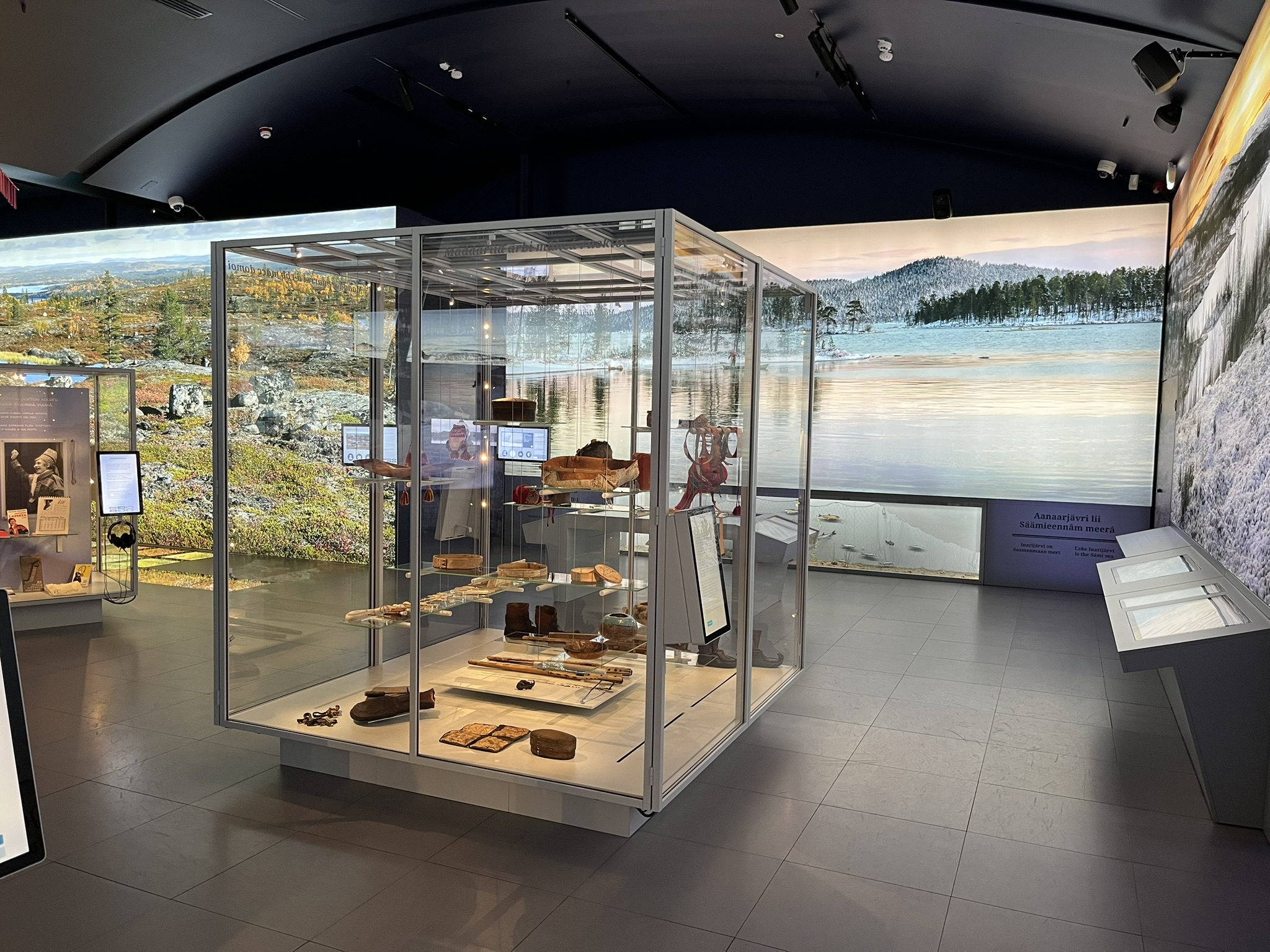
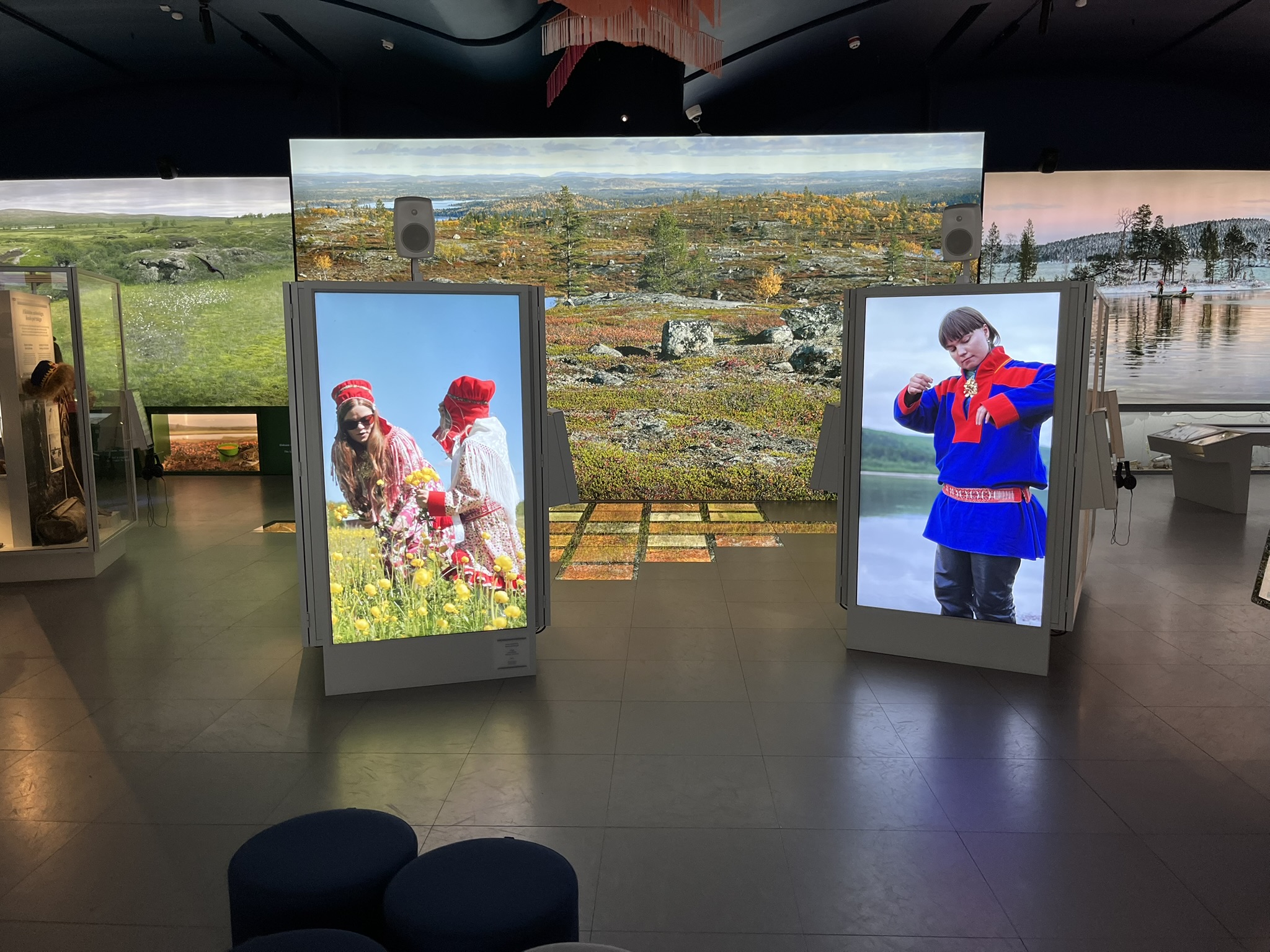
explored how Sámi Museum Siida integrates cultural sustainability into tourism through deep-rooted community collaboration. Cultural sustainability is not about preserving the past – it’s about creating space for Indigenous cultures to thrive on their own terms. At Siida, this means ensuring Sámi voices lead the way. Our recent exhibition renewal involved over 300 Sámi community members, whose knowledge and stories shaped the content. We prioritised Sámi languages, presented traditional knowledge alongside Western science, and highlighted duodji and art as vital forms of storytelling. These choices enabled us to create a truly decolonial exhibition – one shaped by the Sámi, for the Sámi. Beyond the museum, we actively support the tourism sector in ethical Sámi representation. We offer free tours and guidance to local guides and businesses, encouraging respectful storytelling rooted in community perspectives. Cultural sustainability requires genuine partnership. When Indigenous voices guide the experience, tourism becomes not just a visit – but a meaningful exchange.
How to ensure that Indigenous tourism benefits its community, also in the future? In her presentation, Taija Aikio, Audience Manager of Sámi Museum Siida, Finland
explored how Sámi Museum Siida integrates cultural sustainability into tourism through deep-rooted community collaboration. Cultural sustainability is not about preserving the past – it’s about creating space for Indigenous cultures to thrive on their own terms. At Siida, this means ensuring Sámi voices lead the way. Our recent exhibition renewal involved over 300 Sámi community members, whose knowledge and stories shaped the content. We prioritised Sámi languages, presented traditional knowledge alongside Western science, and highlighted duodji and art as vital forms of storytelling. These choices enabled us to create a truly decolonial exhibition – one shaped by the Sámi, for the Sámi. Beyond the museum, we actively support the tourism sector in ethical Sámi representation. We offer free tours and guidance to local guides and businesses, encouraging respectful storytelling rooted in community perspectives. Cultural sustainability requires genuine partnership. When Indigenous voices guide the experience, tourism becomes not just a visit – but a meaningful exchange.
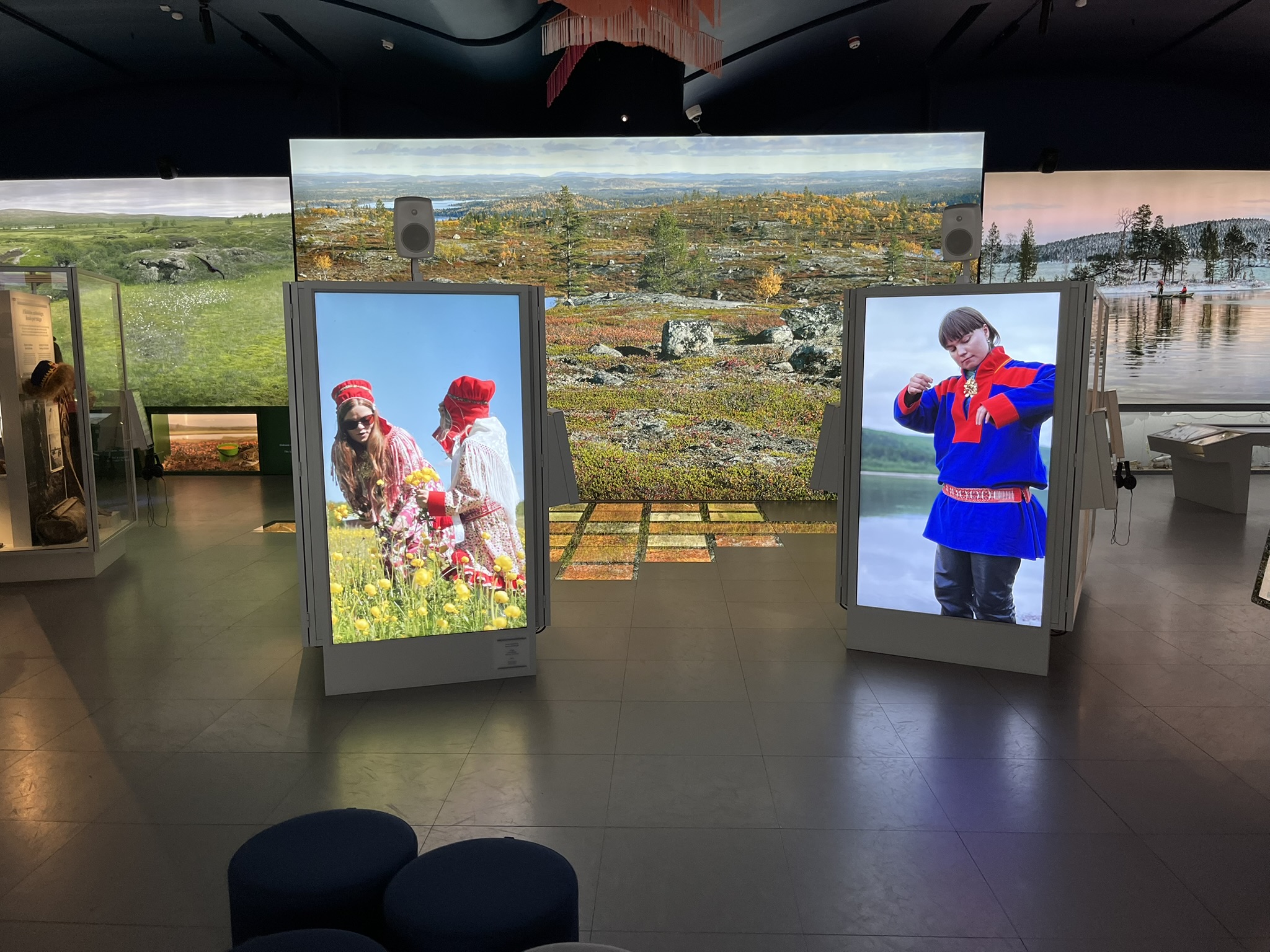
During her presentation, Aikio also noted that the community should participate in development projects right from the outset and also be the decision-maker. These are excellent guidelines for any tourism development project that aims at cultural sustainability, be it in a museum, tourism company, DMO, or municipality.
Similar to this experience, Visit Greenland has worked with developing national community guidelines to ensure that tourism development benefits all of the nation. There are currently many discussions ongoing about developing community guidelines further in Kalaallit Nunaat. The first community specific guidelines were developed by the Association of Arctic Expedition Cruise Operators (AECO) in close collaboration with communities (usually through the municipal business association) and now cover most coastal communities. These guidelines are however only targeted at expedition cruise tourists, leaving a ‘guideline gap’ for conventional cruise guests and the growing number of land-based tourists, for instance coming into Kalaallit Nunaat from the new seasonal route from New York.
Participatory planning and development processes may, however, be challenging. Not all community groups necessarily participate in them (Mattila et al., 2022, Markussen & Ren, 2023), due to aspects such as lack of time, interest or motivation, and it is difficult to address power imbalances and conflicts in them (Miraftab, 2018). Local power imbalances may have lasted for generations and shape how locals interact with each other (Barton & Leonard, 2010; Ibañez, 2014). A crucial question is whether there are voices that remain unheard (e.g., children, youth, elderly people, women, minorities) and how they can be included in the process on an equal footing with other participants. Different people may find different but appropriate ways to participate. The diversity of perspectives is better captured if they can express their concerns and ideas in their own ways, like storytelling at a campfire or through crafts or art (Leikkilä et al., 2013; Li et al., 2023; Marques et al., 2021). This could encourage community groups who usually do not participate to join the planning and development process, and aligns well with what is suggested in Section 3 about alternative decolonial, Indigenised conference formats.
At the Indigenous Tourism Research Symposium of the conference, one paper suggested that ethical guidelines created for researchers could also be utilised for tourists visiting Indigenous communities. The guidelines should be co-created with Indigenous organisations:
Co-producing codes of ethics for visitors to Indigenous communities: adapting research practices for responsible tourism in the European Arctic
Outside visitors to Indigenous lands have various environmental, economic, and social impacts, some of which are negative or not beneficial to Indigenous communities. Different ethical codes of conduct and guidelines do exist for parts of the Arctic and sections of the tourism and research sectors, and are transferable due to the commonalities of their impacts. However, this maze of resources can be hard to navigate for early career researchers (ECRs) in particular, who often operate on quite an individual level but bear a profound responsibility to minimise the negative environmental and social impacts of their work. Through a workshop with ECRs based in the United Kingdom, we discussed institutional, national, and international guidelines in both Arctic and non-Arctic countries to help inform and support researchers and tourists to follow ethical principles, and how implementation needs to be enforced by entities across all these scales. As demonstrated by existing guidelines, co-production with Indigenous organisations such as the Sámi Council enhances the comprehensiveness and effectiveness of ethical codes. Knowledge-sharing between countries and sectors, such as between researchers, tour operators, and government agencies, can also facilitate the adoption of best practices, especially in countries and sectors where ethical codes are not yet institutionalised.Ningning Sun, Doctoral Candidate, Scott Polar Research Institute, University of Cambridge, United Kingdom, Zoë Wright, Doctoral Candidate, and Maud A.J. van Soest, Postdoctoral Researcher, UK Centre for Ecology & Hydrology, United Kingdom
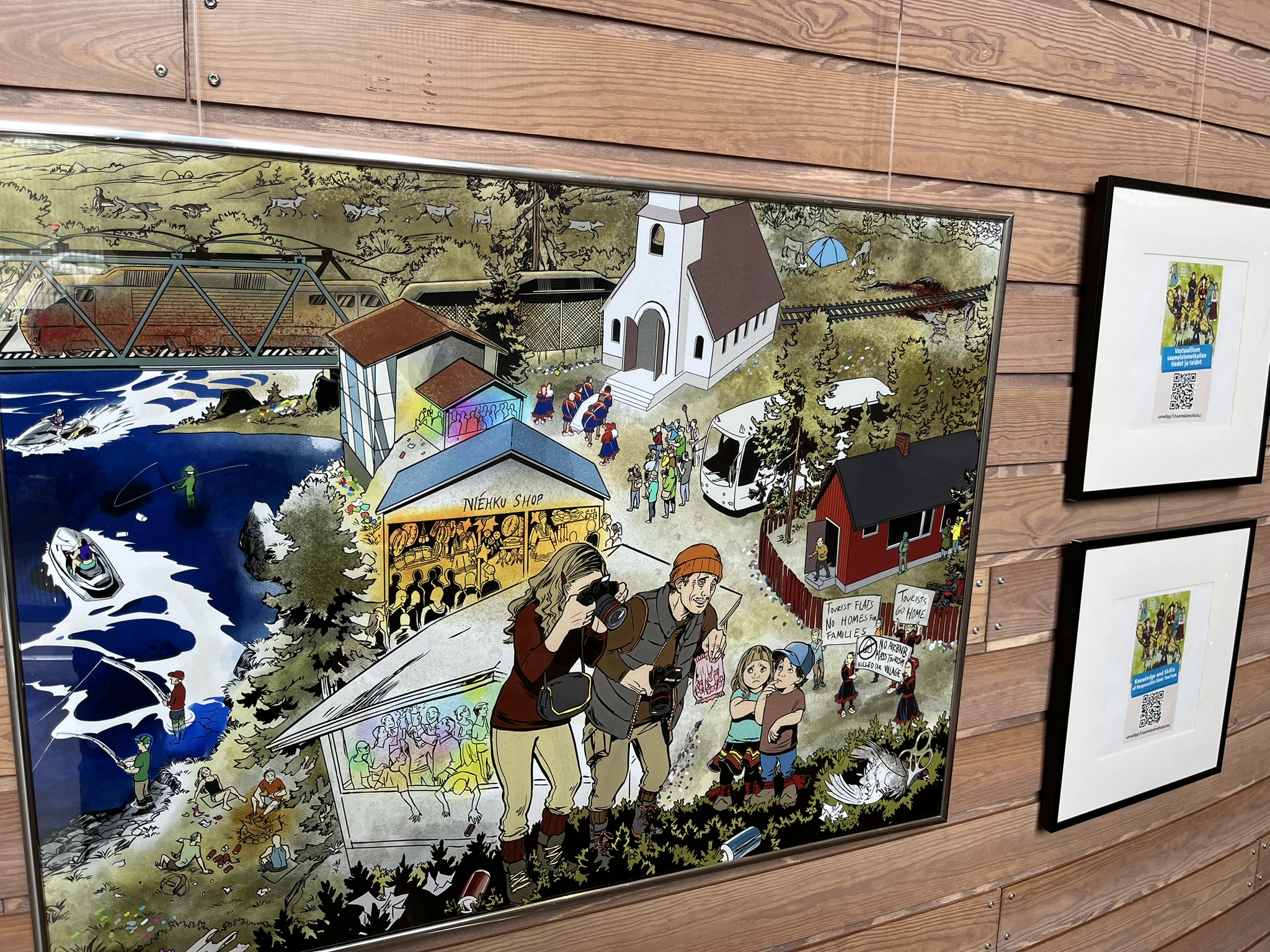
Currently, the only ethical guidelines for Indigenous tourism in Arctic Europe are the Principles for responsible, ethically sustainable Sámi tourism (Figure 20) created by the Sámi Parliament in Finland:
The primary purpose of these ethical guidelines is to terminate tourism exploiting Sámi culture and to eliminate incorrect information about the Sámi distributed through tourism. The second priority is to safeguard the cultural practices and traditions of the Sámi population outside the travel industry. The ethical guidelines are primarily meant for tourism actors and operators outside the Sámi community who carry out touristic productisation, representation, marketing and communications of Sámi culture. Furthermore, the guidelines are for visitors arriving in the Sámi HomelandSámi Parliament, n.d.a). Sámi stakeholders were engaged in the guideline creation process through a survey and an invitation to comment on the guideline draft (Suomi, 2020).
The Sámi Parliament in Finland also has created a Responsible visitors’ guide to protect the wellbeing of local communities. The guide is meant for tourists, non-local tourism entrepreneurs and employees as well as tourism students interested in Sámi tourism and visiting the Finnish side of Sápmi (Sámi Parliament, n.d.b).
5.3 Local-international collaborations
The global Indigenous rights movement and the Sámi cultural revival of the mid-20th century marked a transformative era for Indigenous tourism. This pivotal period witnessed the establishment of Sámi and Inuit political organisations, cultural institutions, and the revitalisation of Indigenous languages and traditions. It was during this time that Indigenous entrepreneurs began to carve out their own space in the tourism sector, creating businesses that authentically reflected their cultural heritage. In Sápmi, these initiatives often centred on traditional crafts (duodji), storytelling, reindeer herding, and Sámi cuisine, offering visitors a genuine connection to Sámi culture.
WINTA has emerged as a central force in promoting Sámi tourism as an integral part of the global Indigenous tourism movement. Through advocacy, capacity building, and international networking, WINTA supports Sámi entrepreneurs in dismantling the colonial legacies that have historically shaped Indigenous tourism. The organisation champions Sámi tourism as a vehicle for cultural pride, economic empowerment, and sustainable development. However, despite significant progress, Sámi tourism continues to grapple with persistent challenges, including cultural appropriation and misrepresentation. Cultural appropriation and identity appropriation (e.g., non-Sámi persons pretending to be Sámi by wearing the traditional Sámi dress gákti) have been more common in Finnish Lapland than in the Swedish and Norwegian sides of Sápmi (Olsen et al., 2019) but even there non-Sámi operators occasionally exploit Sámi symbols and narratives without consent, undermining efforts to build a tourism industry rooted in Indigenous values and authenticity. In the souvenir business, exploitation of Sámi symbols, such as the symbols on Sámi drums, is also common. This ongoing struggle highlights the need for greater protections and advocacy to ensure that Sámi culture is represented on its own terms. The Sámi Council encourages businesses that wish to use Sámi culture in commercial contexts to engage in dialogue with Sámi stakeholders and emphasises that the pan-Sámi cross-border community needs to discuss and agree upon how Indigenous cultural heritage should be utilised for commercial purposes. A recent report of the Sámi crafters’ Sámi Duodji association in Finland suggests that if a non-Sámi wants to utilise Sámi cultural heritage commercially, they should ask for permission to do so (Nuorgam & Paadar, 2022). However, there is yet no agreed procedure for this.
Programmes initiated by the Sámi Parliaments and the Sámi Council, with the backing of funding agencies, have further bolstered these efforts. Sámi entrepreneurs now have opportunities to expand their networks and gain valuable insights from other Indigenous territories, organisations, and businesses. This exchange of knowledge has been instrumental in helping Sámi tourism operators reformulate their profiles and practices to align more closely with Indigenous values and contemporary expectations. Additionally, research initiatives with ethical and co-productive frameworks have played a critical role in driving positive change within tourism and the broader cultural industries in Sápmi and, to some extent, Kalaallit Nunaat. These initiatives emphasise the importance of respecting and learning from Indigenous culture and traditions. In Sápmi, Sámi tourism operators and visitors alike are encouraged to promote the use of Sámi languages, place names, and narratives to ensure cultural authenticity while embedding entrepreneurship in local values. By doing so, Sámi tourism not only preserves its cultural heritage but also strengthens its identity in an increasingly globalised world.
An interesting new global initiative is Destination Original Indigenous Tourism (DO-IT) founded by ITAC, New Zealand Māori Tourism and American Indian Alaska Native Tourism Association (currently American Indian Tourism Association) in 2024. The new organisation will develop and market “truly authentic Indigenous tourism destinations across the world.” It aims at improved visibility in the tourism market and a more powerful position vis-à-vis governments and the non-Indigenous tourism industry (MacGregor, 2024). According to Keith Henry, president and CEO of ITAC, global entities have tried to market Indigenous tourism too long on behalf of Indigenous peoples, but still many tourists do not know about Indigenous tourism companies and their importance in preserving Indigenous cultures and in reconciliation efforts. The ultimate goal is to have all Indigenous tourism marketing associations of the world join DO-IT (ITAC, 2024). DO-IT also wishes to set consistent global standards for Indigenous tourism, which is planned to happen on the basis of the Original Original certification (DO-IT, n.d.).
In Sápmi, there are currently no similar Indigenous tourism industry-led organisations as in Canada, USA and New Zealand where, according to Lennart Pittja, Indigenous tourism has a stronger national position and therefore also a more secure governmental funding base than in the Nordic countries. For example, in Sweden there have been efforts to make the network of Sámi tourism companies more organised for a long time, but the problem has been a lack of continuous funding. Without steady funding it is difficult to create an organisation that can be sustained (Lennart Pittja, personal communication, November 10, 2025). In Finland and Norway, the Sámi Parliaments have been active through financing or running programmes supporting tourism development work, while in Sweden less so. Nevertheless, funding has been and is a problem also in Finland. On the Russian side of Sápmi, there is no Sámi Parliament or other Sámi organisations which would actively develop and promote Sámi tourism. The Sámi Parliament in Norway has initiated the development of a new platform and programme that will run for 3 years for sustainable tourism among Indigenous peoples. The goal is to ensure that Sámi culture and tourism continue to create value and that the strategy serves as a guide for the future development of the tourism industry. The strategy will include measures such as guidance on engaging with Sámi culture, branding, storytelling, and strengthening networks between tourism, creative industries, and food.
In Kalaallit Nunaat, the national and regional destinations are funded by Naalakkersuisut (the Government of Greenland). Visit Greenland is in charge of national marketing campaigns and managing national destination and project initiatives, such as the Tourism Pledge and local community involvement. Regional destination marketing and management are run by regional DMOs within the municipal business associations.
It [the conference] was a great journey, I learned a lot from other people. Most interesting is new thinking about tourism in the Arctic. That your language and culture means a lot. I think we must say stop to big cruises, and we must take care of our nature, and our water. If many tourists come it is not easy to take care of each tourist. We know that the climate will change and snow, reindeer, dark nights, and aurora borealis are fantastic. Tourism here must be realistic. Our people, Indigenous people, must decide themselves how much tourism they want. The government must help us to start up companies and own companies ourselves, and cooperate with other Indigenous companies. For me as Indigenous, I see that we [Indigenous people at the conference] think the same thoughts, we are proud of our traditions, we use what nature gives us, we take care of old people, we teach young people.Ann-Kristin Blind, Svaipa sameby, Arjeplog, Sweden
- Sámi entrepreneurs prioritise collaboration with their families, local communities, and elders to ensure their businesses authentically reflect and respect Sámi cultural heritage. This approach emphasises the collective and intergenerational nature of Sámi knowledge and traditions.
- Cultural sustainability emphasises the importance of preserving and innovatively integrating Sámi traditional knowledge, storytelling, crafts, and practices into tourism and business offerings. Nature is viewed as alive and Sámi knowledge is seen as dynamic and evolving.
- Sámi entrepreneurs face challenges determining which aspects of their culture can be ethically and sustainably transformed into tourism products. Issues such as cultural appropriation and the exploitation of Sámi symbols and narratives remain significant concerns.
- Indigenous tourism entrepreneurs balance autonomy with responsibility to their communities. Collaboration and approval from local Indigenous communities are essential to ensure that tourism activities align with cultural values and traditions.
- Local knowledge centres, historical societies, artists and duojars play a vital role in preserving Sámi traditions and supporting tourism development. Start-ups benefit from engaging with these resources to integrate Sámi cultural values into their operations.
- Ethical guidelines such as the Principles for Responsible, Ethically Sustainable Sámi Tourism, emphasise the importance of co-creating tourism practices with Indigenous communities to prevent exploitation and misrepresentation.