

Chapter 1: Project Overview
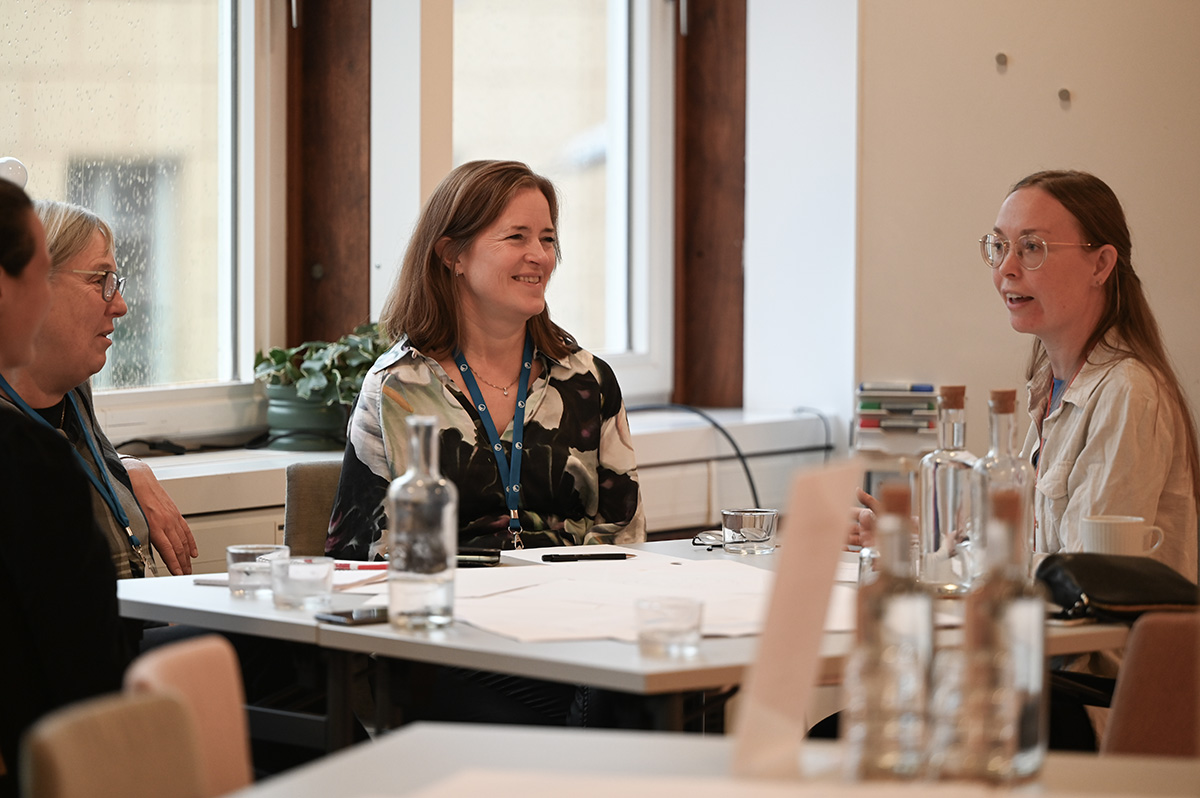
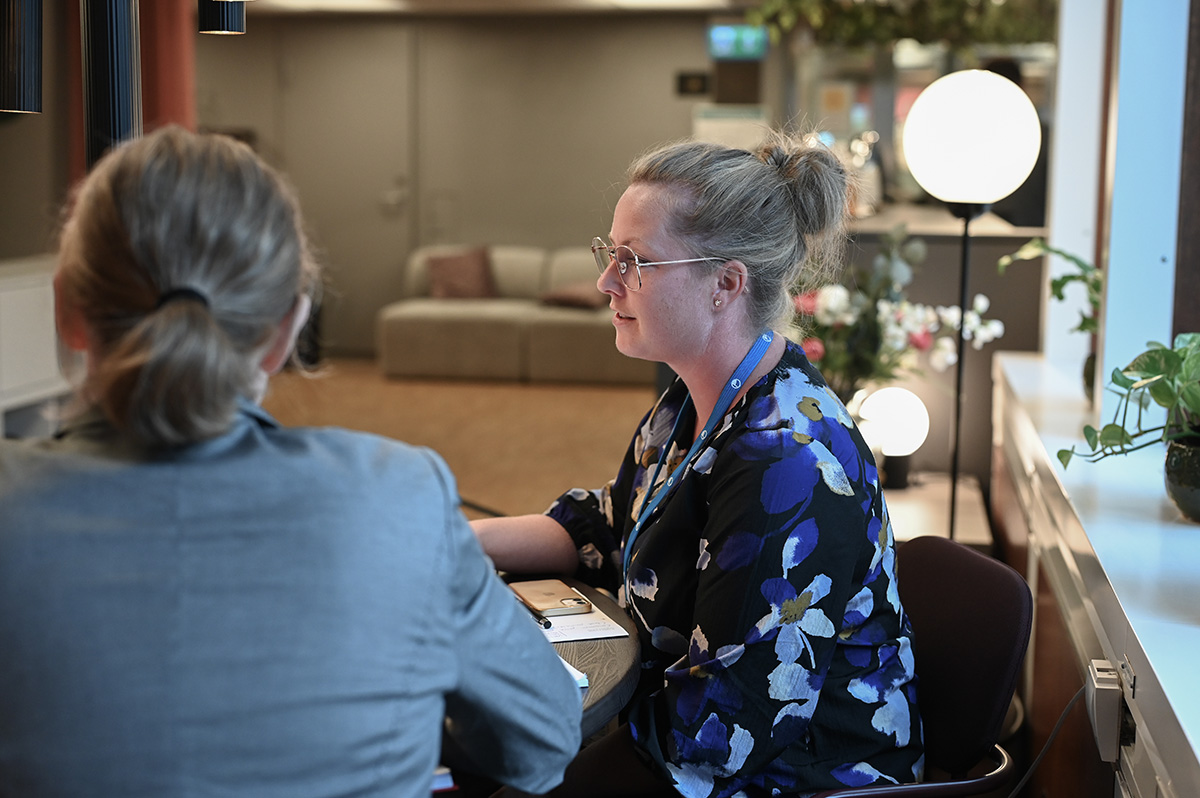
In this two-day, custom-designed crisis simulation workshop held in Stockholm, Sweden on October 8-9, 2024, representatives of seven Nordic governments (Greenland was not represented), along with several non-government food systems actors, gathered in person to experience what might occur in the face of multiple climate-driven supply “shocks” and other challenges to the respective regional food system. This carefully researched and curated stress-testing table-top exercise introduced participants to ideas and tools meant to deepen awareness of pressing climate risks, create a community of practice to deepen collaboration and understanding, and generate creative thinking and new ideas to strengthen food system resilience through enhanced multi-party engagement, communication, and collaboration. Utilizing a bespoke mobile phone-based application and other communication tools, participants crafted policies, made difficult decisions, and experienced first-hand how decisions and actions might influence responses to national, regional and global food security shocks.
The Food Alert food system “stress-testing” methodology is designed as a practical and direct means to help bridge the gap between policy analysis and practical application by individuals from various walks of life involved in the complex process of transforming food systems. This workshop built upon a February 2024 Food Alert workshop held in Brussels, Belgium, designed to stress-test the European Union’s food system, with an eye toward strengthening systemic resilience to increasingly severe climate change and related sustainability challenges. In the wake of both the COVID-19 pandemic and Russia’s invasion of Ukraine, the workshop benefited from increased global recognition of, and attention to, the growing risks and overlaps between food security and social and political instability. It also benefited from work performed in the CASCADES EU Horizon project and earlier EU-funded projects linked to addressing climate risks and their likely impacts on social, economic, and environmental sustainability and food security.
While better prepared than many other regions in Europe and further afield, the Nordic region over the past several years has witnessed a series of crises that have driven widening fissures in institutional arrangements, exposed vulnerabilities in supply chains, and unearthed deep divisions between different competing visions of how best to respond and adjust to mounting challenges (and, who pays for those responses and adjustments). The societal and economic costs of supply shocks have been staggering, but even these costs may pale in comparison to foreseeable future shocks if European and regional decision-makers do not come together to design and direct effective and systematic responses to the rapidly escalating climate crisis.
The Nordic region is no stranger to large-scale natural disasters (e.g., oil and gas spills, pandemics, volcanic eruptions), and has lived with serious political-security risks for many decades. Still, food system threats for the region are growing. Without clear policies and plans to confront these risks head on, Nordic populations remain vulnerable to serious disruptions in food supply chains – whether caused by natural, or man-made disasters. In that light, the Nordic Food Alert workshop will contribute to increased awareness of food system risks, strengthen public-private collaboration, and help decision-makers adjust accordingly.