7. Innovative energy efficiency projects in the Nordics
This chapter presents a selection of outstanding projects emerging from the Nordic countries. These projects exemplify innovation, sustainability, and forward-thinking approaches across diverse fields, including energy efficiency, renewable energy, environmental conservation, and urban development. Through these case studies, we aim to highlight success stories that have emerged from the Nordic region to serve as inspirations for future projects and demonstrate the Nordic region's commitment to energy efficiency.
7.1 Exemplary building and urban projects
The Powerhouse Kjørbo project (Norway)
The Powerhouse Kjørbo project
The refurbishment work commenced on March 18th, 2013 and was successfully concluded on February 5th, 2014. The total renovated heated floor area amounted to 5,180 m2. One of the primary objectives of the project was to create an energy-positive building by compensating for energy demands associated with material production, construction, operational energy consumption, and end-of-life treatment through on-site renewable energy production. Additionally, achieving BREEAM Outstanding certification, with an emphasis on ensuring a high-quality indoor environment, was a significant goal. Moreover, ensuring profitability served as a key objective for all stakeholders involved in the project.
Powerhouse, “Powerhouse Kjørbo.” Accessed: Mar. 20, 2024. [Online]. Available: https://www.powerhouse.no/en/prosjekter/powerhouse-kjorbo/
The refurbishment work commenced on March 18th, 2013 and was successfully concluded on February 5th, 2014. The total renovated heated floor area amounted to 5,180 m2. One of the primary objectives of the project was to create an energy-positive building by compensating for energy demands associated with material production, construction, operational energy consumption, and end-of-life treatment through on-site renewable energy production. Additionally, achieving BREEAM Outstanding certification, with an emphasis on ensuring a high-quality indoor environment, was a significant goal. Moreover, ensuring profitability served as a key objective for all stakeholders involved in the project.
Following the renovation, the buildings’ energy demands were reduced by over 86%. The energy systems at Powerhouse Kjørbo utilise energy wells and a heat pump to ensure a steady energy supply and minimise the energy use for heating and cooling. Other measures applied to reduce the energy consumption include optimising ventilation, increasing building envelope insulation, and improving the lighting systems. Additionally, the buildings were equipped with one of Norway's largest photovoltaic panel installations at the time. The electric energy produced on-site is distributed within the buildings, to the neighbouring structures in the Kjørbo park, and to a nearby Uno-X hydrogen station. During the operational phase, there is an annual energy surplus of approximately 21 kWh/m2 of heated usable area, excluding energy consumed by user equipment.
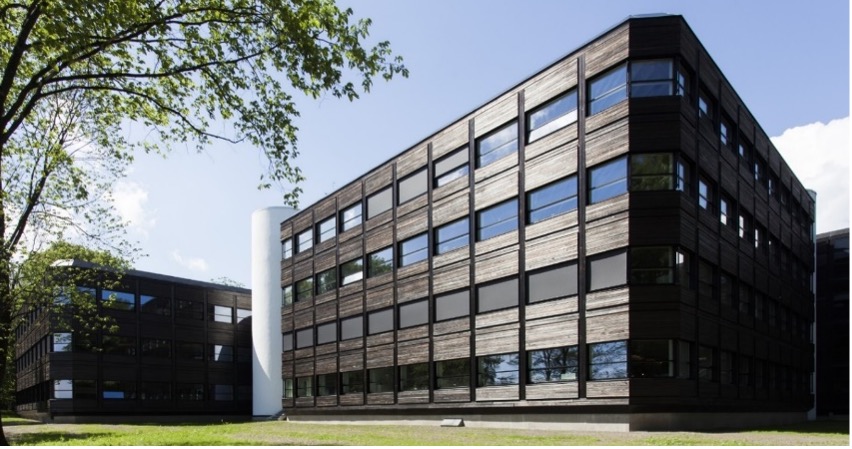
Figure 2. Powerhouse Kjørbo, Norway. Photo by Chris Aadland. Copyright: Powerhus.no
Blå Jungfrun (Sweden)
In Sweden, Blå Jungfrun
M. Khatibi, “Passive house-concept apartments: sustainability evaluation in a case study of Stockholm, Sweden,” IOP Conf. Ser.: Earth Environ. Sci., vol. 323, no. 1, p. 012032, Aug. 2019, doi: 10.1088/1755-1315/323/1/012032.
In the Blå Jungfrun project, buildings are strategically oriented southward, with most windows facing in this direction to optimise passive solar heating gains. The design incorporates visually appealing architectural features while maintaining functionality. Large south-facing balconies provide shade during summer, enhancing resident comfort and contributing to cooling energy use savings. Despite the initial construction costs, the balconies are expected to yield long-term savings. Careful consideration was given to window placement to maximise solar energy gains, thereby reducing reliance on external heating sources and improving overall energy efficiency.
The residents’ awareness of energy efficiency is fostered through the installation of Smart Boxes in each apartment unit providing feedback on energy consumption to tenants. The tenants benefit from reduced rents; however, they are responsible for covering the costs of warm water and any additional heating they consume, which are billed separately from the rent. Following the initial year of occupancy by tenants in the Blå Jungfrun apartments, Svenska Bostäder assessed the energy consumption of the apartment project. The findings revealed a remarkable reduction in heating energy usage, estimated to be approximately 85% lower than the standards outlined in the Swedish building legislation of 2009.
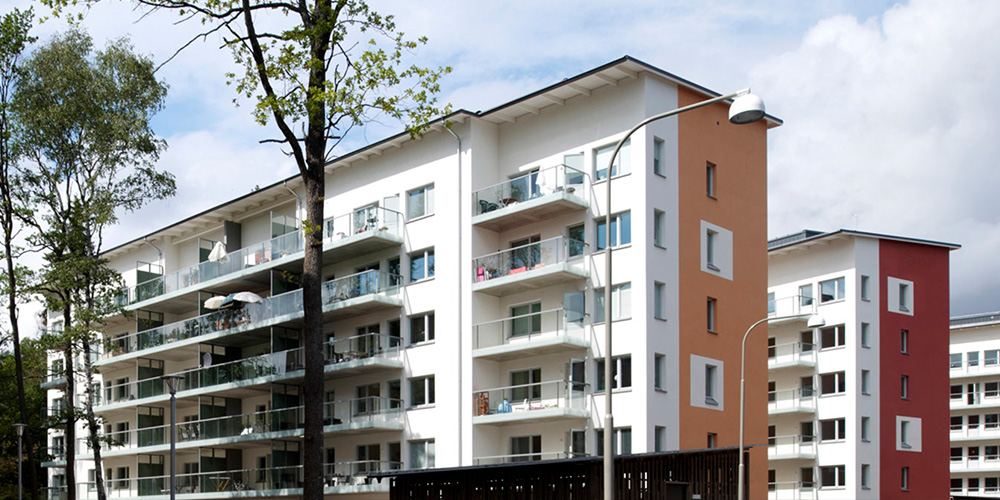
Figure 3. Blå Jungfrun residential development in Stockholm
M. Khatibi, “Passive house-concept apartments: sustainability evaluation in a case study of Stockholm, Sweden,” IOP Conf. Ser.: Earth Environ. Sci., vol. 323, no. 1, p. 012032, Aug. 2019, doi: 10.1088/1755-1315/323/1/012032.
Drangar project (Iceland)
The Drangar project in Iceland is conspicuous as a model of energy efficiency and sustainability. Located on the northern coast of the Snæfellsnes peninsula, Drangar was previously a functioning farm with buildings dating back to the early 1980s. Afterwards, the older buildings were converted into tourist accommodation, and some of the original charm of the old farm buildings diminished, prompting the initiation of the Drangar project to restore the charm of the buildings while at the same time promoting the re-use of buildings and increasing energy efficiency. Currently, two buildings at the Drangar farm have undergone renovation and been converted from farm buildings into energy-efficient tourist accommodation: the tractor shed and the cowshed/barn.
The tractor shed was an uninsulated building with an earth floor and tin roof which has been transformed into four guest rooms. The original rough-cast concrete walls were retained in the renovation, and a new terrazzo floor was installed. In the renovation project, the shed was externally insulated and clad with corrugated copper.
ArchDaily, “Drangar Renovation / Studio Granda.” Accessed: Mar. 20, 2024. [Online]. Available: https://www.archdaily.com/925031/drangar-renovation-studio-granda
The tractor shed was an uninsulated building with an earth floor and tin roof which has been transformed into four guest rooms. The original rough-cast concrete walls were retained in the renovation, and a new terrazzo floor was installed. In the renovation project, the shed was externally insulated and clad with corrugated copper.
The cowshed and barn, with weathered concrete, presented preservation challenges and underwent significant renovation to convert the building to a communal kitchen, eight guest rooms, and the owner’s apartment.
Energy efficiency was a key focus of the project and was increased through insulation, fenestration, and the instalment of a heat pump system to supply area heating and domestic hot water heating. The heat pump system extracts heat from the surrounding fields using a closed-loop system.
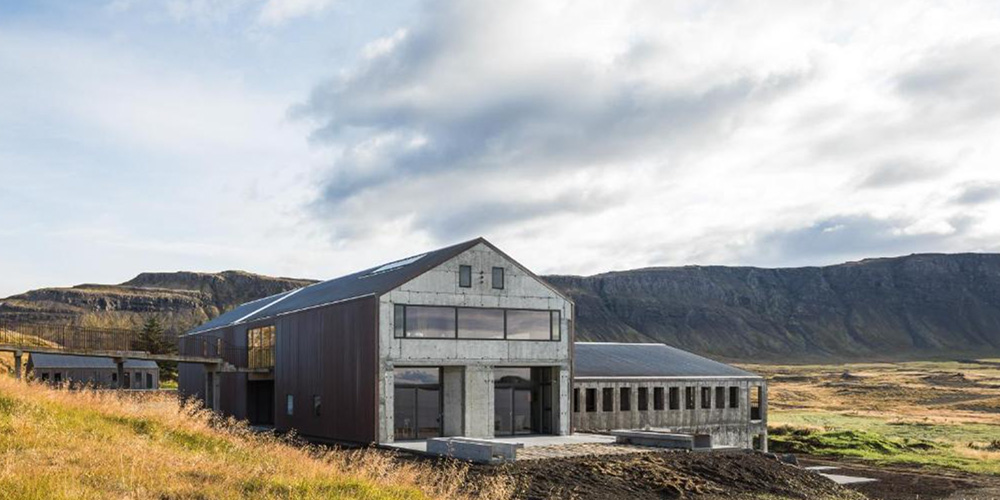
Figure 4. Drangar renovation project in Iceland. Copyright: Gallery of Drangar Renovation / Studio Granda – 2 (archdaily.com)
During the renovation process, emphasis was placed on preserving and reusing original materials whenever possible to reduce the environmental impact of the project. For example, original concrete slats from the cowshed floor were repurposed as paving for terraces, while corrugated tin was reused as shuttering for new concrete walls.
The Defined Energy Company (Faroe Islands)
Defined Energy is a Faroese company that introduced an innovative method to recycle the heat from warm wastewater for the heating of domestic water in 20 14. They developed a heat exchanger in which hot wastewater is used to heat cold supply water, without the use of pumps, by utilising gravitation and centrifugal forces. By using their heat exchanger, up to 90% of the heat from the wastewater is recycled. The system is flexible, can be adapted to service buildings and residential buildings, and can be combined with all types of water-borne heating systems. The first heat exchanger system was installed at the swimming pool in Tórshavn on the Faroe Islands. By installing four heat exchangers at Torhavn swimming pool, the energy consumption for the heating of shower water was reduced by 58%, from 327 MWh to 139 MWh annually. Their heat exchangers were also installed in Tórshavn’s Boðanesheimið, a 64-apartment retirement home. Here, water-to-air heat exchangers, powered by four 60 kW heat pumps, extract heat from the Gulf Stream, which is subsequently used for heating both rooms and water in the retirement home.
K. Saramäki, “Best practices in SECURE partner regions,” Karelia University of Applied Sciences Publications, 53, 2018. [Online]. Available: https://bestepi.files.wordpress.com/2018/06/secure_best_practices_2018_final.pdf
Defined Energy's wastewater heat recovery was recognised as a best practice example in the EU project SECURE (Smarter Energy Communities in Northern & Arctic Regions) and supported by the ‘Northern Periphery’ and ‘Arctic Programme 2014–2020’
K. Saramäki, “Best practices in SECURE partner regions,” Karelia University of Applied Sciences Publications, 53, 2018. [Online]. Available: https://bestepi.files.wordpress.com/2018/06/secure_best_practices_2018_final.pdf
7.2 Exemplary industry projects
Tine Dairy Factory in Bergen (Norway)
TINE SA is Norway’s largest dairy product cooperative. Their dairy factory in Bergen (Norway) has emerged as one of the most energy efficient within the TINE network
The dairy factory has committed strongly to improving the energy efficiency of production, lowering energy use from 0.24 kWh/liter (L) to 0.15 kWh/L since 2015.The energy savings are derived from the installation of a range of different technologies and upgrades. Hot water is heated through a sophisticated interplay of electric boilers, district heating, and high-temperature heat pumps. A heat recovery system has also been installed and is integrated with the heat pumps to facilitate efficient recovery of heat from refrigeration equipment and compressors to further improve the energy efficiency.
Enova, “New Tine dairy facility in Bergen.” Accessed: Mar. 20, 2024. [Online]. Available: https://www.enova.no/om-enova/om-organisasjonen/teknologiportefoljen/nytt-tine-meieri-bergen/
The dairy factory has committed strongly to improving the energy efficiency of production, lowering energy use from 0.24 kWh/liter (L) to 0.15 kWh/L since 2015.The energy savings are derived from the installation of a range of different technologies and upgrades. Hot water is heated through a sophisticated interplay of electric boilers, district heating, and high-temperature heat pumps. A heat recovery system has also been installed and is integrated with the heat pumps to facilitate efficient recovery of heat from refrigeration equipment and compressors to further improve the energy efficiency.
TINE actively engages in multiple research projects on industrial energy efficiency, funded by institutions such as the Research Council of Norway. The knowledge acquired from this project is disseminated throughout TINE’s network of 31 dairy facilities, fostering a culture of continuous learning and improvement and reduced investment costs.

Figure 5. The TINE dairy facility in Bergen Norway. Copyright: Tine.no.
Kalundborg Eco-Industrial Park (Denmark)
The Kalundborg Eco-Industrial Park
At the core of the Kalundborg network is the Asnæs Power Station, a coal-fired plant that provides surplus heat to local homes and businesses. Other companies involved are Statoil (refinery), Novo Nordisk (insulin producer), Gyproc A/S (a construction company specialising in plasterboards), Novozymes (a major producer of industrial enzymes), Kalundborg municipality, and other regional players including farmers and small waste management companies. The resource exchanges occur as follows: 1) Excess steam from the Asnaes Power Plant is sold to Kalundborg’s heat station, benefiting Statoil and Novo Nordisk; 2) Statoil exports treated wastewater back to Asnaes for cooling or as condensed steam; 3) Gyproc receives industrial plaster and excess gas from Asnaes and uses them for plasterboard production; and 4)Yeast by-products from Novo Nordisk’s insulin production are sold as fertiliser to local farmers or converted into yeast slurry for animal feed mixes. Waste products from the power plant, such as sulphur dioxide scrubber residues, are repurposed, thus, reducing the need for open-pit mining and landfilling. The Kalundborg cooperation results in substantial environmental benefits, including a reduction of up to 175,000 tons/year in CO2 emissions, a reduction of 60,000 tons/year in water consumption, and a decrease of 45,000 tons/year in oil consumption. The park highlights the importance of trust and economic viability in industrial co-operation. Over the last 25 years, Kalundborg has demonstrated significant water savings, fuel reduction, and waste avoidance. Its success has spurred interest in industrial symbiosis globally, leading to the development of similar eco-industrial parks aimed at replicating its model. However, research suggests that the spontaneous development of symbiotic relationships, as seen in Kalundborg, tends to be more successful than forced or planned initiatives, emphasising the importance of spontaneous growth in such attempts.
Nordregio, “Industrial symbiosis in Kalundborg.” Accessed: Mar. 20, 2024. [Online]. Available: https://nordregio.org/nordregio-magazine/issues/industrial-symbiosis/industrial-symbiosis-in-kalundborg/
At the core of the Kalundborg network is the Asnæs Power Station, a coal-fired plant that provides surplus heat to local homes and businesses. Other companies involved are Statoil (refinery), Novo Nordisk (insulin producer), Gyproc A/S (a construction company specialising in plasterboards), Novozymes (a major producer of industrial enzymes), Kalundborg municipality, and other regional players including farmers and small waste management companies. The resource exchanges occur as follows: 1) Excess steam from the Asnaes Power Plant is sold to Kalundborg’s heat station, benefiting Statoil and Novo Nordisk; 2) Statoil exports treated wastewater back to Asnaes for cooling or as condensed steam; 3) Gyproc receives industrial plaster and excess gas from Asnaes and uses them for plasterboard production; and 4)Yeast by-products from Novo Nordisk’s insulin production are sold as fertiliser to local farmers or converted into yeast slurry for animal feed mixes. Waste products from the power plant, such as sulphur dioxide scrubber residues, are repurposed, thus, reducing the need for open-pit mining and landfilling. The Kalundborg cooperation results in substantial environmental benefits, including a reduction of up to 175,000 tons/year in CO2 emissions, a reduction of 60,000 tons/year in water consumption, and a decrease of 45,000 tons/year in oil consumption. The park highlights the importance of trust and economic viability in industrial co-operation. Over the last 25 years, Kalundborg has demonstrated significant water savings, fuel reduction, and waste avoidance. Its success has spurred interest in industrial symbiosis globally, leading to the development of similar eco-industrial parks aimed at replicating its model. However, research suggests that the spontaneous development of symbiotic relationships, as seen in Kalundborg, tends to be more successful than forced or planned initiatives, emphasising the importance of spontaneous growth in such attempts.
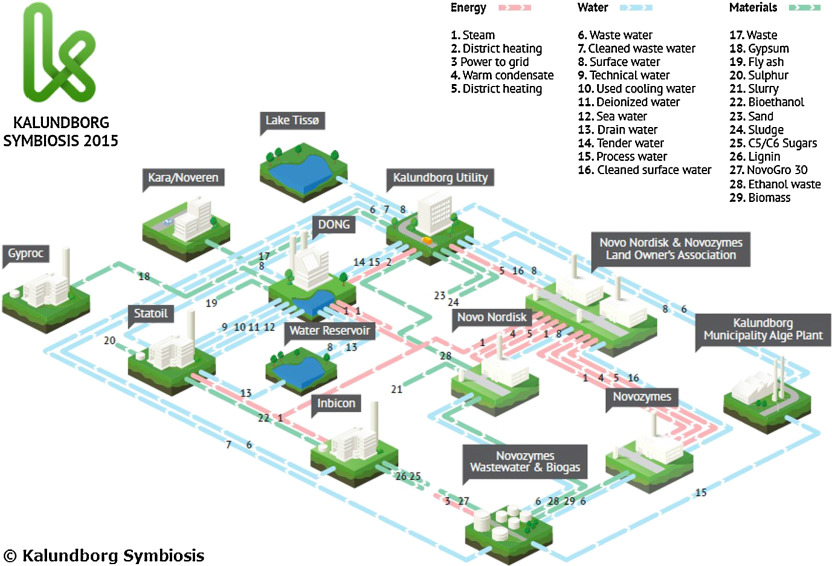
Figure 6. Kalundborg Eco-Industrial Park in Denmark.
S. Gulipac, “Industrial Symbiosis: Building on Kalundborg’s waste management experience,” Renewable Energy Focus, vol. 17, no. 1, pp. 25–27, Jan. 2016, doi: 10.1016/j.ref.2015.11.015.
Händelö Eco-Industrial Park (Sweden)
Another successful example of industrial symbiosis can be found in Sweden between Händelö Eco-Industrial Park and Norrköping Municipality. Händelö Eco-Industrial Park consists of several companies that share resources and waste streams to enhance resource efficiency and environmental sustainability. The park relies on renewable and recycled materials for 95% of its operations, with a combined heat and power plant using residual forest products and municipal waste to generate district heating and electricity. The waste energy generates electricity and district heating for Norrköping while supplying residual steam to the ethanol production plant. Furthermore, the industrial park permits the production of a bioethanol, with a saving of more than 95% in CO2 emissions compared to production facilities that are based on fossil fuel energy. Linköping University is leading a project focused on bio-based and circular economy practices within the industrial plant
This collaborative effort involves various stakeholders, including businesses, researchers, and public entities, working together to drive climate-friendly innovations. The partnership has led to significant advancements, such as Lantmännen's biorefinery, which converts raw materials into ethanol, feed, and other valuable products, thus, reducing reliance on imports and fossil fuels. Additionally, ongoing investments in research and development underscore the commitment to continuous improvement and innovation within the industrial park.
HEIP, “Händelö Eco-Industrial Park.” Accessed: Mar. 20, 2024. [Online]. Available: https://heip.se/projekt/utveckling-av-handelo-eco-industrial-park-for-ett-mer-resurs-och-energieffektivt-ostergotland/
This collaborative effort involves various stakeholders, including businesses, researchers, and public entities, working together to drive climate-friendly innovations. The partnership has led to significant advancements, such as Lantmännen's biorefinery, which converts raw materials into ethanol, feed, and other valuable products, thus, reducing reliance on imports and fossil fuels. Additionally, ongoing investments in research and development underscore the commitment to continuous improvement and innovation within the industrial park.
The success of Händelö Eco-Industrial Park serves as a model for similar initiatives worldwide, demonstrating the potential for industrial symbiosis to address environmental challenges and foster sustainable economic growth.
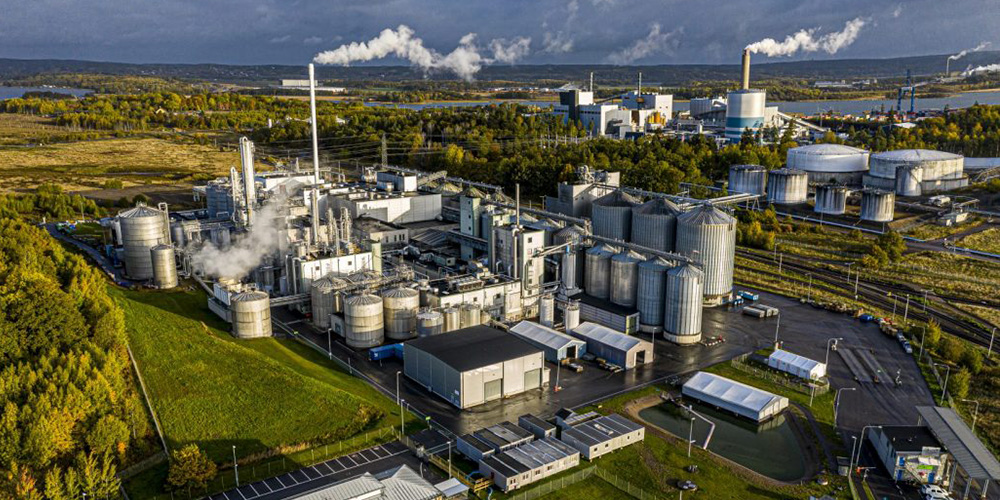
Figure 7. Händelö Eco-Industrial Park in Sweden. Copyright: heip.se
Nordkalk (Finland)
Nordkalk is a Finnish producer of limestone-based products for industry, agriculture, and environmental care, with several plants located in Finland (and in other countries). Over recent years, Nordkalk has committed to improving energy efficiency through the implementation of heat recovery systems, supplying heat to district heating networks and increasing the use of renewable energy and innovative energy storage solutions. All the rotary kilns in their limestone factories are equipped with heat recovery setups. This means that waste heat generated during the production process is captured and used, rather than being released into the environment.
Nordkalk delivers a significant amount of surplus heat to district heating networks. In 2019 alone, they supplied 72,000 MWh of heat to district heating, which is equivalent to 7.2 million L of heating oil.
At the Vampula grinding plant, Nordkalk has successfully replaced a substantial portion of heating oil with locally produced biogas. Specifically, in 2019, 72% of heating oil was replaced with biogas. This transition to a renewable and locally sourced energy source further enhances the energy efficiency and sustainability of Nordkalk's operations.
Nordkalk is currently exploring innovative energy storage solutions using lime and nanocoated salt (NCS). This thermo-chemical energy storage system has the potential to revolutionise energy storage capabilities in the industry. The planned capacity of the full-scale energy storage facility will be 10,000 tonnes of NCS, equivalent to 4,000 MWh of thermal energy storage. By efficiently storing excess energy and releasing it when needed, Nordkalk can optimise its energy usage and minimise waste, ultimately enhancing overall energy efficiency.
Business Finland, “Smart Energy. Energy and Resource Efficiency in Finland.” Accessed: Mar. 20, 2024. [Online]. Available: https://www.businessfinland.fi/49682b/globalassets/finnish-customers/02-build-your-network/bioeconomy--cleantech/alykas-energia/industrial-energy-efficiency-final_2021.pdf