The women’s strike started the third wave of feminism in Iceland
The 1970s were characterised by peace and freedom movements around the world. In the Nordic countries, the women’s movement gathered pace and several major gender equality reforms were implemented. In 1975, Iceland organised the largest strike in support of women’s rights in Nordic history. Maríanna Traustadóttir, a long-time gender equality expert, explains the origins of the historic strike and what came in its wake.
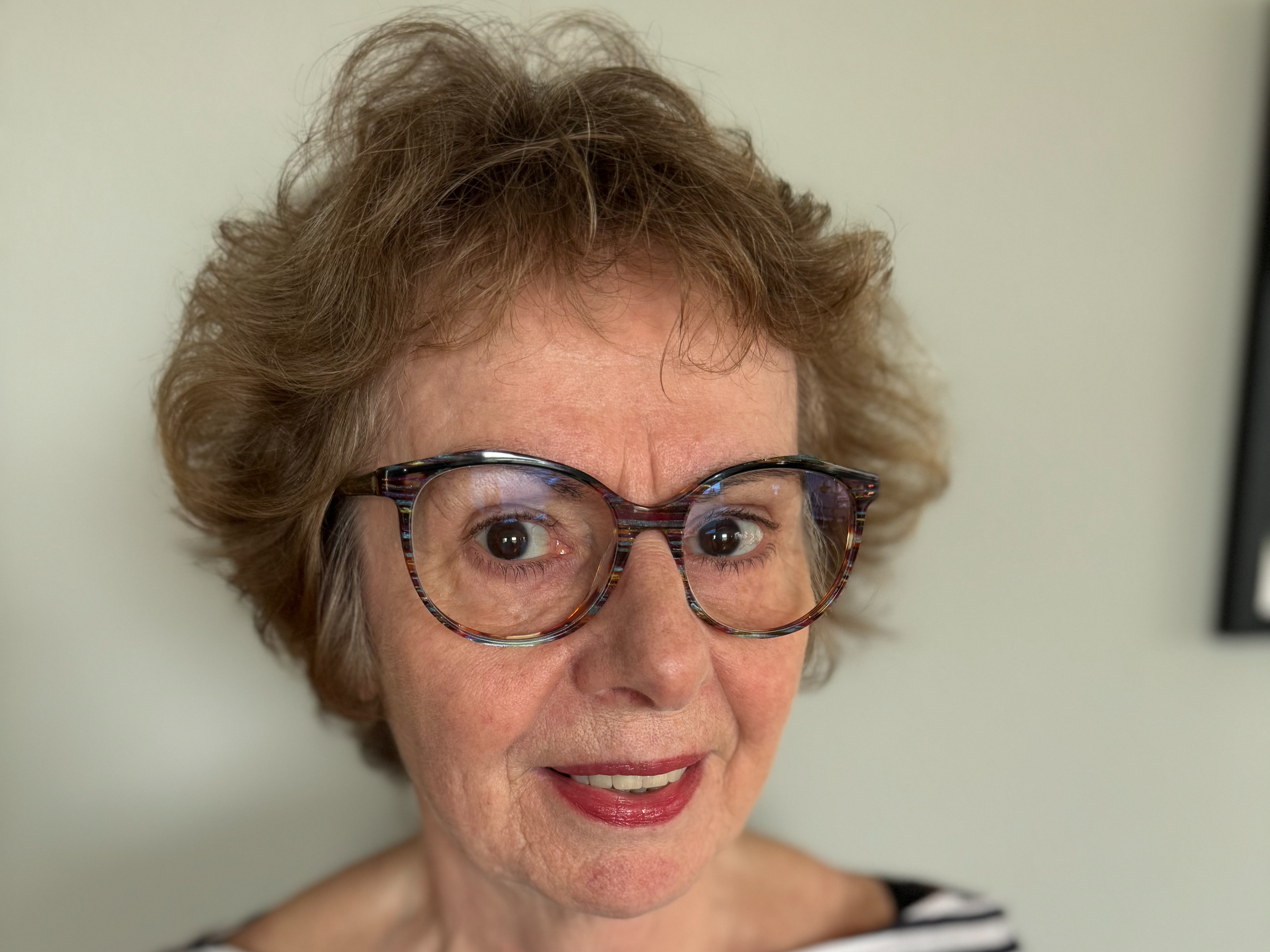
Maríanna Traustadóttir, Iceland's Workers' Union
On 24 October 1975, Icelandic women went on strike: 25,000 stayed home from work and gave up all domestic work in protest against unfair wages and poor working conditions. The protest was supported by women of all ages and from all walks of life, and the demonstration in the centre of Reykjavik is considered one of the largest in the country’s history.
Maríanna Traustadóttir has worked as a gender equality expert in the Icelandic trade union movement for over 20 years, and describes the strike as the start of third-wave feminism in Iceland.
“The feeling was that enough was enough. The strike was a way to recognise all the important work that women were doing,” she says.
She describes how Iceland underwent rapid modernisation after the Second World War. Houses were renovated, factories were built and more women entered the labour market. Many women in the other Nordic countries also entered the labour market during this period, but women’s work was valued less than men’s, which was reflected in their wages. Women’s opportunities to work were also limited throughout the Nordic region by poor childcare provisions.
The organisation Rödstrumporna (Red Stockings) initiated the 1975 strike in Reykjavik, but the protest was supported by a range of actors including the trade union movement and some political parties. To mobilise as many people as possible, the broad group of organisers decided not to refer to the event as a ‘strike’ but rather Women’s Day Off. Among many, especially men, who were faced with doing the housework and taking their children to work, the day was instead known as Long Friday.
Maríanna Traustadóttir describes the breadth of participants as crucial to the impact of the strike.
“Although there were clearly differences of opinion on specific issues, it became clear that there was also a broad consensus, which created a sense of community and power. It felt
The #metoo movement in the Nordic countries
The #metoo movement began in the United States and spread internationally in 2017. In the Nordic countries, the movement had a strong impact and initiated a broad debate on sexual harassment. In several of the Nordic countries, the focus was on harassment in the workplace, but the movement also highlighted victimisation in other areas of society, such as bars and relationships.
In Sweden, the #metoo movement brought together women from a wide range of industries. Women from many areas spoke out, including actors, lawyers, doctors, employees in the restaurant and construction industries and members of the armed forces, among others.
In Iceland, women with migrant backgrounds published their own manifesto and it became clear that the harassment they faced was rooted in both sexism and racism.
In Finland, the #metoo movement helped push forward a bill on consent. Parliament passed the law in 2022.
like we could achieve anything, and in that way the strike became important not only in the fight for better working conditions but as a springboard for the whole feminist movement.”
Maríanna Traustadóttir was a student in France during the 1975 strike, so she was not on the streets of Reykjavik. However, when Women’s Day Off was organised for the second time in 1985, she was back in Iceland. Over the years, she has helped organise new Women’s Day Off events in her role as a gender equality expert at the trade union ASÍ Iceland, and she has now also participated as a retiree.
In total, Women’s Day Off has been organised seven times: 1975, 1985, 2005, 2010, 2016, 2018 and 2023.
In 2018, Women’s Day Off focused specifically on sexual harassment in the workplace, as part of the #MeToo movement. This issue was also highlighted in 2023, as one of the biggest challenges for women in the world of work.
“We have now broken the silence around sexual harassment, but I think it is an issue that we will need to work on more in the future,” says Maríanna Traustadóttir.
Looking ahead, she also sees a need to pursue gender equality work with a broader equality perspective, and to highlight the situation of particularly vulnerable groups.
“The labour market has changed a lot since the 1970s, and we have a growing problem with trafficking, for example. Some people are lured here with job promises that are not fulfilled, and are forced to work in poor conditions. I think this should be included in gender equality work.”
During some of the Women’s Day Off events in Iceland, protests have started in the early afternoon, with women encouraged to leave work before the end of the working day. Organisers have pointed to the pay gap and argued that women are not paid for a full working day. In 2023, for the first time since 1975, women were encouraged to stay at home all day, in protest against the persistent pay gap. The gender pay gap is slowly closing in Iceland as well as the other Nordic countries. According to Maríanna Traustadóttir, progress has been particularly positive in achieving equal pay for equal work. The idea is that women and men should be paid the same if they work in the same job and have the same education and experience.
She recognises the need for new initiatives to reduce the pay gap between jobs of equal value. In Iceland, political efforts have been made to bring about such change through the introduction of an ‘equal pay standard’. Since 2018, all employers with more than 25 employees are required by law to conducted structured salary reviews and ensure that there are no unjustified differences in pay between employees whose roles have equivalent requirements in terms of, for example, responsibilities and training.
“It has opened up conversations about wages and why there is such a difference between jobs dominated by women and those dominated by men. Why is taking care of children not as highly valued as taking care of money?”
So far, no other Nordic country has adopted the Icelandic equal pay standard, but the law has attracted much attention in the Nordic Region. “This is typical of how Nordic co-operation on gender equality works,” says Maríanna Traustadóttir.
“We look at each other to see what the other countries are doing and push each other.”
Although there are still challenges, she recognises that conditions for women in the workplace have improved dramatically in the Nordic countries since the 1970s.
“There have been huge changes. Women’s work is valued more highly. At the same time, women have increasingly taken up positions of power, both in the labour market and in politics.”