05:
GETTING THEIR VOICES HERD
The northernmost community of the Yukon territory, 128 km north of the Arctic Circle, is home to the Vuntut Gwitchin First Nation. The community of Old Crow is well known for its environmental activism and made international news in 2019 when it declared a climate state of emergency, the first one by a First Nation in Canada. They emphasized that Indigenous values and knowledge come from the land and that climate change is a threat to their traditions and ways of life.
For the Vuntut Gwitchin people, climate change is not a far-off concern; it’s here now. As the permafrost melts beneath their feet, the forests burn, and the animals on which their livelihoods depend deviate from their age-old migration routes, they raise their voices.
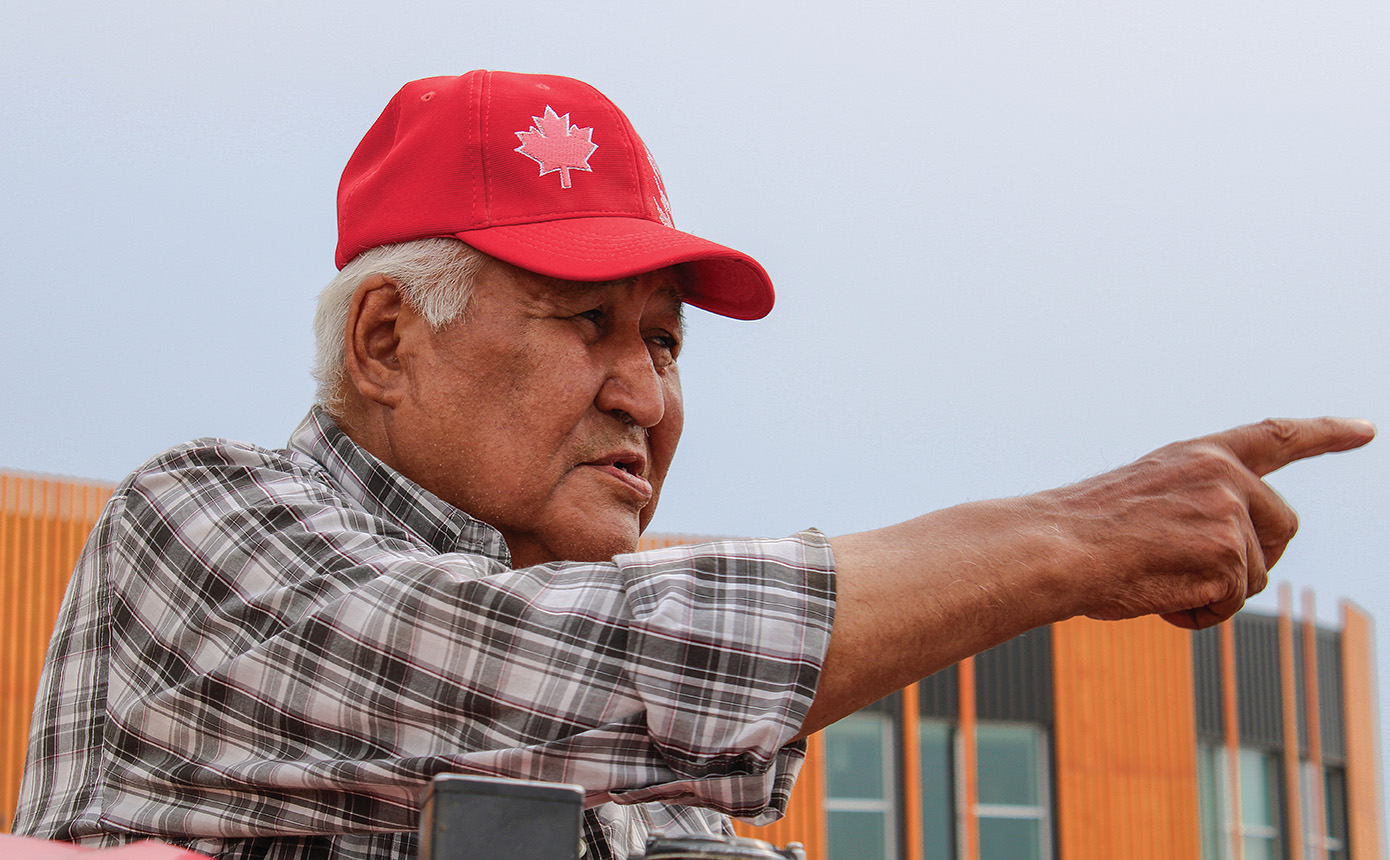
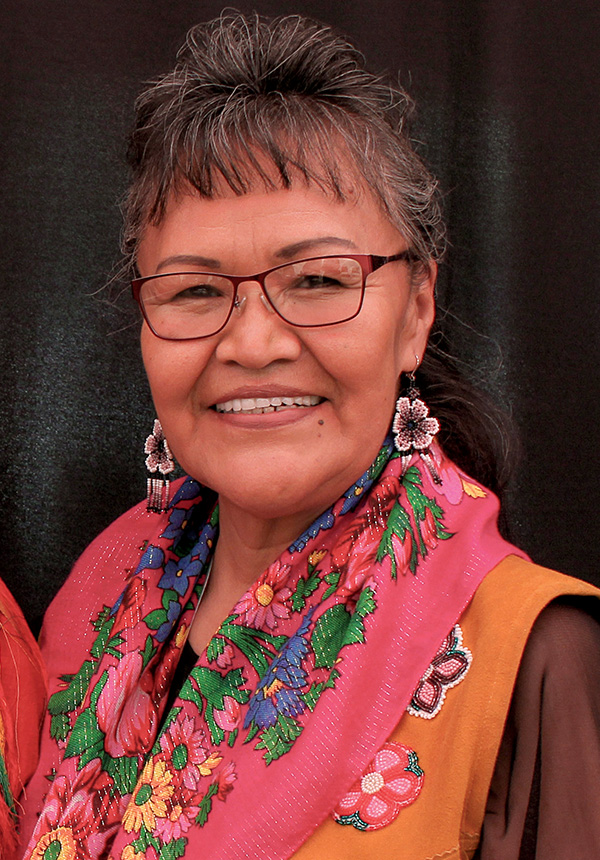
“We are adapting. We have no choice. So as those change and evolve into what we know today, then we change along with it however best we know,” says Lorraine Netro, an elder and longtime environmental advocate.
“What people in this world need to know is that the First Nations Peoples, in the world, can offer solutions. And they need to listen.’’
Three years after the declaration of emergency, global warming still hits the Arctic four times harder than anywhere else in the world.
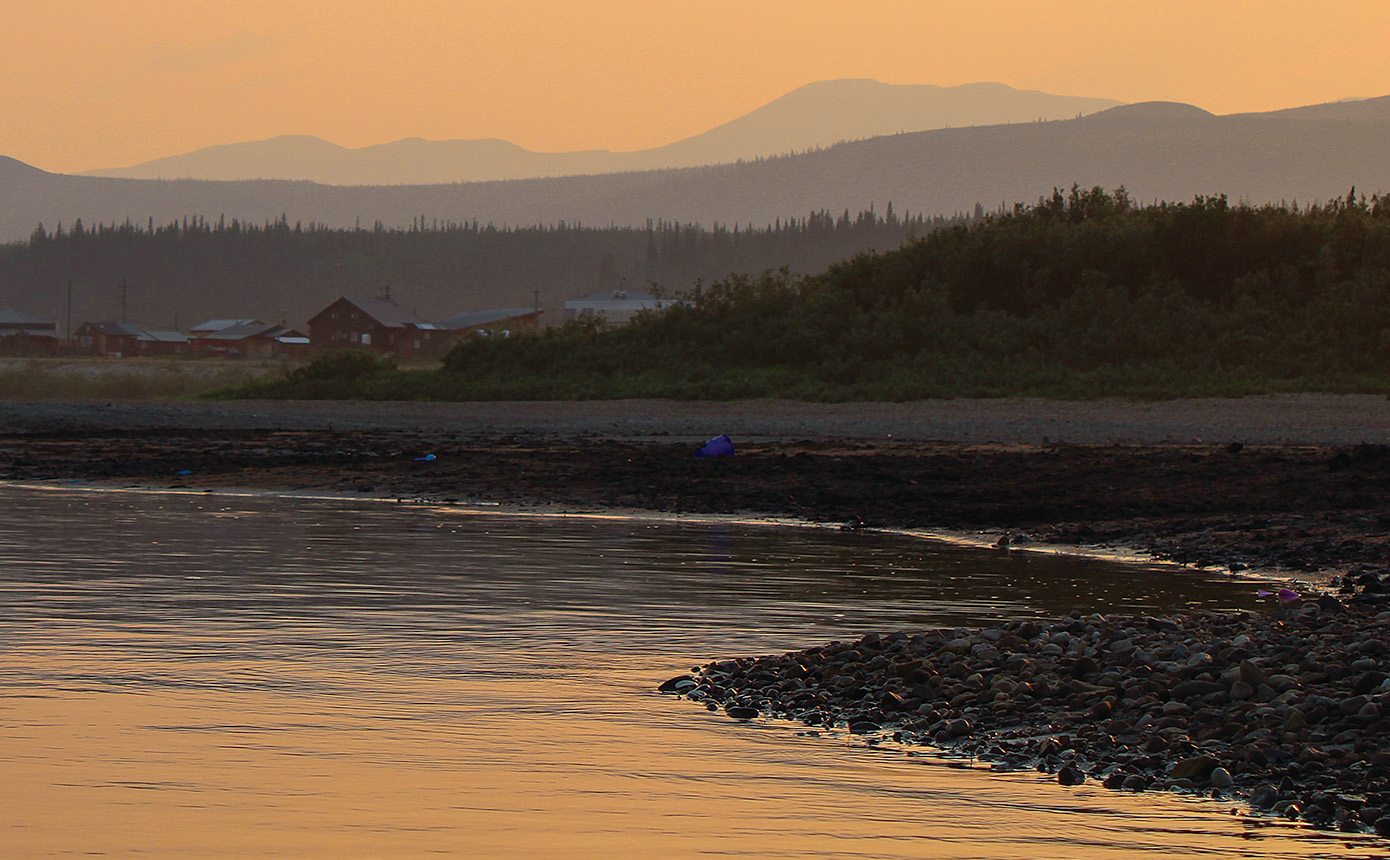
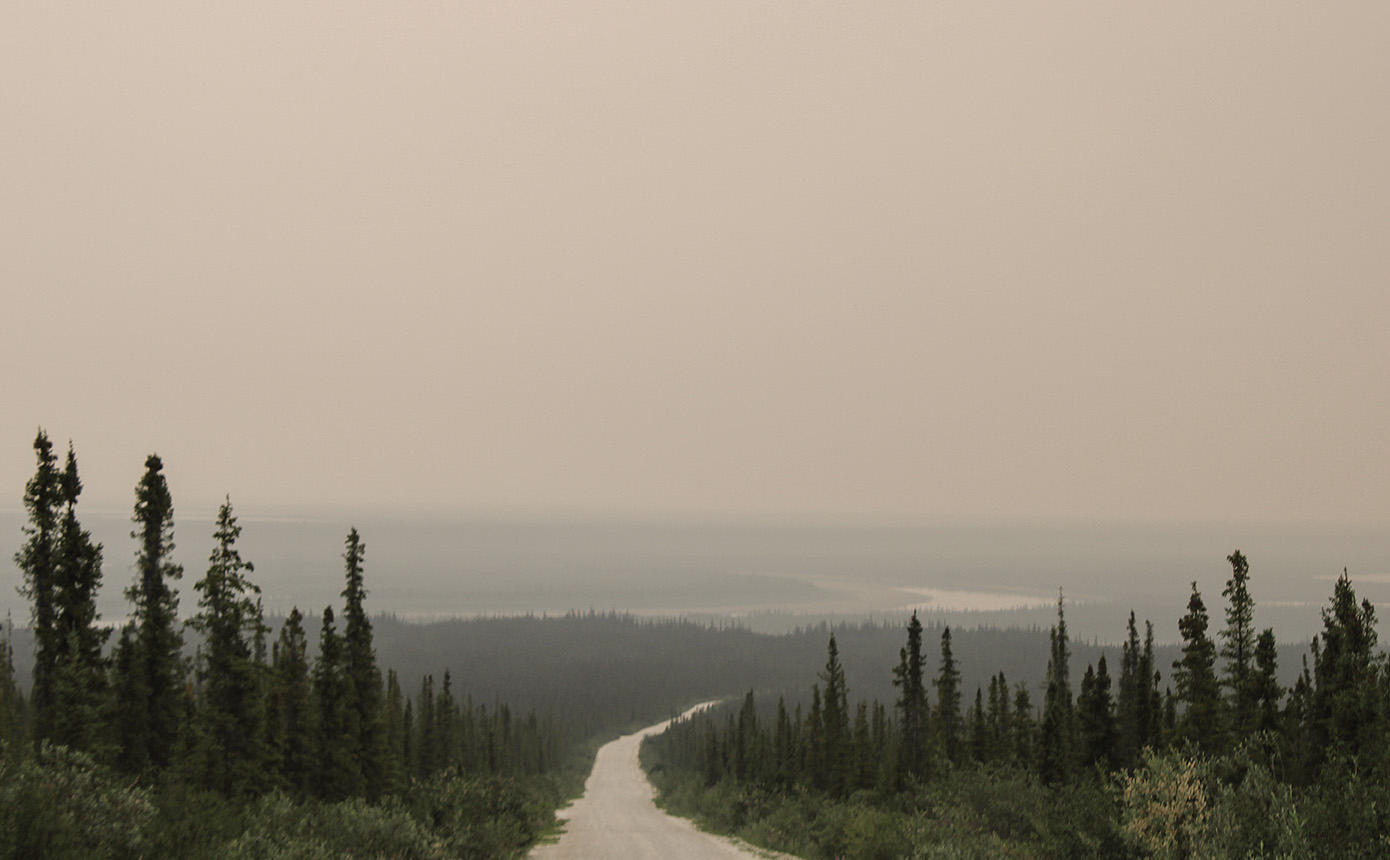
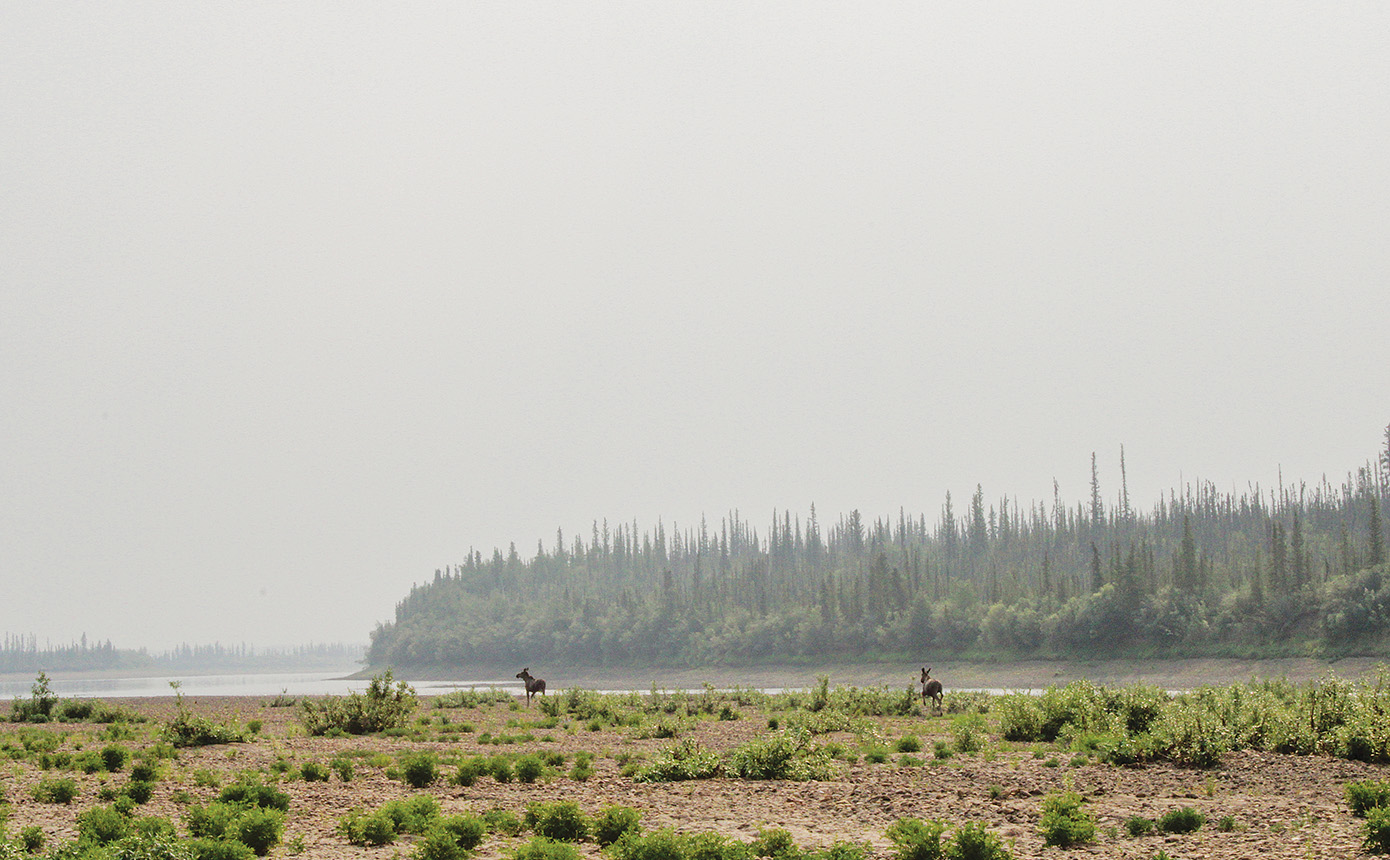
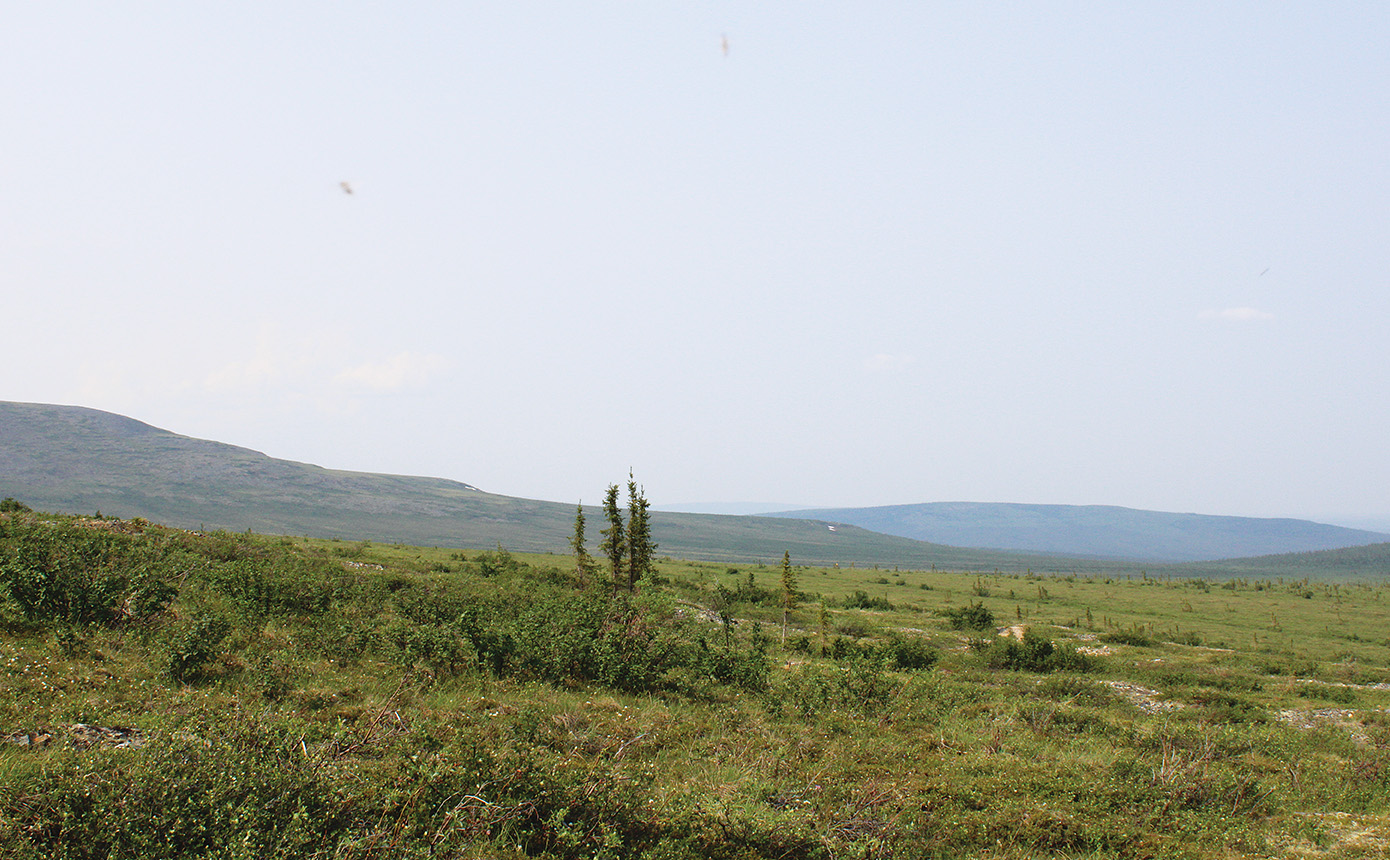
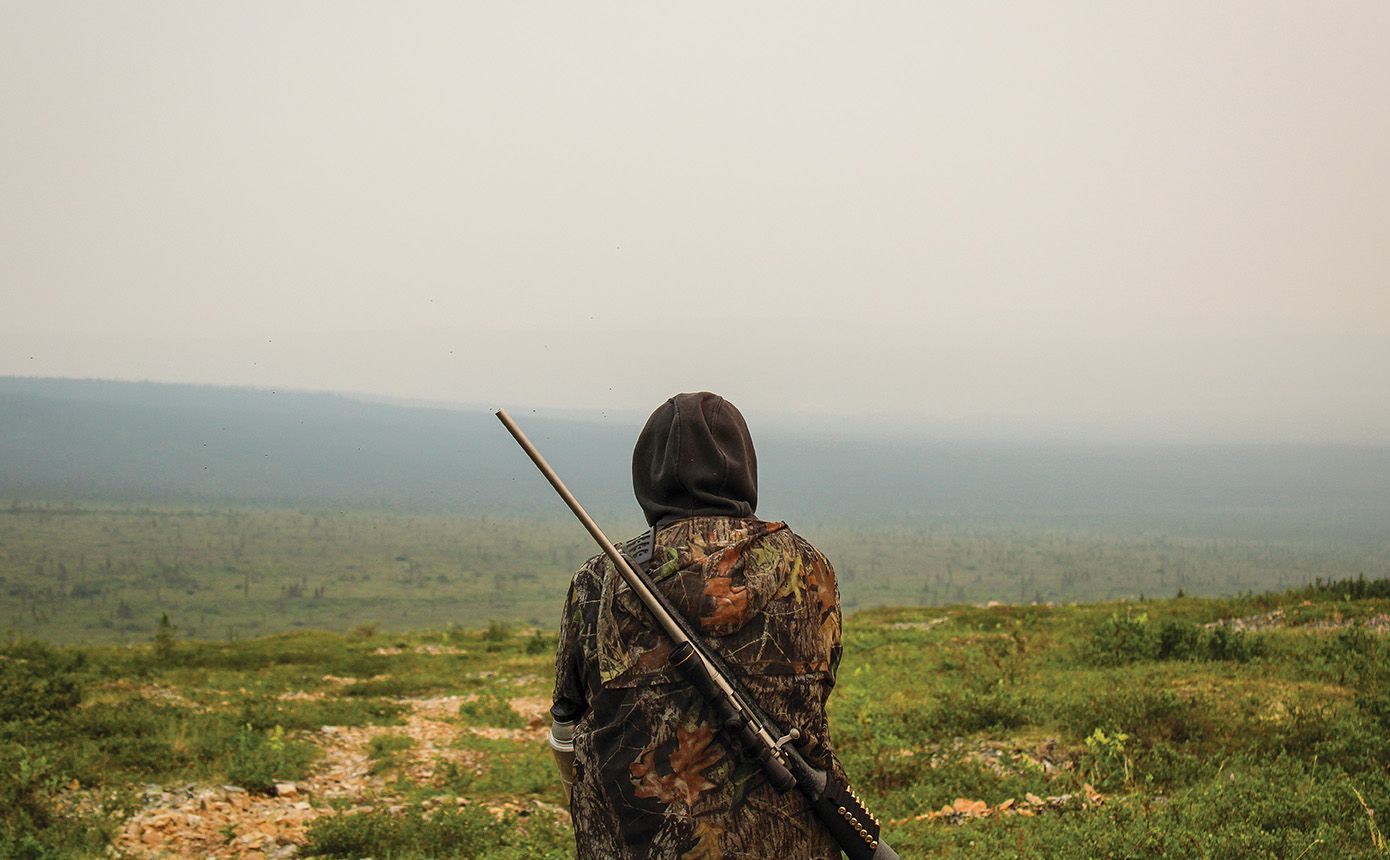
When I arrived in Old Crow in July, 958 kilometers north of Whitehorse, the picture couldn’t be clearer. As I stepped out of the airplane, a wall of heat struck me and followed me throughout the week. A heat wave was radiating across the Yukon, sending the thermometer soaring to 29.3 °C. Because of the heat and drought, more than one hundred forest fires were declared this summer in the Yukon alone. It’s not only the 300 or so residents of Old Crow that feel the impacts of climate change. The caribou do, too. The Vuntut Gwitchin strategically placed themselves near the seasonal migration routes of the 100,000 to 225,000 strong Porcupine caribou herd. For at least 12,000 years, according to archeological evidence, they have depended on these animals – members of the deer-family that can weigh up to 700 pounds and mainly eat lichens – for food, clothes, tools, and crafts.
When I arrived in Old Crow in July, 958 kilometers north of Whitehorse, the picture couldn’t be clearer. As I stepped out of the airplane, a wall of heat struck me and followed me throughout the week. A heat wave was radiating across the Yukon, sending the thermometer soaring to 29.3 °C. Because of the heat and drought, more than one hundred forest fires were declared this summer in the Yukon alone. It’s not only the 300 or so residents of Old Crow that feel the impacts of climate change. The caribou do, too. The Vuntut Gwitchin strategically placed themselves near the seasonal migration routes of the 100,000 to 225,000 strong Porcupine caribou herd. For at least 12,000 years, according to archeological evidence, they have depended on these animals – members of the deer-family that can weigh up to 700 pounds and mainly eat lichens – for food, clothes, tools, and crafts.
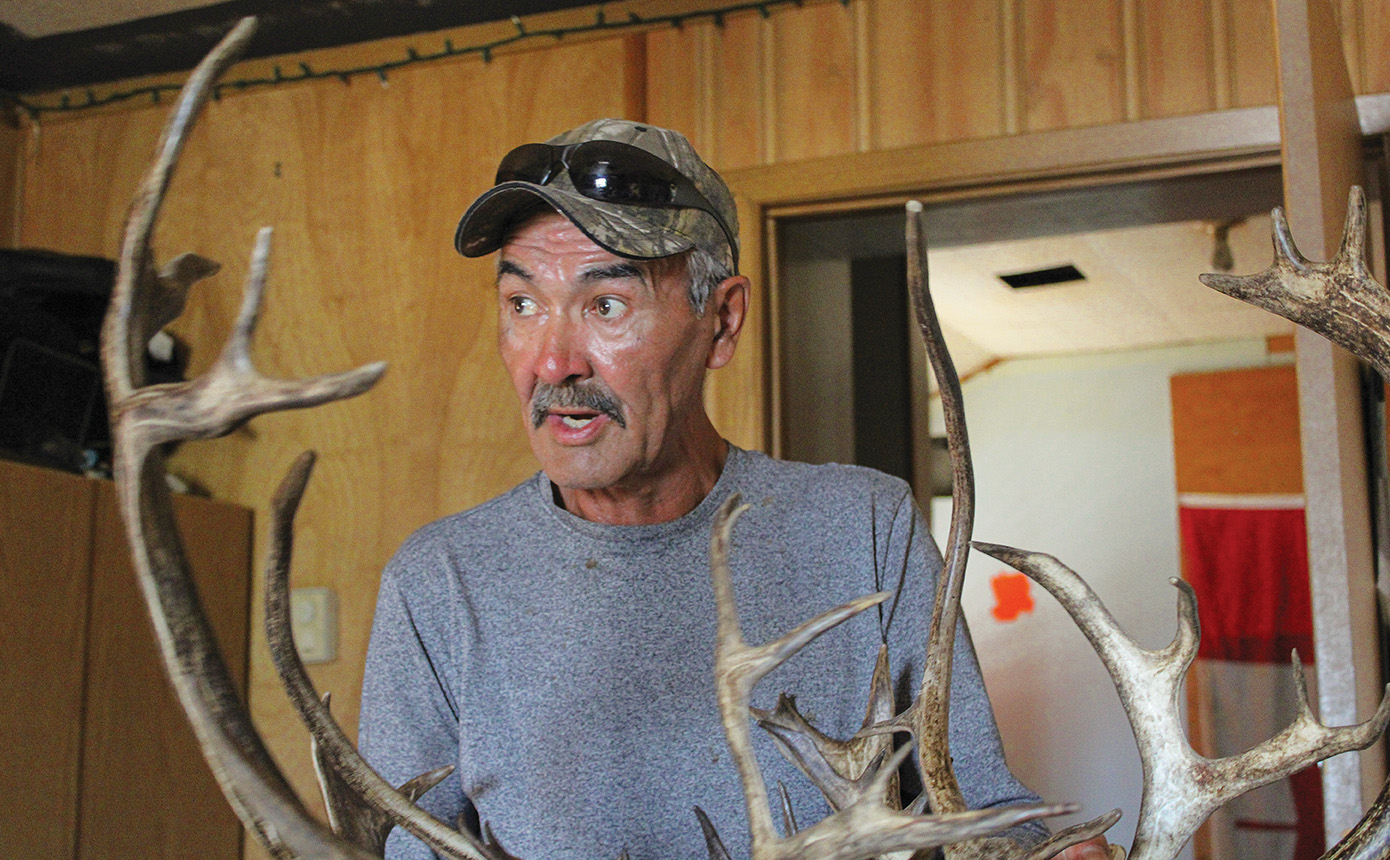
“It’s such an amazing animal,” says Paul Josie, Vuntut Gwitchin First Nation deputy chief. “And it’s so much that is ingrained in our culture as well because we have lived with them for thousands of years. It’s part of the reason why we are here today, it’s because of the caribou.’’
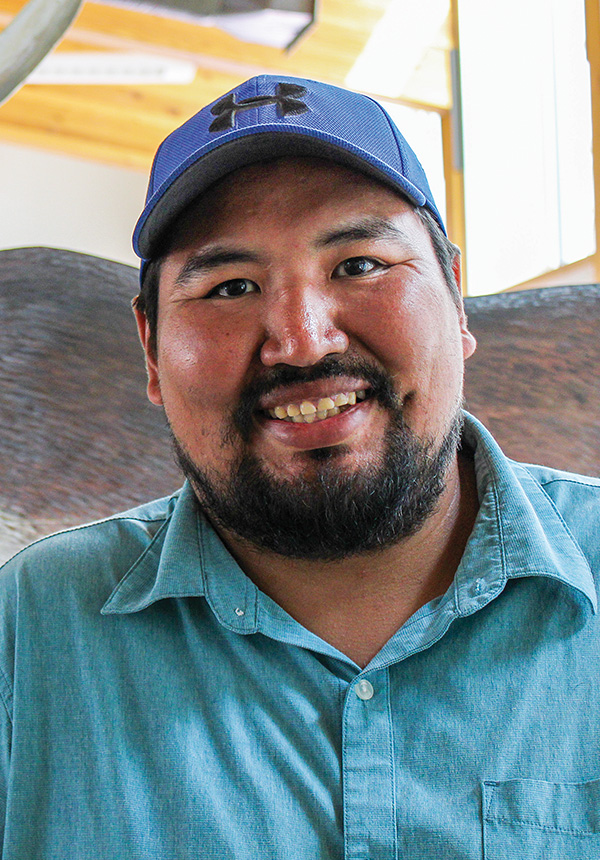
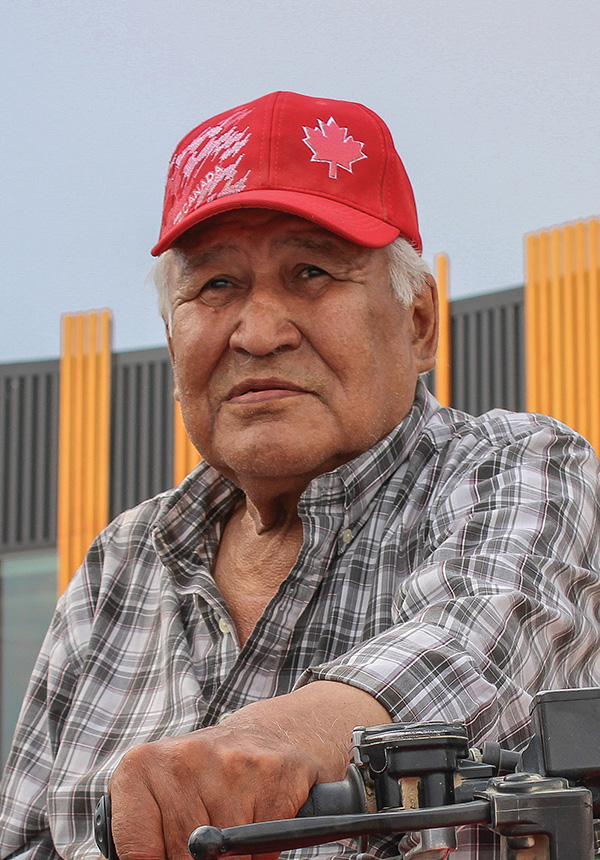
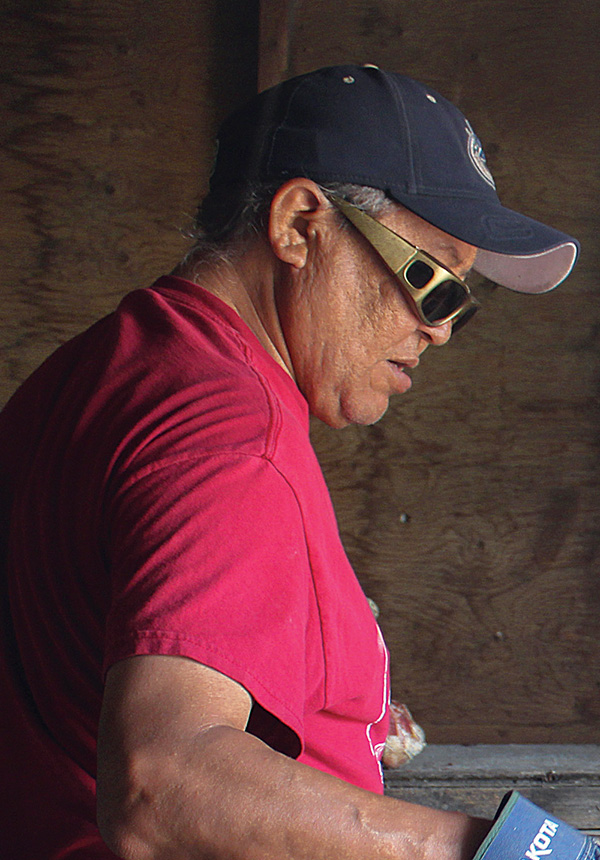
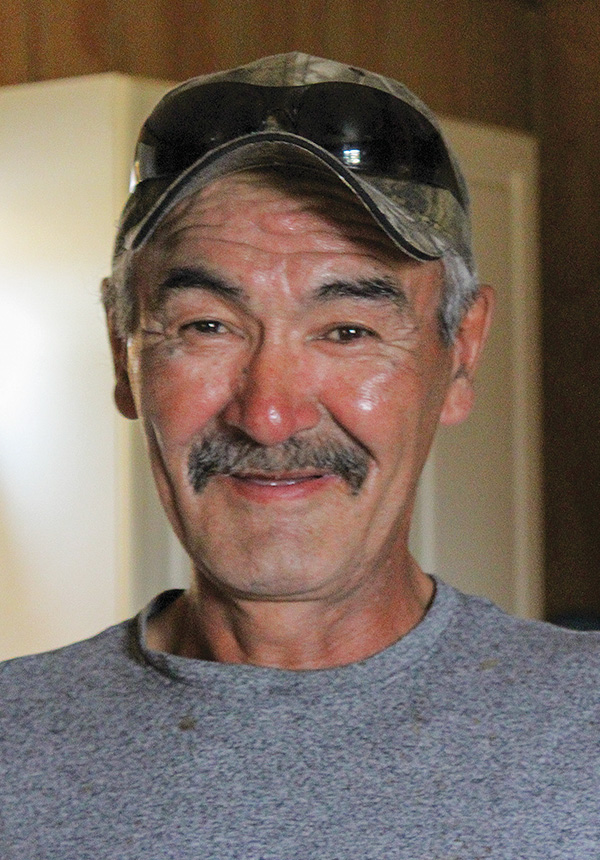
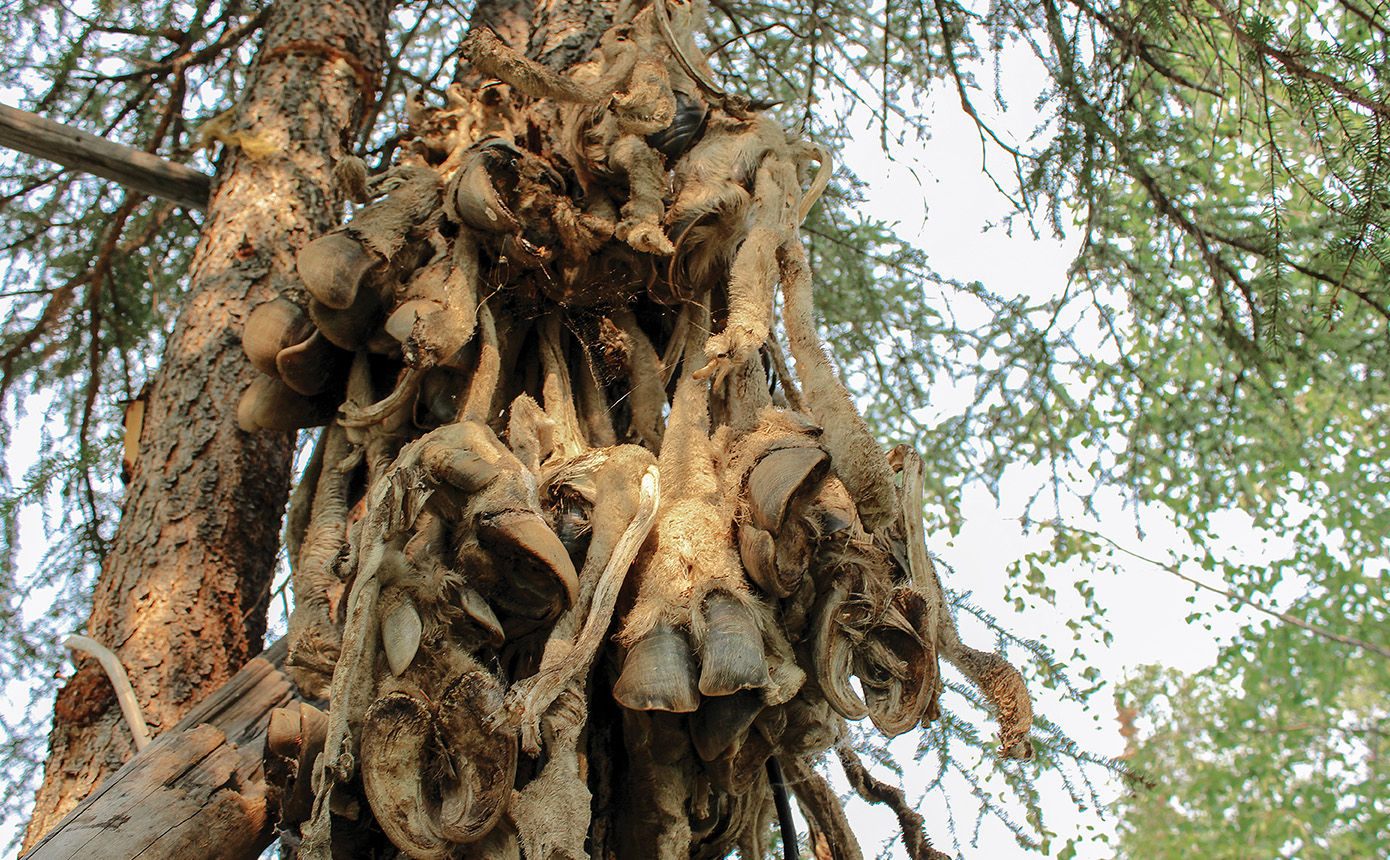
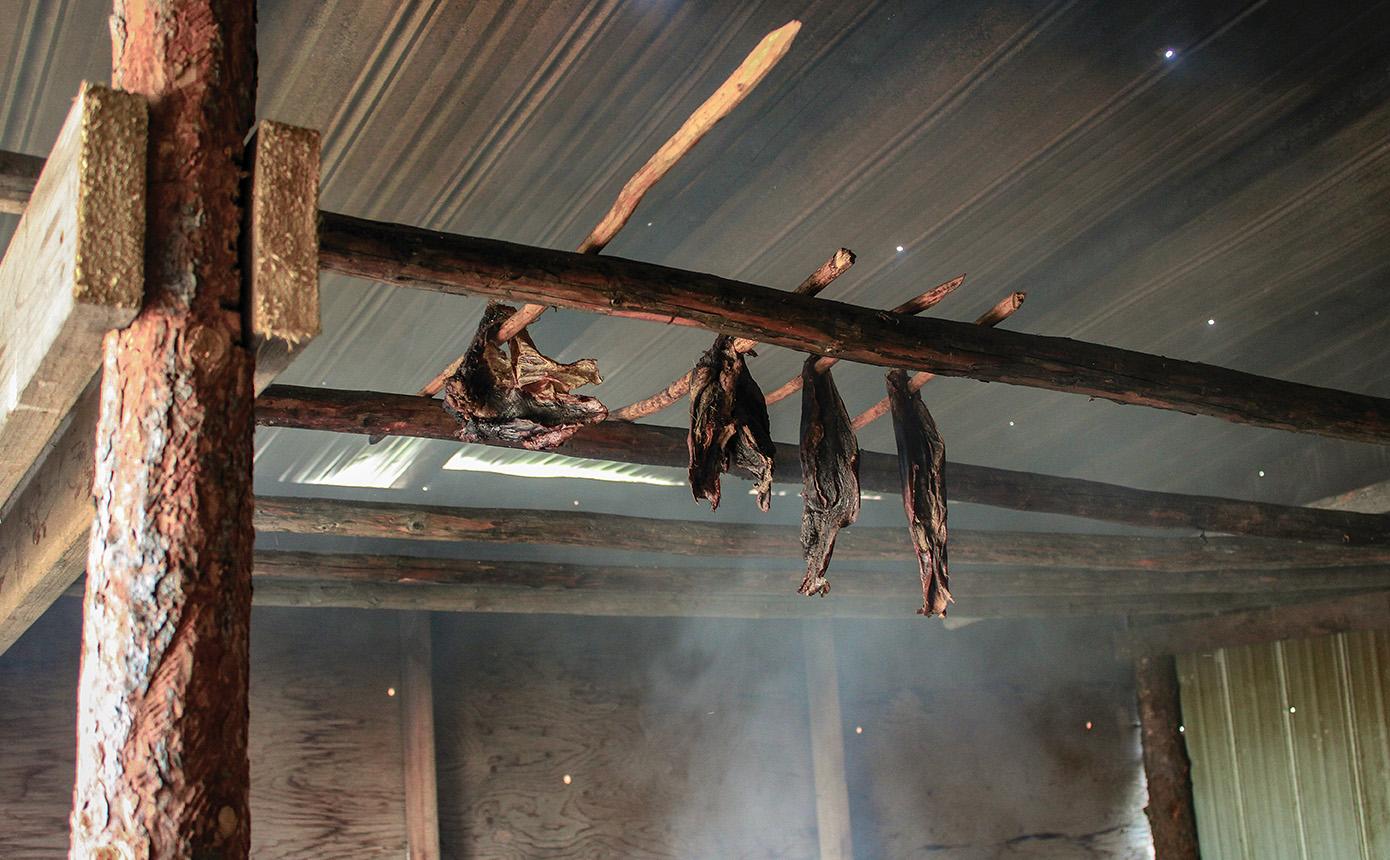
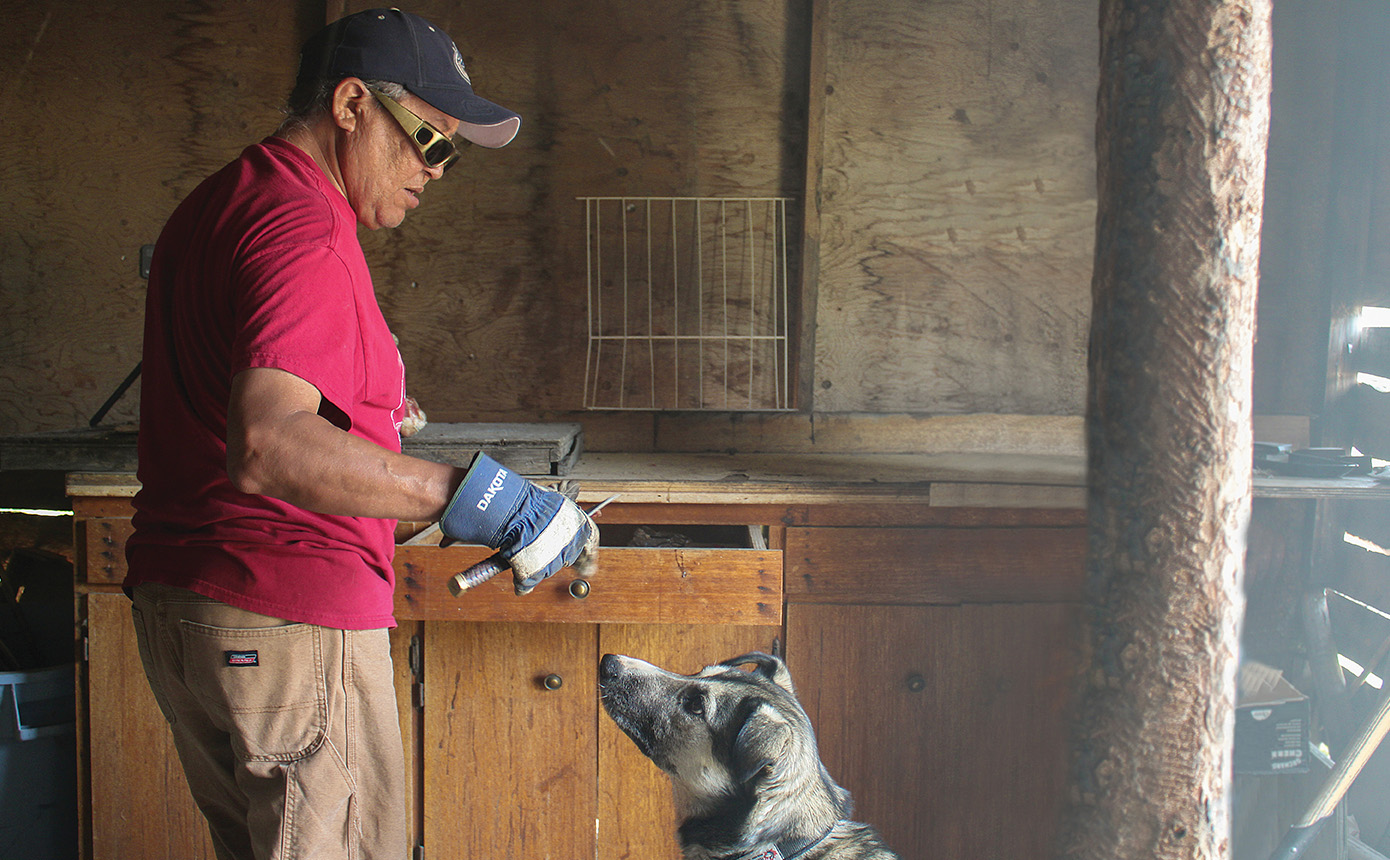
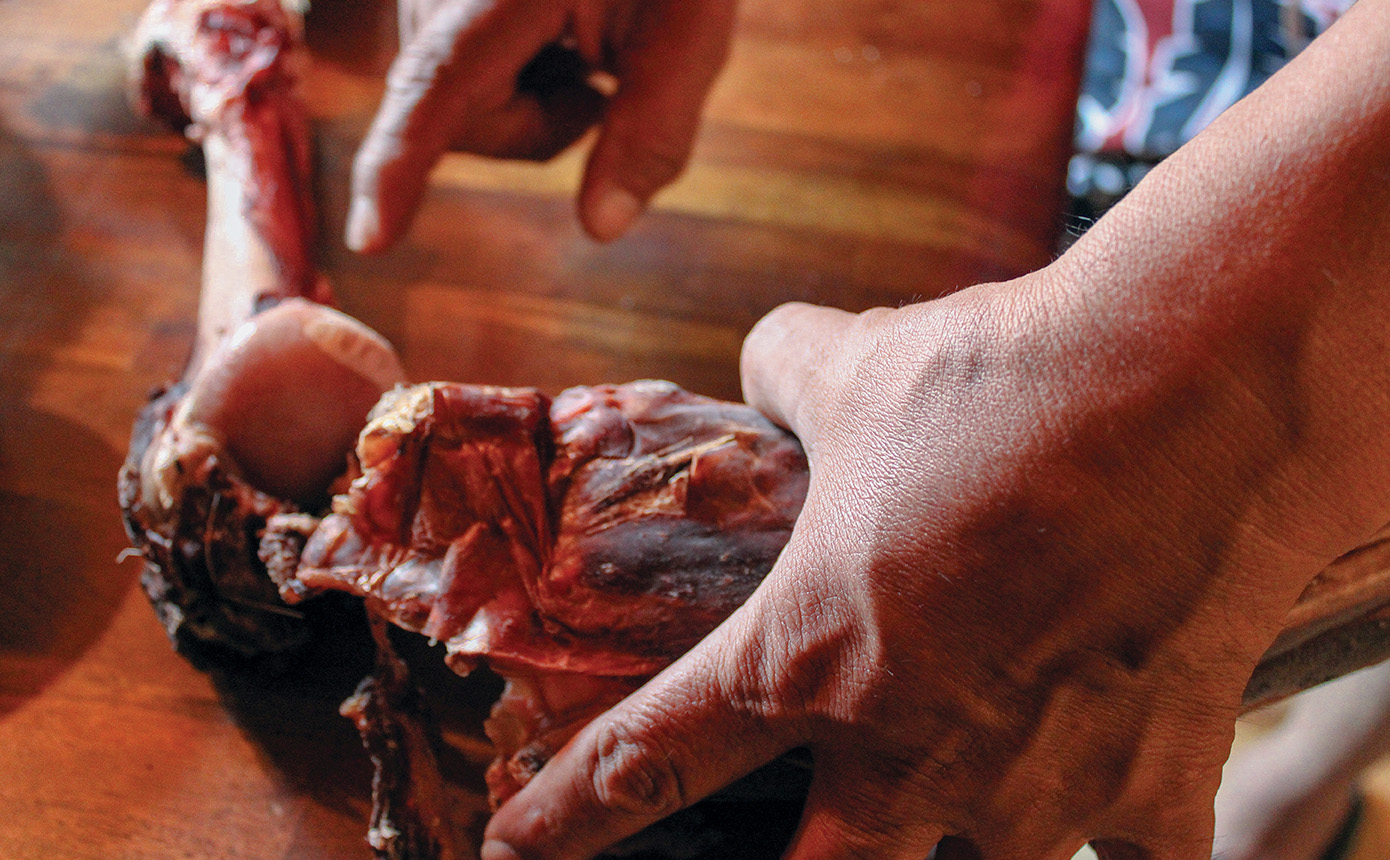
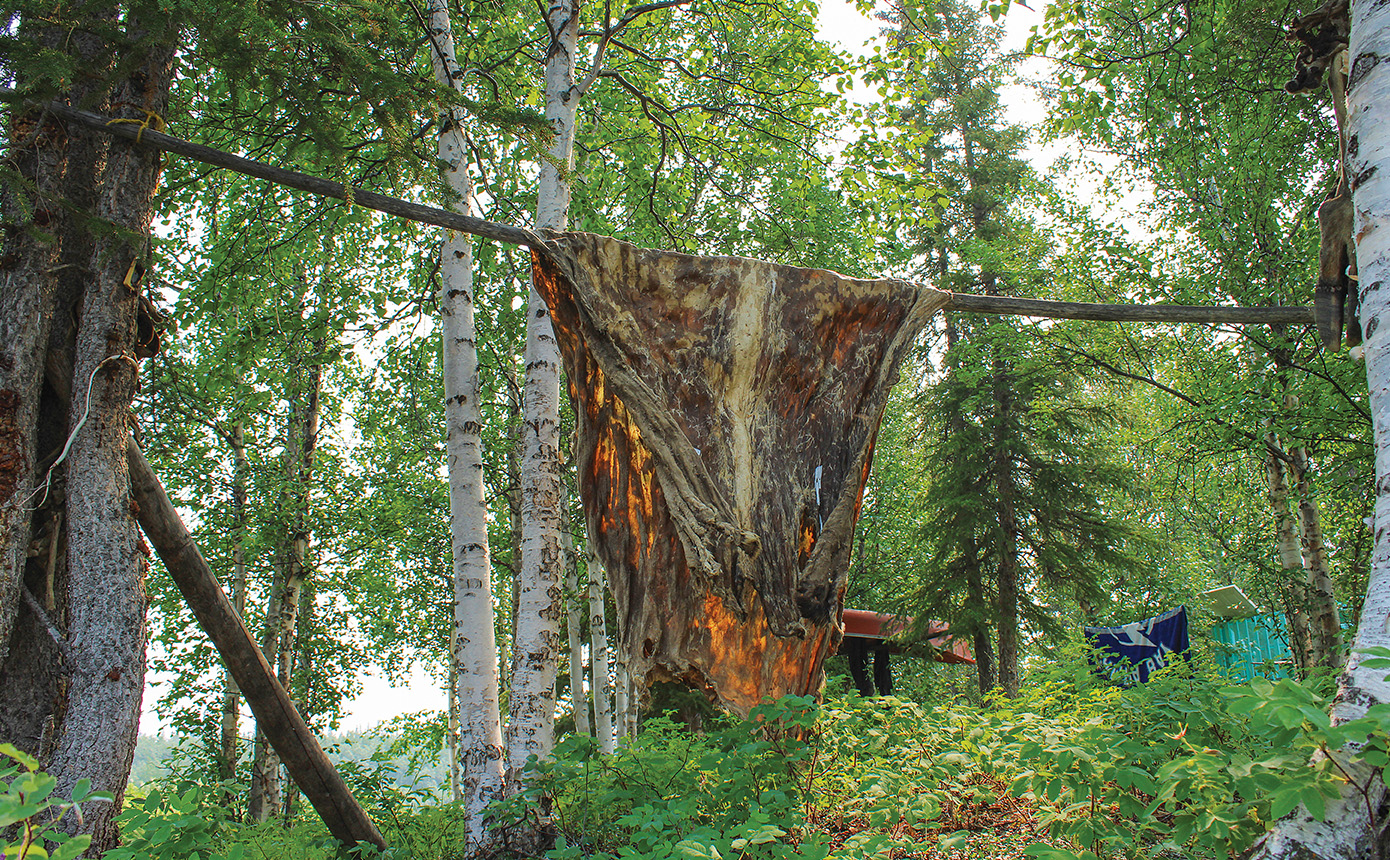
When I arrived in Old Crow, Bruce Charlie, the First Nation’s former deputy chief, greeted me with dry caribou meat and bone marrow, as well as freshly picked berries while we discussed the animal. He smoked the meat in a small shed by his place, to keep the meat from spoiling.
As the Vuntut Gwitchin people watch the climate and their land changing, they wonder how the changes will affect the caribou, and other species they rely on, like the Chinook salmon.
“When they talk about willows. Well, it’s growing. You look at those willows over there. Thick. You think the caribou are going to come through there? I doubt it very much,” says Robert Bruce, another former deputy chief for the First Nation.
As unprecedented global heating increases the flammability of Yukon’s forests, the caribou are seeing their habitat change. Caribou avoid burned areas in the winter. For the Vuntut Gwitchin people, the forest fires that rage in the summer equate to fewer and fewer caribou each winter. The impacts are well felt.
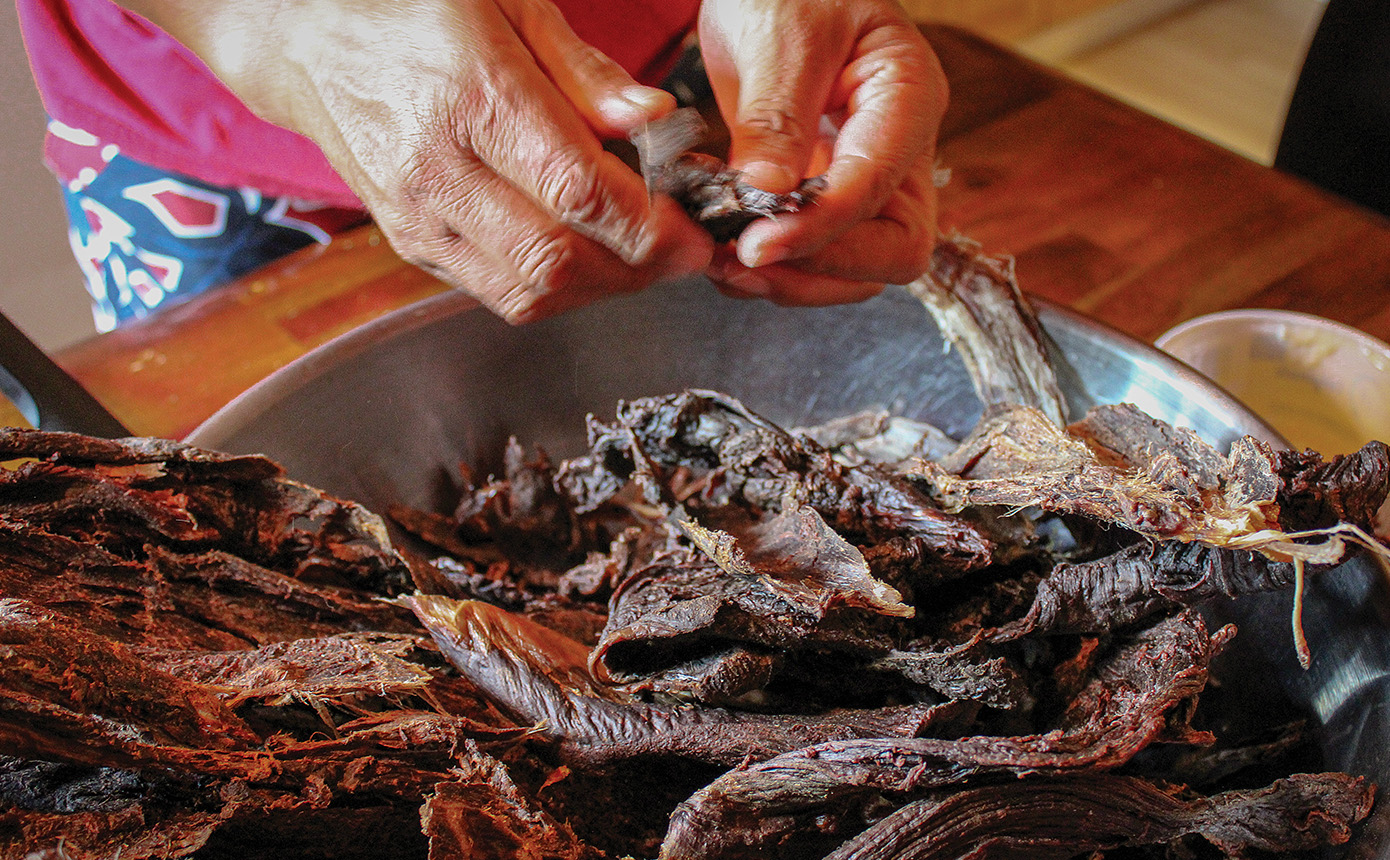
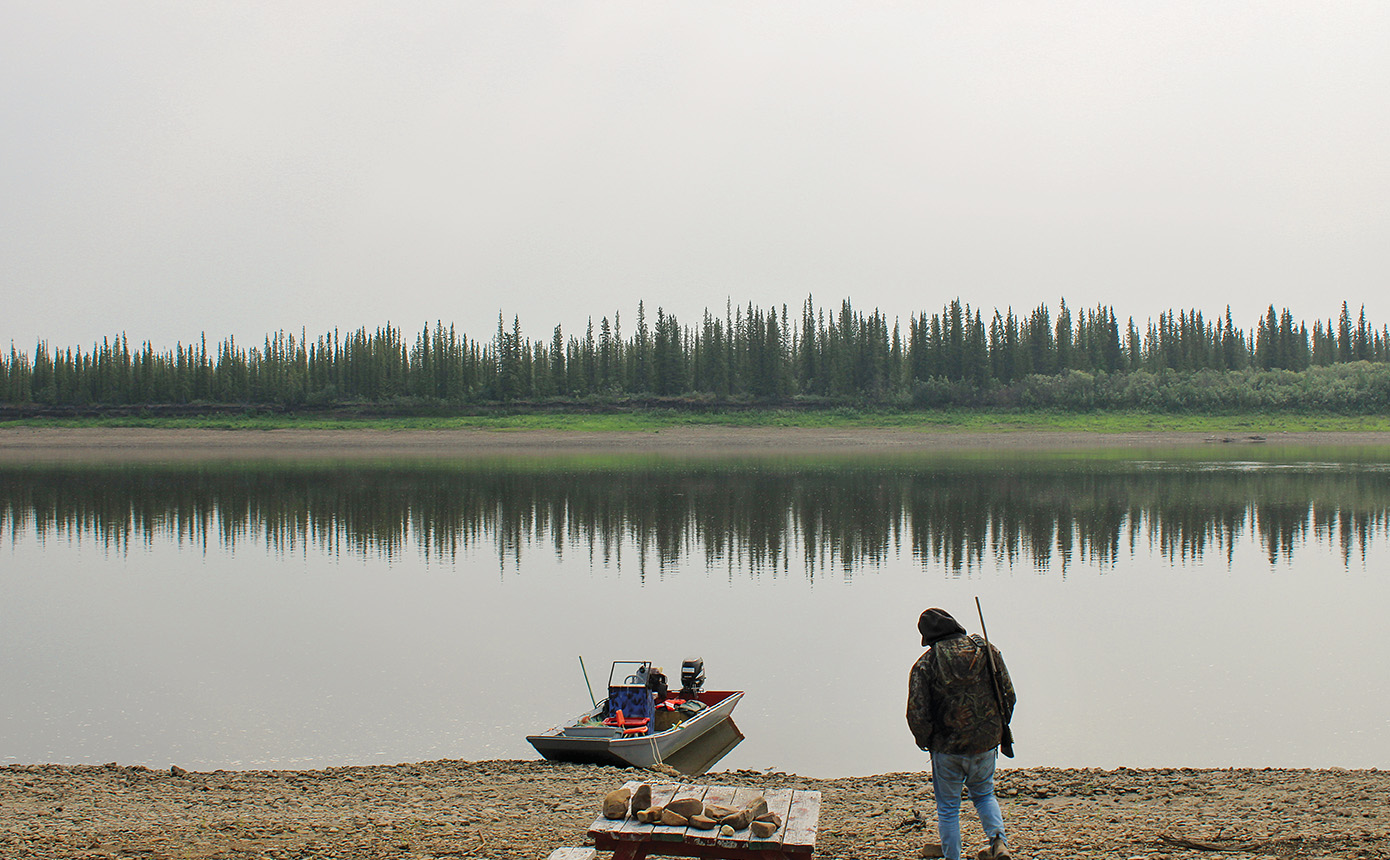
“A lot of people in Old Crow don’t have caribou meat,” says Danny Kassi, one longtime resident and former councillor for the First Nation. “The migration didn’t come this way and there was nothing. They already passed. We are lucky we get a herd go through, we are lucky, but a lot of people don’t have caribou right now.”
Another threat the species faces is the potential for development in the resource-rich region.
For more than 20 years, Old Crow has been at the forefront of protecting the Arctic National Wildlife Refuge, in Alaska, considered home to the calving grounds of the herd. These lands, rich in oil resources, are so coveted that a Gwitchin delegation had to travel to Washington many times to advocate against drilling in this area.
“Right now, today, there are no oil and gas developments in the National Arctic Wildlife Refuge. That work is not easy,’’ says Netro.
“We have to be the voice at the forefront. We make sure of that. That we are at the forefront. That they see our face.”