Promising practice:
6. Examples on how to support the integration of families and the next generation
Baba: Strengthening the role of fathers
Knowledge base for the talk
The Baba programme at the Fund for Social Responsibility in Denmark is a community initiative that engages fathers in vulnerable neighbourhoods. Baba has been active since 2014 and is currently established in 15 areas across Denmark. Approximately 250 volunteers participate in the programme, serving as mentors for other fathers in vulnerable neighbourhoods. Each volunteer is also required to complete an extensive course.
More information about Baba and other programmes conducted by the Fund for Social Responsibility in Denmark is available at:
Manager Adeel Ismail Naseem says Baba focuses on three main areas: strengthening fathers’ sense of identity and confidence in their role, building stronger cooperation between fathers and professionals who work with children, and inspiring men to take on the role as an emotional provider.
– The first step for us is to map and understand the problem around fatherhood in the target communities. Before we started Baba, we talked with over a thousand fathers to understand the issues, Naseem said.
– The first step for us is to map and understand the problem around fatherhood in the target communities. Before we started Baba, we talked with over a thousand fathers to understand the issues, Naseem said.
The main problem Baba strives to address is the lack of interaction between immigrant fathers and authorities.
– Many fathers distrust authorities such as schools, nurseries, and the local council. Additionally, many lack confidence in their ability to meet their children’s needs. Many fathers also lack a culture and space where they can discuss father-related matters. Therefore, we focus on how we can better include fathers and create connections between professionals and fathers.
– Many fathers distrust authorities such as schools, nurseries, and the local council. Additionally, many lack confidence in their ability to meet their children’s needs. Many fathers also lack a culture and space where they can discuss father-related matters. Therefore, we focus on how we can better include fathers and create connections between professionals and fathers.
Distrusting the authorities is common, but the distrust is usually mutual.
– Sometimes the relationship between fathers and authorities resembles a bad marriage, and our role is to be the marriage counsellors, Naseem explained.
Adeel Ismail Naseem emphasises that building involvement and strong relationships with the target group is more important than intercultural competencies. Consider this quote by a Danish healthcare professional: ‘It’s not because things are difficult that we don’t dare – it's because we don’t dare that things become difficult’. It captures the situation in which misunderstandings between authorities and immigrant groups can occur.
– If you want to involve a vulnerable or difficult target group, remember that barriers to participation in communities are more universal than cultural, and you can achieve much more with your professional expertise than you think.
In recruiting volunteers, Adeel Ismail Naseem says trust-building is essential. All fathers want the best for their children. To engage fathers requires relational work that calls for courage and the ability to build trust. He sums up Baba’s mission in five comprehensive steps:
Map the problem, trust your expertise, trust people, get out of your comfort zone, and make it relevant.
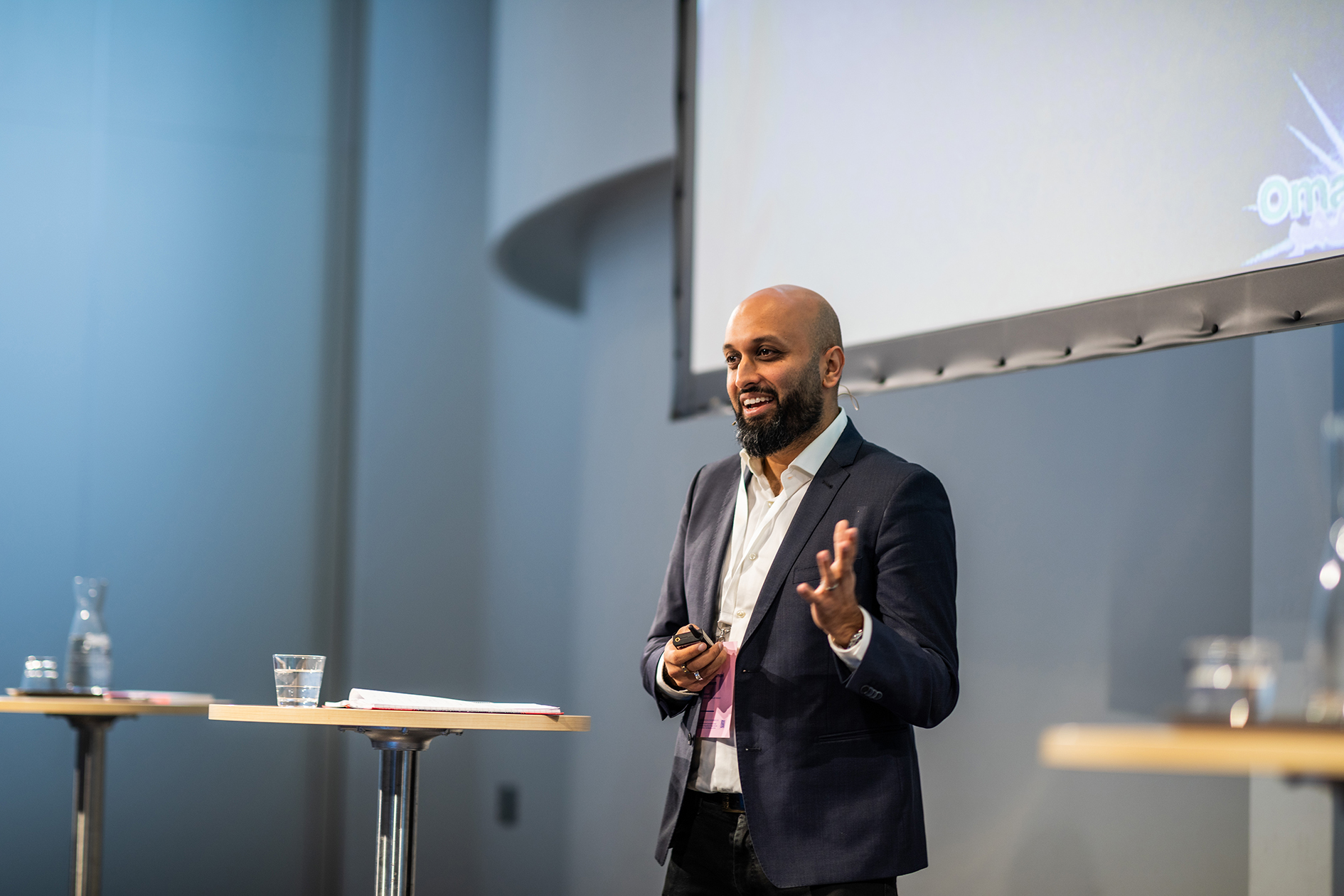
Manager Adeel Ismail Naseem says Baba focuses on three main areas: strengthening fathers’ sense of identity and confidence in their role, building stronger cooperation between fathers and professionals who work with children, and inspiring men to take on the role as an emotional provider.
– The first step for us is to map and understand the problem around fatherhood in the target communities. Before we started Baba, we talked with over a thousand fathers to understand the issues, Naseem said.
– The first step for us is to map and understand the problem around fatherhood in the target communities. Before we started Baba, we talked with over a thousand fathers to understand the issues, Naseem said.
The main problem Baba strives to address is the lack of interaction between immigrant fathers and authorities.
– Many fathers distrust authorities such as schools, nurseries, and the local council. Additionally, many lack confidence in their ability to meet their children’s needs. Many fathers also lack a culture and space where they can discuss father-related matters. Therefore, we focus on how we can better include fathers and create connections between professionals and fathers.
– Many fathers distrust authorities such as schools, nurseries, and the local council. Additionally, many lack confidence in their ability to meet their children’s needs. Many fathers also lack a culture and space where they can discuss father-related matters. Therefore, we focus on how we can better include fathers and create connections between professionals and fathers.
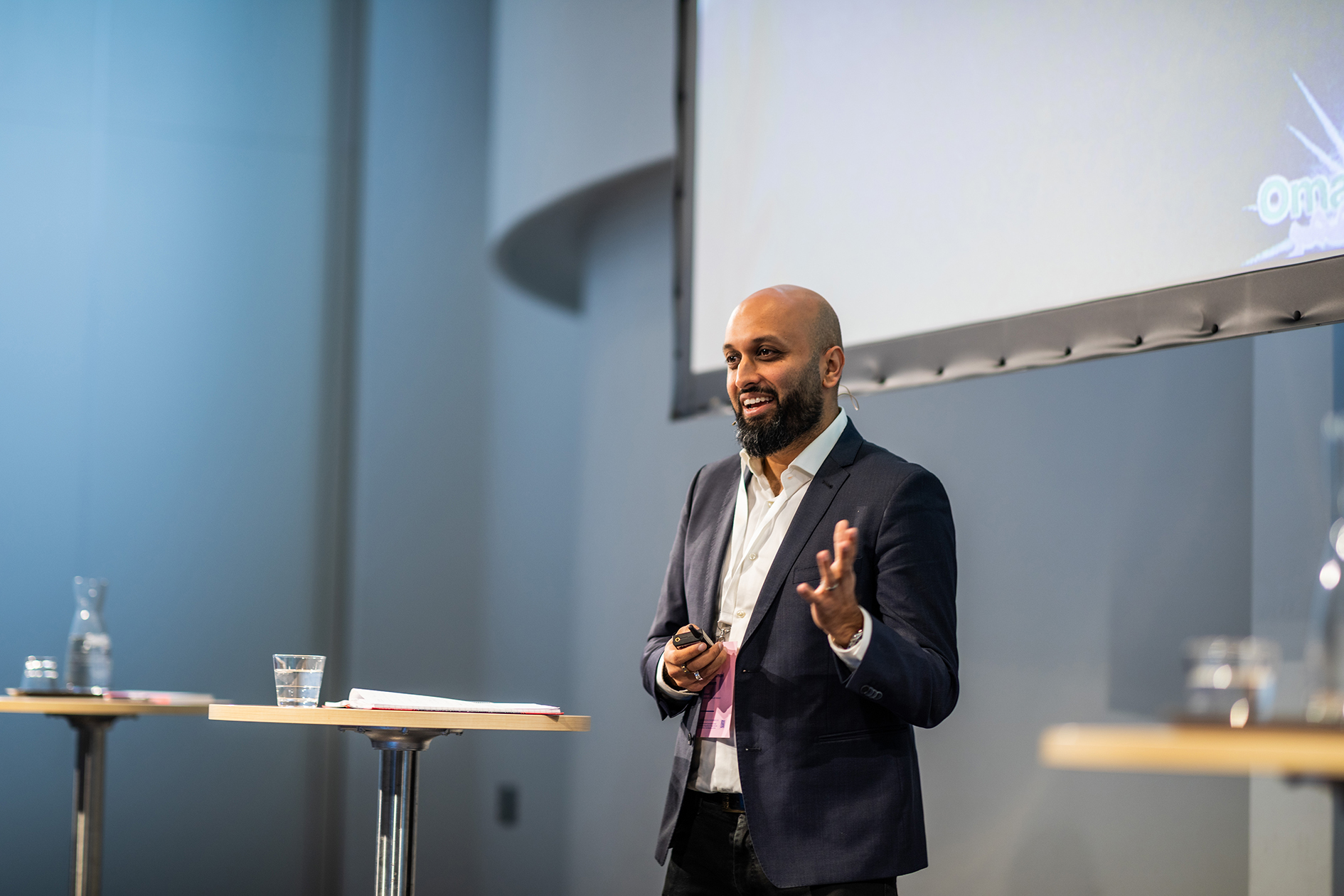
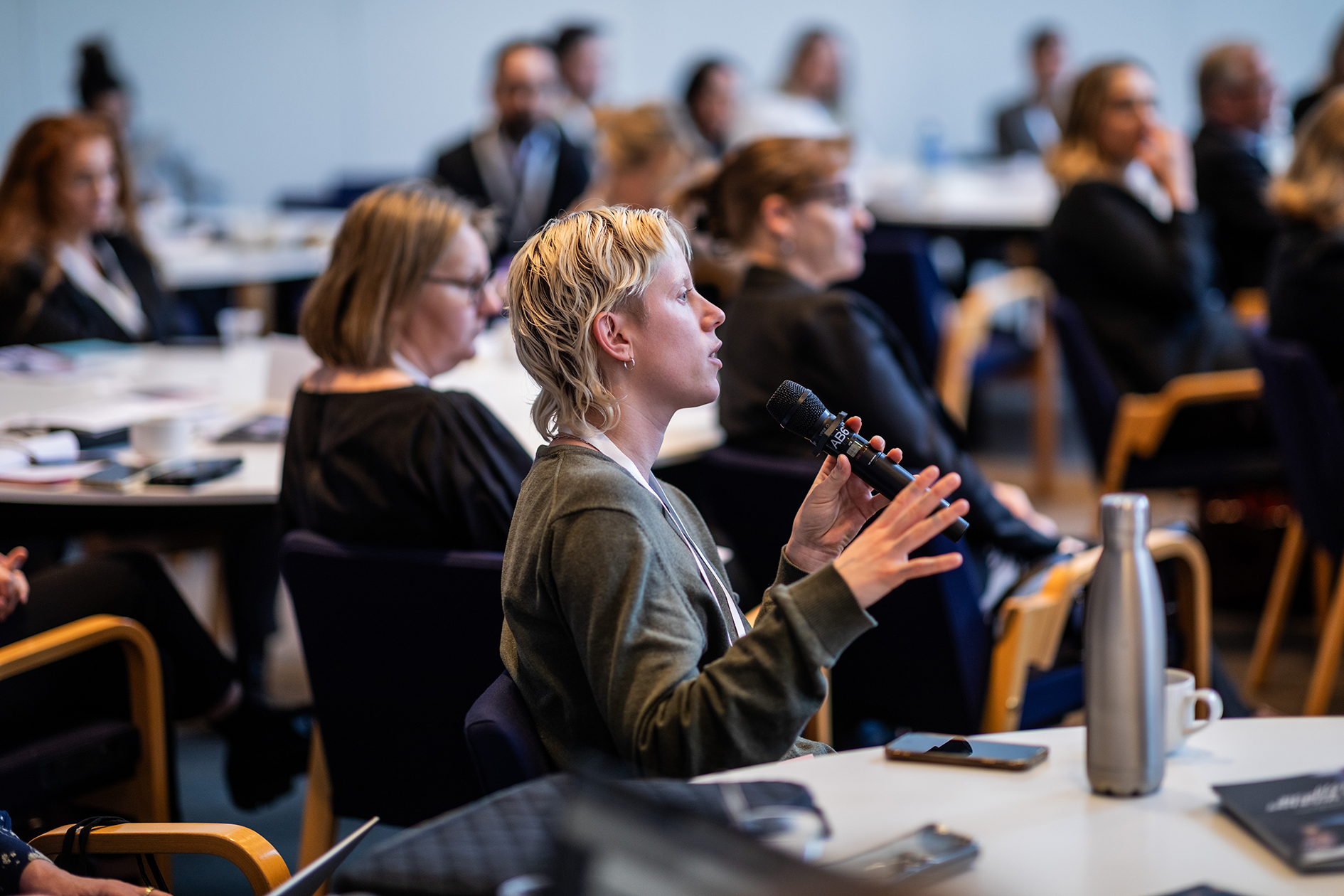
Distrusting the authorities is common, but the distrust is usually mutual.
– Sometimes the relationship between fathers and authorities resembles a bad marriage, and our role is to be the marriage counsellors, Naseem explained.
Adeel Ismail Naseem emphasises that building involvement and strong relationships with the target group is more important than intercultural competencies. Consider this quote by a Danish healthcare professional: ‘It’s not because things are difficult that we don’t dare – it's because we don’t dare that things become difficult’. It captures the situation in which misunderstandings between authorities and immigrant groups can occur.
– If you want to involve a vulnerable or difficult target group, remember that barriers to participation in communities are more universal than cultural, and you can achieve much more with your professional expertise than you think.
In recruiting volunteers, Adeel Ismail Naseem says trust-building is essential. All fathers want the best for their children. To engage fathers requires relational work that calls for courage and the ability to build trust. He sums up Baba’s mission in five comprehensive steps:
Map the problem, trust your expertise, trust people, get out of your comfort zone, and make it relevant.
Involving parents in school and working life: Finnish language and working-life skills for immigrant parents
Knowledge base for the talk
Project manager Sari Svensson introduced the Vamu project, focusing on parents involved in school and working life in the city of Vantaa, Finland. The project is aimed at immigrant parents with children in school, daycare, or home care. Through the project, parents are guided by a coach, learn Finnish through activities, and get to know the area, local services, Finnish society and culture, and the education system.
More information about Parents involved in school and working life in the city of Vantaa, Finland is available at:
Project manager Sari Svensson introduced the initiative by highlighting its distinctive approach to supporting parents’ integration into Finnish society.
– What we do differently is that we offer parents the possibility to participate in early childhood education group activities or primary school teaching once or twice a week. The parents are observing the lessons or can lend a hand to the teacher when needed. This practice has increased their trust in the schooling system, Sari Svensson said.
Within the project, activities for parents are organised four days a week, and the objectives are to strengthen Finnish language skills in everyday and working life, promote inclusion and participation in society, support cooperation between home and school or early childhood education and develop study and work skills, and support parenting. During the 2024–2025 school year, five groups and five coaches were active within the project.
– All in all, we have almost 200 parents in the project, mostly women. In practice, parents are not seen as the target group, but as active participants and experts in their own lives. Language studies go beyond a traditional Finnish course. What we offer is an immersive dive into Finnish society, Sari Svensson explained.
– All in all, we have almost 200 parents in the project, mostly women. In practice, parents are not seen as the target group, but as active participants and experts in their own lives. Language studies go beyond a traditional Finnish course. What we offer is an immersive dive into Finnish society, Sari Svensson explained.
The Vamu project focuses on four main areas for parents: language, hobbies, health and well-being, and culture. In addition to immersive language training, the programme introduces participants to various hobbies, and the groups also visit healthcare professionals and cultural sites, such as libraries, museums, and cultural centres.
The goal is that the group is a safe place. By influencing parents, especially mothers, to increase their involvement and understanding of society, we are influencing the next generation.
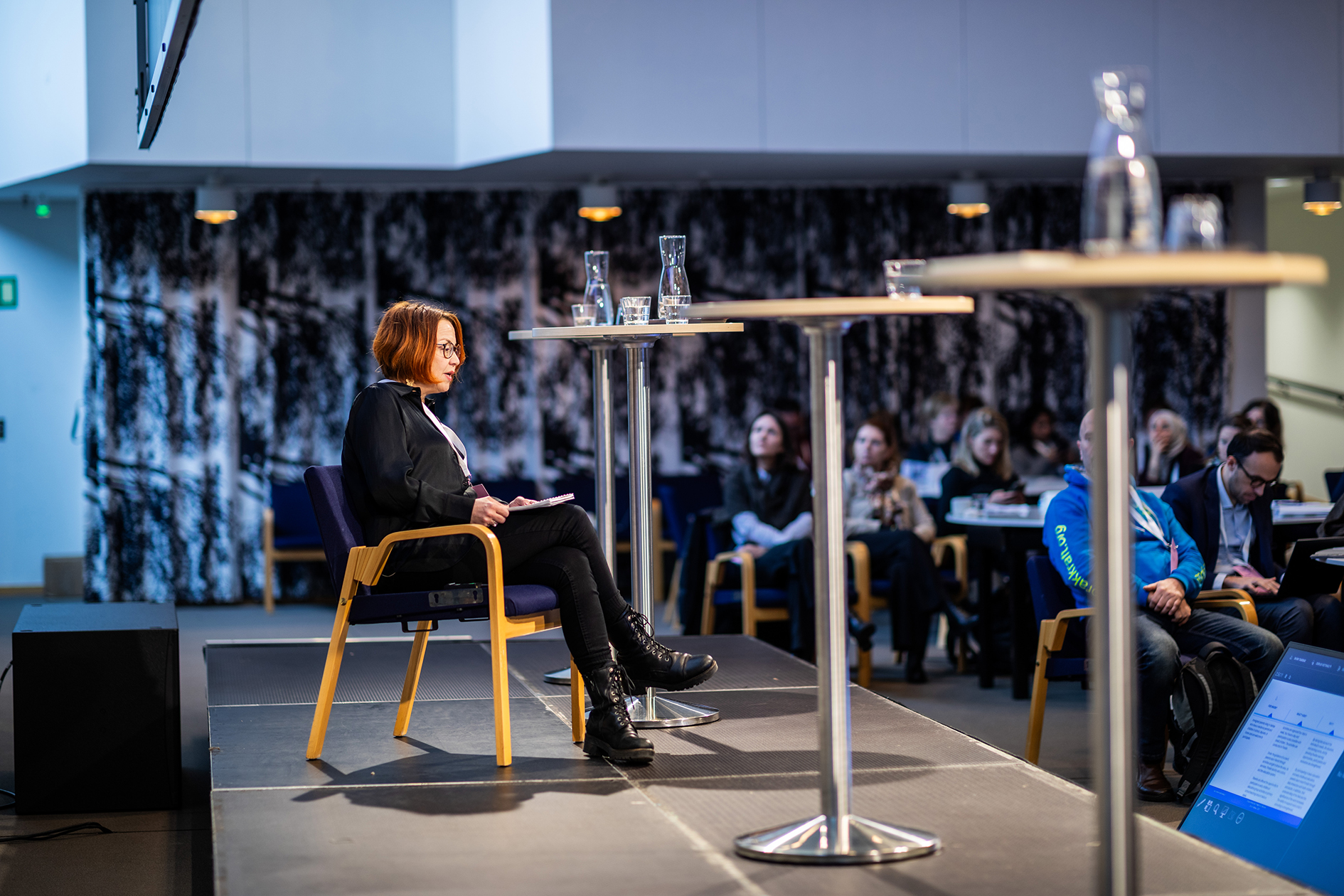

FÖS: A parenting programme in Sweden
Knowledge base for the talk
The project Parenting in Sweden seeks to provide parents with information about areas important for family life in Sweden, and to offer opportunities for group discussions. The content is based on the UN Convention on the Rights of the Child, research, and Swedish legislation, as well as identified needs among newly arrived parents. It addresses topics such as what it is like to be a family in a new country, parents’ rights and responsibilities, gender equality, and how services such as preschools, schools, and healthcare function.
More information about Parenting in Sweden is available at:
– We want to encourage children to go to school and get good grades, and a structured leisure time. We also want to see warm and caring parent–child relationships.
Development manager Lina Devgun says parenting support within the project is defined as various interventions, activities, and services aimed at parents to strengthen their parenting skills and the relationship between parent and child. Parenting in Sweden is a community-oriented programme for foreign-born parents with children aged 0–18 years.
– This may involve providing parents with knowledge about children’s rights, health, and development. But it can also include strengthening parents’ relationships with one another or with their social networks.
The aim of the programme is to provide parents with information on aspects vital to family life in Sweden, and offer opportunities for group discussions on parent–child relationships.
– The main aim is to strengthen the bond between families and society, and in this way, it may differ from other programmes that focus primarily on the relationship between the child and the parent. However, we hope that the programme will positively influence the parent–child relationship and the entire family unit.
The programme consists of five group sessions, focusing on discussions of the following topics: being a family in a new country, children’s leisure time, preschool, school, boys and girls, health and healthcare, parents’ rights and responsibilities, and being a parent of a teenager.
The Parenting in Sweden programme started in 2018. Today, there are over 500 group leaders across the country. The programme can be accessed through social services, preschools and schools, Swedish immigrant courses, the Swedish church, and other non-governmental organisations working with newcomers and families.
The Parenting in Sweden programme started in 2018. Today, there are over 500 group leaders across the country. The programme can be accessed through social services, preschools and schools, Swedish immigrant courses, the Swedish church, and other non-governmental organisations working with newcomers and families.
Lina Devgun says results are promising, and parents have responded positively to the programme.
– An evaluation of the programme points to increased trust in social services and healthcare, and increased knowledge among parents about where to turn for help and support. More parents responded in accordance with Swedish laws and guidelines to the question about monitoring teenage daughters, and group leaders reported important and engaging discussions within the groups.
– An evaluation of the programme points to increased trust in social services and healthcare, and increased knowledge among parents about where to turn for help and support. More parents responded in accordance with Swedish laws and guidelines to the question about monitoring teenage daughters, and group leaders reported important and engaging discussions within the groups.
Lina Devgun concluded that there is a lack of culturally sensitive programmes aimed at strengthening parents’ resilience early in the resettlement process. There is also a shortage of parenting support programmes delivered in the parents’ native language.
We have seen that parents trust group leaders who show sensitivity and awareness of cultural beliefs, manners, and traditions. I think that this is something to be aware of if we want to build trust.
Lina Devgun left the audience with a question: ‘Are migrants hard to reach or underserved by those in power?’