5. Moving forward
Panel discussion: Empowering young voices
Knowledge base for the talk
The three youth participants come from the following organisations. For more information about these programmes, click on the links listed below:
- Fryshuset, Sweden
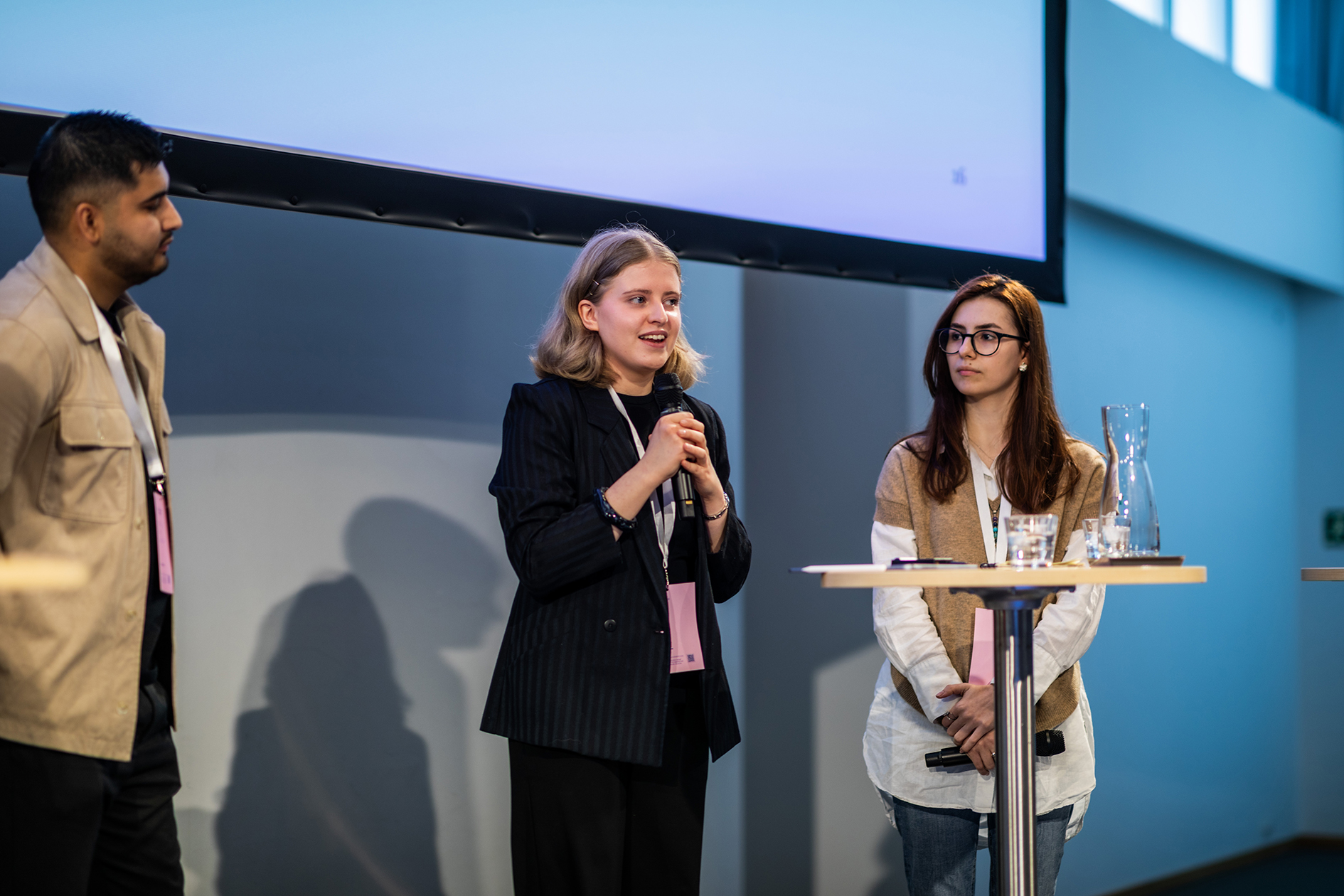
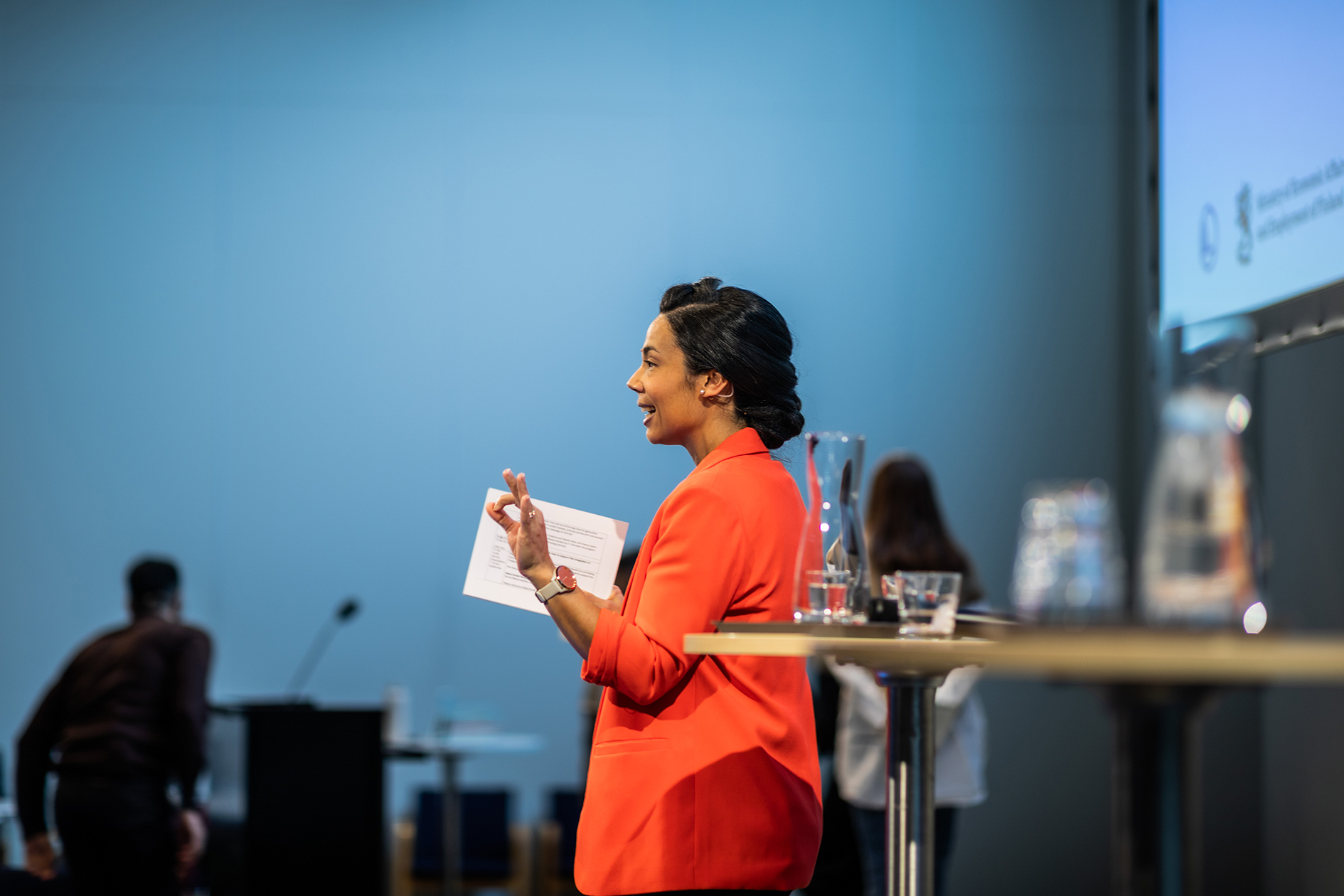
The second panel discussion of the conference involved a youth panel, focusing particularly on issues affecting young immigrants and children of immigrants. One main theme is the feeling among young people that they do not have a say in society’s decisions that affect them. The panel also discussed what youth organisations are doing to change this.
– Building trust through long-term commitment and creating a safe space is important. Young people also need tools to build positive relations with other young people. Influence and independence are also important, whereby the young people can advocate for themselves, says Catalina Negrei , explaining the Fryshuset way of work as a model that, in general, can work well in interacting with young immigrants. Fryshuset’s model creates inclusive, youth‑driven spaces where young people can explore their interests and take part in meaningful activities. By involving youth directly in decisions and adapting support to their needs, the model builds confidence and empowers young people to shape their own future.
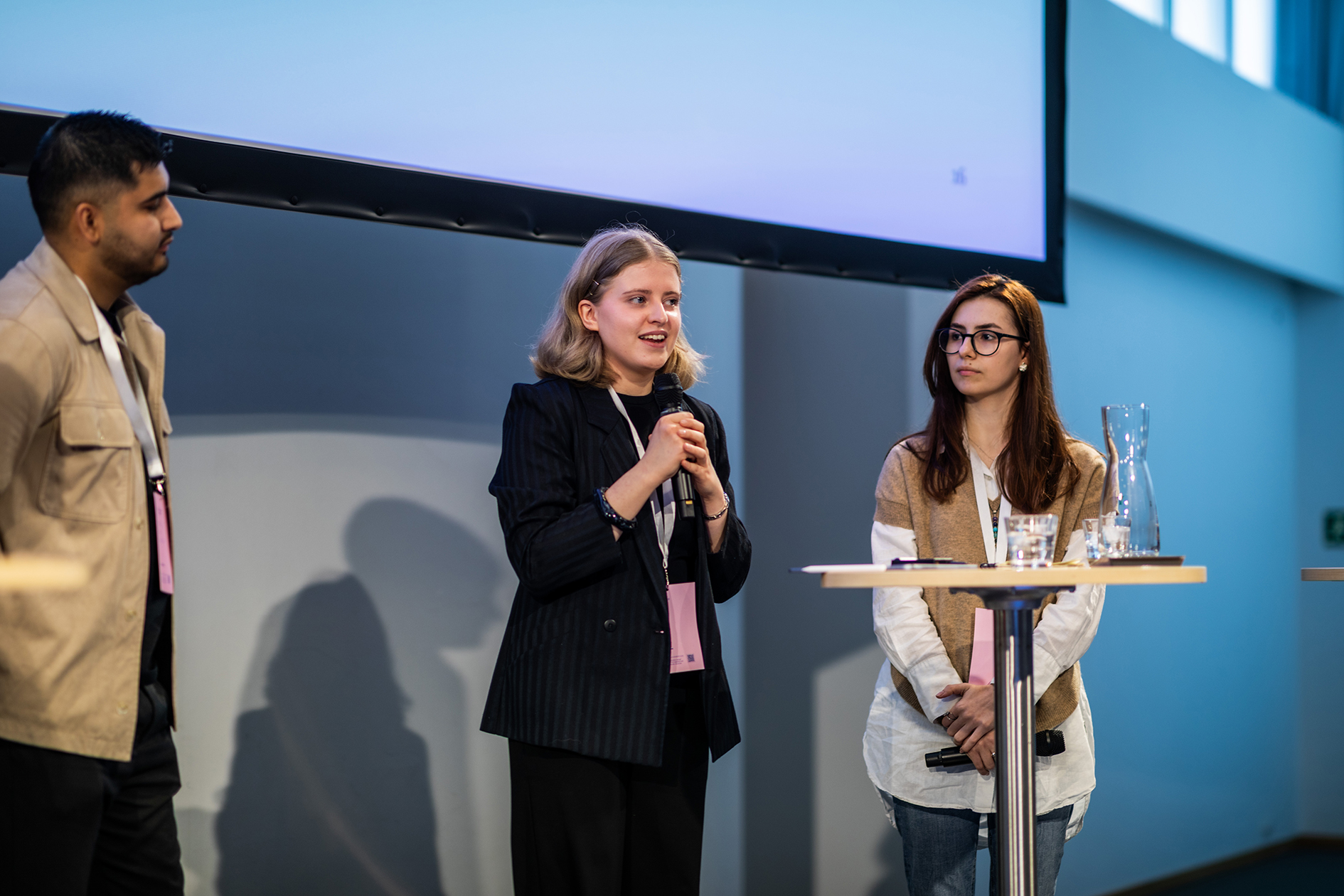
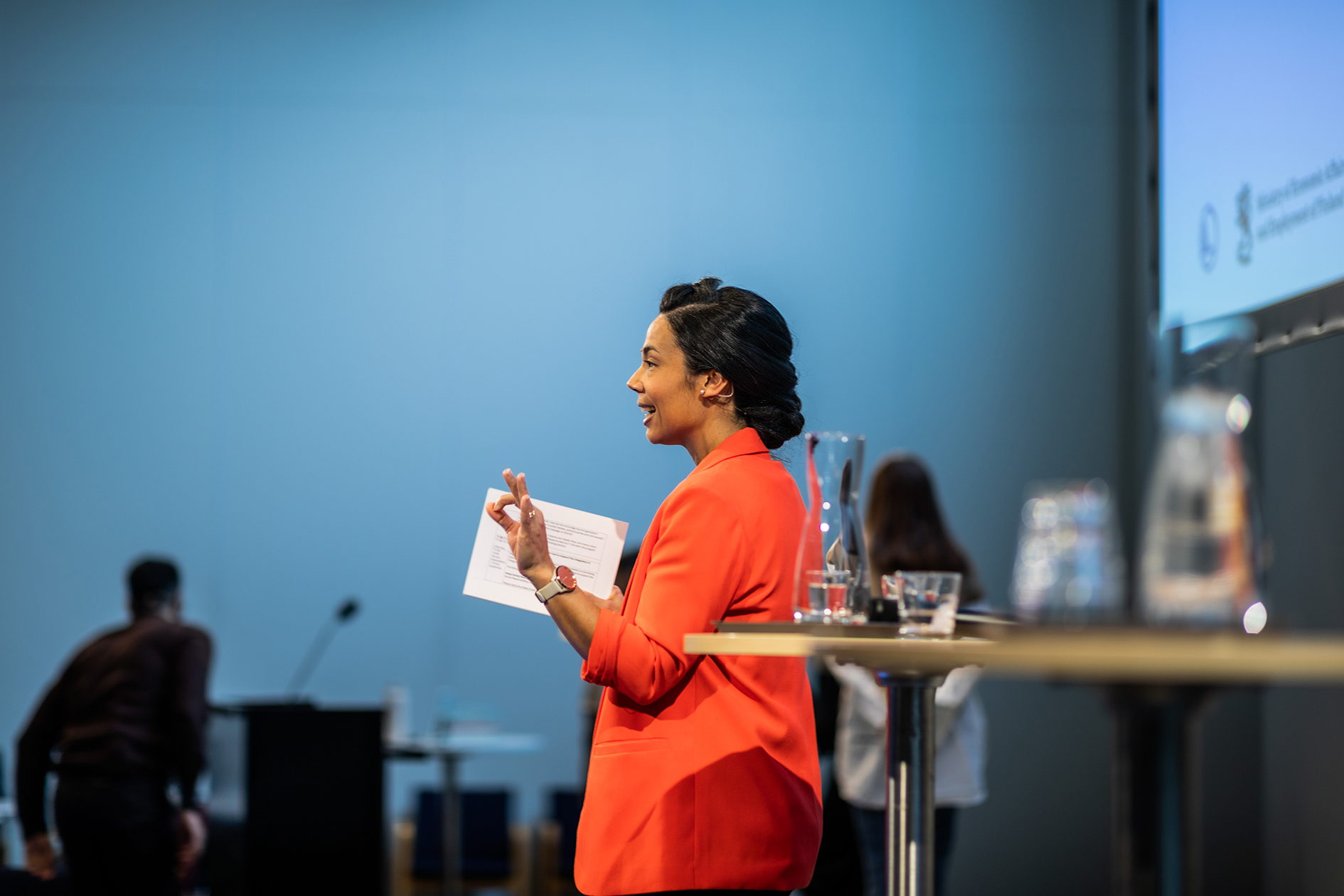
The discussion emphasised how civil society initiatives can prevent criminal behaviour among the second generation and highlighted the importance of offering second chances.
– If young persons have experienced a difficult life in their home country and then arrive in Finland only to find they can never truly feel part of society, this could lead them into a criminal lifestyle, Tabaw Quaderzada noted.
Having no hope for the future leads to a lack of engagement, because you feel your voice doesn’t matter, and on top of it, you feel people are prejudiced against you. Politicians need to take this seriously. Civil society is doing a great job, but we need the resources, Huhtala states.
– The main message we get from political narratives today is that immigrants are a burden to society. The children of migrants don’t want to be involved in politics because they feel they don’t have a space there, or that politicians only want to involve them to create a false sense of inclusion, Quaderzada adds.
Regarding practical solutions to increase the inclusion of children with migrant parents in public discourse, the panel highlighted the challenges posed by shrinking funding for civil society organisations, which makes this work more difficult. Mentoring programmes and safe spaces remain essential, as well as collaboration at various levels – from school-level to country-level.
– We need to give people hope for the future and make them feel at home. And we need to be curious about each other and non-judgemental. Additionally, young people need role models and representation in youth leadership and politics, Negrei says.
The panel discussion concluded with a focus on the slogan ‘nothing about us without us’ and how it can be applied to decisions affecting young immigrants and children of immigrants, agreeing that communication is key. Cecilia Huhtala delivered a clear message to policymakers.
– We need to give people hope for the future and make them feel at home. And we need to be curious about each other and non-judgemental. Additionally, young people need role models and representation in youth leadership and politics, Negrei says.
The panel discussion concluded with a focus on the slogan ‘nothing about us without us’ and how it can be applied to decisions affecting young immigrants and children of immigrants, agreeing that communication is key. Cecilia Huhtala delivered a clear message to policymakers.
Bring the young people to the table, and ask them directly. It shouldn’t be so hard.
– Stop making excuses. If you genuinely prioritise youth participation, you’ll find the answers, Catalina Negrei added.
The second panel discussion of the conference involved a youth panel, focusing particularly on issues affecting young immigrants and children of immigrants. One main theme is the feeling among young people that they do not have a say in society’s decisions that affect them. The panel also discussed what youth organisations are doing to change this.
– Building trust through long-term commitment and creating a safe space is important. Young people also need tools to build positive relations with other young people. Influence and independence are also important, whereby the young people can advocate for themselves, says Catalina Negrei , explaining the Fryshuset way of work as a model that, in general, can work well in interacting with young immigrants. Fryshuset’s model creates inclusive, youth‑driven spaces where young people can explore their interests and take part in meaningful activities. By involving youth directly in decisions and adapting support to their needs, the model builds confidence and empowers young people to shape their own future.
The discussion emphasised how civil society initiatives can prevent criminal behaviour among the second generation and highlighted the importance of offering second chances.
– If young persons have experienced a difficult life in their home country and then arrive in Finland only to find they can never truly feel part of society, this could lead them into a criminal lifestyle, Tabaw Quaderzada noted.
Having no hope for the future leads to a lack of engagement, because you feel your voice doesn’t matter, and on top of it, you feel people are prejudiced against you. Politicians need to take this seriously. Civil society is doing a great job, but we need the resources, Huhtala states.
– The main message we get from political narratives today is that immigrants are a burden to society. The children of migrants don’t want to be involved in politics because they feel they don’t have a space there, or that politicians only want to involve them to create a false sense of inclusion, Quaderzada adds.
Regarding practical solutions to increase the inclusion of children with migrant parents in public discourse, the panel highlighted the challenges posed by shrinking funding for civil society organisations, which makes this work more difficult. Mentoring programmes and safe spaces remain essential, as well as collaboration at various levels – from school-level to country-level.
– We need to give people hope for the future and make them feel at home. And we need to be curious about each other and non-judgemental. Additionally, young people need role models and representation in youth leadership and politics, Negrei says.
The panel discussion concluded with a focus on the slogan ‘nothing about us without us’ and how it can be applied to decisions affecting young immigrants and children of immigrants, agreeing that communication is key. Cecilia Huhtala delivered a clear message to policymakers.
– We need to give people hope for the future and make them feel at home. And we need to be curious about each other and non-judgemental. Additionally, young people need role models and representation in youth leadership and politics, Negrei says.
The panel discussion concluded with a focus on the slogan ‘nothing about us without us’ and how it can be applied to decisions affecting young immigrants and children of immigrants, agreeing that communication is key. Cecilia Huhtala delivered a clear message to policymakers.
Bring the young people to the table, and ask them directly. It shouldn’t be so hard.
– Stop making excuses. If you genuinely prioritise youth participation, you’ll find the answers, Catalina Negrei added.