3. Facts and figures in the Nordics
Commissioned by the Nordic Council of Ministers, the following two presentations at the conference introduced new and previously unpublished analyses of facts and figures on immigration and integration. This chapter is an overview of the key findings from these presentations and the researchers’ conclusions based on the findings.
Research shows that the Nordic integration outcomes vary substantially between countries and between different groups of descendants. Still, long‑term investments in integration, education, and access to the labour market are producing positive effects – even as descendants of migrants continue to face barriers such as discrimination, overqualification, and growing up on average in low-earning socioeconomic families more frequently than the average Nordic child.
Research presentation: State of immigrant integration in the Nordics
Knowledge base for the talk
Senior Economist Emily Farchy drew on an OECD report (2025) titled State of immigrant integration – Nordic countries. The report was commissioned by the Nordic Council of Ministers.
The report is available at:
This report provides a comprehensive overview of immigrant integration in Denmark, Finland, Iceland, Norway, and Sweden. It examines integration across the labour market, education, language learning, social outcomes, and civic participation, with particular attention to specific groups such as humanitarian migrants and children of immigrants. The analysis highlights both the strengths of the Nordic model – high employment, strong participation in education and training, and inclusive welfare institutions – and the challenges that remain in ensuring equal opportunities and long-term social cohesion.
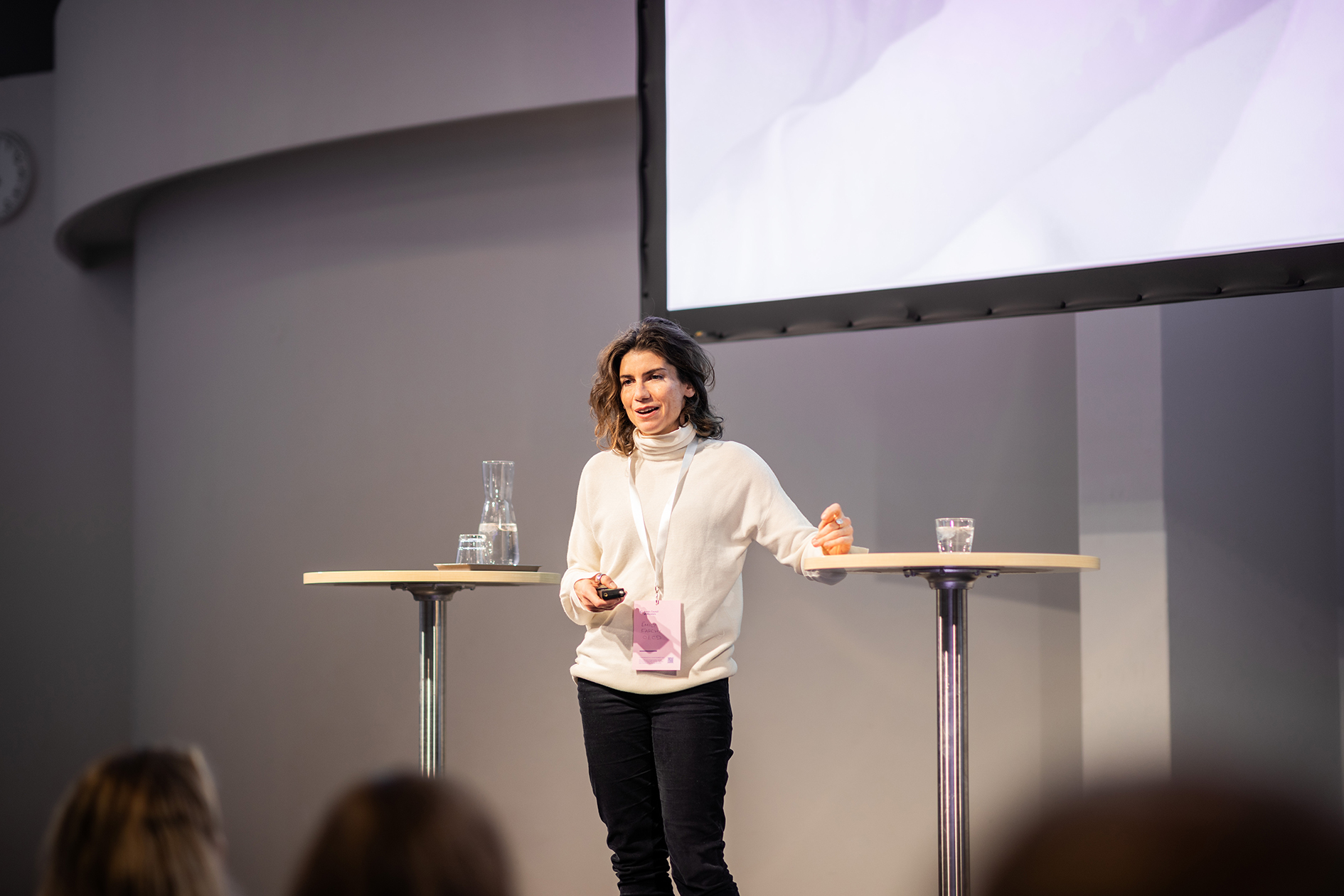
Senior Economist Emily Farchy at the OECD emphasised that integration is inherently complex and unfolds over many years. Although public debate has become increasingly negative, she pointed out that earlier investments are beginning to show results.
Actually, the Nordics are doing quite well, reflecting the outcomes of policies implemented seven to ten years ago. I believe this period of supporting and investing in integration does seem to have some advantages, especially compared to other countries that haven’t invested in similar integration programmes.
In conclusion, Emily Farchy noted that immigration outcomes in the Nordics are highly varied and context-dependent. In particular, employment rates among foreign-born individuals are significantly lower in some groups and lag behind those of the native-born population.
Before turning to recent immigration statistics and her overall assessment of integration trends, Farchy outlined the substantial differences in immigration histories across the Nordic countries. A country’s historical approach to immigration strongly shapes its current outcomes, which the Nordic region illustrates clearly.
– The Nordic countries are generally quite different when it comes to integration. They have diverse immigration histories and varying compositions of migrant populations. The characteristics shared by the Nordics include similar labour markets and social protection standards, in addition to linguistic disparities, which create barriers that you don’t see, for example, in France or the UK.
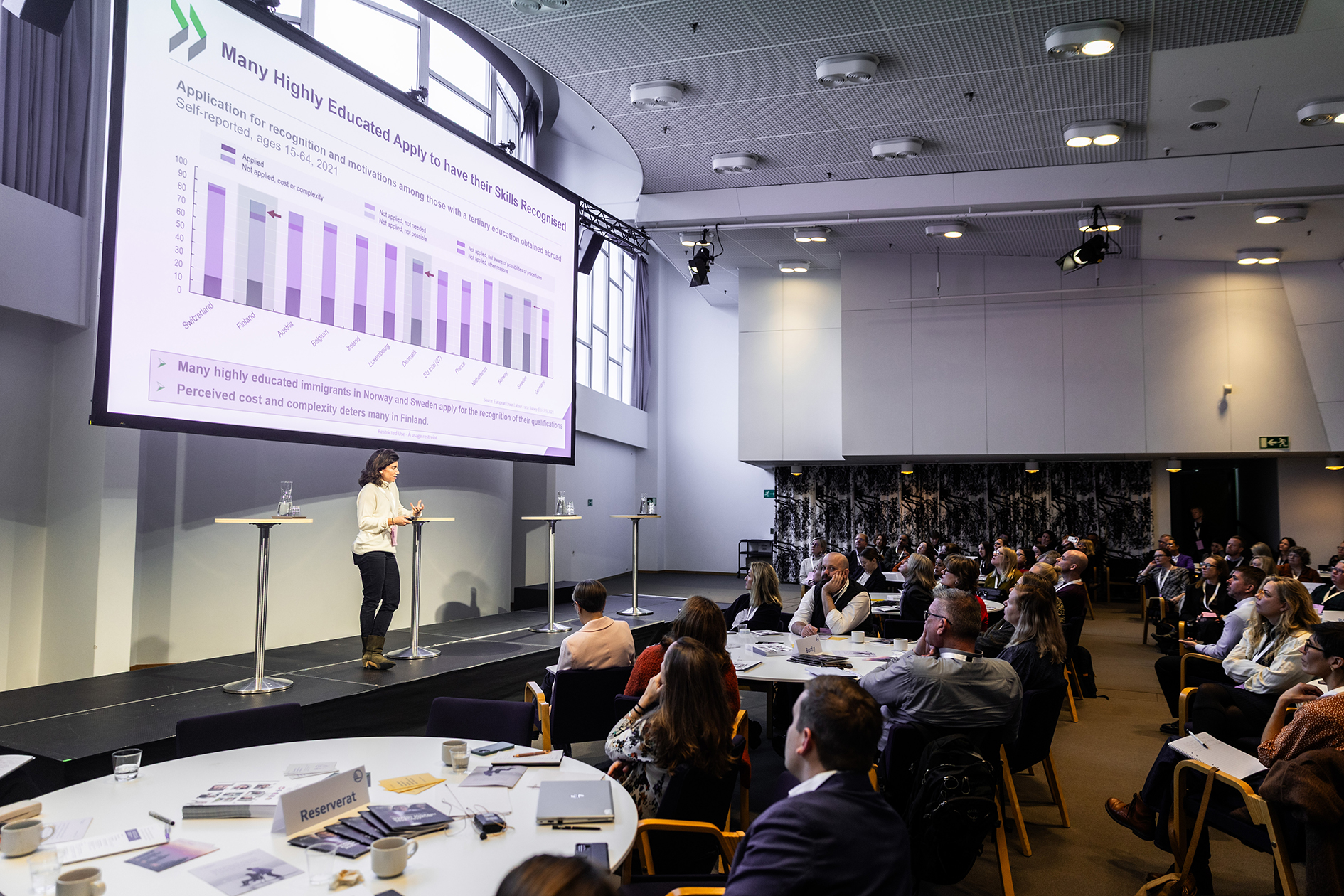

Sweden has a long-established immigrant population with a significant number of humanitarian migrants. Denmark is an established destination for migrants, while Norway has a moderate history of immigration. Finland is a relatively recent country of immigration, and Iceland’s immigration history is very recent. The proportion of immigrants among the total population is lowest in Finland (under 10%) and highest in Iceland (over 20%).
– In Sweden, and to some extent in Finland and Norway, humanitarian migrants make up a larger share of the population than in many other OECD countries.
On average, humanitarian migrants have a low or a very low level of education. This can influence and prolong their integration pathways in countries where the native-born population has very high educational attainment.
But Emily Farchy also noted that compared to humanitarian migrants in other OECD countries, a larger proportion has a high level of education. They encounter unique challenges, different from those of the low-skilled population. These non-EU-born individuals are often overqualified, and their skills go unused, particularly in Finland, Iceland, and Norway.
– In terms of employment rates, those born outside the EU and many who arrived for humanitarian reasons are less likely to find work. However, the employment rates of non-EU immigrants are not low in international comparison, especially considering the composition of the migrant population and the high-skilled Nordic labour market.
Emily Farchy notes that opportunities for upskilling are widespread in the Nordics. Among those with lower levels of education, many receive adult education and training during the integration process. At the same time among highly educated immigrants in Norway and Sweden, many apply for recognition of their qualifications. In Finland, however, many are deterred by the perceived costs and complexity to apply for recognition of former education.
We often bemoan the difficulties in bringing migrants into the highly skilled labour market and the fact that the integration processes take a long time. Those with strong skills could be utilised more effectively, and it is clear that overqualification remains a concern.
Emily Farchy observed that among young migrants and children of immigrant parents, the number of those not in employment, formal education, or training (NEET) is relatively small in the Nordics, compared with international averages.
Emily Farchy also noted that language skills are key to students’ overall academic success.
According to PISA results, reading score disparities are significant across all Nordic countries compared to the overall EU and OECD averages. Additionally, there are gaps in reading scores between native-born children of native-born parents and children with foreign-born parents. These differences are particularly pronounced in Finland.
– Much of this is likely explained by language. It is common for many migrants to fall behind, particularly in countries where the national language poses a significant challenge. If the family does not speak the host country’s language, formal childcare can play a very important role in helping the child learn it.
Migrant children’s integration also affects their aspirations and perceptions. Despite significant disparities, employment rates of female migrants are relatively high in the Nordics, which can boost the aspirations of the next generation.
– Seeing their mothers work and realise that they can earn a living is very important for the success of children with migrant parents.
Migrant children’s integration also affects their aspirations and perceptions. Despite significant disparities, employment rates of female migrants are relatively high in the Nordics, which can boost the aspirations of the next generation.
– Seeing their mothers work and realise that they can earn a living is very important for the success of children with migrant parents.
Research presentation: What does research say about migrants’ descendants in the Nordic labour market?
Knowledge base for the talk
Senior researcher Debora Birgier talked on the basis of a Nordregio report (2025) titled Labour market integration of migrants’ descendants in the Nordic countries. The report was commissioned by the Nordic Council of Ministers.
The report is available at:
This scoping literature review examines the labour market integration of migrants’ descendants across Nordic welfare state contexts. Despite the region’s comprehensive welfare infrastructure and documented patterns of intergenerational socioeconomic mobility, substantial structural disadvantages persist in this population’s attainment of economic parity with peers of native parentage. Drawing upon multidisciplinary scholarship published since 2010, this review synthesises empirical evidence concerning employment outcomes, human capital utilisation, and the institutional and social mechanisms underlying persistent labour market inequalities.
The second presentation narrowed the focus down to the main theme of the conference, children of migrants. Senior research fellow Debora Birgier provided a brief overview of the key findings from a scoping literature review and her conclusion was, the descendants of immigrants are making progress in the labour market, but they still do not match their peers with native-born parents.
Birgier's explained that the term migrant descendants refer to the children, grandchildren, and subsequent generations of immigrant families. In her presentation she used the definition employed by the Nordic Statistical Database, which defined the descendants as individual born in one of the Nordic countries with two parents born abroad.
In Sweden, migrant descendants account 7% of the total population, while in the rest of the Nordic countries their share is smaller. Although children of migrants currently represent a small proportion of the working-age population in the Nordic countries, their share is increasing.
The main findings from the literature review suggest that the descendants of migrants still face disadvantages in the labour market, with outcomes varying between different groups and by gender.
Descendants of migrants generally have high educational aspirations. But educational attainment does not always guarantee an equal outcome in the labour market compared to individuals who are not of migrant background.
– In the literature review, we found papers focusing on discrimination in hiring, suggesting it still exists and also affect the descendants of migrants.
What the literature review also indicated were signs of labour market sorting. There is a higher concentration of migrants and to some extent also their descendants in certain jobs in the labour market compared to the native population. Birgier gave an example from Norway, where a research paper showed that most non-migrant natives worked in organisations with a limited number of migrants.
– In the literature review, we found papers focusing on discrimination in hiring, suggesting it still exists and also affect the descendants of migrants.
What the literature review also indicated were signs of labour market sorting. There is a higher concentration of migrants and to some extent also their descendants in certain jobs in the labour market compared to the native population. Birgier gave an example from Norway, where a research paper showed that most non-migrant natives worked in organisations with a limited number of migrants.
– The situation for migrants is different. They typically work in organisations with higher proportions of migrants, and their income levels are lower. The work situation of descendants of migrants falls between the two, doing better than migrants but not as well as the native population.
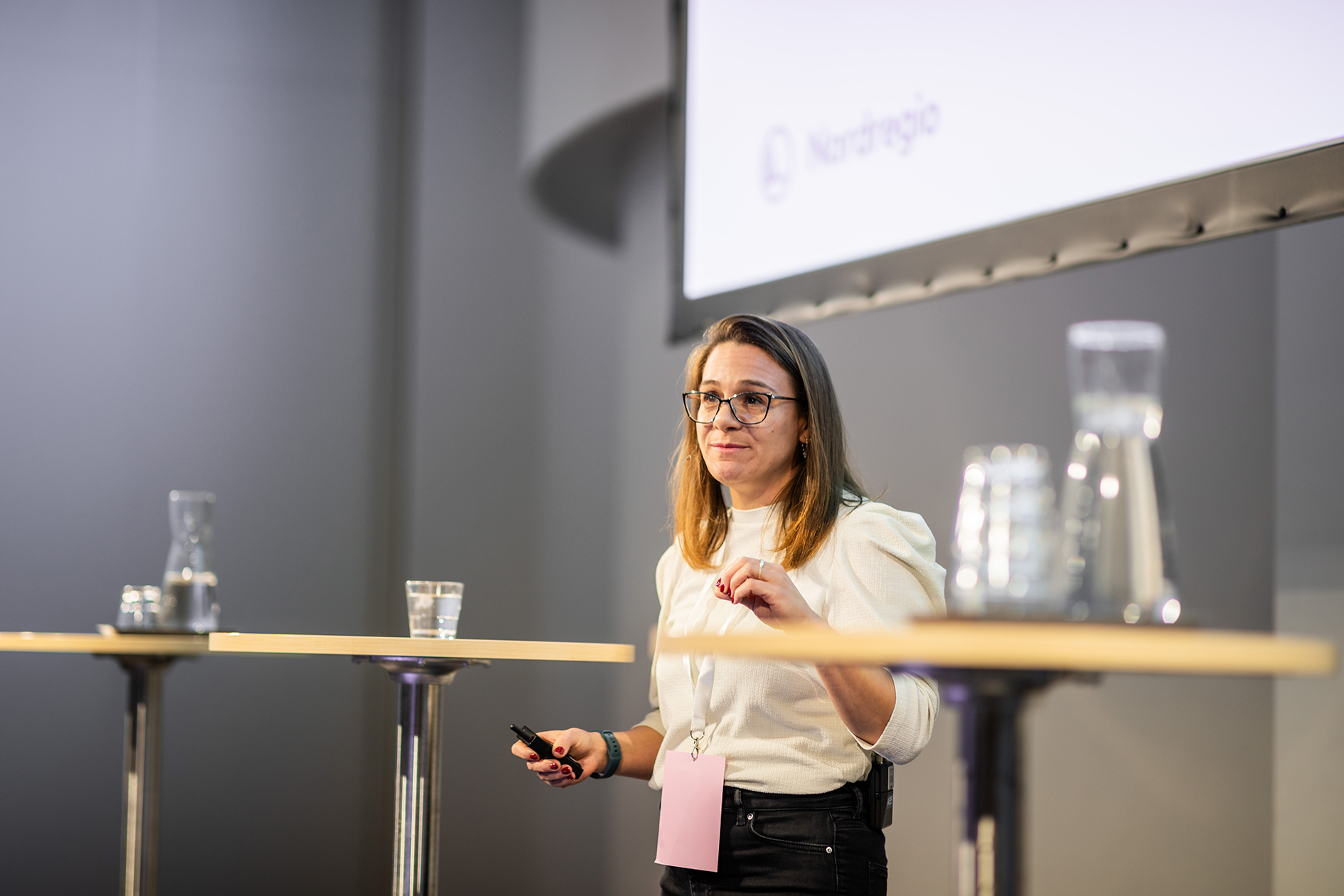

Another research paper in the review shows that income differences between migrants and natives with the same education can be significant. The difference is smaller for descendants of migrants, but it still not equal to that of the native population. However, once controlling for occupation and organization, the gaps are reduced and become non-significant for most descendants’ groups.
Labour market sorting can be explained by both discrimination and the descendants’ own strategies. Discrimination is evident, according to research that has tested callback rates for equal job applications with different names.
– In all the Nordic countries, the callback rate for individuals with a foreign-sounding name is lower compared to natives.
– In all the Nordic countries, the callback rate for individuals with a foreign-sounding name is lower compared to natives.
Another explanation for labour market sorting may be strategies that immigrants themselves engage in.
– There are papers which suggest that descendants of migrants use different strategies in the labour market to some extent to avoid discrimination by choosing the right job, adapting their cultural habits, or otherwise changing their behaviour to fit in.
We do observe clear intergenerational mobility, and the descendants of migrants have higher educational aspirations. They want to be part of the educational system, engage with society, and integrate.
– Some key insights are that many of the disadvantages faced by descendants of migrants are related to their socioeconomic background and the environment in which they grew up, not solely to their immigration status. Additionally, we know there is heterogeneity by gender and the parents' country of origin that influences their outcomes.