1. Introduction
The number of individuals born in Nordic countries to immigrant parents is growing. The second generation experiences a different reality compared to their parents, shaped both by their parents’ cultural and migration backgrounds and their own upbringing in Nordic societies.
This report provides an overview of the discussion and topics raised at the Annual Nordic Conference on Integration in Helsinki in 2025. The conference focused on a rapidly growing group of the Nordic population. Across all Nordic countries, the share of individuals with parents born outside the region continues to rise. As this group ages, it plays an increasingly significant role in shaping the Nordic countries’ democracies and welfare systems. The conference programme was designed to give a broad overview of the key areas affecting the integration outcomes and well-being of this group, both in policy and practice.
The conference opened with political remarks from Karen Ellemann, Secretary General of the Nordic Council, and Arsim Zekaj, Minister of Health and Social Affairs from Åland. Their introduction was followed by a thought‑provoking speech by writer and stand-up comedian Melody Farshin from Sweden. Two reports were then presented to provide an overview of educational outcomes, labour‑market participation, and demographic developments across the Nordic region. After this, three researchers from different Nordic countries shared insights on how integration is measured, how the population group experiences belonging and acceptance, and how policies targeting first‑generation migrants can create intergenerational effects.
The second day began with another thought‑provoking keynote, delivered by Mustafa Panshiri, author and lecturer on issues of integration. A panel discussion followed, featuring three experts from youth organisations working to amplify young people’s voices and strengthen the participation of children of migrant parents in democratic processes. The programme continued with three presentations showcasing promising practices that support the belonging and well-being of children of migrant parents. The conference concluded with an invitation by Rasmus Stoklund, the Danish Minister for Immigration and Integration, to attend the 2026 Integration Conference in Copenhagen.
In what follows, this report will discuss main points and conclusions raised by the experts speaking at the conference in 2025. The experts explored the theme from different angles, including new figures on second-generation outcomes in education, employment, and social participation, as well as policies and practices to bridge socioeconomic gaps and foster belonging across generations. To gain a deeper understanding of the knowledge behind the different parts of the report, tap the link at the top of each section guiding you to the research or programmes discussed in the presentation.
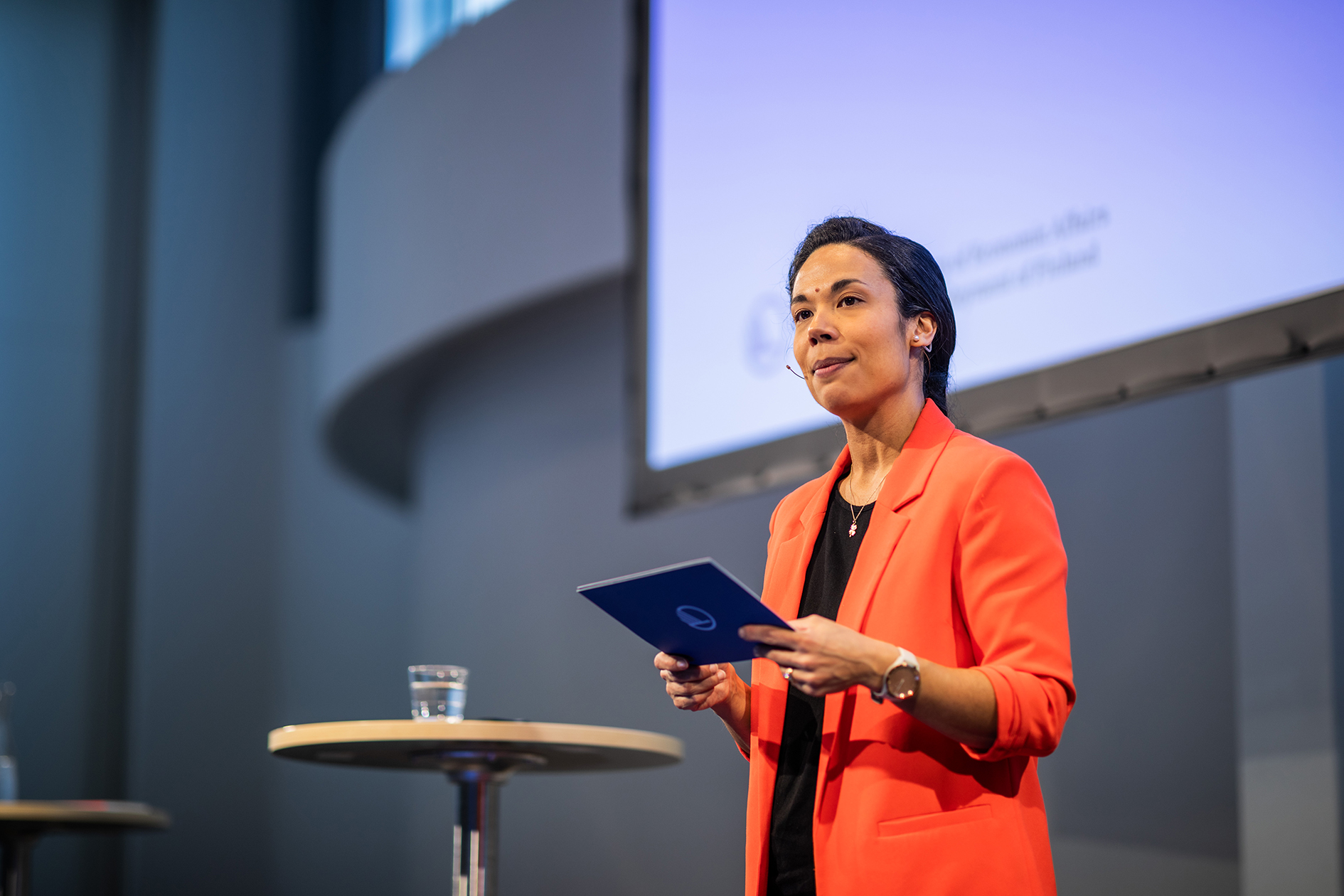
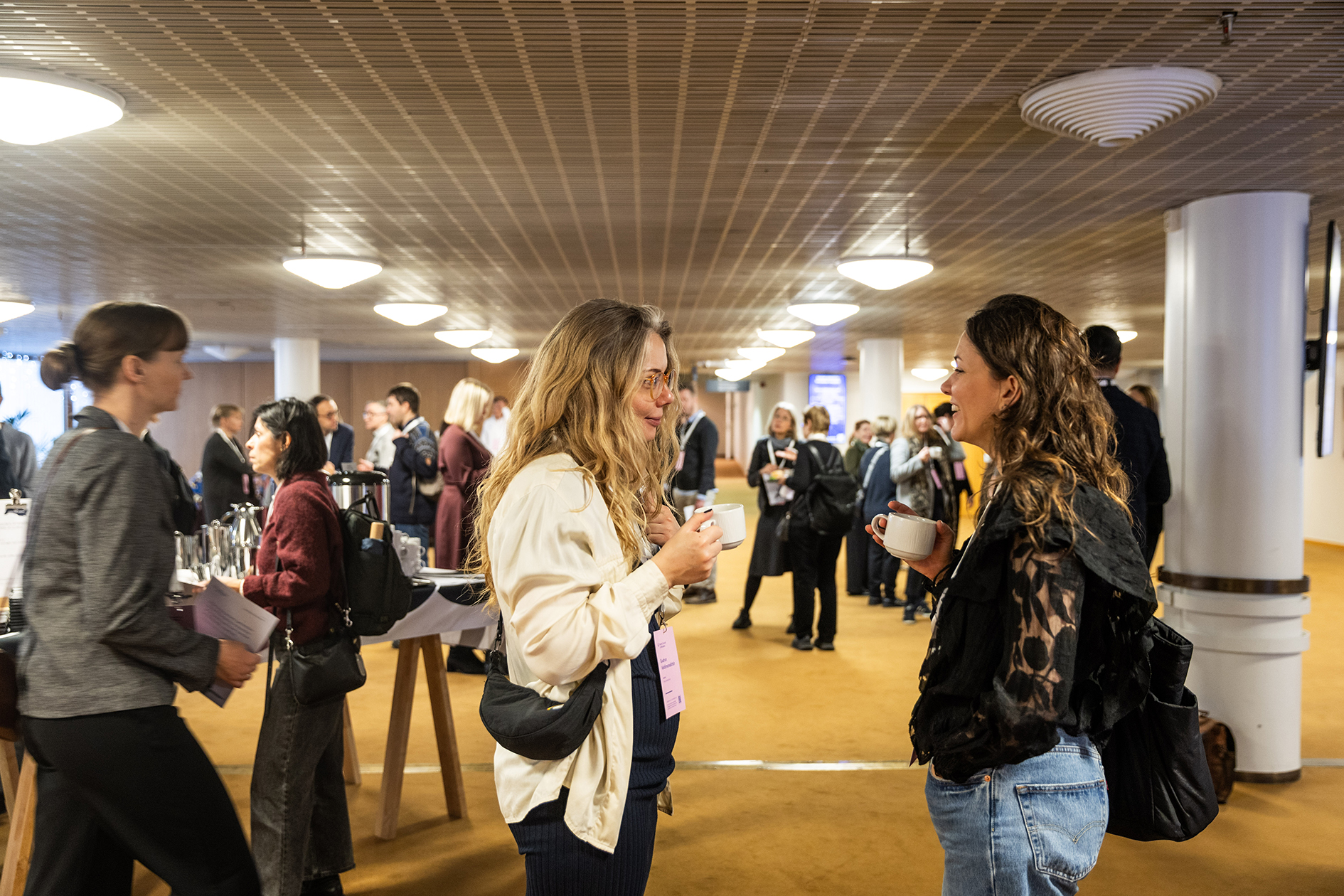
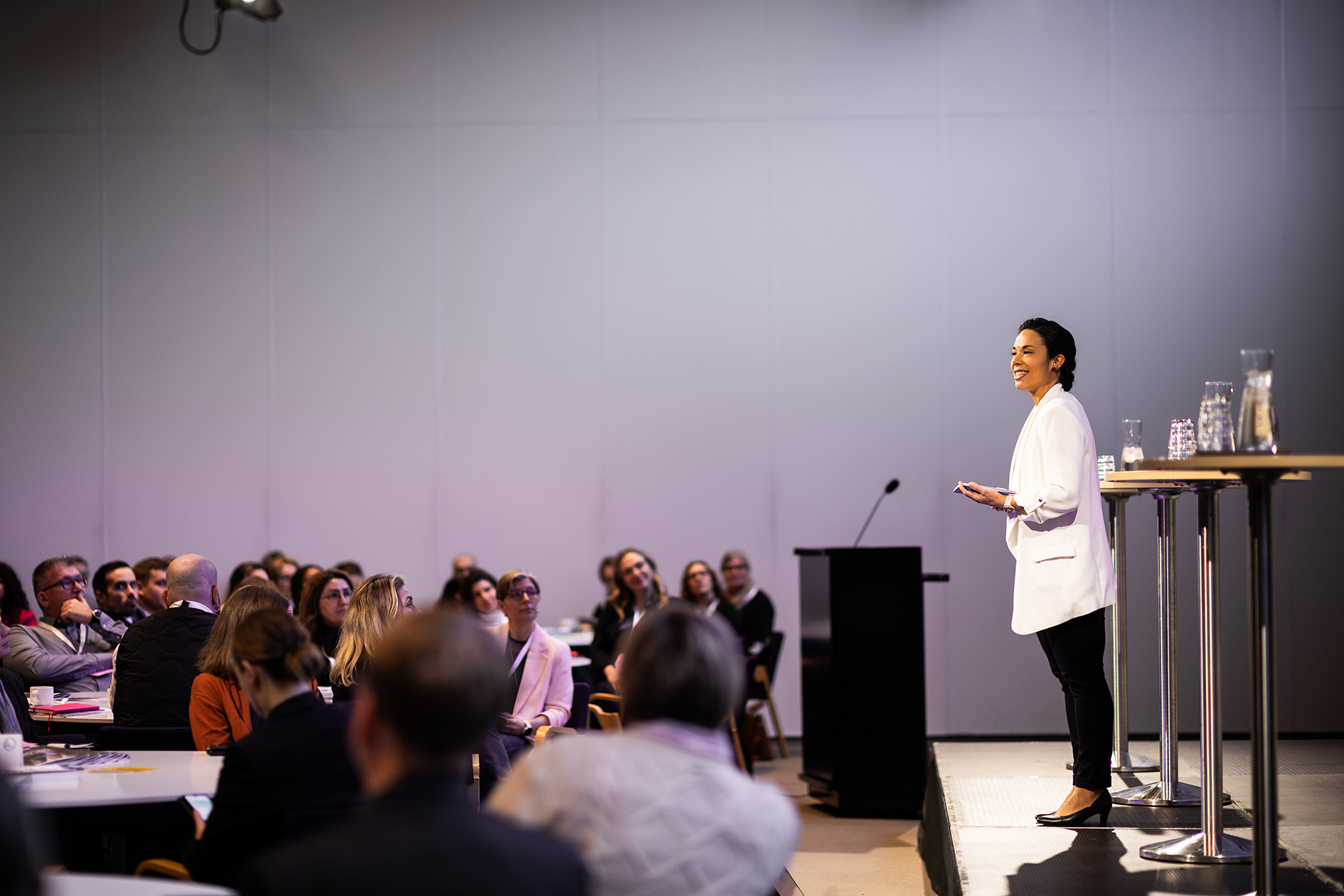
The conference was organised by the Ministry of Economic Affairs and Employment in Finland, the Nordic Council of Ministers, and the Nordic Welfare Centre under the 2025 Finnish presidency of the Nordic Council of Ministers. The conference, titled How is the second generation doing? Promoting integration of migrants and their families in the Nordic countries, was held at Finlandia Hall in Helsinki on 24–25 November 2025. The conference brought together policymakers and experts working on integration and was moderated by Shadia Rask, Entrepreneur and Professor of Practice at Hanken School of Economics. This report is written by freelance journalist Sebastian Dahlström and edited by the Nordic Welfare Centre.