Photo 16. Vigelandsparken, Oslo, Norway (photo by Nick Night/Unsplash).
4. Mapping of tree species diversity in Nordic cities
Species diversity in Nordic cities
The distribution and diversity of tree species is a crucial issue for our cities, particularly in creating healthy urban environments that not only provide ecosystem services today but are also robust enough to withstand future challenges such as climate change and (often associated) emerging plant diseases. As tree diversity is also closely linked to the implementation of the 3+30+300 principle, for example, in terms of developing a diverse and resilient urban forest and ensuring tree canopy cover in the longer term, the aspect of tree diversity in the Nordic cities was given specific attention in the Yggdrasil project.
The study was divided into three main parts. The first part focused on mapping the distribution of tree species in five Nordic cities, based on their existing tree databases, to understand the current state. The second part examined, as a case study, which tree species are being planted in Sweden today and at what ratio, using sales data from four of the largest Swedish tree nurseries. By analysing both the current state and contemporary planting trends, we have gained insights into how the future urban tree population may develop. The third and last part focused on exploring the impacts on climate adaptation, including biodiversity, by making climate impact predictions for a number of different species. This work also links closely to the climate analyses presented in Chapter 3.
The study was divided into three main parts. The first part focused on mapping the distribution of tree species in five Nordic cities, based on their existing tree databases, to understand the current state. The second part examined, as a case study, which tree species are being planted in Sweden today and at what ratio, using sales data from four of the largest Swedish tree nurseries. By analysing both the current state and contemporary planting trends, we have gained insights into how the future urban tree population may develop. The third and last part focused on exploring the impacts on climate adaptation, including biodiversity, by making climate impact predictions for a number of different species. This work also links closely to the climate analyses presented in Chapter 3.
Tree species distribution in the partnering cities
Five of the partnering cities supplied data from their tree database showing the distribution of tree species on public land in the cities (Table 9). The analysis is only done for the data provided, and the quality and density of the data is widely differing between the cities, therefore the findings should be seen only as preliminary.
The results reveal significant variation in the distribution of tree species across the different cities. Malmö, for example, has a very broad species distribution, with a total of 1,036 different taxa (species and varieties) of trees. This is a notably high diversity, even on a global scale. One reason for Malmö’s broad distribution of species is the city’s experience with Dutch elm disease, which caused the loss of a substantial part of Malmö’s urban tree population due to the elm’s dominance. Between the 1980s and the 2000s, around 45,000 elms were felled on both public and private land in the city. To put this in perspective, Malmö today has 91,079 trees in its database. If Dutch elm disease were to hit Malmö today, and the elm was as common as it once was, almost half of the city’s trees would be lost. This crisis has led Malmö to establish clear goals for maintaining a broad species distribution.
The importance of a good species distribution to reduce the risk of mass losses due to disease outbreaks is something that has been discussed for a long time. Barker (1975) was one of the first to suggest the use of a broad range of species. He recommended that no given species should account for more than 5% of the total tree population. Smiley et al. (1986) and Miller and Miller (1991) suggested that the maximum share of any species should be less than 10% of the population. Grey and Deneke (1986) presented a similar view, stating that one species should not amount to more than 10–15% of the total population. In a refined model, Moll (1989) recommended that no species should exceed 5% of a city’s tree population and that no genus should exceed 10%. Santamour (1990) extended the recommendations even further to include a recommended maximum use of species and genera from the same family, suggesting that no species should represent more than 10%, no genus more than 20%, and no family more than 30% of the population. Such strategic recommendations for species choice are important guidelines for more diverse use of tree species in the urban environment. Even though the Santamour rule of thumb has been in use for over 30 years, it is still the most widely recognised and used recommendations for species distributions within urban forestry.
When we look at Malmö’s species distribution according to the Santamour model we see that the city is outside the danger zone, with figures of 6-10-26 (compared to Santamour’s thresholds of 10-20-30). This means that the most common species, Swedish whitebeam (Sorbus intermedia), accounts for only 6% of the population, while the most common genus, maple (Acer), represents 10%, and the most common family, the rose family (Rosaceae), makes up 26%. However, none of the other analysed cities meet the Santamour model’s recommendations.
Table 9. Tree species distribution in the partnering cities, scores marked in red surpass the threshold.
City | Santamour-ratio (10-20-30) | Most common species (%) | Most common genus (%) | Most common family (%) | Number of trees in database | Ratio native/ exotic trees | Population* | Trees in database per capita |
Malmö | 6-10-26 | Swedish whitebeam (Sorbus intermedia) 6% | maple (Acer) 10% | Rose family (Rosaceae) 27% | 91,079 | 51/49% | 362,133 | 0.25 |
Bergen | linden (Tilia sp.) 55% | linden (Tilia sp.) 55% | Mallows (Malvaceae) 55% | 1,779 | 56/44% | 291,940 | 0.006 | |
Umeå | silver birch (Betula pendula) 56% | birch (Betula) 60% | Birch family (Betulaceae) 62% | 30,915 | 92/8% | 130,224 | 0.24 | |
Stavanger | sycamore maple (Acer pseudoplatanus) 16% | maple (Acer) 23 % | Soapberry family (Sapindaceae) 24% | 6,563 | 60/40% | 237,369 | 0.027 | |
Kolding | Norway maple (Acer platanoides) 12% | linden (Tilia) 23% | Mallows (Malvaceae) 23% | 11,873 | 75/25% | 62,444 | 0.19 |
* From WIkipedia “City” or “Urban”
In fact, the only participating city that does not exceed the recommended thresholds of the Santamour model (10-20-30) is Malmö. All other participating cities exceed at least one of the maximum thresholds for share of species, genus, and/or family. Bergen exceeds this by far, but the amount of trees in their database, 1,779, shows that there is a lot unknown. When it comes to Umeå we see that their database includes a lot of trees, therefore their data could be seen as more reliable than the one from Bergen. Umeå with their result of 56-60-62 regarding the Santamour model has a high risk in its urban forest. If a new disease that affects birch enters the city the impact would be catastrophic, even worse than when the Dutch elm disease entered Malmö in the early 1980s.
When looking at the distribution of native and exotic trees we see that Malmö has a large amount of exotic trees with a distribution of 51% native and 49% exotic trees. Others of the participating cities that have a fairly large distribution of exotic trees are Bergen with 44% exotic trees and Stavanger with 40% exotic trees. Umeå had the largest distribution of native trees with only 8% exotic trees.
In addition, it’s worth noting that the number of inventoried trees per capita / inhabitant varies significantly between cities. For instance, Malmö has 0.25 and Umeå 0.24 surveyed trees per capita, while Bergen has only 0.006. This could be an indication of how much resources each city invests in analysing its urban trees per capita.
Conclusion
Many Nordic cities are struggling with tree diversity, making them more vulnerable to climate change and emerging plant diseases - something which also impacts the implementation of the 3+30+300 principle. This, in particular, is clear when it comes to cities in the northern part of the Nordics, where the current climate is inhibiting the use of many species that cannot handle the cold winters. With a changing climate come new challenges, and it is important for the cities in the northern parts of the Nordics to start adapting to the coming climate in a proactive way.
By developing policies and learning from cities that already have been affected by plant diseases and climate change, with Malmö as a clear example, Nordic municipalities should start planting more diverse in an effort to reach the recommendations of the Santamour model or better as soon as possible. The use of exotic trees is a part of the solution, however, it is crucial to use exotic species with care and assess the risk of invasiveness before planting the species in large numbers. Therefore, it is important to follow the respective country's recommendations to avoid use of invasive species. There is also a need for using a broader variety of native trees. A city like Umeå for instance, has a lot of native trees to choose from that aren’t already overused, such as linden (Tilia sp.), Norway maple (Acer platanoides), English oak (Quercus robur), and many more.
In conclusion, many cities are on the right track, but there remains a substantial need to work more strategically, both in mapping their existing tree populations and in ensuring greater species diversity in future plantings.
In conclusion, many cities are on the right track, but there remains a substantial need to work more strategically, both in mapping their existing tree populations and in ensuring greater species diversity in future plantings.
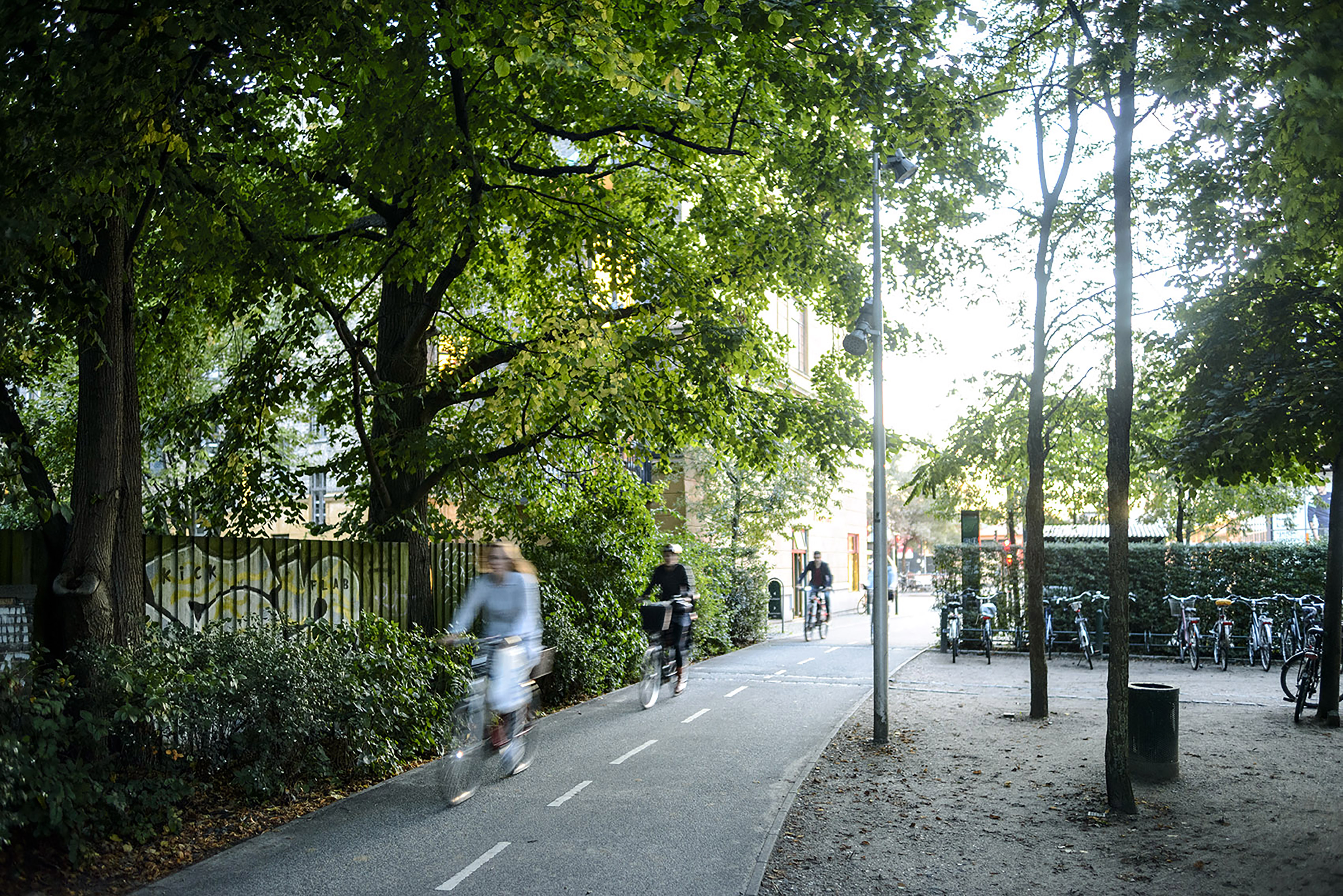
Photo 17. Den Grønne Sti, Copenhagen, Denmark (photo by Supercykelstisamarbejdet, hovedstadsregionen.
Distribution of tree species planted in Sweden in 2023
The second part of the study investigated current planting practices, giving us a glimpse into the future tree population. For this project, only Swedish nursery data from 2023 was collected and analysed. A total of 29,707 single stem trees were sold during the period in question, with a native-to-exotic species ratio of 53% native and 39% exotic (Table 10), the remaining 8% are trees that could not be defined as native or exotic due to lack of data. The most common species, silver birch (Betula pendula), with 2,819 sold, is accounting for just over 9% of the total. The most common genus was cherries (Prunus), with 4,816 sold trees (16% of the total), and the most common family was the rose family (Rosaceae), comprising 41% of the sold trees. According to the Santamour model, this would result in percentages of 9-16-41, indicating that current tree planting practices are relatively diverse at the species and genus levels, but too uniform at the family level.
Summary | Amount | Percentage |
Total amount of trees sold | 29,707 | 100% |
Number of exotic trees sold | 11,653 | 39% |
Number of native trees sold | 15,658 | 53% |
Number of “unknown”* trees sold | 2,396 | 8% |
Number of “unknown” and native trees sold together | 18,054 | 61% |
*Trees that could not be categorised as native nor exotic due to insufficient data, for example “oaks” (Quercus sp.) that could be any oak, both native or exotic species of oaks.
Table 10. The species composition of the Swedish nurseries sales of trees during 2023.
The rate between native and exotic tree species being sold (and therefore planted) in Sweden during 2023 differs from the trees that were within the tree databases of the participating cities. When looking at Malmö as an example, we can see that Malmö has a larger rate of exotic trees (51%) than is planted today in Sweden (39%). Therefore, if Malmö planted like the average Swedish city currently does (based on the sales data), the rate of exotic trees in the city would decrease. On the other hand, if a city like Umeå planted similarly to the average Swedish city, the rate of exotic trees in this city would increase. Their tree diversity would also increase significantly compared to what it is today.
When analysing the data, we also saw a trend that around 42% of the trees that are planted are of species that would rarely reach a height over 15 metres (Table 11). These tree species are in this report referred to as “ornamental trees” whereas the trees that, under normal conditions, would reach a height over 15 metres are referred to as “shade trees”. Ornamental trees are important to create interesting and aesthetically pleasing areas, but by increasing the amount of shade trees being planted in the Nordic cities, we could reach the goal of 3+30+300 much faster due to the fact that large canopy trees are providing more shade and other regulating ecosystem services than ornamental trees. Regardless of the growth rate of a tree species, a shade tree will probably within not more than 20 years after planting significantly outperform an ornamental tree in contributing to the 3+30+300-rule.
Size | Number of trees | Percentage of total |
Expected max. height <7 m | 4,036 | 14% |
Expected max. height 8–14 m | 8,301 | 28% |
Expected max. height >15 m | 17,370 | 58% |
Table 11. The expected maximum height of trees sold by nurseries in Sweden in 2023.
When looking at the most commonly sold trees in Sweden in the year 2023 (Table 12), we find sargent cherry (Prunus sargentii) in third place. This is interesting because even though some literature states that the sargent cherry could potentially reach a height of >15 m, when looking at the tree in an urban context, they rarely reach heights over 10 m. At the same time the species is often planted in large open areas where we could fit much larger trees (Photo 18).
Place | Species | Number of sold trees | Percentage of total |
1 | Silver birch (Betula pendula) | 2,819 | 9.4% |
2 | Norway maple (Acer platanoides) | 2,334 | 7.8% |
3 | Sargent cherry (Prunus sargentii) | 1,520 | 5.1% |
4 | Small-leaved linden (Tilia cordata) | 1,239 | 4.1% |
5 | English oak (Quercus robur) | 1,076 | 3.6% |
Table 12. The five most commonly sold species in Sweden in 2023 based on the result from the study.
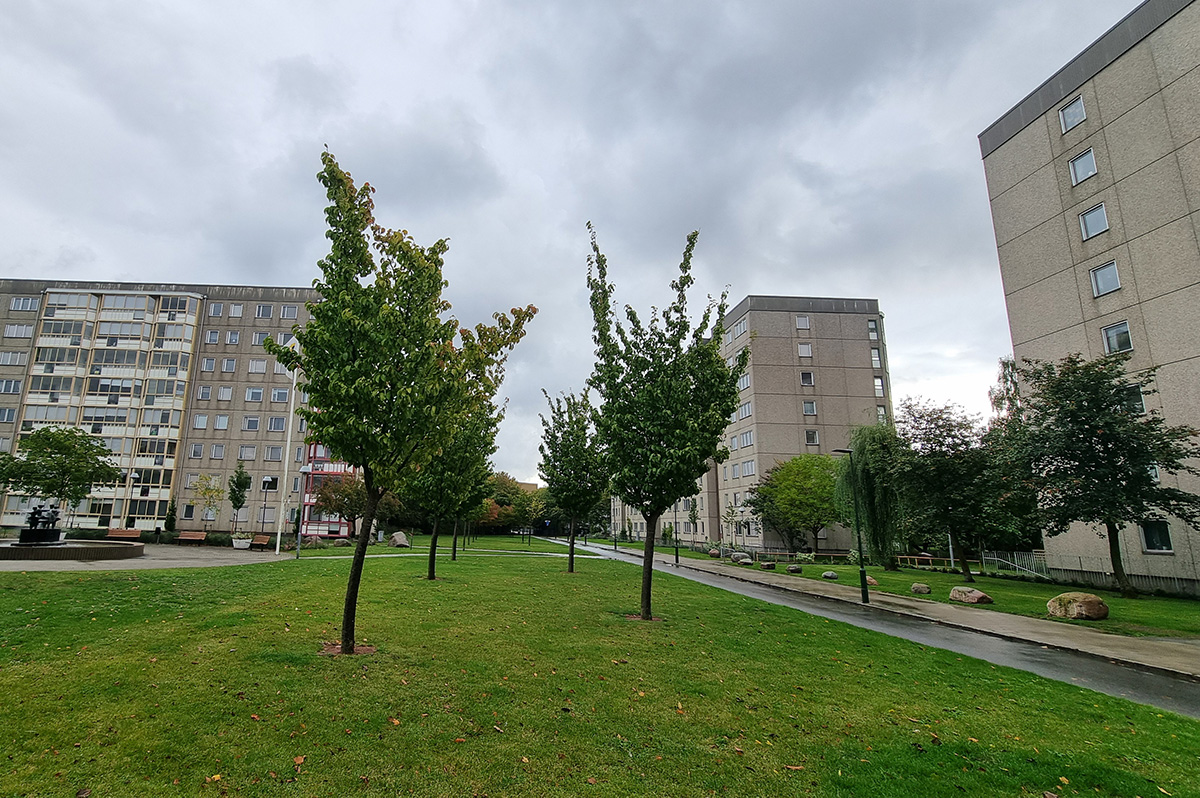
Photo 18. Sargent cherry trees planted in a large open space in Malmö, Sweden. Much larger and taller growing trees could have been planted to provide more shade and other ecosystem services (photo by Gustav Nässlander).
Conclusion
When looking at the distribution of exotic and native trees being sold, we see that it differs from the current distribution within the participating cities. This leads to the prognosis that the amount of exotic trees in our Nordic cities is slowly increasing.
The reason as to why the amount of exotic trees is increasing is not fully known. One could argue that it is merely a trend concerning aesthetics and the qualities of exotic species in this respect, but there is also a chance that the use of native trees is decreasing due to their higher sensitivity to climate change in urban areas than some of the exotic more drought and heat tolerant species. Moreover, the use of exotic trees is increasing due to the fact that some of the more drought- and heat-tolerant species are non-natives to the Nordic countries. The increased use of exotic trees could be seen as an increased will to adapt our urban forests to a changing climate.
It would be important to place more focus on choosing species for their functions rather than their aesthetic values, thus leading to more large canopy trees being planted in areas that are in great need of shade trees.
Exploration of impacts on climate adaptation, including biodiversity
As stated earlier in this report, the future climate in the Nordic Region will lead to an increase in both annual temperature, annual precipitation, prolonged periods of drought, and uneven precipitation patterns (IPCC, 2021; VKM et al., 2022). The impact these climatological changes have on urban tree populations is crucial in understanding how to better adapt urban tree selection, urban tree planting, as well as the management of these trees for future climate conditions.
The concept of combining climate data with species distribution was used for Stockholm city, where over 60 tree species were evaluated for the future climate of 2071–2100, combining species observations with high-resolution climate data from GFDL (Geophysical Fluid Dynamics Laboratory) (Karger et al., 2021). The resulting analysis was combined with a literature review on urban conditions for trees to create a forecast for urban forest development in the coming decades.
Impacts on biodiversity
Results from the climate forecast made for Stockholm (Trädkontoret, 2024) indicate that many tree species more commonly found in Central and Southern Europe may spread to more northern latitudes due to increased annual temperatures (Figure 57). Species native to Nordic countries are also expected to move their ecological boundaries further north. This is likely to increase both risks of new invasive species, pests and diseases, as well as a deterioration in tree species that lack adaptation mechanisms for a warmer climate. In the Nordic Region, warmer summers with uneven distribution of rain are therefore likely to prove a challenge for urban forests in the coming decades.
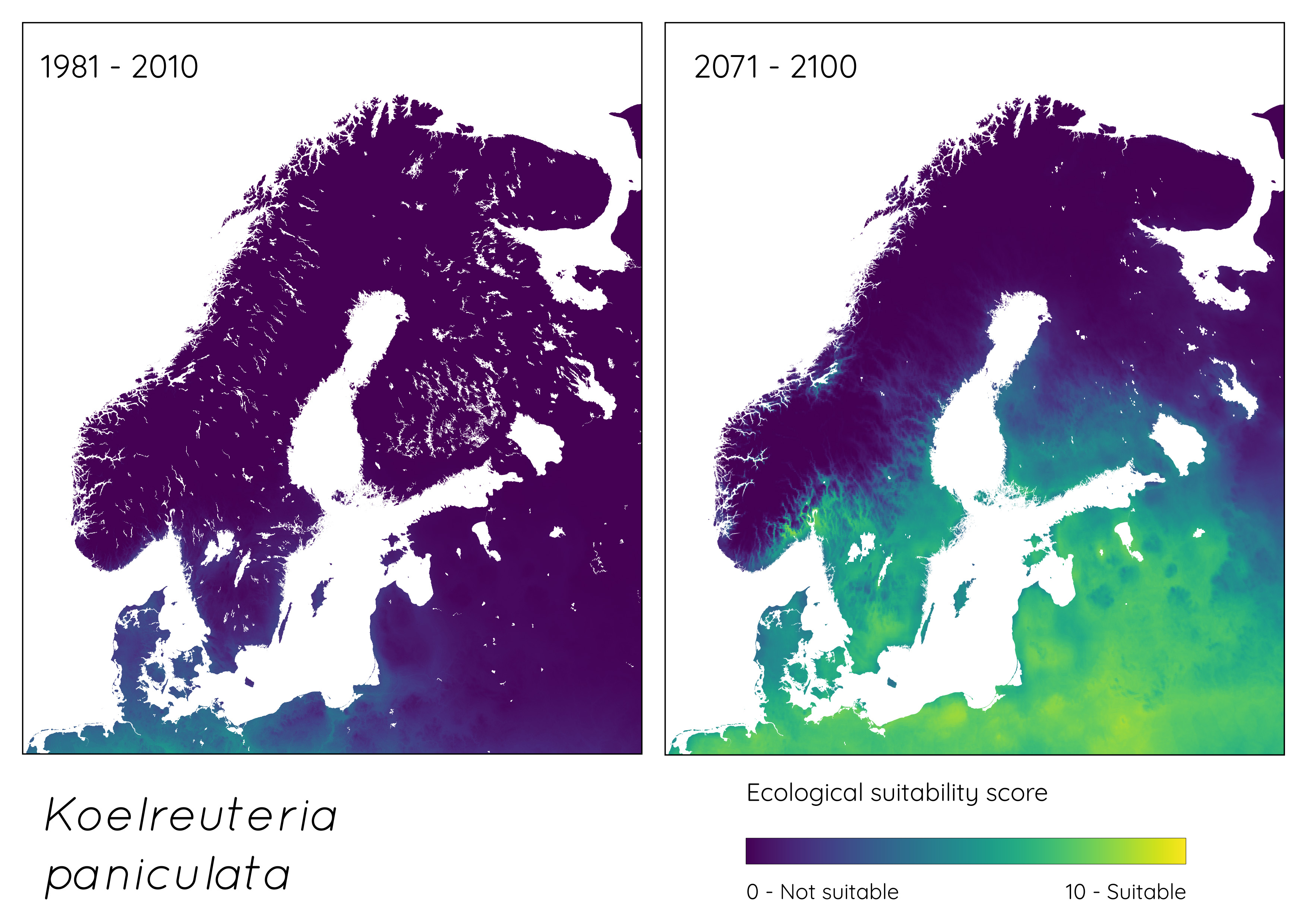
Figure 57. Prognosis of the golden rain tree (Kolreuteria paniculata) for 1981–2010 and 2071–2100. A big improvement in ecological conditions is seen on the 2071–2100 map.
In the Stockholm area, the ecological conditions for species such as London plane (Platanus x hispanica), black locust (Robinia pseudoacacia), honey locust (Gleditsia triacanthos), golden rain tree (Koelreuteria paniculata), Austrian pine (Pinus nigra), and dawn redwood (Metasequoia glyptostroboides) improved in the period of year 2071–2100 (see Table 13). Many of these species are already established as urban trees due to their abilities to cope with / thrive during harsh growing conditions. These traits are also shared by pear (Pyrus communis), field maple (Acer campestre), Turkish hazel (Corylus colurna), and manna ash (Fraxinus ornus).
Species | 1981–2010 score | 2071–2100 score |
Pterocarya fraxinifolia | 1 | 8 |
Acer saccharinum | 2 | 8 |
Corylus colurna | 1 | 7 |
Quercus palustris | 1 | 7 |
Acer campestre* | 2 | 7 |
Fraxinus ornus | 1 | 6 |
Platanus x hispanica | 0 | 4 |
Robinia pseudoacacia | 3 | 7 |
Ulmus minor* | 2 | 6 |
Gleditsia triacanthos | 1 | 4 |
Koelreuteria paniculata | 2 | 5 |
Metasequoia glyptostroboides | 2 | 5 |
Pinus nigra | 3 | 6 |
Pyrus communis | 6 | 9 |
Quercus rubra | 5 | 8 |
Tilia x euchlora | 4 | 7 |
Table 13. Table showing the species with the best predicted development for the Stockholm region in 2071–2100 compared to 1981–2010. Higher scores indicate better ecological conditions, and lower scores indicate less suitable conditions for each species. The score is derived from the suitability score (see Figure 57 and 58) for each species from the climate forecast, with Stockholm as the reference point. Species native to Sweden are marked with an asterisk (*).
Species whose ecological conditions declined in 2071–2100 were Amur cherry (Prunus maackii) (Figure 58), Swedish whitebeam (Sorbus intermedia), balsam poplar (Populus balsamifera), Norway spruce (Picea abies), Chinese poplar (Populus simonii), European aspen (Populus tremula) and rowan (Sorbus aucuparia) (see Table 14). Four of the seven species are classified as native by the Swedish Species Information Centre (SLU Artdatabanken), while the remaining are exotic. What characterises these species, besides their origin, is that they are known for their tolerance to low temperatures, but at the same time, they are sensitive to drought and high temperatures.
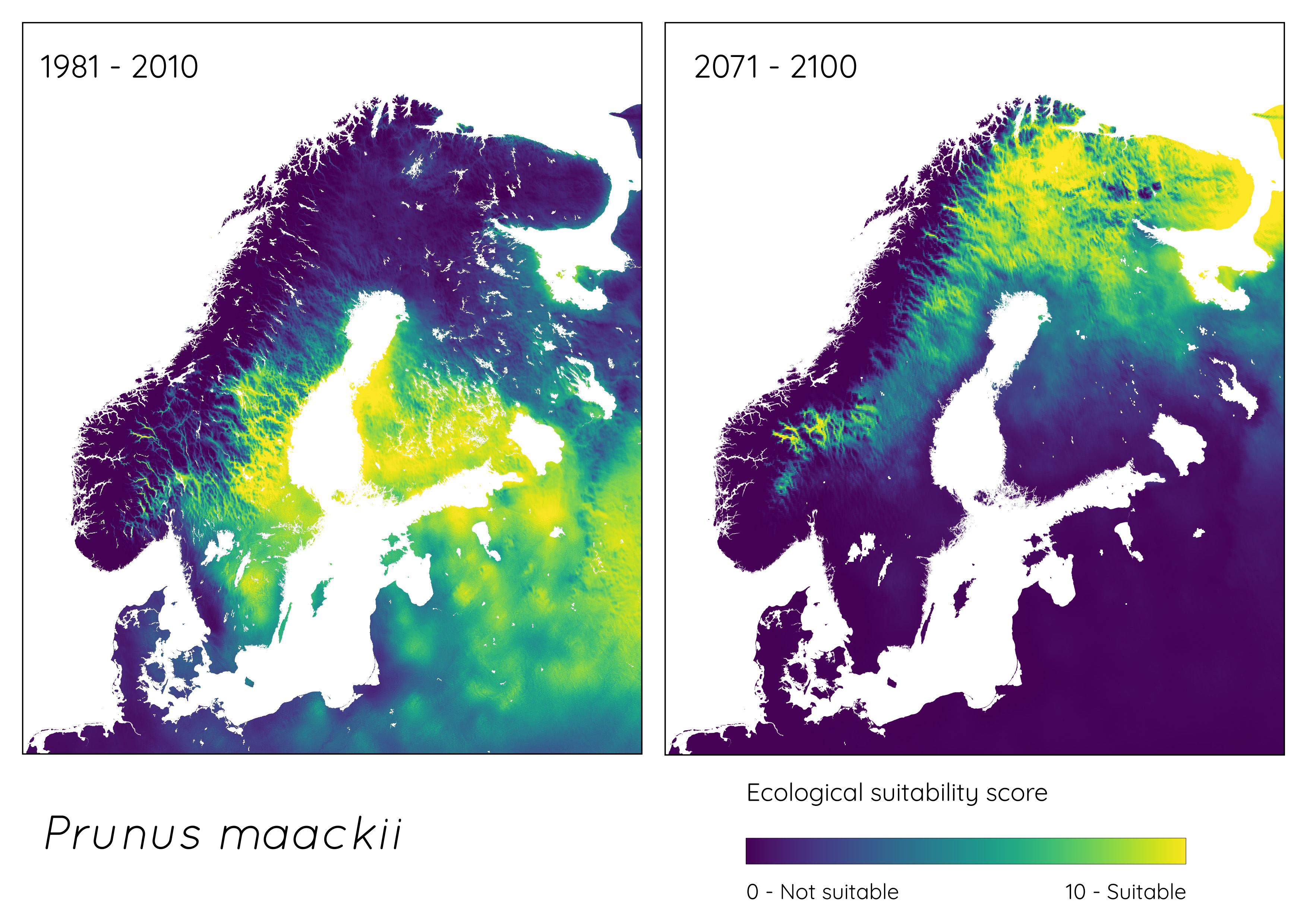
Figure 58. Prognosis of the Amur cherry (Prunus maackii) tree for 1981–2010 and 2071–2100.
Species | 1981–2010 score | 2071–2100 score |
Prunus maackii | 9 | 2 |
Sorbus intermedia* | 8 | 1 |
Populus balsamifera | 9 | 6 |
Picea abies* | 6 | 4 |
Populus simonii | 8 | 7 |
Populus tremula* | 6 | 5 |
Sorbus aucuparia* | 7 | 6 |
Table 14. Table showing the species with the most negative predicted development for the Stockholm region in 2071–2100 compared to 1981–2010. The score is based on the raster values for each species from the climate forecast with Stockholm as a geographical reference point. Species native to Sweden are marked with an asterisk (*)
Ecological developments for 2071–2100 in a Nordic context
In the Nordic Region, an annual increase in both temperature and precipitation is likely to benefit many plants, both native and exotic (e.g., Cowles et al., 2018). The increased temperature sum throughout the year will likely result in a prolonged growing season, warmer summers and higher temperatures throughout the year. This increase in temperature is likely to be a driving factor for many species in their ecological expansion in the Nordic Region. Species with an already high risk of invasiveness (for example, black locust, Robinia pseudoacacia) (Figure 59) will benefit from the increase in temperature, and thus, become a greater concern in areas where it is introduced as well as spreading further north. Apart from elevated risks from invasive species, the introduction of new plant material suited for warmer and drier conditions will be possible.
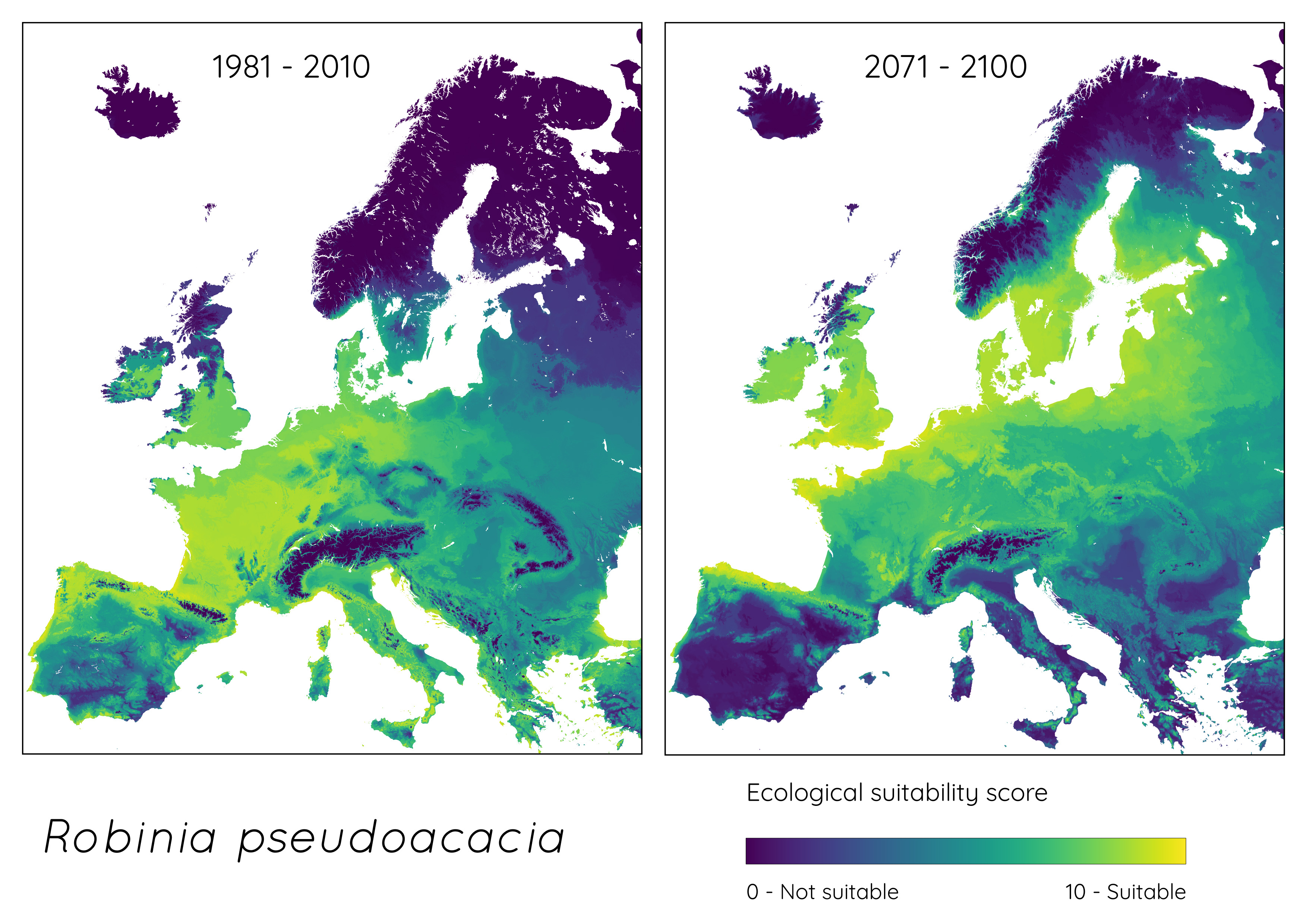
Figure 59. The ecological niche for black locust (Robinia pseudoacacia) in Europe in the years 1981–2010 and 2071–2100. The yellow areas indicate areas where the species ecological conditions regarding heat and precipitation are met. Noticeable changes can be observed in both southern Sweden and Finland.
Trees native to the Nordic Region will also expand their ecological niches further north, as in the case of sessile oak (Quercus petraea) (Figure 60). This oak species is predicted to expand from southern Scandinavia to further up along Sweden on the eastern coast along both the Norwegian and Swedish coastline as well as southern Finland.
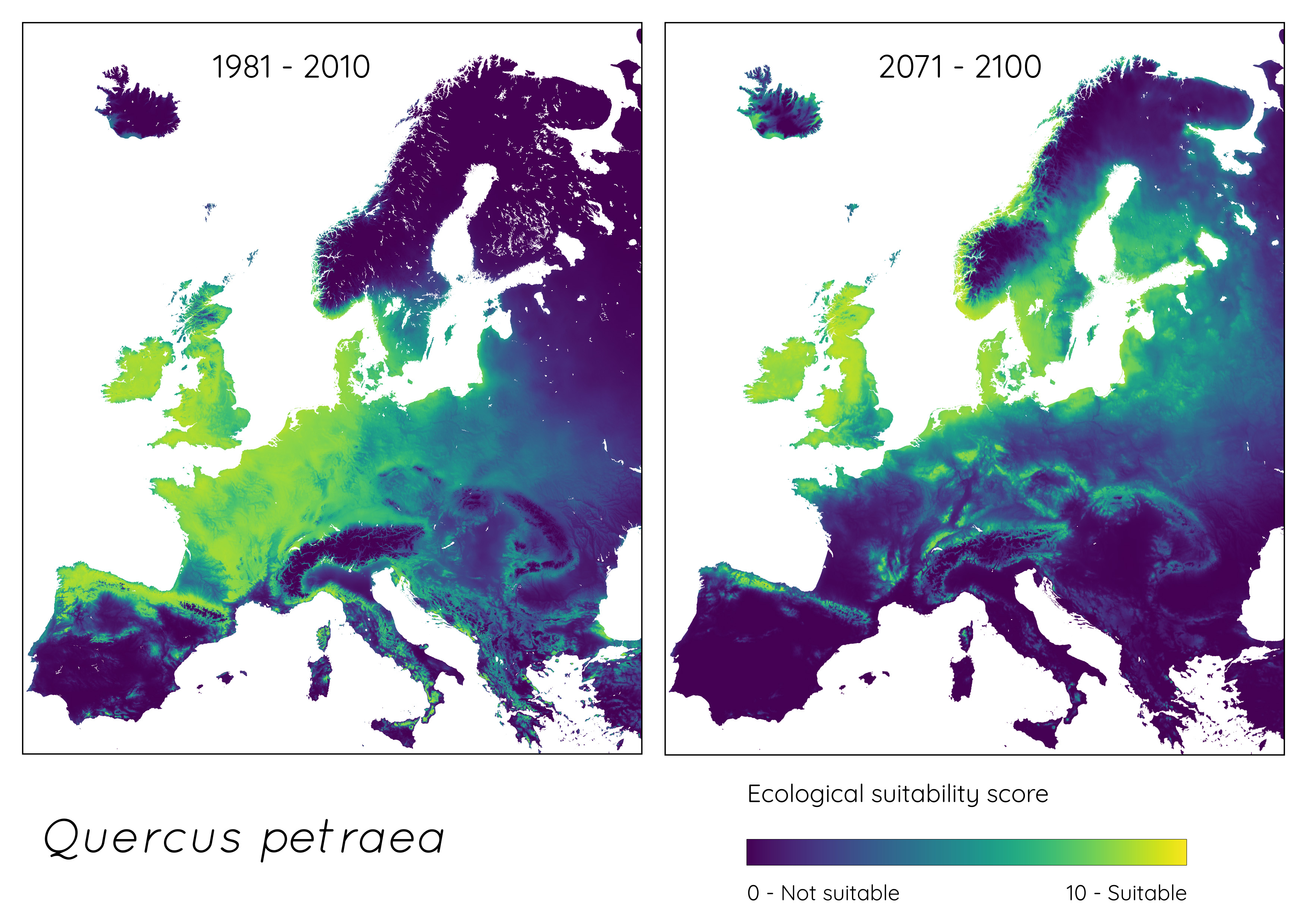
Figure 60. The ecological niche for Sessile oak (Quercus petraea) in Europe in the periods 1981–2010 (left) and 2071–2100 (right). The yellow areas indicate areas where the species ecological conditions regarding heat and precipitation are met. Noticeable changes can be observed in Sweden, Finland, and the Norwegian coastline.
The increase in annual precipitation will also play a vital role in the development of ecological niches for tree species. However, for precipitation to be beneficial to trees, it needs to occur during the growing season. Rainfall that occurs in the autumn and before bud burst, will have little advantages for the tree. This will also be amplified in urban conditions where growing conditions are characterised by limited root space, lack of nutrients, compacted soil, pollution and limited water supply due to impervious surfaces. The increased annual temperature will enable more tree species to expand further north, but the ones that have developed strategies for withstanding uneven water supply will have an advantage.
The elevated risks of invasive species due to annual temperatures will also come with the possibility of new and more drought-tolerant tree species. Species capable of managing prolonged periods of drought will have a greater chance of successful establishment and development in a future climate. This will especially be true in urban areas whereas mentioned above, growing conditions for city trees will be harsher than in rural areas.
Implications for climate adaptation regarding implementation of the 3+30+300 principle
When considering other factors, such as the exposed and harsh environment that urban trees inhabit, the effects of climate change are amplified. Street trees are often subjected to a range of stressors, including limited root space, compacted soil, a lack of nutrients and water, as well as pollution from traffic and construction (Jim, 1993; Bassuk and Day, 1994; Gilman et al., 2014; Ghosh et al., 2014). These conditions make the trees more vulnerable to the negative impacts of climate change. For instance, the already limited access to water can worsen due to changing rainfall patterns (IPCC, 2021), leading to water stress and reduced vitality. Increased temperatures can result in more frequent and severe heat damage, especially for trees located on hard surfaces like asphalt and concrete, which absorb and radiate heat. Pollution from traffic can further weaken the trees by damaging their leaves and bark, and by altering the soil’s chemical composition. Overall, this means that street trees, already struggling in a tough environment, become even more vulnerable as the effects of climate change unfold. Tree species adapted to warmer and drier conditions are more likely to adapt and grow in the urban climate than species adapted to more stable and cooler conditions.
A tree that is capable of handling these circumstances will be able to better contribute to ecosystem services as well as canopy coverage in an urban environment, a crucial part of the 30-component in 3+30+300.
Conclusions
Climate change poses a significant challenge for urban trees, affecting both native and exotic species. By analysing climate forecasts and the trees' local environments, we have gained a comprehensive understanding of the future conditions for trees and the measures needed to ensure their survival and functionality in the urban landscape.
One of the most prominent trends is that many tree species are expected to shift their distribution boundaries further north, as a direct consequence of rising temperatures. This indicates that climate change will change the ecological prerequisites for almost all tree species in northern Europe. Species lacking the adaptability to cope with drought and higher temperatures will encounter major difficulties. This is particularly relevant for native species that have evolved in a more temperate climate and are thus less equipped for the extreme conditions expected in the future. If we are to plant trees that will remain vital and provide ecosystem services for over a century, we need to carefully consider the choice of species to ensure that the trees are prepared for the coming climate.
These choices will impact rules and guidelines such as the 3+30+300 principle, where trees not suited for the future climate will struggle with water management as well as increased transpiration, leading to a mortality spiral. This impacts all aspects of the 3+30+300 principle. Trees unsuitable for urban conditions will develop less biomass, leading to smaller crown sizes, and the ones already in decline will have higher mortality. Hence, proactive measures in securing the urban forest are needed in order to secure it for future generations. Planting tree species well suited for limited water supply and warmer temperatures is one way forward, another is improving the conditions for existing trees through root zone renovations, where appropriate.
A more nuanced approach to the use of native and exotic tree species in urban planning is needed. A diversified tree population, including both native and exotic species, is necessary to create a resilient and sustainable urban environment. By using a mix of species, we can take advantage of the different strengths each species offers and create a tree population better suited to handle future climate challenges.