Photo 3. City of Reykjavik (photo by Héloïse Delbos/Unsplash).
2. The 3+30+300 principle – from concept to Nordic implementation
Introduction of the ‘t(h)rees principle’
Urban forests, comprising all woodland, trees, and associated vegetation in urban areas, serve as critical components of cities globally, enriching the quality of life for inhabitants amidst contemporary challenges such as climate change and public health crises such as the recent COVID-19 pandemic (Konijnendijk, 2022). Recognizing the growing importance of urban trees and green spaces, there is a pressing need for standardised, evidence-based guidelines to navigate the complexities of urban forestry and support urban governance, planning, design, and monitoring. Professionals engaged in advising municipalities, regional and national authorities, as well as international organisations on urban greening initiatives, including the members of the Yggdrasil project team, are often asked for advice on these matters and for proposing clear guidelines.
Historically, the diverse nature of urban landscapes has posed challenges in establishing universal benchmarks for urban green infrastructure and urban forests. However, the evolving landscape of research and practice, coupled with the increasing demand for guidance from policymakers, necessitates a reassessment of traditional approaches. The body of knowledge on the health, climate, and other benefits of urban forests and other green space has grown rapidly, which provides a strong foundation for evidence-based planning and design guidelines. Research has shown as well that to obtain the benefits of trees and other vegetation it is essential that all people have good access and are well exposed to trees and green space. Everybody needs to have trees and green space nearby so that benefits are easy to obtain. Based on this, Cecil Konijnendijk of NBSI, a member of the Yggdrasil project team, proposed a new guiding principle for developing greener and healthier cities during February 2021: the so-called 3+30+300 rule (Konijnendijk, 2022; 330300rule.com, 2024), sometimes referred to as the ‘trees rule’ or ‘threes rule’.
The 3+30+300 rule or (as in this report) principle encapsulates the multifaceted considerations essential for developing a resilient and multifunctional urban forest while offering a practical framework that is both implementable and easily monitored. It combines the respective contributions of visual green, living area green, and recreational green. The rule has three components that reflect these.
In brief the principle stipulates that everybody should:
- See at least 3 large trees from where they live, work, learn, or are cared for.
- Live in a neighbourhood with at least 30% tree canopy cover.
- Walk or bike no more than 300 metres to get to the nearest high-quality public green space of at least 0.5–1.0 ha.
Some more information about these three components is provided below and they are illustrated in Figs. 2, 3, and 4. For references and underlying research see Konijnendijk (2022). For a more in-depth discussion of the health benefits of urban forests see the dedicated section below.
Three Trees from Every Home: Especially more recent research underscores the importance of visible nearby greenery for mental health and well-being. Studies have shown that patients in hospitals recover faster when they have a ‘green’ view. Pupils and students at schools and universities demonstrate better study results when they are able to see green from their classrooms (see health-section for references). During the COVID19-pandemic, for example, many people locked down in their homes were dependent on trees and green around their home for a daily ‘nature dose’. Trees in particular seem to be appreciated. Therefore, as a proxy for visible and diverse green, we should all be able to have a view of at least three mature, larger-sized trees from our residence, workplace, school, or place of care. Initiatives such as the tree policy in the Danish municipality of Frederiksberg (calling for all residents to see at least one tree from their home (Frederiksberg Kommune, 2018)) serve as examples to advocate for expansive approaches to ensure adequate green coverage in urban neighbourhoods.
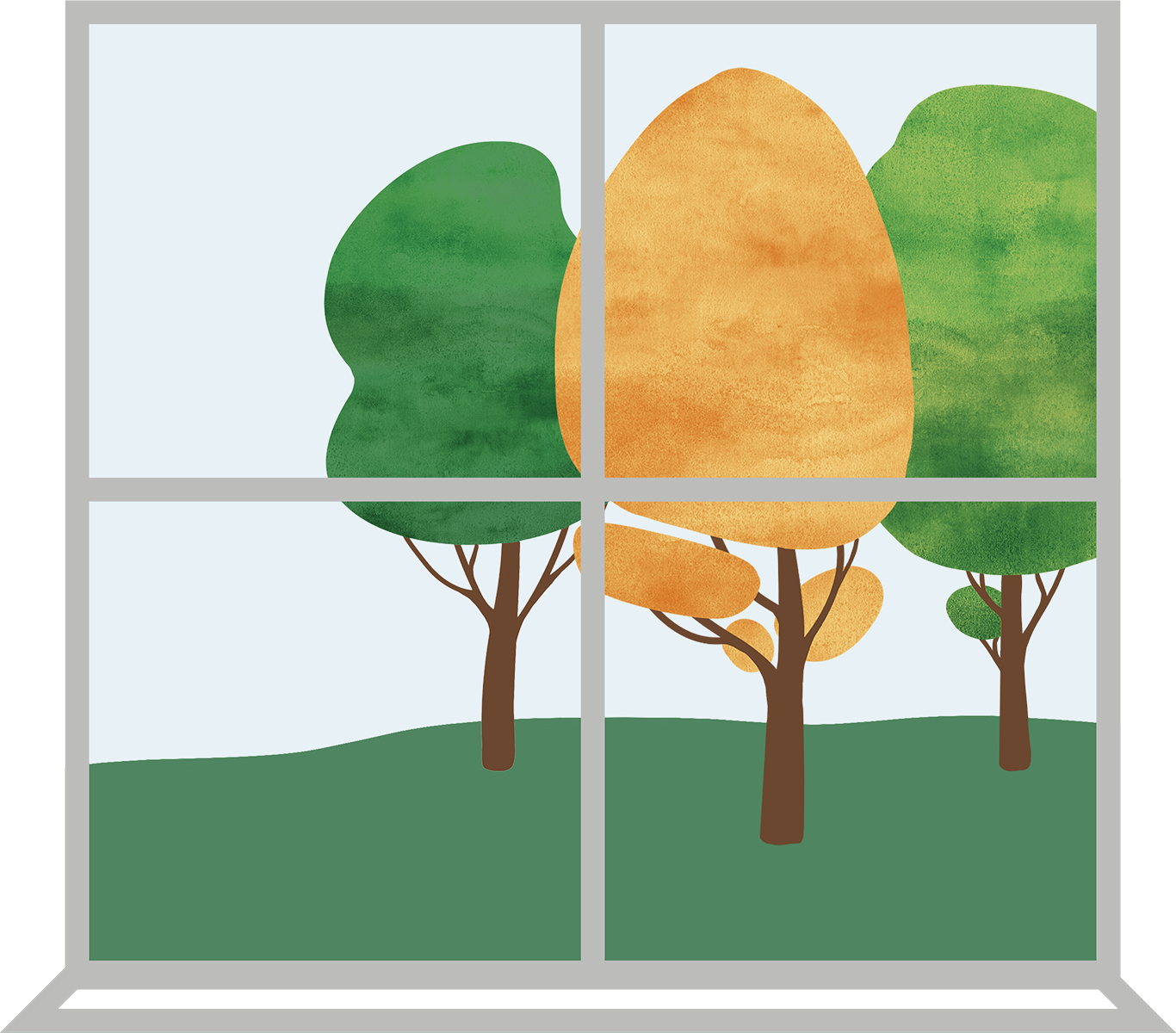
Figure 2. The 3-component: three larger-sized trees from a residence, school, workplace, or place of care (illustration Ellinor Scharin, Ekologigruppen).
Thirty Percent Tree Canopy Cover in Every Neighbourhood: Urban tree canopy cover provides various benefits, including temperature regulation and a range of health benefits. In fact studies have consistently shown that people living in neighbourhoods with higher canopy covers are healthier and happier, even when controlling for confounding factors such as income and cultural background. There are indicators that a minimum canopy level of about 30% is required. Cities like Barcelona, Bristol, and Vancouver have set a 30% canopy cover. This target serves as a baseline, with cities encouraged to strive for higher canopy cover whenever feasible. It is important, however, to ensure that everybody in cities and towns lives in 30% canopy neighbourhoods, rather than just striving for a city average. Only in this way can environmental justice and tree equity considerations be met.
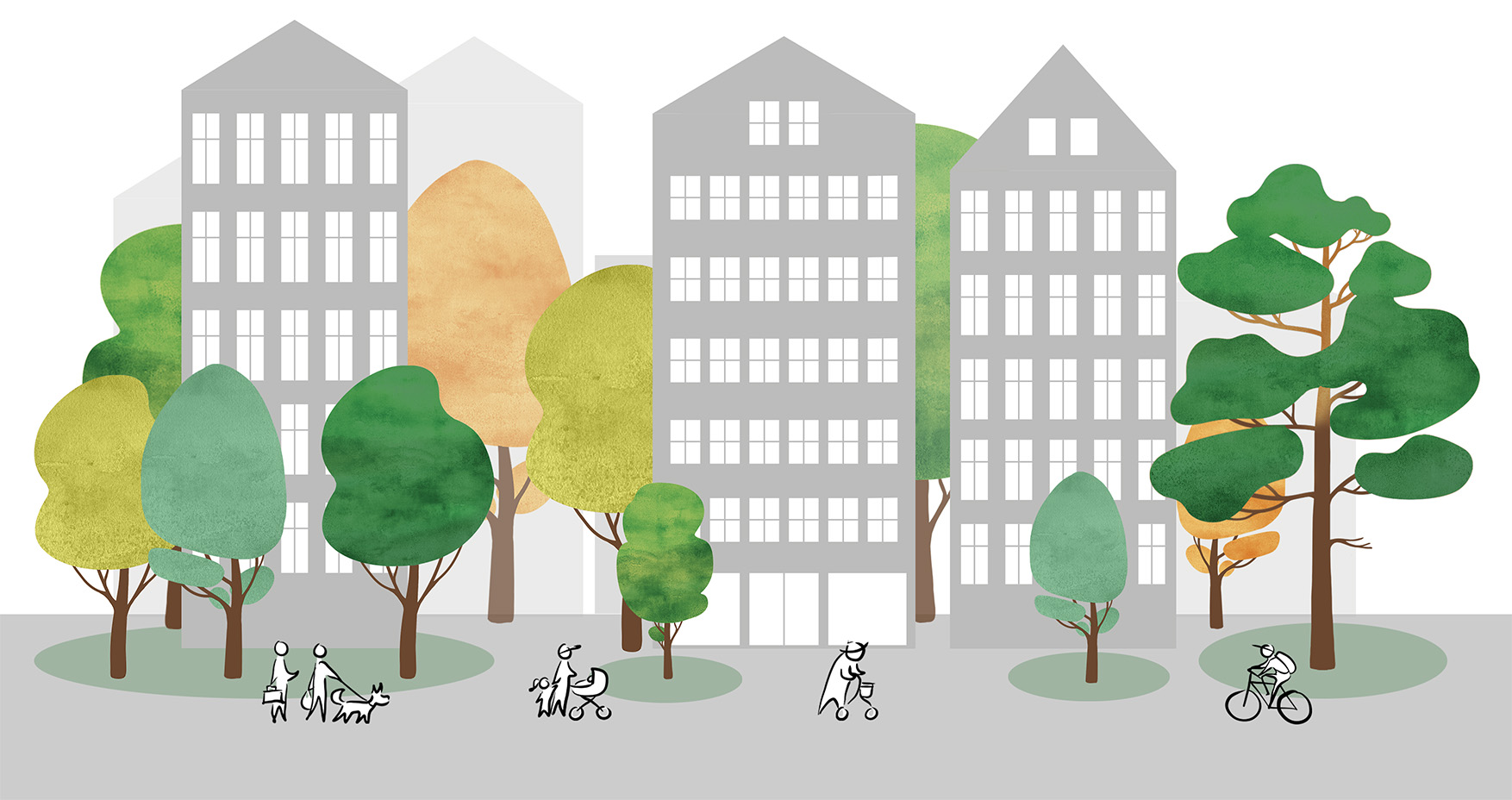
Figure 3. The 30-component: thirty percent canopy cover in every neighbourhood (illustration Ellinor Scharin, Ekologigruppen).
Three Hundred Metres from the Nearest Park or Green Space: Access to high-quality green spaces within close proximity is vital for promoting recreational activities and enhancing well-being. Organisations such as the World Health Organization have called for everyone to have a park or other public green space of at least 0.5–1 ha within 300 metres from their home (WHO Regional Office for Europe, 2017). Efforts must be directed towards ensuring equitable access to green spaces across different urban typologies. Innovative solutions, such as linear green spaces serving as cycle corridors, can effectively bridge the gap between urban dwellers and nature. In recognition of the importance of smaller green spaces and the realities of often dense urban areas, the 3+30+300 principle works with a minimum green space size of 0.5 ha, within a 300-metre walk or bike ride.
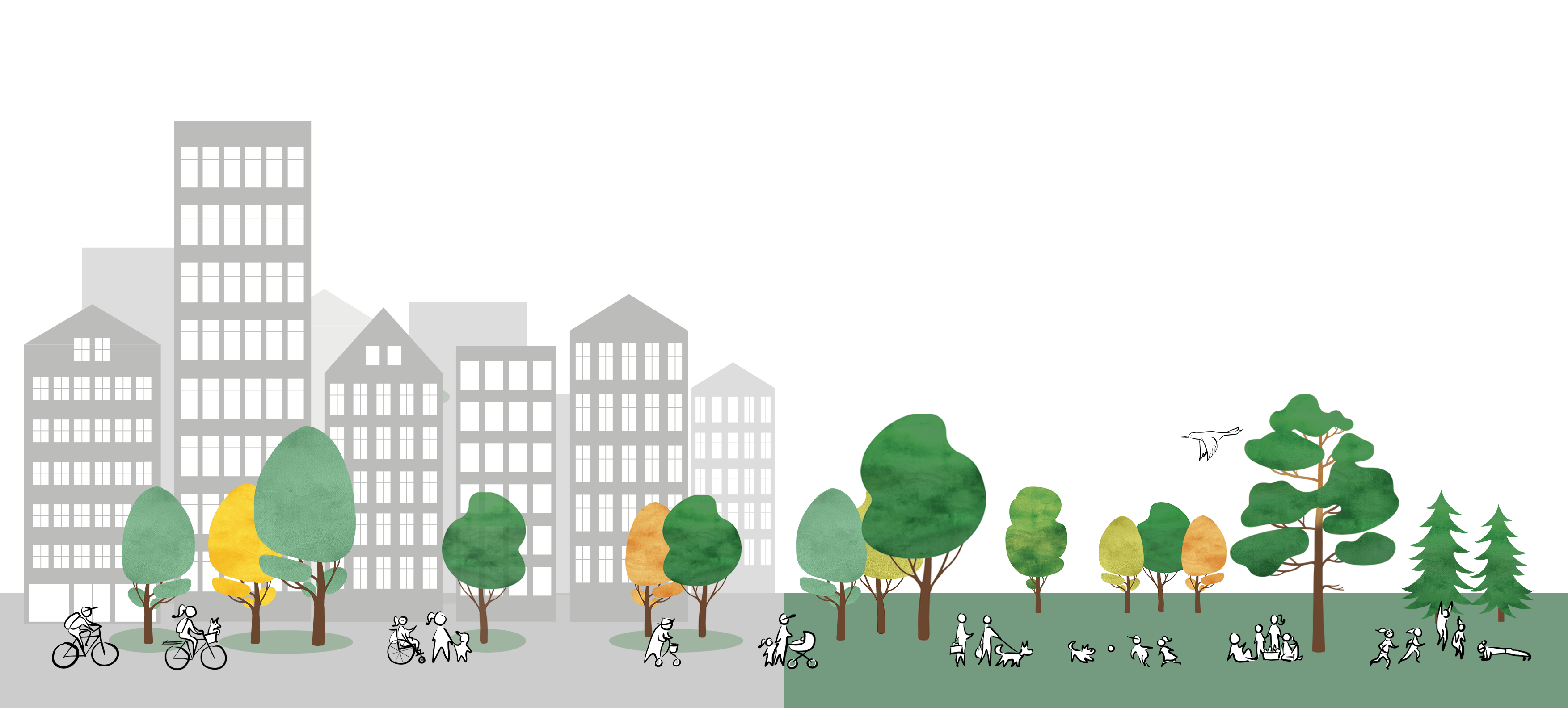
Figure 4. The 300-component: no more than three hundred metres to nearest, high-quality and publicly accessible green space (illustration Ellinor Scharin, Ekologigruppen).
Use of the 3+30+300 principle to date
Since its launch the principle has rapidly gained traction across the world, inspiring and being adopted by international organisations, city and regional governments, not-for-profits, researchers, and citizen groups. It has also seen considerable interest from ‘non-green’ professions, such as planning, architecture, engineering, and medicine. Its use to date has ranged from research studies to integration in green space strategies and even city master plans.
Research and assessment
Various researchers, students, and companies have made the principle ‘measurable’ and have assessed the current 3+30+300-situation in neighbourhoods, cities, and metropolitan areas around the globe (see for example, 330300rule.com/330300-in-the-media). Prior to the 3+30+300 assessments of Nordic municipalities by the Yggdrasil team, Nordic examples of assessments have included, among other, those for selected cities in Region Scania (Region Skåne, 2023) and the work done for Gothenburg (Daland, 2023).
A comprehensive study by Willems et al. at the Catholic University of Leuven, Belgium assessed the scientific support for the three components of the principle and concluded that there is sufficient evidence for recommending 3+30+300 as a green norm or principle (Willems et al., 2023). Studies by, among others, Nieuwenhuijsen et al. (2022) and Li et al. (2024) have provided further support to the (mental) health promoting impacts of implementing 3+30+300.
As there is no single, prescriptive way of assessing the three components, different approaches have been developed, as also summarised by Browning et al. (2024). The 30 and 300 components are relatively straightforward to assess using satellite imagery and GIS, although decisions and assumptions are required on how to define ‘neighbourhood’ for the 30-component and what a high-quality public green space entails for the 300-part. The 3-component is more challenging, as it will be difficult to find out how many larger trees are actually visible from individual homes, offices, schools, and places of care.
Expressing political ambition and political adoption of green norms
The rule and its ‘stickiness’ have led to interest from political parties and individual politicians. During local, regional, and national elections in countries like Belgium, France, Greece, Sweden, and The Netherlands, for example, several parties across the political spectrum included the principle in their national and local election programs. Political parties have also proposed the principle locally as an evidence-based, visionary way to green cities, adapt cities to climate change, and contribute to residents’ health. In The Netherlands, the rule has featured in ongoing discussions about adopting a national ‘green norm’ which would set a minimum requirement for urban green space in municipalities (Sweco, 2024). In Flanders, Belgium, the principle has been adopted as a new regional green norm as well as a norm within the region’s strategy for climate change and human health (Agentschap Natuur & Bos, 2024). Cities like Malmö have seen city councils formally adopt 3+30+300 (Malmö Stad, 2023).
Inclusion in green space and other strategies and policies
The principle has been integrated in policies and strategies focused on, among other, green space, green infrastructure, and/or urban forests and trees; climate action; public health; biodiversity and nature conservation; and building and architecture strategies. In countries like Sweden and The Netherlands, this has happened widely, while in other countries some cities have taken the lead. In the case of Swedish cities like Malmo and Kalmar, local political commitment has even resulted in inclusion of the rule in city comprehensive plans (‘översiktsplaner’), driving an ambitious and balanced greening program. There are different ways of including the principle in policies, plans, and strategies, including as:
- Part of an overall vision.
- A policy objective or target, either for an entire municipality or for specific areas or land-use types.
- A key performance indicator for monitoring the implementation of the respective policy or strategy.
- A guideline and tool, offering a sense of direction.
- An analysis tool to e.g., assess a current situation, for the entire municipality, region, or country, or for specific neighbourhoods or areas.
- As a way of communicating the benefits of trees and green space.
The 330300rule.com (2024) website includes a special page with examples of national, regional, and local governments in the Nordic countries and elsewhere that have adopted the rule (330300rule.com/implementation). Links to specific strategies and plans are also provided here.
In some cases, local adaptations of the principle have been made, for example replacing 30% tree canopy cover with 30% green space. Sometimes this is a pragmatic choice, as 30% canopy cover is seen as unachievable. In other cases, a shift to combined trees and other vegetation cover is more grounded in the literature on e.g., health benefits (for example, Agentschap Natuur & Bos, 2024).
The use of urban forest strategies and master plans for implementing 3+30+300 will be discussed in one of the following sections.
Use for urban (re-)development
There has also been an interest in the rule from private developers and builders, for example in The Netherlands and Sweden. Being faced with a demand for developing more climate adapted, healthier, and greener neighbourhoods, they see the 3+30+300-rule as a promising and ‘operationable’ tool. Some of the developers have prepared plans for ‘3+30+300-neighbourhoods’, such as the Cartesius district in the Dutch city of Utrecht (Cartesius, 2024) and the Jägersro district in Malmö (Jägersro, 2023). The threes rule will not only be applicable to new developments but also urban renewal projects. In The Netherlands, a guidance document for nature-inclusive building for healthy residents includes the 3+30+300 principle as one of ten recommendations for development, building, and construction (KAN, 2023).
Use for awareness raising and activism
Not-for-profits and citizen groups have also started using the rule, often as a tool for advocacy. Local groups have assessed the 3+30+300 status of their city or neighbourhood, encouraging individual residents to e.g., share photos of their views or streets on social media. A citizen group in the Australian town of Mount Pleasant, for example, used the principle to advocate for a new local park. Environmental groups have also called upon political parties to integrate the principle in urban and new housing policies. The principle is easy to use and comprehend, also for non-experts, and it focuses on trees and nature in people’s own streets and neighbourhoods, which helps with its popularity.
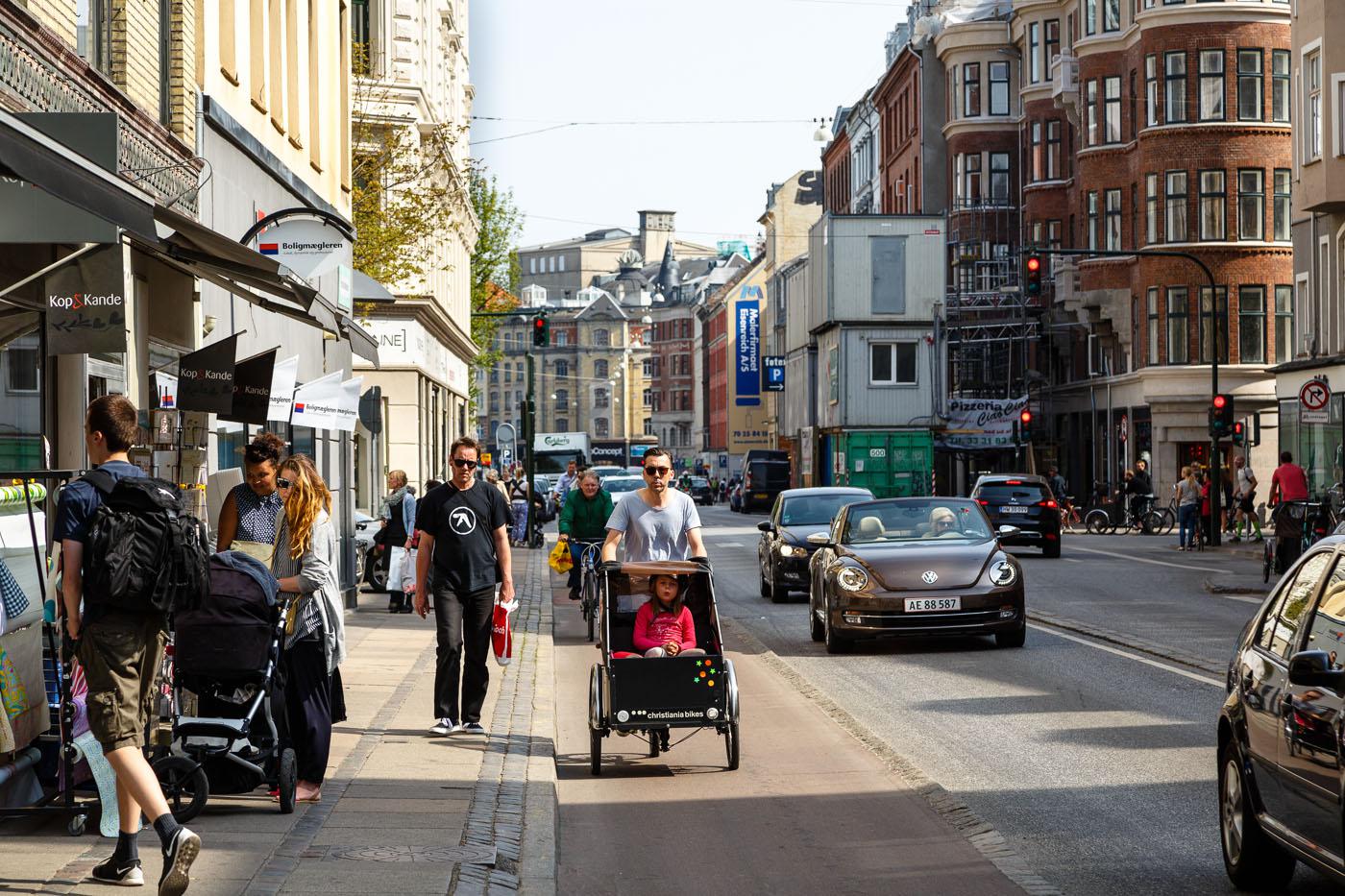
Photo 4. Street scene without much green from Copenhagen, Denmark (photo by Yadid Levy/norden.org).
Urban Forest Strategies and Master Plans – creating a strategy to reach the 3+30+300 principle
As mentioned, the 3+30+300 principle can be used in many different ways, including as part of strategies and policies at municipal and other levels. One promising way of using the principle is to include it in comprehensive urban forest master plans and strategies, as the examples from Belfast and Birmingham in the United Kingdom show (Belfast City Council, 2024; Birmingham Tree People, 2024).
Urban forest master plans are comprehensive documents that outline strategies and objectives for urban forestry within a city or municipality. These plans describe an ‘ideal’ state of a city’s urban forests and the services it provides at some time in the future. These plans typically include goals and specific and measurable key performance indicators related to tree planting, maintenance, removal, and replacement, as well as strategies for addressing urban forestry challenges and opportunities. Urban tree master plans serve as guiding documents for city officials, arborists, urban planners, and community stakeholders involved in urban forest management. For a long-term, usually of several decades, they answer the key questions of 1) What do we have (inventory, assessment, policy analysis)?, 2) What do we want (vision and objectives)?, 3) How do we get there (work plan with clear targets, indicators, resources, timeframes)?, and 4) When do we know we have arrived (monitoring)? For all of these questions, the 3+30+300 principle can play a role. Often urban forest master plans will include components or auxiliary documents such as tree planting guidelines, maintenance standards and protocols, community engagement plan, and a monitoring and evaluation plan.
Urban forest master plans have been widely adopted by cities around the world as a tool for enhancing urban forest management. And within them are clear goals towards achieving the 3+30+300 principle. Several cities around the world have integrated variations of the 3+30+300 rule into their urban forest master plans or similar strategies to enhance green space accessibility and canopy cover. The 3+30+300 website (330300rule.com, 2024, see 330300rule.com/implementation) lists examples of cities/regions that have used the rule in their planning. But the city in the world that has probably come the furthest in this respect is the city of Malmö, Sweden. Malmö, renowned for its commitment to sustainability and green urban planning, has taken a groundbreaking step in its journey towards creating a greener and more liveable city. In a landmark decision, the city has chosen to embrace the 3+30+300 principle as a cornerstone of its comprehensive plan (a strategic plan that governs future planning of the city, including buildings, roads, and parks), signalling a transformative shift in urban forest management and green space accessibility.
Urban forest master plans are comprehensive documents that outline strategies and objectives for urban forestry within a city or municipality. These plans describe an ‘ideal’ state of a city’s urban forests and the services it provides at some time in the future. These plans typically include goals and specific and measurable key performance indicators related to tree planting, maintenance, removal, and replacement, as well as strategies for addressing urban forestry challenges and opportunities. Urban tree master plans serve as guiding documents for city officials, arborists, urban planners, and community stakeholders involved in urban forest management. For a long-term, usually of several decades, they answer the key questions of 1) What do we have (inventory, assessment, policy analysis)?, 2) What do we want (vision and objectives)?, 3) How do we get there (work plan with clear targets, indicators, resources, timeframes)?, and 4) When do we know we have arrived (monitoring)? For all of these questions, the 3+30+300 principle can play a role. Often urban forest master plans will include components or auxiliary documents such as tree planting guidelines, maintenance standards and protocols, community engagement plan, and a monitoring and evaluation plan.
Urban forest master plans have been widely adopted by cities around the world as a tool for enhancing urban forest management. And within them are clear goals towards achieving the 3+30+300 principle. Several cities around the world have integrated variations of the 3+30+300 rule into their urban forest master plans or similar strategies to enhance green space accessibility and canopy cover. The 3+30+300 website (330300rule.com, 2024, see 330300rule.com/implementation) lists examples of cities/regions that have used the rule in their planning. But the city in the world that has probably come the furthest in this respect is the city of Malmö, Sweden. Malmö, renowned for its commitment to sustainability and green urban planning, has taken a groundbreaking step in its journey towards creating a greener and more liveable city. In a landmark decision, the city has chosen to embrace the 3+30+300 principle as a cornerstone of its comprehensive plan (a strategic plan that governs future planning of the city, including buildings, roads, and parks), signalling a transformative shift in urban forest management and green space accessibility.
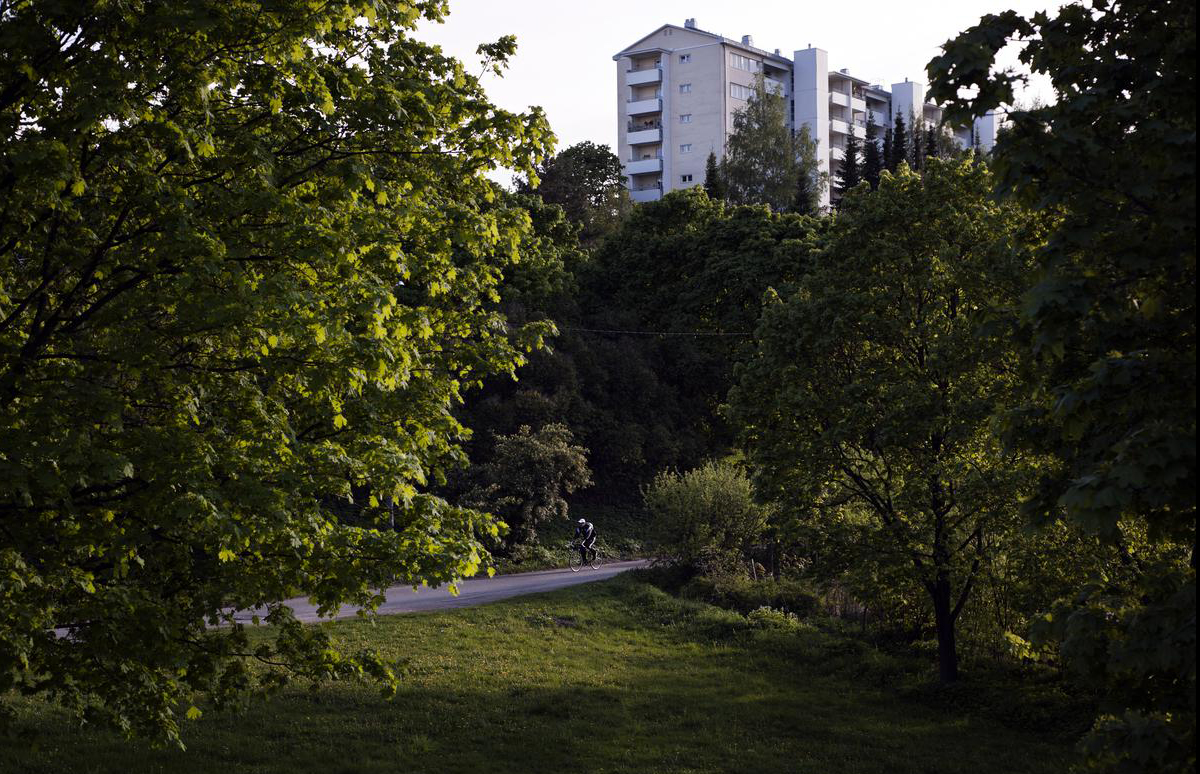
Photo 5. Cyclist in park in Finland (photo by Benjamin Suomela/norden.org).
Focus on the quality of green spaces and trees
The 3+30+300 principle focuses on more than quantitative aspects of urban green space, such as tree canopy cover. Strategies and master plans sometimes tend to focus heavily on quantitative measures such as canopy cover and minimum provision of a certain area of public green space per inhabitant or dwelling. However, in addition to this, the quality of green spaces is a crucial factor, for promoting health and well-being, biodiversity, and other benefits. High-quality green spaces provide opportunities for recreation, relaxation, and social interaction, contributing to physical and mental health outcomes for residents. Factors that influence the quality of green spaces include, among other, accessibility, biodiversity, variety, aesthetics, safety, and maintenance.
Cities should prioritise the creation and maintenance of high-quality green spaces that meet the diverse needs of urban populations, as also called for in the 300-component of the 3+30+300 principle. This includes designing parks, woodland, squares, and green corridors that are accessible to all residents, integrating native vegetation to support local biodiversity, incorporating amenities such as seating, lighting, and water features, and implementing strategies to ensure safety and security. High-quality urban green spaces will often afford a range of recreational activities, during different seasons. Additionally, ongoing maintenance and stewardship efforts are essential to preserve the integrity and functionality of green spaces over time.
Healthy trees are also fundamental to the success of urban forests, as they provide numerous ecological, social, and economic benefits. Trees contribute to air quality improvement, carbon sequestration, temperature regulation, stormwater management, and biodiversity conservation. However, maintaining tree health in urban environments can be challenging due to factors such as pollution, compacted soils, inadequate space for root growth, and pest and disease pressures.
To ensure the health and vitality of urban trees, cities must enhance tree diversity (see also later in this report) and prioritise proper tree selection, planting, and maintenance practices. Project leader Johan Östberg contributed to a recent article that highlights good practice in tree planting during pre-planting, installation, and post-planting stages, for example (Eisenman et al., 2024). Proper urban forestry practices include selecting tree species suited to local environmental conditions, providing adequate soil volume and quality, implementing regular watering and fertilisation regimes, and conducting routine inspections for signs of pests, diseases, and structural issues. Additionally, community engagement and education programs can empower residents to become stewards of urban trees, fostering a sense of ownership and responsibility for tree care.
Cities should prioritise the creation and maintenance of high-quality green spaces that meet the diverse needs of urban populations, as also called for in the 300-component of the 3+30+300 principle. This includes designing parks, woodland, squares, and green corridors that are accessible to all residents, integrating native vegetation to support local biodiversity, incorporating amenities such as seating, lighting, and water features, and implementing strategies to ensure safety and security. High-quality urban green spaces will often afford a range of recreational activities, during different seasons. Additionally, ongoing maintenance and stewardship efforts are essential to preserve the integrity and functionality of green spaces over time.
Healthy trees are also fundamental to the success of urban forests, as they provide numerous ecological, social, and economic benefits. Trees contribute to air quality improvement, carbon sequestration, temperature regulation, stormwater management, and biodiversity conservation. However, maintaining tree health in urban environments can be challenging due to factors such as pollution, compacted soils, inadequate space for root growth, and pest and disease pressures.
To ensure the health and vitality of urban trees, cities must enhance tree diversity (see also later in this report) and prioritise proper tree selection, planting, and maintenance practices. Project leader Johan Östberg contributed to a recent article that highlights good practice in tree planting during pre-planting, installation, and post-planting stages, for example (Eisenman et al., 2024). Proper urban forestry practices include selecting tree species suited to local environmental conditions, providing adequate soil volume and quality, implementing regular watering and fertilisation regimes, and conducting routine inspections for signs of pests, diseases, and structural issues. Additionally, community engagement and education programs can empower residents to become stewards of urban trees, fostering a sense of ownership and responsibility for tree care.
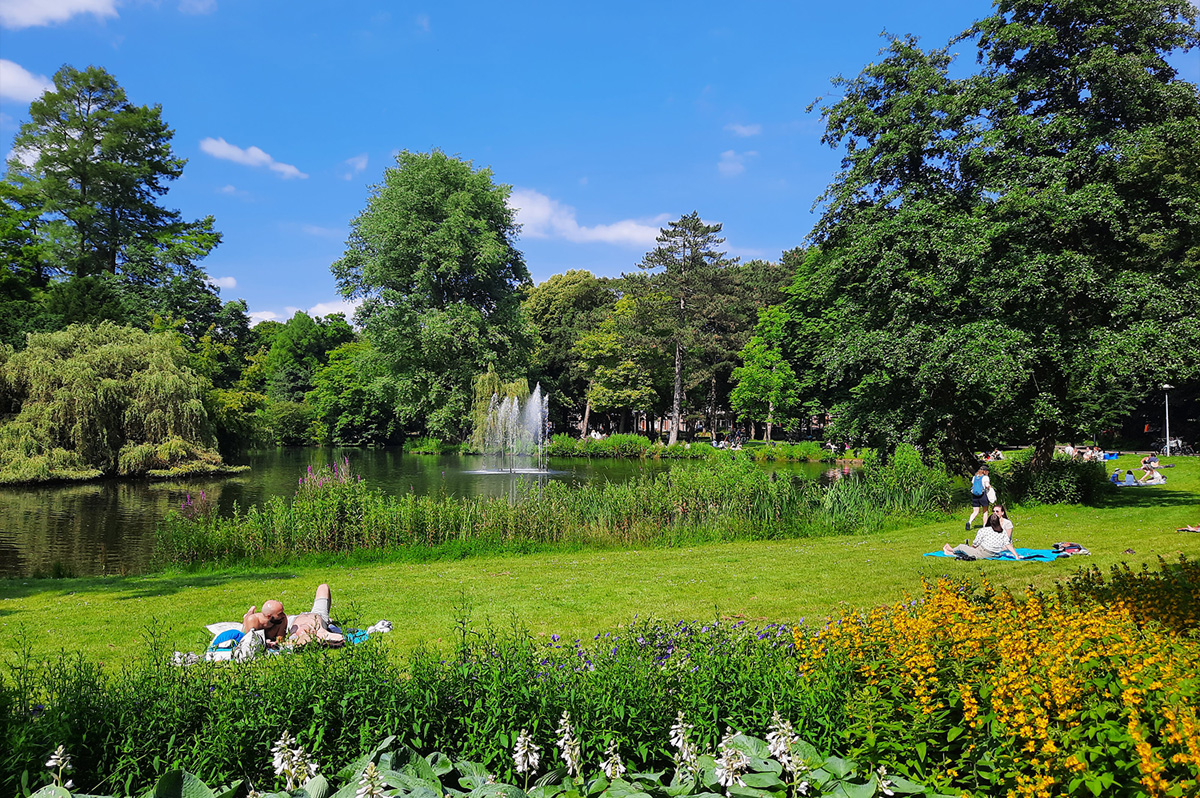
Photo 6. High-quality parks as part of the 300-component are attractive, accessible, and diverse (photo by Cecil Konijnendijk).
Opportunities and challenges with implementing 3+30+300
Although the 3+30+300 principle is still novel, it has already gained substantial following, as mentioned above. It has also met criticism, not really challenging its evidence base but doubting its high ambition, especially for municipalities with dense built-up areas and low tree canopy cover. Other concerns raised relate to the rule’s focus on trees rather than other vegetation. In a time of climate emergencies, public health challenges, and biodiversity loss, however, it is important to have ambitious greening programs that reflect the latest evidence on access and exposure to trees and other vegetation. Moreover, urban areas are far from static and often change quite rapidly. Substantial transformations can be expected also in terms of housing, mobility, and space reserved for private cars. Having clear ambitions and guidelines for green space will help with transforming cities into more resilient and liveable places, giving trees and green space planners and managers a seat at the table.
Vegetation other than trees should not be ignored but the research is very clear about the essential role that especially trees play in e.g., cooling and promotion of our health and wellbeing. While trees provide the framework, focus should be on having multiple layers of vegetation and a diversity of green spaces across neighbourhoods and municipalities. It will also be important to focus on quality rather than just quantity, ensuring a sound mix of climate-adapted tree species and focusing on the development of high-quality public green space that cater for a wide range of recreational demands. Emphasis should also be on letting trees grow old and large, where possible, as large trees with large canopies provide more ecosystem services. The rule does not have to be met overnight but can drive longer-term urban development, decades into the future.
The contexts in which the rule is to be used will be very different, which also calls for a certain nuance and carefulness in applying it. It is essential to recognize the need for regional adaptation to account for variations in climate, geography, and local conditions, including prevailing socio-cultural, economic, and political realities. For historical city centres and cities in arid climates, for example, reaching 30% canopy cover and maybe also 3 larger trees in sight will often be difficult. In these cases, alternatives need to be explored, using other types of vegetation and maybe e.g., more building green such as green roofs or facades.
Although 3+30+300 is called a ‘rule’ it is more of a principle or guideline. It can be important to use the word ‘rule’, however, also in negotiations and coordination with planning, engineering, architecture, and other fields where clear norms and rules are more common. This will give a higher priority to trees and green space as essential infrastructure rather than just ‘icing on the cake’ when all other demands have been met. Green needs to be an integral part of health, housing, transportation, education, economic, and other agendas.
Zooming in on the three components of the rule, the following specific challenges (and opportunities) related to achieving 3+30+300 can be identified:
3 trees
In urban areas, the challenge of planting trees is compounded by limited space, especially in densely populated neighbourhoods with high-rise buildings and few green areas. Balancing the need for housing and infrastructure with the desire for greenery is a significant challenge. Trees in urban environments compete for essential resources like water and sunlight. Ensuring they have enough resources amidst demands from buildings, roads, and other infrastructure is complex. High-density urban areas also face the urban heat island effect, where surfaces absorb and re-radiate heat, leading to higher temperatures. Strategically planting and maintaining trees to mitigate this effect requires careful planning and coordination. Additionally, urban development projects often prioritise infrastructure expansion, which can conflict with existing trees. Balancing infrastructure needs with tree preservation and new planting initiatives requires collaboration between urban planners, developers, and arborists.
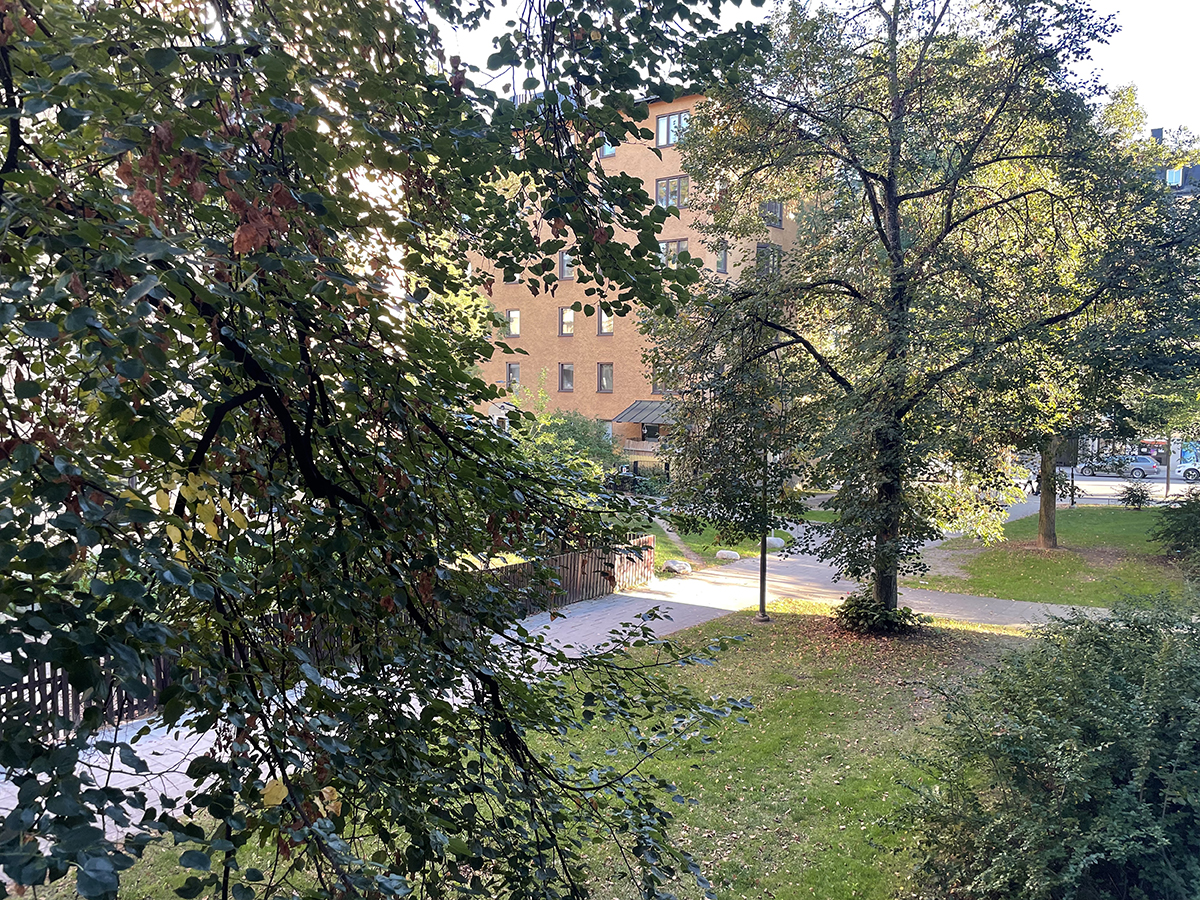
Photo 7. Three trees as seen from a residential window (photo by Hélène Littke).
30% canopy cover
Achieving and maintaining adequate tree canopy cover in cities is challenging despite the benefits of urban trees and green spaces. Common challenges are similar to those of 3 trees, but with the 30% canopy the size of the trees become even more important, and the need to preserve large old trees as long as possible, also for the health benefits they provide (Chi et al., 2022). Socioeconomic factors like income inequality and lack of community engagement can also influence tree distribution and access to green spaces.
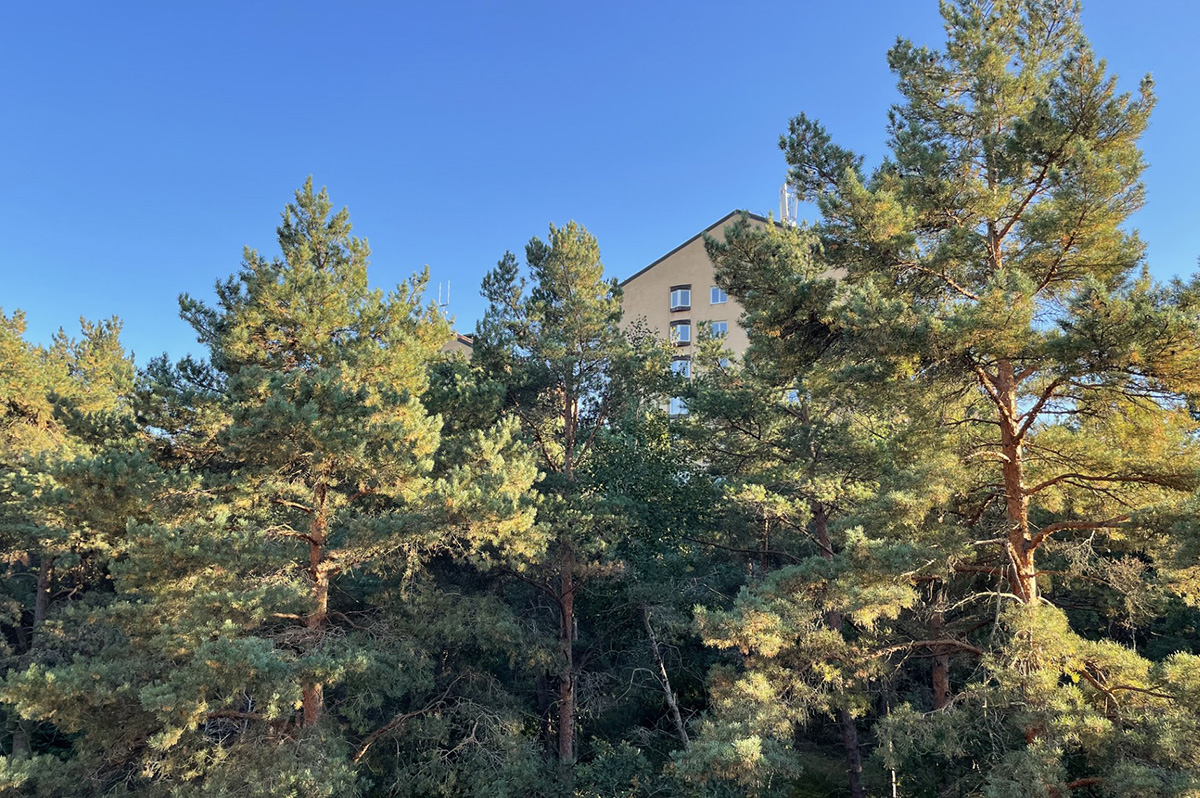
Photo 8. The 30 component calls for at least 30% canopy cover (photo by Magnus Nilsson).
300 metres
In densely populated urban areas, access to parks and green spaces within a 300-metres radius may be limited, particularly in marginalised communities or areas with high population density. This lack of access disproportionately affects residents’ health and well-being. Acquiring land for new parks or green spaces within urban areas can be challenging and costly. Municipalities must navigate land-use regulations, property ownership issues, and competing demands for land to create accessible green spaces. Establishing new parks or green spaces is just the first step; ensuring their ongoing maintenance and management is equally important. Limited municipal budgets and resources may hinder efforts to maintain these spaces adequately, leading to degradation over time. Safety concerns, such as crime and vandalism, can also deter residents from utilising parks and green spaces. Creating safe and welcoming environments requires careful design, community engagement, and collaboration with law enforcement agencies.
Cities must address these challenges through strategic planning, policy interventions, community partnerships, and implementation of state-of-the-art knowledge and practices. This may involve prioritising green infrastructure investments, integrating urban forestry goals into land use planning and development policies, providing incentives for private property owners to plant and maintain trees, and engaging residents in tree planting and stewardship programs. By addressing barriers to tree canopy cover expansion, cities can enhance the resilience, sustainability, and liveability of urban environments.
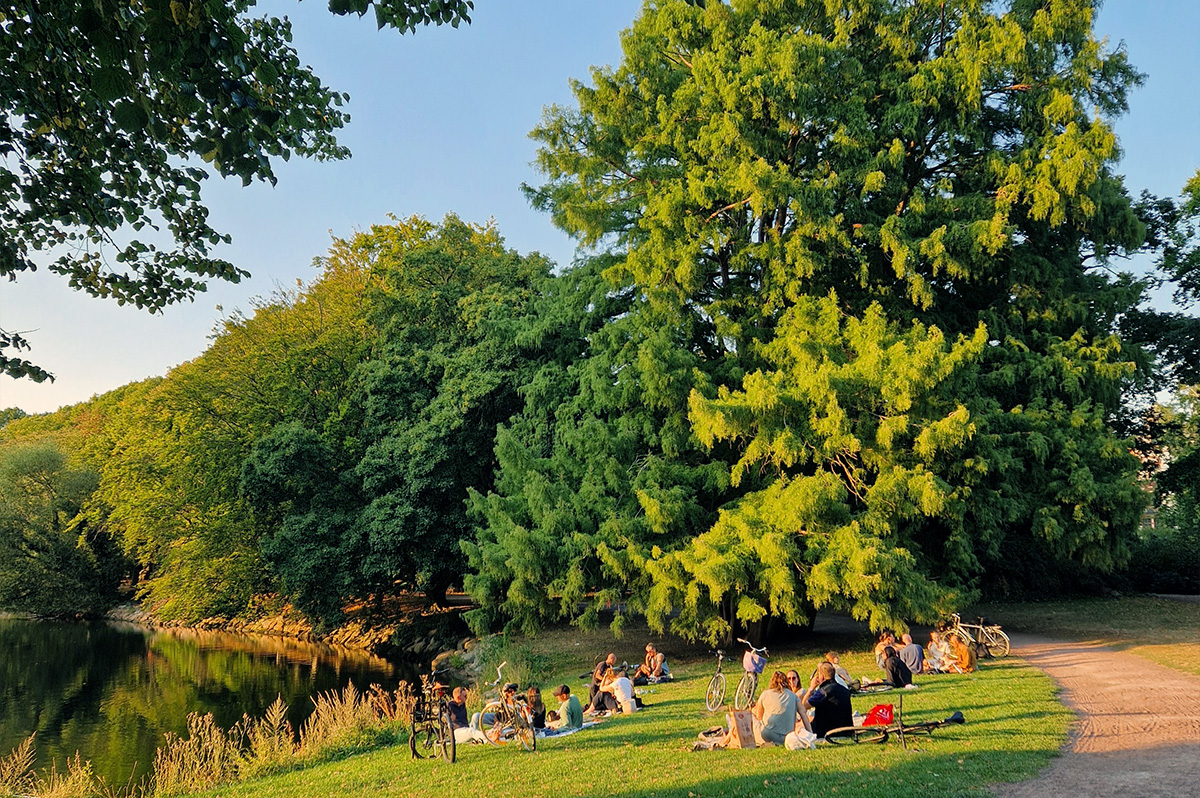
Photo 9. High quality public green space in Malmö, Sweden (photo by Clara Lind).
3+30+300 implementation in a Nordic setting – policies, practices, and opportunities
The 3+30+300 principle can serve as a guide to reach green, resilient, and healthy Nordic cities. As mentioned above, Nordic cities (and especially Swedish cities to date) have been some of the first to implement the principle, for example as part of their green space strategies but in some cases even in city comprehensive plans. The Yggdrasil project has shown that there is considerable potential for more implementation remains, recognising the large differences between urbanisation, climate, biodiversity, and other conditions between the Nordic countries and municipalities.
Implementation of the 3+30+300 principle, in ways that takes these differences into account the project will contribute to making the case for more resilient and healthy cities with more nature-based solutions that address both biodiversity, climate change, health and equality in the same measures, which includes multiple vision objectives in the Nordic Council of Ministers’ Our Vision 2030. The project contributes to the region’s sustainability and resilience which is the overarching goal of Our Vision 2030.
Initially the project was particularly linked to Vision objective 9 Health and welfare of “A socially sustainable Nordic Region”, due to the focus of the 3+30+300 principle on humans and their wellbeing as well as given that much analysis will be done to ensure that trees and greenspaces are accessible for the inhabitants in the cities where these are of the greatest importance. With the use of data on noise levels, air quality, and climate-related parameters, such as heat mapping, as well as specific work on the relations between urban forests and human health, the project has had a strong focus on health and wellbeing. The project also evaluated how vulnerable populations would be influenced by adopting the 3+30+300 principle, ensuring that the implementation is done where the need is the biggest to secure equal health and welfare for all, a strong contribution to vision objective 11 can be made. This is in line with the strong focus of 3+30+300 on environmental equity.
Moreover, as the project has focused on greener cities it also contributes to the carbon neutrality and climate adaptation objective of the Nordic vision (Vision objective 1). Additional focus has been on the preservation and increase of the proportion of local native trees in urban areas, thus ensuring a contribution to objective 2 on safeguarding biodiversity and the sustainable use of the Nordic regions nature. The broad collaboration across the Nordic countries also fostered by Yggdrasil promotes an inclusive and equal region with a common goal to transform our cities according to the 3+30+300 principle. This contributes to a strong and sustainably Nordic region that co-operates on the environment and climate issue (Vision objective 5). The Yggdrasil network also aimed to contribute to maintaining trust and cohesion in the Nordic region by creating a discussion forum during the workshop series where municipalities could share experiences and ask questions, present practical case studies to inspire and learn from each other (Vision objective 12). The project has been producing communication materials in several Nordic languages, including Finnish, Icelandic, Norwegian, and Swedish. This enhances knowledge dissemination across the Nordic countries with a focus on clear and simple step-by-step guidance for implementing the 3+30+300 principle (Vision objective 6), which has been achieved through data collection, analysis, and dissemination (Vision objective 8). This will make it easy for municipalities and other organisations to take full advantage of the output from the project. This, together with the well-established network, will assist the Nordic Region with its green transition (Vision objective 10).
Implementation of the 3+30+300 principle, in ways that takes these differences into account the project will contribute to making the case for more resilient and healthy cities with more nature-based solutions that address both biodiversity, climate change, health and equality in the same measures, which includes multiple vision objectives in the Nordic Council of Ministers’ Our Vision 2030. The project contributes to the region’s sustainability and resilience which is the overarching goal of Our Vision 2030.
Initially the project was particularly linked to Vision objective 9 Health and welfare of “A socially sustainable Nordic Region”, due to the focus of the 3+30+300 principle on humans and their wellbeing as well as given that much analysis will be done to ensure that trees and greenspaces are accessible for the inhabitants in the cities where these are of the greatest importance. With the use of data on noise levels, air quality, and climate-related parameters, such as heat mapping, as well as specific work on the relations between urban forests and human health, the project has had a strong focus on health and wellbeing. The project also evaluated how vulnerable populations would be influenced by adopting the 3+30+300 principle, ensuring that the implementation is done where the need is the biggest to secure equal health and welfare for all, a strong contribution to vision objective 11 can be made. This is in line with the strong focus of 3+30+300 on environmental equity.
Moreover, as the project has focused on greener cities it also contributes to the carbon neutrality and climate adaptation objective of the Nordic vision (Vision objective 1). Additional focus has been on the preservation and increase of the proportion of local native trees in urban areas, thus ensuring a contribution to objective 2 on safeguarding biodiversity and the sustainable use of the Nordic regions nature. The broad collaboration across the Nordic countries also fostered by Yggdrasil promotes an inclusive and equal region with a common goal to transform our cities according to the 3+30+300 principle. This contributes to a strong and sustainably Nordic region that co-operates on the environment and climate issue (Vision objective 5). The Yggdrasil network also aimed to contribute to maintaining trust and cohesion in the Nordic region by creating a discussion forum during the workshop series where municipalities could share experiences and ask questions, present practical case studies to inspire and learn from each other (Vision objective 12). The project has been producing communication materials in several Nordic languages, including Finnish, Icelandic, Norwegian, and Swedish. This enhances knowledge dissemination across the Nordic countries with a focus on clear and simple step-by-step guidance for implementing the 3+30+300 principle (Vision objective 6), which has been achieved through data collection, analysis, and dissemination (Vision objective 8). This will make it easy for municipalities and other organisations to take full advantage of the output from the project. This, together with the well-established network, will assist the Nordic Region with its green transition (Vision objective 10).
The Nordic Council of Ministers has already given prior attention to the 3+30+300 rule, for example through the work of its past Nordic Working Group on Sustainable Cities. This group developed a policy brief titled “Nordic Cities - Green, Resilient, Healthy” (with the help of Yggdrasil contributor Cecil Konijnendijk) in which use of 3+30+300 is recommended (Nordic Council of Ministers, 2022). It links implementation of this principle to four strategic principles for urban green space planning, namely proximity, diversity, connectivity, and equity. In brief, diverse, high-quality, and well-connected urban green trees and green space need to be proximate and readily available to all.
Swedish government bodies, including the Swedish National Board of Housing, Building and Planning (‘Boverket’), also hosted two conferences in which there was considerable focus on the potential of using 3+30+300. One of these events was held under the Swedish chairmanship of the European Union during the first half of 2023.
Opportunities for use of 3+30+300 in the Nordic Region exist at different levels, including the Nordic and national scale as part of relevant strategies and policies. Specific ways of integrating the guideline into green and other policies and strategies have been discussed in earlier parts of this report. The local context and needs will determine how the principle can best be used, ranging from a tool for analysing existing tree and green space provision to inclusion in comprehensive plans. However, as shown by e.g., the work of the Region of Scania (Region Skåne, 2023), opportunities also exist at the regional level. The most relevant level of implementation is that of municipalities throughout the Nordic countries, and even that of district and neighbourhood scales (e.g., in the case of neighbourhood transformation and new development). It is important to link local policies and strategies that use 3+30+300 with national policies, legislation, and recommendations. In Sweden, for example, a recommendation of reaching at least 25% tree canopy cover by 2030 was made by the Swedish Environmental Protection Agency (Naturvårdsverket) (Växtforum, 2022). Also in Sweden, the Swedish National Board of Housing, Building and Planning has provided several guidance documents related to urban green spaces for municipalities (Boverket, 2024).
Swedish government bodies, including the Swedish National Board of Housing, Building and Planning (‘Boverket’), also hosted two conferences in which there was considerable focus on the potential of using 3+30+300. One of these events was held under the Swedish chairmanship of the European Union during the first half of 2023.
Opportunities for use of 3+30+300 in the Nordic Region exist at different levels, including the Nordic and national scale as part of relevant strategies and policies. Specific ways of integrating the guideline into green and other policies and strategies have been discussed in earlier parts of this report. The local context and needs will determine how the principle can best be used, ranging from a tool for analysing existing tree and green space provision to inclusion in comprehensive plans. However, as shown by e.g., the work of the Region of Scania (Region Skåne, 2023), opportunities also exist at the regional level. The most relevant level of implementation is that of municipalities throughout the Nordic countries, and even that of district and neighbourhood scales (e.g., in the case of neighbourhood transformation and new development). It is important to link local policies and strategies that use 3+30+300 with national policies, legislation, and recommendations. In Sweden, for example, a recommendation of reaching at least 25% tree canopy cover by 2030 was made by the Swedish Environmental Protection Agency (Naturvårdsverket) (Växtforum, 2022). Also in Sweden, the Swedish National Board of Housing, Building and Planning has provided several guidance documents related to urban green spaces for municipalities (Boverket, 2024).
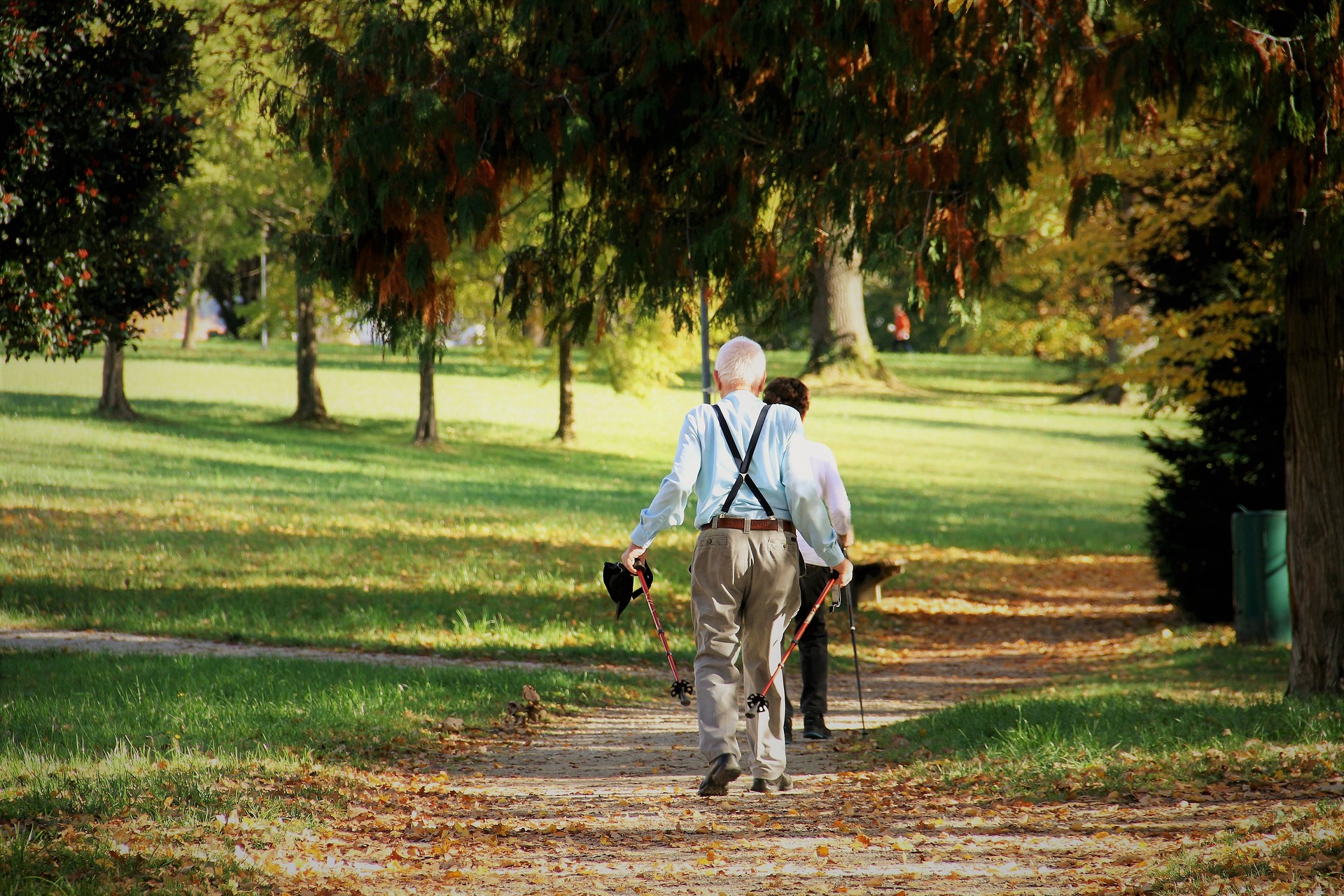
Photo 10. Urban parks are important for people of all ages (photo by Pixabay).
Making the health connection
In alignment with the project's objective to evaluate the effectiveness of the 3+30+300 principle in enhancing public health (Figure 5), this chapter begins by discussing the broader health benefits of urban greenness and urban nature. It then delves into specific considerations required when planning for maximised health gains by planting and managing urban trees, concluding with the role of urban green (and trees as important components) in promoting human health within the Nordic context.
Human health is deeply connected to the health of the planet, and forests and trees are a key part of the Earth's ecosystems. Understanding the interdependence between humans and forests and trees is essential for ensuring optimal health for current and future generations. A planetary health (Myers, 2017), or One Health approach (Atlas, 2013) integrates environmental protection with health solutions, and trees and forests play a crucial role in this framework. Healthy ecosystems contribute to promoting healthier lifestyles, preventing disease, and supporting livelihoods.
Urban green spaces and trees absorb pollutants like nitrogen dioxide (NO₂), sulphur dioxide (SO₂), and particulate matter, contributing to cleaner air (Nowak et al., 2002; Eisenmann et al., 2019). This has direct health benefits, by reducing morbidity and mortality attributed to air pollution (Lee, 2011; Kuo, 2015; Khomenko et al., 2021; Sang et al., 2022). Additionally green spaces and urban forests have been shown to lower stress, reduce symptoms of anxiety and depression, and improve overall mental well-being. (Kaplan et al., 1989; Bratman et al., 2015) The mechanisms for urban green spaces and its link to improved mental health, may be through lowering cortisol levels and fostering a sense of social cohesion. Bratman and colleagues propose a model that highlights the effects of natural environments on mental health through four key steps: (1) “natural features,” which include environmental factors like type, size, and quality that can affect mental health; (2) “exposure,” referring to the extent of contact with nature; (3) “experience,” focusing on the subjective aspects of nature exposure; and (4) “effects,” which are the resulting mental health outcomes from these nature experiences (Bratman et al., 2019).
Access to green spaces encourages physical activity, promoting healthier lifestyles (Sugiyama et al., 2008). Their shade reduces exposure to harmful ultraviolet (UV) rays, lowering the risk of skin cancer (Heisler, 2005; Na et al., 2014). Further, trees provide shade and cool the air through transpiration, mitigating the urban heat island effect (Oke, 1982; Bowler, 2010). This reduces heat-related health risks. International research shows that particularly low-income neighbourhoods may be disproportionately affected by extreme heat (Chakraborty et al., 2019).
Additionally, urban trees play a role in reducing noise pollution and in sequestering carbon, the latter addressing climate change impacts that can exacerbate health conditions (Nowak et al., 2002; Oliveira, 2022). Lastly, by reducing stormwater runoff and filtering pollutants, urban trees may improve water quality and prevent flooding, further safeguarding public health (Berland et al., 2017).
Tree-related cooling has for example been shown to contribute to as much as 30% decrease in ambient particulate matter (PM) on average in one study (Yang et al., 2023). Research has however revealed non-linear patterns between tree coverage and indicators such as PM and heat, highlighting the complexity of these interactions. The density of tree planting may furthermore play a crucial role in maximising the reduction of air pollution. Under certain circumstances, air pollution levels can even increase with tree planting, particularly in urban environments, for example by trapping pollutants in street canyons, by emission of Volatile Organic Compounds or by blocking wind flow. One study highlights the significant benefits of trees, especially in reducing inhalable particles on sidewalks (Ren et al., 2023). In that particular study however, medium tree spacing seemed optimal, roughly equal to crown diameter, being the most effective in reducing air pollution along bicycle lanes and sidewalks, compared to traffic lanes. The impact became even more pronounced under heavy traffic conditions. However, with sparse or dense tree spacing, the benefits may diminish as traffic increases. Urban planners with the necessary expertise are key to designing healthier cities that balance urbanisation with environmental and public health needs.
Regarding the 3+30+300 principle specifically, and its relation to health, there is a study from Barcelona, where surrounding residential greenness was significantly associated with improved mental health, reduced medication use, and fewer visits to psychologists or psychiatrists (Nieuwenhuijsen et al., 2022). However, no significant associations were found between mental health and having a tree view from windows or proximity to major green spaces. Adhering fully to the 3+30+300 principle was linked to better mental health outcomes, reduced medication use, and fewer visits to psychologists or psychiatrists, though statistical significance was observed only for the latter. In another study, from Chongqing, China, the findings indicated that participants who had a view of at least three trees through their windows experienced higher levels of both nature connectedness and mental well-being compared to those without such views (Li et al., 2024). Nature connectedness played a significant role in mediating the relationship between tree visibility and mental well-being, although the overall effect size was relatively modest. Although there are relatively few studies related to the 3+30+300 principle and health outcomes, and the results vary somewhat, the available research suggests that it could be a valuable and relevant tool for promoting health. This measure, focusing on increasing access to nature through tree visibility, neighbourhood greenery, and large green spaces, shows potential as a practical guideline for urban planning aimed at improving both physical and mental well-being.
Unfortunately, green spaces and their beneficial effects are often unevenly distributed within cities, with individuals of lower socioeconomic status (SES) facing greater challenges in accessing high-quality green areas. For example, those with lower SES are more likely to live in densely populated urban environments where green space is limited. This socioeconomic gradient in access to green spaces, often referred to as environmental injustice, was highlighted by the 2016 European Quality of Life Survey and has been observed across various European countries. The United Nations’ Sustainable Development Goal 11.7 specifically advocates for “universal access to safe, inclusive, and accessible green and public spaces” (United Nations, 2024). It's important to recognize that inequalities in access to greenery and trees may be more complex in the Nordic context compared to many countries. This complexity may arise from the high status associated with living in city centres, combined with the generally high levels of access to greenery enjoyed by the population as a whole. This is highlighted in the section on socioeconomic perspectives on urban trees below. Indoor environments in disadvantaged neighbourhoods are often more crowded and of lower quality, which can exacerbate health risks. This makes the health benefits of accessible, high-quality green spaces – particularly those perceived as safe – even more significant for these communities.
Incorporating green spaces, trees, and other vegetation into urban landscapes thus has the potential to offer significant health benefits, such as reducing air pollution and mitigating the urban heat island effect. However, maximising these advantages requires careful planning. Urban planners with expertise in environmental and public health are essential for selecting tree species that optimise air quality and cooling benefits while minimising pollution risks. They must also design green infrastructure to ensure adequate airflow and prevent pollutant trapping in dense areas. Key strategies include effective tree spacing and placing, the use of tree species with favourable characteristics for providing different benefits, the use of native species, and integrating trees into broader environmental policies to address environmental injustices. Collaboration among urban planners, environmental scientists, public health officials, and landscape architects is crucial for creating holistic designs that foster green, liveable cities for all populations. By tailoring approaches to the specific needs of different urban environments, planners can enhance both environmental sustainability and human health. In summary, informed urban planning is vital for maximising the health benefits of greenness and trees while minimising the risks of localised pollution and heat retention.
Tree-related cooling has for example been shown to contribute to as much as 30% decrease in ambient particulate matter (PM) on average in one study (Yang et al., 2023). Research has however revealed non-linear patterns between tree coverage and indicators such as PM and heat, highlighting the complexity of these interactions. The density of tree planting may furthermore play a crucial role in maximising the reduction of air pollution. Under certain circumstances, air pollution levels can even increase with tree planting, particularly in urban environments, for example by trapping pollutants in street canyons, by emission of Volatile Organic Compounds or by blocking wind flow. One study highlights the significant benefits of trees, especially in reducing inhalable particles on sidewalks (Ren et al., 2023). In that particular study however, medium tree spacing seemed optimal, roughly equal to crown diameter, being the most effective in reducing air pollution along bicycle lanes and sidewalks, compared to traffic lanes. The impact became even more pronounced under heavy traffic conditions. However, with sparse or dense tree spacing, the benefits may diminish as traffic increases. Urban planners with the necessary expertise are key to designing healthier cities that balance urbanisation with environmental and public health needs.
Regarding the 3+30+300 principle specifically, and its relation to health, there is a study from Barcelona, where surrounding residential greenness was significantly associated with improved mental health, reduced medication use, and fewer visits to psychologists or psychiatrists (Nieuwenhuijsen et al., 2022). However, no significant associations were found between mental health and having a tree view from windows or proximity to major green spaces. Adhering fully to the 3+30+300 principle was linked to better mental health outcomes, reduced medication use, and fewer visits to psychologists or psychiatrists, though statistical significance was observed only for the latter. In another study, from Chongqing, China, the findings indicated that participants who had a view of at least three trees through their windows experienced higher levels of both nature connectedness and mental well-being compared to those without such views (Li et al., 2024). Nature connectedness played a significant role in mediating the relationship between tree visibility and mental well-being, although the overall effect size was relatively modest. Although there are relatively few studies related to the 3+30+300 principle and health outcomes, and the results vary somewhat, the available research suggests that it could be a valuable and relevant tool for promoting health. This measure, focusing on increasing access to nature through tree visibility, neighbourhood greenery, and large green spaces, shows potential as a practical guideline for urban planning aimed at improving both physical and mental well-being.
Unfortunately, green spaces and their beneficial effects are often unevenly distributed within cities, with individuals of lower socioeconomic status (SES) facing greater challenges in accessing high-quality green areas. For example, those with lower SES are more likely to live in densely populated urban environments where green space is limited. This socioeconomic gradient in access to green spaces, often referred to as environmental injustice, was highlighted by the 2016 European Quality of Life Survey and has been observed across various European countries. The United Nations’ Sustainable Development Goal 11.7 specifically advocates for “universal access to safe, inclusive, and accessible green and public spaces” (United Nations, 2024). It's important to recognize that inequalities in access to greenery and trees may be more complex in the Nordic context compared to many countries. This complexity may arise from the high status associated with living in city centres, combined with the generally high levels of access to greenery enjoyed by the population as a whole. This is highlighted in the section on socioeconomic perspectives on urban trees below. Indoor environments in disadvantaged neighbourhoods are often more crowded and of lower quality, which can exacerbate health risks. This makes the health benefits of accessible, high-quality green spaces – particularly those perceived as safe – even more significant for these communities.
Incorporating green spaces, trees, and other vegetation into urban landscapes thus has the potential to offer significant health benefits, such as reducing air pollution and mitigating the urban heat island effect. However, maximising these advantages requires careful planning. Urban planners with expertise in environmental and public health are essential for selecting tree species that optimise air quality and cooling benefits while minimising pollution risks. They must also design green infrastructure to ensure adequate airflow and prevent pollutant trapping in dense areas. Key strategies include effective tree spacing and placing, the use of tree species with favourable characteristics for providing different benefits, the use of native species, and integrating trees into broader environmental policies to address environmental injustices. Collaboration among urban planners, environmental scientists, public health officials, and landscape architects is crucial for creating holistic designs that foster green, liveable cities for all populations. By tailoring approaches to the specific needs of different urban environments, planners can enhance both environmental sustainability and human health. In summary, informed urban planning is vital for maximising the health benefits of greenness and trees while minimising the risks of localised pollution and heat retention.
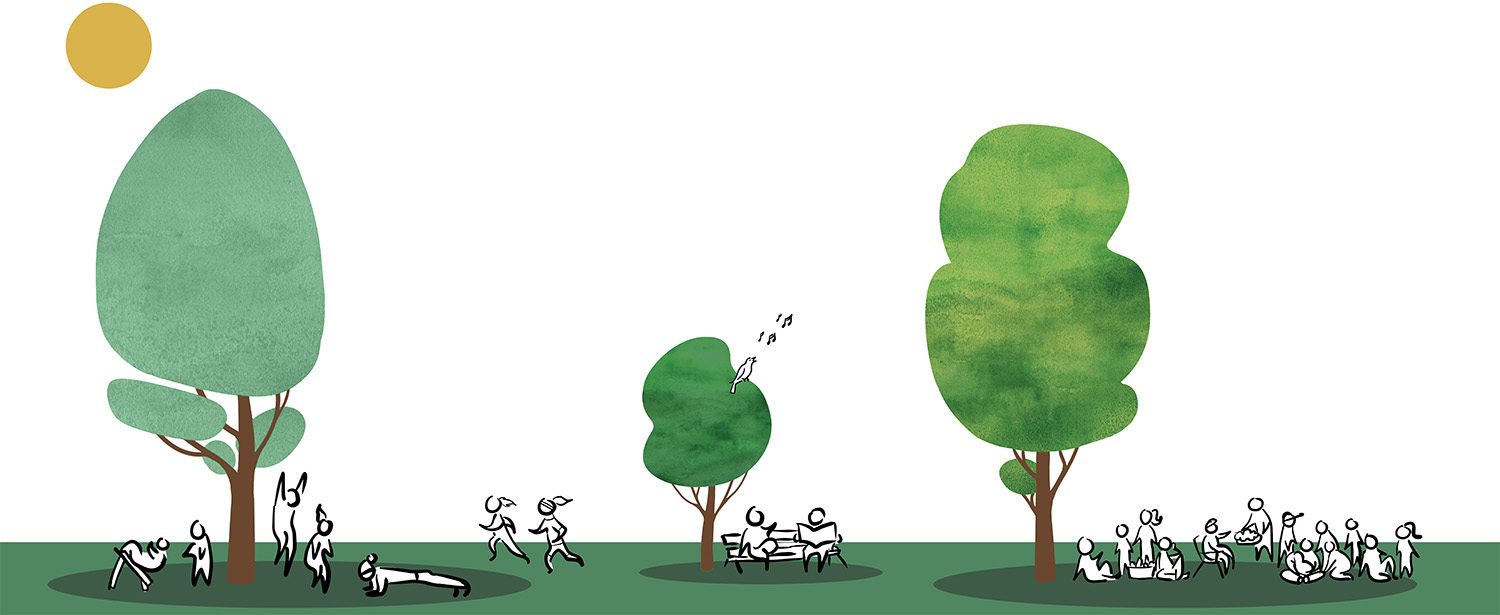
Figure 5. Visualisation of some of the health benefits of trees (illustration Ellinor Scharin, Ekologigruppen).
Urban trees, urban green spaces, and human health in the Nordic setting
In the Nordic countries, urban trees and urban green spaces play a crucial role in enhancing health and well-being, influenced by the region's unique climate, urban design, and commitment to sustainability and nature. Nordic cities have long prioritised the integration of green spaces into their planning, emphasising the vital connection between nature and public health (Aguiar Borges et al., 2024).
The mental health benefits of urban trees are particularly pronounced in the Nordic context, where long, dark winters can lead to Seasonal Affective Disorder (SAD) (Brancaleoni et al., 2009). Access to green spaces and urban trees has been shown to alleviate stress, improve mood, and reduce symptoms of depression. Additionally, the region’s cultural affinity for nature, embodied in concepts like the Finnish and Swedish “everyman’s right” (jokamiehenoikeus and allemansrätten), encourages citizens to engage with natural areas. This engagement promotes physical activity and helps mitigate the risks of chronic diseases such as heart disease, obesity, and diabetes. In a Swedish study during the COVID-19 pandemic results showed a significant increase in the number of individuals visiting natural areas “often” during the pandemic. Higher residential greenness was generally linked to better mental health, with improved well-being and vitality, and reduced symptoms of depression, anxiety, and stress, even after adjusting for demographics and walkability. These findings suggest that nature contact may support mental health during extreme circumstances (Löhmus et al., 2021).
The mental health benefits of urban trees are particularly pronounced in the Nordic context, where long, dark winters can lead to Seasonal Affective Disorder (SAD) (Brancaleoni et al., 2009). Access to green spaces and urban trees has been shown to alleviate stress, improve mood, and reduce symptoms of depression. Additionally, the region’s cultural affinity for nature, embodied in concepts like the Finnish and Swedish “everyman’s right” (jokamiehenoikeus and allemansrätten), encourages citizens to engage with natural areas. This engagement promotes physical activity and helps mitigate the risks of chronic diseases such as heart disease, obesity, and diabetes. In a Swedish study during the COVID-19 pandemic results showed a significant increase in the number of individuals visiting natural areas “often” during the pandemic. Higher residential greenness was generally linked to better mental health, with improved well-being and vitality, and reduced symptoms of depression, anxiety, and stress, even after adjusting for demographics and walkability. These findings suggest that nature contact may support mental health during extreme circumstances (Löhmus et al., 2021).
The Nordic climate is characterised by extreme seasonal changes and harsh weather during a large part of the year. However, despite this an Icelandic study on restorative environments concluded that the positive effect on mental health rarely was affected by external conditions, like weather (Kristjánsdóttir et al., 2020). Ongoing climate change will have a significant effect on the Nordic climate. Studies show that the Arctic has warmed nearly four times faster than the globe since 1979 (Rantanen et al., 2022) and the Nordic Region is therefore particularly vulnerable. A result of a warmer climate is a longer pollen season and a higher risk of allergy connected health issues. An Icelandic study looking at urban design with consideration to allergic rhinitis and asthma argues that un-nuanced focus on the health benefits of urban trees might result in monodominant planting communities and reduced biodiversity that might worsen allergic problems (Schneider, 2024). This highlights the need to understand these effects of climate change in urban planning practice.
In the Nordic setting, various measures of increased greenness has for example been linked to a decreased risk of myocardial infarction in women in a Swedish study (Stucki et al., 2024), decreased risk of type 2 diabetes in a Danish study (Sorensen et al., 2018), to reduced risk for depression in a Finnish study (Gonzales-Inca et al., 2022), and to increased birth weight in a multi-centre Scandinavian study (Sinsamala et al., 2024). In one Swedish study furthermore, higher long-term exposure to greenness was linked to a slower increase in waist circumference and a lower risk of central adiposity in women, but not in men (Persson et al., 2018). In both genders, living in less green areas, alongside other environmental risk factors seemed particularly detrimental, highlighting the need to investigate health effects of greenness simultaneously to other environmental risk factors for a holistic perspective.
Although the region is known for its cold winters, multiple studies have shown that people die in heat waves also in the Nordic countries. For example, it was estimated that more than 600 people died in the heatwave of 2018 (Åström et al., 2019). Cold temperatures also pose a risk on population health in the Nordic setting and urban trees also help insulate buildings by breaking cold winds, indirectly reducing energy consumption and preventing cold-related health issues. Despite generally good air quality in the Nordics compared with most of mainland Europe, urban areas still face air pollution challenges, particularly from transportation and wood-burning, but also from industry. For example, around 6,700 people are estimated to die prematurely every year in Sweden due to air pollution (Gustafsson et al., 2022). There is thus substantial potential for public health benefits by reducing air pollution, heat and cold, also in the Nordic setting, and mitigating extreme temperature events furthermore enhances the air purification effects of urban trees, demonstrating their dual role in improving urban environments.
There are very few studies on greenness in relation to health in Iceland, Faroe Islands, or Greenland, but the global rise in pollen allergies is driven by factors such as pollution, reduced biodiversity, and the prevalence of man-made, monodominant planting, particularly in urban areas. While green spaces are vital for the mental and physical well-being of city dwellers, they can also pose health risks by contributing to sensitization from local pollen. Unfortunately, most urban green spaces are not designed with conditions like allergic rhinitis and asthma in mind. Although research has focused on the medical and botanical aspects of allergies, there is a disconnect between this knowledge and its application in landscape architecture and urban planning. A bachelor thesis from University of Iceland addressed this gap by examining the health impact of allergenic vegetation, showcasing case studies of allergen-low designs, and proposing a redesign of the Stakkaborg playschool to minimise allergen exposure and pollution, as one example of how the design of outdoor spaces may be used to create healthier outdoors environment for children and teachers (Schneider, 2024).
In the Nordic setting, various measures of increased greenness has for example been linked to a decreased risk of myocardial infarction in women in a Swedish study (Stucki et al., 2024), decreased risk of type 2 diabetes in a Danish study (Sorensen et al., 2018), to reduced risk for depression in a Finnish study (Gonzales-Inca et al., 2022), and to increased birth weight in a multi-centre Scandinavian study (Sinsamala et al., 2024). In one Swedish study furthermore, higher long-term exposure to greenness was linked to a slower increase in waist circumference and a lower risk of central adiposity in women, but not in men (Persson et al., 2018). In both genders, living in less green areas, alongside other environmental risk factors seemed particularly detrimental, highlighting the need to investigate health effects of greenness simultaneously to other environmental risk factors for a holistic perspective.
Although the region is known for its cold winters, multiple studies have shown that people die in heat waves also in the Nordic countries. For example, it was estimated that more than 600 people died in the heatwave of 2018 (Åström et al., 2019). Cold temperatures also pose a risk on population health in the Nordic setting and urban trees also help insulate buildings by breaking cold winds, indirectly reducing energy consumption and preventing cold-related health issues. Despite generally good air quality in the Nordics compared with most of mainland Europe, urban areas still face air pollution challenges, particularly from transportation and wood-burning, but also from industry. For example, around 6,700 people are estimated to die prematurely every year in Sweden due to air pollution (Gustafsson et al., 2022). There is thus substantial potential for public health benefits by reducing air pollution, heat and cold, also in the Nordic setting, and mitigating extreme temperature events furthermore enhances the air purification effects of urban trees, demonstrating their dual role in improving urban environments.
There are very few studies on greenness in relation to health in Iceland, Faroe Islands, or Greenland, but the global rise in pollen allergies is driven by factors such as pollution, reduced biodiversity, and the prevalence of man-made, monodominant planting, particularly in urban areas. While green spaces are vital for the mental and physical well-being of city dwellers, they can also pose health risks by contributing to sensitization from local pollen. Unfortunately, most urban green spaces are not designed with conditions like allergic rhinitis and asthma in mind. Although research has focused on the medical and botanical aspects of allergies, there is a disconnect between this knowledge and its application in landscape architecture and urban planning. A bachelor thesis from University of Iceland addressed this gap by examining the health impact of allergenic vegetation, showcasing case studies of allergen-low designs, and proposing a redesign of the Stakkaborg playschool to minimise allergen exposure and pollution, as one example of how the design of outdoor spaces may be used to create healthier outdoors environment for children and teachers (Schneider, 2024).
Overall, it is important to acknowledge that the mechanisms for health benefits from greenness may be modified by perceived characteristics of the physical environment. One study for example indicated that the neighbourhood greenness score demonstrated a positive association with physical activity, while interestingly, neighbourhood cultural history also correlated positively with both physical activity and general health (Weimann et al., 2017). Additionally, the relationship between greenness and physical activity was moderated by safety, indicating that feelings of unsafety may undermine the positive effects of greenness on physical activity levels.
The intricate relationship between urbanisation, forest health, SES and human well-being underscores the importance of incorporating Indigenous knowledge into urban planning, particularly that of the Sámi people in the Nordic Region. This interconnectedness further reinforces the evidence supporting the positive impact of forests and trees on human health.
The intricate relationship between urbanisation, forest health, SES and human well-being underscores the importance of incorporating Indigenous knowledge into urban planning, particularly that of the Sámi people in the Nordic Region. This interconnectedness further reinforces the evidence supporting the positive impact of forests and trees on human health.
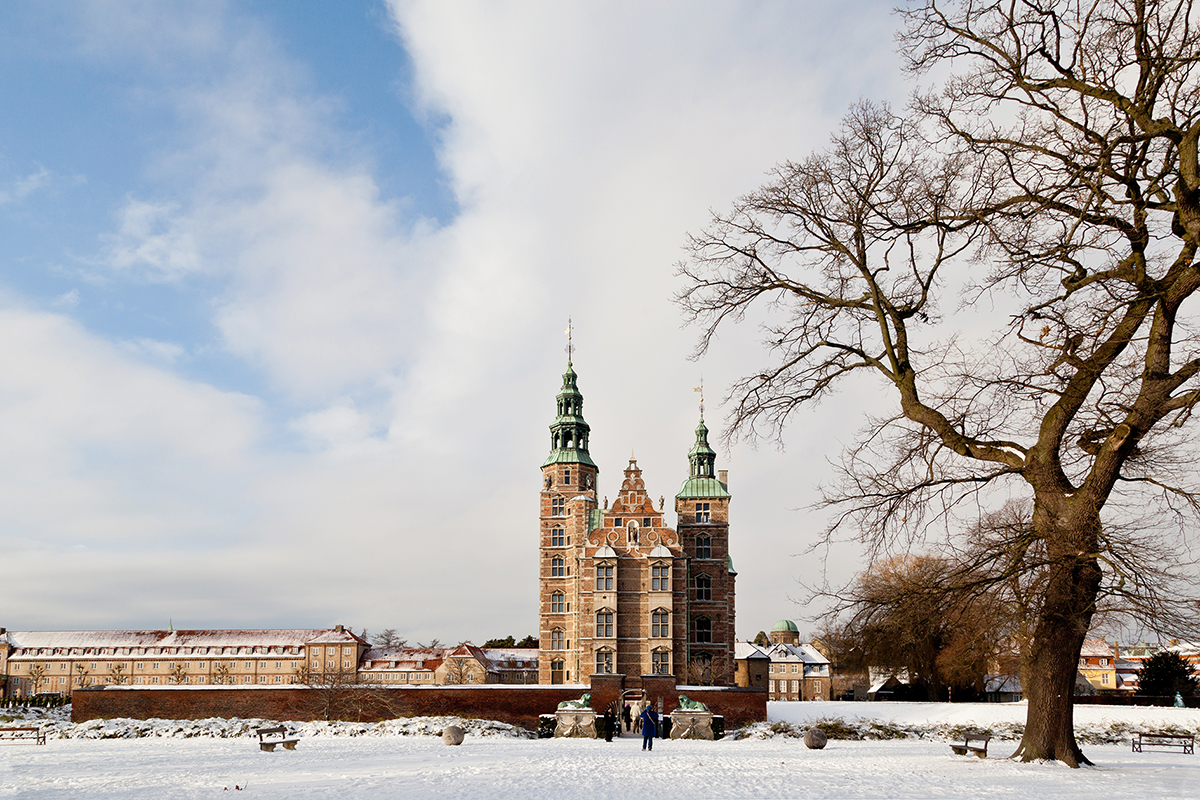
Photo 11. In Nordic cities the winter use of urban green spaces is often very important but challenging (photo by Kim Wyon/Visit Denmark).
Tree species diversity and 3+30+300 implementation
Tree diversity and the suitability of different tree species
The understanding of the need to plan for a broader variety of tree diversity in our urban landscapes to mitigate potential diseases affecting specific tree species has long been established. For example, a guideline to follow has been the 10-20-30 rule, which states that no more than 10% of any single species should be planted, no more than 20% of the same genus, and no more than 30% of the same family. This approach discourages the planting of large or contiguous areas of the same species or clones to prevent entire sections from being impacted by a potential disease outbreak (Santamour, 1990). Thus, creating ecological resilience allows an ecosystem to withstand and recover from disturbances such as disease outbreaks or the extinction of a species due to climate change. A broad species diversity with biological variety fosters a robust ecosystem that enhances resilience by spreading risks. If one species disappears, another with similar characteristics can take its place. Uniform tree populations or those with low diversity consequently have lower resilience and are therefore more susceptible to disturbances. Ongoing climate change is expected to lead to more extreme weather events, such as heavy rainfall and droughts. Therefore, we need to preserve and restore resilient ecosystems when planning our cities (Naturvårdsverket, 2024). A strong ecological resilience would thus support the implementation of the 3+30+300 principle by ensuring a consistent and sustainable level of vegetation without noticeable periods when species disappear in large sections.
To address these challenges a think tank activity was conducted on 25 September 2024 during which participants and experts from Trädkontoret and Ekologigruppen got together to discuss. In an increasingly warmer world, many native species will need to migrate to new locations, while others may adapt and remain in their current habitats. During the think tank discussions, the scenario was discussed in which trees lose their normal habitats due to climate change, resulting in a shift of species northward. This shift also places responsibility on northern regions, as Scandinavia may need to accommodate these species, referred to in the think tank discussions as “responsibility species”. With new non-native tree species come accompanying species, such as insects and other organisms, that lose their natural habitats. How do we care for them? A concept discussed during the think tank activities was termed “on the edge”, which refers to the possibility that our Nordic countries may become the last refuge for species moving northward as a result of climate change.
To address these challenges a think tank activity was conducted on 25 September 2024 during which participants and experts from Trädkontoret and Ekologigruppen got together to discuss. In an increasingly warmer world, many native species will need to migrate to new locations, while others may adapt and remain in their current habitats. During the think tank discussions, the scenario was discussed in which trees lose their normal habitats due to climate change, resulting in a shift of species northward. This shift also places responsibility on northern regions, as Scandinavia may need to accommodate these species, referred to in the think tank discussions as “responsibility species”. With new non-native tree species come accompanying species, such as insects and other organisms, that lose their natural habitats. How do we care for them? A concept discussed during the think tank activities was termed “on the edge”, which refers to the possibility that our Nordic countries may become the last refuge for species moving northward as a result of climate change.
Trädkontoret AB (2024) has developed climate forecasts indicating how various species are expected to be affected by a warmer climate. For instance, it shows that downy birch’s (Betula pubescens) natural occurrence is shifting from Northern Europe and Southern Sweden towards Northern Sweden and Norway (Figure 6). This means that where this tree species has previously been common, it will gradually become extinct and need to be replaced by other species. In contrast, black locust (Robinia pseudoacacia), a non-native species, is expected to migrate northward with its natural distribution and may thrive in the southern half of Sweden. This species could potentially flourish in urban settings, although it poses challenges due to its invasive nature. Being able to anticipate future developments can better prepare us for climate change by planning how to manage these species. As our current native species move northward, we will also need new species suitable for urban environments to maintain good canopy cover and appealing outdoor spaces. By being proactive and analysing growth patterns and conditions for future species, we can create an overlap before native species disappear or migrate northward.
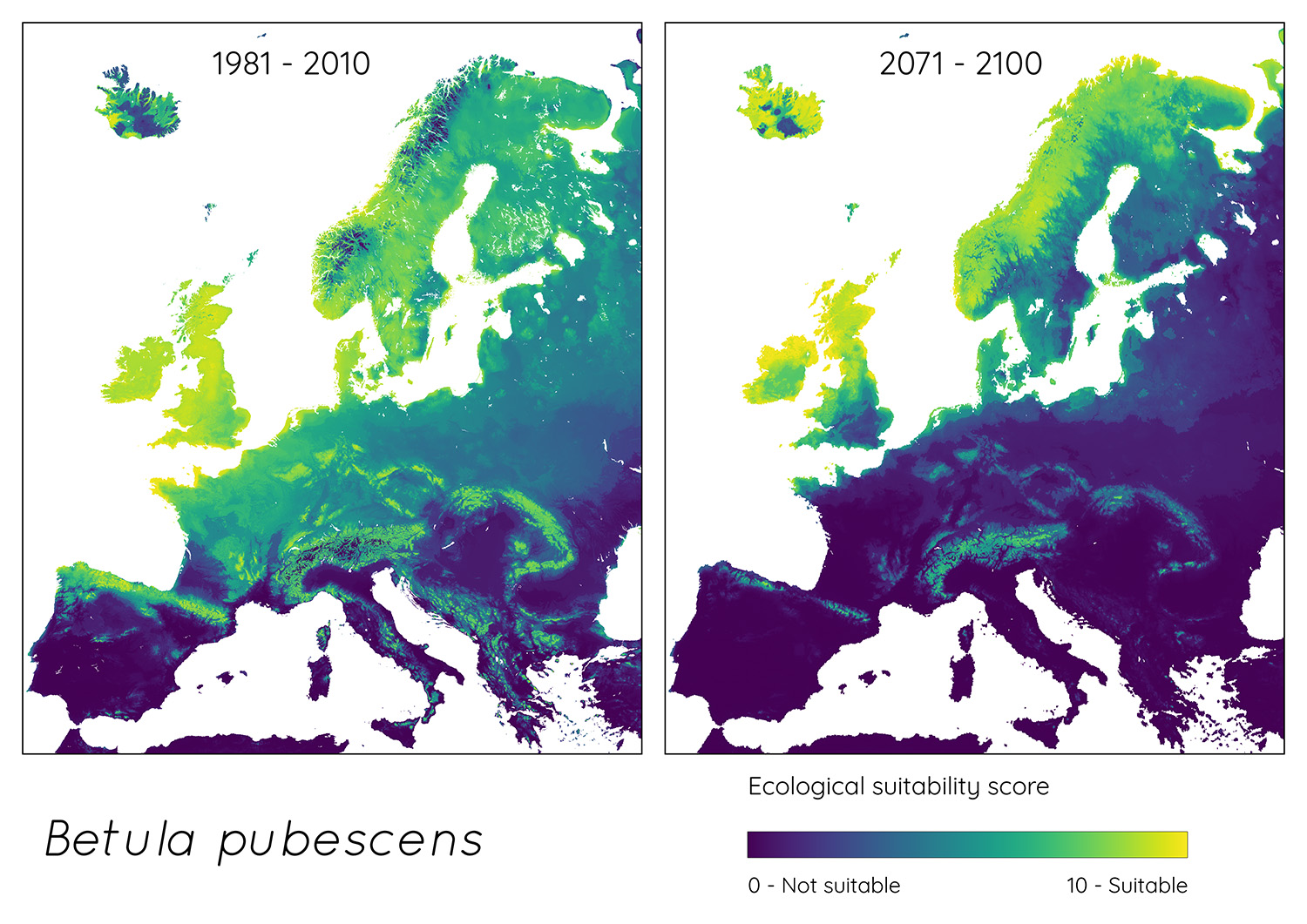
Figure 6. Climate prognosis: downy birch (Betula pubescens) for the years 1981–2010 and 2071–2100.
Different tools have been developed that can be utilised in urban planning to focus on selecting the appropriate tree species for specific locations in urban environments to maximise ecosystem services such as improved climate resilience, increased biodiversity, and thus greater canopy cover. Through data collection, species that are suitable for the site and can provide the greatest benefit are identified to ensure that the right trees are placed in the right locations. The emphasis is on planting healthy large-growing trees that can withstand urban conditions and future climate change. This approach has been tested in Malmö, where information from inventories was combined with the city's tree database to enhance species selection and increase tree coverage in residential areas. The concept of “plantable spots,” along with a “goal pyramid” that outlines function-based and target-based species selection, is described by Bellan et al. (2022). This methodology facilitates the creation of higher species diversity, ensuring that the quality-assured choice of trees results in more trees that can grow large, thereby establishing a stable high canopy coverage.
During the think tank discussions, several proposals for future planning tools emerged. One suggestion was to develop a concept of “typical sites” to categorise different urban environments as specific habitats, focusing on both macro- and microclimates, such as large areas, small areas, leftover spaces, park areas, protected parks, and large unprotected sites. A central question is which tree species thrive in these various typical sites, and what habitats are created? The discussion included the risks associated with creating so-called “unstable sites,” meaning planning and establishing new habitats – such as squares or other urban spaces – that attract pollinators and other insects. If the site or other locations in a biological chain are remodelled, removed, or altered, it could instead become a death trap for species that cannot move large distances and have become dependent on that specific habitat. This does not support the biodiversity needed to create an ecological resilience that mitigates risks.
In recent years, the issue of invasive species and their spread, including their impact on biodiversity, has been taken more seriously, with extensive literature available on the subject. There are pros and cons that need to be considered, but creating sustainable and climate-resilient urban environments may require a more nuanced view of the matter. A research study from Lund University examined how the origin of trees (native versus non-native) and urbanisation affect the number of invertebrates and tree phenology in urban environments (Kjellberg et al., 2022). The researchers found that non-native trees supported fewer invertebrates and exhibited later phenological development than native trees. This could negatively affect the invertebrate fauna, particularly in cities where non-native species are common. The effect of tree origin was found to be stronger than the impact of urbanisation, highlighting the importance of preserving native species in cities to maintain biodiversity and ecosystem health. At the same time, we face the reality that native plant material will migrate northward due to climate change, making it essential to analyse which non-native species might be suitable for our environments to create future resilience. The popular science article “Ett försvarstal för den förkättrade tysklönnen” (Åsegård et al., 2023) discusses the flexibility in species selection. It describes risk classification as a valuable tool for identifying foreign and invasive species that may threaten biodiversity. However, there also needs to be flexibility in introducing non-native species when diseases or climate change impact native species. Strict delineations are important to clarify management efforts, but excessive classifications should be avoided. For example, the sycamore maple (Acer pseudoplatanus) is discussed as a potential option for climate adaptation and increased biodiversity in Sweden, as there is no evidence that the species negatively affects native ecosystems. Some exotic species can also host a variety of insects and lichens.
Trafikverket, the Swedish Transport Administration (Hammarström et al., 2022) has developed a report to guide their plant selections during construction. The report states that the choice of plants in Trafikverkets projects is adapted to consider future climate change. The species proposed in their list for non-invasive projects include both native and non-native species but have been assessed based on risk classification to avoid creating new problems with invasive foreign species. They have determined that it is possible to use non-native plant material to address climate change while taking responsibility for species selection by carefully scrutinising the proposed plant materials. Similar conclusions are drawn by Östberg (2024) in the article “Balans i trädbeståndet: inhemska, exotiska och invasiva träd i urban miljö”. The article discusses how native trees benefit local biodiversity, while exotic species may be important for climate adaptation and resistance to diseases. At the same time, the article warns against invasive species that threaten ecosystems. Therefore, the management of urban tree populations must include careful species selection and risk assessments to optimise benefits and minimise negative effects. With climate change, many of our native species are struggling to survive in urban environments, and several native species have been severely impacted by pests, leading to significant die-offs. This could be catastrophic for canopy cover or for the ability to see trees from your window, as our parks and green spaces would also be affected by the loss of species, along with the biodiversity in our urban environments. Exotic trees are often planted for their different properties compared to our native trees, such as aesthetic values, greater tolerance to pests, and resilience to climate change, including increased resistance to temperature, water scarcity, and compacted soils. Exotic trees contribute to greater species diversity, while many of our red-listed animal and insect species largely depend on our native trees.
An article by Nässlander et al. (2024) discusses similar critical factors for selecting tree species adapted to urban environments, particularly for improving species diversity and managing changing environmental conditions such as drought and heat stress. The article emphasises the importance of selecting a wide variety of species to enhance resilience in urban environments against diseases, pests, and climate change. This is especially vital in harsh environments such as streets and squares, where soil volume and water access are limited. Many traditionally used species in urban environments come from moist and cool forest habitats, making them less suitable for warm and dry urban settings with the changing climate and environmental conditions currently present in cities. This includes factors such as drought, heat stress, and compacted soil conditions, which not all species can handle well. Therefore, the report suggests considering new, more resilient species that may not have been previously used in cities to ensure better survival and performance under these conditions. Species with high tolerance to water scarcity and other environmental stress factors are highlighted as crucial for successful establishment and long-term health in urban environments. For instance, species that can withstand both drought and flooding should be prioritised in climates expected to experience extreme weather events as part of ongoing and future climate change. The importance of having fewer larger trees positively impacts residents’ health more than a greater number of smaller trees is noted by Konijnendijk et al. (2022) and also recently in a study in Brussels, Belgium (Chi et al., 2022). The size of green areas is important, as larger parks and other green spaces typically provide more opportunities for recreational activities, are more popular, and contain greater biodiversity.
During the think tank discussions, several proposals for future planning tools emerged. One suggestion was to develop a concept of “typical sites” to categorise different urban environments as specific habitats, focusing on both macro- and microclimates, such as large areas, small areas, leftover spaces, park areas, protected parks, and large unprotected sites. A central question is which tree species thrive in these various typical sites, and what habitats are created? The discussion included the risks associated with creating so-called “unstable sites,” meaning planning and establishing new habitats – such as squares or other urban spaces – that attract pollinators and other insects. If the site or other locations in a biological chain are remodelled, removed, or altered, it could instead become a death trap for species that cannot move large distances and have become dependent on that specific habitat. This does not support the biodiversity needed to create an ecological resilience that mitigates risks.
In recent years, the issue of invasive species and their spread, including their impact on biodiversity, has been taken more seriously, with extensive literature available on the subject. There are pros and cons that need to be considered, but creating sustainable and climate-resilient urban environments may require a more nuanced view of the matter. A research study from Lund University examined how the origin of trees (native versus non-native) and urbanisation affect the number of invertebrates and tree phenology in urban environments (Kjellberg et al., 2022). The researchers found that non-native trees supported fewer invertebrates and exhibited later phenological development than native trees. This could negatively affect the invertebrate fauna, particularly in cities where non-native species are common. The effect of tree origin was found to be stronger than the impact of urbanisation, highlighting the importance of preserving native species in cities to maintain biodiversity and ecosystem health. At the same time, we face the reality that native plant material will migrate northward due to climate change, making it essential to analyse which non-native species might be suitable for our environments to create future resilience. The popular science article “Ett försvarstal för den förkättrade tysklönnen” (Åsegård et al., 2023) discusses the flexibility in species selection. It describes risk classification as a valuable tool for identifying foreign and invasive species that may threaten biodiversity. However, there also needs to be flexibility in introducing non-native species when diseases or climate change impact native species. Strict delineations are important to clarify management efforts, but excessive classifications should be avoided. For example, the sycamore maple (Acer pseudoplatanus) is discussed as a potential option for climate adaptation and increased biodiversity in Sweden, as there is no evidence that the species negatively affects native ecosystems. Some exotic species can also host a variety of insects and lichens.
Trafikverket, the Swedish Transport Administration (Hammarström et al., 2022) has developed a report to guide their plant selections during construction. The report states that the choice of plants in Trafikverkets projects is adapted to consider future climate change. The species proposed in their list for non-invasive projects include both native and non-native species but have been assessed based on risk classification to avoid creating new problems with invasive foreign species. They have determined that it is possible to use non-native plant material to address climate change while taking responsibility for species selection by carefully scrutinising the proposed plant materials. Similar conclusions are drawn by Östberg (2024) in the article “Balans i trädbeståndet: inhemska, exotiska och invasiva träd i urban miljö”. The article discusses how native trees benefit local biodiversity, while exotic species may be important for climate adaptation and resistance to diseases. At the same time, the article warns against invasive species that threaten ecosystems. Therefore, the management of urban tree populations must include careful species selection and risk assessments to optimise benefits and minimise negative effects. With climate change, many of our native species are struggling to survive in urban environments, and several native species have been severely impacted by pests, leading to significant die-offs. This could be catastrophic for canopy cover or for the ability to see trees from your window, as our parks and green spaces would also be affected by the loss of species, along with the biodiversity in our urban environments. Exotic trees are often planted for their different properties compared to our native trees, such as aesthetic values, greater tolerance to pests, and resilience to climate change, including increased resistance to temperature, water scarcity, and compacted soils. Exotic trees contribute to greater species diversity, while many of our red-listed animal and insect species largely depend on our native trees.
An article by Nässlander et al. (2024) discusses similar critical factors for selecting tree species adapted to urban environments, particularly for improving species diversity and managing changing environmental conditions such as drought and heat stress. The article emphasises the importance of selecting a wide variety of species to enhance resilience in urban environments against diseases, pests, and climate change. This is especially vital in harsh environments such as streets and squares, where soil volume and water access are limited. Many traditionally used species in urban environments come from moist and cool forest habitats, making them less suitable for warm and dry urban settings with the changing climate and environmental conditions currently present in cities. This includes factors such as drought, heat stress, and compacted soil conditions, which not all species can handle well. Therefore, the report suggests considering new, more resilient species that may not have been previously used in cities to ensure better survival and performance under these conditions. Species with high tolerance to water scarcity and other environmental stress factors are highlighted as crucial for successful establishment and long-term health in urban environments. For instance, species that can withstand both drought and flooding should be prioritised in climates expected to experience extreme weather events as part of ongoing and future climate change. The importance of having fewer larger trees positively impacts residents’ health more than a greater number of smaller trees is noted by Konijnendijk et al. (2022) and also recently in a study in Brussels, Belgium (Chi et al., 2022). The size of green areas is important, as larger parks and other green spaces typically provide more opportunities for recreational activities, are more popular, and contain greater biodiversity.
Ways forward for diverse and healthy urban tree populations to support 3+30+300 implementation
It is evident that we are currently facing significant challenges, with even greater ones looming in the realm of urban ecology and tree selection. Research findings may not always align with the perspectives of practitioners, consultants, and field workers, particularly regarding the use of native versus non-native plant materials in addressing climate change and invasive species. A new responsibility emerges in the Nordic Region as climate change pushes new species of plants, insects, and animals northward. Multiple aspects need to be considered; staying at the forefront of analysis allows various professionals to agree on effective strategies for the future. We are confronted with the reality of ongoing climate change, which is expected to intensify, necessitating prudent actions. Several well-developed tools, such as “plantable spots” (Bellan et al., 2022) and the “species selection process” (Nässlander et al., 2024) can aid in long-term planning and maintenance to mitigate climate change effects and create sustainable urban green spaces. By utilising these tools collectively, measurable results can be achieved, providing statistics on the efficacy of our actions. Learning from each other's outcomes through various networks can expedite our progress toward goals. Additionally, it is crucial to look further ahead and consider the evolution of the tools and methodologies we develop today, setting proactive targets for the future.
Another pressing issue is ensuring that the urban spaces created today remain intact amidst future urban densification. Can we generate sufficient analytical data and statistics regarding biodiversity development, socio-economic impacts, attraction to the area, temperature reductions, or drainage improvements to ensure these decisions are irrevocable?
It is clear that species diversity and tree size are pivotal to the 3+30+300 principle. Given ongoing and anticipated climate change, it is crucial to plan meticulously for each species selection at specific locations, choosing tree species that can thrive in harsh urban conditions and adapt to future climate challenges, thus providing essential ecosystem services. Future species selections may not include native trees, necessitating a current assessment of which species will be available and their respective attributes. Proactive research enables us to be well-prepared for invasive species that could threaten biodiversity and species diversity, equipping us with strategies for managing them in urban green planning. There is a risk that non-native species that perform well in a given context may need to be removed if they are later classified as invasive by legislation.
Knowledge regarding the importance of selecting a diverse range of species to enhance resilience in urban environments against diseases, pests, and climate change has existed for a long time. However, in recent years, the issue of invasive species and their spread, along with their impact on biodiversity, has gained greater attention, leading to extensive literature on the subject. Many have devised effective strategies for confronting invasive species and avoiding the introduction of unsuitable ones. While there is considerable research on the impacts of native and non-native species on biodiversity, practical experiences can also shed light on alternative approaches. Thus, varying attitudes toward this issue could become problematic if consensus is not reached on how to address climate change going forward. What plant materials should we use if native species are being forced northward while non-native exotics that may suit our changing climate emerge?
There are effective tools available for planning suitable species selections in urban environments that consider the specific needs of each site. Larger trees contribute to canopy coverage, provide shade, offer cooling effects, and filter out air pollutants. They absorb rainwater, reducing flooding and improving drainage, while fostering ecological resilience and enhancing biodiversity. Collectively, this results in attractive green environments, both visible from residential windows and in local areas, encouraging city residents to visit these spaces and enhancing mental well-being. Everything is interconnected, and while this has been understood for some time, we are now beginning to establish common strategies to address climate change.
Another pressing issue is ensuring that the urban spaces created today remain intact amidst future urban densification. Can we generate sufficient analytical data and statistics regarding biodiversity development, socio-economic impacts, attraction to the area, temperature reductions, or drainage improvements to ensure these decisions are irrevocable?
It is clear that species diversity and tree size are pivotal to the 3+30+300 principle. Given ongoing and anticipated climate change, it is crucial to plan meticulously for each species selection at specific locations, choosing tree species that can thrive in harsh urban conditions and adapt to future climate challenges, thus providing essential ecosystem services. Future species selections may not include native trees, necessitating a current assessment of which species will be available and their respective attributes. Proactive research enables us to be well-prepared for invasive species that could threaten biodiversity and species diversity, equipping us with strategies for managing them in urban green planning. There is a risk that non-native species that perform well in a given context may need to be removed if they are later classified as invasive by legislation.
Knowledge regarding the importance of selecting a diverse range of species to enhance resilience in urban environments against diseases, pests, and climate change has existed for a long time. However, in recent years, the issue of invasive species and their spread, along with their impact on biodiversity, has gained greater attention, leading to extensive literature on the subject. Many have devised effective strategies for confronting invasive species and avoiding the introduction of unsuitable ones. While there is considerable research on the impacts of native and non-native species on biodiversity, practical experiences can also shed light on alternative approaches. Thus, varying attitudes toward this issue could become problematic if consensus is not reached on how to address climate change going forward. What plant materials should we use if native species are being forced northward while non-native exotics that may suit our changing climate emerge?
There are effective tools available for planning suitable species selections in urban environments that consider the specific needs of each site. Larger trees contribute to canopy coverage, provide shade, offer cooling effects, and filter out air pollutants. They absorb rainwater, reducing flooding and improving drainage, while fostering ecological resilience and enhancing biodiversity. Collectively, this results in attractive green environments, both visible from residential windows and in local areas, encouraging city residents to visit these spaces and enhancing mental well-being. Everything is interconnected, and while this has been understood for some time, we are now beginning to establish common strategies to address climate change.