Photo 2. Winter river landscape in Tampere, Finland (photo by Eva Bronzini, Pexels).
1. Introduction
Introduction to Yggdrasil – The Living Nordic City
This report presents findings from the project ‘Yggdrasil – The Living Nordic City’, part of the larger Nordic Cities Nature-Based Solutions Programme which aims to contribute to achieving Vision 2030 – making the Nordic Region the most sustainable and integrated region in the world. Focused on promoting nature-based solutions in cities and municipalities across the Nordic region, the project centres on the 3+30+300 principle, which is a rule of thumb for urban trees and greening, emphasising biodiversity, climate adaptation, and public health. The 3+30+300 principle provides clear criteria for the minimum provision of urban trees in our urban communities: all citizens shall be able to see 3 large trees from their home; there should be at least 30 percent tree canopy cover in every neighbourhood; and nobody should live more than 300 metres from the nearest high-quality, publicly accessible park or other green space (Konijnendijk, 2022; 330300rule.com, 2024).
This project aims to evaluate the 3+30+300 principle’s effectiveness in enhancing biological diversity, climate resilience, and public health in the Nordic Region, with a specific focus on native tree species. A key objective has been to establish a collaborative network among Nordic cities, fostering and supporting 3+30+300 implementation and the preservation and expansion of local tree populations. This collaboration is integral to achieving the overarching goals of Vision 2030, contributing to the region's sustainability and resilience.
The report is a collaborative effort financed by the Nordic Council of Ministers involving a team of partners and experts shown in Table 1. The partnership involves key 3+30+300 expertise (including the organisation that launched this principle) as well as leading experience related to urban forestry, nature-based solutions, urban ecology, and the health benefits of urban green space. The project period spanned from April 2024 through January 2025.
Country | Company/Institution | People |
Sweden | Trädkontoret (The Tree Office) | Clara Lind Johan Östberg Gustav Nässlander Gustaf Viita Adamsson Kalle Ågren |
Ekologigruppen AB | Hélène Littke Emanuel Vogel Wösel Thoresen Anna Maria Larson Ellinor Scharin | |
County Administrative Board of Västmanlands län | Karin Sandberg | |
Lund University | Anna Oudin | |
Global/Sweden and The Netherlands | The Nature Based Solution Institute (NBSI) | Cecil Konijnendijk |
Denmark | Copenhagen University | Oliver Bühler |
Norway | Trekontoret AS (The Tree Office) | Hanne Johnsrud |
The Netherlands | Cobra Groeninzicht | Dirk Voets Petra Schoon |
Table 1. The Yggdrasil project team.
Brief overview of the report
This report first presents the project’s objectives and scope, network, methodology, and activities. Next, it discusses the 3+30+300 principle, its background, and promising ways of implementing it - for example through specific policies and plans. The report then introduces a comprehensive GIS-analysis of the entire region and selected Nordic cities, with a specific focus on the 3+30+300 principle (current status and gap analysis), as well as post-analysis illustrating the potential transformation of these cities if the 3+30+300 principle were fully implemented. This work is also linked to socioeconomic and health aspects (central premises for use of the 3+30+300 principle), highlighting the impacts of for example climate change on vulnerable communities. The report also includes a mapping of tree species analysing the proportion of native and exotic species, coordinated with the NordGen’s work on crop-wild relatives. An analysis is provided of the impact of climate change on the suitability of different tree species, both native and exotic, for continued use in Nordic municipalities. The final part of the report presents conclusions and introduces recommendations and key messages for enhancing nature-based solutions and urban forestry in Nordic municipalities by means of the 3+30+300 principle.
As an appendix to the report there is the method for the GIS-analysis (see Appendix A1) and the agenda and summary of the workshop series (see Appendix A2) that was conducted as part of the project to bring the municipalities together to discuss implementations and challenges with the 3+30+300 principle.
It should be noted that some of the project’s results and outputs are not (fully) covered in this report, including the 3+30+300 handbook and various communication materials. These will all be based on project findings presented in the report, however. Moreover, one of the three project workshops was to be held after project conclusion.
It should be noted that some of the project’s results and outputs are not (fully) covered in this report, including the 3+30+300 handbook and various communication materials. These will all be based on project findings presented in the report, however. Moreover, one of the three project workshops was to be held after project conclusion.
Goals and objectives
The Yggdrasil project has intended to promote and support nature-based solutions in Nordic cities, by means of a specific tool: the 3+30+300 principle. It set out to contribute to making the case for more resilient and healthy cities with more nature-based solutions that promote biodiversity, climate action, and public health in ways that serve all Nordic residents, and not in the least vulnerable populations.
The project aims are to:
- Evaluate the 3+30+300 principle's effectiveness in enhancing public health, climate change, and biological diversity, with a specific focus on native tree species.
- Guide the Nordic countries in their implementation of the Kunming-Montreal Global Biodiversity Framework Target 12 on green cities (Target 12 (cbd.int)) and support their work on Targets 8 and 11 on climate change, nature-based solutions and ecosystem services.
- Establish a collaborative network among Nordic cities, fostering the preservation and expansion of local tree populations.
- In countries where the 3+30+300 principle might not be relevant to implement (e.g. Faroe Islands, Iceland, and Greenland) due to lack of native tree species and the difficulty to reach high tree canopy levels, the aim is to assess realistic steps towards 3+30+300 and recommend alternative ways of urban greening based e.g., on native vegetation.
Project deliverables and outputs were designed to enhance and drive the implementation of the 3+30+300 principle across the Nordic Region, aiming for sustainable and greener cities. Key products include 3+30+300 maps and analyses for Nordic municipalities; a practical guide for implementation (a ‘handbook’); communication materials to support 3+30+300 implementation for achieving health, climate, and biodiversity benefits; mapping of tree species for biodiversity preservation; collaboration forums for knowledge exchange and networking; and policy and other recommendations. Multilingual reports and materials will facilitate widespread dissemination, engaging policymakers and the public alike. Ultimately, these efforts seek to involve the entire Nordic region in the green transition, bridging societal gaps and fostering environmental cooperation.
Yggdrasil will form a Nordic base on which further analysis can be built and through that work high level strategic and management decisions can be made, tailored to the individual cities (Figure 1). For cities to succeed in this goal a key aspect has been to include the participating cities in the analysis, interpretation, and the recommendations that have been formulated within the project. This is done through the workshop series (see Appendix A2).
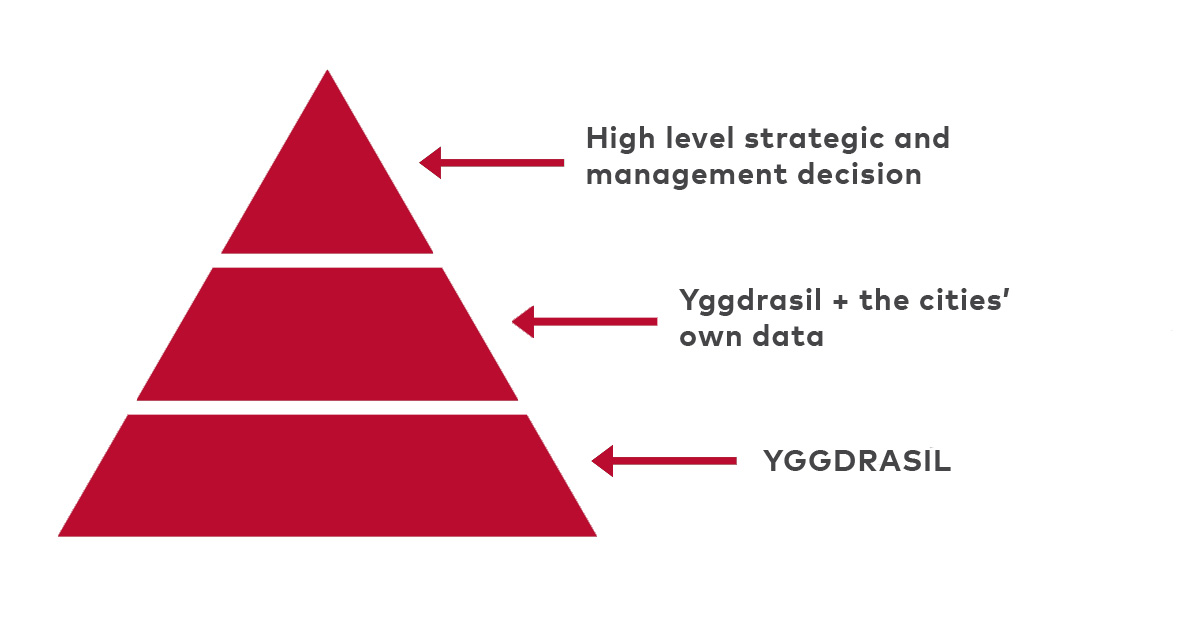
Figure 1. Yggdrasil as a Nordic base on which further analysis and high-level decisions can be built.
Project findings have been used to make recommendations on how Nordic cities can create greener and healthier cities with focus on several different aspects, e.g. biodiversity, and the physical, psychological, and social health of the inhabitants. Additionally, the project strives to connect the 3+30+300 principle to the wider urban greening and nature-based solution implementation in Nordic cities, in order to contribute to public health promotion (a key focus of this project), climate adaptation, and biodiversity conservation.
Challenges
Since its launch in February 2021, the 3+30+300 principle has been implemented by many municipalities in the Nordic Region and across the world. Based on previous work and experience so far, it is clear that the principle is powerful and widely applicable. With its emphasis on bringing trees and greenspace, and their benefits to every resident, the principle also adheres to important Nordic values, such as closeness to nature and focus on social equity. There is however a major risk of falling into the 'one-method-fits-none' trap, meaning that a single method or approach risks losing important information that already exists within the city and that it also will lose the depth needed to create a flexible framework that is adapted to local conditions and challenges. This project is therefore an important opportunity for a nuanced implementation of the principle, jointly with other guidance and tools, and building on the cities’ needs and data, thereby lifting the decision higher.
Important questions to be answered include:
- How can the 3+30+300 principle be used for the implementation of key policy aims, from the Global Sustainable Development Goals to city-specific climate, health, biodiversity, and other targets?
- What is the best use of the principle in combination with other guidance and tools, for the implementation of different types of nature-based solutions related to biodiversity, climate adaptation, and health?
- What are some of the challenges and pitfalls that need to be addressed?
Participating cities
The partnering cities within the Yggdrasil municipalities network have included Malmö (Sweden), Umeå (Sweden), Stavanger (Norway), Bergen (Norway), Kolding (Denmark), Holbæk (Denmark), Turku (Finland), Tampere (Finland), and Reykjavik (Iceland), as listed in Table 2. To create a balance between countries up to two cities per country were engaged in the project. The decision was taken to exclude the capitals of the Nordic countries, mostly due to the fact that capitals often are not representable for the population of cities in a country, as they e.g. often have more data, different strategic levels and are larger. We have however included one exemption, Reykjavik, due to the fact that this city alone houses about 60% of Iceland’s population.
All participating cities were, as a minimum, willing to work with the 3+30+300 principle and to participate in two half-day digital workshops and one optional full-day, in-person event. For the workshops, the participating cities were encouraged to have both green space and planning expertise represented.
Participating cities | Country | Motives for selection |
Holbæk | Denmark | Long standing work with urban trees and green spaces. Ongoing use of 3+30+300 in architectural and biodiversity strategies. |
Kolding | Denmark | Has recently presented the 3+30+300 principle to politicians who are eager to get more information to thereby be able to formulate policies. |
Turku/Åbo | Finland | Access to a full inventory of park and street trees. 3+30+300 could be a good planning tool, e.g., when redeveloping former industrial areas into residential ones. |
Tampere/Tammerfors | Finland | Access to a full inventory of park and street trees. Long-standing urban tree management tradition. Importance of seasonal use of green space. |
Reykjavik | Iceland | Access to inventory of street trees and also a more challenging city due to the local climate. Issue of both native and non-native tree species, of particular importance in Iceland because of the limited range of native trees and specific growing conditions. |
Stavanger | Norway | Have started to use 3+30+300 in green space planning and area analysis and redevelopment in particular. Stavanger has a partial tree inventory and tree canopy assessment. |
Bergen | Norway | Access to a full inventory of park and street trees. The colder climate poses specific challenges. |
Malmö | Sweden | Has a political decision to work with the 3+30+300 principle and has gained several years of experience with implementing the principle, including assessments of the current state and potential. Malmö is also part of the 3+30+300 analysis for Skåne. Long-standing work with urban green spaces and access to a full inventory of park and street trees. Malmö is a southern city with a high focus on non-native species. |
Umeå | Sweden | Long-standing work with urban green spaces. Access to a full inventory of park and street trees. Represents a northern city with both native and non-native species. Has shown interest in the 3+30+300 principle. |
Table 2. Participating cities and why they were chosen to be a part of the project.
Approach and methodology
Project activities and implementation
The Yggdrasil project was structured into nine specific tasks that all contributed to the different objectives of the project. Below is an overview of all the tasks with their respective methodology, and contributions to the project objectives.
Task 1 – Project management
The task: Managing the project from start to delivery, which included coordinating with the working group, cities, and the Nordic Council of Ministers.
Summary of method: Regular project meetings were held and an agreed Gantt chart used as a critical project management tool, ensuring that the project stayed on track, and when deviations occurred their impact on the project was assessed. The project management team also welcomed input from the Nordic Council of Ministers, the participating cities, and an external reference group, ensuring these important partners received the information they needed at the correct time. Relevant and structured meetings were held between the different partners and stakeholders involved in the project, including monthly steering group meetings. To address the challenges of meeting an ever-changing climate and at the same time promote biodiversity a think tank was conducted where participants and experts from Trädkontoret and Ekologigruppen got together to discuss.
Contribution to the objectives: Providing the conditions for overall project success, by coordinating and monitoring project progress and fostering collaboration between project partners, the participating cities, and the external advisory board.
Task 2 – Create a network
The task: Establish a broad network of tree-focused cities, across Nordic countries, willing to experiment with the 3+30+300 principle and to collaborate to preserve and increase the proportion of local native trees and share knowledge, which was essential for the whole project. The participating cities had to be prepared to work with the Yggdrasil project through network meetings and workshops. An important part of establishing the city network was to obtain their feedback on the work that the project group conducted and ensure that the recommendations presented were relevant to their specific challenges.
Summary of method: The network was put together mostly through the project group's existing network, as members of the project team have a large network of municipal experts and have already been working with over 70 cities in the Nordic region. The knowledge and participation from the partnering cities was collected through workshops, as well as by regular communication. Two 4-hour digital workshops and one voluntary full-day in-person workshop were set up for project duration (in September and November 2024, respectively February 2025 after project completion). Material was sent to participants before the workshops, and they were tasked with helping the working group formulate recommendations and further analysis. See Appendix 2 for workshop agendas and summaries of key findings.
Contribution to the objectives: Creating a network of Nordic cities together will enhance and drive the implementation of the 3+30+300 principle across the Nordic region, as municipalities are key actors when it comes to urban forestry and implementation of nature-based solutions. To get input from representatives from actual cities working with trees ensured that the work did not end up in the ‘one-method-fits-none’ trap, meaning trying to apply a single, standardised method or solution to all situations, without considering the specific needs, contexts, or variables that may differ across different cases. Considerable focus was therefore placed on the workshops where the participants strengthened the project and made the result adaptable to local conditions and challenges.
Task 3 – GIS Analysis
The task: This task entailed conducting GIS analyses of multiple Nordic cities, focusing on the 3+30+300 principle. Initial steps involved mapping each city's adherence to the principle, followed by a gap analysis to identify areas lacking sufficient canopy cover.
Summary of method: A comprehensive methodology is detailed in chapter 3 and Appendix A1. Here, we provide a concise overview of the additional GIS analysis.
- A socioeconomic and environmental analysis focused on evaluating how vulnerable populations were affected by current green space distributions and exploring how the 3+30+300 principle could mitigate these disparities.
Method: The analysis was conducted by comparing 3+30+300 findings with available data on noise levels, air quality, and climate risks. The project aimed to understand the impact of green space on mitigating urban environmental issues and improving climate resilience. An environmental justice perspective was applied to ensure equitable access to green spaces. Vulnerable areas with socioeconomic challenges were identified in the nine participating cities and analysed in relation to the 3+30+300 principle. Results were presented in maps and text in the final report, with relevant research informing policy recommendations. - Comparison of tree cover data with climate-related parameters focused on delivering data that illustrates the correlation between tree cover on the one hand, and climate change scenarios, heat stress, and noise pollution on the other.
Method: The methodology used was based on climate data and tree canopy data from participating cities, enabling two analyses: one on the correlation between heatmap data and tree cover, and another on the relationship between noise pollution and tree cover. Malmö was selected for the noise pollution analysis due to its comprehensive data, providing a foundation for assessing how tree cover affects noise levels in urban environments. - Post analysis focused on creating scenarios derived from IPCC climate predictions to evaluate the risks of heat stress and the suitability of tree habitats in participating cities.
Method: The methodology was based on climate change predictions from the IPCC, identifying urban areas at risk for heat stress both currently and projected for 2090. This analysis allows for the identification of “effective desert zones” within cities, which, while uncommon in the Nordic region, highlight potential vulnerabilities. Additionally, the methodology assesses areas that are currently too cold but are expected to become “tree-friendly” by 2090, facilitating targeted urban greening efforts.
Contribution to the objectives: The GIS analysis played a crucial role in achieving the project’s objectives by providing spatial insights and data visualisation that helped in understanding and mapping the geographical distribution of key variables, such as tree cover, biodiversity, and ecosystem services. The approach ensured that the Yggdrasil project provided actionable insights and practical recommendations for creating more climate-adaptive and socially equitable urban environments across the Nordic region. Findings are intended to guide future urban planning and policy development.
Task 4 – Mapping of tree species
The task: Conduct detailed mapping of tree species in urban areas, focusing on identifying the proportion of native and exotic species in each city, incorporating an assessment of the proportion of native and exotic species. This aimed to better understand biodiversity and how urban forests contribute to climate resilience.
Summary of method: GIS technology was used to map the tree species distribution within five of the participating cities, collecting spatial data on both native and exotic species (native to the Nordic countries, not to the specific country). The cities that provided data were Malmö, Umeå, Stavanger, Bergen, and Kolding. This allowed for an in-depth analysis of tree diversity and its correlation with urban biodiversity goals. The task also looked at the number of trees surveyed per capita in the participating cities. To determine the population in the cities data from Wikipedia was collected choosing the number referred to under population “City” or “Urban” regarding what information was available.
Data was collected from four of the largest tree nurseries in Sweden to assess what is being planted in urban areas in Sweden, as a case study to inform the wider Nordic nursery situation. The data is however not publicly available due to the fact that it contains sensitive and/or confidential information about the participating nursery businesses. All of the participating nurseries are wholesale nurseries, and most of their sold trees end up on public land or shared properties such as housing areas. The tree nurseries supplied the project with their turnover in terms of the amount of sold single stem trees of each species for 2023. No shrubs, young trees (also known as whips) or multi stem trees were incorporated in the data. The turnover also included trees sold to other nurseries, so a slight double-representation of some trees might occur. When interviewing nursery staff regarding this issue they informed that most trees sold to other nurseries were native trees, explaining why the amount of native trees being planted might be slightly lower than presented in the results. The project team considers these results and resulting recommendations as indicative for the wider Nordic nursery production situation.
Contribution to the objectives: Mapping tree species helped quantify biodiversity (and more specifically tree diversity) and identify gaps in native species presence. This data allowed for informed decisions on how to enhance urban greenery in line with the 3+30+300 principle and contributed to promoting native species in urban planning.
Task 5 – Coordination with NordGen
The task: Coordinate and collaborate with NordGen on their work related to crop-wild relatives in urban areas, part of Project 5 in the Nordic Nature-Based Solutions (NBS) program.
Summary of method: A meeting with the coordinator for NordGen was held early in the project to discuss possible areas for collaboration and information about the Yggdrasil project was circulated in the NordGen coordination group. Yggdrasil’s focus is in urban areas and trees and NordGen’s focus is more broadly geographically and connected food security, and as a result overlap between the projects is mostly connected to questions of a changing climate and its effects on climate zones as well as a general discussion on introduction of plants. Results and suggestions for recommendations for native and exotic tree species were available to NordGen for review and subsequent feedback on especially the recommendations was used during report revision.
Contribution to the objectives: The collaboration with NordGen enriched Yggdrasil policy recommendations connected to use of different tree species, native and exotic/introduced. Adding the expertise of genetics and connection to food security from NordGen creates an additional layer of completeness and contextualisation when prioritising species for improved ecosystem services and climate resilience.
Task 6 – Reporting
The task: Prepare a report that provides specific recommendations customised for urban nature-based solutions (NBS) and 3+30+300 principle in the Nordic region, with a particular emphasis on the use of native tree species within city environments. The task also included translating the report into two Nordic languages (Swedish and Norwegian) with additional summary in Finnish and Icelandic.
As an addition to the report the project group tasked themselves with creating a handbook answering common questions about the 3+30+300 principle and offering a step-by-step approach to implementing the principle. The target group for the handbook was those working for Nordic municipalities as well as other Nordic actors involved in the planning, design, and management of urban green spaces and city planning. The aim of the handbook was to equip them with the knowledge and tools needed to effectively implement the 3+30+300 principle, as well as helping them navigate frequently encountered challenges and ways to deal with these.
Summary of method: The report compiled data from the different project tasks, including review of literature and reports, policy analysis, city analyses, tree species mapping, and input from stakeholders. It was translated into Swedish and Norwegian, with additional summaries in Finnish and Icelandic to ensure wide accessibility within the Nordic region. The handbook was built upon previous experiences with implementing the 3+30+300 principle in different contexts as well as the findings from the workshop series with the participating cities. In the workshops, insights from practical experiences from the cities were discussed and compiled.
Contribution to the objectives: The report provides actionable recommendations for Nordic municipalities to integrate the 3+30+300 principle, particularly promoting native species in urban planning. By offering translations, the report enhanced its reach and applicability across the Nordic region. The handbook will serve as a practical tool for city administrations and other actors to navigate the complexities of the 3+30+300 principle and urban NBS implementation more broadly.
Task 7 – Policies
The task: Develop policies supporting the integration of nature-based solutions (NBS) through the 3+30+300 principle. Prepare communication material to support policy development and implementation.
Summary of method: Existing policies and initiatives across Nordic cities as well as from cities and countries in other parts of the world were reviewed to identify areas where NBS could be integrated by use of the 3+30+300 principle. Based on this compilation and analysis, guidance was offered through project recommendations and in a handbook on incorporating the 3+30+300 principle into urban and green space planning, design, and management. Communication materials were prepared to facilitate stakeholder engagement and policy adoption, including policy briefs and infographics.
Contribution to the objectives: The development of tailored policy and planning recommendations enables cities to systematically integrate NBS and more specifically, the 3+30+300 principle into their planning processes. These recommendations and their implementation can result in increased tree and green space cover, better accessibility of residents to trees and green, and in this way contributing directly to biodiversity, climate resilience, and public well-being.
Task 8 – Communication plan
The task: Develop communication materials to raise awareness and engage stakeholders in the project's objectives, including podcasts, posters, and a short video. Translate materials into English, Finnish, Icelandic, Swedish, and Norwegian.
Summary of method: A multimedia communication strategy was designed to ensure project visibility and engagement. Activities included a special podcast episode on Yggdrasil produced in Ekologigruppen’s established podcast Artpodden, in collaboration with another well-established podcast series (Trädpodden), discussing the challenges and successes of implementing urban nature-based solutions, while posters visually communicate key data and findings. A short film was produced to highlight the importance of urban trees and the 3+30+300 principle, adding an easily accessible complement to the report and handbook. An after-work event was held in Stockholm (in conjunction with the 2nd workshop) for a group of regional urban greening stakeholders.
Contribution to the objectives: The communication plan broadened the project’s outreach, ensuring stakeholders across various levels understood the project’s aims. By offering translated materials, it further supported the dissemination of the 3+30+300 principle, promoting broader and more successful adoption across Nordic cities.
Task 9 – Reference group
The task: Establish a reference group to provide feedback on methodologies, results, and recommendations throughout the project.
Summary of method: An expert reference group was set up during the early stages of the project. This group was composed of representatives from Nordic cities, research institutions, and green space policy experts. Regular meetings and online discussions were held to review progress, with the group providing feedback on interim findings and final recommendations. Members of the reference group also participated in the project workshops. This ensured the project remained aligned with urban planning realities and could adapt to the specific needs of municipal administrations and other actors.
Members of the reference group were:
- Dr Ulrika Åkerlund, landscape architect at the Swedish National Board of Housing, Building and Planning and coordinator for children and youth issues at Movium, Sweden.
- Dr Matthew Browning, co-director of the Virtual Reality & Nature lab, Clemson University, South Carolina, United States.
- Pernilla Johansson, urban forest consultant and former Regional Gardener of Gotland, Sweden.
- Dr Kjell Nilsson, green space planning expert and former research director, as well as Director of Nordregio, Sweden/international.
- Professor Dr Ben Somers, Faculty of Bioscience Engineering, Catholic University Leuven, Belgium.
- Jessica Svännel, Regional Architect of Gotland, Sweden.
Contribution to the objectives: The reference group played a critical role in refining the project’s direction and ensuring that recommendations were relevant, practical, and actionable. Their feedback contributed to the robustness of the final report, the value of the handbook, and the alignment of the project with the real-world challenges faced by Nordic and other municipalities in implementing the 3+30+300 principle.