2 Nordic success stories: Advancing climate solutions for global mitigation
Since 1990, the Nordic countries have reduced their territorial net greenhouse gas (GHG) emissions from 203 million tonnes of CO2e to 150 million tonnes CO2e by 2021, which equals a 26 per cent reduction. This has primarily been achieved by through large emission reductions in the energy and waste management sector where decarbonization is evident. There has been a significant reduction of 40 per cent in greenhouse gas emissions in the energy sector. The waste management sector has also seen major progress, with a 59 per cent decrease in emissions. Still, similar kinds of reductions are yet to be achieved in transportation, industrial processes and agriculture, which at present account for significant portions of Nordic GHG emissions (Lind et al., 2023). The energy sector is crucial in the green transition, as it is the largest source of global greenhouse gas emissions, mainly through the combustion of fossil fuels for electricity, heat, and transportation (IPCC, 2021). The Nordic countries have focused on expanding green power production, particularly bioenergy, wind and solar. Future pathways to climate neutrality involve further expansion of renewable energy production and improvement in energy efficiency (Lind et al., 2023), while phasing out fossil fuels. However, despite efforts since 1990 to reduce greenhouse gas emissions, the Nordic region still has significant work ahead to reach net-zero GHG emissions. All Nordic countries have set long term goals to be climate neutral before 2050.
2.1 Strategies for scaling innovations and transforming change
To enhance the impact of sustainability initiatives it is essential to not only focus on increasing the number of or roll-out of sustainability initiatives, but also consider how these initiatives contribute to a transformative change. Transformation towards a low-carbon pathway, involves changes in many sectors, dimension, and different scales. The dimensions of scaling can be dived into different processes, such as scaling out, scaling up and scaling deep. Scaling out involves two main strategies for expanding the impact of an innovation to reach more people or communities. Scaling up focuses on influencing higher levels of institutions by integrating innovative approaches into law, policy, and institutions. Often, scaling up requires shifting focus from the original innovation to new initiatives pinpointed towards policy change. Scaling deep is related to qualitative aspects such as changing values and mindsets, to impact cultural roots (Lam et al., 2020; Moore, 2015).
Scaling out
The report provides numerous examples of the dimension ‘scaling out’, where innovations have been successfully expanded to reach a broader audience. For instance, the cross-Nordic case on district heating, Iceland’s geothermal district heating, Finland’s climate network, and Norway’s advanced biowaste management systems all illustrate effective strategies for extending these innovations to serve larger populations or larger communities. These cases highlight how innovative climate solutions can be adapted and expanded, demonstrating the potential for wider adoption and replication in diverse settings to amplify their impact.
Scaling up
The report highlights several examples of "scaling up," where innovations have successfully influenced higher institutional levels and been incorporated into legislation and policy. The cross-Nordic initiative on carbon pricing exemplifies this. Denmark's initiative on wind energy and CO2 taxation for industry also demonstrate effective scaling up, as these innovations have been embedded into legislation and policy. Similarly, Norway's policy package to boost electric vehicle (EV) sales showcases how EV technology has been scaled up and integrated into legislative frameworks, further driving the adoption of sustainable practices. These examples illustrate how innovations can transition from isolated initiatives to widespread, institutionalized solutions.
Scaling deep
The Icelandic example on land restoration highlights examples of scaling deep by fostering behavioural and attitudinal shifts that help drive long-term success. This approach focuses on changing cultural values and mindsets, which are essential for achieving sustainable, large-scale impact. By addressing the underlying beliefs and attitudes that shape individual and collective behaviours, the initiative promotes a deeper, more enduring transformation for land restoration projects. This deeper level of transformation is key to securing long-term scalability and ensuring that the positive outcomes of the project can be sustained and replicated over time.
The Finnish example of a climate network provides another compelling example of scaling deep to ensure the long-term success of climate action efforts. Municipalities are uniquely positioned to engage both residents and businesses in the transition to carbon neutrality, making them essential drivers of local climate action. Within this framework, the Hinku network has been instrumental in shifting attitudes towards sustainability, with municipalities underscoring the importance of expert support in fostering these mindset changes. This collaboration not only strengthens local commitment but also enhances the effectiveness of climate initiatives.
2.2 Nordic leadership in global climate action
Landström et al. (2019) highlights that the Nordic region has potential to lead by example in global climate efforts through scalable solutions, robust policies, and collaborative action. Climate initiatives spanning various sectors including energy, buildings, transport and food and waste have been identified and demonstrate significant potential for emission reductions and economical savings. In addition, the authors pinpoint the fact that national policies should include emission targets, sector-specific strategies, and robust monitoring mechanisms. Economical instruments such as environmental tax reforms and targeted support for local climate solutions are crucial. Furthermore, the authors underscore the importance of Nordic collaboration in overcoming shared challenges and enhancing the pace of the green transition (Landström et al., 2019).
Targets and governance models for implementation across multiple levels of government and society are needed to remove barriers and enhance enablers for climate solutions. The following section provides an overview of ten climate action cases from various sectors in Denmark, Finland, Iceland, Norway and Sweden. Additionally, three cross-Nordic climate action cases are highlighted and evaluated within this chapter.
2.3 Climate action initiatives
2.3.1 Carbon pricing in the Nordics (Cross-Nordic)
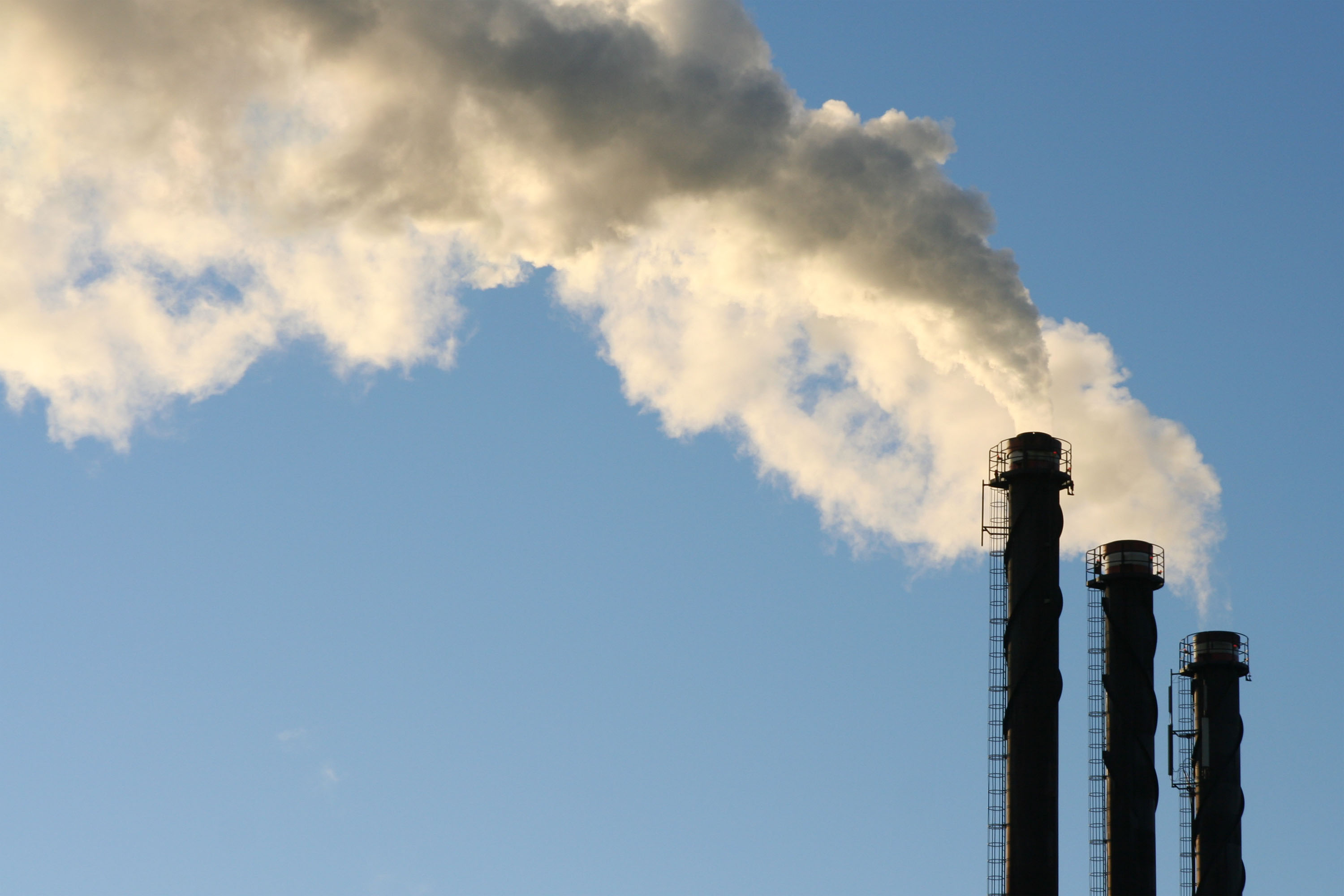

a, b, c) Renewable energy, Phase-down coal, Zero & Low-Carbon Fuels.
Carbon pricing has contributed to phasing out coal-based power in the EU, replacing coal with renewables. Implemented in other regions, carbon pricing would have a significant potential to accelerate efforts towards phasing down coal power, triple renewable energy capacity, and phasing in net zero energy systems well before or by around mid-century.
Carbon pricing has contributed to phasing out coal-based power in the EU, replacing coal with renewables. Implemented in other regions, carbon pricing would have a significant potential to accelerate efforts towards phasing down coal power, triple renewable energy capacity, and phasing in net zero energy systems well before or by around mid-century.
g) Road transport
Carbon pricing would contribute to reducing emissions from the transport sector, although experience shows that reducing transport related emissions also requires complementary policies such as emission standards.
Carbon pricing would contribute to reducing emissions from the transport sector, although experience shows that reducing transport related emissions also requires complementary policies such as emission standards.
Carbon pricing in the Nordics involves a combination of CO2 taxes and participation in the EU Emissions Trading System (EU ETS). These instruments are designed to reduce greenhouse gas emissions by putting a price on carbon, thereby incentivizing businesses and individuals to reduce their carbon footprint.
The Nordic countries were early in implementing carbon pricing mechanisms. The CO2 tax, first introduced in Finland 1990 and followed by Sweden and Norway in 1991, Denmark in 1992 and Iceland in 2010, has become a cornerstone of Nordic environmental policy. Sweden, for example, has one of the highest CO2 tax rates in the world, which has significantly contributed to the country's decarbonization efforts.
In addition to national CO2 taxes, the Nordic countries also participate in the EU Emissions Trading System (EU ETS), a cap-and-trade system that sets a limit on total emissions and allows entities to buy and sell emission allowances. The EU ETS is a critical tool for ensuring that emissions reductions are achieved in a cost-effective manner across the EU. Nordic countries have been advocates for tightening the emissions cap within the EU ETS, pushing for more ambitious climate targets at the European level.
Stakeholder engagement
In the Nordic context, stakeholder engagement has involved consultations with industry groups, environmental organizations, and the public. This inclusive approach has helped to mitigate opposition to carbon pricing policies by addressing concerns and highlighting the long-term economic and environmental benefits of such measures. For example, Sweden’s approach to carbon pricing has involved close collaboration with industry to ensure that the transition to low-carbon technologies is both feasible and economically viable. The success of stakeholder engagement in the Nordic countries can be attributed to transparent communication, the integration of carbon pricing into broader climate and economic strategies, and the provision of support mechanisms for industries and communities most affected by these policies.
Decoupling from CO2 emissions in the Nordic countries
The combination of CO2 taxes and the EU ETS has created strong financial incentives for reducing emissions in almost all sectors, driving innovation and investment in renewable energy and energy efficiency.
Sweden, for example, has managed to decouple economic growth from carbon emissions, achieving a nearly 30 per cent reduction in emissions since the 1990s while maintaining robust economic growth. Similarly, Denmark has seen a substantial decrease in emissions, partly due to the high CO2 tax on fossil fuels, which has spurred investments in wind energy and other renewable sources. The Nordic experience demonstrates that carbon pricing can lead to substantial emissions reductions without compromising economic growth.
Carbon pricing globally – state of play
Globally, carbon pricing is gaining traction as a key tool for addressing climate change. As of 2024, over 60 jurisdictions have implemented carbon pricing mechanisms, including carbon taxes and emissions trading systems, covering approximately 24 per cent of global greenhouse gas emissions. Revenues from carbon pricing accounted for over 100 billion USD in 2023.
The EU ETS remains the largest and most established emissions trading system in the world, covering approximately 40 per cent of Europe’s emissions. Other regions, mainly in North America and Asia, have also developed carbon markets. For example, the California-Quebec emissions trading system and the national carbon market in China are notable examples of large-scale carbon pricing initiatives.
Despite the growth of carbon pricing globally, challenges remain. These include issues related to the design and implementation of carbon pricing mechanisms, such as setting targets that are in line with the objectives of the Paris agreement, reaching price levels that are effective and socially acceptable and addressing leakage (meaning that production and emissions are shifted to regions with softer regulations).
Strategies for success
The success of carbon pricing in the Nordic countries offers valuable lessons for global efforts to implement and scale carbon pricing mechanisms. Key strategies for success include:
- Comprehensive Policy Integration: The Nordic countries have integrated carbon pricing within a broader environmental and economic context that promotes renewable energy, energy efficiency, and innovation in low carbon technologies.
- High Carbon Prices: Nordic countries have set high carbon prices, particularly through CO2 taxes, which have been effective in providing strong incentives for change and driving down emissions.
- Stakeholder Engagement: The inclusive approach to stakeholder engagement in the Nordic countries has been crucial in building broad-based support for carbon pricing. This engagement has helped to address concerns and ensure that the transition to a low-carbon economy has broad acceptance.
- Flexibility and Adaptability: The Nordic experience shows the importance of designing carbon pricing mechanisms that are flexible and can be adapted over time. This includes adjusting tax rates and emission caps to reflect changing economic conditions and technological advancements
- Support for Innovation and Transition: Finally, the Nordic countries have supported the transition to low-carbon technologies through investments in innovation and supportive infrastructure. This has helped industries adapt to carbon pricing and maintain their competitiveness in a low-carbon economy.
2.3.2 District Heating: A solution with potential for rapidly decarbonising heating (Cross-Nordic)
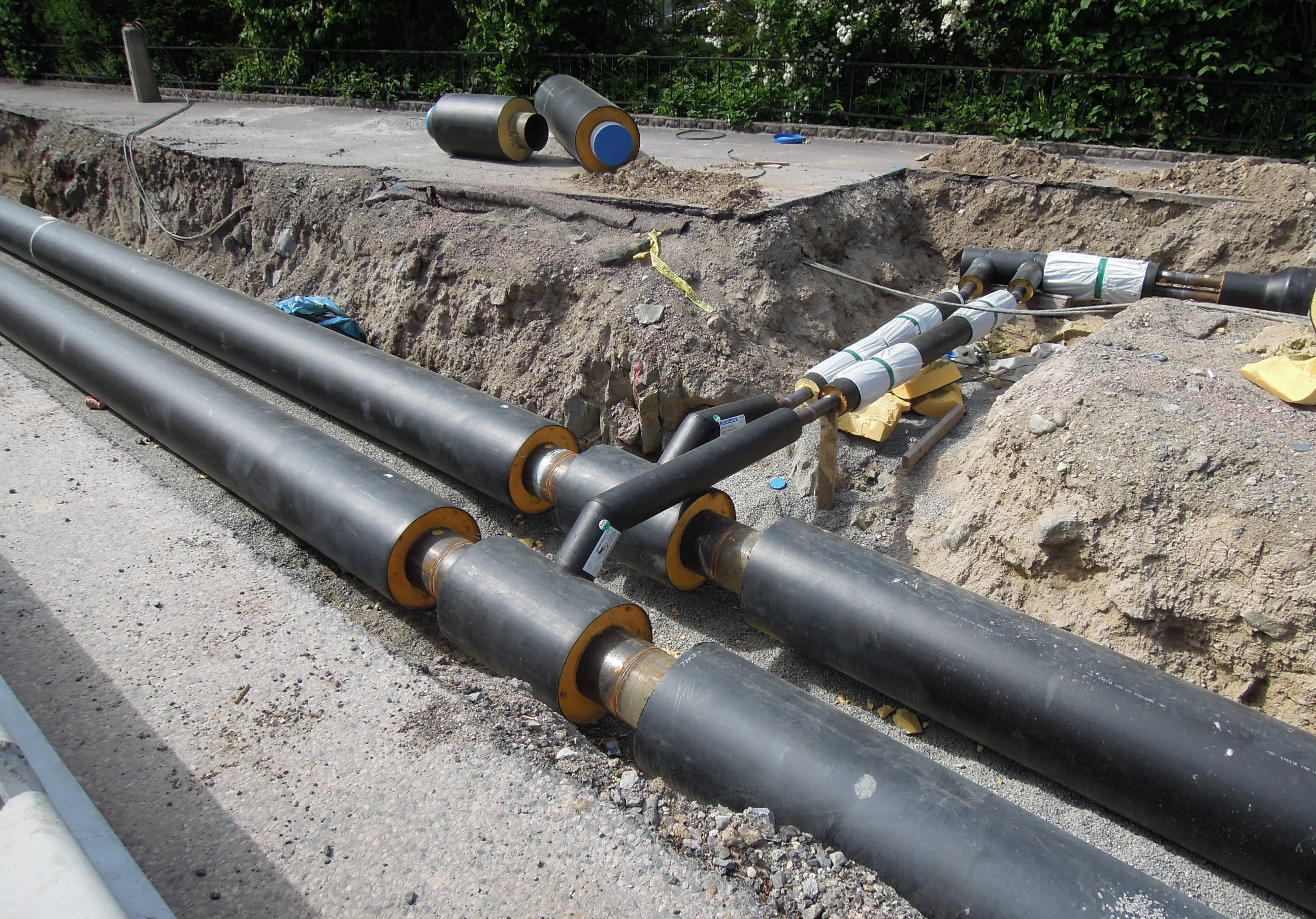

a) Renewable energy
District heating (DH) can accelerate renewable energy usage in the heating sector in an energy efficient way.
District heating (DH) can accelerate renewable energy usage in the heating sector in an energy efficient way.
c) Zero & Low-carbon fuels
By shifting district heating from fossil fuels to renewable energy, Nordic countries are accelerating the transition to net-zero emission energy systems.
By shifting district heating from fossil fuels to renewable energy, Nordic countries are accelerating the transition to net-zero emission energy systems.
d) Transitioning energy systems DH supports a just and orderly transition away from fossil fuels by providing an efficient, scalable solution for renewable heat in residential and industrial sectors.
e) Accelerate technologies DH accelerates the deployment of zero-emission technologies by incorporating renewable energy and significantly reducing emissions in the heating sector.
Policy relevance
Emphasis on energy security has had a large effect on the groundwork for the extensive development of district heating systems in the Nordics (IEA, 2020) The Nordic region’s success in decarbonizing district heating is linked to the progressive energy policies, such as energy and carbon taxes implemented over the past decades (Nordic Energy Research, 2018). Now with ambitious national and EU wide targets to emission reductions district heating networks have a substantial potential to be the solution to decarbonize the heating and cooling sector.
Impact on climate change mitigation
District heating systems are well equipped for rapid climate change mitigation by offering flexibility in energy sourcing. The phase-out of fossil fuels through the integration of renewable energy into district heating systems across the Nordics has already achieved significant greenhouse gas emission reductions. In Denmark, emissions from district heating have decreased by 56 per cent overall, and up to 80 per cent in some Danish regions (Dansk Fjernvarme, 2023; Landström et al., 2019). Similarly, Sweden and Finland have achieved significant emission reductions by integrating industrial waste into their waste-to-energy systems (Landström et al., 2019).
In Iceland, the extensive use of geothermal energy for heating has almost entirely replaced fossil fuels, making the country's heating sector nearly carbon-neutral (see geothermal district heating, chapter 2.3.4). District heating, combined with different energy storage technologies such as the sand battery (see sand battery case chapter 2.3.5) or water-based storages used in Denmark (State of Green, 2023) enables scaling the renewable utilization towards a future free from fossil fuel-based or combustion-driven energy production. The ability to capture and reuse waste heat further highlights district heating's potential to support climate goals.
Strong public-private collaboration behind district heating expansion and decarbonization
The wide adoption and decarbonizing efforts of the district heating system in the Nordics is largely a result of strong public-private partnerships, where local governments and private energy companies work together to build and operate heating networks (Patronen et al., 2017). In most cases, municipalities take the lead by establishing and often owning the district heating systems, which ensures that the system aligns and follows local climate targets and community needs. Private companies bring in technical expertise, innovation, and financial resources to develop and expand these networks. This model enables municipalities to steer energy systems towards greener solutions while benefiting from private-sector efficiency and investment, creating a win-win scenario for both public and private stakeholders. Additionally, access to surplus heat from various sources, such as Combined Heat and Power (CHP) plants, has been key in supporting the expansion and economic feasibility of district heating.
Scalability
While district heating is well-established in Nordic countries and other dense urban areas, scaling out is partially limited in regions without pre-existing infrastructure. Upgrading older urban centers or expanding into less dense areas presents cost barriers. Yet in 2022, 90 per cent of global heat in existing district networks still came from fossil fuels, underscoring the untapped potential for renewable integration (IEA, 2023a). Decentralized and flexible systems, such as solar thermal, heat pumps, or waste-to-energy, allow for scalable implementation, ensuring that even regions with different energy landscapes can benefit from district heating's decarbonization potential.
Global replicability and transferability
The development of a district heating infrastructure requires substantial investment, particularly in the construction phase, compared to smaller-scale solutions like individual heat pumps. However, the upfront investment is often outweighed by long-term benefits such as lower operational costs and higher efficiency. Building a district heating system is feasible both for expanding in existing urban areas and for new developments, such as in the construction of new neighborhoods or industrial zones, or when updating existing energy distribution systems. From the Nordic examples the public-private infrastructure investments have built the grounds of district heating moving towards utilizing renewable energy sources. Countries with cold climates and high heating demands, around Europe, North America, and Asia, can benefit from the Nordic experience. The key elements that make district heating successful in the Nordics such as the use of renewable energy, public and private sector collaboration, and supportive policies are transferable to other regions. Additionally, district energy in the Nordics is used for both heating and cooling, offering efficient, year-round thermal solution for warmer climates as well. With the growing global focus on climate change mitigation, the Nordic model of district heating provides a proven, scalable, and transferable solution for reducing carbon emissions and enhancing energy efficiency.
2.3.3 Wind Energy: A pioneer in green transition and community engagement (Denmark)
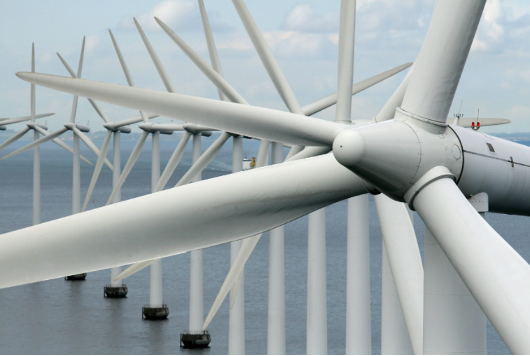

a) Renewable energy: Denmark's wind energy sector plays a crucial role in ensuring universal access to affordable, reliable, and sustainable energy. The country has demonstrated how renewable energy can be economically viable, paving the way for a global transition to sustainable energy sources.
b) Phase-down coal: The Danish wind energy industry fosters global collaboration through knowledge sharing and partnerships, such as the Indo-Danish Centre of Excellence for Offshore Wind and Renewable Energy. These partnerships help transfer technological innovations and best practices to other countries, supporting global efforts to scale up renewable energy.
c) Zero & Low-carbon fuels: The wind energy sector significantly reduces greenhouse gas emissions through its large-scale use of wind power. With over 46 per cent of Denmark's electricity from wind energy and plans to reach 70 per cent by 2030, it contributes directly to global climate goals under the Paris Agreement.
d) Transitioning energy systems: The energy sector promotes a fair transition from fossil fuels by implementing community ownership models and inclusive polices. This approach does not only accelerate wind energy deployment, but also ensures local benefits, supporting the global goal of achieving net zero emissions by 2050.
e) Accelerate technologies: By actively strengthening global partnerships for sustainable development by sharing its community ownership model and policy frameworks internationally. These efforts contribute to the creation of inclusive, sustainable, and resilient energy systems worldwide, aligning with global efforts to meet sustainable development and climate goals.
Denmark has established itself as one of the global leaders in the wind energy sector, both in terms of technological innovation and policy frameworks aimed at increasing the use of renewable energy. The country's wind energy industry is crucial in the fight against climate change, and Denmark is often seen as a role model for other nations aiming to scale up their renewable energy capacities. The International Energy Agency's Net Zero Emissions by 2050 (NZE) Scenario (IEA, 2023a), emphasizes the need to triple global renewable energy capacity by 2030, with wind energy expected to contribute with up to 36 per cent of global electricity production by 2050 (Technical university of Denmark, n.d). Denmark is already well on its way, with more than 46 per cent of its electricity consumption coming from wind energy, a figure projected to rise to nearly 70 per cent by 2030 (State of green, 2023).
The Danish wind energy sector has achieved significant milestones over the past few decades. More than 30 years ago, Denmark was the first country to install a commercial offshore wind farm. Today, over 33,000 people are employed in the wind industry, contributing to a turnover of over EUR 19 billion in 2019. As of today, Denmark operates 4,800 wind turbines, generating a combined effect of 6.9 GW, primarily from onshore turbines. Technological advancements have dramatically reduced the cost of wind energy, making onshore wind the cheapest form of electricity generation in Denmark.
However, as the world races to meet climate goals, the speed of wind energy expansion must increase. Denmark's success is rooted not only in cutting-edge technology but also in its approach to community involvement and local ownership, which has helped mitigate one of the most significant challenges facing renewable energy projects: public opposition, often termed "Not in My Backyard" (NIMBY).
Community ownership and public engagement
In Denmark, an inclusive, bottom-up approach to wind farm development has been explored and implemented in the strive for scaling up wind energy. In order to ensure a high level of public acceptance, Denmark has cultivated public support locally by involving communities in the ownership and management of wind farms. This approach has not only fostered acceptance but has also made citizens active participants and beneficiaries in the green energy transition.
Middelgrunden offshore wind farm, established in 2000, serves as an iconic example of this model. Located near Copenhagen, the project was developed, funded, and managed by local citizens. Half of the EUR 46 million requested for the project was raised by 8,500, making them co-owners of what was, at the time, the world’s largest offshore wind farm. This model of community ownership has since inspired other projects, and by 2016, more than half of Denmark's installed wind energy capacity was citizen-owned. Community ownership models have empowered citizens to not only participate in the transition to renewable energy but to profit from it as well, generating a return of 7.5 per cent annually after depreciation in the case of Middelgrunden (Green economy coalition, 2017).
Denmark’s policy framework actively supports community involvement in renewable energy projects. The Danish Act on the Promotion of Renewable Energy includes several schemes aimed at increasing public acceptance of wind farms. These include compensation for property value losses, options for houseowners to sell properties affected by wind turbine installations, bonus schemes for local residents based on energy production, and funds dedicated to local community development (Retsinformation, 2018). These policies have been instrumental in mitigating potential local opposition and have encouraged public participation in the green transition.
Overcoming challenges: The need for speed in expansion
Challenges remain in expanding wind energy capacity fast enough to meet international climate goals. Local resistance continues to impact 10–15 per cent of green energy projects, causing delays and uncertainties. Additionally, factors such as lengthy permitting processes and the need for better electricity grid infrastructure can slow the pace of wind energy development. Denmark’s experience highlights that technological advancements alone will not suffice; social acceptance and effective community engagement are equally important for scaling up wind energy (University of Copenhagen, 2023).
In response to these challenges, Denmark has launched several initiatives to further enhance community engagement in renewable energy projects. The large research project "The Danish Model for Citizen Engagement in the Renewable Energy Transition" aims to develop new tools and strategies to foster effective community participation in wind farm developments. This project brings together universities, industry stakeholders, and local authorities to explore ways of ensuring that the green transition benefits all stakeholders.
Policy instruments and global Relevance
Denmark’s wind energy sector offers valuable lessons for other countries aiming to scale up renewable energy while avoiding public resistance. The key takeaway is that successful expansion of wind energy requires long-term, stable, and transparent planning processes that involve both industry and the public. Community ownership models, transparent economic incentives, and clear permitting procedures are essential to creating a win-win situation for both energy developers and local communities.
Denmark’s experience shows that it is possible to balance the need for rapid renewable energy expansion with the interests of local communities. The introduction of energy communities in EU legislation, inspired by Denmark’s community ownership models, demonstrates the potential of this approach to be scaled beyond national borders. Furthermore, Denmark actively shares its knowledge and best practices through bilateral partnerships with other countries, such as India, where collaboration on offshore wind energy is taking place through the Indo-Danish Centre of Excellence for Offshore Wind and Renewable Energy (State of green, 2023b).
The path forward
As global demand for wind energy grows, Denmark’s experience provides a valuable roadmap for ensuring that the green transition benefits all stakeholders while maintaining the necessary pace to meet climate goals. By focusing on community ownership, transparent policies, and public engagement, Denmark has demonstrated that it is possible to reconcile large-scale renewable energy development with local interests. This approach has not only allowed Denmark to become one of the global leaders in wind energy but has also positioned the country as a source of inspiration for nations committed to achieving a just and sustainable green transition.
2.3.4 Geothermal district heating (Iceland)
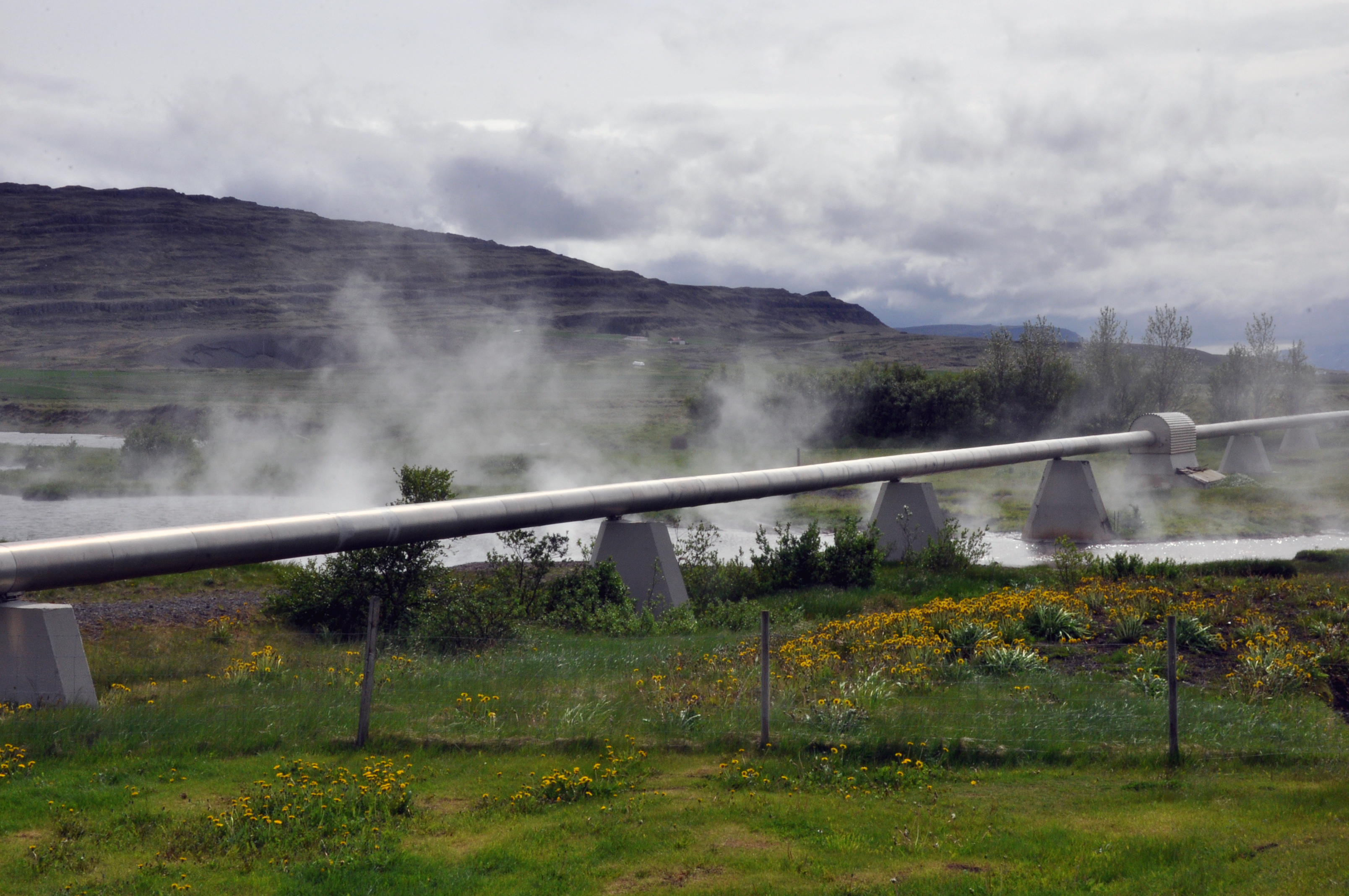

a) Renewable energy: By harnessing the Earth’s inner heat, geothermal energy contributes to increasing the share of renewable energy in the energy matrix.
c) Accelerate energy systems: Renewable geothermal energy can be harvested with virtually no emissions of GHG, thus contributing to the overall goal of net-zero emissions.
d) Transitioning energy systems: Geothermal district heating can effectively decarbonize the energy system by displacing fossil-based heating options.
e) Accelerate technologies: Expansion of geothermal energy capacity contribute to zero-emission energy supply in several regions of the world.
Geothermal energy harnesses the Earth’s internal heat, offering a sustainable and reliable source of energy for district heating systems. District heating involves distributing heat generated at a central location through a network of insulated pipes to residential, commercial, and industrial buildings. Geothermal district heating is particularly attractive due to its low carbon footprint and stable energy supply (International Energy Agency, 2021; IPCC, 2022).
A global leader in sustainable geothermal energy utilization
Iceland is a global leader in the use of renewable energy, with geothermal energy accounting for nearly 90 per cent of its house heating. In addition, almost 30 per cent of Iceland’s electricity production comes from geothermal energy. The country’s extensive experience in tapping high-temperature geothermal resources has made it a model for other nations (Orkustofnun, 2024). The Icelandic model emphasises sustainability, innovation, and efficient resource management, making it a global leader in geothermal energy deployment (Nordic Energy Research, 2021).
Advanced technologies for efficient energy use
Geothermal district heating systems utilize a variety of technologies to extract and distribute heat. In areas with high geothermal gradients, such as Iceland, deep wells are drilled into geothermal reservoirs, bringing hot water or steam to the surface, using it directly to heat water for district heating networks (IRENA, 2017). In some cases, cogeneration plants are used to produce both electricity and heat, optimizing the use of geothermal resources (Goldstein et al., 2011). Advanced monitoring and control systems ensure efficient operation, maximising the energy output while minimising environmental impacts (International Energy Agency, 2021).
Policy relevance
Government policies play a crucial role in the development and expansion of geothermal district heating. In the Nordic countries, supportive policies, including subsidies, tax incentives, and research funding, have been instrumental in advancing geothermal projects (Nordic Energy Research, 2021). For example, Iceland’s geothermal sector benefits from a strong regulatory framework that promotes investment and innovation (Orkustofnun, 2024). The European Union’s Renewable Energy Directive also supports the use of geothermal energy, encouraging member states to integrate it into their national energy plans.
Stakeholder collaboration, the key to success
Successful geothermal district heating projects require the active involvement of multiple stakeholders, including local communities, government authorities, and private sector investors. Effective stakeholder engagement ensures that projects are developed in a socially responsible manner, addressing potential concerns such as land use, environmental impact, and economic feasibility (Nordic Energy Research, 2021). In the Nordic countries, public consultations and transparent communication have been key to gaining community support for geothermal projects. Ensuring that the benefits of geothermal energy, such as reduced heating costs and environmental improvements, are shared with local communities is essential for the long-term success of these initiatives (IRENA, 2017).
Impact on climate change mitigation
Geothermal energy has a significant impact on climate change mitigation by providing a low-carbon alternative to fossil fuels for house heating. By replacing traditional heating methods with geothermal district heating, cities can dramatically reduce their greenhouse gas emissions (IPCC, 2022). In Iceland, for example, the widespread use of geothermal energy has helped the country achieve one of the lowest per capita carbon footprints in the world in house heating and electricity production (Orkustofnun,2024). Additionally, geothermal energy is renewable and sustainable, offering a reliable source of heat that does not deplete over time. This makes it an essential component of strategies aimed at achieving net-zero emissions and limiting the global temperature rise in line with the Paris Agreement (IPCC, 2022).
Scalability
The scalability of geothermal district heating is a key advantage, allowing it to be adapted to a wide range of settings, from small towns to large urban areas (IRENA, 2017). The technology is flexible, with the ability to scale up as demand grows or to integrate with other renewable energy sources such as biomass or solar thermal. In the Nordic countries, the success of geothermal district heating has been demonstrated at both local and national levels, with Iceland leading the way in terms of coverage (Nordic Energy Research, 2021). The modular nature of geothermal systems means they can be expanded incrementally, making them a viable option for both new developments and retrofitting existing heating infrastructure (EGEC, 2022).
Potential for global replication and transferability
The potential for global replication and transferability of geothermal district heating is substantial. Countries with significant geothermal resources such as the United States, Indonesia, Kenya, Turkey, and New Zealand could benefit from adopting district heating systems utilising geothermal energy similar to those in Iceland (International Energy Agency, 2021). Thanks to fruitful cooperation between Iceland and China, low-grade geothermal heat is used for district heating to warm up millions of Chinese homes, utilising heat pump technology to upgrade the heat (Iceland Review, 2024).
Future geothermal deployment could meet about 5 per cent of the global demand for heat by 2050. However, successful replication depends on several factors, including the availability of geothermal resources, technical expertise, and supportive regulatory frameworks. High-grade geothermal resources have restricted geographic distribution. For the use of low-grade geothermal resources, there are both cost and technology barriers (International Energy Agency, 2021). Knowledge transfer from Nordic countries, combined with international collaboration and investment, could accelerate the adoption of geothermal district heating worldwide, contributing to global efforts to reduce carbon emissions, and transition to sustainable energy systems (Nordic Energy Research, 2021).
2.3.5 Sand batteries: Storing renewable energy to decarbonize heating (Finland)

a) Renewable energy: The sand battery increases renewable energy capacity by storing surplus wind and solar power, enabling efficient use of intermittent energy sources.
b) Phase-down coal: The technology replaces coal-generated heat with renewable energy, accelerating the phase-down of unabated coal power.
c) Accelerate energy systems: By storing renewable energy for later use, it contributes to the transition toward net-zero emission energy systems by mid-century.
d) Transitioning energy systems: The sand battery enables a just and orderly transition away from fossil fuels by providing a scalable solution for renewable heat production.
e) Accelerate technologies: It accelerates the adoption of zero-emission technologies by offering an innovative storage solution for renewable energy, crucial for hard-to-abate sectors like industrial heat.
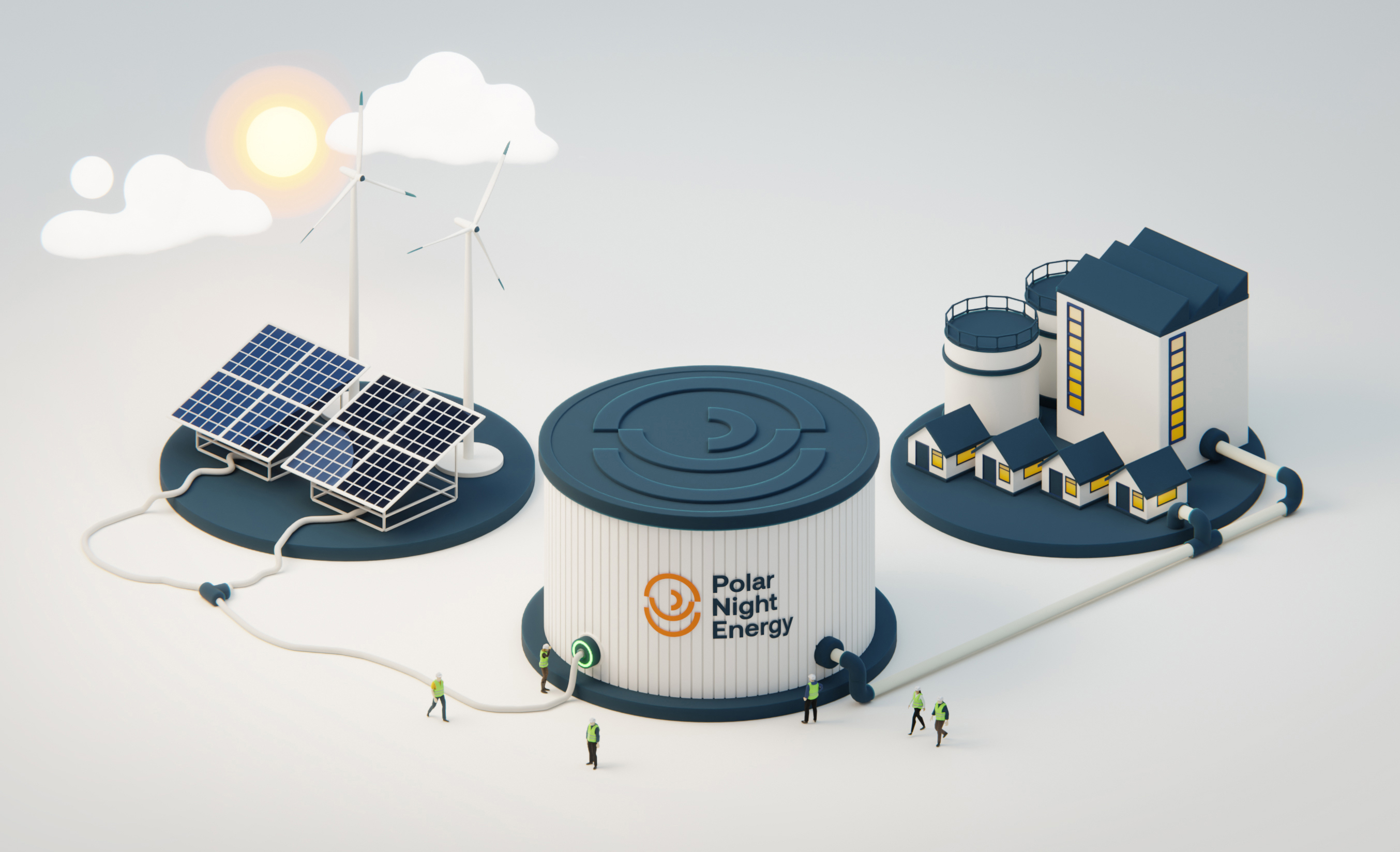
Energy storage solutions are crucial to phasing out fossil fuels and building a decarbonised energy system. Storage solutions enable increasing the use of intermittent renewable energy sources (European Commission, 2023a; IPCC, 2022). Polar Night Energy, a Finnish energy company, are at the forefront of this transition by designing and manufacturing high-temperature thermal energy storage systems. By using sand as the storage medium, these sand batteries convert wind and solar power into heat, storing renewable energy for later use.
Finnish sand battery as an energy storage solution
As the world's first commercial sand battery, Polar Night Energy has developed a solution to increasing the storage capacity for renewable energy. The first sand-based energy storage system opened in 2022, in the Finnish city of Kankaanpää, where it was integrated with the local district heating network boasting with 200 kW heating power and 8 MWh energy capacity. Capable of storing heat for months, the battery is not only providing emission free heating to the district heating network, but also supporting grid balancing alongside a growing rate of renewable energy production. The sand-based storage system is planned to be utilized in other energy plants in Finland with about 10 times more capacity. In the city of Pornainen, the integration is estimated to result in a nearly 70 per cent reduction in heating emissions, while utilizing sand-like by-products from another industrial site as the storage medium, simultaneously promoting circular economy principles (Polar Night, 2024). The sand battery solution is viable for many different purposes from residential heating to single industrial sites, where there is a substantial demand for thermal energy, currently largely met by fossil fuels globally. By providing a viable alternative to use renewable energy instead of fossil fuels, the sand battery technology holds promise for rapidly decarbonizing industrial heat production by reducing reliance on fossil energy for both residential and industrial purposes.
Innovative heat storage technology adapted for cold climates
The heat storage is built inside a large, insulated steel container filled with tens to thousands of cubic meters of sand or sand-like material. The patented technology inside the container currently stores electricity in around 100 tons of sand as heat at temperatures around 300–600 degrees Celsius in the battery used in Kankaanpää (Polar Night Energy, 2024a). This technology is especially significant in Nordic countries like Finland, where heating is both a major necessity and a source of emissions. In cold climates with high heating demand, the sand battery not only addresses the need for efficient energy storage but also demonstrates its potential to similar climates.
Impact on climate change mitigation
Around the world, both industry and energy utilities require hot air, water, and steam, all which are still predominantly generated using fossil fuels, such as gas, coal, and oil. According to estimates, Polar Night Energy's sand-based high-temperature seasonal heat storage systems, could reduce greenhouse gas emissions substantially (Mission Innovation, 2020). Overall, a widespread deployment of similar energy storage solutions with the ability to store intermittently produced energy holds a significant opportunity to both reduce emissions and expand the renewable electricity sector.
Collaboration with stakeholders has been critical for success
The success with implementing sand-based energy storages in Finland has required substantial support from various stakeholders, including academia, private investors and local energy operators. The sand-battery was a spin-off from academic research turned into a commercially viable business. A critical success factor has been building partnerships with local energy companies and district heating providers, often owned by municipalities, who have been able to provide opportunities for piloting the technology on a larger scale as part of efforts to develop existing municipal energy infrastructure.
Scalability
The sand battery technology possesses significant potential for global scalability, since it can be incorporated with various kinds of small to larger-scale applications, from individual industrial sites to entire district heating systems. The simplicity and cost-effectiveness of using local sand-like materials, from e.g. mining waste, as a storage medium makes it possible to apply the technology in different regions and industries across the world, while providing an option for advancing local circularity at the same time. Current barriers to scalability include showcasing the long-term return on investment for regions and facilities, the newness of the solution and limited references of practical application, which influence buyers’ and investors’ willingness to commit, as well as differences in energy taxation between countries. To scale up similar energy storage solutions, energy taxation needs to favour electrification over fossil fuels, supporting storage deployment through climate targets, subsidies, regulatory reforms and R&D support (IEA, 2023c).
Global replicability and transferability
Energy storages will play a central role in balancing energy grids by addressing hourly and seasonal fluctuations in renewable energy production, building grid stability and reliability while intermittent production increases. The sand battery can be deployed in any region with a need for efficient thermal energy storage and a desire to scale up production of carbon neutral renewables, by utilizing local materials. Despite the patented high technology behind the sand battery, the low-cost materials and straightforward operation make it an appealing solution for countries seeking for deep, rapid and sustained reductions in greenhouse gas emissions in line with 1.5 °C pathways, by building the foundation to increasing renewable energy capacity and phasing out fossil fuels. As such, this Finnish innovation has the potential to be transferred to other markets, contributing to global energy transition efforts and the broader fight against climate change.
2.3.6 Advanced biowaste management systems for reduced emissions and increased circularity (Norway)

f) Reduce methane: Norway’s waste management system combines extensive source sorting with advanced sorting facilities to efficiently recycle biowaste into renewable energy and valuable materials. This reduces methane emissions from organic waste and contributes to generating value in a circular economy through the production of biogas, compost, and recycled materials. By generating both societal value and emission reductions through biowaste management, Norway demonstrates an adaptable model that can be utilized by other countries to achieve similar contributions towards GST objectives.
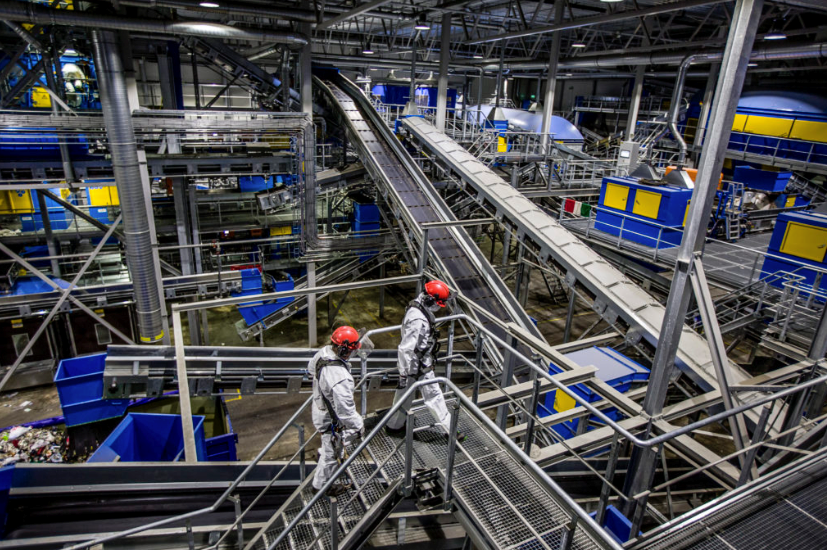
Norway's waste management system is highly recognized for its efficiency and innovation, combining source sorting by citizens with advanced automated waste-sorting facilities. Various household separation and collection systems are employed and continuously developed in the various municipalities across the country. The aim is to meet the need for household separation to increase recycling rates, while recognising that overreliance on household sorting may in fact lead to reduced recycling rates.
Currently, Norway has 50 biogas plants in operation, with 22 more under planning, construction, or expansion. The biogas produced in these plants is composed of about 60 per cent methane and 40 per cent CO2, which can be refined to fuel quality gases for use in buses, garbage trucks, and other vehicles, contributing to the move from fossil fuels and carbon emission reductions in the transport sector. Synergies can also be seen with Norway’s ambitious strategy of transitioning the transport sector away from fossil fuels, where biogas is promising as a fuel source for heavy-duty freight vehicles and shipping industry, which have shown more difficult to electrify (Norwegian government, 2021a). Additionally, biogas production and compositing of waste enables production of biofertilizer, which is a sustainable alternative to chemical fertilizers in agriculture, helping to enrich soils and reduce carbon emissions (Sirk Norge, n.d).
Innovative technologies ensuring sorting efficiency
As an example, the Romerike Avfallsforedling IKS (ROAF) plant near Oslo collects and sorts waste from seven nearby municipalities. It is one of Europe's most advanced automatic waste-sorting facilities, where technologies such as near-infrared (NIR) light, optical sorters, magnets, eddy current separators, and air classifiers are used to sort waste fractions by type, size, and colour. By shifting from solely relying on consumers to sort plastic to utilising automated systems, the facility increased the recovery of plastics and organics, which has ensured higher recycling rates and reduced emissions (Interplatsticsinsights, 2022).
Sorting of organic waste still largely depends on households for pre-sorting. When it arrives at the ROAF plant, the organic waste is processed in anaerobic digesters into biogas and biofertilizers. Each tonne of biowaste generates about 900 kWh of liquid biomethane, which can replace approximately 80 litres of diesel as a transport fuel. Since biogas is considered carbon neutral relative to direct diesel emissions, this substitution reduces emissions by 180 kg of CO2 per tonne of biowaste.
The introduction of modern waste management systems, like the one exemplified by ROAF, has led to 605,000 tonnes of biowaste, with approximately one-third from households, being used for biogas production or composting in 2022 (Statistics Norway, 2024). These two methods for handling organic waste, are considered among the best to reduce carbon emissions, when household food waste is unavoidable. Compared to incineration for energy generation, biogas production and composting is estimated to save 800 kg CO2e per tonne dry organic waste (Sirk Norge, n.d). It is estimated that if 45 per cent of household food waste across all Nordic municipalities were converted to vehicular fuel instead of being composted, incinerated, or sent to landfills, the emission would be reduced by 134,000 tonnes of CO2e (Sitra, 2019).
National regulations and stakeholder engagement
key national strategies and legislation, as well as efforts on a local and regional level and from the private sector has driven the transition of the Norwegian waste management sector. Landfilling of organic waste was banned in Norway in 2009 which has been replaced with energy recovery through advanced and environmentally friendly incineration, as well as utilisation through biogas and biofertilizer production in Oslo kommune (n.d).
Norway's policies actively support methane reduction by promoting efficient waste management and the use of biogas. The Pollution Control Act mandates municipalities to implement effective waste management systems, ensuring that organic waste is sorted and processed appropriately. As of January 2023, all municipalities must sort biowaste at the source, with a target of 70 per cent sorted waste by 2035. Municipalities are empowered to choose their waste management strategies, fostering innovation through collaborations between public and private entities (Norwegian government, 2019). The waste management area is part of the current National Strategy for a green, circular economy, where the Norwegian government emphasises the need for collaboration across public and private actors, to continue increasing the generation of recycled materials and productive side streams from biowaste in favour of energy recovery (Norwegian government, 2021b).
Biogas production in Norway is also positioned as a key component in the country's renewable energy strategy. The production capacity for biogas is expected to grow, driven by its significant biowaste resources, including fish sludge from the aquaculture industry, which could yield up to 6 TWh of biogas in the coming decade (Ragnsells, 2024). This positions Norway as a leader among Nordic countries in the development of biogas as a clean and renewable energy source.
The private sector, including waste management companies, biogas producers, and manufactures, plays an important role in developing and implementing innovative solutions. Industry associations, such as the Norwegian Biogas Association and the Waste Management Association Norway, advocate for policies that support biogas development and promote industry best practices. Public awareness campaigns and incentives have been crucial in engaging citizens to comply with sorting practices and reduce food waste (European Environmental Agency, 2023).
Challenges and opportunities for global transferability
Norway's integrated approach to waste management and biogas production has a significant potential for global transferability, especially for countries seeking to reduce methane emissions in line with the COP28 Global Stocktake Decision. The success of Norway's system is largely due to its use of advanced sorting technologies, regulatory support, and public-private partnerships. However, challenges remain, including the need to improve the accuracy of source sorting, as half of Norway’s food waste is still sorted incorrectly (Sirk Norge, n.d). Expanding the use of biogas also requires substantial investment in infrastructure and supportive regulatory frameworks. Scaling to other countries would require adaptations to local contexts, including different waste management regulations, locally available technologies, and public support. The Norwegian experience shows that with political will, technological investment, and community engagement, significant progress in reducing emissions from waste management can be achieved.
By investing in sustainable biowaste management systems and renewable energy production, Norway is setting a strong example of how integrated waste policies can play a crucial role in achieving both national and global climate goals. The expansion and optimization of biogas production offer further opportunities to reduce methane emissions, demonstrating the potential contribution of waste policies to global climate mitigation efforts.
2.3.7 Rewetting agreements as nature-based climate solutions (Sweden)

f) Reduce methane: Rewetting agreements in productive forests are a cost-effective strategy to reduce greenhouse gas emissions. While rewetting peatlands stops CO2 emissions, it also triggers methane release. Despite methane's potency, recent modelling shows the climate benefits of rewetting outweigh its impact, with long-term contracts ensuring lasting emission reductions.
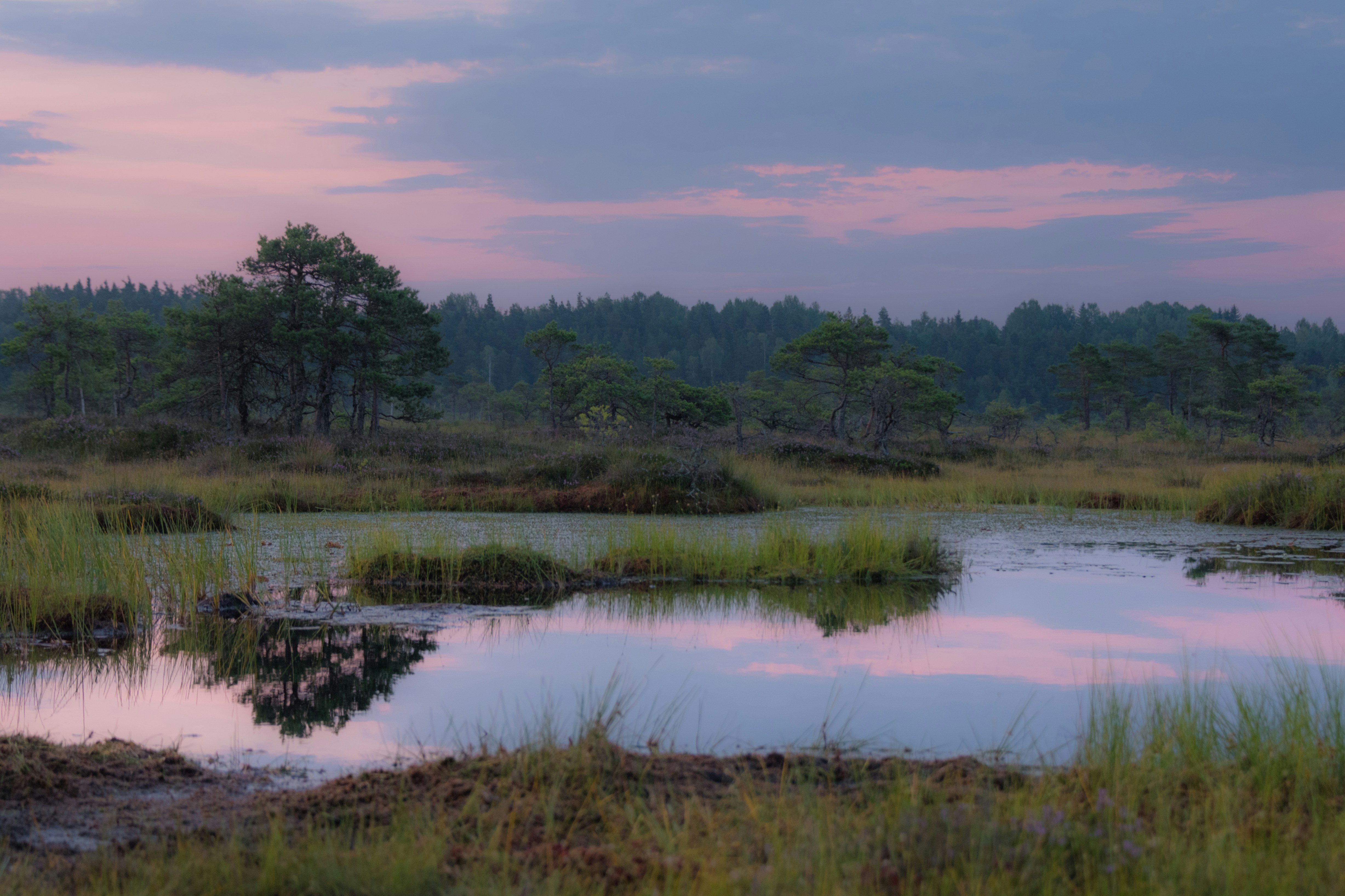
Rewetting peatlands to lower greenhouse gas emissions is a crucial strategy for mitigating climate change. Achieving the goals of the Paris Agreement may necessitate the rewetting of nearly all drained peatlands worldwide, totalling over 50 million hectares (Convention on Wetlands, 2021). Protecting and restoring carbon-rich peatlands not only helps reduce greenhouse gas emissions but also promotes biodiversity, regulates water flows, and reduces eutrophication. Since 2021, the Swedish Forest Agency has been providing aid for the rewetting of organic woodland through rewetting agreements.
The purpose of a rewetting agreement is to permanently rewet drained land, thereby reducing greenhouse gas emissions. Given that the primary goal of these agreements is to achieve climate benefits, priority is given to fertile peatlands, which emit the most greenhouse gases. Peatland rewetting has been identified as a cost-effective measure to curb emissions but re-establishes the emission of methane (Günther et al. 2020). The effect of drainage is estimated as the change in net emissions caused by the drainage, that is, the difference between the net emissions of greenhouse gases from drained land, mainly carbon dioxide and nitrous oxide, and the net emissions from undrained land, mainly methane (Swedish Forest Agency, 2023). Rewetting projects are prioritized based on a list determined by the forest's site productivity and its location in the country. By signing a rewetting agreement, the forest owner can receive a one-time compensation that correspond to the reduction in land value caused by the permanent rewetting, due to decreased forest growth and reduced accessibility for operating large machinery. However, the agreement does not impose any restrictions on the use of the trees growing on the rewetted land. These contracts have a duration of 50 years.
A key initiative for climate policy and ecosystem restoration
Rewetting is included as part of Sweden's strategy to implement its climate policy framework, proposing the rewetting of at least 100,000 hectares of organic forest land and 10,000 hectares of organic agricultural land by 2045 (Swedish Forest Agency, 2023). This is estimated to reduce net emissions from drained forest land by around one-third and from drained agricultural land by approximately seven per cent.
Rewetting contributes to Sweden's environmental goal, "Thriving Wetlands," and can also be linked to the global sustainability goal "Life on Land," target 15.1: "Conserve, restore, and ensure the sustainable use of terrestrial and freshwater ecosystems”.
This rewetting policy and its associated measures are also integral to Sweden's updated National Energy and Climate Plan (NECP) for 2021–2030 (Ministry of Climate and Enterprise, 2024). It aligns with Sweden’s commitments under the revised Land Use, Land-Use Change, and Forestry (LULUCF) Regulation in the EU land use sector and supports the EU Carbon Removals and Carbon Farming Certification (CRCF) Regulation. Additionally, it is in accordance with Article 10 of the Regulation on Nature Restoration (Nature Restoration Law), which encompasses forest carbon storage through rewetting activities.
Support for landowners in peatland restoration
The Swedish Forest Agency's rewetting agreements can be applied for by individual landowners (private or legal entities) to rewet drained forest land on peatlands and agricultural land that has been converted to forest land. The Swedish Forest Agency provides guidance and support to landowners during the planning phase. The Swedish Forest Agency ensures that ditch blocking is carried out and covers the cost. So far, rewetting agreements only compensate landowners, but this may change in the future as the Swedish Environmental Objectives Committee is currently reviewing their wetland support.
Impact on climate change mitigation
In 2023, 35 sites totalling 115 hectares were rewetted through this initiative, resulting in an emission reduction of 718 tons CO2 equivalents. This marks an increase from 2022, when 14 sites covering 33 hectares led to a reduction of 158 tons CO2 equivalents (Lundblad, 2024). In comparison a total of 3,280 hectares of wetlands were restored and created in 2023 with state funding, of which the Swedish Environmental Protection Agency's contribution (where the rewetting initiative is included) accounted for approximately 2,700 hectares. Overall, all wetland restoration carried out with state funding in 2023 is estimated to have contributed to emission reductions of almost 6,100 tons of CO2 equivalents (Swedish Environmental Protection Agency, 2024). In this context, the rewetting initiative by the Swedish Forest Agency accounts for about 12 per cent of the emission reductions from all official rewetting initiatives implemented in Sweden (Lundblad, 2024). The long contract period (50 years) ensures that the rewetting becomes permanent, which is a crucial factor for the measure to have a long-term impact on reducing net greenhouse gas emissions.
Scalability
The Swedish Environmental Protection Agency and the Swedish Board of Agriculture recommend that adapting the support model for rewetting agreements is the most beneficial option to apply in the short term, including for agricultural land and agricultural land adjacent to forest land. Additional implementation capacity would be needed to extend the rewetting agreements to include these types of land as well (Sweden Environmental Protection Agency, 2023). Another option to capture rewetting possibilities on agricultural land is to add climate mitigation as an objective in the Swedish strategic plan for the Common Agricultural Policy (Government of Sweden, 2023). Also, further studies and investigations are needed on different options for sustainable forestry that both aim to reduce the release of carbon dioxide and methane from the soil (Swedish Forest Agency, 2021). Through participation in EU projects, dialogue with researchers, cooperation with ministries and organizations in other European countries, the Swedish Forestry Agency contributes with knowledge exchange, andpractical knowledge regarding previous experiences concerning the climate aspects for rewetting. This can facilitate the spread and uptake of similar rewetting measures and policies to other countries.
Potential for global replication and transferability
By reducing greenhouse gas emissions through the rewetting of drained peatlands, the overall LULUCF sink can be increased. Achieving carbon neutrality by 2050–2070, as required by the Paris Agreement, means that 500,000 km² of drained peatlands need to be rewetted by then. This translates to an average of more than one million hectares being rewetted globally each year (Kreyling et al., 2021). Hence, there is a huge potential for rewetting activities globally. Sweden can serve as a valuable example that could be upscaled and replicated in other parts of the Nordic Region, Europe and globally. For rewetting projects to succeed, however, it is essential that the cooperation, support and acceptance between authorities, interest groups, contractors, landowners, and other stakeholders, works as effectively as possible (Cris et al., 2011). Therefore, setting goals should always be an iterative process that involves problem analysis and goal development in collaboration with those impacted. In many geographical regions, there is no specific guidance for rewetting or ecosystem restoration. Hence, it is advisable to learn from experiences in other areas – not to replicate measures exactly, but to create solutions tailored to local conditions (Convention on Wetlands, 2021).
2.3.8 Land restoration: Driving carbon sequestration and climate resilience (Iceland)


f) Reduce methane: 20 per cent of Iceland’s sheep farmers are participating in the project. They have committed to an action plan aimed at making sheep products carbon-neutral as soon as possible. The plan focuses on offsetting emissions through topsoil and wetland restoration, forest planting, and adopting renewable energy. These efforts are also helping reduce methane emissions.
Farmers Heal the Land (FHL) is a participatory restoration project started in 1994, with the aim to increase the focus on the roles of farmers in land restoration, with emphases on restoration activities as being ‘owned’ by farmers (Nyirenda, 2020; Crofts, 2011). The allocation of 2024 land reclamation grants under the project were provided to 418 farmers for land reclamation projects, covering approximately 3,800 hectares of land. Primarily, the project focuses on soil conservation and reforestation efforts that combat land degradation. By restoring vegetation cover and improving soil quality, these efforts help sequester CO2, a crucial aspect of mitigating climate change. The project encourages sustainable land use practices, reducing soil erosion and increasing the land's resilience to climate impacts.
Due to centuries of land degradation caused both by anthropogenic and natural events, 40 per cent of Iceland’s terrestrial area is degraded today. Revegetation efforts will be enhanced for increased carbon sequestration. Efforts will also be made to halt and reverse land degradation and decrease emissions from degraded land. The project has a mature setup, but the evidence base related to achieved climate mitigation effects, is not yet strong.
Policy relevance
Carbon sequestration through improved LULUCF, particularly through the revegetation of degraded land, is a key mitigation measure in Iceland's 2020 Climate Action Plan (Government of Iceland, 2020), which sets out policy measures to bring Iceland towards the 2030 goal set out in the long-term low emission development strategy. The 2020 Climate Action Plan serves as the primary policy document guiding climate action in Iceland, representing the country’s commitment to the objectives of the Paris Agreement. Its goal is to reduce greenhouse gas emissions and establish a foundation for achieving carbon neutrality by 2040. In addition, the Icelandic government released a specific Climate Change Mitigation Plan for the LULUCF sector in 2019.
Soil conservation through collaborative efforts
FHL is managed by the Soil Conservation Service of Iceland (SCSI). SCSI provides essential services such as extension support, seeds, and funding for fertilizers, while farmers contribute land, machinery, labour, and sometimes additional fertilizers and mulch. SCSI officers conduct annual or biennial visits to participating farms to plan, discuss, and evaluate restoration activities subjectively. Although the FHL serves as an overarching framework, much of the planning and monitoring are carried out on a farm-by-farm basis (Nilsson et al., 2016).
Participants in the program receive financial assistance for restoring poorly vegetated areas and revitalizing depleted heathland on their properties. They also benefit from guidance on sustainable land use practices for implementing their restoration projects. Additionally, various organizations and volunteers collaborate with SCSI on cooperative tasks, with many receiving support through SCSI’s Land Improvement Fund.
Impact on climate change mitigation
The Environment Agency of Iceland developed a "with existing measures" (WEM) scenario based on projections that incorporate the policies and measures outlined in the 2020 Climate Action Plan, which plans to expand land reclamation to 12,200 hectares by 2023. The ex-ante emissions impact of these policies and measures (PaMs) for carbon sequestration through soil conservation and land reclamation, compared to a business-as-usual (BAU) scenario based on historical trend projections, is estimated to be 266 kiloton (kt) CO2 equivalents by 2040 (The Environment Agency of Iceland, 2022).
Limited research has been conducted on assessing carbon levels in land reclaimed under the FHL project in farm fields. However, Nyirenda (2020) estimated soil carbon levels after revegetation with trees and grass in Southwest Iceland. The study found that restoring degraded land through revegetation increased soil carbon, with reclamation involving both trees and grass leading to greater carbon sequestration than grass alone. The findings also indicated that the condition of the land and soil significantly impacts the amount of carbon sequestered.
Scalability
Restoration finance continues to rely heavily on public and donor funding; however, expanding private investment could help bridge the funding gap for restoration efforts while creating business opportunities and meeting regulatory requirements to restore ecosystems or reduce material risks. Nevertheless, successful restoration projects are frequently technically challenging, leading to higher implementation risks and a greater need for technical assistance, research, and development (World Bank, 2024). Previous research has revealed that, although the FHL project has effectively addressed extensive areas of degraded land, it has not achieved the anticipated attitudinal and behavioural changes among its participants (Petursdottir et al., 2017). Therefore, more formal and continuous evaluation procedures that engage all relevant stakeholders, coupled with improved documentation and dissemination of results is important to enhance the restoration process and facilitate knowledge transfer to future projects.
Potential for global replication and transferability
Currently, approximately 33 per cent of the world's soils are moderately to highly degraded (FAO, 2020), and, globally, cultivation on agricultural land is estimated to have released between 50 and 70 gigatons of carbon into the atmosphere, throughout human history (Amundson et al. 2015). These challenges necessitate approaches that strengthen soil restoration efforts. Moreover, ecosystem restoration provides numerous economic benefits to farmers and communities, and tackling the challenges of land and soil degradation can directly contribute to achieving 47 per cent of the Sustainable Development Goals (SDGs 2, 3, 6, 7, 12, 13, 14, and 15 (Keesstra et al. 2016). For land regeneration efforts to be successful, solutions must consider the scale of implementation – whether global, national, regional, or local – along with stakeholders' interests, cultural contexts, and the availability and constraints of financial and natural resources. Moreover, sustainable solutions should align short-term management actions with long-term landscape planning strategies (Keesstra et al., 2018).
2.3.9 Climate network of municipalities accelerating emission reductions (Finland)


b) Phase-down coal
By promoting local climate work, renewable energy projects and reducing fossil fuel reliance, the Hinku Network accelerates the phase-down of unabated coal power.
By promoting local climate work, renewable energy projects and reducing fossil fuel reliance, the Hinku Network accelerates the phase-down of unabated coal power.
c) Zero & Low-carbon fuels
The network facilitates the transition to net-zero emission energy systems through local climate action plans and the adoption of low-carbon technologies.
The network facilitates the transition to net-zero emission energy systems through local climate action plans and the adoption of low-carbon technologies.
d) Transitioning energy systems
The network enables a just and orderly transition away from fossil fuels by supporting municipalities in scaling up renewables and reducing emissions to meet 2050 net-zero targets.
The network enables a just and orderly transition away from fossil fuels by supporting municipalities in scaling up renewables and reducing emissions to meet 2050 net-zero targets.
The Hinku Network, also known as the “Towards Carbon Neutral Municipalities," is a Finnish municipal climate network uniting municipalities, businesses, citizens, and research experts to reduce greenhouse gas emissions. Established by the Finnish Environmental Institute (Syke) in 2008, the network has grown into a significant force for local climate action, showcasing the power of collaboration at the municipal level to lower emissions.
Accelerating emission reductions at the local level
The Hinku network began with five Finnish municipalities but has since grown to be a significant force for local climate action, covering one-third of Finnish municipalities and one-quarter of Finnish regions, all committed to reducing local emissions by 80 per cent from 2007 levels by 2030 – an ambition that surpasses both national and EU targets. The network's primary objective is to integrate emission reduction perspectives into municipal decision-making processes and inspire collective action towards reducing emissions. This approach aligns with the broader understanding that strengthening cooperation between local, regional, and national governments is crucial for meeting shared climate objectives and advancing energy transitions (IEA, 2023). To join the network, municipalities and regions must meet specific criteria set by Syke, ensuring that all significant decisions account for their impact on greenhouse gas emissions. The network, coordinated by Syke, has established operational structures within municipal administrations, such as designated Hinku contact persons, new working groups, or integration into existing frameworks. Collaboration within the network is fostered through regular meetings, knowledge-sharing on climate actions, and providing municipalities with tools for emission calculation and scenario planning. Beyond promoting collaboration, peer support and knowledge sharing, the Hinku Network also aims to drive demand for climate-friendly products and services. As of 2021, it is supported by over 30 companies working with energy and climate, offering their solutions for the participating regions (Syke, 2021).
Climate impact
Municipalities are uniquely positioned to involve both residents and businesses in the transition to carbon neutrality. The Hinku Network’s efforts have so far led to a provision in the national Climate Act mandating climate planning for all municipalities (Hinku Network Annual Report, 2022). Evaluations also show evidence of greater municipal emission reductions and motivation for climate action among municipalities which are part of the network. Emissions in Hinku municipalities were reported to be 3.1 per cent lower than they would have been without membership in the network (Hinku Network Annual Report, 2022). In addition, 80 per cent of municipal representatives’ report that participation in the network has accelerated climate efforts in the municipality, while 60 per cent of participants reported that due to joining the network, they had implemented concrete climate efforts. Some municipalities gave more emphasis on the network's impact on overall shifts in mindset, highlighting the topical expert support as an important aspect. Overall, being part of the network has fostered greater cooperation on climate actions among different actors across sectors and, it has made it easier for municipalities to justify and support climate efforts internally. In 2022, 270 distinct solutions were shared across energy, property, transport, and services within the partner network, demonstrating the extensive knowledge sharing and various ways to include climate considerations in overall regional decision making.
From 5 municipalities to a thriving network of over 100 actors
The development of the Hinku Network exemplifies the scalability potential of climate networks amongst municipalities and regions. Initially launched as a research pilot with just five small municipalities – Kuhmoinen, Mynämäki, Padasjoki, Parikkala, and Uusikaupunki – it has grown into a broad network of municipalities and regions committed to ambitious climate goals. Commitment from municipalities has been essential for scaling such a network in Finland. The Hinku Network's existing framework and support systems could be scaled in a similar expansion model in other countries with the help of a dedicated coordinator partner.
Replicability to other countries
The Hinku Network's model of municipal-level climate action is highly relevant to global climate change mitigation efforts. Similar networks around the world can be established with the principles of local engagement, ambitious targets, and collaborative strategies. Such networks can significantly contribute to global efforts in reducing greenhouse gas emissions, increasing knowledge sharing, shifting mindsets and thus promoting emission reduction and overall sustainable development. Replicating the Hinku Network globally does not rely on technological advancements, but instead requires establishing and strengthening collaborative structures at regional levels. The Hinku Network innovation demonstrates how a research institute, or another science-led organisation can initiate a climate network model that can be replicated elsewhere, to increase local climate work across sectors. Effective replication requires a strong coordinator to lead and build the network, operational structures for ensuring engagement, and funding for the coordinator from research initiatives or private sector participation fees. Barriers for such establishment revolve around policy, regulatory, or cultural differences within regions that would hinder collaboration.
2.3.10 CO2 tax on industry (Denmark)

c) Zero- & low carbon fuels: By implementing a national tax on carbon emissions, Denmark is incentivizing heavy industry to shift to zero- and low carbon fuels. The relatively high tax level ensures that the incentive is strong enough to ensure action, while the recirculation of revenue supports companies to invest in the transition.
d) Transitioning energy systems: Recognizing that the tax will ultimately cause increased costs for households with potentially harmful distributional effects, Denmark has implemented several initiatives to mitigate this and support vulnerable households.
e) Accelerate technologies: Part of the revenue from the CO2 tax is placed in a green fund to support companies in implementing and innovating for new, green technologies, as well as a specific fund for investments in carbon capture and storage.
h) Phase out fossil fuel subsidies: The green tax reform addresses fossil fuel subsidies by phasing out tax expenditures granting tax exemptions on fossil fuels used in shipping, aviation and other sectors.
In June 2024, the Danish parliament adopted new CO2 tax legislation on fossil fuels in the industry. The two bills implement parts of a political agreement from 2022, dubbed the Green Tax Reform, and will take effect from January 2025. The legislation is expected to reduce CO2 emission by 4.3 million tonnes by 2030 (about one-tenth of Danish greenhouse gas emissions recorded in 2019) (Skatteministeriet, 2024). This is a substantial step towards fulfilling the national commitment set by the Danish Climate Act of 2020 to reduce greenhouse gas emissions by 70 per cent in 2030 (Folketinget, 2020).
The new legislation entails an emission tax and a reconfiguration of current CO2 taxes for the industry, which will result in a tax of approximately EUR 100 per tonne of CO2 emissions for companies outside EU’s CO2 trading system and approx. EUR 50 for those included by it. Certain industries, especially within mineralogical processes, face a reduced fee of approximately 17 EUR per tonne CO2 emissions. A tax deduction can be achieved for avoided CO2 emissions by companies that implement carbon capture and storage (CCS) solutions (Folketinget, 2024).
Ensuring support from key stakeholders
The 2022 political agreement and the subsequent legislation of 2024 have been adopted following substantial public consultations and engagement with key stakeholders. The Danish Council on Climate Change, which consists of an independent body of experts, has provided research-based recommendations for the government on how to implement a CO2 tax in line with the goals of the Climate Act (Danish Climate Council, n.d). This includes a commitment to provide cost-effective solutions that do not cause substantial challenges to the balance of society, social cohesion, or leakage effects, where production and workplaces are moved out of country (Skatteministeriet, 2022).
As a result of the carbon tax, Danish households face an estimated average burden of 1,8 per cent of household consumption due to increased cost of consumption goods. To ensure and mitigate distributional effects, as well as support vulnerable households, the policy package includes measures to redirect revenue to households, especially through electricity tax cuts, which is estimated to counteract the risk of increased income inequality due to the carbon taxes. Additionally, measures include recirculating revenue to the industry to support companies in reducing emissions, to mitigate leakage effects, and to reduce the risks of their competitiveness. These measures include an EUR 938 million green fund, a large fund for CCS initiatives, and several other initiatives (Finansministeriet, 2022).
Encouraging cleaner technologies, innovation, and energy efficiency
Heavy industries are responsible for one-sixth of energy-related emissions globally, which provides a strong argument for implementing political initiatives to incentivize their decarbonization efforts in support of net zero targets (IEA, 2023a). Denmark's carbon tax on the industry aims to reduce greenhouse gas emissions by encouraging companies to adopt cleaner technologies and energy efficiency measures. This is expected to lead to reduced emissions, stimulate innovation in clean energy, and drive investment in the green transition. Since the financial crisis in 2008, the combined emissions of Danish industries have been more or less constant, thus, illustrating the necessity of adopting strong policies on CO2 emissions. While not solely contributed by the anticipation of the national CO2 tax, 42 of the largest industrial actors have reduced emissions by an average of 17 per cent, since the introduction of the Climate Act in 2020 (Danmarks Radio, 2024).
The CO2 tax on the industry has been a significant milestone in establishing a pathway for reaching Denmark’s goal of 70 per cent emission reduction by 2030. It has also created political pressure to establish a carbon tax on the agricultural sector, which will account for around 50 per cent of Denmark’s total carbon emissions in 2030 according to recent projections (Energistyrelsen, 2024). In June 2024, a landmark tripartite agreement on emission reductions from agriculture and nature restoration was announced. It was negotiated by representatives of the government, and groups representing the agricultural sector, industry, and environment. At the core of the agreement is an effective tax on the agricultural sector of DKK 120 (16 EUR) per tonne CO2e in 2030, which increases to DKK 300 (40 EUR) per tonne of CO2e in 2035. This is supplemented with substantial investments (EUR 4 billion) for converting 140,000 ha of agricultural lands and 250,000 ha new forests, as well as a subsidy scheme (EUR 1.8 billion) for the production of biochar through pyrolysis (Økonomiministeriet, 2024).
Global transferability of the CO2 tax: Strategies for success
The global relevance of political initiatives to encourage the green transition of industries are beyond doubt. The challenge for replicability and transferability relates to the potential resistance from citizens and the private sector. In countries where there is political support for CO2 reduction initiatives, competition from other countries and the risk of carbon leakages are given as reasons to not support higher carbon taxes. It is suggested by empirical research that these risks are limited in practice and can be mitigated by being combined with other policy initiatives, such as those supplementing the Danish CO2 tax (Council on economic policies, 2022). Recent studies show that carbon taxes can effectively reduce emissions without harming economic growth or employment. Public acceptance of carbon taxes increases with effective communication, fair distributional effects, and earmarking revenues for environmental projects (Journal of economic surveys, 2022).
In recognition of these insights, recommendations for implementing CO2 taxes on the industry in other countries include implementing high enough tax rates to trigger emission reductions through the adoption of green technologies; balancing exemptions to maintain support without undermining effectiveness; prioritizing revenue recycling to support companies in the transition, foster innovation and ensure a just transition; avoid formal earmarking to prevent budget rigidity; and clear communication of the benefits of the taxes. The Danish case shows the benefit of a pragmatic approach with differentiated tax levels and sequencing of sectors to be targeted, as well as strong stakeholder involvement in establishing compromise solutions.
2.3.11 Policy package to increase sales of electrical vehicles (Norway)


g) Road transport
It is aligned with the objective by implementing consistent incentives, such as tax exemptions and access to bus lanes, alongside substantial investment in charging infrastructure. These measures have made EVs more affordable and appealing, fostering a stable market and accelerating the deployment of zero-emission vehicles. As a result, Norway is on track to significantly reduce transport emissions, demonstrating the effectiveness of clear and consistent policies in achieving the GST goals.
It is aligned with the objective by implementing consistent incentives, such as tax exemptions and access to bus lanes, alongside substantial investment in charging infrastructure. These measures have made EVs more affordable and appealing, fostering a stable market and accelerating the deployment of zero-emission vehicles. As a result, Norway is on track to significantly reduce transport emissions, demonstrating the effectiveness of clear and consistent policies in achieving the GST goals.
When it comes to deployment of electrical vehicles (EV), Norway is leading globally (IEA, n.d). EVs accounted for 24 per cent of the total amount of registered vehicles and 81 per cent of all new registrations in Norway in 2023. This is compared to 5 per cent of total registrations and 21per cent of new registrations in 2017 (Statistics Norway, 2023). This success in EV deployment is largely due to an extensive policy package designed to promote the sale of zero emission vehicles through multiple instruments and incentives. The efforts also follow the adoption of an ambitious national goal by the parliament in 2017 that all new cars sold in Norway in 2025 should be zero-emission (European Commission, n.d).
Promoting EVs through political consensus and broad coalitions
The national efforts to support EV sales includes a substantial incentive scheme, gradually introduced by different governments and broad coalitions of parties since the early 1990s. These incentives include, among others, tax exemptions, reduced road tolls and access to bus lanes (OECD, 2022a). To ensure convenient access to charging, and to make ownership and use of EVs affordable and accessible, the Norwegian public and private sector have heavily promoted the expansion of critical charging infrastructure, first through public subsidies but largely driven by the market on commercial terms. For example, Oslo municipality was early to provide publicly available charging stations with 900 charging points, established by 2014, together with incentives created for other actors as well (Centre for public impact, 2016). More than 22,000 public charging points were installed nationally by 2023 (McKinsey, 2023), including more than 5,000 rapid chargers (more than 50kW) of which less than 15 per cent were supported with public subsidies. To ensure the continued expansion of charging infrastructure for both light and heavy vehicles, the Norwegian government is addressing various barriers and opportunities with the 2022 National Charging Strategy (Norwegian government, 2022).
The broad political consensus and cross-party coalitions has fostered a stable EV market, ensuring clarity and consistency of the incentives provided, which is a necessary condition to ensure the confidence of both sellers and buyers (Danmarks Radio, n.d). This has been supplemented by a broad stakeholder engagement effort over multiple years, where energy companies, public institutions, and consumer groups have all been engaged in shaping the policies and initiatives. Additionally, public awareness campaigns and the incentive packages have been implemented to reduce opposition and create an environment of support for the national efforts (Centre for public impact, 2016).
A key component in the national climate change strategy
During its life cycle, a standard electric vehicle in Europe emits fewer greenhouse gases (GHG) (17–30 per cent), produces less air pollution, and generates less noise, than a comparable petrol or diesel vehicle. The production phase may involve higher emissions, but these are offset by the substantial reduction in emissions during the vehicle's operational phase (European Environmental Agency, 2024). Challenges also relate to the sustainability of EV batteries, including raw material usage, use efficiency, and end-of-life management, but these are receiving substantial attention, including a recent update to the EU Battery Regulation aiming at ensuring more sustainable life cycles of batteries in the coming years (European Commission, 2023b).
By promoting the widespread adoption of electric vehicles through targeted incentives, infrastructure development, and stable policy support, Norway has drastically reduced reliance on fossil fuel-powered passenger vehicles. The success of EV deployment for light vehicles and vans, is already being followed with increases in sales in the harder-to-electrify heavy duty vehicle sector, with 7 per cent of new lorries sold in 2022 being electric (Norwegian government, 2022). To encourage this even further, the Norwegian government has agreed on a remarkable update to its goals for the sector, now aiming for all new lorries sold in 2030 to be electric or fueled with biogas (Norsk Elbilforening, 2023).
This impressive transition to low-emission vehicles dominating the transport system in Norway, directly contributes to lowering national carbon emissions, making it a critical component of the national climate change strategy. National projections estimate that transport emissions will decrease by one-third from 2019 to 2030 (OECD, 2022a). The success of this scheme highlights the potential for similar approaches to drive meaningful emission reductions globally, emphasizing its importance in broader climate change mitigation efforts.
Global transferability by attention to different economic contexts
The scalability of Norway's EV scheme is promising, given its success in rapidly transitioning a significant part of its vehicle fleet to electric. Norway's approach, characterized by a mix of financial incentives, investments in expansion of the charging infrastructure, and strong political support, has proven effective in a relatively small and affluent country. However, scaling this model in other countries would require adjustments tailored to the economic context, infrastructure needs, and political environment.
The design of the tax system has been key for the Norwegian success. It puts heavy duties on all vehicles, which has allowed for changes that can incentivise EVs. The changes have, however, meant a loss in state revenues (European Parliament, 2022), but this may be politically acceptable considering new business opportunities, reduced air pollution and carbon emission reductions. Where similar conditions exist, the case could be replicated with potential for comparable success. Due to the ban on the sale of vehicles with combustion engines in the EU by 2035, this is likely to be relevant for EU countries the coming years (OECD, 2022b).
Replicability is more challenged in regions with varying levels of government support. However, adapting the core elements of Norway's scheme – such as providing targeted incentives and gradually building charging infrastructure – could still foster EV adoption. International cooperation, technology transfer, and financial support could also play crucial roles in scaling the scheme to these areas.
2.3.12 Green Steel: The transitioning of a hard-to-abate sector (Sweden)
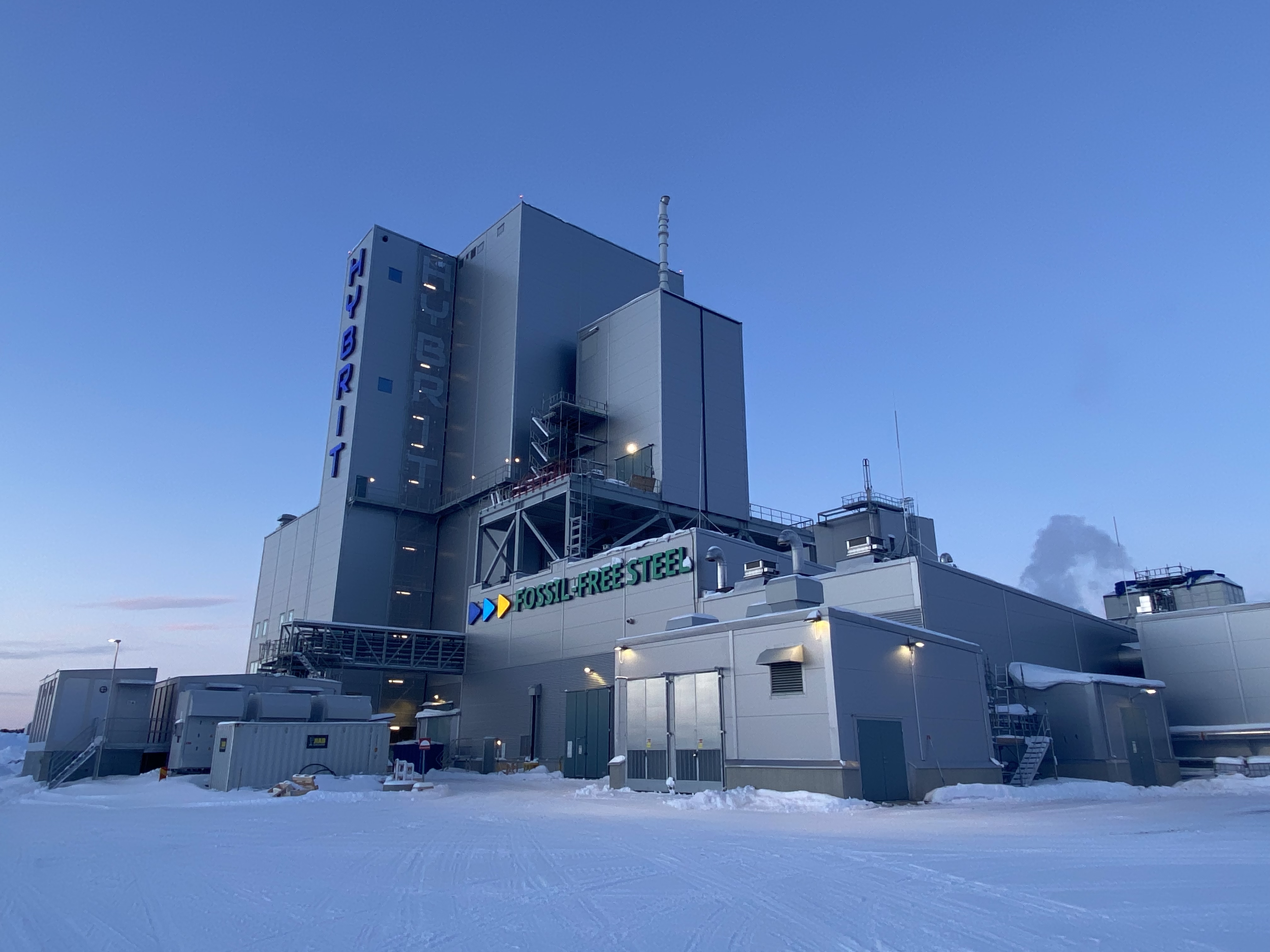

c) Zero & Low-carbon fuels
By replacing traditional steelmaking (using coal in blast furnaces) with Direct Reduced Ironmaking (using Hydrogen), significant amounts of coal can be replaced by hydrogen. This accelerate efforts in reaching near zero steel production if the hydrogen is produced with renewable energy, such as solar and wind-power electricity.
By replacing traditional steelmaking (using coal in blast furnaces) with Direct Reduced Ironmaking (using Hydrogen), significant amounts of coal can be replaced by hydrogen. This accelerate efforts in reaching near zero steel production if the hydrogen is produced with renewable energy, such as solar and wind-power electricity.
d) Transitioning energy systems
Replacing coal with clean hydrogen in the steel sector would make a significant contribution to transitioning away from fossil fuels.
Replacing coal with clean hydrogen in the steel sector would make a significant contribution to transitioning away from fossil fuels.
e) Accelerate technologies
This technology offers a pathway to low-emission technologies by using renewables in a hard-to-abate sector and replacing fossil fuels.
This technology offers a pathway to low-emission technologies by using renewables in a hard-to-abate sector and replacing fossil fuels.
Traditional steelmaking primarily depends on a method known as "blast furnace" technology. This process uses coal as a reduction agent, which leads to substantial emissions of carbon dioxide (CO2) into the atmosphere, making steel production one of the largest industrial sources of CO2 emissions worldwide. In green steel production, iron ore is reduced to metallic iron using hydrogen instead of coal as a reducing agent, a process known as Direct Reduced Ironmaking (DRI). In this method, DRI reactors replace traditional blast furnaces. While other technological options exist, such as combining blast furnaces with carbon capture and storage (CCS) or using charcoal instead of fossil coal as a reducing agent (IEA, 2020), these alternatives are not considered in Sweden.
Key policy areas include the EU Emissions trading system (EU ETS), permitting processes and at a higher-level, climate targets in Sweden and the EU.
Stakeholder engagement
As many traditional steel plants in Europe, including Sweden, are about to reach end-of-life, there is a window of opportunity to transition to green steelmaking and significantly reduce CO2 emissions. Due to the long lifetime of steel plants, new plants involve significant investments. However, this would also have been the case if traditional steel plants were renewed. Nevertheless, the needed investments in green steel making require support at both state and local levels. From the state, there is a need for political and financial support, power supply and transport services. In Sweden, two green steel plants are planned for the Norrbotten region, a scarcely populated region in Northern Sweden. The region has significant power generation capacity, Europe’s largest iron ore mine, and a railway network that connects the anticipated industrial sites with harbours in Norway (Narvik) and Sweden (Luleå). The unemployment rate in the region is relatively high and people have been leaving the region. However, estimates show that green steel would offer new work opportunities leading to a significant influx of people to the region. To attract sufficient labour and expertise, the affected municipalities in Norrbotten are planning for providing housing, schools, public transport, health services and recreation facilities. Stakeholders have also stressed that permitting processes need to become more effective (Rootzén et al., 2024).
Impact on climate change mitigation
Steel will be essential globally for the foreseeable future (Passaro, 2022). The most common steel production method uses fossil coal to reduce iron ore into metallic iron, resulting in significant carbon dioxide emissions. In Sweden, the steel industry accounts for about 10 per cent of the country’s greenhouse gas emissions. Transitioning to green steel production is crucial for meeting climate targets in Sweden, EU and worldwide. Implementing green steel technology globally, where it is technically and economically feasible, can substantially reduce global GHG emissions.
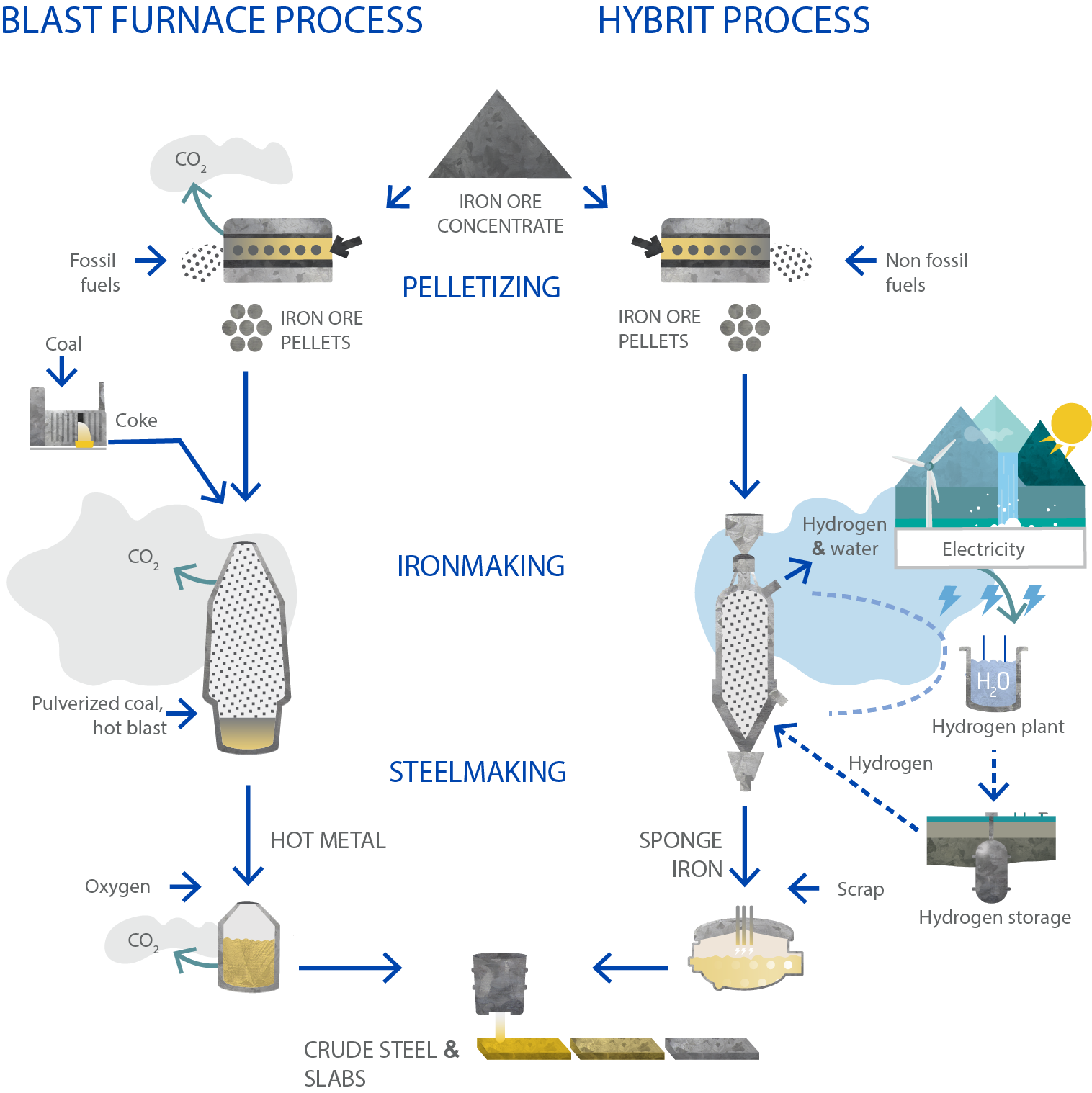
Scalability
Green steel is currently being developed at many sites both in Europe and outside. This indicates that the technology is scalable. Enablers/barriers include a high/low carbon price, a low/high cost of electricity, and availability/non availability of iron ore, labour, knowhow, and effective permitting processes. Trade restrictions between regions can also be a significant barrier to the global development of green steel production (Sutton and Williams, 2022).
Potential for global replication and transferability
The transferability of green steel to other regions largely depends on national policies and demand for green steel. Without policy support, producing green steel is more expensive than traditional steel. The extra cost for producing green steel is sometimes referred to as a “green premium”, implying that the extra cost comes with additional value. However, with a high enough carbon price, green steel can compete with traditional steel. The business case for green steel strongly depends on the cost of carbon emissions, which is influenced by national climate policies. Additionally, the local prices of electricity and hydrogen are significant factors due to their substantial cost impact. Despite, higher costs, there is a growing demand for green steel. In Europe, for instance, the automotive industry is willing to pay extra for the green premium, thus driving demand for green steel (Hasan et al., 2021; Urban et al., 2024).
Green steel production is also expanding beyond Europe. According to Leadership Group for Industry Transition’s Green Steel Tracker, nine new projects are emerging, with only two in Europe, indicating global shift in investment (Stockholm Environment Institute, 2024). Notably, a Chinese steelmaker has announced investment in a full-scale green hydrogen direct reduction facility, supported by China’s new nation-wide carbon pricing system. In the USA, green hydrogen subsidies through the Inflating Reduction Act are helping the business case for green steel.
2.3.13 Carbon Capture and Storage (Cross-Nordic)
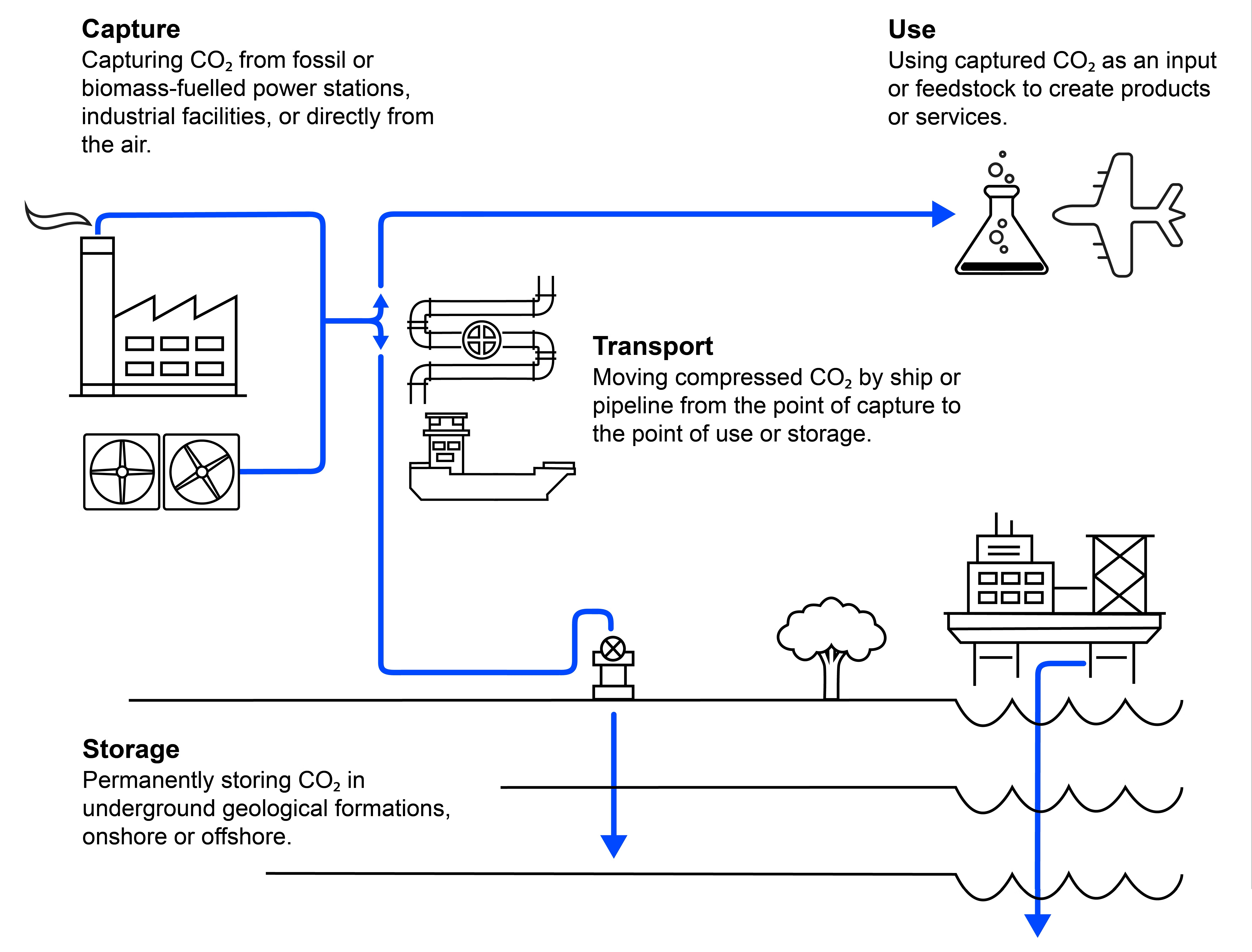
Figure: CCS systems including capture, transportation and geological storage of CO2. In addition to CCS, CO2 utilisation is illustrated.

b) Phase-down of unabated coal power
CCS can be applied to existing coal-fired power plants to obtain significant CO2 emission reductions.
CCS can be applied to existing coal-fired power plants to obtain significant CO2 emission reductions.
c) Zero & Low-carbon fuels
CCS can contribute to net-zero emissions by mitigating emissions from fossil-based energy systems and generating CO2 removal that can counterbalance CO2 emissions that cannot be eliminated.
CCS can contribute to net-zero emissions by mitigating emissions from fossil-based energy systems and generating CO2 removal that can counterbalance CO2 emissions that cannot be eliminated.
e) Accelerate technologies
Significant expansion of CCS technology will be required to manage emissions in hard-to-abate sectors.
Significant expansion of CCS technology will be required to manage emissions in hard-to-abate sectors.
g) Road transport
CCS can cater for carbon-lean, or even carbon-negative, fuels for the transportation sector.
CCS can cater for carbon-lean, or even carbon-negative, fuels for the transportation sector.
Carbon capture and storage (CCS) involves capturing CO2 from large point sources (e.g., combined heat and power plants or cement making); transporting it; and then permanently storing it underground in geological formations or through mineralisation.
Nordic leadership in carbon capture and storage innovation
The Nordic region has taken a global lead in developing CCS. In 2019, the Helsinki Declaration on Nordic Carbon Neutrality was adopted, and the Nordic countries jointly acknowledged the important role of CCS and the significance of collaboration towards its development. All Nordic countries are investing in research, development, and piloting of CCS technology. Norway has been an early mover in using carbon pricing and regulatory instruments to deploy CCS. Today, over 25 years of experience of CCS has been accumulated, including geological storage of CO2 under the seabed outside the coast of Norway. Denmark, Sweden and Norway are currently developing some of the world’s first support systems to incentivise Bioenergy with CCS (BECCS) and Direct Air CCS (DACCS). With the Longship and Northern Lights projects, Norway is taking steps to develop geological CO2 storage as a service (Möllersten, Marklew, & Ahonen, 2023). In 2021, Denmark adopted a roadmap for CCS, which includes several initiatives. Overall goals include building an entire CCS value chain and that Denmark should become a European hub for CO2 storage.
In Iceland, a unique technology, the ‘Carbfix method’, is deployed building on dissolving carbon dioxide in water and the subsequent injection into basaltic layers, where it solidifies through mineralisation in less than two years. A storage hub for carbon dioxide is planned, with a terminal that would enable the import of CO2 to Iceland via ships, e.g., from European industry.
Advancing carbon capture technologies
Applying CCS to fossil CO2 sources can reduce emissions by up to 90 per cent. Carbon removal (also known as “negative emissions”) can be achieved through various so-called Carbon Dioxide Removal (CDR) methods that remove CO2 are already present in the atmosphere on a net basis (IPCC, 2022). For BECCS, CO2 is first removed from the atmosphere through photosynthesis before the CO2 is captured and permanently stored. DACCS separates CO2 directly from ambient air and then stores it. Significant demonstration will be required before the entire CCS value chain reaches commercial maturity (IEA, 2020). The cost of CCS is high and can vary significantly depending on the specific case. The IPCC indicates a cost of abatement above 100 EUR per tonne CO2 when the technology reaches maturity (IPCC, 2022). Current costs are in many cases significantly higher. The current cost of DACCS, 500 to over 1,000 EUR per tonne CO2 (Bednar, Höglund, Möllersten, Obersteiner, & Tamme, 2023), will require significant cuts before the technology can give meaningful contributions to mitigation efforts.
Policy frameworks driving CCS investments
Sufficient financial incentives must be in place for investments in CCS to happen. This responsibility primarily falls on regulators (Honegger, 2023). The current design of the EU ETS includes CCS for CO2 emissions from fossil fuels and industrial processes among the rewarded technologies. However, EU-ETS price levels have so far not been sufficient to incentivise CCS. Moreover, the EU has not yet introduced policy instruments to drive investments in carbon removals through BECCS or DACCS (Fridahl, et al., 2023). National initiatives in Norway, Denmark and Sweden have been implemented, or are being prepared, to enable investments in CCS, BECCS and DACCS (Möllersten, Tynkkynen, and Zetterberg, 2023). Furthermore, the emerging carbon markets can catalyse early financing of BECCS and DACCS (Honegger, 2023; Hickey, Fankhauser, Smith, and Allen, 2023). All Nordic countries have transposed the EU CCS Directive into their national legislation. The Nordic countries have been proactive in developing a more permissive national and international regulatory environment for CCS and continue working actively to eliminate remaining regulatory gaps and lower barriers to facilitate the deployment of CCS technologies (Möllersten, Marklew, and Ahonen, 2023).
Engaging stakeholders for effective implementation
Local resistance to establishing onshore CO2 storage sites can delay implementation. Therefore, it is crucial to engage stakeholders in an inclusive process, provide transparent and objective information and ensure that the local community shares some of the benefits derived from CO2 storage.
Impact on climate change mitigation
CCS applied to CO2 emissions from fossil sources allows for significant emission reductions where alternative mitigation solutions are not technically or economically feasible. However, even when CCS is applied there will be remaining emissions since a 100 per cent capture rate is infeasible. BECCS and DACCS as well as other CDR methods will be required to counterbalance ‘residual emissions’ that are extremely challenging to fully mitigate, such as those from aviation, shipping, agriculture, and fossil-based processes equipped with CCS. Secondly, later in this century, CDR can be used to reduce carbon dioxide-induced warming from an 'overshoot' level, down to the Paris Agreement target level.
Scalability
CCS is being developed at numerous sites globally. Whilst transitioning away from fossil fuels, the application of CCS as well as BECCS and DACCS can be adapted to meet the decarbonization needs of power, heat, industrial processes, and transportation fuels, making it highly scalable. The global technical geological CO2 storage capacity is estimated to be on the order of 1,000 billion tonnes CO2, which is more than the CO2 storage requirements through 2100 in pathways that limit global warming to 1.5 °C (IPCC, 2023). This estimate excludes the potential for the Carbfix method, which could potentially increase the outcome by several thousand billion tonnes CO2 (Carbfix, 2024).
Potential for global replication and transferability
Implementation of CCS currently faces technological, economic, institutional, ecological-environmental and socio-cultural barriers. Currently, the availability of the technology and technological readiness are major roadblocks. The regional availability and readiness of geological storage is also a limiting factor. Enabling conditions such as policy instruments, economic incentives, global carbon management, greater public support and technological innovation could reduce these barriers. Similarly, the business case for BECCS and DACCS requires payments for CO2 removal (Bednar et al., 2023). The transferability of these technologies to other regions is primarily determined by national and regional policies.