6. The role of values and norms and the importance of social inclusion
Keynote: The Nordic ‘extreme’ values of parenthood and work. How much do social and gender norms affect establishment on the labour market?
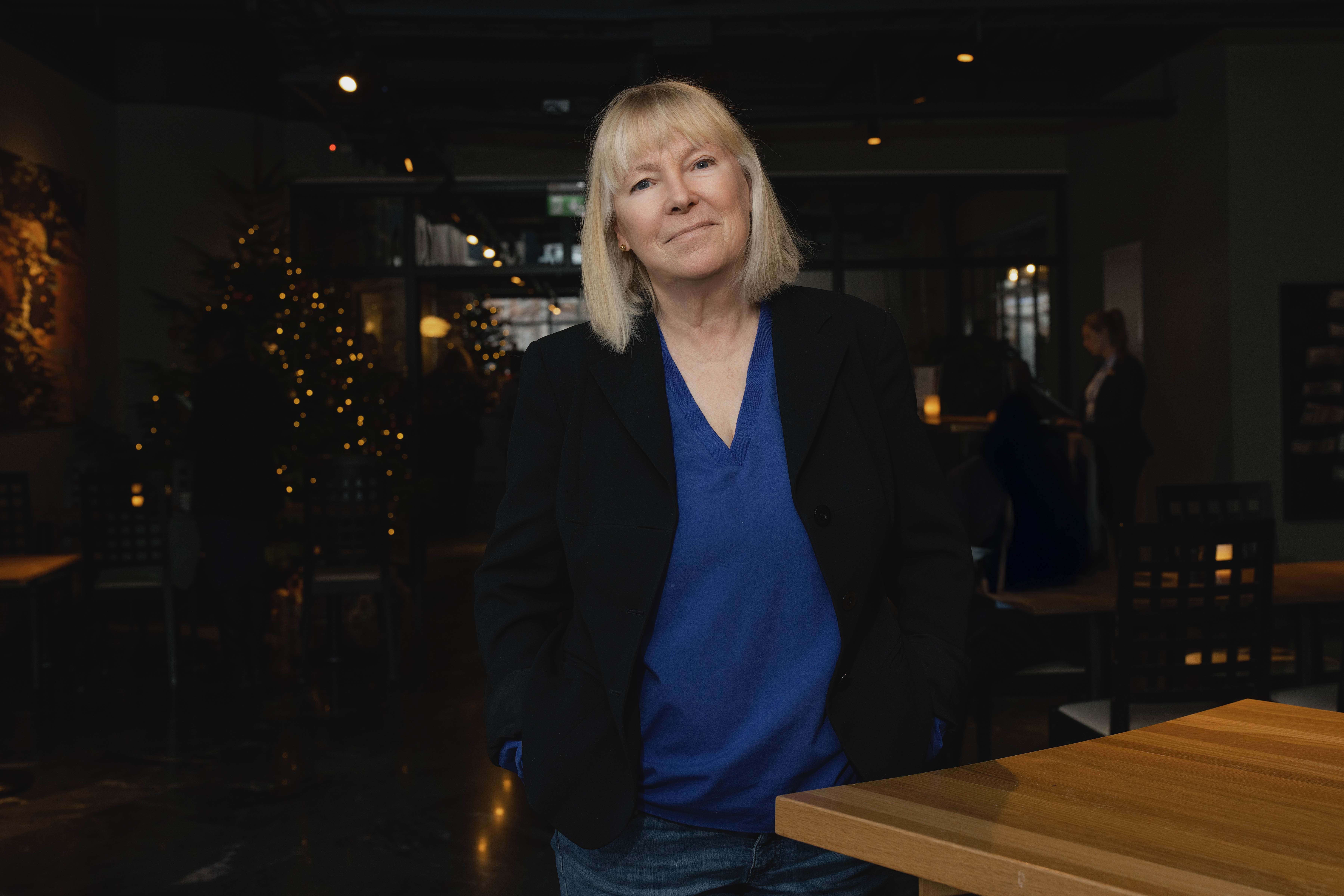
Bi Puranen, Associate Professor, Secretary General, World Values Survey, Sweden
Successful integration rests on three pillars, according to Bi Puranen: language and education, self-sufficiency, and values.
– Migrants are crucial for our society, but so is successful integration. Integration fundamentally relies on language and education. Self-sufficiency is also vital for individuals to feel dignity and belonging. Many challenges in integration ultimately stem from differences in values.
Bi Puranen explains that values provide stability and grounding in the world. This makes it important to examine what happens when individuals move from one culture to another with different societal norms. Factors shaping values include life expectancy, sexual and reproductive health rights, emancipating values, and trust in institutions.
Bi Puranen’s organisation has consistently measured the values of Swedish immigrants on topics such as divorce, premarital sex, homosexuality, and abortion, to name a few examples. Compared to the native Swedish population, newly arrived migrants often hold more conservative views. However, after living in Sweden for several years, their values begin to shift.
The difference in values compared to native Swedes becomes smaller over the years, showing that values can change. But this takes time, and is important to understand.
When migrants were asked if they felt at home in Sweden, surprising patterns emerged. Those with less education reported a stronger sense of belonging than the highly educated. Men felt more connected than women, and older individuals more than younger ones.
Bi Puranen suggests that highly educated migrants may feel their status diminished in Sweden, where advanced education is widespread. Men, often breadwinners in their home countries, have a freer role in a welfare system, while women continue to care for children alongside meeting new cultural expectations. Younger migrants often struggle to match their peers’ status symbols, a challenge less relevant for older individuals.
Regarding the labour market, many immigrants are willing to take any job and believe their Swedish language skills are sufficient for workplace communication. However, employers often do not share this view.
Few people in Nordic countries believe men should be prioritised over women when jobs are scarce. However, this view is more common in the cultures of many immigrants to Sweden.
– This perspective harms both individuals and society, highlighting the need to address gender equality. For women, it is essential to shift the life-cycle perspective so they do not feel that their role ends after having children. Many also believe they are too old to learn a new language by 35. This is a misconception that must be challenged.
Many other questions reveal significant differences between Nordic societies and the cultures of many immigrants. According to Bi Puranen, greater emphasis on gender equality is vital for successful integration. This can be achieved through dialogue, education, and building trust and security.
In this process, Puranen stresses the importance of upholding the non-negotiable values of Nordic countries, such as human rights and democracy, as enshrined in legislation. For other values, such as those related to religion and work, a balance should be sought. Finally, we must remember that diversity enriches society and that migrants are essential to our future.
In conclusion, Bi Puranen presents three crucial processes for a sustainable future society: freedom-oriented emancipatory values, high levels of general trust, and a gender equality perspective for sustainable integration.
In conclusion, Bi Puranen presents three crucial processes for a sustainable future society: freedom-oriented emancipatory values, high levels of general trust, and a gender equality perspective for sustainable integration.
Is integration just about getting a job? The role of social inclusion for integration
Debora Birgier, Senior Research Fellow, Nordregio
Integration goes beyond simply getting a job. Debora Birgier says that migrants’ integration rests on three key dimensions: economic integration, social inclusion, and civic engagement.
Economic integration relates to how immigrants are faring in the labour market, a topic covered by other speakers at the conference. In her talk, Debora Birgier focused on the latter two dimensions: social inclusion and civic engagement.
There is a clear relationship between the three dimensions of integration. Progress in one area of integration can support progress in another. In policymaking, there is a strong focus on economic integration. While this is not wrong, it is a limited perspective.
Debora Birgier explains social inclusion and civic engagement in terms of social contacts, language use, sense of belonging, trust in the host country’s institutions, perceived discrimination, political participation, and attitudes towards migration.
Nordregio’s current goal is to develop practical ways to measure these indicators. To this end, researchers in the field were surveyed to identify the indicators they found most useful.
Nordregio’s current goal is to develop practical ways to measure these indicators. To this end, researchers in the field were surveyed to identify the indicators they found most useful.
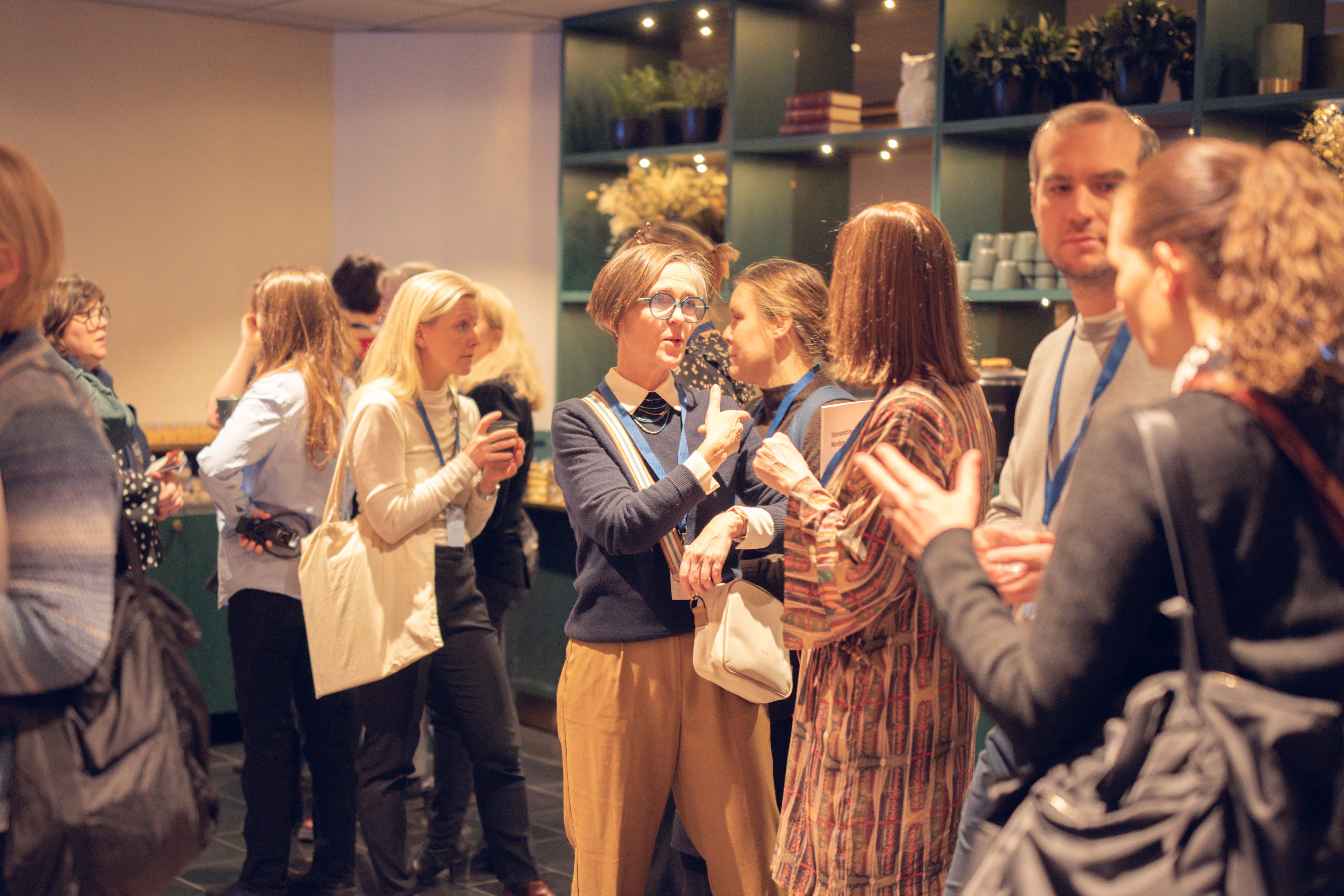
Photos from the event: José Calvente
Nordregio also examined the national statistical institutes in the Nordic countries to determine which indicators are available. They found some variation between the countries in terms of the amount of information accessible to researchers. Most information was available on political participation, but for many indicators related to social inclusion and civic engagement among migrants, there was no information at all.
Debora Birgier says this highlights the need for more comprehensive measurement. She references the European Social Survey (ESS) and the Survey of Adult Skills (PIAAC) as inspiration for future assessments of social inclusion and civic engagement among migrants in the Nordics. Birgier highlights some of the surveys’ most relevant questions that could be reused.
– Emotional attachment: How attached do you feel to the country you are living in? Perceived discrimination: Have you felt discriminated against in the past year? Attitudes towards migrants: Do immigrants make a country a better or worse place to live?
Debora Birgier concluded the presentation by emphasising how the different dimensions of immigration work together. Social inclusion and civic engagement are closely linked to labour market outcomes. For example, language skills are essential for finding a job, but being employed also makes it easier to learn the language.
– Social inclusion and civic engagement have important multidimensional aspects. We can measure them, and we should.
– Emotional attachment: How attached do you feel to the country you are living in? Perceived discrimination: Have you felt discriminated against in the past year? Attitudes towards migrants: Do immigrants make a country a better or worse place to live?
Debora Birgier concluded the presentation by emphasising how the different dimensions of immigration work together. Social inclusion and civic engagement are closely linked to labour market outcomes. For example, language skills are essential for finding a job, but being employed also makes it easier to learn the language.
– Social inclusion and civic engagement have important multidimensional aspects. We can measure them, and we should.