6. Examples of NbS
Here we give examples of different types of NbS that can be found in the online handbook, one from each ecosystem, and one more general NbS: creation and restoration of marine gardens, crop rotation, deadwood enrichment, revegetation and restoration of terrestrial vegetation, green and blue-green roofs, rewetting of wetlands, and restoration. More details, including case studies can be found in the online guide.
6.1 Restoration
Ecological restoration is a highly variable group of nature-based solutions (NbS) where the main aim is to assist the recovery of natural structures, functions and processes of an ecosystem that has been degraded, damaged or destroyed.
Any ecosystem can be restored, but the degree of restoration success depends on many factors, such as how much the original ecosystem has been degraded, which natural processes have been disrupted, if there is intact nature near the area that is to be restored, how suitable the restoration plan is regarding restoration methods and goals.
Any societal problem can be addressed by restoration actions, and the degree to which the societal problem is addressed is dependent on the restoration goals of the project. Ideally, your restoration project should address multiple societal problems.
Restoration has been highlighted by the Intergovernmental Science-Policy Platform on Biodiversity and Ecosystem Services (IPBES) as a crucial tool to prevent and reverse landscape degradation, protect climate, promote biodiversity enhancement, ecosystem services, and to achieve the UN Sustainable Development Goals. The Intergovernmental Panel on Climate Change (IPCC) also states the need for restoration to reduce carbon emissions and to support climate change adaptation and mitigation.
How to apply this NbS
The easiest way to restore nature is to use local nature as a template for your NbS. You may want to restore key biotopes, a specific vegetation type or habitat, or remove a specific invasive alien species. Thus, the methods used for different restoration actions in different ecosystems and contexts are highly variable. There are, however, some general principles and guidelines for ecological restoration. This handbook also covers existing Guidance and tools for NbS which may be of interest to help you plan your restoration project.
The UN Decade on Ecosystem Restoration’s Best Practices Task Force, the International Union for Conservation of Nature's Commission on Ecosystem Management (IUCN CEM) and the Society for Ecological Restoration (SER) have suggested ten principles of ecological restoration, which can be used to guide restoration throughout the UN Decade on Ecosystem Restoration 2021–2030. The ten principles state that good ecosystem restoration:
- Contributes to global policy frameworks.
- Promotes fair and inclusive engagement.
- Includes a continuum of restorative activities.
- Aims at the highest recovery possible to benefit nature and people.
- Addresses the causes of degradation.
- Incorporates all types of knowledge.
- Sets ecological, cultural and socio-economic goals.
- Tailors activities to local and land/seascape contexts.
- Measures results and adapts actions.
- Integrates policies and measures for lasting impacts.
Regardless of the type of societal problem that you wish to address with your restoration action, you should have a plan for how you wish to enhance biodiversity. Biodiversity encompasses the variety of life in all its forms, including species diversity, genetic variation, and ecosystem diversity and setting clear biodiversity targets that can be followed over time.
Important considerations
Restoration science and practice is a field with a long history, but there are still many new concepts and theories that are needed to understand potential conflicts arising from an upscaling of restoration activities. Ecosystem restoration involves diverse activities with large variation in restoration targets, value considerations, spatial and temporal scale. The level of degradation, as well as environmental conditions, available resources, and socio-economic factors, is essential for deciding on restoration targets and interventions needed to achieve them. Restoration to compensate for habitat loss, within the no-net-loss context, has recently become more explicit, along with the need for evidence for improved ecological conditions in ecologically degraded sites.
The costs of restoration vary greatly and are dependent on the ecosystem type, level of intervention (i.e. full restoration of all ecosystem functions, or specific ecosystem functions), and the degree to which the original ecosystem has been degraded.
6.2 Creation and restoration of marine gardens
Marine urban rewilding focuses on restoring lost habitats such as kelp forests, seagrass beds and saltmarshes, while also creating novel ecosystems that have no natural equivalent. This NbS focuses on shaping urban coastal and constructed landscapes as well as implementing necessary actions to enhance environmental conditions in the marine urban areas. The goal is to create or restore diverse, resilient marine habitats that support native species. While similar landscape approaches are commonly applied in the planning of green spaces on land, they are often overlooked in marine environments. This NbS aims to rewild so-called “marine deserts”, devoid of life, and prevent the degradation of ecosystems when developing new structures in coastal waters.
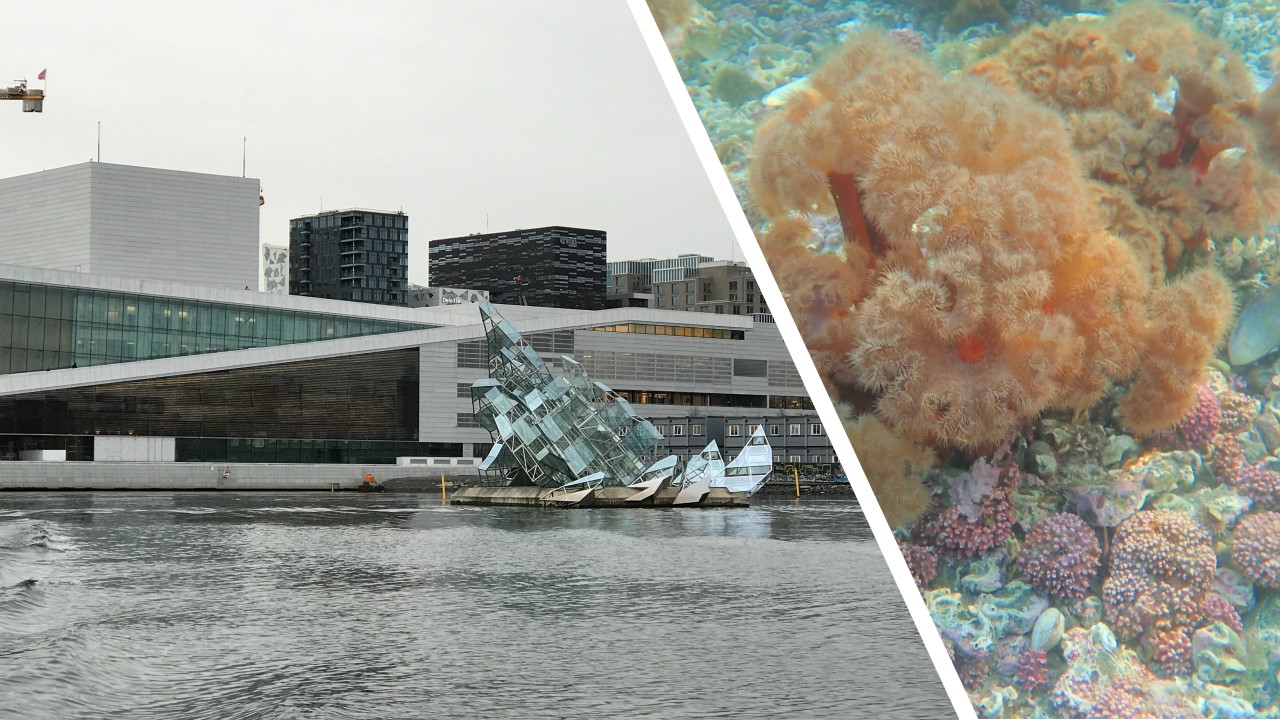
Figure 12. Illustration of an urban landscape with no facilitation of soft and hard bottom marine gardens, and what a marine garden can look like. Design/photo Eli Rinde, NIVA.
This NbS is applicable to urban areas, industrial parks and other locations where artificial structures are built into the sea. The NbS can be used to repair or restore lost marine habitats and biodiversity in coastal cities, and as a guideline to minimize habitat and biodiversity loss in new development projects. Urban structures that typically need biodiversity enhancing measures include concrete walls and floors and constructed hard shorelines. It can also be used as a measure to improve water quality. The NbS is relevant for shallow coastal areas in all Nordic countries.
Rewilding urban seascapes aims to enhance marine life and biodiversity, while supporting human health and wellbeing. By providing a varied and diverse land-sea ecosystem, this approach offers opportunities for enriching nature experiences, fostering a deeper connection between people and the marine environment. This NbS also addresses intertwined challenges of the biodiversity and climate crises. It promotes the use of low carbon materials in coastal infrastructure and designs structures that promote the colonisation and growth of native marine species, such as kelp, seagrass and oysters. These species play a critical role in climate regulation and adaptation by storing carbon and reducing shoreline erosion.
Restoring lost habitats or creating new ones, not only benefits local biodiversity, but also promotes critical ecosystem services, including improved water quality. Kelps and seagrass absorb nutrients and trap sediments, while oysters and blue mussels act as natural filters removing plankton and other particles. In addition to its environmental benefits, this NbS has the potential to enhance ocean literacy by serving as an educational tool, promoting awareness of marine ecosystems and the need to protect them.
How to apply this NbS
The creation or restoration of soft and hard bottom marine gardens is one of several NbS options for rewilding urban or constructed coastal areas (FAO, 2023). Landscape construction must be nature-inclusive, deliberately creating space for geological and biological diversity, using the local landscape and habitats as templates, shaped to meet the needs of key local species.
Rinde & Sørensen (2023) recommend choosing habitat-forming species that facilitate other species, driving “facilitation cascades” between marine habitats. This approach promotes mutual benefits between habitats, causing positive feedback loops and community resilience and persistence. The selected native species should be robust and capable of providing important ecological functions. Identifying target species requires site-specific knowledge of native species and their habitat requirements (e.g. substrate type, terrain attributes, wave exposure, light, temperature, salinity, oxygen). These requirements will inform the design of soft and hard bottom gardens.
The habitat forming species may include plants (seagrass), macroalgae (kelp, rockweed, maerl) or animals (e.g. filtering animals such as blue mussels, flat oysters, ascidians). The gardens can be planned at different scales, from small tidal pools to larger ecosystems such as kelp and rockweed forests, maerl and seagrass beds, and saltmarshes. In areas with sea urchin overgrazing, removal of urchins from artificial structures in shallow water will aid the recovery of kelp and rockweed. The design of the gardens on the upper shores should be amphibious and future climate proof, capable of withstanding flooding and extreme weather events, like heavy rainfall and heat waves. These climate-smart designs will be more durable and adaptable than current coastal infrastructure. Using marine-life friendly materials is crucial when constructing marine gardens.
The rewilding manual provides a step-by-step approach from planning through implementation and monitoring, ensuring the success of urban marine rewilding efforts. While, focused on coastal areas, the approach is general and can be applied to rewilding of other ecosystems. A key factor for success is providing sufficient room for nature and allowing natural processes to unfold over time. In addition, innovative design, management plans, and adaptive management are essential for long-term success.
Outcomes of the creation and restoration of marine gardens
- Healthier and more diverse habitats: promoting diversity improves ecosystem resilience and the well-being of humans and other organisms.
- Improved mental health: Access to urban nature helps reduce depression, anxiety and stress.
- Improved ecosystem service provision: successful rewilding of urban seascapes provides recreational opportunities, climate adaptation, and improved water quality.
The direct ecological benefits of a restored or newly built soft or hardbottom garden include:
- Increased production of plant and animal biomass: Enhanced biomass from vegetated habitat-forming species in the gardens (e.g. maerl, seagrass, kelp, rockweed and other macro algae), along with diverse fauna living on and among the plants/algae.
- Increased biodiversity and more complex food webs: Increased biodiversity supports more intricate food webs compared to the “urban deserts”, incorporating more trophic levels, and improving land-sea connectivity such as birds using the gardens for feeding.
- Recovery of lost ecological functions: recovered functions provided by vegetation (examples provided above) and filtering animals (e.g. mussels or ascidians), providing cleaner water, erosion control, food and recreational opportunities.
- Creation of habitat corridors: New or restored habitats offer vital corridors for species within systems that have lost most of their historic natural ecosystem extent, enhancing connectivity and resilience.
Important considerations
In general, the landscape, including depth, terrain attributes, and substate type, must be shaped and chosen to meet the environmental needs of the target habitat-forming species. Similarly, efforts to enhance environmental conditions should prioritise the well-being of marine life in the same manner as for humans. This involves addressing habitat and living conditions throughout the entire life cycle of the species. This includes sufficient light for plants and algae, and oxygen for animals. Oxygen levels depend on urban water treatment and solutions that promote sufficient water circulation. Due to limited experiences with marine rewilding, it is essential to test, adapt and refine solutions as needed.
As with green parks on land, maintenance of the blue gardens is essential. Measures such as removing invasive species, waste, and filamentous algae should be part of ongoing management. A holistic and long-term approach is needed for success, involving cross disciplinary collaboration from planning through implementation, monitoring, and adaption.
The costs will depend on scale, habitat type(s), region, and context. Costs to facilitate for an eelgrass meadow in an urban area includes planning and preparing the terrain that should hold the meadow, as well as material costs. Preparation of the terrain can involve just setting off sufficient suitable space for the meadow, and to add sand or mud if needed to form a suitable substrate for the plants. However, it can also involve reconstructing the landscape and to form a suitable site for the meadow. Reconstructing the landscape involves costs such as removing material (natural as well as constructed), and costs of new material and the construction work. In a reconstructed landscape, soft substrate is prevented from being flushed away by currents and waves (e.g. by forming a sheltered basin). In both cases, the site needs to receive sufficient light for the eelgrass plants photosynthesis (i.e. the site cannot be placed too deep, or in the shadow of high buildings).
6.3 Crop rotation
Crop rotation is the change of crops between harvests. This can be from one year to another or, depending on climate and crop type, be several times over a season. In contrast, if the same crop is used all the time, no crop rotation is used. A crop rotation system can also include crops which main purpose is not to produce food or fiber directly, but to e.g. improve soil or reduce emission of climate gases. These include cover crops, green manure and intercropping.
How to apply this NbS
Cover crops and green manure
In agriculture, cover crops are grown to improve the soil. They are planted between the harvests of cash crops to cover what would otherwise be bare soil and protect it from erosion and nutrient loss. Cover crops are chosen to be easy to incorporate into the soil before the main crop is planted. Usually, annuals, which are taken away before they set seed.
Green manure crops are used to bind nitrogen and add organic matter to the soil, improve soil life, and make other micro-nutrients available. The green manure crops usually consist of legume plants which improve soil when they decompose in the soil, thus releasing the nutrients.
Intercropping
There is also intercropping, which is not a crop rotation system per se, but makes use of increasing diversity of crops over space not time as for cover crops and green manure. For example, growing two different crops together can benefit their viability through, for example keeping moisture in the soil or making use of the space more efficient but also to increase variation in the field to strengthen the existence of natural enemies to pests. This is an extensively used method in, for example, agroforestry practices and in several agroecological practices.
Intercropping works with both annual and perennial crops, or a mixture of annual and perennial crops, one example of intercropping is agroforestry. Agroforestry is one of the relatively rarely used NbS in western agriculture. One reason could be that harvesting may demand more manual labour as the different crops are grown close together and cannot be harvested in the same way as with machinery. Globally the proportion of cropped land using inter-cropping varies widely from around 20% to as high as 94%.
Intercropping can be planned to facilitate harvesting, for instance by planting different crops with enough distances to enable machine harvesting of each crop separately.
Crop rotations of different kinds can be used in all ecosystems where crops are grown. What crops to use and how often to rotate is heavily dependent on regional and local climate, market, availability and farmer preference.
Outcomes of crop rotations
Crop rotations have the potential to counteract societal challenges mainly related to food security, biodiversity enhancement and disaster risk and preparedness. This is done through the following pathways:
- Reduced pest and weed build up for a certain crop.
- Reduced erosion of soil between cultivation of food crops.
- Reduced greenhouse gas emissions.
- Improved nutrient availability in soils.
- Improved soil biodiversity.
- Increased diversity of resources for different organisms both below and above ground.
- Pull pollinators or natural enemies into the crops and/or push pest species from the crops.
Important considerations
Altering the crop rotation system needs a restructuring of the farming practices as well as agro-market structures, which can be both time consuming and costly, but it may have benefits in both the short and the long term. A new crop rotation system can increase the number of crops used on the farm, not only temporally but also spatially. This comes from the fact that not all fields on the farm are at the same stage in the crop rotation system, which means that neighboring fields usually differ in what is grown on them a single year. Growing cover crops between the harvest and the sowing next year, covers the soil and store nutrients that can be used more by the following crop.
Inter-cropping combines two or more crops close to each other. This can be done in different ways. For example, by having a mixture of two or more crops without any distinct separation within the field, or by growing different crops in every other row, or by growing two or more crops together for some part of the time, e.g. sowing a second crop a bit before the first is harvested.
Most farmers use some type of crop rotation already, but there are added benefits of increasing it further. Potential benefits of crop rotation of some sorts include the increase of soil biodiversity and soil organic matter and carbon content, this is especially true if legumes are included in the rotation. Further benefits are reduction of soil erosion. Crop rotation also helps reduce the built-up pest load in the field and surrounding areas and can improve resource use as different crops have different needs of soil resources. Inter-cropping can have benefits for the total yield and resilience to pest species and weather variability if chosen carefully. Perhaps the best-known example of this is the Central American milpa where maize, beans and squash are grown together. Here, the maize is offering support for the climbing beans, the beans fix nitrogen in the soil for next year, and the squash covers the ground and reduces weeds. This maximizes the use of space, and potentially resources, and can also suppress weeds and reduce water loss. In Europe the mix of, for example, oats and peas is a common way of producing fodder high in nutrients.
The intercropping can also be used in a type of push-pull system where some plants attract pollinators and natural enemies, or repel and push away pest species, which in turn is beneficial for the main crop.
This NbS necessitates new cultivation practice which can be demanding for the farmer in terms of new knowledge and management. Sometimes it can require operation and purchases of new machinery as well as identification of new markets if it concerns crops that are harvested and not only soil improving.
Some cover crops are treated with herbicides before the main crop is planted, which can negatively affect either other living organisms, or if you make a mistake, damage the crop you plant afterwards. The cover crops are sometimes mandatory for farmers to use to reduce emissions of greenhouse gases from bare soil.
There are several studies on crop rotation but not all point in the same direction and the certainty of this NbS is of medium strength. How well it delivers in relation to the societal challenges heavily depends on the rest of the farming practices, the soil type and the local climate.
There can be added cost to management in terms of both time, seed purchase and fuel for machinery. However, the main point of this NbS and sub NbS is not only to be beneficial to the environment but also to improve or maintain yield while decreasing external inputs including irrigation.
6.4 Deadwood enrichment
Standing and downed deadwood in the form of snags, logs, branches and stumps is retained during various management activities and/or created, with the objective to increase the quantity and diversity of this essential component in forests and other ecosystems.
The deadwood enrichment can be a NbS in the forest and urban ecosystems as a part of closer-to-nature management and ecological restoration. Deadwood enrichment can also be used in wetlands and cultural landscapes.
In Nordic forest ecosystems, timber harvesting, fire suppression and salvage logging reduce deadwood abundance and diversity, and climate change is expected to change input (through natural disturbances) and output (through decomposition) rates of deadwood in space and time. Around 7,500 forest species in the Nordic countries are associated with deadwood, and hundreds of species are threatened because of the shortage in availability of deadwood. The importance of deadwood for biodiversity, carbon sequestration and ecosystem functioning has been recognised not only in forests, but also in aquatic ecosystems, such as rivers and streams, as well as wetlands and coastal areas. In urban ecosystems and cultural landscapes, deadwood benefits biodiversity and ecosystem services, as well as can be important for environmental education.
How to apply this NbS
The cheapest and simplest solution is retention of all existing deadwood. Creation of new deadwood is beneficial especially if the quantity and diversity of existing deadwood is low. The objective is to ensure a continuous presence of a diverse deadwood in different stages of decomposition and thereby a range of niches for deadwood-associated biodiversity.
In forest ecosystems, a short-term enrichment of deadwood can be achieved by careful sparing of existing deadwood and creation of new deadwood (Figure 13) by
- mapping of existing deadwood in order to avoid destroying it during management operations,
- creating snags and high tree stumps – future downed deadwood, and
- killing of targeted trees by girdling, felling or pulling, inoculating with fungal pathogens or combination of these techniques.
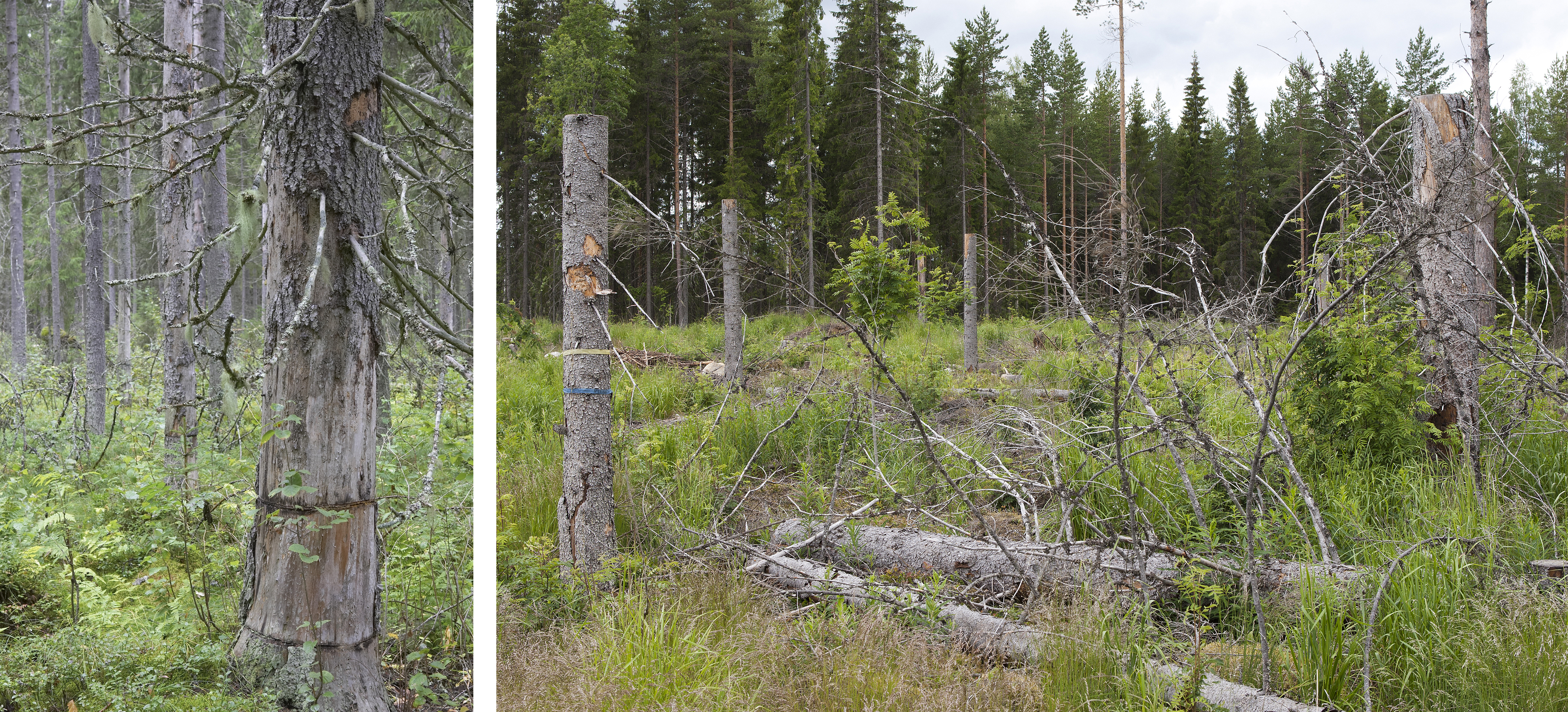
Figure 13. Girdled tree and high stumps. Photo: Erkki Oksanen
Long-term solutions aiming at enabling a continuum of a diverse deadwood include:
- creation of deadwood in mature forests to accelerate development towards near-natural state,
- the retention of single trees or groups of living trees in final and intermediate fellings,
- partial or complete retention of damaged and dead trees in connection to or instead of salvage logging after natural disturbances such as windthrows, insect outbreaks or fires, and
- prescribed burning.
In cultural landscapes and gardens, the deadwood habitats can be retained or created in form of individual, preferably large, standing or downed dead trees, log piles, wood stacks, stumperies, and wooden fences. In urban ecosystems, the deadwood can be spared and created in parks and other urban green spaces, and used in green roofs, built ponds, basins, artificial wetlands, and creeks including cased streams. Moreover, it can attract people in art exhibitions, eco-trails etc. Deadwood art is an education material and source of inspiration for different nature-based solutions.
Outcomes of deadwood enrichment
Restoring a continuous supply of diverse deadwood is vital to reverse the negative trends in decreasing biodiversity and the ecosystem’s ability to adapt to change. The NbS – deadwood enrichment – addresses a range of societal challenges:
- enhances biodiversity by means of providing ecological niches and food for a range of living organisms,
- addresses the societal challenge of climate change mitigation and adaptation through carbon sequestration for decades or hundreds of years in large-diameter deadwood in particular, and through increased carbon sequestration in forest soil by carbon inputs from deadwood into the soil,
- reduces the risks of diseases through the diversity of deadwood associated species that enhance an ecological resilience to pests, thus promoting ecosystem health (Disaster risk and preparedness), and
- promotes ecosystem productivity and timber production of forest ecosystems by improving soil fertility through organic matter and nutrient inputs from deadwood, as well as through providing a seedbed for natural tree species regeneration, thus promoting economic development.
Important considerations
Major points worth bearing in mind when considering deadwood management (Figure 14).
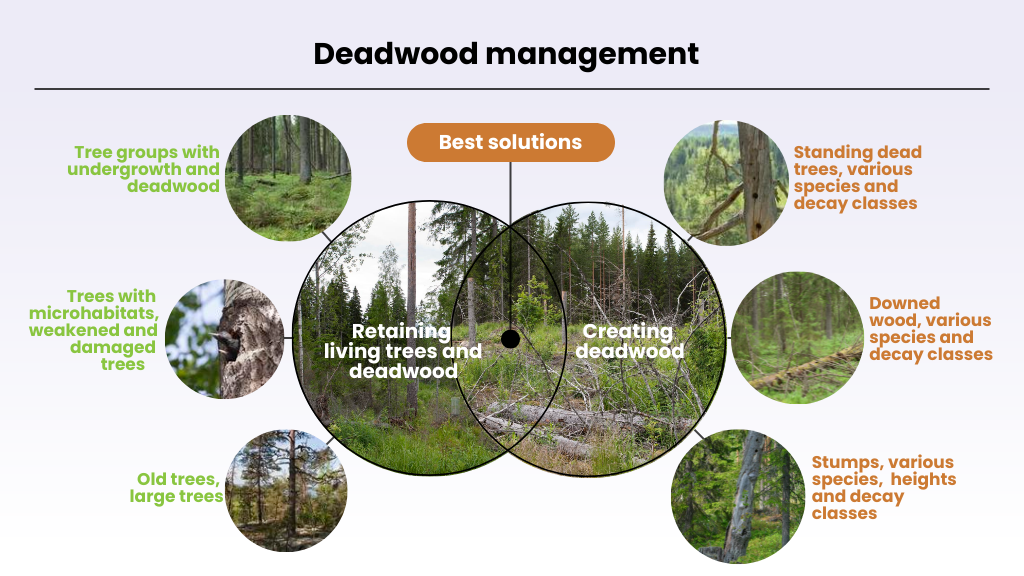
Figure 14. Best nature-based solutions in deadwood management
- In forest ecosystems, retained habitat trees (trees with microhabitats such as nesting cavities) as well as fresh logs and snags can be a source of pests in the case of susceptible species (e.g. Norway spruce and bark beetle). This can bring economic losses to forest owners.
- Girdled living trees can be an entry point for unwanted tree pests and diseases.
- In urban ecosystems, retained habitat trees and snags can cause possible safety risk to the public if close to roads, paths, etc.
- Prescribed burning should be performed with caution to avoid fire risk. The NbS needs to be negotiated with private forest owners.
- People’s safety should be kept in mind when creating deadwood or performing prescribed burning.
There are no extra costs associated with retaining living trees or tree groups and/or deadwood. However, there is a potential loss of financial revenue as the retention of individual trees or tree groups preferably involves trees of larger diameters desirable for timber extraction.
- Costs for deadwood creation are not high if the treatment is made at the same time as timber harvesting.
- Burnings (link to prescribed burning) are laborious and expensive. In Finland, for example, the costs of burnings are €1500–2500/hectare. Financial support for private landowners is available in some Nordic countries.
6.5 Revegetation and restoration of terrestrial vegetation
Revegetation and restoration of terrestrial vegetation (vascular plants and other non-vascular primary producers such as lichens and bryophytes) can be used to revegetate areas where vegetation has completely disappeared or to restore degraded vegetation.
Revegetation and restoration can be applied in any ecosystem where vegetation is present naturally but has disappeared or been degraded. To be successful, knowledge of the living (biotic) and non-living (abiotic) components of the ecosystem is required. The combination of biotic and abiotic conditions, as well as financial considerations, will determine restoration aims, appropriate methods, and species.
Vegetation is an integral component of almost any terrestrial ecosystem and essential for ecosystem functioning and ecosystem services. Revegetation of barren land and restoration of degraded vegetation have positive effects on biodiversity, will reduce the risk of soil erosion by water or wind, improve soil quality, contribute to carbon cycling and storage both above and below ground, and may positively affect human health.
Protect rather than restore:
Avoiding the degradation and loss of vegetation should always be top priority (Figure 1). If impacts on vegetation are unavoidable however, impacts should be reduced as much as possible. Restoring vegetation should never be an after-thought, but rather be incorporated from the start of any project that may induce a need for restoration of vegetation. As such, measures that will benefit restoration efforts may be taken as the project proceeds: local topsoil can be collected and put in place at the final phase of the project, seeds of native plants can be collected before vegetation is removed, nursery beds can be established to temporarily store native plants which can later be placed back. These measures may be hard to implement when revegetation or restoration is not planned in advance. Compensating loss of nature or vegetation elsewhere is lowest on the priority list (Figure 15).
Avoiding the degradation and loss of vegetation should always be top priority (Figure 1). If impacts on vegetation are unavoidable however, impacts should be reduced as much as possible. Restoring vegetation should never be an after-thought, but rather be incorporated from the start of any project that may induce a need for restoration of vegetation. As such, measures that will benefit restoration efforts may be taken as the project proceeds: local topsoil can be collected and put in place at the final phase of the project, seeds of native plants can be collected before vegetation is removed, nursery beds can be established to temporarily store native plants which can later be placed back. These measures may be hard to implement when revegetation or restoration is not planned in advance. Compensating loss of nature or vegetation elsewhere is lowest on the priority list (Figure 15).

Figure 15. Mitigation hierarchy for impacts on biodiversity and nature. Avoidance is top priority, followed by minimization of damage, restoration and compensation.
How to apply this NbS
Site assessment and setting a reference state:
Before restoration is started, site conditions (including but not limited to climate, biodiversity, geology, pollution) at the restoration site should be surveyed. In addition, the drivers of ecosystem degradation should be identified.
To set a restoration goal, a reference ecosystem should be chosen. Choice of reference ecosystem is not always obvious. The reference state can be either based on historical accounts of what the ecosystem looked like before drivers of degradation became effective, or an intact ecosystem in a location with similar conditions. In some cases, a part of the area to be restored has good condition and can serve as a reference state for the rest of the area. If no reference ecosystem can be found, a theoretical ecosystem state can be used for example based on species prediction models.
When the current conditions and drivers of degradation, as well as the reference ecosystem are known, restoration goals can be formulated. Large and long-term projects will benefit from an adaptive process, where goals are evaluated and adjusted as the project progresses. Sub-goals can be formulated to check if progress is on schedule or if additional measures are required to meet the final restoration goals. Clearly defined goals allow for the evaluation of revegetation and restoration efforts and are helpful to established whether the planned actions meet the best-practice guidelines for NbS.
Removing sources of degradation:
Before revegetation or restoration is attempted, the drivers of degradation of vegetation should be identified and eliminated. It is unlikely to achieve restoration goals while degradation continues. Examples of such drivers include (road) construction, mining, overharvesting, overgrazing, eutrophication, pollution, or invasive species. In case the drivers of degradation are temporary and can be planned for, for example during construction works, the project should be adjusted such that initialized restoration actions are not negatively affected by other activities. For example, tracks from heavy vehicles can cause soil compaction and thereby negatively affect the establishment of flower meadows or damage the roots of set-aside trees. Relevant actors such as contractors and machine operators should be informed and educated about where, when, and how restoration efforts will be carried out.
Restoration by emulating natural dynamics and disturbance:
In some cases, natural succession (i.e., the natural change of vegetation species composition over time) is a viable restoration option once disturbing factors have been neutralized. Without a need for active measures, costs associated to this method are usually low. Downsides may be that erosion worsens soil conditions, that natural processes may act slower than desired, that naturally established vegetation may not match the reference state, that non-native species establish before native species do, or that natural revegetation is interpreted as neglect by the public.
Restoration of natural dynamics:
Many ecosystems depend on disturbances on different scales and such dynamics should be considered when establishing the reference state. These disturbances may occur naturally but, in many cases, require active management. An example of a disturbance that acts at a local scale is the death of an individual tree which provides light to understorey vegetation. Forest fires and floods are examples disturbances that typically manifest at a larger scale. Disturbance can also be caused by herbivores such as deer and cattle. In some cases, restoring the natural ecosystem dynamics is sufficient for restoration to achieve the desired ecosystem state.
Restoration of abiotic conditions:
Abiotic conditions are an important driver of vegetation composition. For vegetation, climate, soil conditions, and hydrology are particularly important. Terrain features such as slopes, depressions, and outcrops should be restored as these drive variation in soil and microclimate. For wetland vegetation, restoring hydrology is an important prerequisite. On-site treatment and improvement of soil may in some cases be possible. In other cases, soil needs to be transported to the restoration site from elsewhere. In case of eutrophication, nutrient rich topsoil may need to be removed. Heterogeneity in landscape features and soil conditions will allow diverse plant communities to co-exist.
Restoration and establishment of vegetation:
In many cases, active revegetation such as transplantation of patches of vegetation or individual plants is desirable. In some cases, some initial planting is needed to stabilize soil before further revegetation is allowed to occur more naturally. Seeds can be sown directly, or seedlings can be planted out. Seed and seedling should be sourced locally to preserve genetic variation. Some plants may be propagated vegetatively, but such plants are clones and may have lower genetic diversity than desired. The transplantation of entire turfs from intact vegetation to the restoration site may in some cases be an option. When turfs are transplanted, vegetation is likely to survive. The downside is that turf transplants require some logistics and that a hole is left behind at the donor site. Large projects may incorporate trials to establish the most effective method of revegetation.
Monitoring, maintenance, and an adaptive process:
Monitoring before, during and after restoration is important because it is impossible to determine whether restoration goals have been reached without monitoring. Monitoring should be planned for at project start, so that a baseline condition can be established. An adaptive process, where monitoring drives decision making, is beneficial especially to large-scale or long-term projects. After initial restoration, regular maintenance actions may be required, for example mowing or grazing of wildflower meadows. The length of the monitoring period depends on the vegetation type but is almost always more than 10 years.
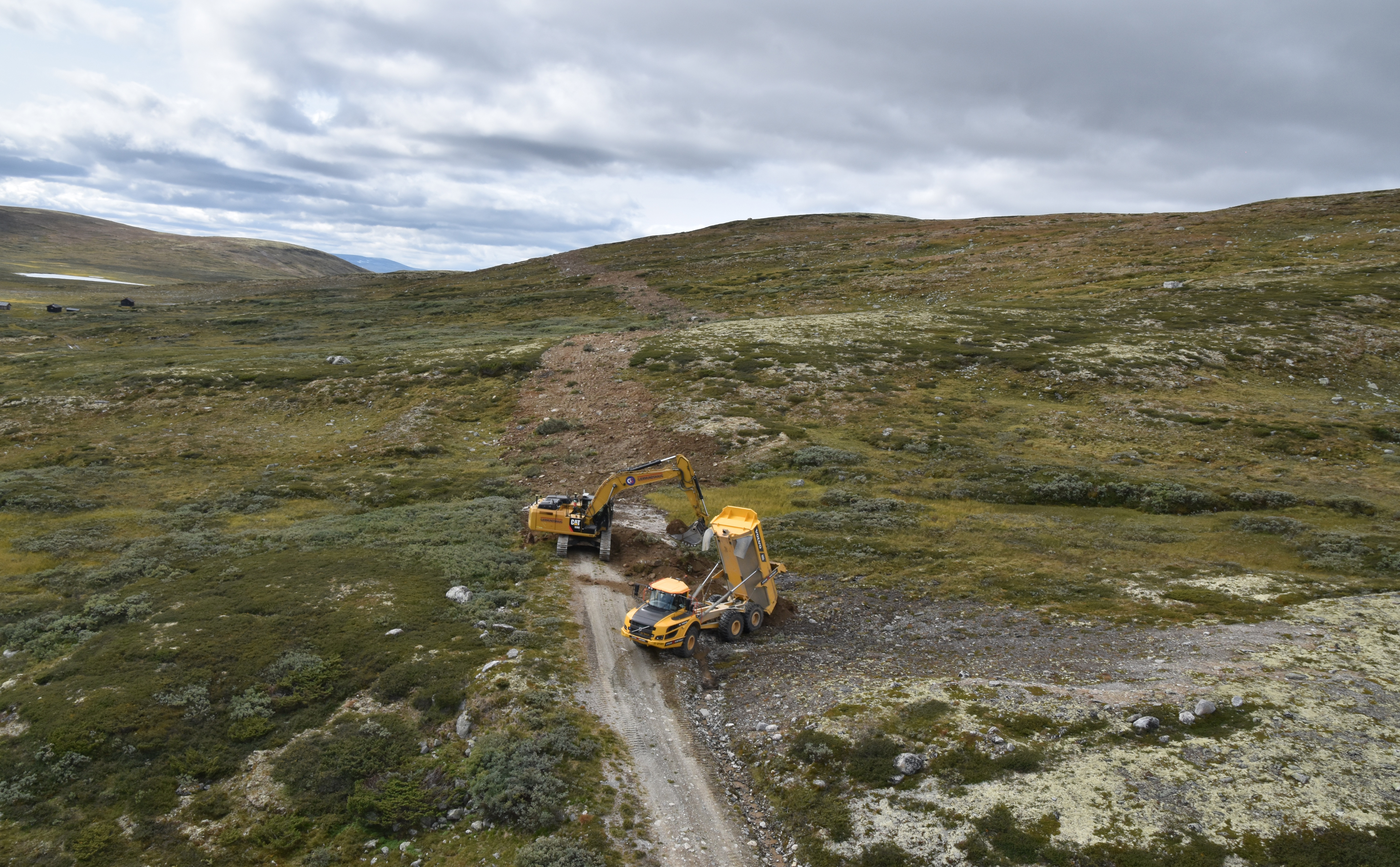
Figure 16. Road removal and restoration of a shooting range at Hjerkinn, Dovrefjell in Norway. Photo: Dagmar Hagen.
Outcomes of vegetation restoration
Potential outcomes:
- Increased vegetation cover restores ecological functioning and ecosystem services.
- Increased biodiversity.
- Reduced risk of soil erosion.
- Restored vegetation may have subsequent positive effects on other organism groups such as insects, mammals, birds, etc.
- Increased recreational value and associated health benefits.
- Climate change mitigation e.g., through increased carbon storage in vegetation and soils.
Undesirable outcomes:
Restoration actions may not result in the nature type local communities have grown accustomed to. For example: while restoring a mire, forest may disappear which strongly impacts how people experience the landscape.
Important considerations
- Machinery used for restoration may itself lead to damage to vegetation and may promote soil erosion – impacts should be minimized.
- Use of soil and plant material from outside the restoration area may increase the risk of introducing non-native, invasive species or cause genetic contamination (introduction of non-local genetics).
- Soil and vegetation that contains non-native species should be disposed of appropriately.
- Restoration and revegetation efforts will benefit from the involvement of local communities.
The associated costs strongly depend on the methods used and the size of the area to be restored. Allowing vegetation to recover by natural processes can reduce costs. Landscaping (restoring slopes, terrain, etc), and any removal and treatment of contaminated soils comes with considerable costs. Monitoring is an important part of restoration projects and require funding years/decades after the actual restoration effort is complete.
6.6 Green and blue-green roofs
Green roofs are layers of vegetation planted over a waterproofing cover installed on flat or sloped roofs, serving to absorb rainwater, provide insulation, and create habitats for wildlife. There are several types of green roofs, the two main groups are extensive and intensive green roofs.
Extensive green roofs are designed for minimal maintenance, covered with a lightweight layer of soil and drought-resistant plants such as sedums or meadow. They are typically not accessible for recreational use and are used for covering large areas or buildings unable to support heavier loads. Extensive green roofs are often possible to retrofit buildings. Extensive green roofs can, in principle, be installed at all roof angles, but costs increase for steeper roof angles. For example, the city of Copenhagen mandates green roofs in most local plans with a roof angle below 30 degrees.
Intensive green roofs are thicker, can support a wider variety of plants, including shrubs and trees, and require more maintenance. They are often designed to be accessible and also serve as social spaces and can include features like walkways, benches and areas for urban farming.
Blue-green roofs extend the concept by incorporating water storage and management systems beneath the vegetative layer to handle excess rainwater more efficiently, combining the benefits of green roofs with extended stormwater management capabilities (Andenæs et al., 2020). Investigations on how to adapt such roofs to Nordic conditions are ongoing (see e.g. Thodesen et al., 2018).
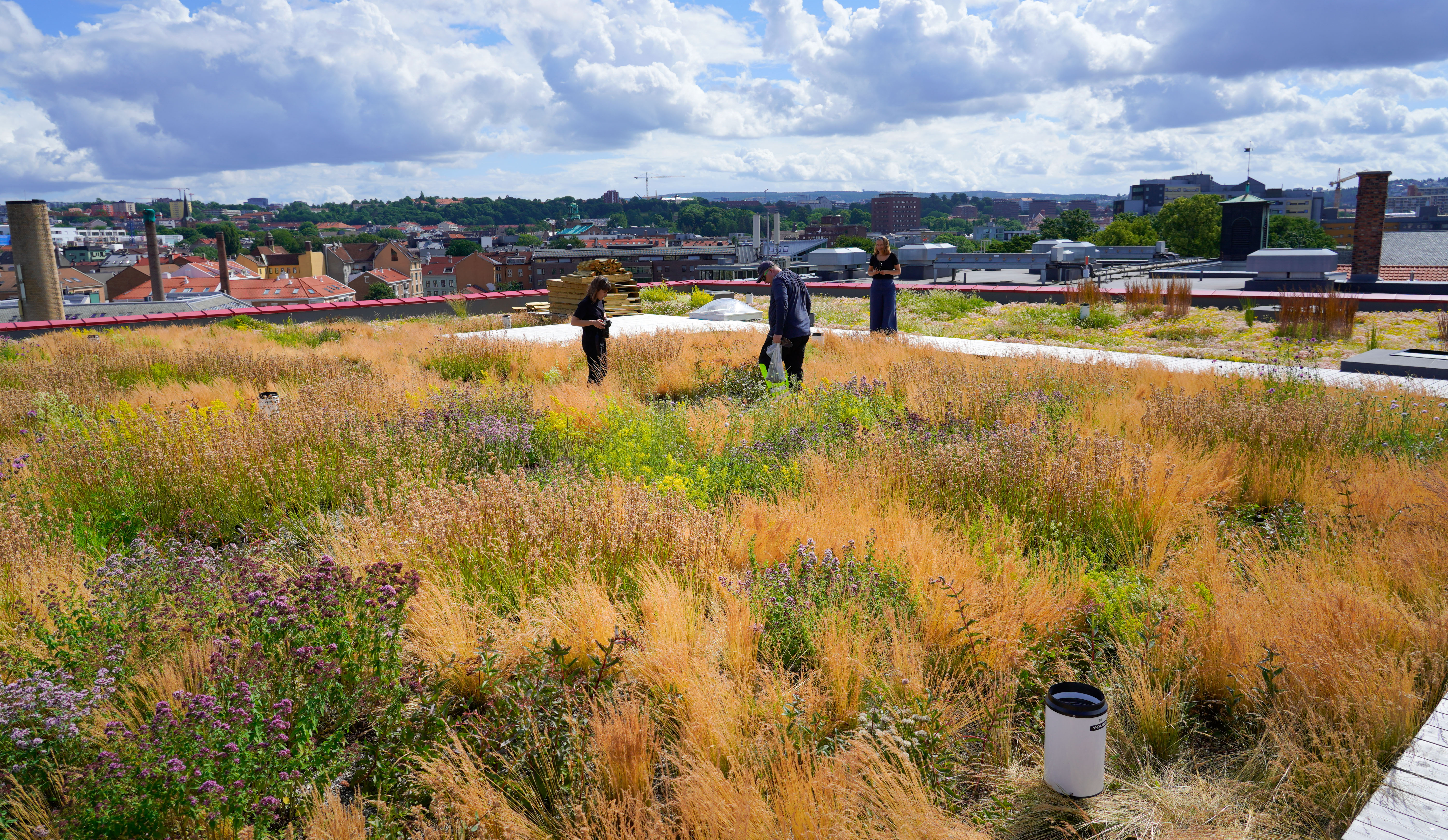
Figure 17. The blue-green roof at Vega Scene in down-town Oslo. Photo: Bergknapp
How to apply this NbS
Green and blue-green roofs as a stormwater measure are often applied in urban ecosystems. Their specific design and plant selection can vary to adapt to local climates, building regulations, and ecological goals. Beyond their direct impact on the buildings they cover, such roofs can positively influence surrounding ecosystems by reducing runoff into local waterways and regulating local temperature.
Implementation involves ensuring a waterproof membrane and a root barrier if needed, followed by a drainage system, soil layer, and appropriate vegetation. Blue-green roofs may include additional layers for water retention and controlled release. The choice of plants is critical and varies by climate; in cooler climates, sedum and hardy grasses are common, whereas in warmer climates, a broader range of plants can be supported. Choices of plants also depend on the soil layer available. In the context of NbS it is important to be mindful of the vegetation choice for biodiversity effects. Negative side-effects can occur if invasive species are used on the roofs that can spread to the ground. Technical considerations include roof load-bearing capacity and access for maintenance.
Outcomes of green and blue-green roofs
Green and blue-green roofs address environmental challenges such stormwater runoff and can also provide food for birds and insects in urban areas. They can also contribute to reducing energy consumption by regulating the temperature of the buildings and providing aesthetically pleasing and social green spaces for urban residents.
Blue-green roofs add significant stormwater management capacity, potentially reducing the need for traditional, ground-level stormwater infrastructure.
Important considerations
Key considerations involve structural capacity of existing buildings, climate and local vegetation suitability, maintenance requirements, and water management needs. Social acceptability and integration into local and national green infrastructure policies are also important for implementation success. Financial incentives, regulatory frameworks, and public awareness can significantly influence project viability.
The implementation costs of green and blue-green roofs can vary widely, influenced by factors such as roof size, system complexity, and local labour and material costs. The added weight may also necessitate structural reinforcements, especially in older buildings. Operational costs include maintenance and, for blue-green roofs, management of the water storage system.
Green and blue-green roofs also present potential challenges and uncertainties. One concern is that nutrients, due to fertilization of the vegetation, can leach into stormwater runoff and contribute to eutrophication in nearby water bodies. Additionally, the long-term performance and effectiveness of green roofs can vary based on factors such as plant selection, local climate conditions, and maintenance practices. These considerations highlight the importance of thorough planning and ongoing management to maximize the benefits of green and blue-green roofing systems.
There are numerous case studies demonstrating the effectiveness of green and blue-green roofs in urban environments, including in Nordic cities.
6.7 Rewetting of wetlands
Rewetting refers to the process of restoring the hydrological conditions in former wetlands, peatlands, and other waterlogged ecosystems that have been drained and hydrologically altered.
Rewetting can restore near-natural or natural hydrological conditions in riparian zones, wetlands (such as swamps and floodplains), and peatlands (such as bogs and fens). Peatlands, characterized by their accumulation of peat, are especially significant targets for rewetting due to their role in carbon storage and biodiversity. By re-establishing natural water levels, rewetting promotes ecological recovery and supports essential ecosystem functions.
How to apply this NbS:
Different measures can be used to rewet an area. The most important measures that can be implemented in freshwater ecosystems are:
- Ditch and drain blocking and filling.
- Disconnect functioning drainage pipes.
- Raise stream/riverbed levels.
- Remeander the course of the stream/river.
By combining all measures, it is possible to fully restore the natural hydrology of the ecosystem, but depending on the possibilities these can also be applied individually.
Ditch and drain blocking or filling can be done either by excavating the entire drainpipe or by cutting/crushing the pipes at intervals to stop water flow. Existing ditches within the area should be filled along their entire length or at selected intervals to rewet the landscape. When disconnecting drainage pipes that lead from outside areas, such as agricultural land, it's important to ensure that drainage water infiltrates below the root zone in the restored area and does not flow onto the surface, as has commonly been done in the past. This is crucial because nutrient-rich drainage water from agricultural fields can hinder biodiversity restoration if it reaches the surface or root zone in the restored area. (Baumane et al., 2021). When elevating the riverbed as a way to restore natural flow patterns it's important to consider the natural width-to-depth ratio of the river to ensure that this measure does not create overly wide and shallow sections. The material used for raising the riverbed should be a mixture of sand, gravel, and stones to resemble the natural substrate composition of the river at the intervention site. Similarly, when remeandering a stream, restoring natural curves and bends should follow key principles in fluvial geomorphology. For example, spacing between riffles – areas of shallow, faster-flowing water – should ideally be 5–7 times the width of the undisturbed channel to support natural stream dynamics, sediment transport, and diverse habitats. This guideline, however, should be tailored to local conditions, including the stream's width, slope, sediment dynamics, and surrounding geomorphology, to achieve optimal ecological and hydrological function.
Outcomes of wetland restoration:
Rewetting drained ecosystems, such as wetlands and peatlands, can address several significant societal challenges, particularly in the context of environmental sustainability, climate change, and biodiversity. The success of rewetting efforts depends on factors such as the degree to which natural processes are restored, the size of the rewetted area, the site's spatial location relative to flood-prone areas, and other characteristics including terrain and soil properties.
Rewetting peatlands can significantly reduce emissions of greenhouse gases, particularly carbon dioxide and methane, which are released when peat is drained and exposed to oxygen. By rewetting these areas, emissions are lowered, contributing to climate change mitigation. The reduction in emissions will be highest in areas where organic soil contents are high (>6%) and where the water level in the river is as close as possible to the surface of the terrain over a large part of the project area. This creates oxygen-free conditions that slow down the decomposition of the organic matter in the soil thereby mediating the largest reduction in emissions. Rewetting can also enhance carbon sequestration by restoring the carbon storage capacity of the ecosystem.
Rewetting may also protect downstream areas from flooding in periods with high levels of precipitation, because rewetted areas can absorb and store excess water like a sponge. This can be highly beneficial if downstream areas should be protected from flooding like urban or cultivated areas. The efficiency of raising the riverbed level or remeandering for flood protection depends on the exact measures that are implemented, the discharge of the river and the characteristics of the surrounding land, since these parameters will all affect the amount of water that can be retained. The significance of rewetting for flood protection will depend on the size of the rewetted areas and terrain conditions. The efficiency will be highest in low-laying project areas that are sufficiently large to retain large quantities of water.
In agricultural landscapes, rewetting drained areas can enhance water retention, which can be highly advantageous in periods of drought and contribute to a more sustainable agricultural practice.
Rewetting can also stimulate denitrification in rewetted areas and help reduce the transport of nitrate to streams and downstream coastal areas. Overall, denitrification acts as a natural filter, removing excess nitrates from drainage water entering the area thereby reducing the risk of nutrient pollution of downstream ecosystems. Nitrate is reduced through denitrification, which is a natural process by which bacteria convert nitrate and nitrite into nitrogen gas, which is released into the atmosphere. This process only occurs under anaerobic conditions, meaning in the absence of oxygen, and water saturation is therefore a prerequisite for this process to occur. Organic matter should also be present in the soil to serve as an energy source for the denitrifying bacteria.
Important considerations:
When rewetting there may be a risk of methane emissions. Anaerobic conditions create favourable conditions for the formation of methane gas through anaerobic decomposition and, as methane is a greenhouse gas, just like carbon dioxide, methane emission may counteract the positive effect of less carbon dioxide emission. Therefore, it is very important to maintain a water level just below the surface to minimize this risk. Similarly, when former agricultural land with high contents of phosphorus is flooded there is a risk that the phosphorus is mobilized from the soil that can enter the river and cause eutrophication of downstream river reaches, lakes and coastal areas. Therefore, mitigation measures to reduce this risk should be considering before the intervention. There can also be a risk of altering the hydrology outside the project area. When the groundwater level is raised in a rewetted area, there can be a risk of affecting water level in upstream reaches, drainage pipes and ditches that discharge into the project area. Therefore, the project boundary should be defined so only low-lying areas are included in the project, while higher-lying areas are excluded. This will diminish the risk of negatively affecting drainage conditions outside the project area.
To ensure biodiversity enhancement within the project area it is important to be aware that high inputs of nitrate can be critical for many plant species and therefore that biodiversity may not respond positively within the area if nitrate-rich drainage water percolates into the root zone of the plants. This will affect interspecific competition and favour species that compete effectively at high levels of nutrients. These species are not in general species that are associated with positive developments in biodiversity. Instead, disconnected drainpipes should be placed below the root zone to ensure that the outflowing nutrient-rich water does not come into contact with the root zone, but instead into the layers below where denitrification can occur.
The cost for rewetting includes implementation (manpower, technology, costs of buying land etc.), operational costs, maintenance, and monitoring costs.