2. Approaches
We have approached the topic from a global perspective, with a focus on the global agreement on plastic pollution, while also including regional and local indicators for both macro- and microplastics. The work has included sea-based and land-based sources of plastic and considered indicators from the plastic value chain, i.e. close to sources, as well as environmental indicators, with a focus on the marine environment. Specifically, we have worked with the references listed in Annex 5.1.
In order to structure and categorize the multitude of indicators, we have applied the conceptual Drivers-Pressures-State-Impact-Response (DPSIR) framework, which was developed for the European Environment Agency (EEA, 1999) and has also been employed by e.g. UNEP and the Organization for Economic Co-operation and Development (OECD) (Figure 1).
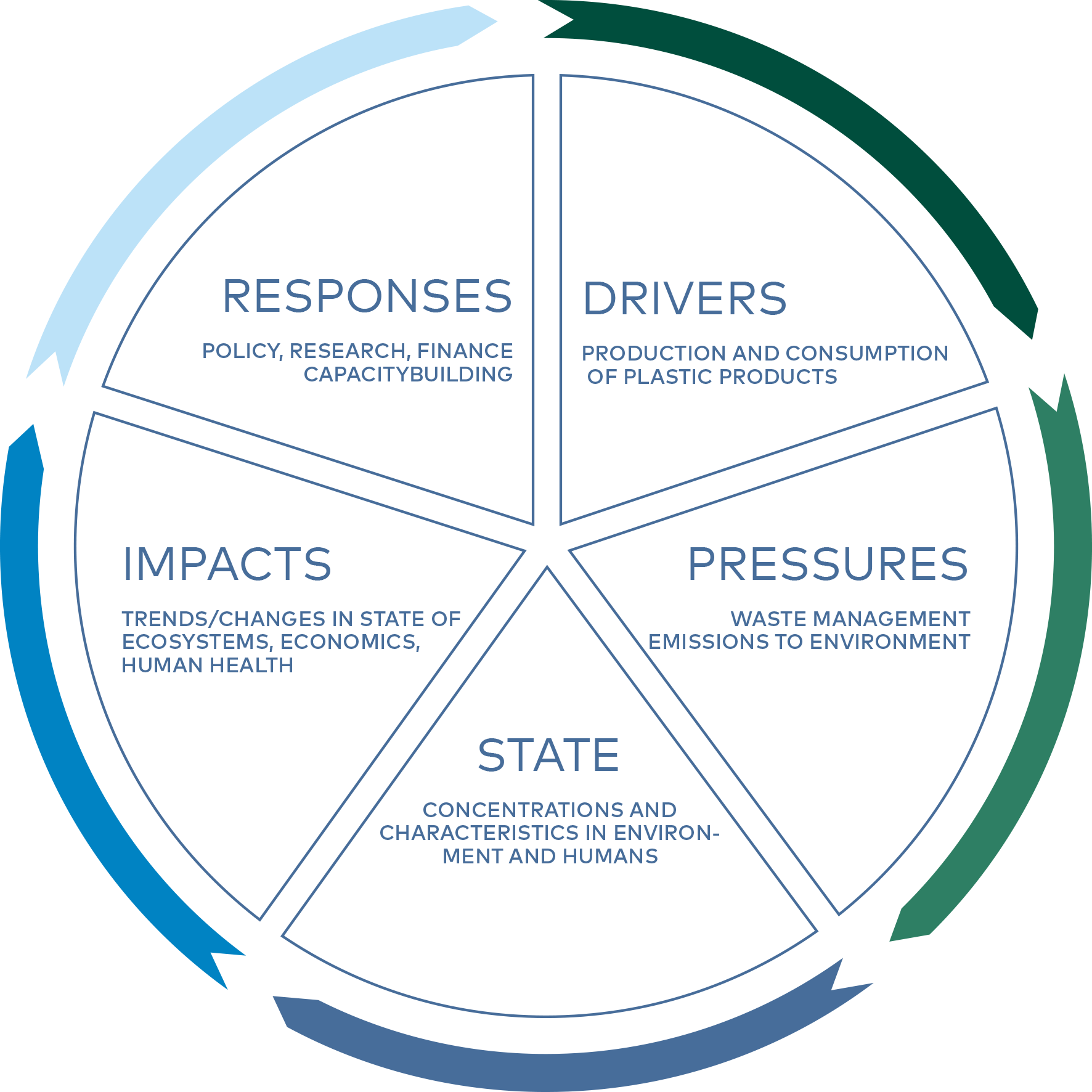
Figure 1: Drivers-Pressures-State-Impact-Response (DPSIR) framework used to structure and categorize the different indicators.
The report suggests a harmonized way of setting up the indicators using the DPSIR concept, including drivers for production and use, pressures covering waste and leakage, state of and impacts on the environment. Response indicators refer to indicators for initiatives for combatting plastic in the environment and the development of solutions. Any combined framework for the description of indicators is challenged by the heterogeneity of the currently collected data. This includes selection of units, temporal and spatial scales and quantification methodologies, and also how different organizations allocate the indicators in the DPSIR scheme. Indicators must provide metrics that are comparable across countries and are consistent over time periods (UNEP, 2022b). A purpose of this report is to flag these differences and suggest a way to present the indicators in a harmonized way.
The following chapters correspond to the general outline of the project, i.e.
- Environmental indicators (approached from a wide angle, according to the DPSIR scheme).
- Indicators for leakages along the value chain and the lifespan of plastics (specifying this part of the general overview of indicators), i.e. covering plastic production, use and waste disposal.
- Gap analysis, recommendations and outlook.