Photo: iStock
3. Mapping and database development
This chapter describes the mapping of hydrogen projects that was performed in the present project. Data from the mapping was gathered in a database and visualised using the digital mapping tool (see Chapter 4). All data was collected in the spring of 2024, and changes in, for instance, stakeholders’ investment plans after May 2024 have not been incorporated.
3.1 Scope and method
An Excel database covering Nordic projects for production and/or use of clean- and low-carbon hydrogen was developed. Included projects were evaluated against the Nordic hydrogen valley criteria and sorted into three categories:
- hydrogen valleys,
- hydrogen hotspots,
- other hydrogen projects (potentially interesting hydrogen projects that were identified in the mapping but failed to meet the definition of a hydrogen valley or a hydrogen hotspot).
The database was populated by reviewing existing hydrogen project databases and by complementary literature searches. Reviewed databases include:
Danish projects | |
VTT internal database | Finnish projects (database not publicly available) |
Finnish projects | |
Swedish projects | |
Swedish projects | |
Icelandic projects | |
The Norwegian Hydrogen Landscape – The Norwegian Hydrogen Forum The database version available before the update carried out in June 2024, was used. | Norwegian projects |
Global scope – used for complementary data |
For all reviewed projects, the mapping focused on gathering the following information:
Field | Comment |
Project name | If an official project name is missing, this field contains the main project stakeholder(s) + the project location. |
Location | City or region of implementation. |
Stakeholders involved | Entities involved in the implementation of the project. |
Production | Which hydrogen production technology is used, if any? |
Hydrogen capacity | The full load capacity of the project. To convert electrolyser capacities given as MWel to tpa, 65% LHV efficiency and 8 760 operating hours were assumed. |
Distribution | Is hydrogen distributed within the project scope, how? |
Utilisation | Is hydrogen utilised within the project scope, for what? |
End-use sectors | To which end-use sectors is hydrogen supplied (industry, transport, energy, buildings, export). |
Project phase | Indication of the maturity of the project, ranging from “concept” to “operational”. |
Entry into operation | Year when production started/is scheduled to start. |
In addition, information on e.g. investment volume, funding and use of hydrogen storage was identified early on as relevant for the mapping and was gathered when available. However, reliable and consistent information concerning this type of data is difficult to find in publicly available sources. Therefore, it is currently not included in the report or the mapping tool but is available exclusively in the Excel database.
In general, the most challenging part of the mapping process was to determine the project phase (criterion 5) and how the hydrogen is utilised, including the number of end-use sectors (criterion 4). These aspects are discussed below.
Project phase
The fifth hydrogen valley criterion concerns project maturity. To be defined as a hydrogen valley, a project must “have at least reached the feasibility phase (feasibility study)”.
Determining the maturity of an early-phase project is often challenging; it can be difficult to determine when an announced project has left the concept stage and entered real project development. Consequently, a project was assumed to fulfil the fifth hydrogen valley criterion if proof of actual project development could be found. Several different indicators were used to determine if this was the case. For example, indications that a project has received or applied for environmental approval, commissioned a FEED study or secured funding can all provide proof that a project has advanced beyond the concept stage and is at least in the feasibility phase. In fact, the mentioned indicators imply that a project has advanced beyond the feasibility phase into later development phases. Conversely, if no proof of actual project development was found, mapped projects were assumed to be in the pre-feasibility/concept phase.
Utilisation and end-use sectors
The fourth hydrogen valley criterion concerns the number of end-use sectors; a hydrogen valley must supply hydrogen to at least two different end-use sectors.
Two distinct project types were identified in the mapping: projects supplying specific end-users via dedicated supply infrastructure and projects exporting hydrogen to the open market via e.g. a future gas grid or ship. The latter project type could potentially supply hydrogen to several end-use sectors. However, a hydrogen valley must cover a specific geography (first criterion). This is not the case for such export-oriented projects where end-users can, in theory, be spread across the globe. In the database, hydrogen export to “the market” is treated as one end-use sector (labelled “Export” in the database).
Conversely, a project was considered to have off-takers in, for instance, the industry or transport sector if it supplies hydrogen to specific off-takers in those sectors via dedicated supply infrastructure.
The production of hydrogen derivatives is always categorised as industrial end-use of hydrogen in the database, regardless of the end-use of the produced derivative.
3.2 Database description and examples
The detailed project information that was gathered during the mapping process is accessible via the developed digital mapping tool and not presented in detail in this report. However, some general trends for each mapped country are discussed below, together with descriptions of all identified hydrogen valleys and a selection of the identified hydrogen hotspots.
It should be noted that most of the mapped projects – especially the larger projects – are in very early stages of development. This means that the scope and timeline of many of the included projects are still very uncertain and subject to change. Consequently, the developed database will require regular updates and maintenance to stay relevant.
A quantitative high-level summary of the database content is given in Table 1. It is notable that only nine out of 167 mapped projects fulfil the hydrogen valley criteria. In most cases, projects fail to meet the fourth criterion (several end-use sectors). Only 25 of the mapped projects supply hydrogen to specific off-takers in multiple sectors, meaning that 142 mapped projects failed to meet this criterion. Of the 25 projects that do supply more than one end-use sector, 16 failed to meet the hydrogen valley definition, mainly because of insufficient project maturity.
It should be stressed that, although the total capacity of the mapped projects is significant – about 8 Mt or 270 TWh hydrogen per year – only about 0.2% (about 0.2 Mt per year) of this capacity is operational, with an additional approx. 1% under construction.
Table 1. Mapped hydrogen projects, hotspots and valleys per Nordic country. Production capacity refers to the total planned capacity of the mapped projects and includes capacity that is already operational. About 0.2% of the total planned capacity in the Nordics is operational; none of the identified valley projects are operational. Hydrogen projects that cannot be categorised as hotspots or valleys are categorised as “other”. Thus, totals do not equal the sum of hotspots and valleys (the difference is especially notable for Norway).
Country | Total number of hydrogen projects | Total planned hydrogen production capacity (ktpa) | Number of hotspots | Planned hydrogen production capacity of hotspots (ktpa) | Number of valleys | Planned hydrogen production capacity of valleys (ktpa) |
Denmark | 29 | 3,748 | 18 | 2,822 | 5 | 237 |
Faroe Islands | 0 | 0 | 0 | 0 | 0 | 0 |
Finland | 36 | 1 126 | 35 | 1 126 | 1 | 0.5 |
Greenland | 1 | 153–255 | 1 | 153–255 | 0 | 0 |
Iceland | 9 | 112 | 9 | 112 | 0 | 0 |
Norway | 50 | 711 | 24 | 414 | 2 | 10 |
Sweden | 38 | 1,524 | 37 | 1,512 | 1 | 12 |
Åland Islands | 4 | 513 | 4 | 513 | 0 | 0 |
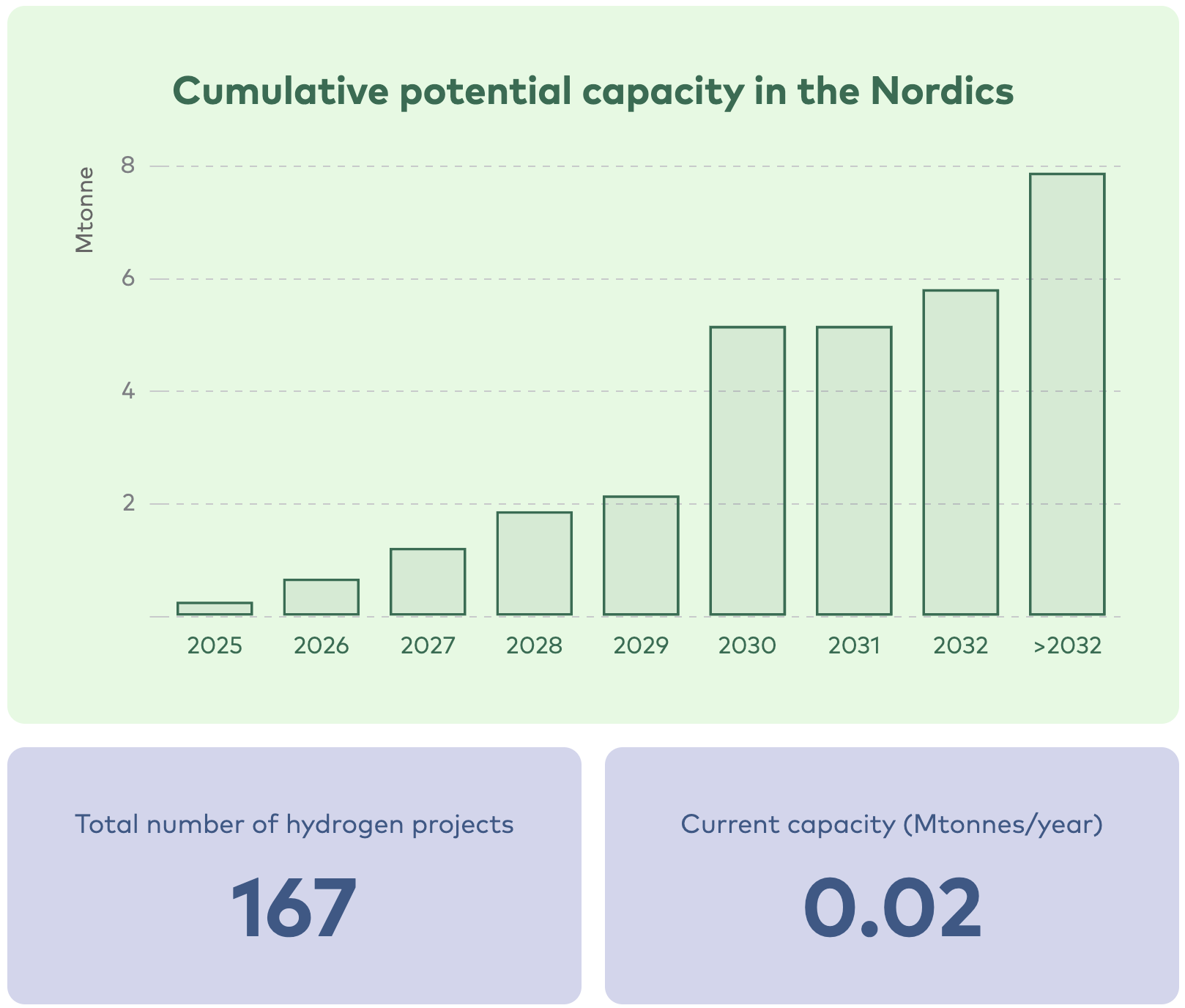
Figure 4. Cumulative potential future production capacity in the Nordics, according to the mapping of this study. Total includes plants without a specified completion year (illustration from nordich2valleys.org).
3.2.1 Denmark
The database contains a total of 29 projects, five of which qualify as hydrogen valleys. The total production capacity of all included projects is 3.7 Mt of hydrogen per year (full capacity utilisation, 65% LHV electrolyser efficiency). The basis of the mapping was Brintbranchen’s “Brint i tal”, although some projects from that platform have been excluded due to insufficient data availability.
The included Danish hydrogen projects are primarily focused on chemicals or fuel applications (ammonia, methanol, SAF or direct use for heavy-duty road transport). There are also four smaller projects aiming to use hydrogen to increase the methane yield of biogas production, as well as projects aiming to supply green hydrogen to conventional refinery processes. It is also worth mentioning that there are several major export-oriented projects such as the Brintø
COWI, 2022, “Danish Hydrogen Island Could be First of Its Kind” https://www.cowi.com/news-and-press/news/2022/danish-hydrogen-island-could-be-first-of-its-kind-video/
GreenGo, n.d., “GreenGo Energy develops 4GW, 8 billion EUR green energy park in Ringkøbing-Skjern municipality” https://www.greengoenergy.com/news/megaton1
While most projects are in early development, six projects are operational or under construction, with the largest being European Energy’s Kassø
European Energy, 2023, “European Energy vinder Power-to-X-udbud og påbegynder næste generation af e-fuel-produktion” https://dk.europeanenergy.com/2023/10/27/european-energy-vinder-power-to-x-udbud-og-paabegynder-naeste-generation-af-e-fuel-produktion/
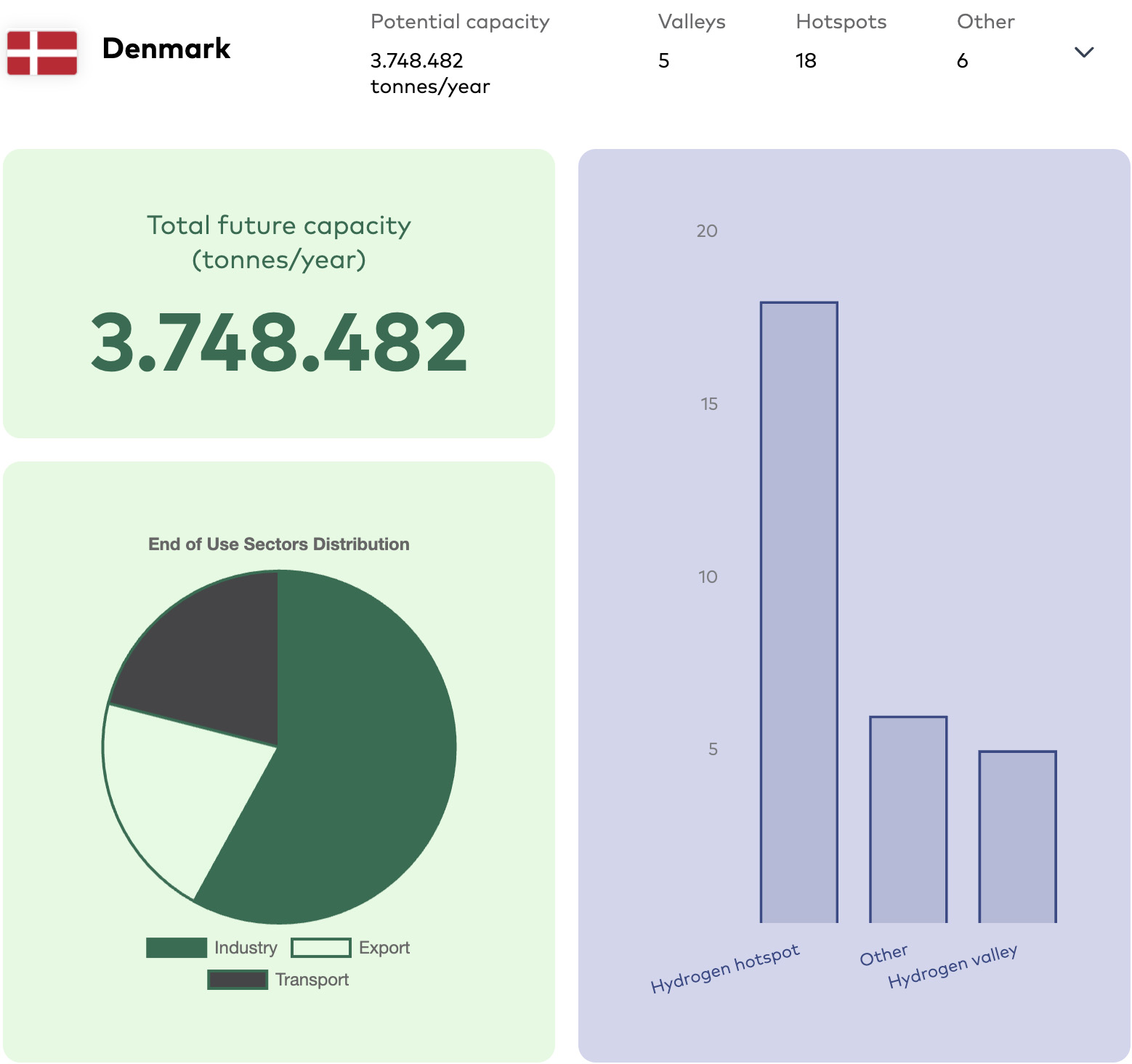
Figure 5. Overview of mapping for Denmark (illustration from nordich2valleys.org).
Hydrogen valleys:
H2 Energy Europe Esbjerg (Njordkraft)
H2 Energy Europe, a joint venture between Trafigura and H2 Energy AG, is developing a 1 GW electrolyser plant in Esbjerg, Denmark using PEM technology and wind power. The project received environmental approval in January 2024. According to the environmental impact assessment, the produced hydrogen will be transported by pipeline to the Fredericia area (approx. 90 km from the production area) where it will be used as fuel for light-duty and heavy-duty vehicles (transport sector), as well as for industrial applications (e-fuel, e-chemicals or refineries). According to additional information provided by the company, a significant portion of the production may also be exported by pipeline to Germany, depending on the development of distribution infrastructure. In addition, the excess heat will be used in the local district heating network. The project has not yet reached financial close but is slated for completion in 2028.
H2 Energy Europe, n.d., “Njordkraft project”. https://h2eeurope.com/project/njordkraft/
H2 Energy Europe, 2023, “Miljøkonsekvensrapport H2 Energy Esbjerg” https://dagsordener.esbjergkommune.dk/vis/pdf/bilag/3871250d-bde4-4783-a06d-5383b5ae87b9/?redirectDirectlyToPdf=false
H2 Energy Europe, n.d., “Denmark’s 1GW green hydrogen production facility receives important environmental approval from authorities” https://h2eeurope.com/denmarks-1gw-green-hydrogen-production-facility-receives-important-environmental-approval-from-authorities/
H2 Energy Europe, a joint venture between Trafigura and H2 Energy AG, is developing a 1 GW electrolyser plant in Esbjerg, Denmark using PEM technology and wind power. The project received environmental approval in January 2024. According to the environmental impact assessment, the produced hydrogen will be transported by pipeline to the Fredericia area (approx. 90 km from the production area) where it will be used as fuel for light-duty and heavy-duty vehicles (transport sector), as well as for industrial applications (e-fuel, e-chemicals or refineries). According to additional information provided by the company, a significant portion of the production may also be exported by pipeline to Germany, depending on the development of distribution infrastructure. In addition, the excess heat will be used in the local district heating network. The project has not yet reached financial close but is slated for completion in 2028.
CONVEY – Hirtshals Havn
The CONVEY project received funding through the Horizon Europe small-scale hydrogen valley call of 2023. The project is being developed by a consortium of ten members led by Norwegian Hydrogen AS and aims to install 5 MW of electrolyser capacity in the port of Hirtshals and to use the produced hydrogen in industry (heating – natural gas replacement) and at a refuelling station for heavy-duty road transport. Excess heat and oxygen will be utilised in aquaculture.
Norwegian Hydrogen, n.d., “Project Convey” https://norwegianhydrogen.com/activities/convey_project
Port of Hirtshals, 2024, “Norwegian Hydrogen establishes large hydrogen production facility at Port of Hirtshals” https://portofhirtshals.dk/en/currently/news/norwegian-hydrogen-establishes-large-hydrogen-production-facility-at-port-of-hirtshals/
European Commission, n.d., “nordiC hydrOgen eNergy VallEY” https://ec.europa.eu/info/funding-tenders/opportunities/portal/screen/how-to-participate/org-details/999999999/project/101137581/program/43108390/details
The CONVEY project received funding through the Horizon Europe small-scale hydrogen valley call of 2023. The project is being developed by a consortium of ten members led by Norwegian Hydrogen AS and aims to install 5 MW of electrolyser capacity in the port of Hirtshals and to use the produced hydrogen in industry (heating – natural gas replacement) and at a refuelling station for heavy-duty road transport. Excess heat and oxygen will be utilised in aquaculture.
The electrolyser will be powered by local wind production and is planned to produce 550 tonnes of green hydrogen per year, corresponding to approx. 65% capacity utilisation (assuming 65% LHV electrolyser efficiency).
European Energy Måde
European Energy is developing several e-methanol projects in Denmark. The Måde project has a different scope: 12 MW of electrolyser capacity will be used to provide hydrogen to the port of Esbjerg – where it will be used to power ships moored in the port – and to a major industrial gas supplier. Excess heat from the electrolyser will be delivered to the Esbjerg district heating network.
European Energy, 2022, “European Energy underskriver kontrakt med Esbjerg Havn om grøn brint” https://dk.europeanenergy.com/2022/06/28/european-energy-underskriver-kontrakt-med-esbjerg-havn-om-groen-brint/
European Energy (LinkedIn-post), 2023, “Måde – The heart of Power-to-X technology testing” https://www.linkedin.com/posts/european-energy-as_green-hydrogen-plant-european-energy-activity-7048565792816193536-E348/
European Energy is developing several e-methanol projects in Denmark. The Måde project has a different scope: 12 MW of electrolyser capacity will be used to provide hydrogen to the port of Esbjerg – where it will be used to power ships moored in the port – and to a major industrial gas supplier. Excess heat from the electrolyser will be delivered to the Esbjerg district heating network.
The project will be powered by European Energy’s wind farm in Måde and is currently under construction.
HySynergy
The HySynergy project is being developed in three phases by a seven-party consortium led by Everfuel. The first phase is currently under construction in Fredericia (scheduled to be operational in 2024) and comprises 20 MW of electrolyser capacity, supplying hydrogen to a neighbouring refinery (Crossbridge Energy) and hydrogen refuelling stations, as well as heat to the local district heating system.
Everfuel, 2024, “HySynergy – our flagship project”, https://www.everfuel.com/power-to-h/
Everfuel, 2024, “Earnings presentation Q4 2023”,
https://www.everfuel.com/app/uploads/2024/03/20240305_Everfuel-Q4-2023-presentation.pdf
https://www.everfuel.com/app/uploads/2024/03/20240305_Everfuel-Q4-2023-presentation.pdf
Miljøministeriet, 2023, “Miljøgodkendelse for Everfuel Production Fredericia A/S”, https://mst.dk/media/gvwnpv43/20230627-everfuel-miljoegodkendelse.pdf
Rambøll, n.d., “HySynergy green H2 production plant”, https://www.ramboll.com/projects/energy/hysynergy-green-h2-production-plant
The HySynergy project is being developed in three phases by a seven-party consortium led by Everfuel. The first phase is currently under construction in Fredericia (scheduled to be operational in 2024) and comprises 20 MW of electrolyser capacity, supplying hydrogen to a neighbouring refinery (Crossbridge Energy) and hydrogen refuelling stations, as well as heat to the local district heating system.
Given that operations in the first phase are successful, the plan is to expand capacity to 1 GW by 2030, implemented over a total of three phases. Later phases will likely also include significant exports of hydrogen via a pipeline to Germany.
Green Hydrogen Hub
The Green Hydrogen Hub Denmark project is being developed by Corre Energy, Eurowind and Gas Storage Denmark. The project will construct
[13] Corre Energy, 2024, “Corre Energy Annual report 2023”, https://corre.energy/wp-content/uploads/2024/05/Corre-Energy-BV-2023-Annual-Report.pdf
Corre Energy, 2022, “Investor presentation 2022”, https://corre.energy/wp-content/uploads/2022/05/Corre-Energy-Investor-Presentation_24-May-2022.pdf
Swedish Hydrogen Development Center, 2023, “Danish Outlook”, https://www.ri.se/sites/default/files/2023-08/SHDC%20Event%20-%20Danish%20outlook.pdf
Green Hydrogen Hub Denmark, n.d, https://greenhydrogenhub.dk/
The Green Hydrogen Hub Denmark project is being developed by Corre Energy, Eurowind and Gas Storage Denmark. The project will construct
- a 180 MW electrolyser combined with 250 GWh of hydrogen storage,
- a compressed air storage system with a 320 MW generator and a storage capacity corresponding to 84 hours at the generator’s rated output.
Compressed air and hydrogen will be stored in salt rock caverns to be used for grid balancing as needed. The hydrogen can be used either for grid balancing (pre-heating air for the compressed air generator) or exported to the (prospective) gas grid in the region. The project achieved commercial close in 2023, with a target for a final investment decision in 2025 and plans to commence operations by 2028.
A selection of projects qualifying as hydrogen hotspots is given below:
Høst
Høst is being developed by Copenhagen Infrastructure Partners and will construct a hydrogen and ammonia plant with 1 GW of electrolyser capacity. The project secured a grid connection in 2023 and expects to reach a final investment decision in 2025, becoming fully operational in 2028/29.
Høst PTX Esbjerg, n.d., “About the project”, https://hoestptxesbjerg.dk/about-ptx/
Høst PTX Esbjerg, n.d., “Høst signs grid connection agreement” https://hoestptxesbjerg.dk/news/host-underskriver-nettilslutningsaftale-med-energinet/
State of green, 2023, “Green hydrogen is Danish hydrogen”, https://stateofgreen.com/en/wp-content/uploads/2023/11/sog_greenhydrogen_WP_08_DIGI.pdf
Høst is being developed by Copenhagen Infrastructure Partners and will construct a hydrogen and ammonia plant with 1 GW of electrolyser capacity. The project secured a grid connection in 2023 and expects to reach a final investment decision in 2025, becoming fully operational in 2028/29.
The project would be classified as a hydrogen valley if it supplied more than one end-use sector. While the focus of Høst is ammonia production, the development of a regional hydrogen grid would facilitate the export of a portion of the produced hydrogen, which would elevate the project to hydrogen valley status.
Fjord PtX
Fjord PtX is being developed by Copenhagen Infrastructure Partners, Aalborg Forsyning and Reno-Nord. The project aims to build a production plant for SAF using captured CO2 and hydrogen produced by a 350 MW electrolyser. An important part of the project is the delivery of 200 GWh/year of excess heat to the district heating system, which would replace the district heat production that will be lost when the coal-fired Nordjylland power station is decommissioned. An environmental impact assessment is ongoing, and the SAF production plant is expected to become operational in 2028.
Aalborg Forsyning, n.d., “Power-to-X-anlæg skal ligge nord for Aalborg” https://aalborgforsyning.dk/privat/gronne-losninger/energi-og-koling/fjord-ptx/
Miljøstyrelsen, 2022, “Indkaldelse af idéer og forslag til afgrænsning af miljøkonsekvensrapport for projekt Fjord PtX ved Aalborg” https://mst.dk/media/rapor5dk/20221115-power-to-x-debatfolder.pdf
Fjord PtX is being developed by Copenhagen Infrastructure Partners, Aalborg Forsyning and Reno-Nord. The project aims to build a production plant for SAF using captured CO2 and hydrogen produced by a 350 MW electrolyser. An important part of the project is the delivery of 200 GWh/year of excess heat to the district heating system, which would replace the district heat production that will be lost when the coal-fired Nordjylland power station is decommissioned. An environmental impact assessment is ongoing, and the SAF production plant is expected to become operational in 2028.
The project would be a hydrogen valley if it supplied hydrogen to multiple end-use sectors. However, the current plan is to use all produced hydrogen on-site for SAF production.
3.2.2 Faroe Islands
No projects meeting the criteria for hydrogen valleys were identified in the Faroe Islands, and only one project with planned hydrogen production capacity was found. Salmon producer Bakkafrost has partnered with the Faroese energy company Effo to develop a 100 MW wind farm in a project that will also include hydrogen production capacity, most likely for Bakkafrost’s own operations.
Bakkafrost, 2024, “Bakkafrost Integrated annual report 2023”, https://mb.cision.com/Main/12459/3953950/2701841.pdf
3.2.3 Finland
In Finland, many large-scale hydrogen production projects are currently under development. In the majority of these projects, hydrogen produced via electrolysis is utilised on-site to produce e-fuels and chemicals such as methane, methanol and ammonia, as well as to produce green steel or to be used directly in the transport sector. Although less common, hydrogen exports via transmission pipelines, replacing fossil hydrogen in existing industries, electricity grid balancing and high-temperature heat production are also identified as hydrogen end-uses in the projects.
Sector integration is an important element of Finland’s hydrogen production projects. Many of the projects, especially the most advanced ones, incorporate the use of by-product heat from electrolysis for district heating, thereby reducing the use of combustion-based alternatives. As a result, energy companies are often involved in hydrogen projects in Finland, alongside the project developers. Many project developers in Finland, such as P2X Solutions, Ren-Gas Oy, Green North Energy and Plug Power have multiple hydrogen projects in the pipeline across different regions of the country.
The projects with estimated commissioning years are planned to be operational by the 2030s. However, the publicly announced timelines and project stages may not be up-to-date and may involve great uncertainties.
In terms of hydrogen development from a geographical perspective, hydrogen projects in Finland are mainly concentrated in the coastal and southern regions of the country. Several large-scale hydrogen production plans are planned along the west coast, driven by the region’s substantial wind power potential. The region of Ostrobothnia leads in both installed and planned onshore wind power capacities in the country.
Finnish Wind Power Association, 2023, “Vuonna 2022 eniten tuulivoimaloita valmistui Pohjanmaan maakuntiin” https://tuulivoimayhdistys.fi/ajankohtaista/tiedotteet/vuonna-2022-eniten-tuulivoimaloita-valmistui-pohjanmaan-maakuntiin
Finnish Wind Power Association, 2024, “Wind power projects in Finland” https://tuulivoimayhdistys.fi/tuulivoima-suomessa/kartta
Gasgrid, 2024, “Nordic Hydrogen Route” https://gasgrid.fi/en/projects/nordic-hydrogen-route-en/
Karjunen Hannu, 2022. “Analysis and design of carbon dioxide utilization systems and infrastructures” https://lutpub.lut.fi/bitstream/handle/10024/164753/Hannu%20Karjunen_A4.pdf?sequence=4&isAllowed=y
Talouselämä, 2024. “Miksi Luulaja voitti Raahen? SSAB:n Huhtala paljastaa kaksi suurta syytä” https://www.talouselama.fi/uutiset/miksi-luulaja-voitti-raahen-ssabn-huhtala-paljastaa-kaksi-suurta-syyta/b5389237-1e3d-42a9-a3ee-af62f71b66da
Southern Finland is another region with numerous hydrogen-related initiatives. The region is the focus area of the EU-funded BalticSeaH2 project,
BalticSeaH2, 2024, “BalticSeaH2 EU-Project” https://balticseah2valley.eu/project/
BalticSeaH2, 2024. “Investment cases” https://balticseah2valley.eu/investment-cases/
Southeast Finland is also a promising region from a hydrogen perspective, with several initiatives ongoing. The region has large point sources of biogenic carbon dioxide from its energy sector and pulp and paper industries. Notably, according to the mapping carried out by the present project, the largest hydrogen production projects in the region by estimated capacity, such as the projects by P2X Solutions in Joensuu
P2X, 2022, “P2X Solutions and Savon Voima study the possibility of green hydrogen and e-fuels production in Joensuu” https://p2x.fi/en/p2x-solutions-and-savon-voima-study-the-possibility-of-green-hydrogen-and-e-fuels-production-in-joensuu/
Ren-Gas, 2024, “Kotka” https://ren-gas.com/en/projekti/kotka-2/
Ren-Gas, 2024, “Mikkeli” https://ren-gas.com/en/projekti/mikkeli-2/
Ministry of Defence and Ministry of Economic Affairs and Employment, 2024, “Working group to promote wind power projects in eastern Finland” https://valtioneuvosto.fi/-/1410877/tyoryhma-edistamaan-tuulivoimahankkeita-itaisessa-suomessa?languageId=en_US
Currently, the only hydrogen project in Finland that meets the hydrogen valley criteria outlined in this study, the 3H2 – Helsinki Hydrogen Hub, is in the capital region and is described in more detail below. Several other hydrogen projects have the potential to meet these criteria as they progress beyond the early planning stages or expand their hydrogen supply to multiple end-use sectors. Presently, most hydrogen production projects focus on the on-site production of hydrogen derivatives, categorised as serving a single end-use sector (industry), although products like synthetic methane could benefit both industry and transport. These projects are classified as hydrogen hotspots, and the most advanced among them, based on public announcements, are also described below.
It is also worth noting that, while individual projects may not meet the hydrogen valley criteria on their own, certain local clusters of projects could collectively meet the criteria. For example, on the western coast, Kokkola hosts several hydrogen initiatives. Flexens
Flexens, 2024. “Fuelling Europe's green future in Kokkola” https://www.flexenskokkola.fi/home
Plug Power, 2023. “Plug Power Makes Major Strategic Move into Finland’s Green Hydrogen Economy with its Proven PEM Electrolyzer and Liquefaction Technology” https://www.ir.plugpower.com/press-releases/news-details/2023/Plug-Power-Makes-Major-Strategic-Move-into-Finlands-Green-Hydrogen-Economy-with-its-Proven-PEM-Electrolyzer-and-Liquefaction-Technology/default.aspx
Holopainen, 2023. “Jättimäistä tuotantoa suunnitteilla Kokkolaan: vihreää polttoainetta teollisuuteen ja laivaliikenteeseen” https://yle.fi/a/74-20060254
Puhuri, 2023. “The pilot project for Raahen Monivoima’s new energy solutions is moving forward” https://www.puhuri.fi/en/the-pilot-project-for-raahen-monivoimas-new-energy-solutions-is-moving-forward-with-the-support-of-a-more-than-5-million-euros-grant-from-tem/
Hycamite, 2024. “The largest methane-splitting hydrogen plant in Europe will begin operations this fall” https://hycamite.com/articles/the-largest-methane-splitting-hydrogen-plant-in-europe-will-begin-operations-this-fall
Woikoski, 2021. “Woikoski enters collaboration with Neovolt” https://www.woikoski.fi/en/woikoski/news-and-events/news/woikoski-enters-collaboration-with-neovolt.html
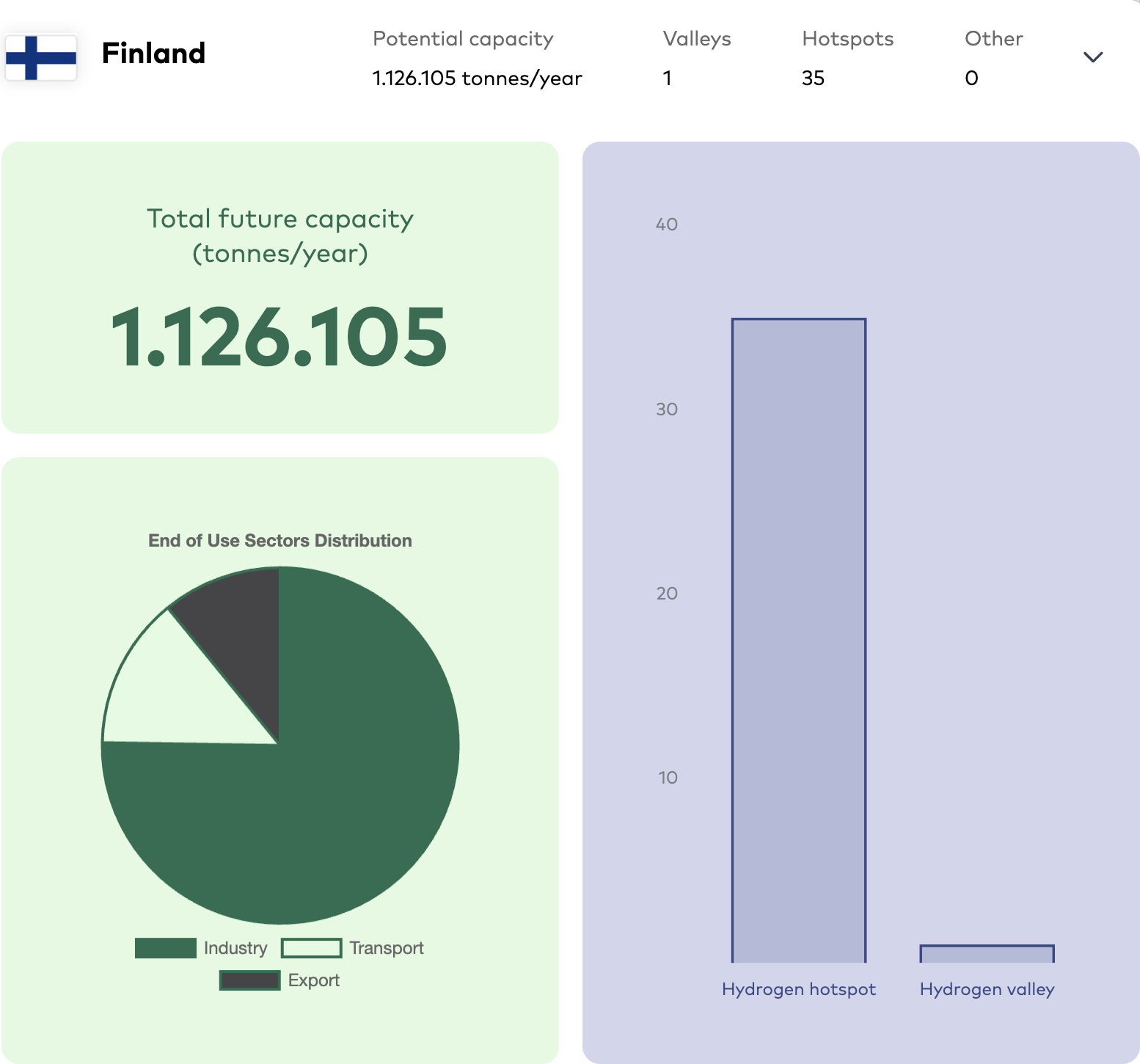
Figure 6. Overview of mapping for Finland (illustration from nordich2valleys.org).
Hydrogen Valleys:
3H2 – Helsinki Hydrogen Hub
The 3H2 – Helsinki Hydrogen Hub project, led by the energy company Helen, reached its final investment decision in April 2024. The project aims to construct a 3 MW pilot facility for clean hydrogen production. The facility is intended to supply hydrogen to an on-site refuelling station designed for heavy-duty transport needs. In addition, hydrogen can be delivered to industrial customers. Another key objective is to create necessary expertise for large-scale hydrogen production and to optimise hydrogen production in terms of hydrogen demand, renewable electricity generation and electricity markets. The goal is to begin hydrogen production by 2026 and to launch the refuelling station by 2027. Additionally, surplus heat from the electrolyser will be utilised in the capital region’s district heating network.
Helen, 2024, “Helen investoi Helsingin ensimmäiseen vihreän vedyn tuotantolaitokseen” https://www.helen.fi/uutiset/2024/helen-investoi-helsingin-ensimmaiseen-vihrean-vedyn-tuotantolaitokseen
The 3H2 – Helsinki Hydrogen Hub project, led by the energy company Helen, reached its final investment decision in April 2024. The project aims to construct a 3 MW pilot facility for clean hydrogen production. The facility is intended to supply hydrogen to an on-site refuelling station designed for heavy-duty transport needs. In addition, hydrogen can be delivered to industrial customers. Another key objective is to create necessary expertise for large-scale hydrogen production and to optimise hydrogen production in terms of hydrogen demand, renewable electricity generation and electricity markets. The goal is to begin hydrogen production by 2026 and to launch the refuelling station by 2027. Additionally, surplus heat from the electrolyser will be utilised in the capital region’s district heating network.
A selection of projects qualifying as hydrogen hotspots is given below. The projects are defined as hydrogen hotspots instead of hydrogen valleys, as they supply hydrogen for only one end-use sector.
P2X Solutions, Harjavalta
P2X Solutions is constructing Finland’s first industrial-scale electrolyser unit in Harjavalta, scheduled to be operational in the autumn of 2024.
P2X Solutions is constructing Finland’s first industrial-scale electrolyser unit in Harjavalta, scheduled to be operational in the autumn of 2024.
PX2, 2024, “Projects” https://p2x.fi/en/project/
PX2, 2023, “P2X Solutions and Danisco Sweeteners signed a contract on the delivery of green hydrogen” https://p2x.fi/en/p2x-solutions-and-danisco-sweeteners-signed-a-contract-on-the-delivery-of-green-hydrogen/
P2X Solutions has also ongoing projects in Joensuu and Oulu. In Joensuu, a production plant will feature a 30–50 MW electrolyser to supply green hydrogen for on-site e-methanol production, processed from biogenic CO2 captured from the nearby Savon Voima power plant. This plant could be operational by 2026 at the earliest. In Oulu, the company is planning a 100 MW electrolyser and a carbon capture plant for e-fuel production in collaboration with local energy company Oulun Energia. The investment decision is expected in 2025, and the plant could be operational by 2028 at the earliest. Both the Joensuu and Oulu projects will also supply by-product heat to local district heating systems.
Green North Energy, Naantali
Green North Energy is planning its first green hydrogen production project in Naantali, where the hydrogen will be used for on-site green ammonia production for the fertiliser industry. Eventually, as the market develops, ammonia could be supplied to emerging markets such as the shipping industry as well. The planned electrolyser capacity is 280 MW, with an investment of €600 million.
Green North Energy is planning its first green hydrogen production project in Naantali, where the hydrogen will be used for on-site green ammonia production for the fertiliser industry. Eventually, as the market develops, ammonia could be supplied to emerging markets such as the shipping industry as well. The planned electrolyser capacity is 280 MW, with an investment of €600 million.
Green North Energy, 2024. “Green over gray ammonia. Simple.” https://www.greennorth.energy/en/
Green North Energy, 2024. “Green North Energy to replicate its Business Finland-funded hydrogen plant concept in Pori and Kemi – aiming for Finland’s self-sufficiency in ammonia production” https://www.greennorth.energy/en/news/green-north-energy-to-replicate-its-business-finland-funded-hydrogen-plant-concept-in-pori-and-kemi-aiming-for-finlands-self-sufficiency-in-ammonia-production/
Ren-Gas
Ren-Gas Oy has a project portfolio consisting of six hydrogen and e-methane production facilities located in Lahti, Kotka, Mikkeli, Pori, Kerava and Tampere.
Ren-Gas Oy has a project portfolio consisting of six hydrogen and e-methane production facilities located in Lahti, Kotka, Mikkeli, Pori, Kerava and Tampere.
Nordic Ren-Gas Oy, 2024. “Projects” https://ren-gas.com/en/projects/
Nordic Ren-Gas Oy, 2024. “EIB approves Ren-Gas 230 MEUR financing framework to back its renewable e-methane projects in Finland” https://ren-gas.com/en/news/eib-approves-ren-gas-230-meur-financing-framework-to-back-its-renewable-e-methane-projects-in-finland/
Nordic Ren-Gas Oy, 2024, “Nordic Ren-Gas Wins in the First EU Hydrogen Auction with EUR 45 million Bid” https://ren-gas.com/en/news/nordic-ren-gas-wins-in-the-first-eu-hydrogen-auction-with-eur-45-million-bid/
Nordic Ren-Gas Oy, 2024, “Lahti” https://ren-gas.com/en/projekti/lahti-2/
Neste
As of today, Neste’s refinery in Porvoo is Finland’s largest consumer of hydrogen. The company is developing a 120 MW electrolyser project aimed at producing green hydrogen primarily for use in the refinery’s processes, replacing fossil hydrogen.
As of today, Neste’s refinery in Porvoo is Finland’s largest consumer of hydrogen. The company is developing a 120 MW electrolyser project aimed at producing green hydrogen primarily for use in the refinery’s processes, replacing fossil hydrogen.
Neste, 2023. “Neste moves forward in its renewable hydrogen project in Porvoo, Finland” https://www.neste.com/news/neste-moves-forward-in-its-renewable-hydrogen-project-in-porvoo-finla
3.2.4 Greenland
In Greenland, there are no projects that meet the criteria for hydrogen valleys, and only one project with planned hydrogen production capacity was identified.
However, Greenland’s Minister of Agriculture, Self-Sufficiency, Energy and Environment has announced (in May 2022
EnergyWatch, 2022, “Greenland to make reserves available for hydrogen development”, https://energywatch.com/EnergyNews/Cleantech/article14006223.ece
In addition to the Greenlandic government’s ambitions, H2Carrier is planning to implement one of its “P2XFloater” projects in Greenland. The project will include a floating e-ammonia factory with a planned rated power of 900–1 500 MW, as well as a 1.5 GW onshore wind farm developed in a collaboration between H2Carrier and Greenlandic power developer Anori.
H2Carrier, n.d., “Our Projects”, https://www.h2carrier.com/projects-6
Hydrogeninsight, 2023, “Plan unveiled to produce green hydrogen and ammonia on a ship connected to a 1.5GW wind farm in Greenland” https://www.hydrogeninsight.com/innovation/plan-unveiled-to-produce-green-hydrogen-and-ammonia-on-a-ship-connected-to-a-1-5gw-wind-farm-in-greenland/2-1-1383080
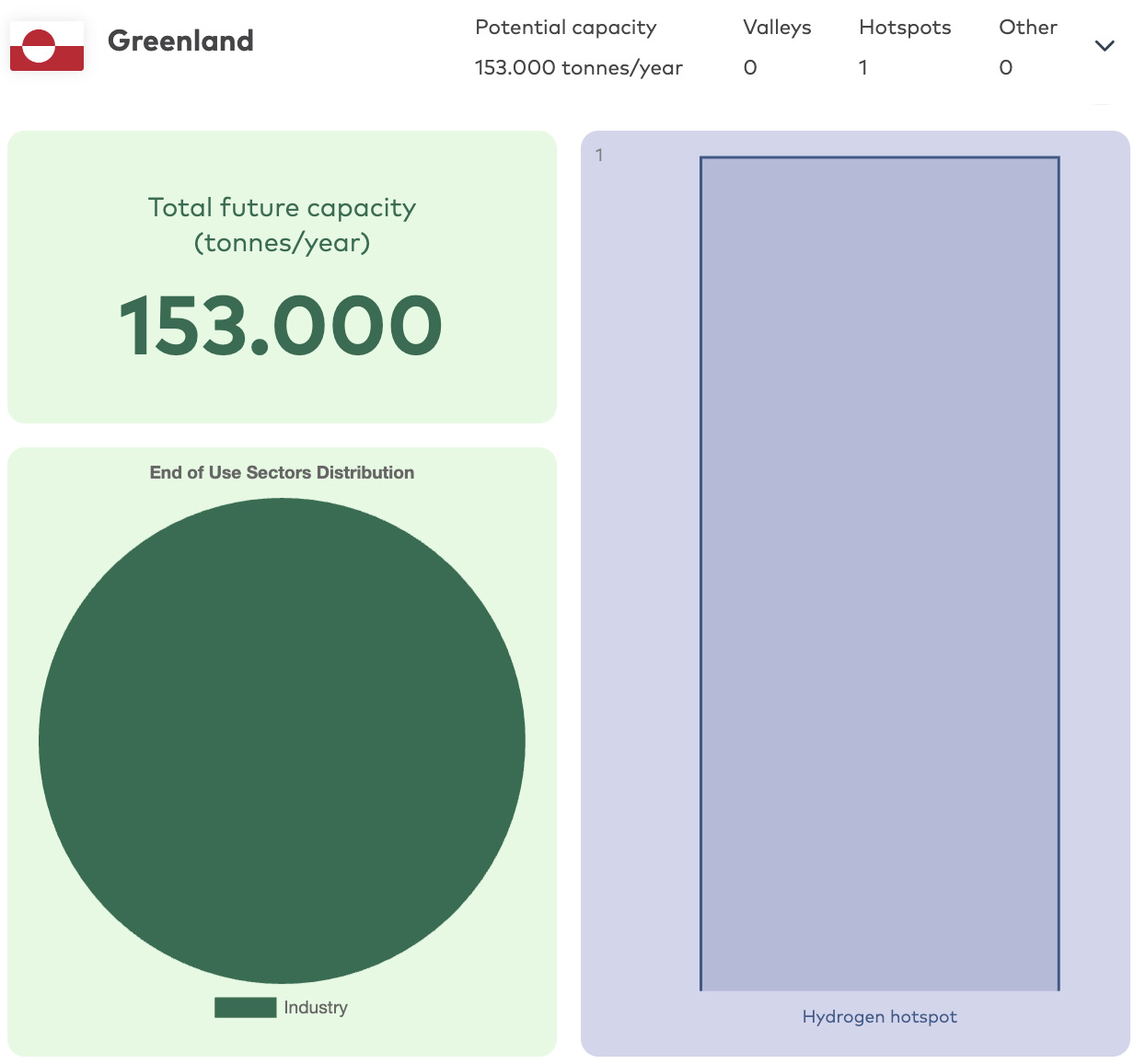
Figure 7. Overview of mapping for Greenland (illustration from nordich2valleys.org).
3.2.5 Iceland
In April 2024, the Ministry of the Environment, Energy and Climate published a report entitled “Hydrogen and E-fuels Roadmap for Iceland”.
Ministry of the Environment, Energy and Climate, 2024, “Hydrogen and E-fuels Roadmap for Iceland” https://www.government.is/library/Files/240102_URN_RoadmapForIceland_V6.pdf
Ministry of the Environment, Energy and Climate, 2024, “Hydrogen and E-fuels Roadmap for Iceland” https://www.government.is/library/Files/240102_URN_RoadmapForIceland_V6.pdf
OR, 2022, “Geothermal Park at Hellisheiði” https://annualreport2022.or.is/umhverfismal/jar%C3%B0hitagar%C3%B0ur-skipulag%C3%B0ur-%C3%A1-hellishei%C3%B0i/
Icelandic New Energy, 2024, “An important step in decarbonizing HD transport in Iceland” https://newenergy.is/en/2024/05/03/an-important-step-in-decarbonizing-hd-transport-in-iceland/
Based on the project mapping, Iceland has no projects that meet the criteria for hydrogen valleys. However, the Hydrogen and E-fuels Roadmap for Iceland lists a selection of ongoing hydrogen-related projects that qualify as hydrogen hotspots.
Ministry of the Environment, Energy and Climate, 2024, “Hydrogen and E-fuels Roadmap for Iceland” https://www.government.is/library/Files/240102_URN_RoadmapForIceland_V6.pdf
A selection of projects qualifying as hydrogen hotspots is given below:
Green ammonia production by Green Fuel and Topsoe
Green Fuel plans to establish a hydrogen and ammonia production facility at the Bakki industrial site near Húsavík in northeast Iceland. The facility is expected to have a capacity of 100 MW and will focus on producing green ammonia for export and domestic maritime use. This production could potentially power a third of the Icelandic fishing fleet, with an annual ammonia output of 105 kt or 300 t per day.
Ministry of the Environment, Energy and Climate, 2024, “Hydrogen and E-fuels Roadmap for Iceland” https://www.government.is/library/Files/240102_URN_RoadmapForIceland_V6.pdf
Green Fuel plans to establish a hydrogen and ammonia production facility at the Bakki industrial site near Húsavík in northeast Iceland. The facility is expected to have a capacity of 100 MW and will focus on producing green ammonia for export and domestic maritime use. This production could potentially power a third of the Icelandic fishing fleet, with an annual ammonia output of 105 kt or 300 t per day.
SAF production by IdunnH2
IdunnH2 and Icelandair have signed a memorandum of understanding for IdunnH2 to supply the airline with up to 45 ktpa of SAF produced from green hydrogen. The electrolyser for hydrogen production will have a capacity of up to 300 MW and is planned to be situated near Keflavík Airport. The estimated total annual SAF capacity is 65 ktpa, and the facility is expected to be operational by the end of 2027.
Ministry of the Environment, Energy and Climate, 2024, “Hydrogen and E-fuels Roadmap for Iceland” https://www.government.is/library/Files/240102_URN_RoadmapForIceland_V6.pdf
IdunnH2 and Icelandair have signed a memorandum of understanding for IdunnH2 to supply the airline with up to 45 ktpa of SAF produced from green hydrogen. The electrolyser for hydrogen production will have a capacity of up to 300 MW and is planned to be situated near Keflavík Airport. The estimated total annual SAF capacity is 65 ktpa, and the facility is expected to be operational by the end of 2027.
Green Energy Park “Orkugarður Austurlands”
The municipality of Fjarðabyggð, Icelandic power company Landsvirkjun and Copenhagen Infrastructure Partners (CIP) have partnered to explore the development of a 250 MW hydrogen production facility for ammonia production at the Green Energy Park in Reyðarfjörður. The facility is expected to produce 200 kt of ammonia annually. Letters of intent have been signed with several off-takers and power suppliers, including Skeljungur, the municipality of Fjarðabyggð, Síldarvinnslan, Atmonia and Arctic Hydro. The project is expected to be operational by 2028 or 2029.
Ministry of the Environment, Energy and Climate, 2024, “Hydrogen and E-fuels Roadmap for Iceland” https://www.government.is/library/Files/240102_URN_RoadmapForIceland_V6.pdf
The municipality of Fjarðabyggð, Icelandic power company Landsvirkjun and Copenhagen Infrastructure Partners (CIP) have partnered to explore the development of a 250 MW hydrogen production facility for ammonia production at the Green Energy Park in Reyðarfjörður. The facility is expected to produce 200 kt of ammonia annually. Letters of intent have been signed with several off-takers and power suppliers, including Skeljungur, the municipality of Fjarðabyggð, Síldarvinnslan, Atmonia and Arctic Hydro. The project is expected to be operational by 2028 or 2029.
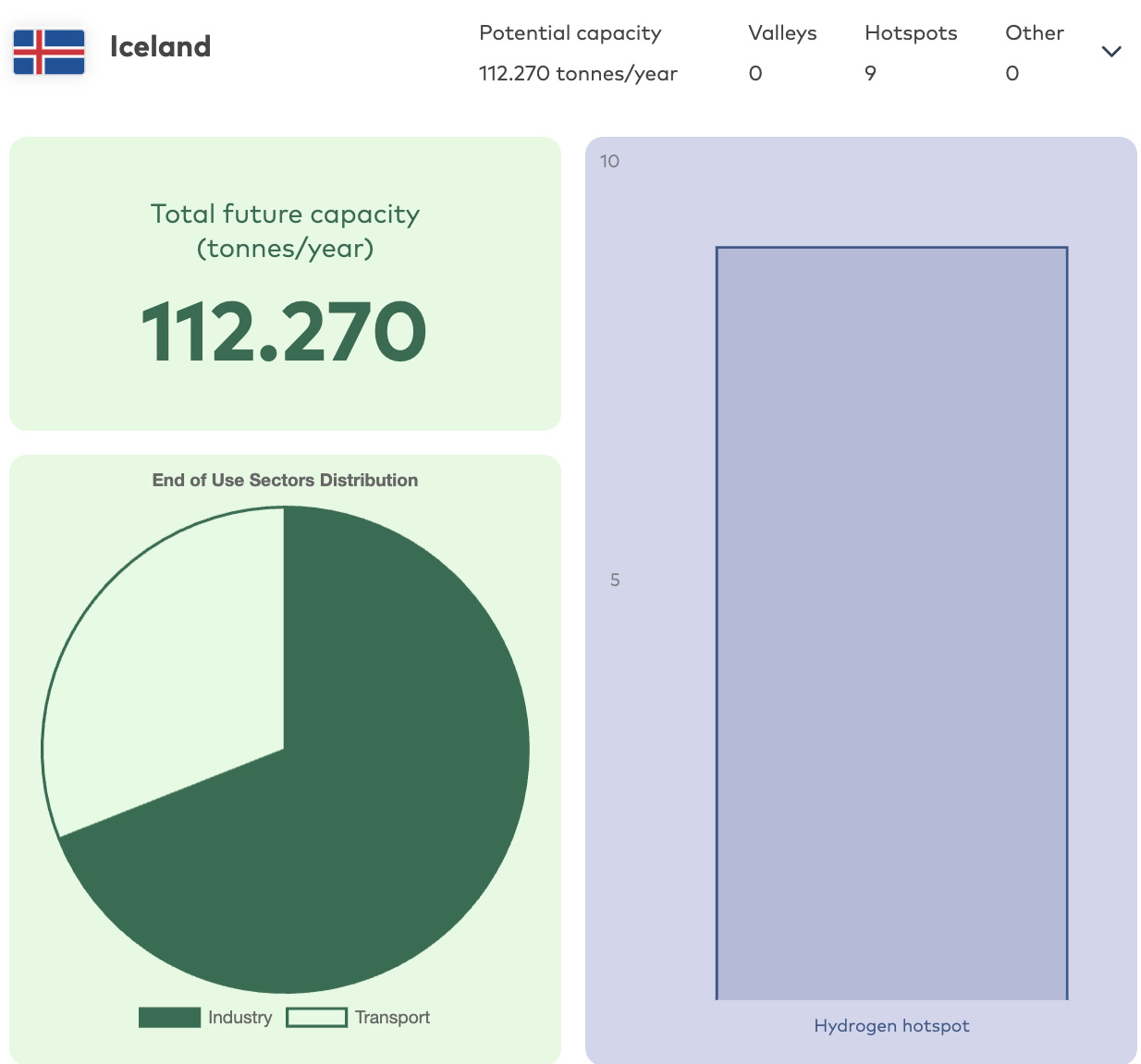
Figure 8. Overview of mapping for Iceland (illustration from nordich2valleys.org).
3.2.6 Norway
There are a lot of plans for hydrogen production all over Norway, ranging from Berlevåg in the north to Kristiansand in the south. Very few of these sites are in operation, and even fewer are larger than 1 MW. The largest plants in operation are Yara’s 24 MW electrolyser at Herøya (see more below) and Norwegian Hydrogen’s 3 MW electrolyser in Hellesylt. There is a great uncertainty in the data collected for projects where investment decisions have not been made. Despite the overall trend indicating a proliferation of initiatives, there is often a lack of end users and thus no business case for final investment decisions. This is exemplified by the fact that even projects planned to be realised within the next two years seem to lack investment decisions. At this point, none of the already realised projects for green or blue hydrogen production in Norway satisfy all hydrogen valley criteria. However, several planned projects will satisfy the hydrogen valley criteria if realised. It is also clear that the progress of the planned projects varies significantly.
The number of end-use sectors is a difficult criterion to determine, as several of the planned production sites in Norway focus on the transport sector, more specifically maritime transport. However, there is a lack of other interested off-takers, and the projects would likely sell hydrogen (or its derivatives) to any interested party.
The overview produced by Mission Innovation and the Clean Hydrogen Partnership
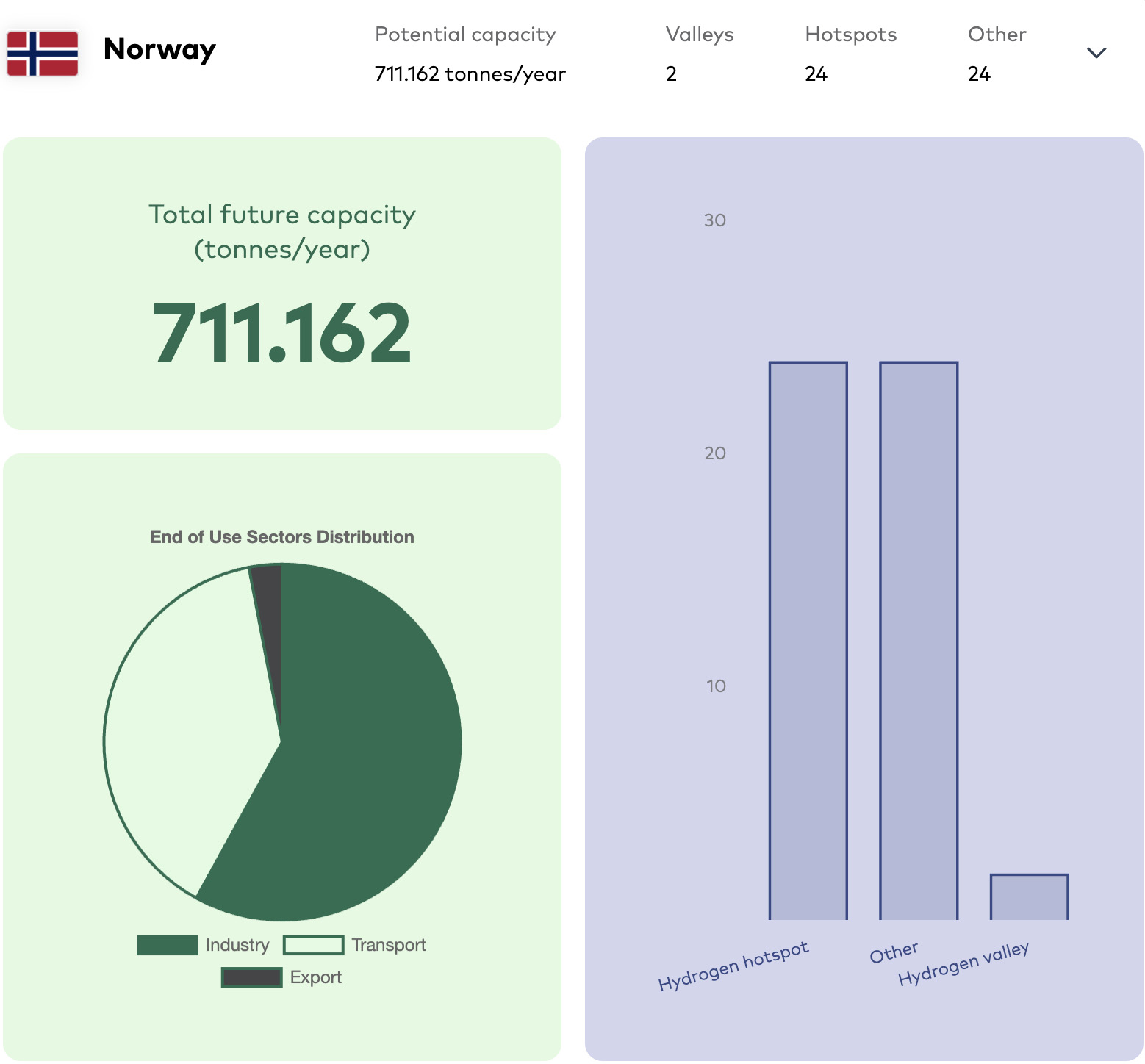
Figure 9. Overview of mapping for Norway (illustration from nordich2valleys.org).
Planned hydrogen valleys where investment decisions have been made:
Glomfjord Green Ammonia
In this project, Neptun Glomfjord Green Ammonia AS plans to build a 20 MW electrolysis plant with additional ammonia production, which will produce green ammonia for both maritime and industrial use from 2027. Hydropower will be the plant’s main source of energy, and production will be located at the Glomfjord Industrial Park in Northern Norway. The project initially received funding from Enova in 2022, and the investment decision for the project was made on 31 January 2024.
In this project, Neptun Glomfjord Green Ammonia AS plans to build a 20 MW electrolysis plant with additional ammonia production, which will produce green ammonia for both maritime and industrial use from 2027. Hydropower will be the plant’s main source of energy, and production will be located at the Glomfjord Industrial Park in Northern Norway. The project initially received funding from Enova in 2022, and the investment decision for the project was made on 31 January 2024.
Hydrogen Hub Agder
This project is run by Greenstat ASA, which plans to build a 20 MW electrolyser (with an option for an additional 40 MW) in Kristiansand. The produced hydrogen will be available for both industry and maritime transport. As with Glomfjord Green Ammonia, the project received funding from Enova in 2022, and the investment decision was made on 31 January 2024.
This project is run by Greenstat ASA, which plans to build a 20 MW electrolyser (with an option for an additional 40 MW) in Kristiansand. The produced hydrogen will be available for both industry and maritime transport. As with Glomfjord Green Ammonia, the project received funding from Enova in 2022, and the investment decision was made on 31 January 2024.
Other important projects
In addition to the two projects above, there are several other projects that will become hydrogen valleys if realised. One of these is the Narvik Green Ammonia
In addition to the two projects above, there are several other projects that will become hydrogen valleys if realised. One of these is the Narvik Green Ammonia
In addition to the individual planned projects that qualify as hydrogen valleys, there are some geographical areas that can be singled out as promising hotspots for hydrogen production. Torghatten Nord and green hydrogen producer GreenH have formalised a 15-year hydrogen supply agreement for the Lofoten ferries. A production plant with a capacity of 6–10 tonnes per year is planned, and a final investment decision is expected by the end of 2025. Herøya is one of these areas, where Yara already has launched a 24 MW electrolyser for their fertiliser production,
Another interesting area is the Varanger Peninsula in Finmark. Several stakeholders are looking to produce hydrogen and ammonia, mainly for the maritime transport sector.
A third area is the county of Nordland, where multiple stakeholders in various locations (Narvik, Glomfjord, Bodø, Mosjøen, Mo i Rana etc.) are looking to produce hydrogen and ammonia both for industry and for the transport sector (approx. 75 000 tonnes of hydrogen a year).
In the southernmost part of Norway (Rogaland and Agder), there are also a significant number of hydrogen production projects that could be seen as one large hydrogen valley with an estimated production capacity as high as 150 000 tonnes per year.
3.2.7 Sweden
Most of the hydrogen production projects in Sweden are in the early stages, either undergoing feasibility studies, working through a permitting process or awaiting investment decisions. The large-scale projects are largely tied to industrial plants involved in steel production, electrofuels production or fertiliser production. While existing hydrogen production primarily relies on steam methane reforming of natural gas, upcoming projects feature two Nordic hydrogen hotspots focused on producing hydrogen through the gasification of biomass/waste, with the remaining projects centred around hydrogen production via electrolysers.
For projects that disclose the origin of their electricity, wind power and hydropower are the main contributors. This also has a major influence on the location of the hydrogen hotspots/valleys. Very few of the projects have so far communicated their plans for hydrogen storage.
The hydrogen valley criterion that most projects fail to meet is the requirement for “multiple end-use sectors”. Other factors that justify exclusion include a non-specific geographical location of the project, production capacity below 500 tonnes per year or insufficient project information.
The technology used for electrolysis is a mix between alkaline electrolysers and proton exchange membranes (PEM), with some existing projects including chlor-alkali electrolysers. While most large-scale projects have not yet disclosed their choice of technology, those that have done so have chosen alkaline technology.
Of listed Nordic hydrogen valleys and hydrogen hotspots in Sweden, only a few projects have thus far outlined their planned use for excess heat and oxygen from the electrolysers. One example of a project utilising both excess heat and oxygen is Ovako, which employs the excess oxygen in steel furnaces and uses the excess heat to warm its own premises and supply district heating.
Several of the projects are planning to produce hydrogen or e-fuels for use in the shipping sector, which aligns with Task 3 of the mapping project. Most notable are the Flagship projects, the SouthH2Port project and the project in Ljusne-Vallvik involving European Energy & Svea Vind Offshore.
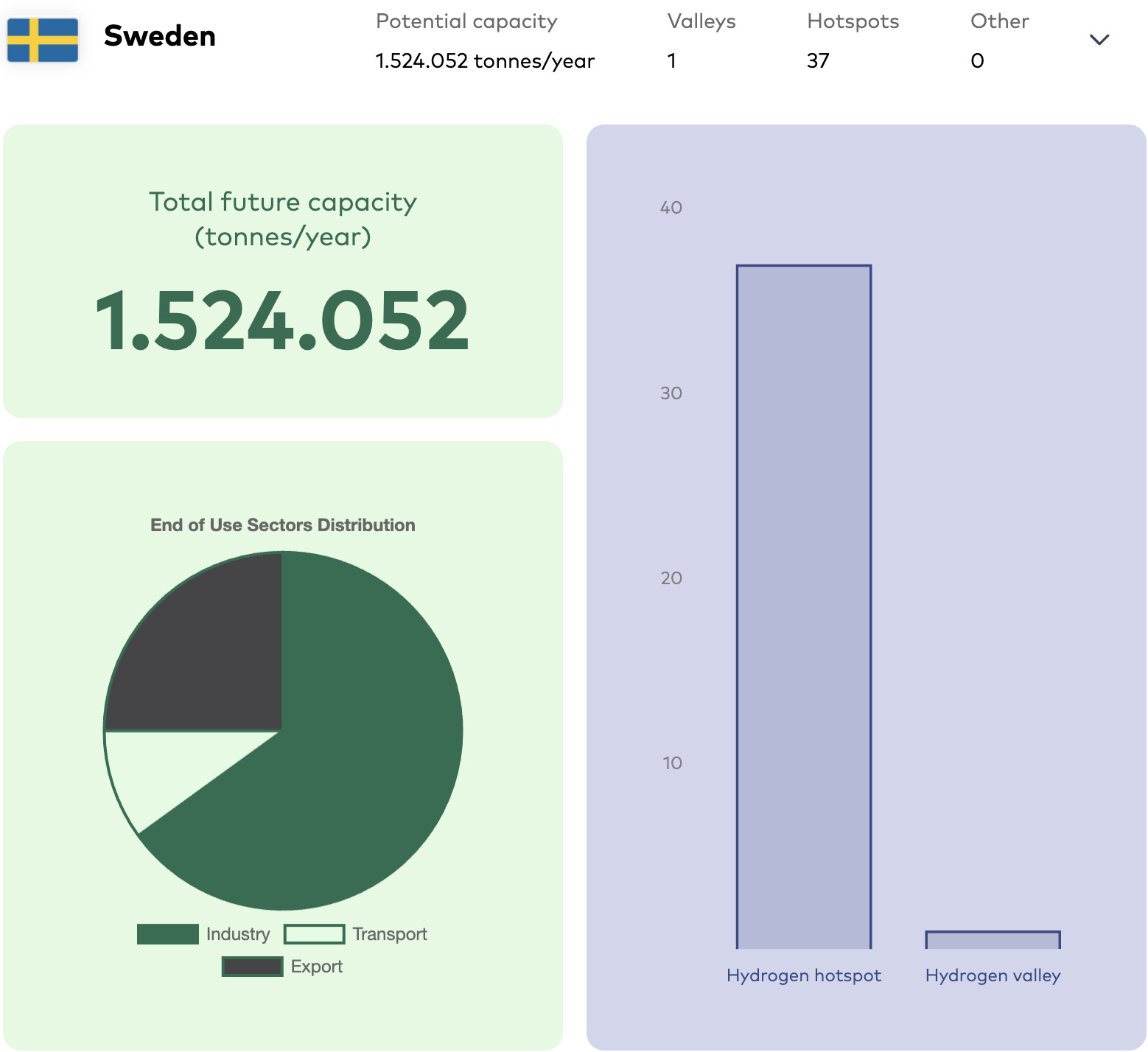
Figure 10. Overview of mapping for Sweden (illustration from nordich2valleys.org).
Hydrogen Valleys:
BotnialänkenH2 with possible upscaling
This project, led by Uniper in collaboration with the Port of Luleå Hamn, ABB, Luleå Energi and ESL Shipping (the project’s first customer), aims to establish a hydrogen hub in Luleå that utilises wind power to produce hydrogen through use of electrolysers. The hydrogen will have multiple possible off-takers, including the regional process industry (e.g. the steel industry), electrofuel production for the shipping sector and opportunities for export.
This project, led by Uniper in collaboration with the Port of Luleå Hamn, ABB, Luleå Energi and ESL Shipping (the project’s first customer), aims to establish a hydrogen hub in Luleå that utilises wind power to produce hydrogen through use of electrolysers. The hydrogen will have multiple possible off-takers, including the regional process industry (e.g. the steel industry), electrofuel production for the shipping sector and opportunities for export.
The plan is to use the port of Luleå for intermediate storage and to integrate the excess heat from the electrolysers in the city of Luleå’s district heating network. Provided that the project secures funding through the EU’s Important Projects of Common European Interest (IPCEI) scheme, the plant is scheduled to be operational in 2027.
A selection of projects qualifying as hydrogen hotspots is given below:
HYBRIT (Hydrogen Breakthrough Ironmaking Technology)
This is a collaborative project conducted as a joint venture between SSAB, LKAB and Vattenfall. Its goal is to produce fossil-free steel employing direct reduction of iron ore pellets to produce sponge iron, utilising hydrogen produced from electrolysers. A pilot plant with a capacity of 4.5 MW is already operational, featuring hydrogen storage in rock caverns in Luleå.
This is a collaborative project conducted as a joint venture between SSAB, LKAB and Vattenfall. Its goal is to produce fossil-free steel employing direct reduction of iron ore pellets to produce sponge iron, utilising hydrogen produced from electrolysers. A pilot plant with a capacity of 4.5 MW is already operational, featuring hydrogen storage in rock caverns in Luleå.
H2 Green Steel
In Boden, H2 Green Steel is planning to build a large-scale green steel plant with a capacity of 800 MW, using the same technology as the HYBRIT project. The ambition is to start production in 2025, with full-scale production by 2030.
In Boden, H2 Green Steel is planning to build a large-scale green steel plant with a capacity of 800 MW, using the same technology as the HYBRIT project. The ambition is to start production in 2025, with full-scale production by 2030.
Hofors rolling project
In 2023, a 20 MW electrolyser was installed at Ovako’s industrial site for steel production in Hofors, where the hydrogen is used to reheat steel (replacing LPG as the energy source). The investment was made in partnership with Volvo Group, Hitachi Energy, H2 Green Steel and Nel Hydrogen.
In 2023, a 20 MW electrolyser was installed at Ovako’s industrial site for steel production in Hofors, where the hydrogen is used to reheat steel (replacing LPG as the energy source). The investment was made in partnership with Volvo Group, Hitachi Energy, H2 Green Steel and Nel Hydrogen.
FlagshipONE
Located in Örnsköldsvik, FlagshipONE, plans to be operational in 2025, with a targeted production of 50 000 tonnes of e-methanol per year, utilising green hydrogen and biogenic CO2 captured from a neighbouring combined heat and power (CHP) plant. The project is a collaboration between Liquid Wind and Ørsted. Liquid Wind is also involved in two other Flagship projects in Sweden (Umeå and Sundsvall).
Located in Örnsköldsvik, FlagshipONE, plans to be operational in 2025, with a targeted production of 50 000 tonnes of e-methanol per year, utilising green hydrogen and biogenic CO2 captured from a neighbouring combined heat and power (CHP) plant. The project is a collaboration between Liquid Wind and Ørsted. Liquid Wind is also involved in two other Flagship projects in Sweden (Umeå and Sundsvall).
Power2Earth
Power2Earth is a collaboration among Fertiberia, Nordion Energi and Lantmännen aimed at producing mineral fertiliser in Jokkmokk using a 640 MW electrolyser, with a planned production start in 2028.
Power2Earth is a collaboration among Fertiberia, Nordion Energi and Lantmännen aimed at producing mineral fertiliser in Jokkmokk using a 640 MW electrolyser, with a planned production start in 2028.
3.2.8 Åland Islands
The Åland Islands present an interesting opportunity from a hydrogen perspective, due to the substantial potential for large-scale offshore wind power. More than 10 GW of offshore wind power capacity is currently under development, with 8 GW in the environmental impact assessment process.
Finnish Wind Power Association, 2024, “Wind power map” https://tuulivoimayhdistys.fi/en/wind-power-in-finland/map
Baltic Sea Hydrogen Collector, 2024. “Baltic Sea Hydrogen Collector – Unlocking the hydrogen potential in the Baltic Sea” https://balticseahydrogencollector.com/about-the-project/
While no projects in the Åland Islands qualified as hydrogen valleys, a few projects that qualify as hydrogen hotspots. As the large-scale projects advance in project maturity, they have the potential to fulfil the criteria for a hydrogen valley.
Mega Grön Hamn
The Mega Grön Hamn project, led by OX2 and the Bank of Åland, aims to establish a hydrogen hub featuring an electrolyser capacity of 3 000 MW.
The Mega Grön Hamn project, led by OX2 and the Bank of Åland, aims to establish a hydrogen hub featuring an electrolyser capacity of 3 000 MW.
Ålandsbanken, 2023. “OX2 and the Bank of Åland plan a Mega Green Port project in Åland” https://www.alandsbanken.com/news/ox2-and-the-bank-of-aland-plan-mega-green-ort-project-in-aland
Åland Energy Island
Flexens, Lhyfe and Copenhagen Infrastructure Partners (CIP) have joined forces to develop and build a large-scale hydrogen production facility in the Åland Islands alongside gigawatt-scale offshore wind power production.
Flexens, Lhyfe and Copenhagen Infrastructure Partners (CIP) have joined forces to develop and build a large-scale hydrogen production facility in the Åland Islands alongside gigawatt-scale offshore wind power production.
Flexens, 2023. “New partnership to develop large-scale integrated renewable energy system on Åland” https://flexens.com/new-partnership-to-develop-large-scale-integrated-renewable-energy-system-on-aland/
Energy Parks Möckelö and Hellesby
OX2 Åland plans to establish two energy parks in Åland.
OX2 Åland plans to establish two energy parks in Åland.
OX2, 2024, “Energy Park Åland” https://www.ox2.com/sv/aland/projekt/energypark-aland/
In addition to Möckelö, OX2 Åland is developing another energy park in Hellesby, Hammarland. This facility will include a solar park, battery storage and hydrogen production facilities primarily intended for industrial processes. Specific details on the electrolyser capacity have not yet been disclosed. Construction for both energy parks is scheduled to begin in 2025. Both sites aim to effectively utilise oxygen and by-product heat.

Figure 11. Overview of mapping for Åland Islands (illustration from nordich2valleys.org).
3.3 Projects relevant to the decarbonisation of Arctic shipping
This section highlights mapped projects that are relevant to the decarbonisation of Arctic shipping, i.e. projects in the Arctic region that produce hydrogen or other electrofuels. The future role of clean hydrogen in Arctic shipping is discussed in Chapter 5 of this report.
3.3.1 Faroe Islands
Only one project with planned hydrogen production capacity was identified in the Faroe Islands. According to Bakkafrost’s 2023 annual report, some of the produced hydrogen may be used for the company’s larger vessels in the region, which will contribute to the decarbonisation of Arctic shipping.
3.3.2 Greenland
All developments and projects described for Greenland above have the potential to contribute to the decarbonisation of Arctic shipping. In particular, H2Carrier’s P2XFloater project aims to produce large quantities of e-ammonia, which is a possible future fuel for maritime applications.
3.3.3 Iceland
Iceland has abundant renewable energy resources, making it an ideal location for the production of hydrogen and e-fuels. Hydrogen and e-fuels are expected to help to decarbonise various sectors in Iceland, including the maritime and road transport sectors. The Hydrogen and E-fuels Roadmap for Iceland lists several early-stage hydrogen projects,
3.3.4 Northern Norway
There are currently 10–15 projects with plans for large-scale hydrogen, ammonia and methanol production from water electrolysis in Northern Norway, in addition to one (Barents blue) that is focused on hydrogen from steam methane reforming and CCS. If all of them are realised, hydrogen production in this area will be close to 600 000 tpa, of which most will be used for ammonia production.
Energy costs are generally lower in the northern parts of Norway due to the segmentation of the Norwegian energy marked and greater availability of power compared with southern Norway. Although the hydrogen projects in Northern Norway are spread across Finnmark, Troms and Nordland, there are some areas with a higher density of projects. In many cases, this is linked to the availability of energy for hydrogen production. In Finnmark, the Varanger Peninsula is home to several of the planned projects that intend to use wind power to produce hydrogen and ammonia. Green Ammonia Berlevåg is one of these projects, with a plan to produce 100 000 tpa of hydrogen for ammonia production. H2Carrier’s P2XFloater is set to be used for ammonia production in multiple locations on or close to the Varanger Peninsula. Another important project in Finmark is Barents Blue, where the long-term plan is to reform natural gas from the Melkøya LNG plant to produce as much as 1 000 000 tonnes of ammonia per year from blue hydrogen.
Another prominent hydrogen hotspot in Northern Norway is the county of Nordland, where several projects aim to produce a total of 75 000 tonnes of hydrogen per year.