Wet wipes a major source of plastic waste in in untreated wastewater
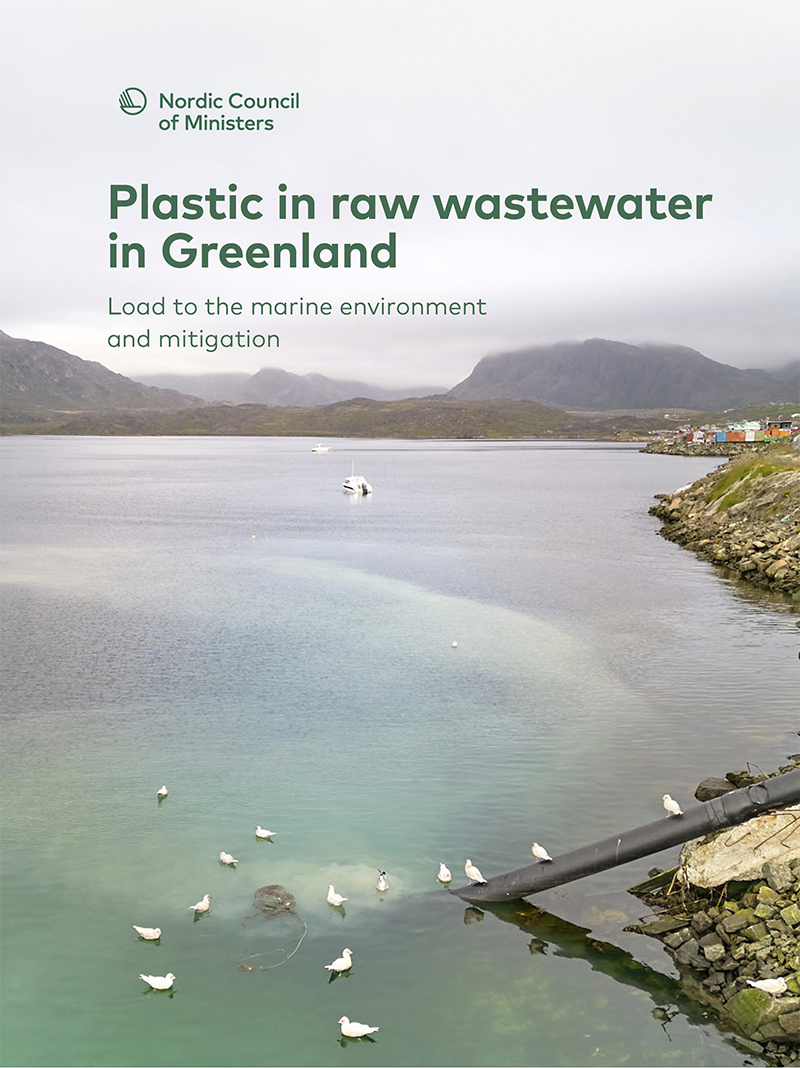
Plastics from untreaded wastewater is a major source of marine pollution in Greenland. Approximately 60% of the 2 tonnes of plastic estimated to be discharged annually to the sea by Greenland wastewater is wet wipes.
In the Arctic marine environment, concern has been raised upon observations of high concentration of plastic litter and microplastics (MPs). This study addresses issue of plastic pollution in the Arctic marine environment by identifying wastewater as a major source of both macro and micro sized plastics in Greenland. It finds that by regulatory or behavioural measures and technical solutions used to prevent wet wipes from entering the wastewater we could significantly reduce the emission of plastics – from wastewater to the marine environment.
Methodology
The detailed characterization of different plastics is vital for understanding their prevalence and impact. By quantifying plastic loads from wastewater, this study informs the development of effective pollution control measures.
The aim was to estimate the burden of plastic litter and MPs to the marine environment from sewage by sampling and quantifying inputs of plastic in different size fractions. This was done in two of the biggest towns in Greenland, Nuuk and Sisimiut. Plastic findings were visually characterized in terms of abundance, morphology size – and chemically, by characterizing the polymer composition using FTIR spectroscopy.
Wet wipes – a dominating source of marine litter
Wet wipes were found to be dominating, making up 59% of the total emitted plastic by mass.
Of the total plastic load, 70% of the mass was from plastic items larger than 25 millimetres. Wet wipes were found to be dominating, making up 59% of the total emitted plastic by mass, but other sanitary items were also detected.
A dominance of white/transparent MP fibers was observed in the raw wastewater samples in our study, where a large fraction was proposed to be of viscose origin.
Recommendations
The research from this study suggests actionable steps, such as regulatory or behavioural measures which could significantly reduce marine plastic pollution. To ban the retail of wet wipes would be a necessary step to prevent wet wipes from entering wastewater. A campaign to promote behavioral change would also be of value.
To learn more about the study on Greenland and the wet wipes in untreated waters, please find the report here.