Addressing the problematic, unnecessary and avoidable plastic products
A significant portion of plastic products placed on the market today are either problematic, unnecessary or avoidable (PUA). At the same time, over 140 countries now ban or restrict some of these plastic products. Some countries also have restrictions in place for specific plastic polymers or monomers.
This report aims to aid the development of control measures for PUA plastic products under a global UN agreement on plastics. It identifies potential criteria and governance approaches to control PUA plastic products at the global and national levels
The approach suggested by the authors to address the PUA plastic problem helps categorize plastic products based on their impact and necessity. The goal is to reduce plastic pollution through the identification and removal of unnecessary or unsafe plastic products, as well as to redesign and detoxify necessary plastic products.
Methodology
The report development involved a literature review of PUA plastic products, their drivers and potential solutions – including relevant criteria for determination. Adding to that, an Advisory Group of experts from national governments, Multilateral Environmental Agreements secretariats, UN agencies, science networks, and NGOs provided input. Existing legislation and voluntary initiatives on PUA plastic products were considered, with a focus on evaluating the criteria used to categorize the plastic products.
Suggested measures are to:
- Develop and implement global criteria, supported by clear guidelines, for identifying and phasing out PUA plastics.
- Promote sustainable alternatives and support innovation in non-plastic substitutes and resource-efficient product design.
- Strengthen international cooperation and align national policies with global frameworks to ensure consistency.
- Enhance circular economy initiatives to encourage redesign, recycling, and safe disposal practices to minimize plastic waste leakage.
- Monitor and evaluate policy impact by implementing tracking mechanisms to assess regulatory effectiveness and make necessary adjustments.
Single-use plastics account for approximately 36% of plastic production, of which an estimated 85% is mismanaged, underscoring the need to address these products specifically
(UNEP, 2023a)
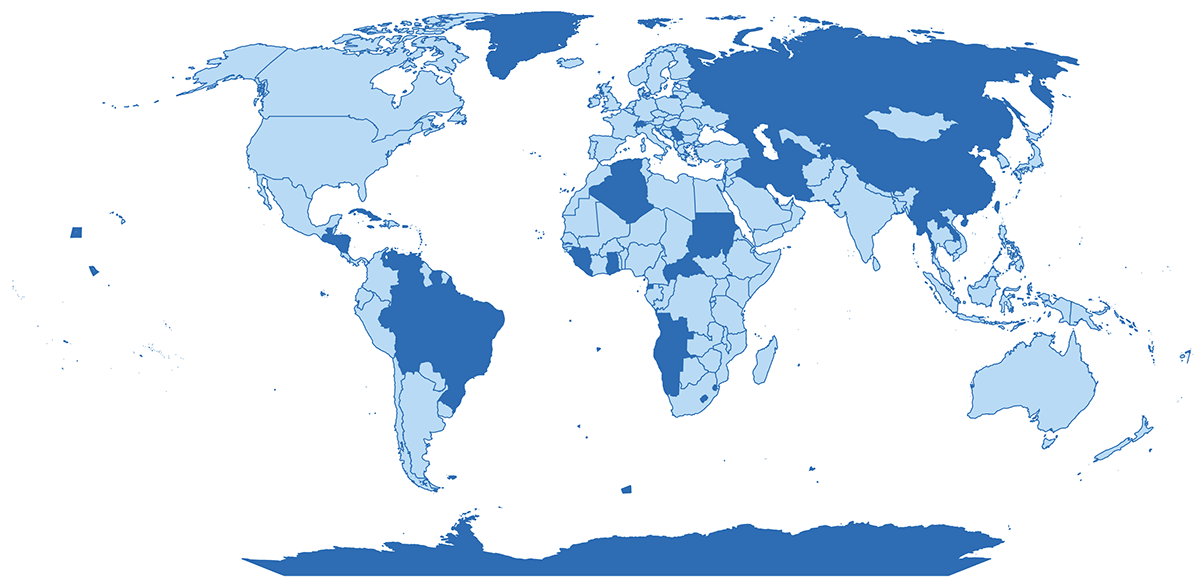
Geographical view of countries in which at least one plastic product is banned or restricted at the national or regional level.
A unified global strategy for PUA plastic products will be crucial for reducing plastic pollution, protecting ecosystems and promoting sustainability. The full report presents a foundation for informed decision-making in the ongoing negotiations for a legally binding international plastics treaty.
The report can be accessed here.