Policy Measures and Case Examples from the Nordic Region
Policy Measures and Case Examples
On the following pages, we present a range of policy measures and case examples that focus on optimising the use of the existing buildings. These measures are either already in use or awaiting planned implementation. The policy measures are categorised into five action areas and further classified according to their type:
 | |
 | |
 |
Alongside the three policy categories, the catalogue also includes cases that are: | |
 | |
1. Mapping the Existing Building Stock

1.1 Denmark – Mapping the extent and reasons for demolition of buildings
As part of the Danish Strategy for Sustainable Construction, the Danish Authority for Social Services and Housing has commissioned a report examining the extent and reasons for building demolition in Denmark.
The report prepared by the Danish research institute, the BUILD Department of the Built Environment, has gathered significant data, showing, among other things, that in the period 2012-2023, an average of approximately 2.2 million m² of building area was demolished per year.
The report prepared by the Danish research institute, the BUILD Department of the Built Environment, has gathered significant data, showing, among other things, that in the period 2012-2023, an average of approximately 2.2 million m² of building area was demolished per year.
The report shows that in Denmark, agricultural buildings account for the largest share of demolished area at 46%, while single-family houses account for 13%, especially in the Capital Region. Around 20% of what is demolished is replaced with new construction for the same purpose.
At the same time, the analysis shows that around 60% of the buildings demolished were built after 1960.
At the same time, the analysis shows that around 60% of the buildings demolished were built after 1960.

Information/Organisational Policy (creating an improved data foundation)
Extent and causes of demolition of existing buildings (sbst.dk)
1.2 Finland – Mapping Empty Office Space
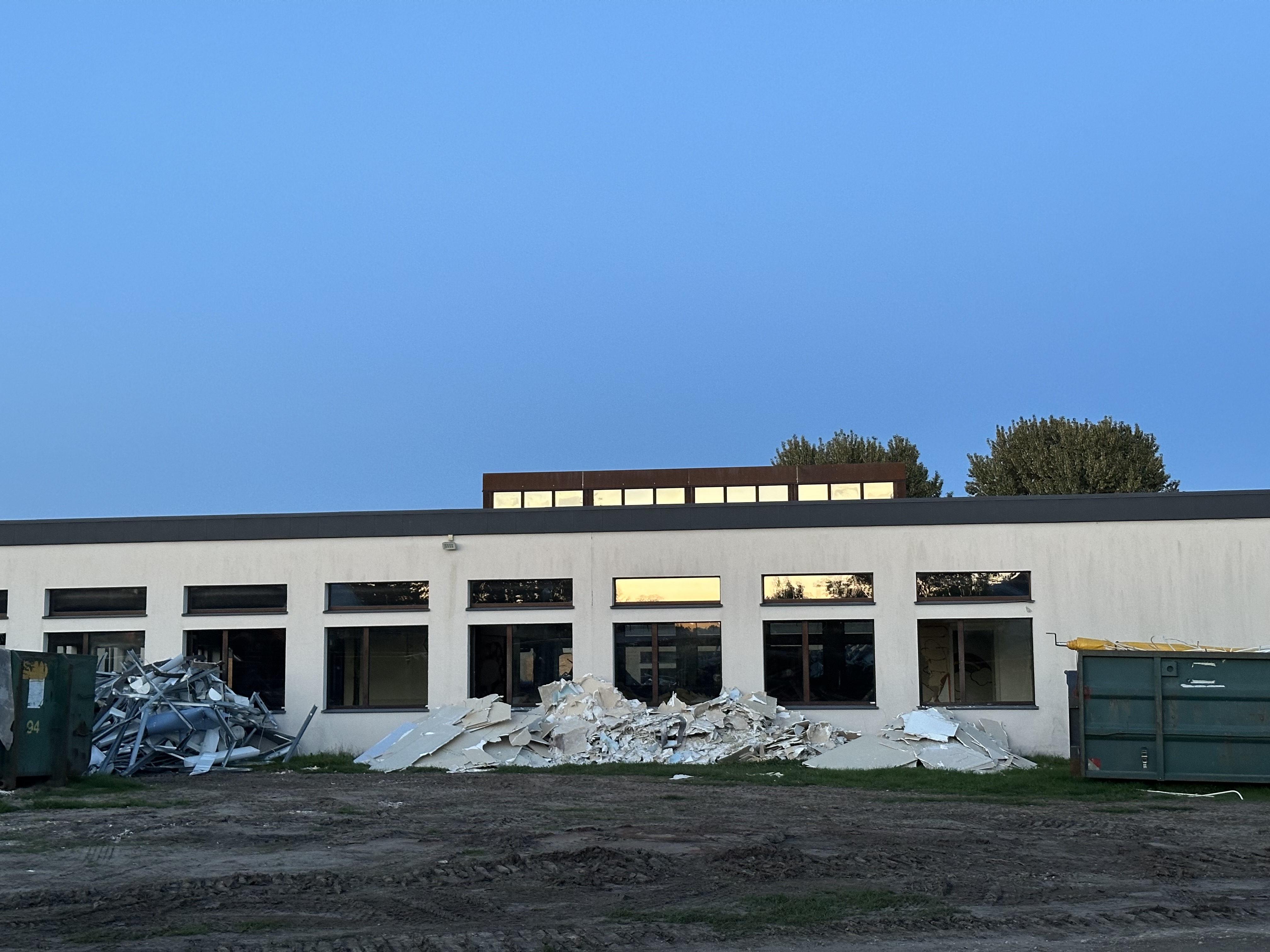
The Helsinki Research Forum has produced research documenting the extent of empty office space in the Helsinki metropolitan area, identifying where under-utilised commercial buildings exist.
The mapping provides valuable data on office vacancy rates in areas where the Forum collects information, offering insights into the scale and location of unused offices that could be repurposed for housing or other community uses.
This evidence base supports more informed decisions on adaptive reuse and helps local authorities prioritise interventions to optimise existing building stock, reducing pressure for new construction.

Helsinki Research Forum: The growth of office vacancy in the Capital Region continues – over 661,000 square meters of vacant office space (rakli.fi)
1.3 Finland – Study on the Climate Impacts of Vacant and Demolished Building Stock
Finland is conducting a study on the greenhouse gas (GHG) emissions impacts of unoccupied buildings, focusing on residential, healthcare, school and office buildings.
The study estimates the annual demolition rates and the number of vacant or abandoned buildings. It examines various scenarios, including business-as-usual, large-scale material reuse, and repurposing buildings for new uses.
The study is expected to raise awareness of the challenges posed by vacant buildings, especially in depopulated areas. One key challenge is the lack of data on the level of use of these buildings, which hinders a comprehensive understanding of the issue.
The initiative aims to provide clearer insights into how vacant buildings can be reused sustainably to reduce emissions and waste.

Empty, underutilized and demolition-threatened buildings hold significant potential to reduce climate emissions (In Finnish and Swedish)
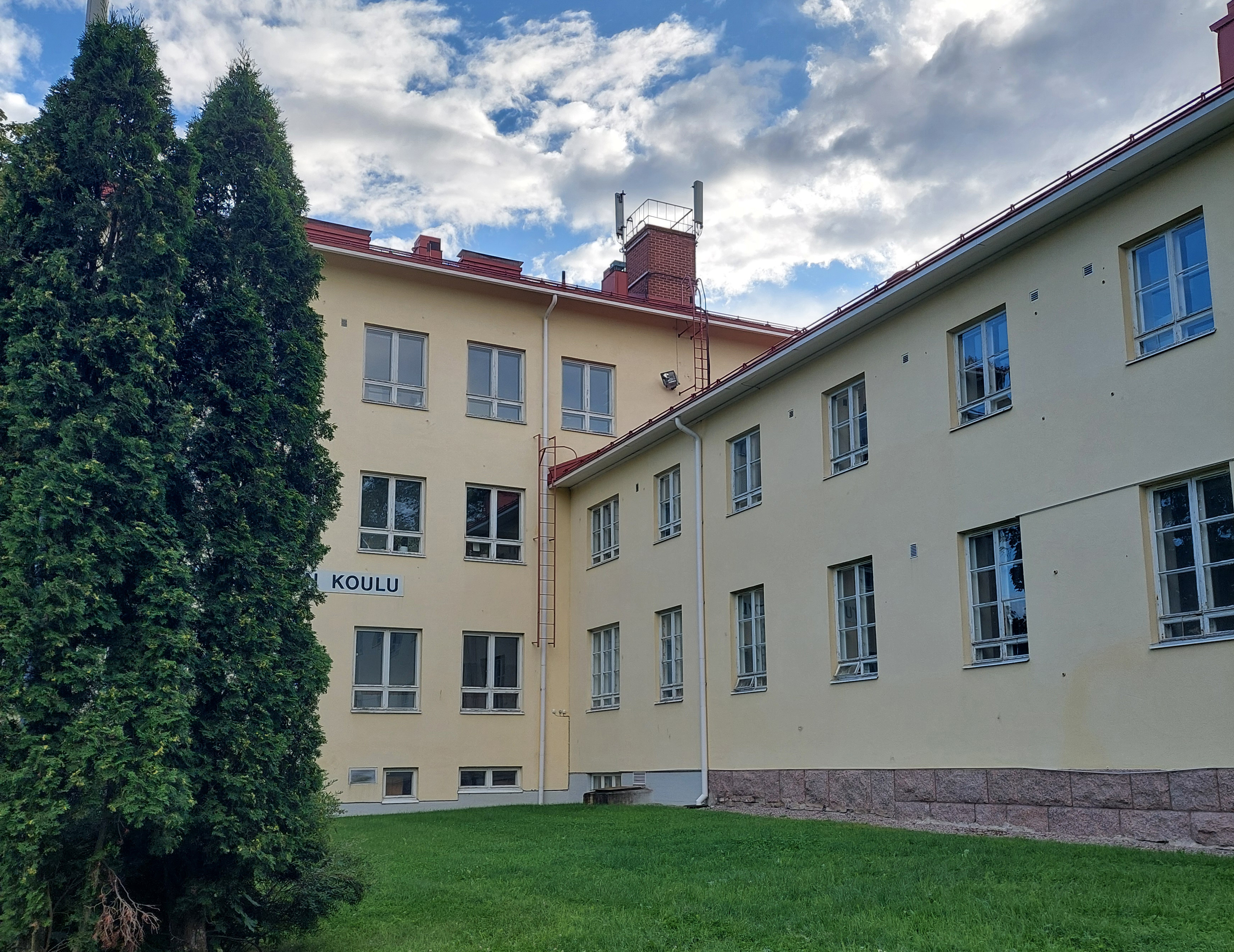
1.4 Norway – Mapping of Vacant Buildings
Norway has developed an interactive digital platform, currently in progress, to map vacant and under-used buildings nationwide, supported by the Norwegian Housing Bank, a state-owned public agency under the Ministry of Local Government and Regional Development.
The initiative invites municipalities, building owners and the public to contribute with information about vacant or under-utilised buildings that could be considered for reuse and renovation.
The platform aims to make such buildings more visible. By highlighting existing buildings that deserve renewed life, the initiative supports efforts to unlock environmental and social value through reuse and adaptive use, reducing reliance on new construction where appropriate.

Information/Organisational Policy
Tomme bygg (tommebygg.no)
2. Prioritising Maintenance and Efficient Use

Cases
2.1 Denmark – Tool for Subdividing Single-Family Houses
EFFEKT Arkitekter and Vigør, in collaboration with Lejre Municipality, have developed a practical process tool to support the local spread of subdivided single-family houses.
The tool titled “Sharing houses in the municipality” identifies barriers and opportunities and proposes ten concrete actions municipalities can use to facilitate housing sharing and subdivision.
The tool is based on research, workshops, and testing in the village of Ejby and provides municipalities with a structured approach to analysing local potential, engaging citizens, and adjusting planning frameworks where necessary. It demonstrates how subdivision of existing houses can support climate goals, housing diversity, and revitalisation of local communities.
By focusing on process, dialogue, and incremental regulatory adjustments, the initiative offers a replicable model for municipalities seeking to make more efficient use of existing housing stock.

Sharing Houses in the Municipality (pdf)
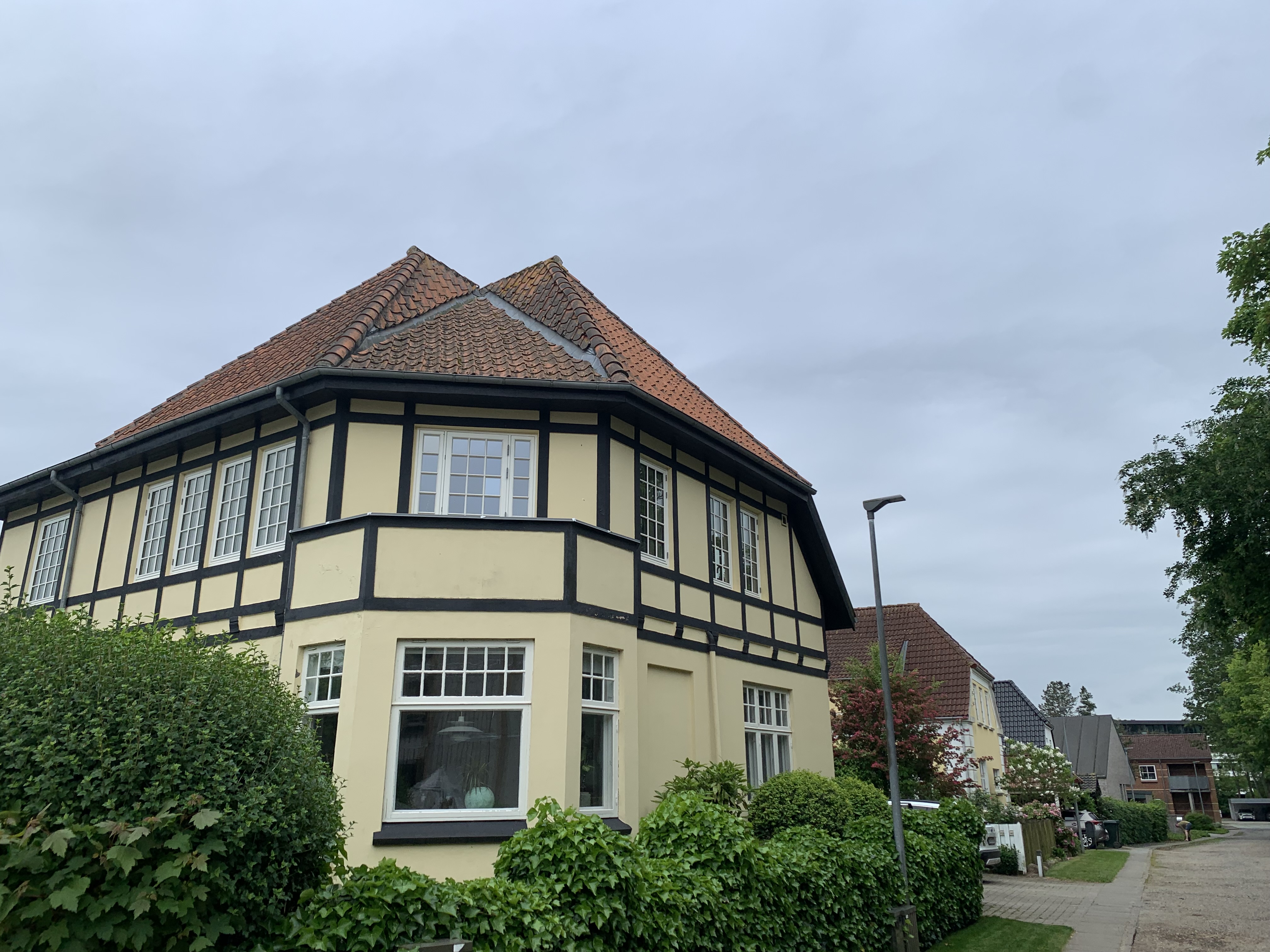
2.2 Finland – Development of Utilisation-Rate Metrics
Finland is developing metrics to track and improve the efficient use of space in buildings, focusing on usage patterns during working hours, evenings, and weekends.
The initiative, linked to the Finnish Circular Economy Green Deal, proposes a Utilisation Rate Declaration that includes key indicators, such as total utilisation rate usage across different times of day and usage at weekends.
The metrics will help building owners and authorities identify under-utilised areas and buildings, optimise space use and reduce operating costs.
The proposal has been tested by three large building owners. Its implementation is expected to become more widespread as the methodology evolves.
This initiative is funded by the Ministry of the Environment of Finland. A final report has been published in February 2026.

Information/Organisational Policy
A policy brief article will be published in Finnish and in English in March 2026, titled "The Building Occupancy Rate Indicator: Proposal for a Key Figure Measuring the Efficiency of Building Use.”
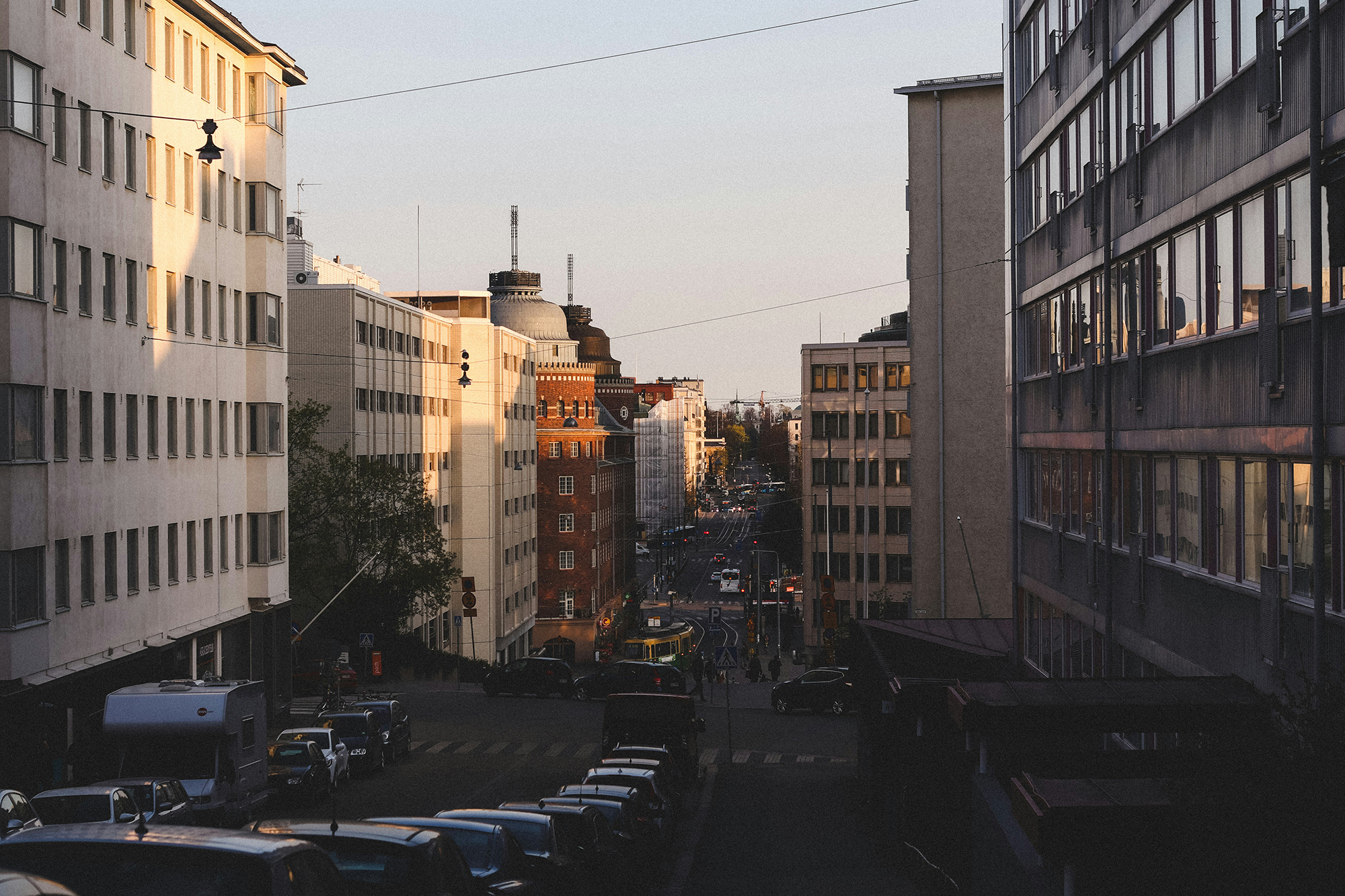
2.3 Greenland – Renovation Programmes for Public and Self‑Built Homes
Greenland is implementing long-term initiatives to improve its existing housing stock by prioritising renovation over demolition.
The “Together for Healthy Homes” programme (2025–2044) aims to reduce accumulated maintenance backlogs in public housing, improve energy performance, reduce CO₂ emissions, and ensure healthier, modern homes.
Alongside this, a complementary effort focuses on modernising self-built homes from the 1970s to the 1990s to improve living conditions, reduce energy costs, and allow residents to remain in their communities.
Both initiatives are currently underway and form part of Greenland’s broader efforts to promote social, economic, and environmental sustainability through renovation of existing buildings rather than new construction.

Information/Organisational Policy
The renovation initiative “Together for Healthy Homes” can be found on the Government of Greenland’s official website (in Danish): ‘Together for healthy homes’ – Renovation efforts of the Government's housing stock (Naalakkersuisut.gl)
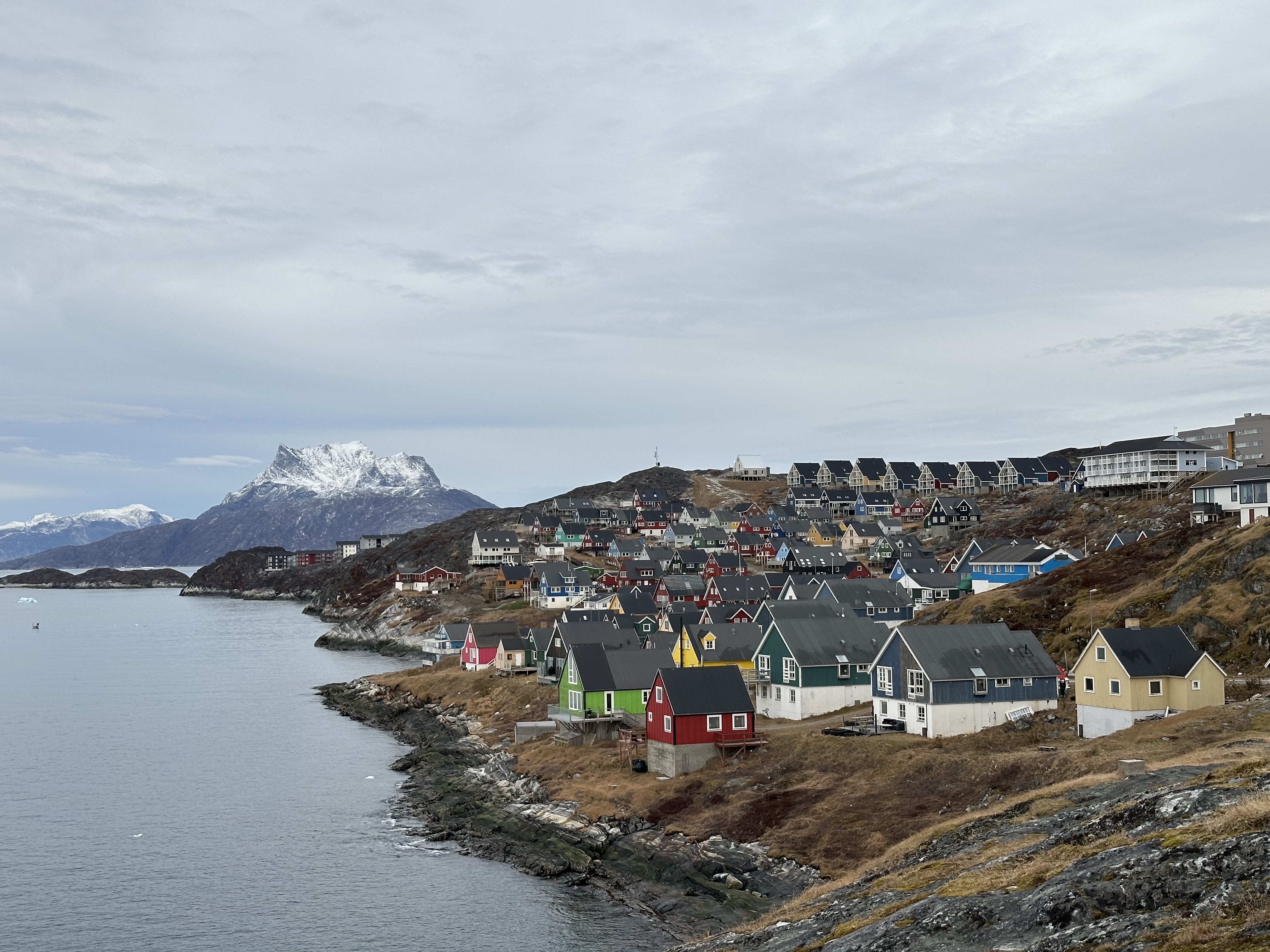
2.4 Norway – Energy Efficiency and Climate Funding Programs
Enova SF, a state-owned enterprise under the Norwegian Ministry of Climate and Environment, promotes energy efficiency and greenhouse gas reductions in existing buildings.
Through various funding programs, Enova supports feasibility studies for reuse, flexibility, and the application of new climate technologies in the construction sector.
The initiative provides financial support for planning, design, and transformation of buildings with a focus on sustainability.
Enova’s funding is aimed at improving the energy performance of buildings, with a strong emphasis on making existing structures more adaptable.
By supporting projects that promote energy efficiency and climate measures, Enova is helping municipalities and developers create more sustainable buildings while reducing carbon emissions.

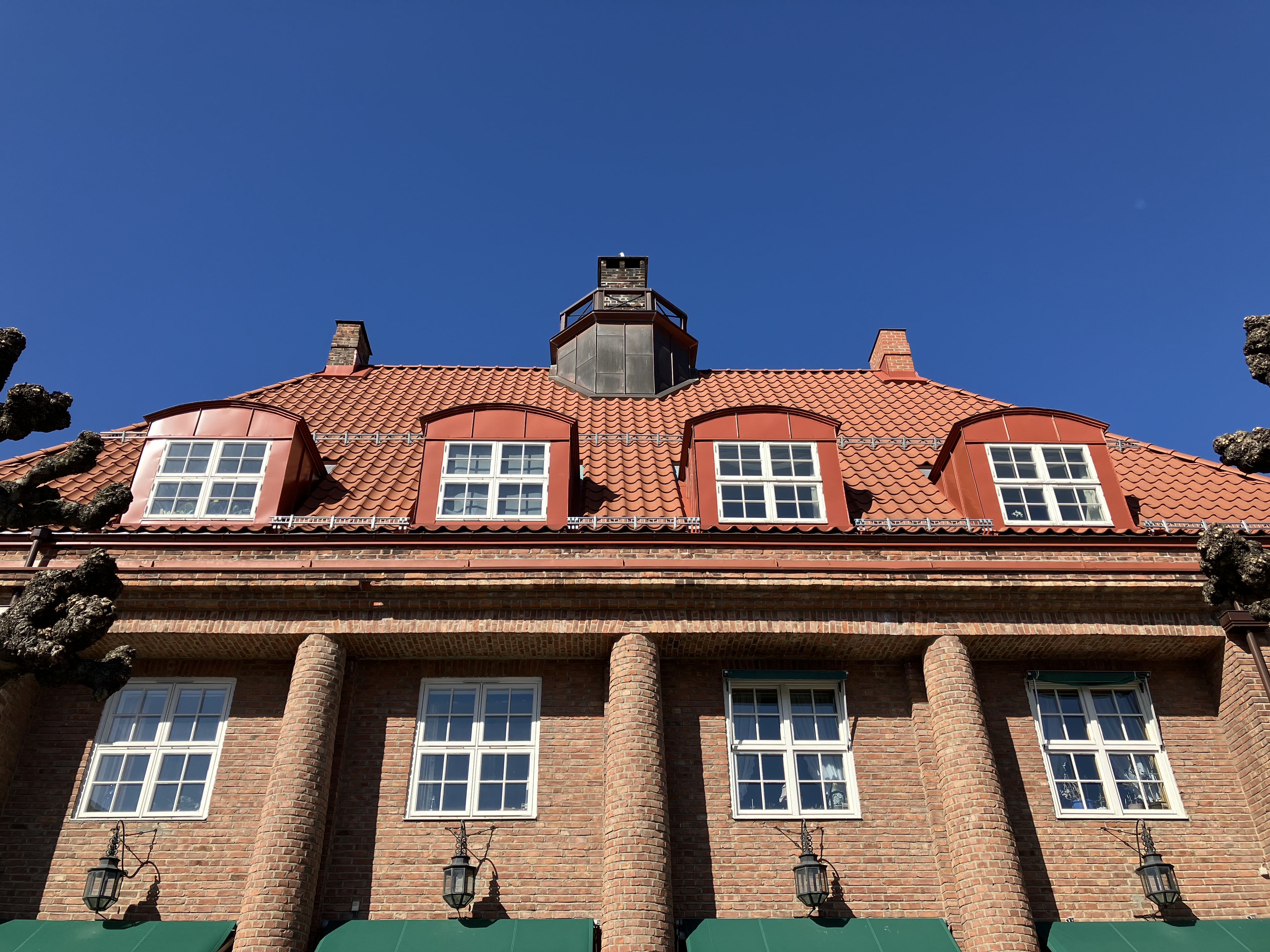
2.5 Sweden – Tenant-to-Tenant Facilities Sharing Platform
Vakansa is a Swedish digital platform that enables tenants to share and rent out unused space directly to other tenants. The platform offers more than 15 types of facilities and covers over 200,000 square meters across Sweden.
By making underused premises visible and accessible, Vakansa enhances the utilisation rate of existing buildings without necessitating new construction.
The platform enables organisations to share meeting rooms, offices, event spaces, and other facilities, optimising space usage across property portfolios.
The initiative demonstrates how digital tools can support more efficient use of existing buildings, reduce vacancy, and strengthen collaboration between users — contributing to resource efficiency and lowering environmental impact.

vakansa.se
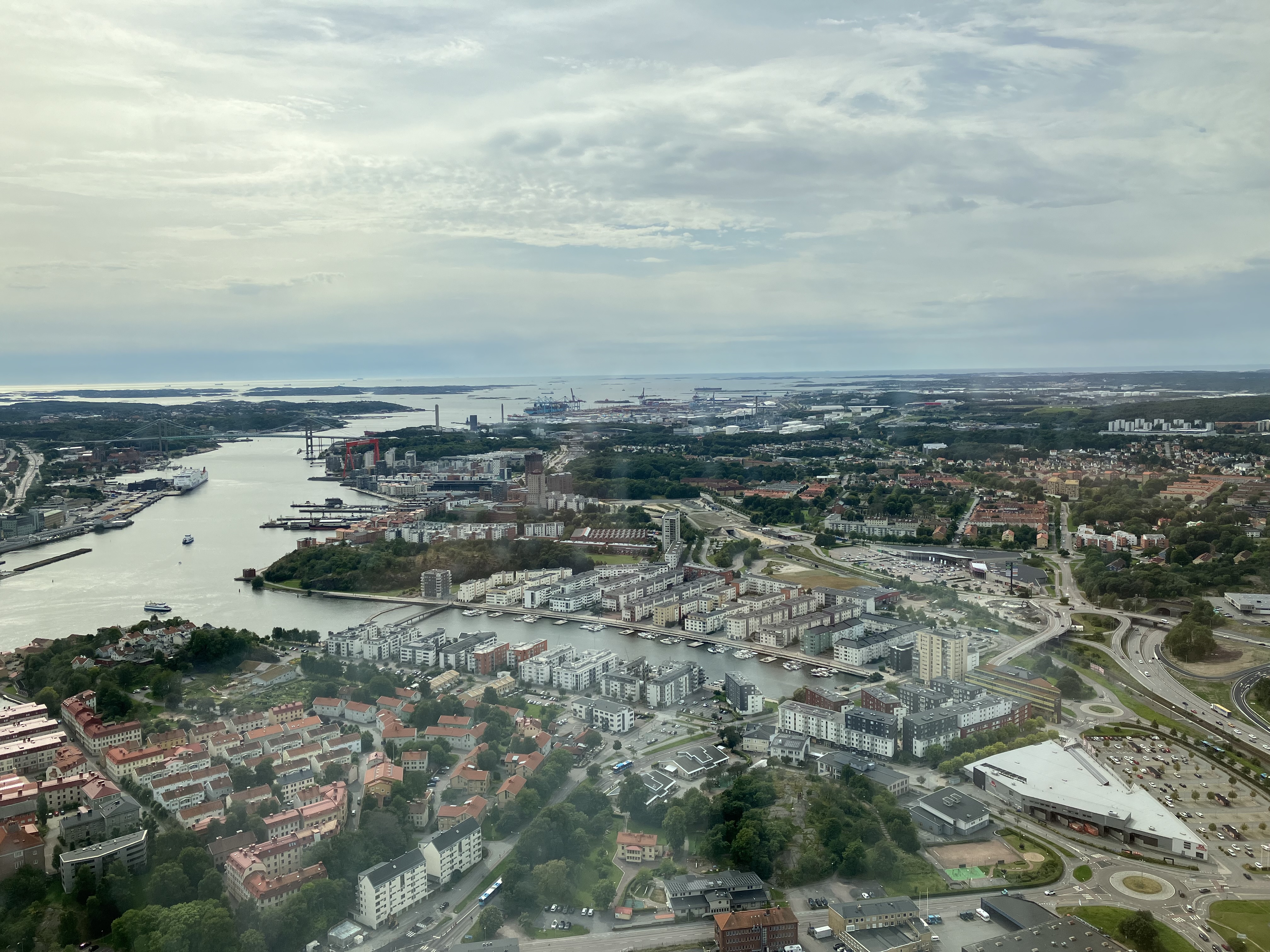
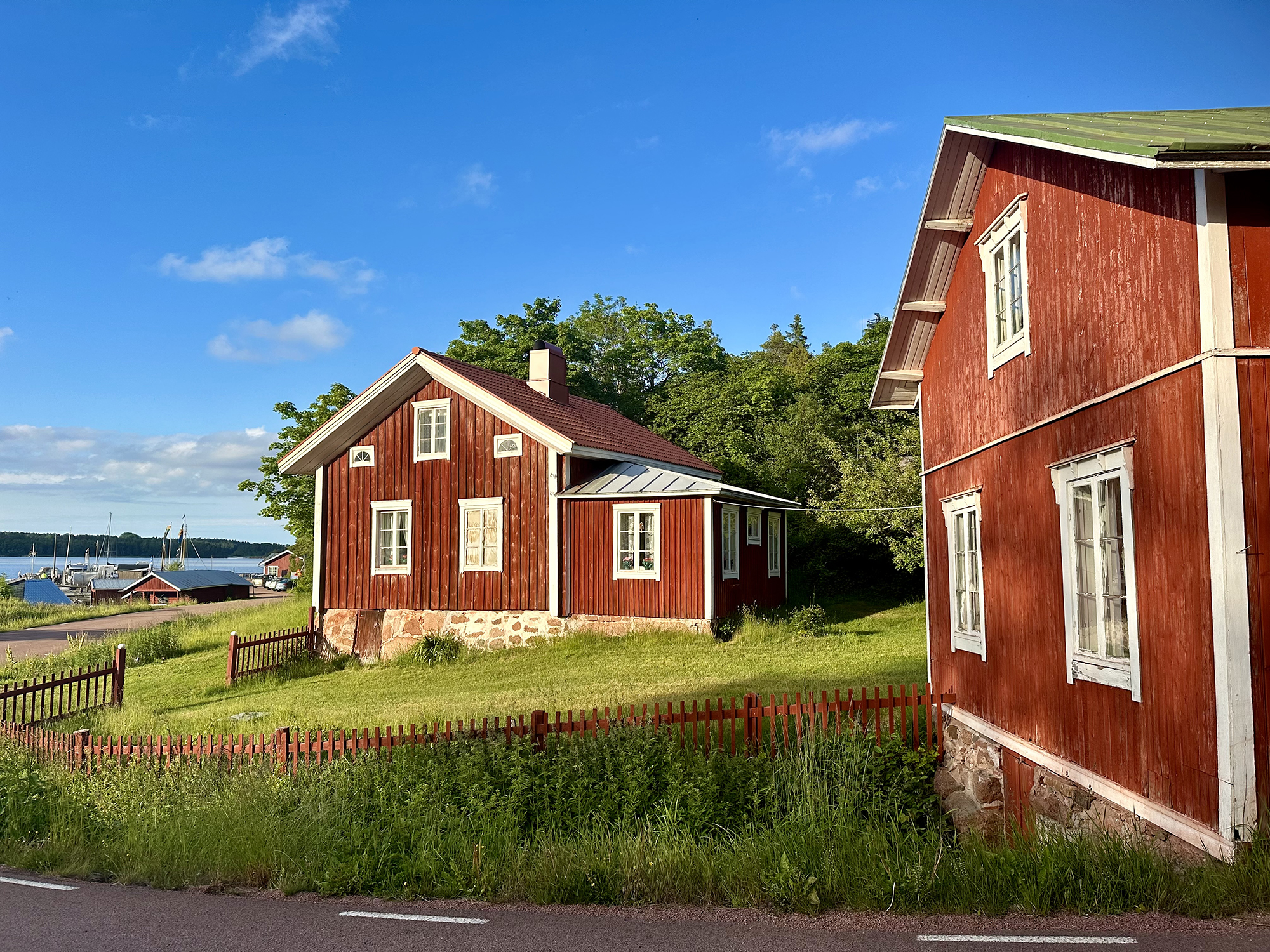
2.6 Åland – Extending Building Lifespan Through Guidance
The government of Åland is focusing on sustainable maintenance to extend the lifespan of its existing building stock, with nearly 70% of buildings over 30 years old.
As part of Åland’s sustainable construction strategy, the initiative provides guidelines for homeowners and construction professionals to improve energy efficiency, water usage, and indoor comfort.
The goal is to reduce maintenance costs, minimise the need for extensive renovations, and preserve the cultural heritage of existing buildings.
Currently under development, the initiative also includes preparing informational materials and resources for private homeowners.
By promoting sustainable practices, the policy encourages building owners to adopt long-term maintenance strategies that enhance building sustainability, reduce the need for resource-intensive renovations, and extend the useful life of buildings.

Information/Organisational Policy
The guide is part of Åland Strategy for Sustainable Buildings and will be available here, when it is ready: Hållbart byggande (regeringen.ax)
2.7 International – Rightsizing: Experiences with Housing Sharing, Subdivision and Relocation
Aalborg University in Denmark has conducted research on international experiences with housing sharing, subdivision, and relocation of single-family houses.
The project examines how existing detached housing can be adapted to changing demographic needs through subdivision into multiple units, co-housing arrangements, or physical relocation of buildings.
The research highlights policy frameworks, financial models, and planning approaches that enable better utilisation of underused housing stock.
By analysing international best practices, the project provides knowledge that can support municipalities in facilitating rightsizing strategies, allowing residents to remain in their communities while adapting their housing to life-stage changes.
The findings contribute to understanding how subdivision and shared housing models can activate existing square meters, extend building lifespans, and reduce the need for new construction.

Rightsizing of the single-family-home - Aalborg University's research Portal
3. Driving Renovation Instead of Demolition

Cases
3.1 Denmark – Promoting Renovation rather than Demolition
Based on a political agreement from May 2024 [“Tillægsaftale til national strategi om bæredygtigt byggeri”], two initiatives that aim at encouraging renovation over demolition are currently being analysed by the Danish Authority for Social Services and Housing.
Analysis of the possibilities for implementing a scheme that allows municipalities to refuse a permit for the demolition of a building when objective considerations justify its preservation.
Further, it is being investigated whether a scheme can be established under which the building owner is charged a fee for the demolition of these buildings, reflecting the environmental and climate impacts the demolition will cause.
According to the political agreement, a proposal should be submitted to the political level by mid-2026.

Regulatory Policy
Link to political agreement (sm.dk)
3.2 Denmark – Promoting the Transformation of Existing Buildings
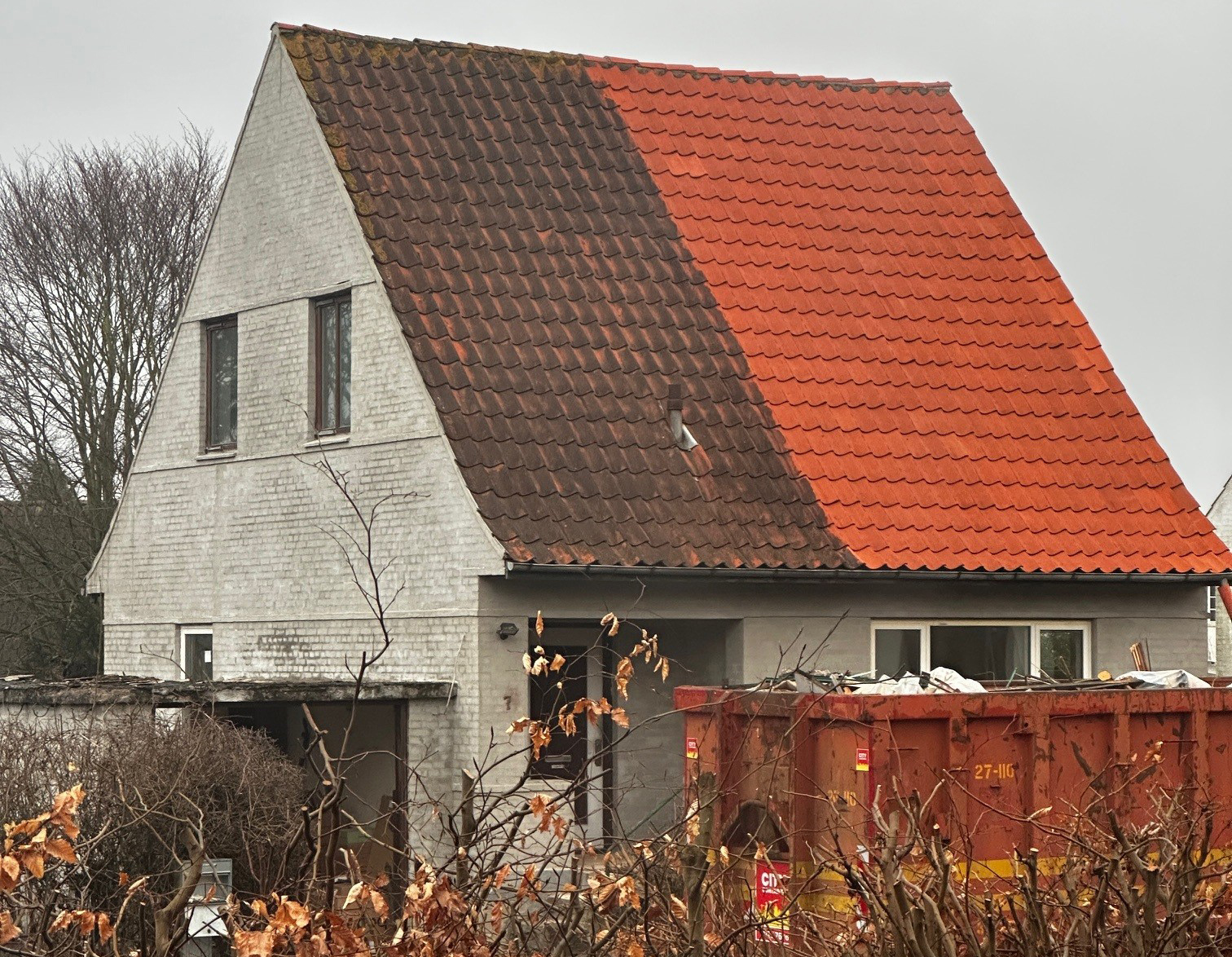
Based on a Danish political agreement from May 2024, it was decided to revise the Danish building regulations.
As part of this revision, it is currently being investigated how to make it easier to utilise existing buildings through conversion, renovation and change of use.
The new rules should be able to replace the rules that apply to new buildings.
To promote renovation rather than demolition, the parties to the agreement agreed to relax energy requirements for transformations of existing buildings, in line with the requirements for major renovations. This change was implemented in mid-2025.
By mid-2026, the parties to the agreement will receive an overview of proposals to promote the renovation of existing buildings with a view to discussing possibilities for promoting renovation.

Regulatory Policy
Foundational Knowledge for the Future Danish Building Regulations (Danish Authority of Social Service and Housing) (sbst.dk)
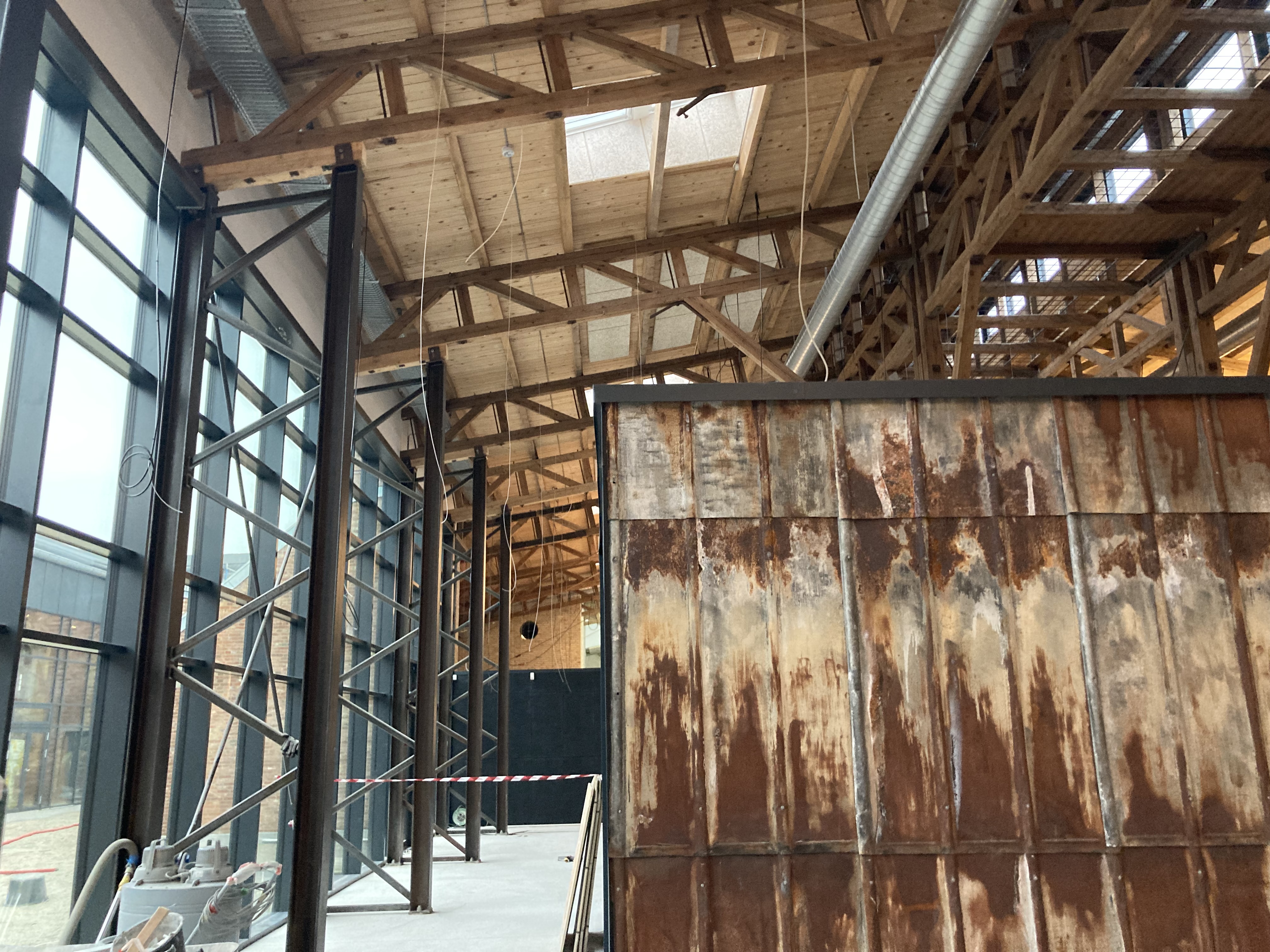
3.3 Denmark – City of Copenhagen – Rooftop Housing Initiative for Sustainable City Expansion
As part of a larger initiative to Preserve More buildings, the City of Copenhagen, in collaboration with Viegand Maagøe and NielsensArk, received funds from the Bevar Mere foundation to commission an analysis of the sustainable development of rooftop housing, encouraging the conversion of unused attic spaces and flat roofs in existing buildings into housing units.
This initiative aims to map the potential of existing buildings and, by repurposing them, address housing demand and environmental goals.
Currently, the first step of the project has mapped the potential; the next step is to help property owners and developers navigate planning requirements, such as architectural standards and parking considerations, for rooftop conversions.
While the initiative shows significant potential for adding housing, each project still requires individual permits and approvals.
The guidelines are part of the City of Copenhagen's broader strategic approach to sustainable urban densification, maximising the utilisation of existing infrastructure.

The analysis is not yet complete. Once finalised, it will be available here: Knowledge & Tools (bevarmere.dk)
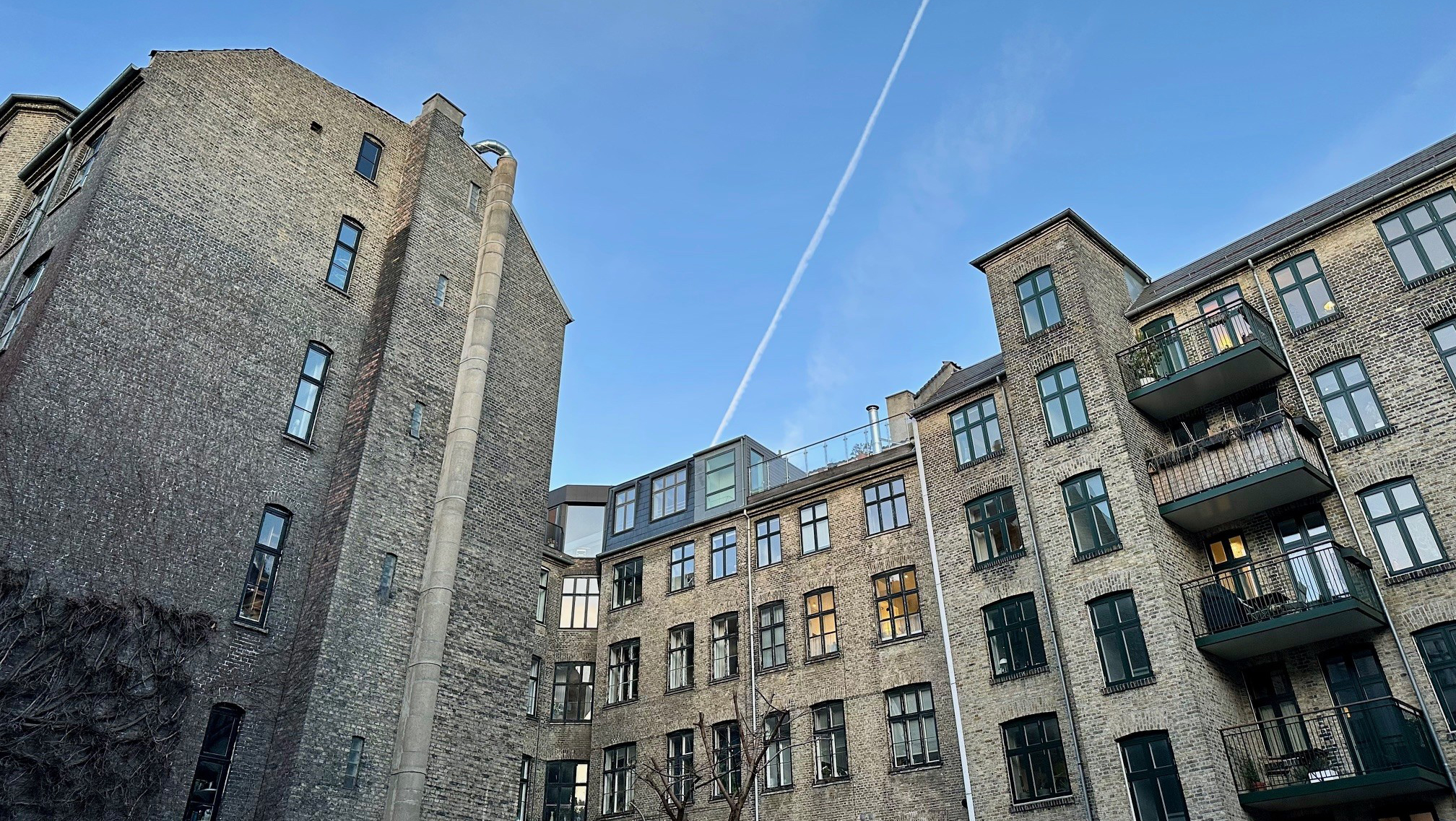
3.4 Finland – Driving Renovation Instead of Demolition
A project titled ‘Sustainable Development of Modern Building Stock’ aims to promote ecological sustainability among municipalities and property owners in their decision-making related to buildings.
It seeks to enhance understanding of how to renovate existing structures into zero-emission buildings that comply with current energy-efficiency standards.
The study indicates that even extensive renovation, conversion, or additional construction of existing buildings consumes fewer natural resources and results in lower carbon dioxide emissions than demolition and new construction.
Evaluating the full impacts of various development options is essential, especially in growing urban areas and regions where the supply of service buildings surpasses the needs of the current and projected population.

Sustainable Development of the Modern Building Stock – Climate Impacts of Renovation Alternatives and Holistic Valuation of Properties (julkaisut.valtioneuvosto.fi)
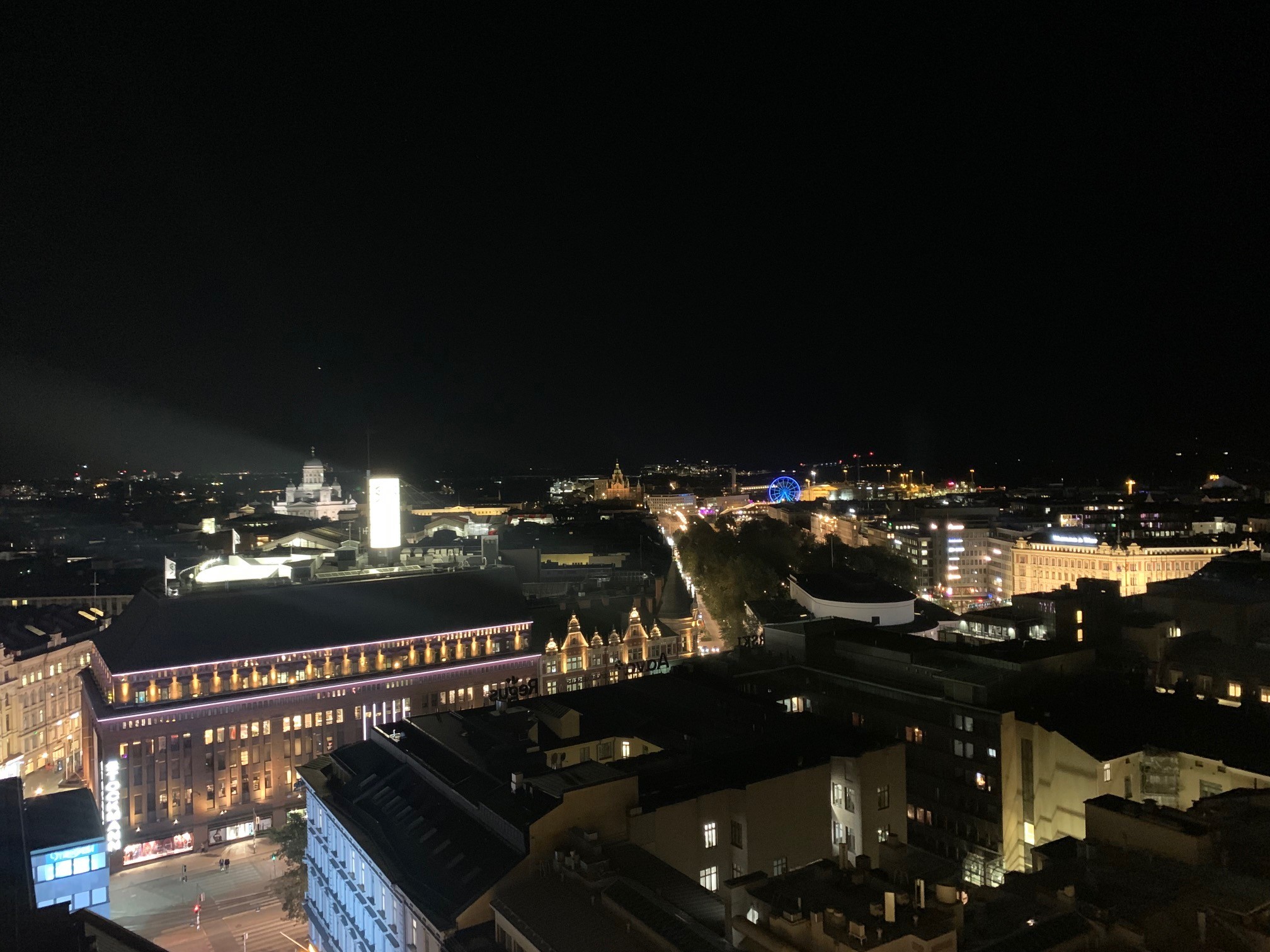
3.5 Iceland - Circular Guidelines for Reuse and Responsible Demolition
Within Iceland’s national initiative Building a Greener Future (Byggjum grænni framtíð) a collaboration between government authorities and stakeholders in the construction sector, actions 4.9 and 4.10 support the transition towards circular construction by addressing both design and end-of-life stages.
Guidelines for waste prevention and reuse in design (Action 4.9)
Iceland has developed guidelines to support circular design in new construction and renovation. The guidelines promote early-stage planning for waste prevention, reuse, recycling and future disassembly.
The guidelines provides practical methods for integrating life-cycle thinking and increasing the reuse potential of building components.
Guidelines for responsible demolition (Action 4.19)
Guidelines have been developed to promote responsible demolition practices, focusing on pre-demolition assessments, selective demolition and preserving material value. The guidelines support improved handling of materials, including hazardous substances, and explore the use of building condition reports and reuse plans prior to demolition permits.

Material and product reuse
Selective demolition
Icelandic Sustainable Construction Roadmap to 2030
Building a Greener Future
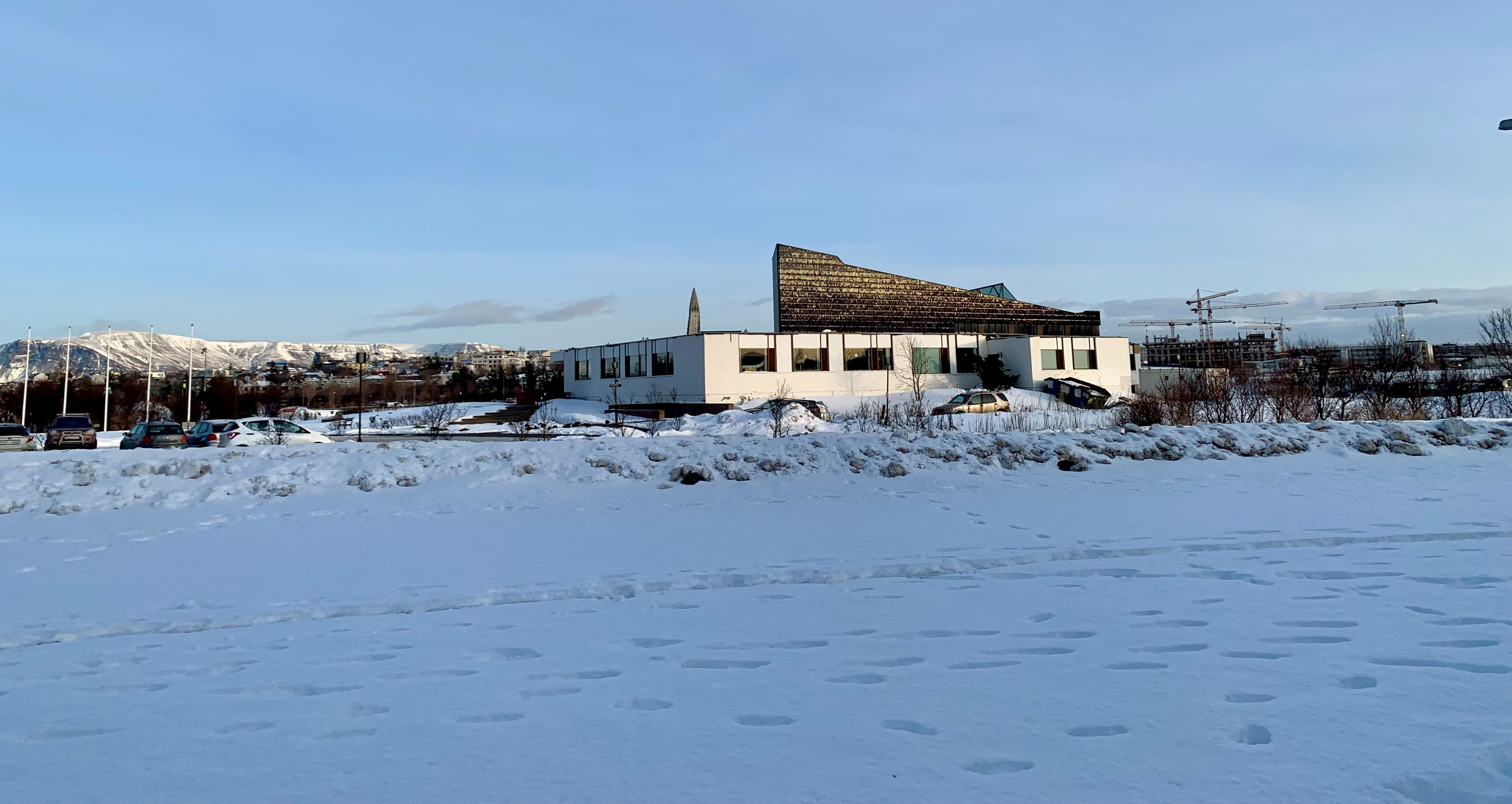
3.6 Norway – Exemption from Technical Requirements (Planning and Building Act)
Norway has introduced an exemption provision in its Planning and Building Act, allowing municipalities to grant partial or full exemptions from technical requirements for existing buildings.
This policy supports renovation projects by enabling easier adaptation of buildings for new uses, encouraging renovation over demolition and promoting the efficient use of existing buildings.
The building industry has faced challenges, including unpredictable exemption approvals and long approval times. Therefore, the Norwegian Building Authority is working to improve and clarify the process and encourage more widespread use of this provision.
Further, the Norwegian Building Authority is collaborating with the Norwegian Housing Bank to revise loan criteria for renovations of existing buildings for housing.

Regulatory Policy
Using the Exemption Provision for Existing Buildings – The Norwegian Building Authority (Direktoratet for byggkvalitet) (dibk.no)
3.7 Sweden – Proposed Amendments to Technical Requirements for Building Alterations
The Swedish National Board of Housing, Building and Planning, Boverket, submitted a legislative proposal in June 2025 to amend the planning and building legislation, focusing on the technical and design requirements for alterations and renovations to buildings.
The aim of the proposal is to significantly reduce technical requirements and associated costs for alterations, making it easier and more cost-effective to adapt existing buildings rather than replace them.
By lowering regulatory barriers for renovations and changes of use, the proposal seeks to support better utilisation of the existing building stock and encourage sustainable reuse.
The proposal is currently on referral (remiss) for stakeholder review and comment before potential adoption.

Regulatory Policy
Proposed Amendments to Technical Requirements for Building Alterations (boverket.se)
4. Enabling Changed Use Efficiently

Cases
4.1 Denmark – Village Renewal
The purpose of the Danish “village renewal” (Village Renewal under the Danish Social and Housing Authority) is to stimulate village development and make villages more attractive places to live and invest in, for both current and prospective residents.
The framework for village regeneration can be applied to towns with fewer than 4,000 inhabitants and to the open countryside.
- Area renewal
- Renovation of dilapidated private rental housing, owner-occupied and cooperative housing, community centres and businesses located in buildings that contain both housing and commercial activities.
- Demolition of dilapidated housing and commercial buildings.
- Conversion of empty commercial premises and empty publicly owned buildings into rental housing.
A state reimbursement of 60% of the municipality's expenses for the above-mentioned village renewal measures is provided to the municipalities that apply. The initiative has been in operation since 2014.
Since then, more than 6,000 redundant homes and vacant commercial buildings have been demolished with financial support from the scheme, and 2,300 homes and local village halls have been renovated. Furthermore, municipalities have used village renewal for 103 area renewal projects.

4.2 Denmark – Guide to Building Preservation and Transformation (City of Copenhagen)
The City of Copenhagen, in collaboration with Over Byen Arkitekter, has created a step-by-step guide — “Bevar og transformér bygninger til boliger” (“Preserve and Transform Buildings into Housing”). The guide aims to assist developers, consultants, and municipalities in converting existing buildings into residential properties.
It describes the process from identifying suitable buildings and assessing feasibility to navigating planning requirements and implementing transformation projects. The guide addresses regulatory conditions, architectural considerations, heritage considerations, and the importance of early stakeholder dialogue. By clarifying procedures and highlighting best practices, it aims to lower barriers for adaptive reuse.
The initiative seeks to unlock the potential of the existing building stock, create new homes within the urban fabric, preserve cultural identity, and reduce climate impact compared to demolition and new construction.

Information/Organisational Policy
Preserve and transform buildings into housing – A step-by-step guide (kk.dk)
4.3 Denmark – Twenty Transformations – From Various Uses to Housing
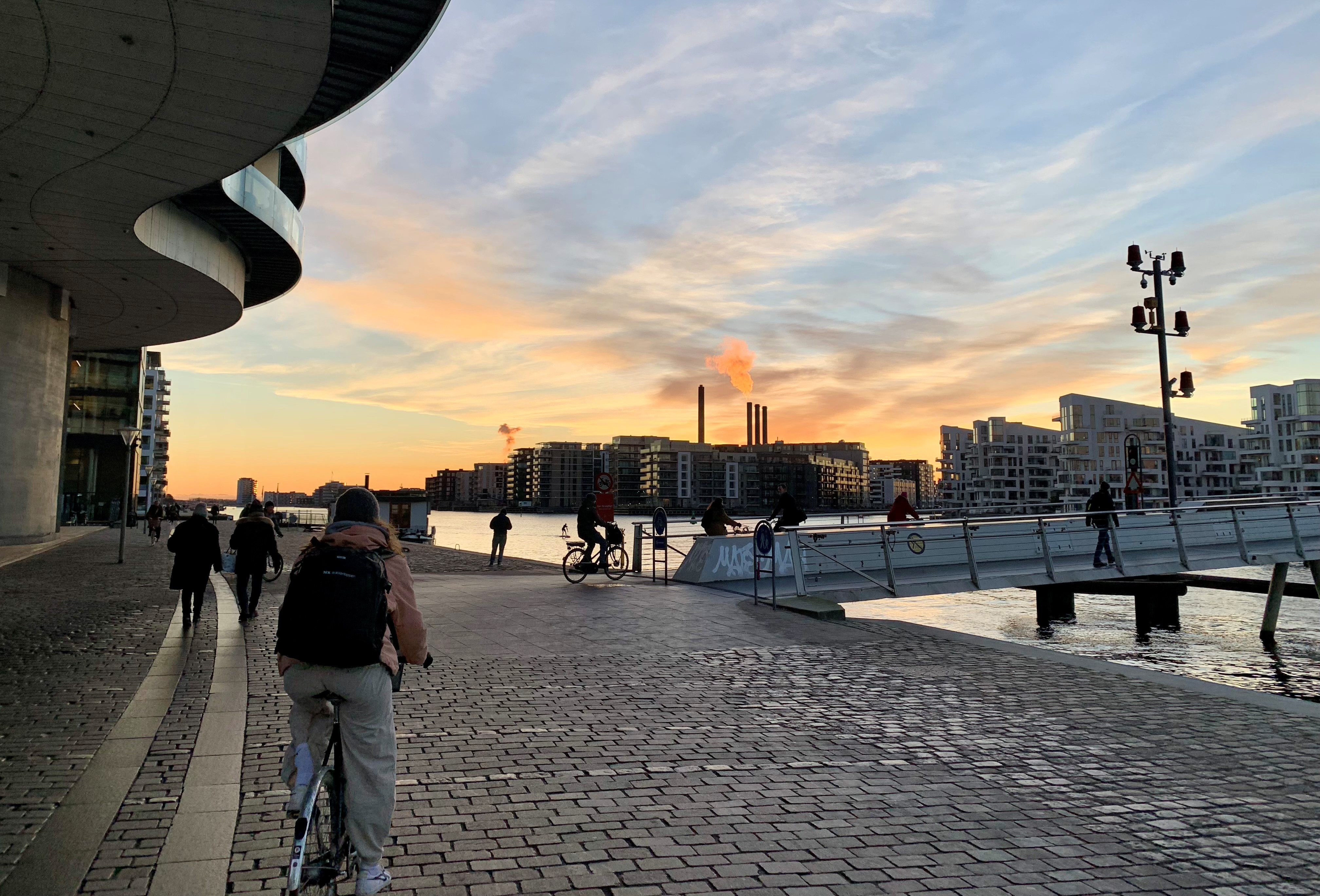
The Danish publication Nye boliger i gamle bygninger presents 20 realised projects in which existing buildings – including factories, offices, agricultural buildings, public institutions and silos – have been transformed into housing.
The cases illustrate how architectural, cultural-historical, social, environmental and economic values can be activated through adaptive reuse rather than demolition.
Several projects combine preservation with vertical extensions, infill or internal restructuring to meet contemporary housing standards.
Together, the examples demonstrate the significant potential of the existing building stock to deliver new homes while reducing resource use, retaining identity and strengthening local context.

New homes in old buildings (realdania.dk)
4.4 Denmark – Construction Case: Area Transformation from Hospital to New Urban Quarter
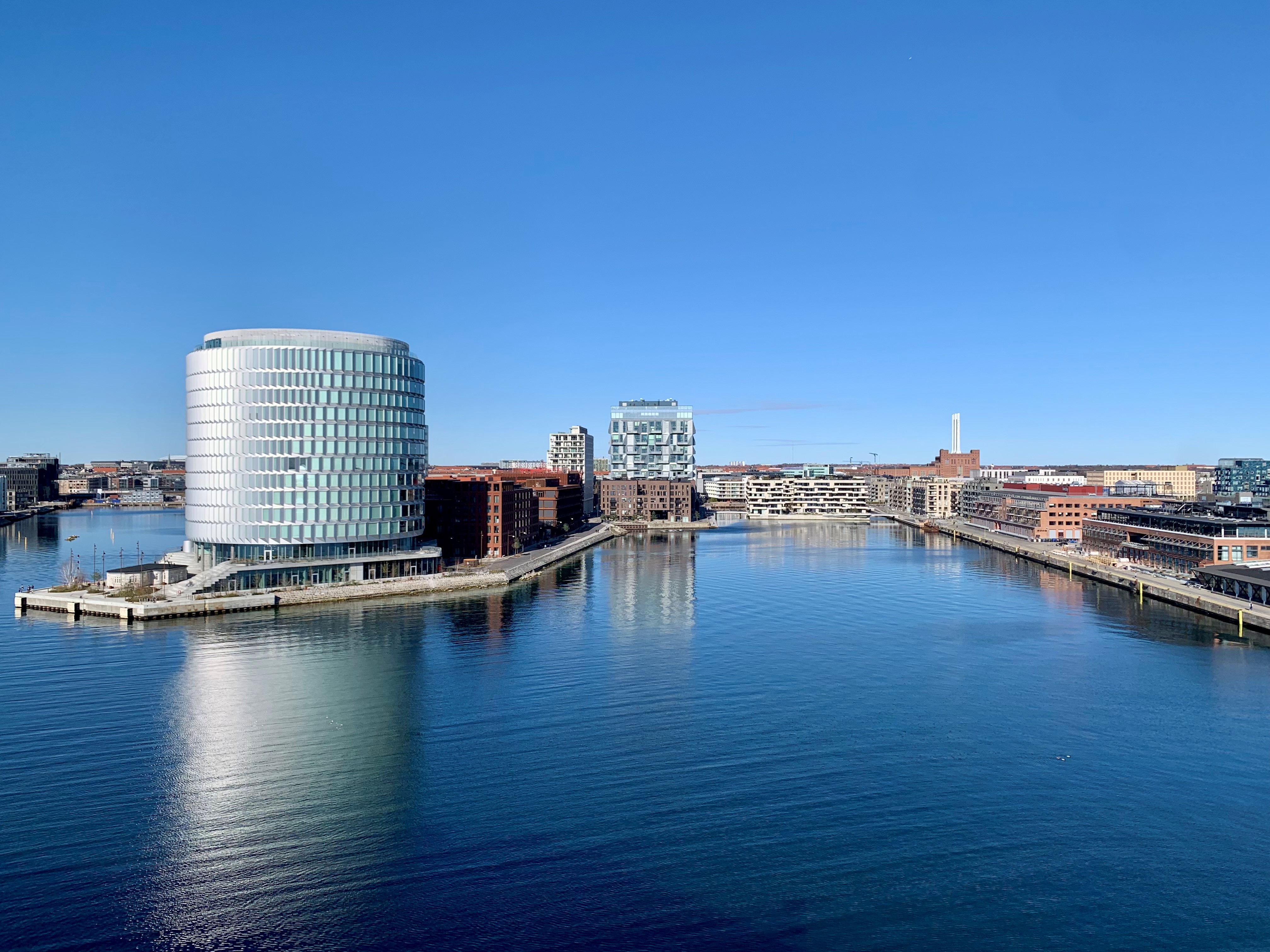
Hospitalshaven is a large-scale area transformation of a former hospital site in Copenhagen into a new mixed-use urban neighbourhood with housing, shared facilities and green spaces.
Parts of the existing building mass are preserved and adapted, while new volumes are added to create diverse housing types and urban qualities.
The project demonstrates how functionally obsolete institutional buildings can be repositioned as active residential environments, contributing to local regeneration and community life.
By reusing substantial structures and integrating new functions, the development combines heritage considerations with contemporary housing needs and climate-conscious planning.

Hospitalshaven – the city's new neighborhood! (frederiksberg.dk)
4.5 Faroe Islands – Practice-Driven and Adaptive Reuse of Buildings
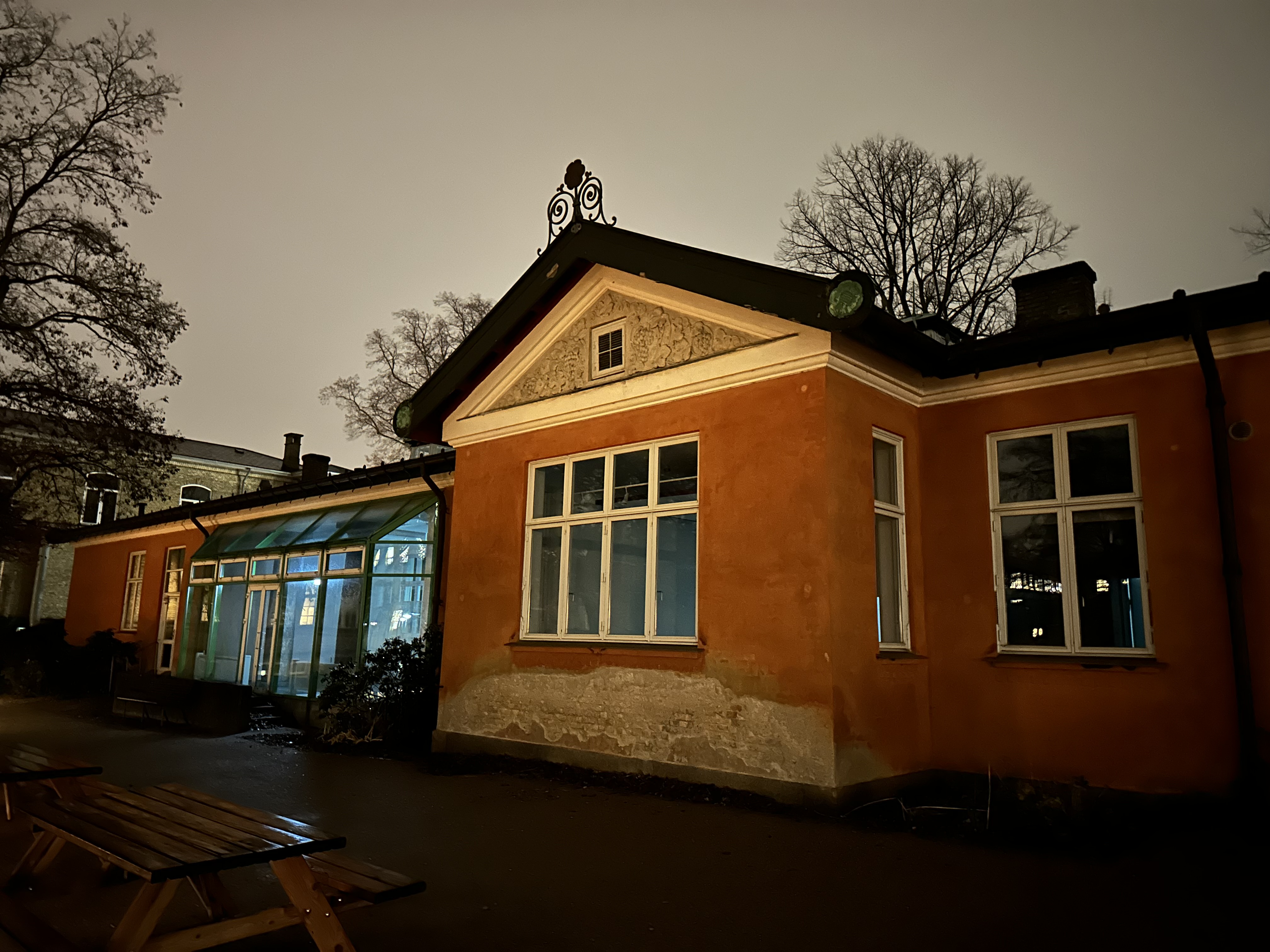
In the Faroe Islands, building reuse is primarily driven by practice-based initiatives, with public and semi-public building owners taking the lead.
While there is currently no formal policy framework for adaptive reuse, initiatives often focus on converting old industrial and public buildings into spaces for cultural and community use.
These initiatives showcase how adaptive reuse can be successfully carried out without a formal policy, though challenges such as limited data on building stock and economic uncertainty remain.
Discussions around better use of existing buildings in the Faroe Islands are gaining momentum within public administration, particularly in the context of climate policy, housing shortages, and land-use efficiency.

Sjóvinnuhúsið (fish fillet factory → office / campus) (sna.fo)
SALT (salt warehouse → cultural centre) (trap-faeroeerne.lex.dk)
Finsen (municipal school → student housing / youth housing) (sna.fo)
4.6 Finland – Converting Office Buildings into Housing
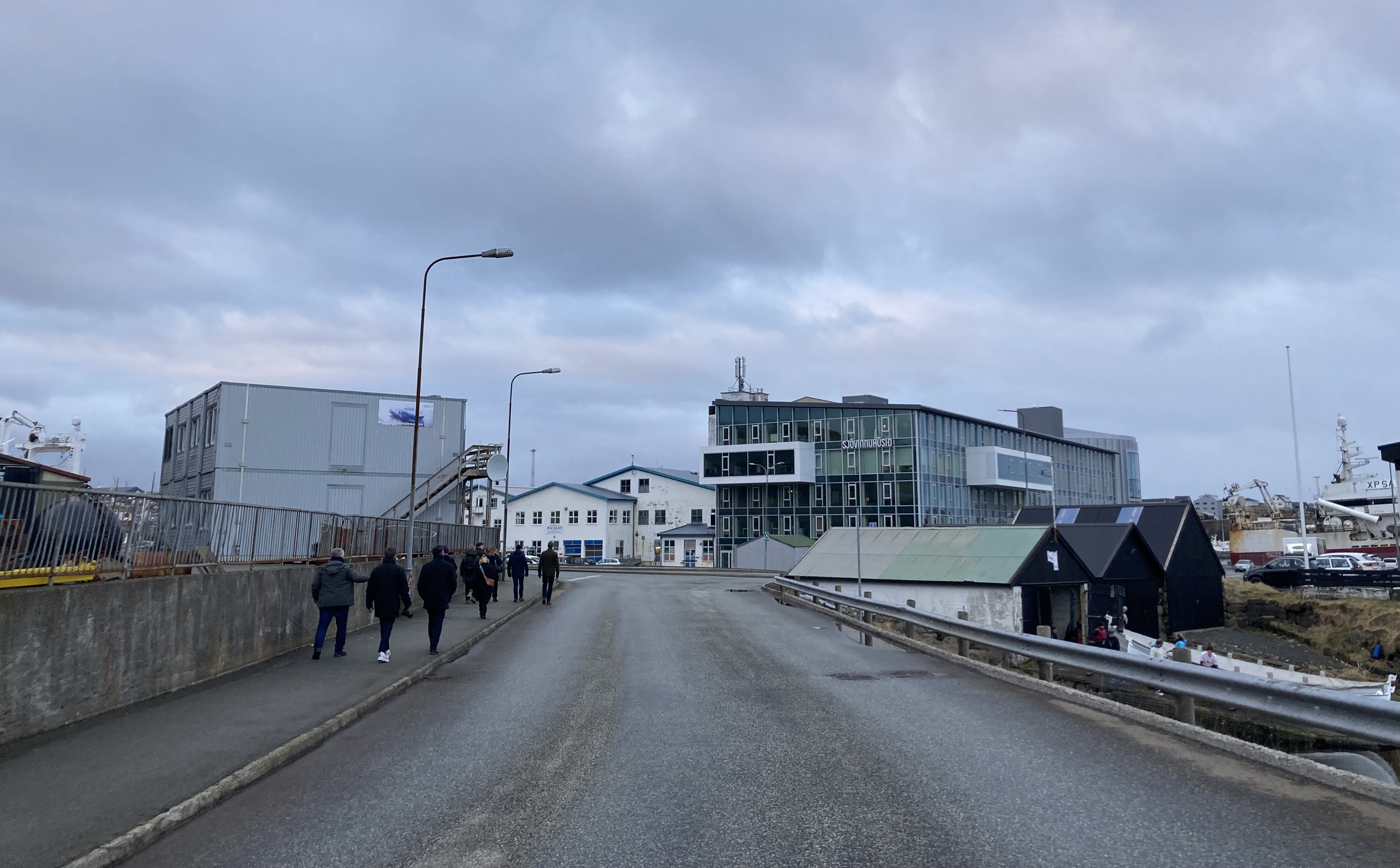
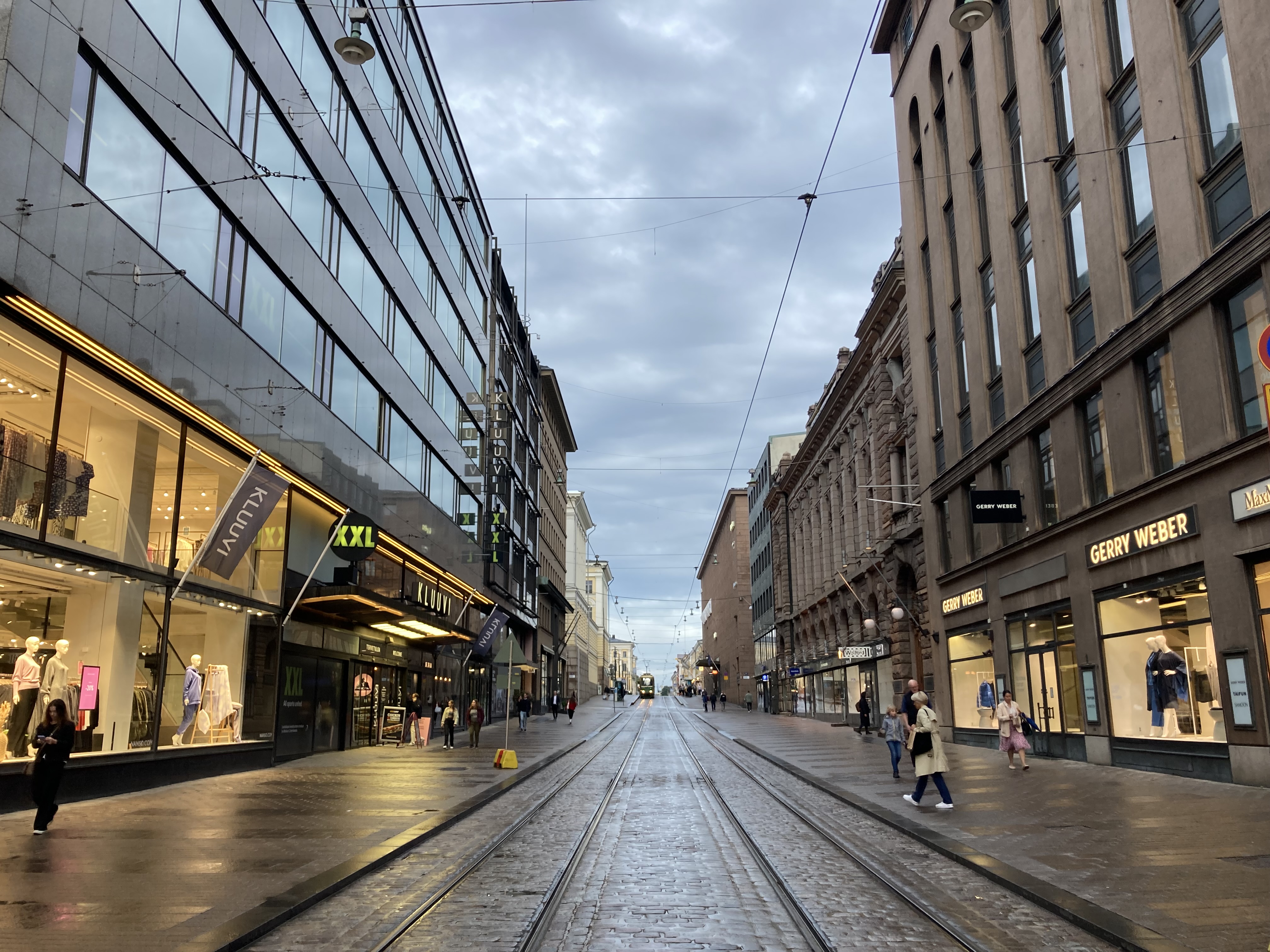
As part of the new Construction Act, Finland is encouraging the conversion of office buildings into housing. A notable example is the renovation of an office complex in Helsinki, which has been transformed into student housing.
The conversion includes significant upgrades, such as new insulation, energy-efficient heating, and the addition of common student spaces.
This renovation project helps meet the growing demand for student housing in Helsinki, a city facing increasing urbanisation. By reusing existing office buildings, Finland reduces the environmental impact associated with new construction and promotes sustainable urban growth.
The successful conversion highlights the potential for adaptive reuse to address housing shortages and provide more affordable housing in urban areas.

Preconditions for a Change of Use of a Building: Case – Office Building (julkaisut.valtioneuvosto.fi)
4.7 Finland – The Construction Act: Facilitating Change of Use
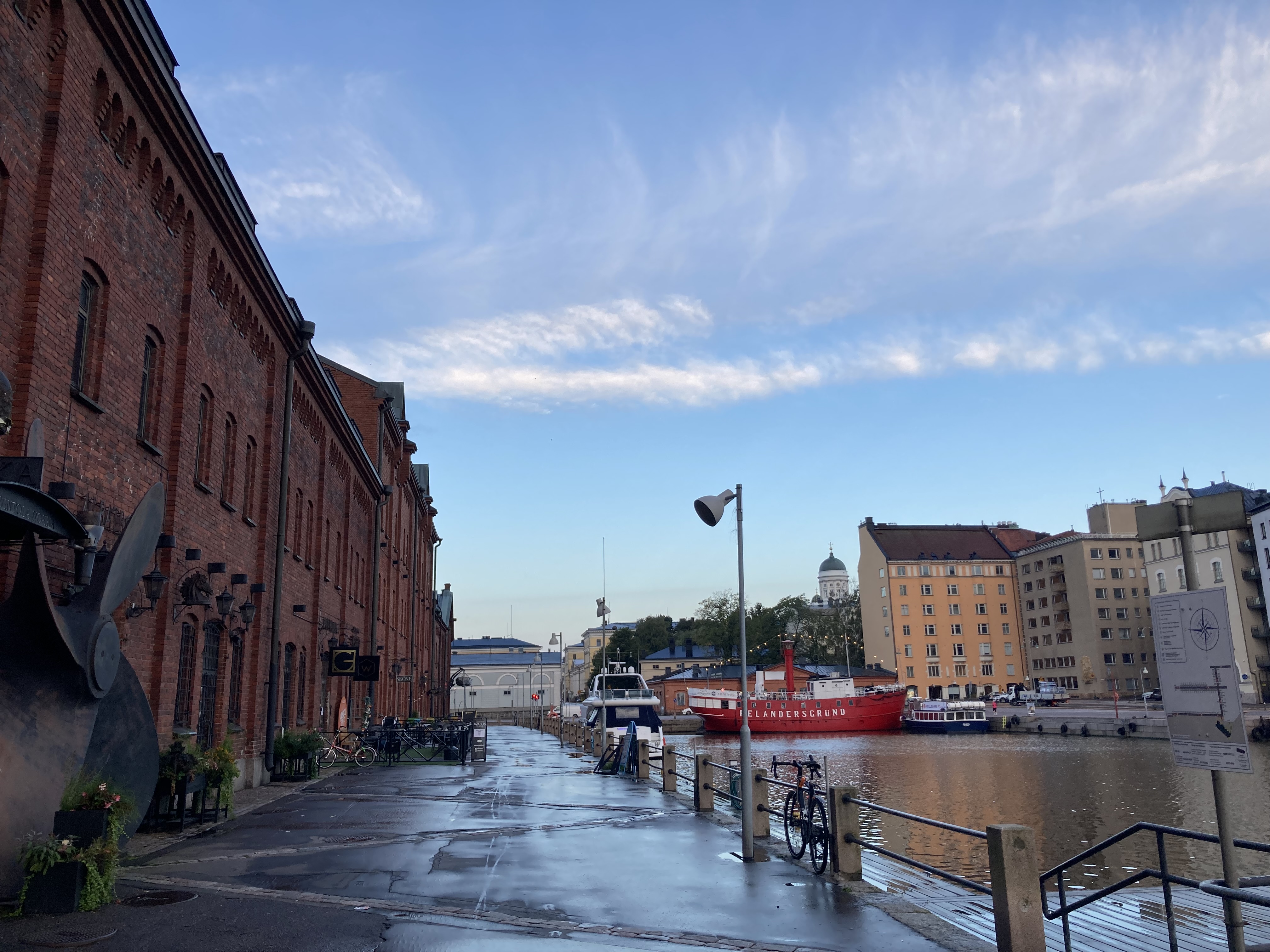
Finland’s new Construction Act (2025) simplifies the process of converting existing buildings to new uses, such as transforming office buildings into residential units.
One key aspect is that it makes permanent adaptations of existing buildings easier by allowing owners to repurpose structures, regardless of the existing town plan.
This allows for more flexibility in how buildings can be used.
Another important development is that renovations of buildings can now be carried out using original building methods, enabling traditional construction techniques to be preserved while modernising the buildings.

Preconditions for a Change of Use of a Building: Case – Office Building (julkaisut.valtioneuvosto.fi)
4.8 Iceland – Creating the Right Conditions to Optimise Buildings for Flexibility
Iceland is working to address regulatory barriers that prevent the change of use for existing buildings. One key challenge is that current building regulations are primarily designed for new construction, making it difficult to repurpose older buildings for new uses.
To overcome this, the government is developing clearer guidelines to enable more flexible reuse, particularly for converting office spaces into residential units.
The initiative aims to simplify the process for developers, reduce the reliance on new construction, and increase the effective use of urban spaces. By addressing these regulatory barriers, the policy will seek to unlock the potential of existing buildings, reduce waste, and promote sustainable urban growth.
It also highlights the need for better coordination between planning and building regulations, encouraging a more circular approach to construction.

Regulatory Policy

4.9 Norway – Housing in Functionally Redundant Buildings
In Norway, Boliger i funksjonstømte bygg i distriktene (“Housing in Functionally Redundant Buildings in Rural Areas”) investigates how vacant or under-used buildings in smaller towns and rural municipalities can be transformed into housing.
Led by Natural State, an Oslo-based strategy agency, in collaboration with Sol-Is Arkitekter and supported by local partners, the project maps opportunities across multiple feasibility studies in partnership with municipalities.
The buildings analysed – including former schools, industrial facilities, and public institutions – are often located near existing services and infrastructure but have lost their original purpose.
The findings explore how these structures can meet local housing needs and illustrate multifunctional solutions that combine residential use with community and commercial functions. The project also identifies practical design approaches and regulatory adjustments that can support more widespread adaptive reuse.

Housing in vacant buildings in rural areas (naturalstate.no)
4.10 Sweden – Optimising Building Use in Noise-Affected Areas
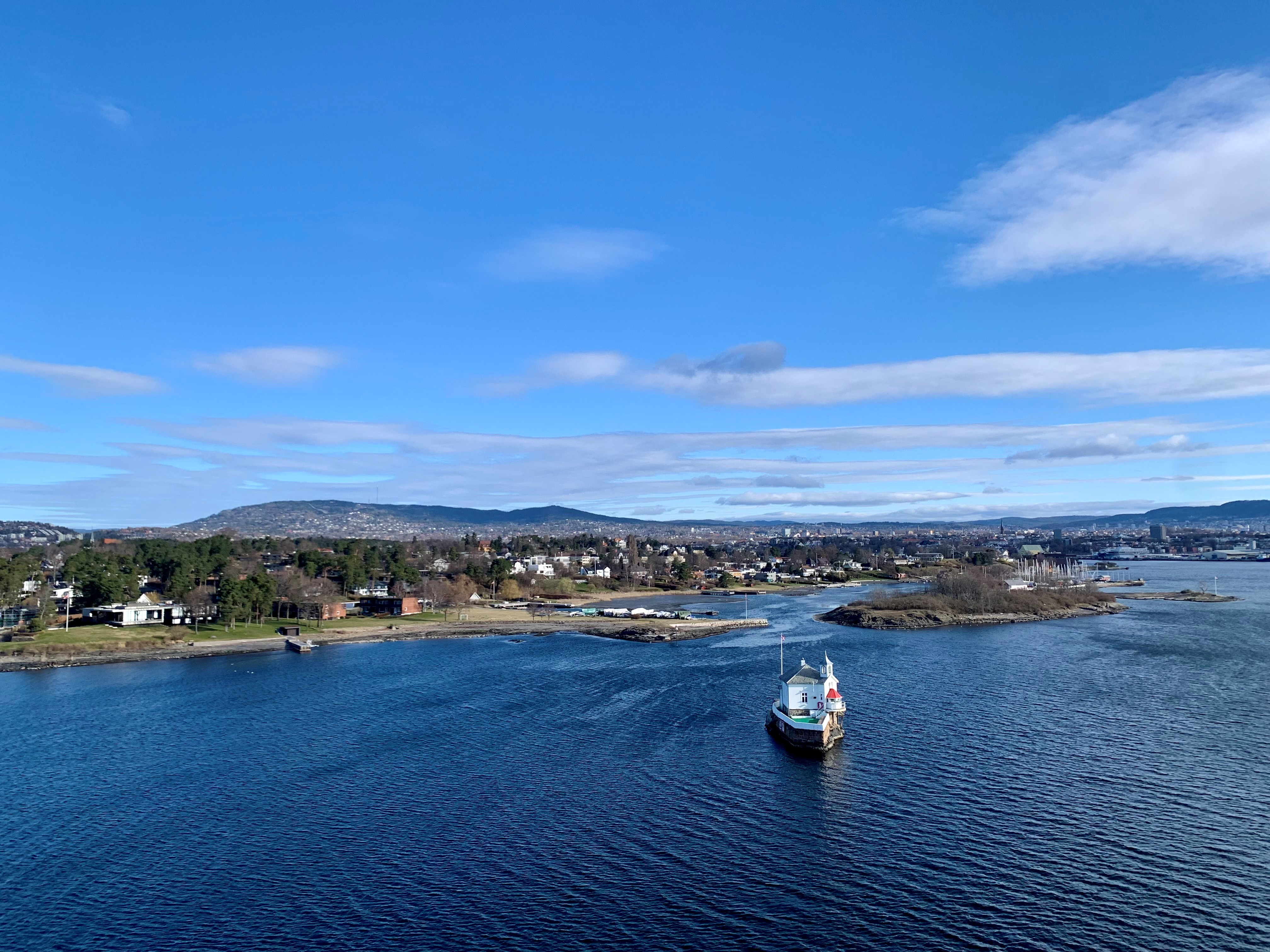
Sweden is investigating changes to its traffic noise ordinance to allow for residential use in areas exposed to high levels of traffic noise. The initiative focuses on creating "quiet zones" within buildings, with residential spaces located on quieter sides.
This adjustment would enable the development of residential areas in areas previously considered unsuitable due to noise pollution.
By enabling residential development in these areas, Sweden aims to provide more housing options while reducing the environmental impact of new construction.
The adjustments are also part of Sweden's broader strategy to address urban housing shortages, promoting a sustainable approach to urban planning by better utilising existing spaces without requiring additional land development.

Regulatory Policy
Optimising Building Use in Noise-Affected Areas (regeringen.se)
Assignment to propose changes to the Traffic Noise Ordinance (Boverket)
4.11 EU report on Office-to-Housing Conversions
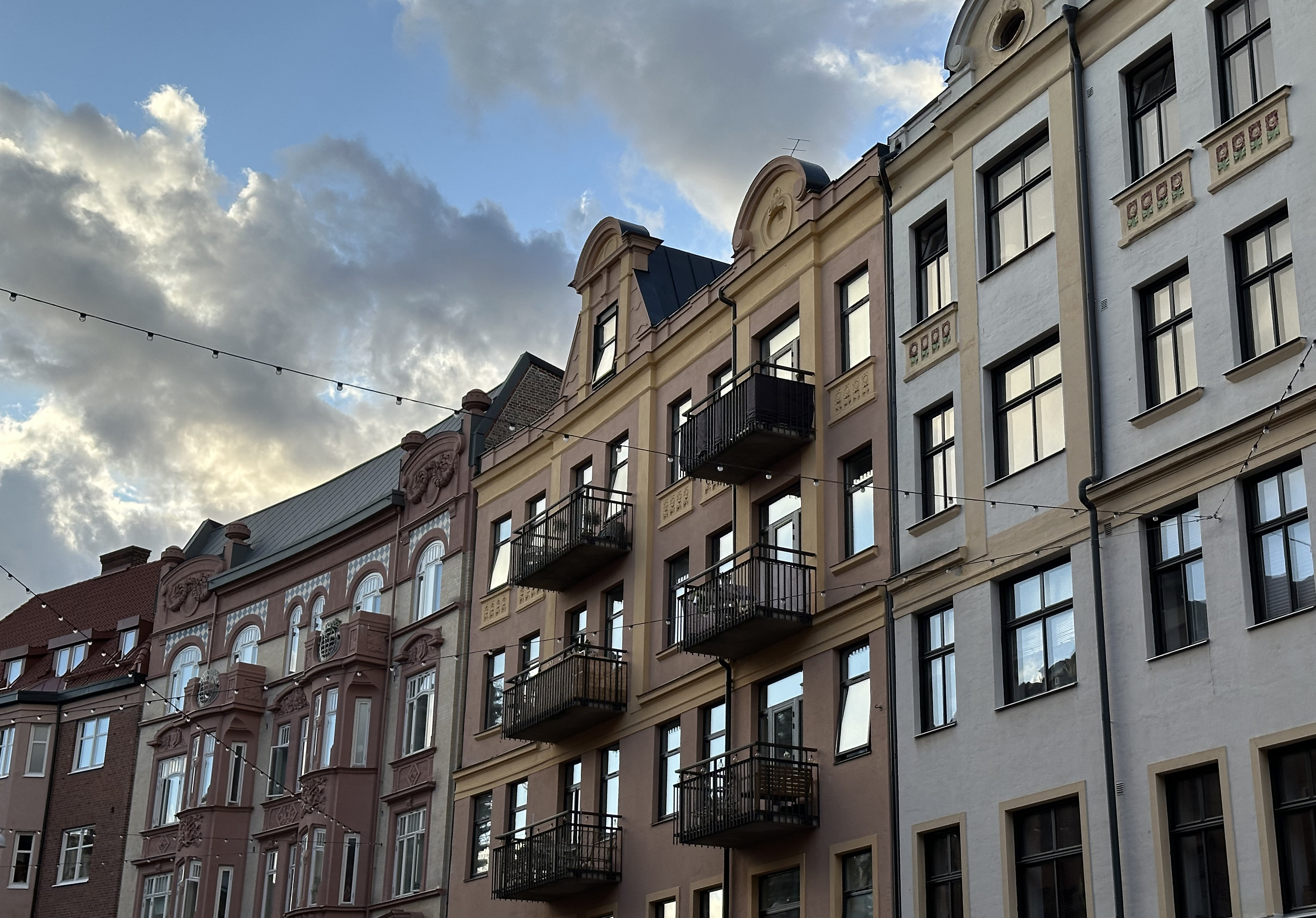
A report from the European Commission provides insights into how converting office buildings into affordable housing can address urban housing shortages and reduce environmental impacts.
The publication includes successful case studies and policy recommendations to help cities and developers repurpose non-residential buildings for housing.
The report includes:
- Case studies from across the EU demonstrate how office buildings can be converted into affordable homes.
- Recommendations for overcoming regulatory, technical, and financial challenges in repurposing buildings.
- Highlights the environmental benefits of reusing existing buildings and supporting the circular economy.
As a follow-up to the study, the European Commission has launched a new project running until 2027, with a focus on affordable, environmentally low-impact housing through more efficient use of the existing building stock.

Conversion of offices into affordable housing (op.europa.eu)
5. Renovating for the Future

Cases
5.1 Denmark – Circularly Operated Buildings (CDB)
Cirkulært Driftede Boliger (CDB) (“Circularly Managed Housing”) is a Danish initiative exploring how social housing can be maintained and renovated following circular principles.
Instead of routine replacement, the project emphasises reuse, repair, disassembly, and longer-lasting materials in everyday maintenance practices.
Through pilot projects in existing housing units and shared spaces, maintenance staff test circular methods – such as careful material recovery and reversible construction techniques.
The goal is to integrate circular thinking into standard operational procedures and develop practical knowledge that can be expanded across the housing sector.

Circularly Managed Housing – About us (cirkulærtdriftedeboliger.dk)
5.2 Finland – Life-Cycle Performance Requirements for Building Design
Finland’s new Construction Act introduces a demand for life-cycle performance for both new and existing buildings. It aims to promote the long service life of buildings by ensuring they are designed for long-term use, making it easier to adapt them to future needs and to reuse building components if the building is dismantled.
The guidance provided, based on the new demand, outlines the key life-cycle categories – durability, flexibility, and reusability – and their respective indicators to help ensure buildings are designed to last and be adaptable over time. This guidance helps the building sector interpret the new demand for life-cycle performance.
More applicable requirements for building permission procedures are still to be developed.

Regulatory Policy
Life cycle characteristics in promoting building longevity: Durability, flexibility, and reusability as tools for the circular economy (julkaisut.valtioneuvosto.fi)
EKAT – Assessment and implementation of life cycle characteristics in building construction projects (rts.fi)
5.3 Norway – Promoting Design for Disassembly in Building Regulations
Norway has introduced a requirement in its building regulations that new buildings and major renovations should be designed for disassembly, meaning they should be planned and constructed to facilitate future dismantling.
This approach aims to make it easier to reuse materials and components at the end of a building’s life, supporting circular construction practices and reducing waste.
By encouraging design for disassembly, the policy supports Norway’s broader commitment to sustainability and a circular economy in the construction sector.

Regulatory Policy
Regulations on technical requirements for building works (TEK17) – § 9-5. Construction waste and reuse (dibk.no)
5.4 Norway – Construction Case: Design for Disassembly in Practice
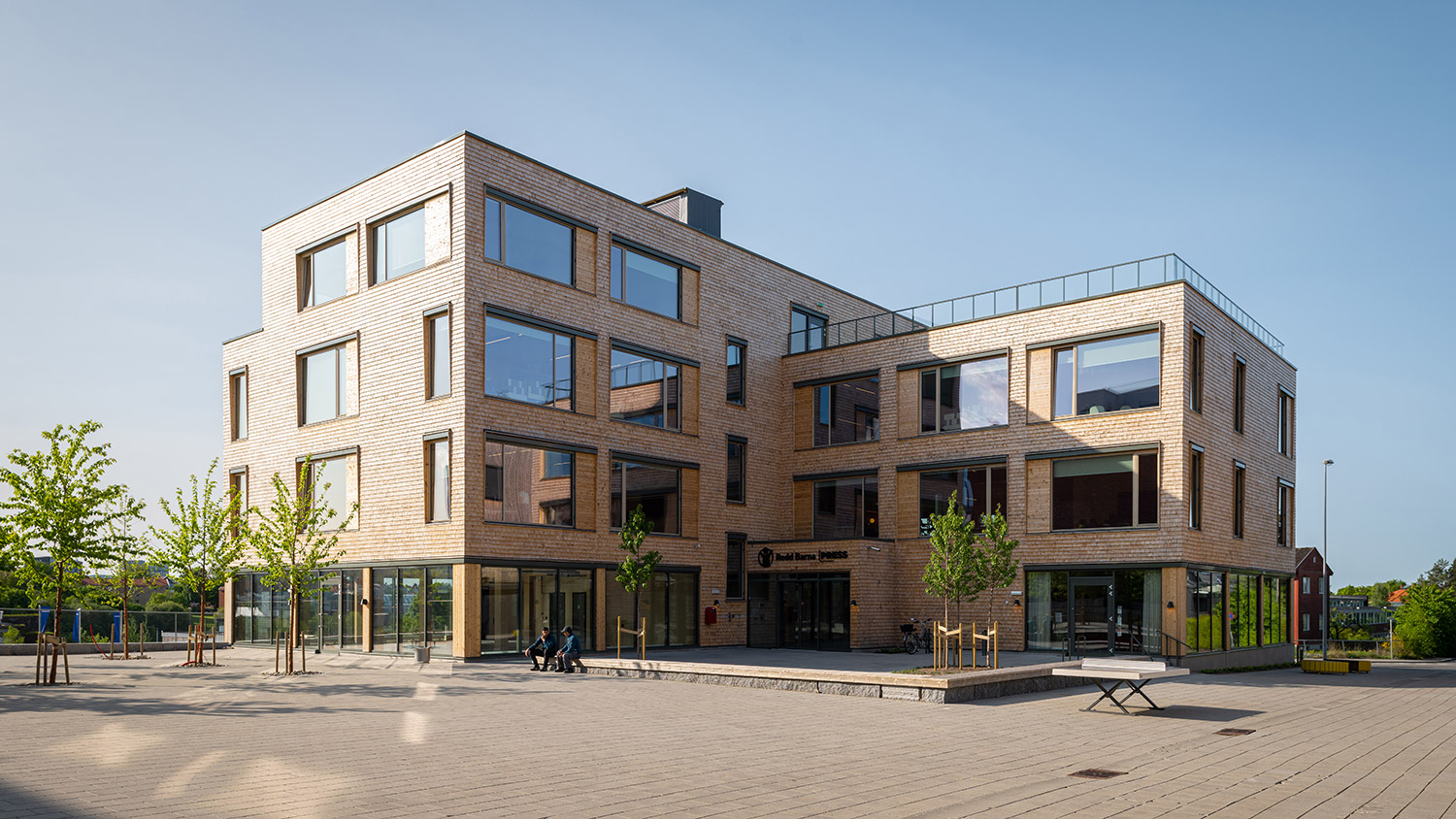
The Hasle Tre Project (The Hasle Timber Project) in Norway is a prime example of design for disassembly in practice. This office building in Oslo is noted as the country’s first timber office building designed specifically for disassembly and reuse.
The project uses modular construction components that can be easily disassembled and reused.
The design is flexible, allowing for future changes and adaptations without requiring major structural modifications, making the building more adaptable and sustainable over time.
Although it is a new build, it may also inspire renovation projects.

HasleTre – World’s first wooden office building designed for disassembly (oslotre.no)
5.5 Sweden – Encouraging Circular Use of Construction Materials
Sweden’s circular economy strategy aims to reduce the environmental impact of the construction and demolition sector by improving the reuse and recycling of construction materials.
The strategy encourages better material traceability, ensuring that materials are easy to separate and sort, and that hazardous substances are limited. It also emphasises the importance of providing information on the materials used in buildings, supporting the safe reuse of components in future projects.
By focusing on the circular use of materials, Sweden seeks to reduce waste, lower carbon emissions, and make the construction industry more sustainable.
This approach aligns with Sweden’s broader environmental goals and fosters a more resource‑efficient building sector.

Information/Organisational Policies
Encouraging Circular Use of Construction Materials (regeringen.se)