3. Ecosystem Monitoring of Offshore Wind and Marine Spatial Planning
In this next group of speakers, after the lunch break, we focused on monitoring the offshore sectors and their impact on the marine environment as well as the role of monitoring and the process of Marine Spatial Planning.
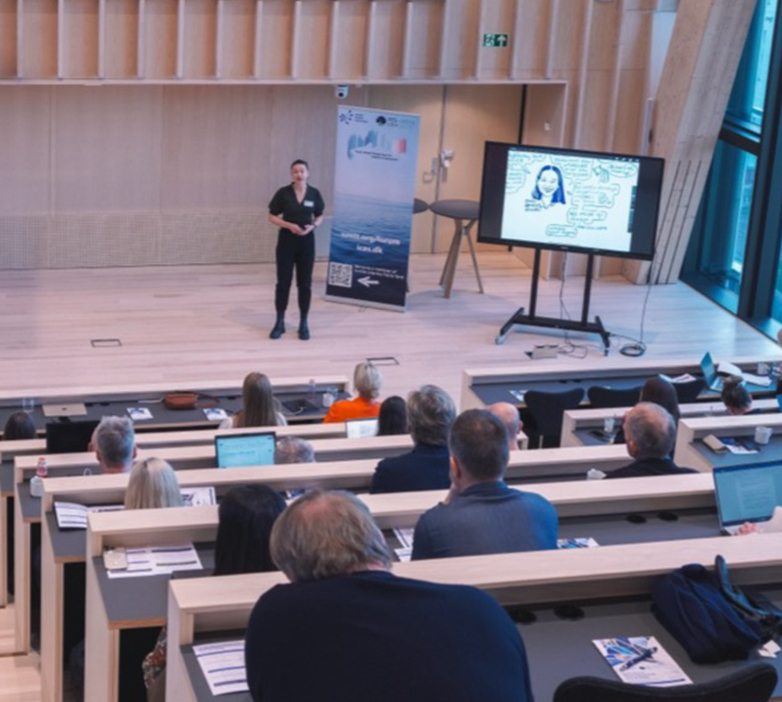
3.1 Special guest performance: “Anthropogenic underwater sound and zooplankton”
Emilie Hernes Vereide, PhD candidate, University of Oslo/Institute of Marine Research, Bergen
Winner of the Researcher Grand Prix Bergen scientific public speaking event 2023.
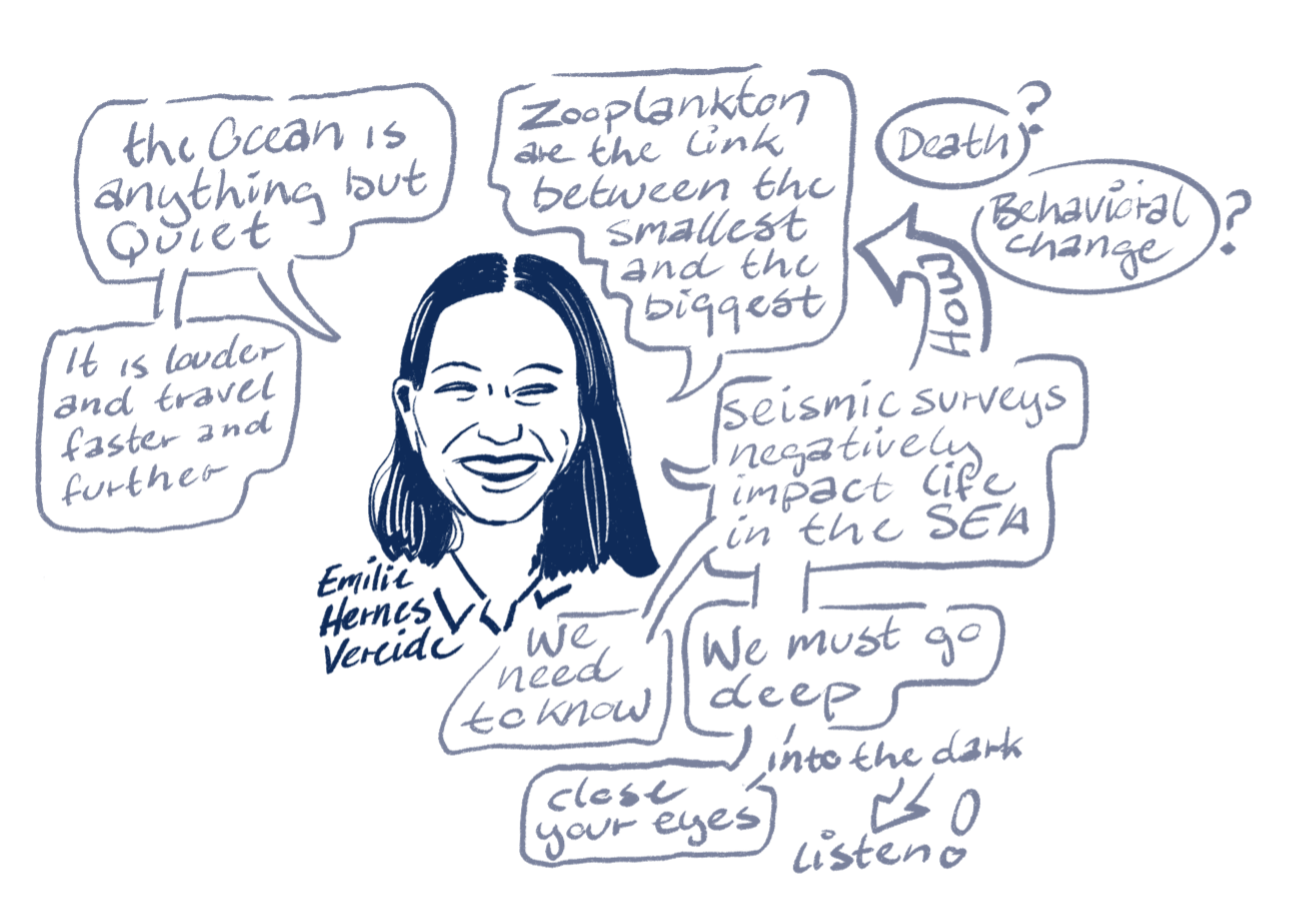
Figure 18: Graphical summary of Emilie Vereide’s talk. Illustration by Håvard Legreid.
Emilie Hernes Vereide's research focuses on the impact of anthropogenic sound on marine life, particularly zooplankton, which serve as a crucial link between the smallest organisms and the largest species in the ocean. One prevalent source of underwater noise today is seismic surveys, where seismic air guns are used to penetrate the seabed. While it's well-known that seismic surveys affect fish and marine mammals, the impact on species that cannot swim away remains uncertain due to contradictory research findings. Laboratory studies attempt to replicate seismic noise, while field studies involve conducting seismic surveys at sea. These studies suggest that zooplankton may be affected by sound and seismic surveys, potentially resulting in mortality, particularly at close distances. However, the behavioral and movement patterns of zooplankton change under the influence of sound.
Understanding how sound affects species that passively float in the water is essential to comprehending marine life's experience of their environment. Echolocation, where sound functions as vibrating particles and pressure waves, plays a crucial role in how marine animals perceive and are affected by sound underwater. While most research indicates that seismic surveys may not have a significant lethal impact on zooplankton, there's a need to delve deeper into how these surveys affect marine life, especially over the long term. Since fish and other marine life depend on zooplankton, it's imperative that we understand these consequences before continuing to exploit the ocean's resources. Listening more attentively to the ocean's signals is crucial for better stewardship of marine ecosystems.
3.2 Mapping effects and consequences of the establishment of offshore wind for the Norwegian fishing industry: Insights from Hywind Tampen
Anne Christine Utne Palm, Institute of Marine Research, Bergen
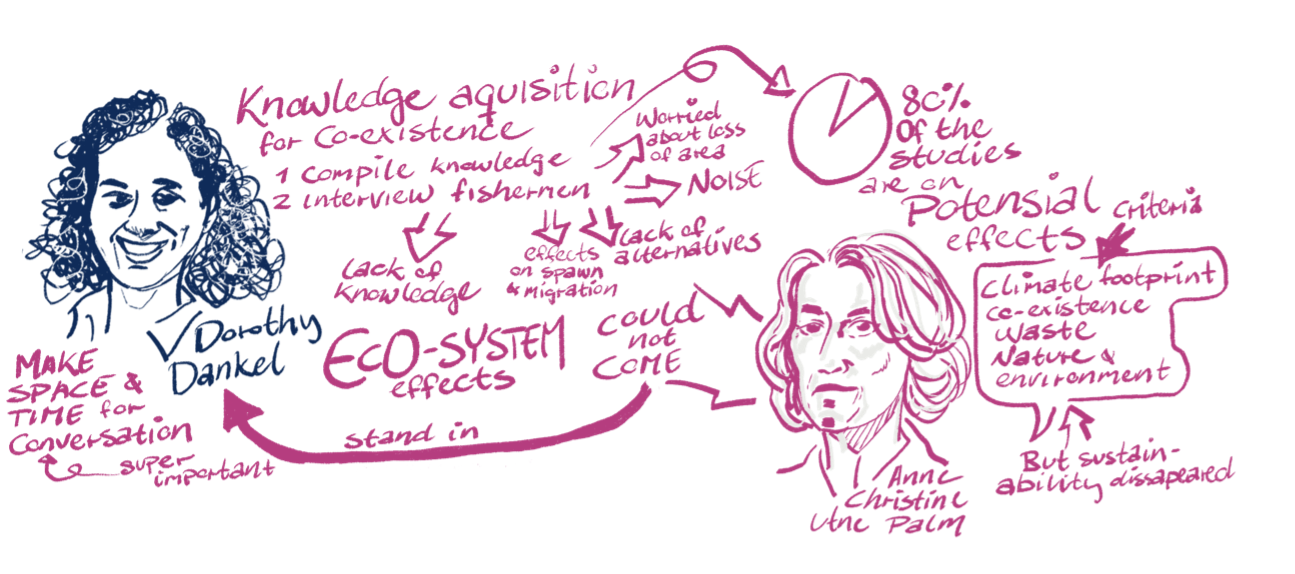
Figure 20: Graphical summary of Anne Christine Utne Palm’s talk. Illustration by Håvard Legreid.
Dorothy Dankel delivered a presentation on behalf of Anne Christine Utne Palm, as SINTEF is a partner on the project presented on fishers’ concerns with offshore wind in Norway. The project's objective was to gather existing knowledge, including interviews with fisheries, to examine whether the establishment of offshore wind farms occurs in close collaboration with the fishing industry. Offshore shallow areas contain resources such as oil, wind, and fisheries, with wind occupying more space than oil. The current study areas for wind coincide with bottom trawl fisheries, which are impacted by the presence of wind farms.
Research conducted the past year has shown that fishers have significant concerns about the loss of fishing areas and the lack of alternative locations as a result of new wind farm plans. There is limited understanding of the noise effects from offshore wind farms, and their placement may disrupt migration routes and spawning grounds. Furthermore, there is a scarcity of studies on the cumulative effects on fishing resources. Existing research indicates that wind farms influence local ecosystems, but it remains uncertain whether these local impacts translate to broader ecosystem or population-level effects. Many studies discuss potential effects rather than actual impacts, with few incorporating biological data from fisheries. Interviews conducted as part of the project reveal fisher's perception that their concerns are inadequately addressed, as they feel fisheries are not given due importance.
The planning process for new areas involves fishing organizations and stakeholders directly affected by the development. Ensuring sufficient time and space for cross-sectoral dialogues during the planning process was deemed crucial. However, sustainability considerations such as climate footprint, co-existence, waste management, and nature conservation were excluded from the criteria due to tighter deadlines in the European permitting process.
3.3 ICES Research Roadmap for Offshore Wind
Lisa Pfeiffer, ICES Expert in Residence
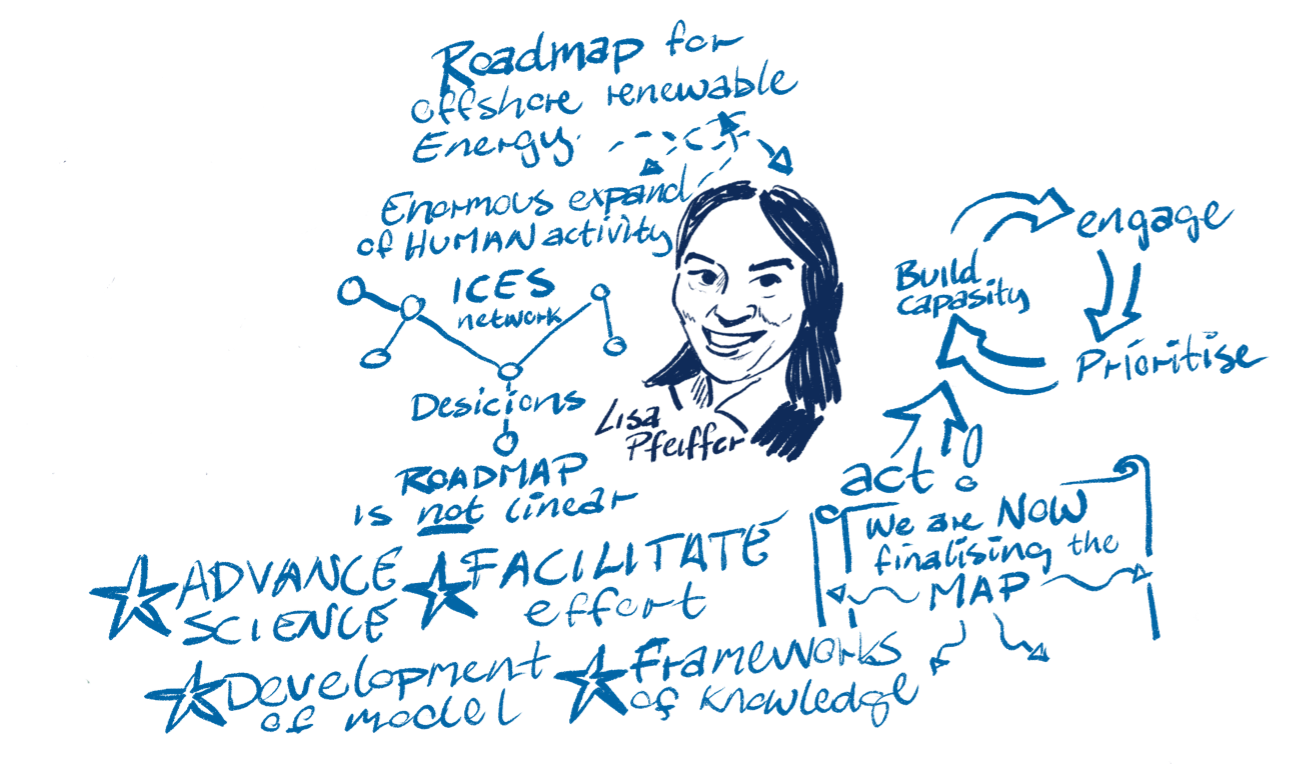
Figure 21: Graphical summary of Lisa Pfeiffer’s talk. Illustration by Håvard Legreid.
Offshore renewable energy is growing at unprecedented rates, the largest human change of ocean space, driven by climate change and energy security. Lisa Pfeiffer introduced ICES, the world's oldest and largest marine science network, which operates as an inter-governmental organization with a mission to address societal needs through a network of science, policy, and industry experts. ICES prioritizes various areas, including fisheries and the environment, and recognizes that offshore energy developments will impact all of these scientific domains. Consequently, there arose a need to create a roadmap that integrates offshore energy considerations. The roadmap's development followed a cyclical process, evolving as new knowledge and goals emerged.
Within ICES, three working groups focus specifically on offshore renewable energy. Through the roadmap development process, several goals were identified, primarily revolving around objectives for science, data, and advisory services. The roadmap will outline priority actions aligned with these objectives within a cyclical framework. This framework begins with engagement and priority definition, encompassing tasks such as assessing trade-offs, establishing guidelines for monitoring and assessment, crafting ecosystem-based management advice, and evaluating the impacts of offshore renewable energy on fisheries. The upcoming steps involve finalizing and publishing the roadmap and hosting a workshop, WKWIND
3.4 State-of-the-art offshore monitoring technology
Kai Stoltz, GCE Ocean Technology, Norway
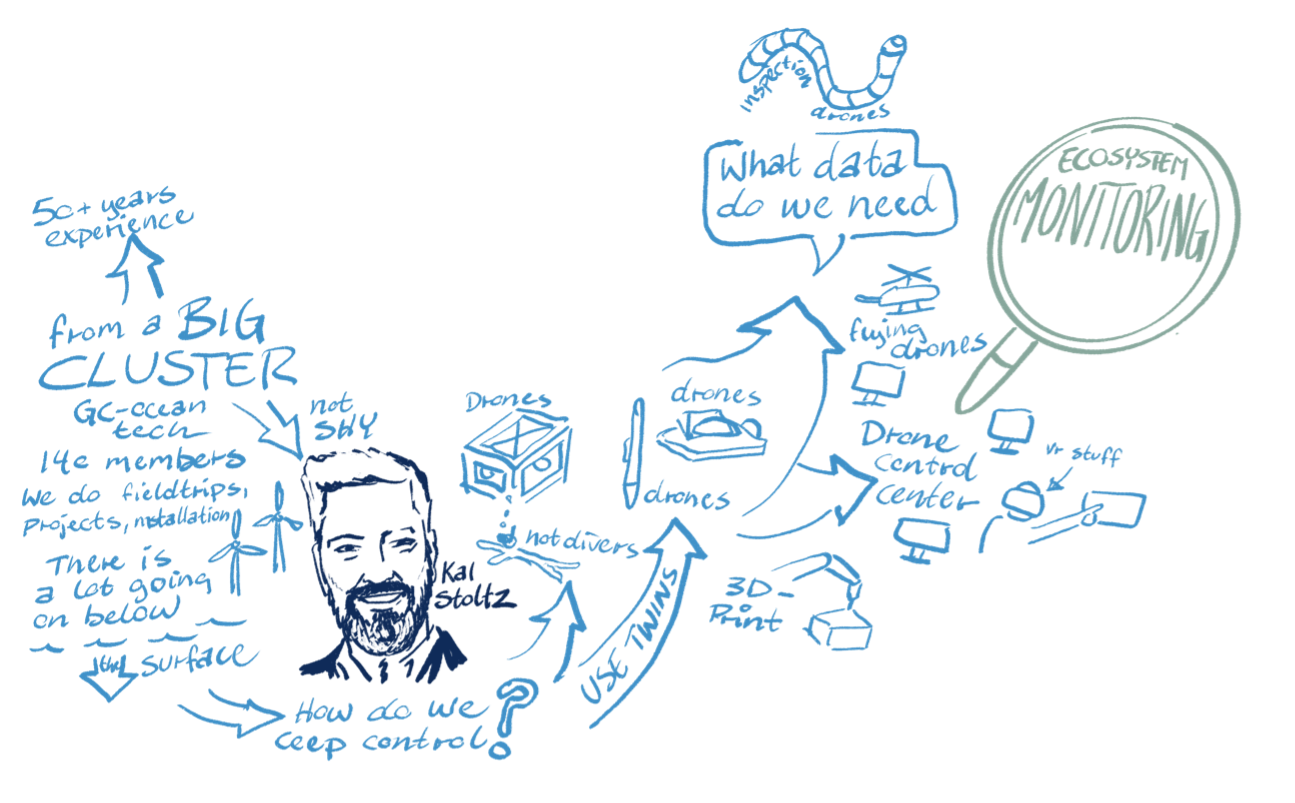
Figure 22: Graphical summary of Kai Stoltz’s talk. Illustration by Håvard Legreid.
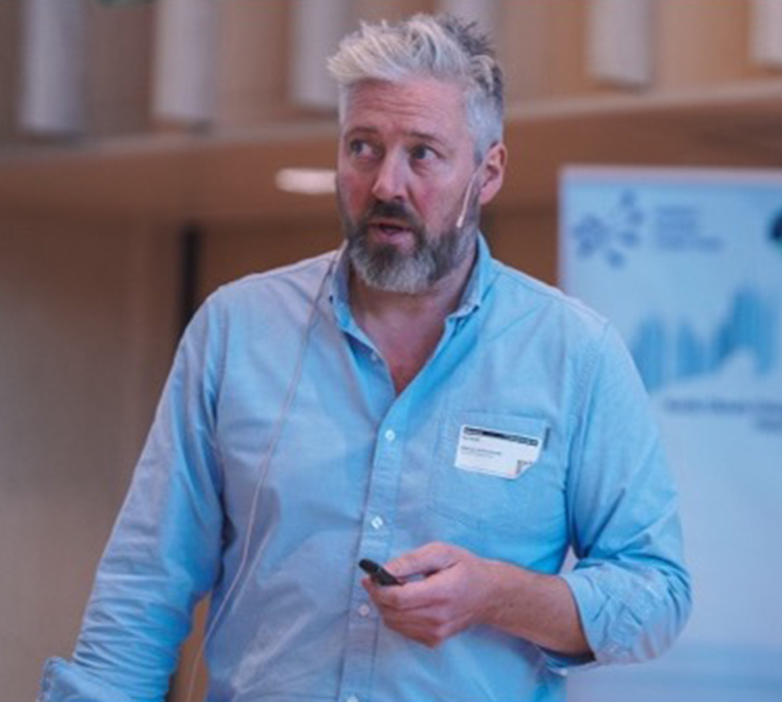
Kai Stoltz discussed ocean monitoring, focusing on the GCE Ocean Tech cluster, which encompasses the entire value chain in the ocean sector, including academia. Norway draws from over 50 years of experience in offshore development, including oil and gas, as well as operation and monitoring. Offshore wind parks have extensive underwater components, such as cables and structures, necessitating comprehensive monitoring throughout their lifespan. There are over 36 critical elements that require continuous monitoring in an offshore wind park. To effectively manage and monitor these elements, various technologies are employed, including drones and remotely operated vehicles (ROVs)
3.5 Bringing Marine Spatial Planning processes into a Nordic context: What do we need to know?
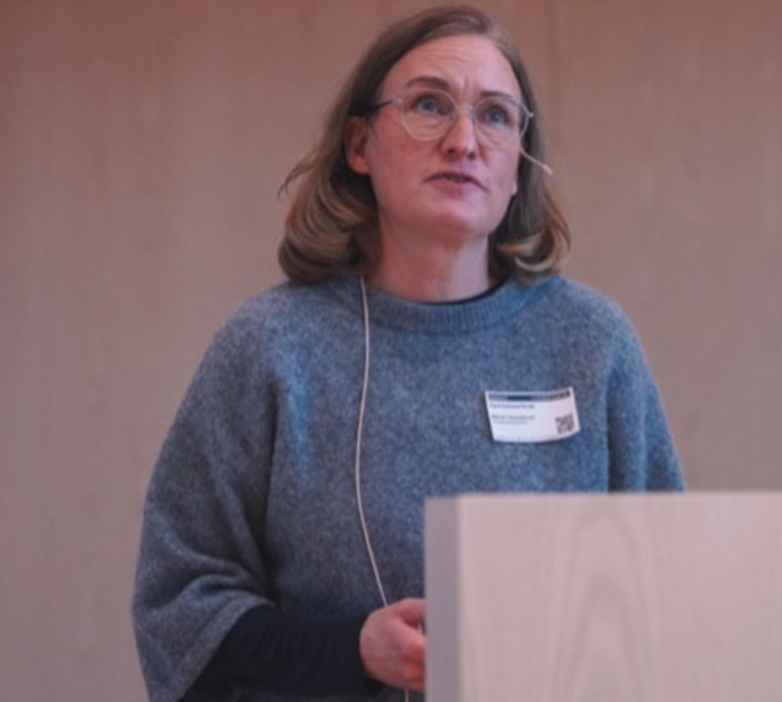
Sigrid Eskeland Schütz, Faculty of Law, University of Bergen
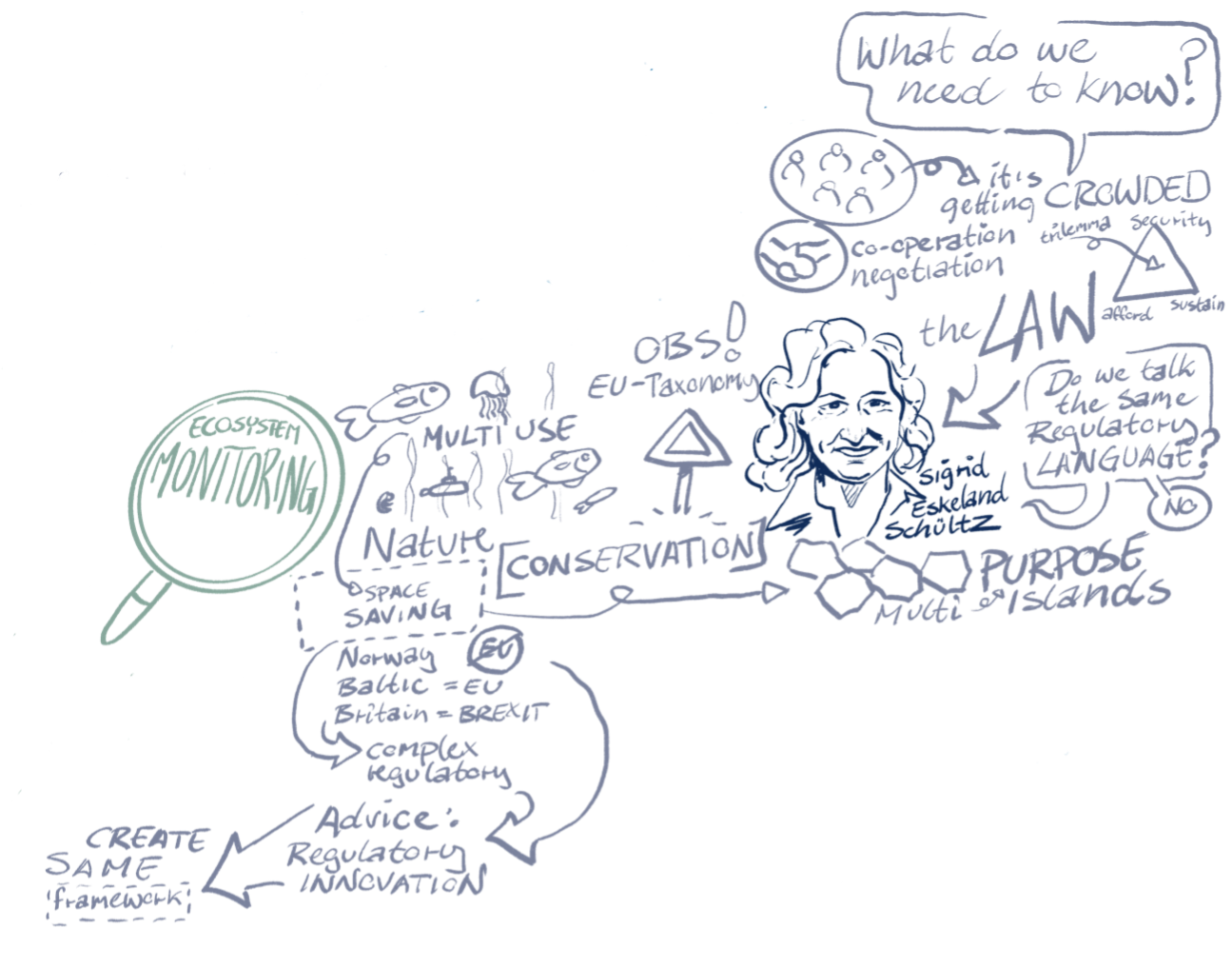
Figure 24: Graphical summary of Sigrid Schütz’s talk. Illustration by Håvard Legreid.
Sigrid Eskeland Schütz highlighted the significant offshore development underway and emphasized the importance of understanding the legal implications of this development. There's a crucial need to establish consistent regulatory standards both within Exclusive Economic Zones (EEZs) and across borders. From a political standpoint, the Nordic countries share common interests in geopolitics and EU policies, particularly regarding energy security and initiatives like the EU Green Deal. EU policy, notably the taxonomy, emphasizes green investments focusing on nature restoration and nature-inclusive design. The Green Deal aims to streamline permission processes and identify areas suitable for rapid renewable energy development. Additionally, the concept of multi-use, including the establishment of marine industrial sites or energy "islands," is being explored.
While regulatory frameworks in the Baltic Sea are largely harmonized due to EU membership, complexities arise in the North Sea, with some non-EU countries are only members of the European Economic Area (EEA). Even within the EU, full harmonization in marine spatial planning is lacking. Establishing a common regulatory language could facilitate the development of best practices, promote regulatory knowledge innovation and transfer, and enhance trans-border cooperation and planning in the Nordic region.
3.6 Handling complexity, co-existence and collaboration using digital twins: Visual evidence and data driven decisions on dynamic data models
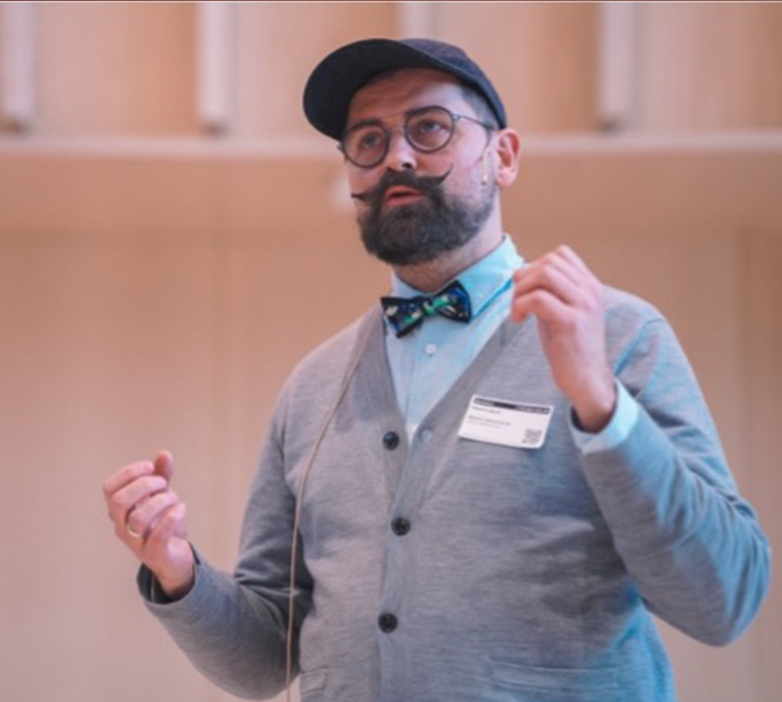
Eirik Solberg and Håvard Legreid, Digital Tvilling
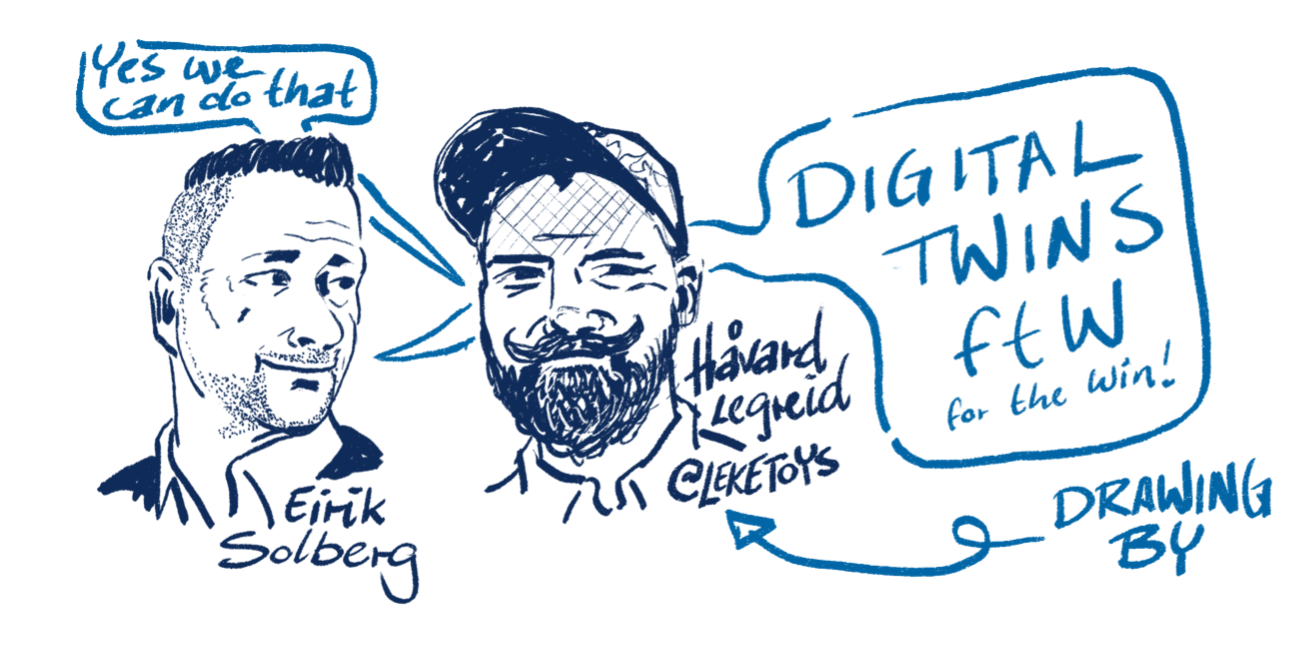
Figure 26: Graphical summary of the talk by Digital Tvilling. Illustration with self portrait by Håvard Legreid.
A digital twin is essentially a digital representation of some aspect of the real world upon which we can build and interact. It typically takes the form of a visual representation, such as a map, with various layered elements. During the presentation, a current digital twin map was showcased by Eirik Solberg and Håvard Legreid, demonstrating features like oil and gas platforms, ships, and production areas. While digital twin technology relies on digital tools, humans are still responsible for their development, which can introduce errors in data input. These digital twin maps contain vast amounts of data and can be utilized for prediction and forecasting purposes.
Digital twinning enables functionalities like flow balance and analytics dashboards, including real-time mapping and control towers. It allows for the integration of different data sources to create a unified and evidence-based understanding for improved decision-making. A critical aspect of digital twins is their ability to attribute properties to both entities and relationships, facilitating the integration of diverse datasets. Moreover, digital twins serve as visual tools for fostering dialogue around cooperation, co-existence, and prediction scenarios. When exploring scenarios, digital twinning aids in evaluating trade-offs and facilitates discussions concerning various options.
3.7 Roundtable discussion and commitments from Nordic leaders
Geir Huse, Research Director, Institute of Marine Research; Norway
Ola Christian Olsen, Olsen Gruppen AS; Norway
Hanne Wigum, Leader Offshore Wind Concepts, Equinor; Norway
Rita Vasconcellos L. d’Oliveira Bouman, Applied Ethicist, SINTEF Ocean; Norway
Sigrid Eskeland Schütz, Faculty of Law, University of Bergen; Norway
Meinhard Eliasen, Energy Consultant, Faroese Environment Agency; Faroe Islands
Ola Christian Olsen, Olsen Gruppen AS; Norway
Hanne Wigum, Leader Offshore Wind Concepts, Equinor; Norway
Rita Vasconcellos L. d’Oliveira Bouman, Applied Ethicist, SINTEF Ocean; Norway
Sigrid Eskeland Schütz, Faculty of Law, University of Bergen; Norway
Meinhard Eliasen, Energy Consultant, Faroese Environment Agency; Faroe Islands
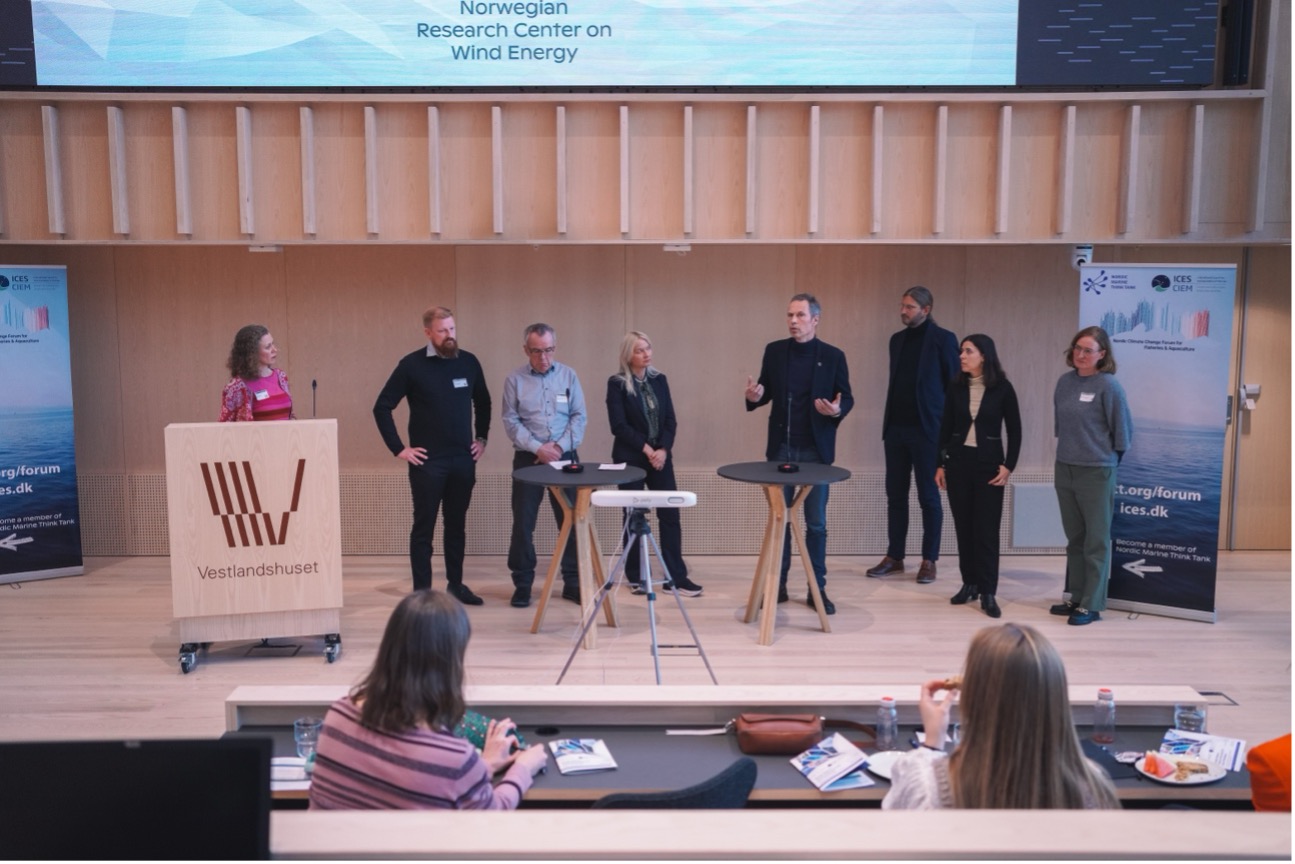
Figure 28: The Roundtable discussion, moderated by Dorothy Dankel from the Nordic Marine Think Thank (far left). Photo by Andrea Magugliani.
Geir Huse, Research Director at the Institute of Marine Research (IMR) in Norway, discussed the collaborative efforts between IMR and ICES in studying offshore wind. He emphasized IMR's role as a knowledge provider covering various aspects of ocean research. Geir highlighted ICES's expertise in ocean wind and marine spatial planning, allowing IMR to tap into this network. He stressed the international impact of offshore wind plans and noted IMR's extensive scientific staff, most of whom actively participate in ICES working groups. Geir said:
We need to collect data, and we also need to set up a data system with best practices. We need to prioritize what to look at first (the biggest risk) in terms of effects of wind farms in the marine ecosystem.
Ola Christian Olsen, representing the fishing sector, emphasized the economic significance of fishing in Norway and its potential parity with offshore wind energy. He debunked the misconception that marine areas are free and stressed the importance of ensuring maps accurately reflect the dynamic nature of fishing activity over time. Ola Christian said that:
I learned a lot today, and it is very interesting for this conference to open my mind a bit. The development process of offshore wind will not happen overnight, so we need to do it as cleverly as possible. And my industry will participate.
Meinhard Eliasen, an Energy Consultant from the Faroese Environment Agency, discussed the challenges and opportunities for offshore wind in the Faroe Islands. He highlighted ongoing exploration for offshore wind farms and the need for alternative energy technologies due to the country's isolated power grid.
Hanne Wigum, Leader of Offshore Wind Concepts at Equinor, emphasized the importance of balancing environmental concerns with offshore wind development. She highlighted Equinor's experience in co-existing with nature and society and stressed the importance of international collaboration in offshore wind development. Hanne said:
Equinor has over 50 years of experience operating in harmony with nature and society. There are many challenges to address, and it's crucial to begin from a solid foundation. The governmental processes in Norway are a good starting point, such as focusing on areas with the fewest conflicts of interest, and continuing to foster good dialogue and data sharing. It's essential to strengthen the capacity for dialogue within Nordic countries. Innovative wind concepts and ideas can drive Nordic leadership in offshore wind development.
Rita Vasconcellos L. d’Oliveira Bouman from SINTEF Ocean highlighted the need for ethical considerations and stakeholder engagement in decision-making processes. She emphasized the importance of understanding stakeholders' aspirations and concerns before presenting plans and suggested creating a platform for stakeholders to express their concerns. Rita also connected the theme of power asymmetries among offshore industries with data variability:
If data is not there or difficult to acquire, then the power dynamic changes. When we talk about people, like fishermen, and using their knowledge, we are taking their knowledge so we need to give something back as well. it has to be a sharing process. There is inherently a power imbalance between quantitative data and qualitative data, because the former is much more available and “easier” to obtain.
Marloes Kraan from Wageningen University Research (NL) and co-Chair of ICES expert group WGSOCIAL contributed to the plenary discussion by highlighting the need for a comprehensive understanding of social impact assessments, in addition to ecological and economic assessments. She noted that while there is clarity on what constitutes ecological and economic impact assessments, the same cannot be said for social impact assessments. Marloes emphasized the importance of maintaining a strong fishing industry, particularly in Norway, contrasting it with the Netherlands where economic considerations often outweigh other factors. She raised concerns about the diminishing presence of fisheries in the crowded European space and emphasized the need to address this issue. Marloes also discussed the challenge of incorporating qualitative data into decision-making processes, suggesting that engaging with fishers could provide valuable insights. However, she noted that relying on fishers' input for decision-making could potentially diminish their influence in the political process.
Sigrid Eskeland Schütz from the University of Bergen underscored the importance of visualizing impacts and scenarios in offshore development. Sigrid noted: “I need to understand the real world and challenges, and try to disseminate knowledge on fairness across the offshore sectors.” Sigrid also discussed the importance of wind farms to open for early engagement of fishers in offshore wind park development:
A wind park project is usually initially designed in detail and is very rigid and doesn’t allow for a lot of input, so the flexibility of the initial stages in a project development is also very important to lay a foundation for co-existence.
A Professor of Law, Schütz added that adaptation is crucial in addressing the challenges of offshore wind energy development, requiring a reevaluation of methods to expedite processes and reduce costs. Safety emerges as a significant concern in this transition, particularly as offshore wind presents distinct safety challenges compared to other industries. Collaboration with experienced researchers in offshore wind is prioritized to mitigate risks effectively. However, despite efforts, some offshore workers remain hesitant to transition due to safety apprehensions. Meanwhile, there is a recognized need for a deeper understanding of real-world challenges and the aforestated commitment to disseminate this knowledge to foster fairness in decision-making processes.
Jörn Schmidt from ICES discussed ICES's role as a trusted broker for scientific information and emphasized collaboration across disciplines and countries.
The discussion addressed issues of data access, funding for impact assessments, and the incorporation of climate change impacts into marine spatial planning. The panel reflected on the challenges and opportunities presented by offshore wind development, with commitments to further dialogue, engagement, and ethical considerations in future endeavors.