1. Setting the Scene
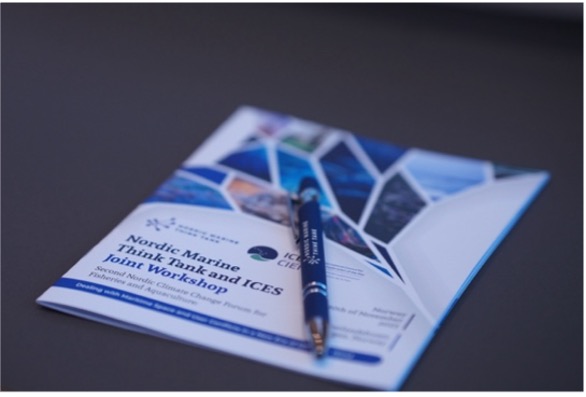
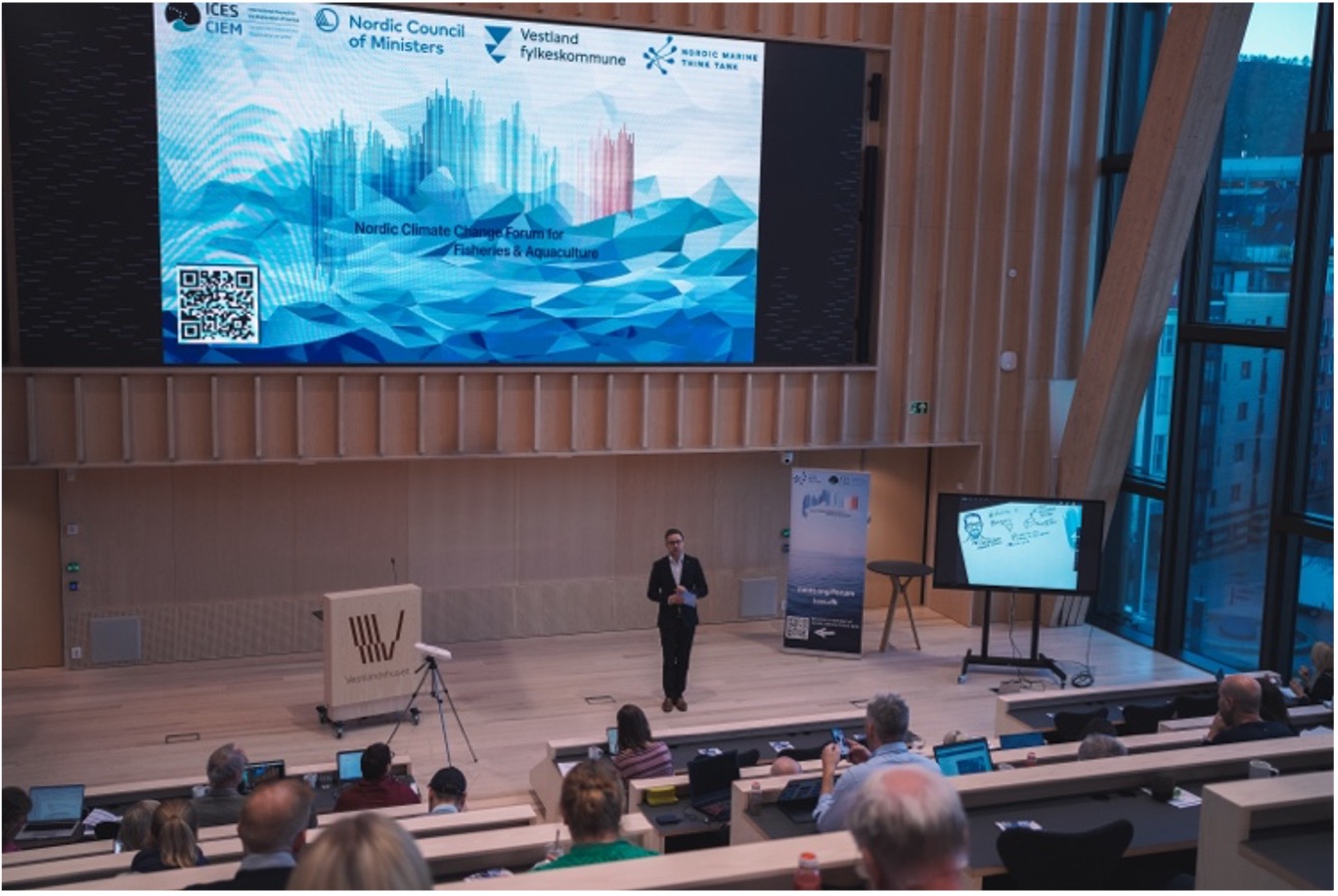
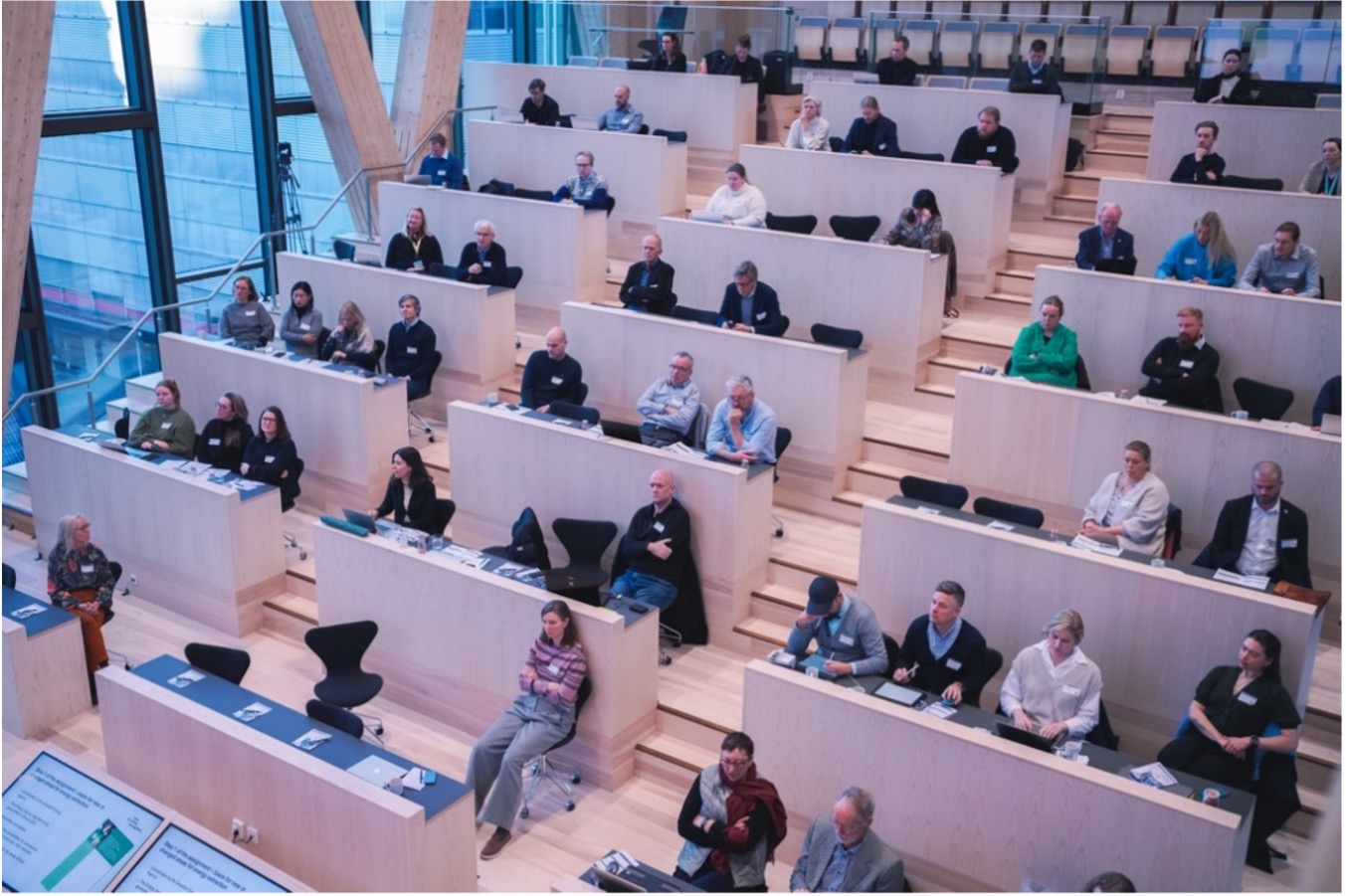
The Nordic Marine Think Tank and the International Council for the Exploration of the Sea (ICES) hosted the second Nordic Climate Change Forum for Fisheries and Aquaculture in Bergen 30 November 2023. The theme of the session was “Dealing with maritime space and user conflicts in a new era of offshore wind”. The workshop was moderated by NMTT Chair Dorothy Dankel assisted by ICES representative Lisa Pfeifer. The workshop was made possible by financing from the Nordic Council of Ministers and was generously aided by facilities made available from the regional authorities of Vestland County Council in Bergen.
The event opened with a welcome from the Vestland fylkeskommune Deputy County Mayor Stian Jean Opedal Davies, who used the building, Vestlandshuset, as an example of how things can be done differently – it is built using sustainable methods and materials, and the roof is covered in solar panels. The Chair of the Nordic Marine Think Tank, Dorothy Dankel, the NOAA Fisheries and ICES Offshore Wind liaison, Lisa Pfeiffer, and the Chair of the ICES Science Committee, Jörn Schmidt, welcomed everybody and gave a brief history of the event
Report of the Innaguaral Joint ICES-NMTT Workshop launching the Nordic Climate Change Forum for Fisheries and Aquaculture (WKNCCFFA) found here: https://ices-library.figshare.com/articles/report/Joint_ICES-NMTT_Workshop_launching_the_Nordic_Climate_Change_Forum_for_Fisheries_and_Aquaculture_WKNCCFFA_/19248953
1.1 Overview of offshore wind technology and the political ambitions for offshore wind in the EU and Norway
Finn Gunnar Nielsen, Professor Emeritus University of Bergen, Bergen Offshore Wind Center
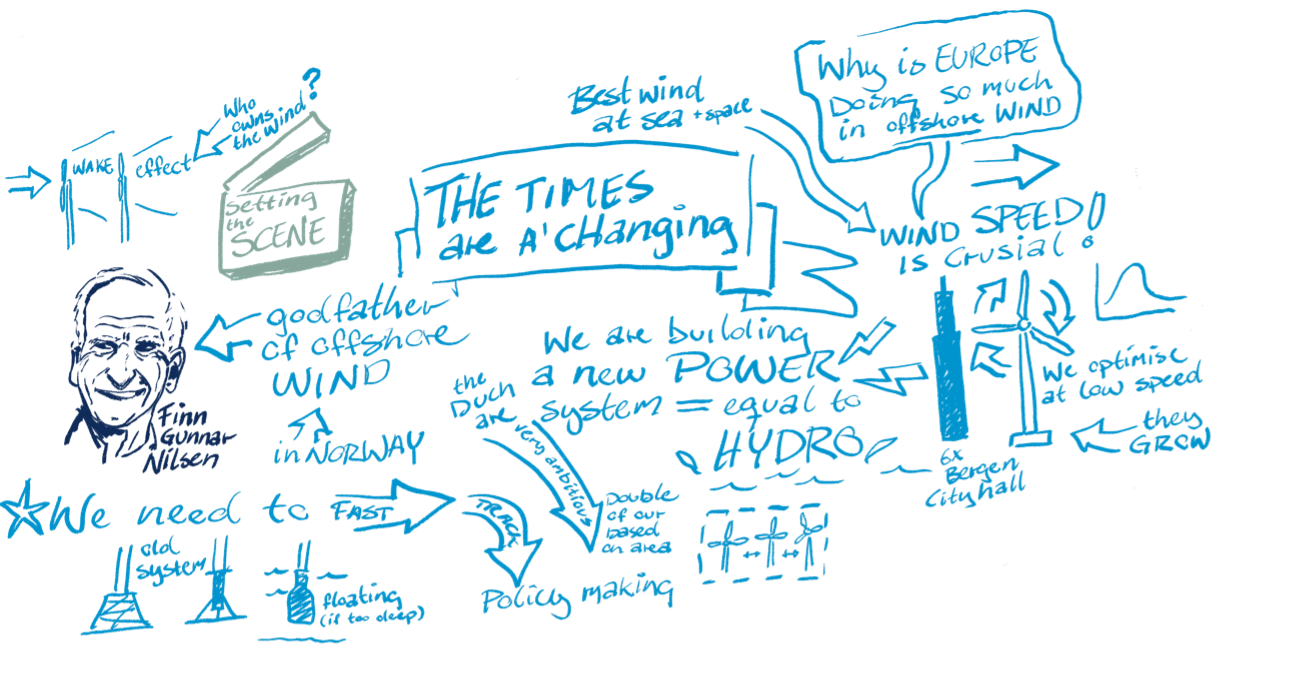
Figure 4: Graphical summary of Finn Gunnar Nielsen's talk. Illustration by Håvard Legreid.
To kick-off the workshop and to introduce the participants to the workshop theme of offshore wind energy, Finn Gunnar Nielsen provided an overview of the changing times, focusing on the European Union (EU) Green Deal's efforts to promote renewable energy structures for enhanced energy security. According to the International Energy Agency's 2019 prediction, offshore wind is projected to become the primary contributor to power supply in the EU by 2040 in line with the Green Deal objectives. Europe boasts numerous regions characterized by high wind speeds, positioning it to potentially lead in wind farm development. The resources for nearshore and offshore wind in the EU significantly exceed current demand.
Nielsen also delved into the various types of offshore wind turbines and their evolving sizes, while emphasizing the challenges and opportunities associated with floating offshore wind technology. He raised thought-provoking questions about ownership of wind resources and its implications for wind farm placement, considering factors such as wake effects and wind direction, particularly in the context of multiple companies vying for space.
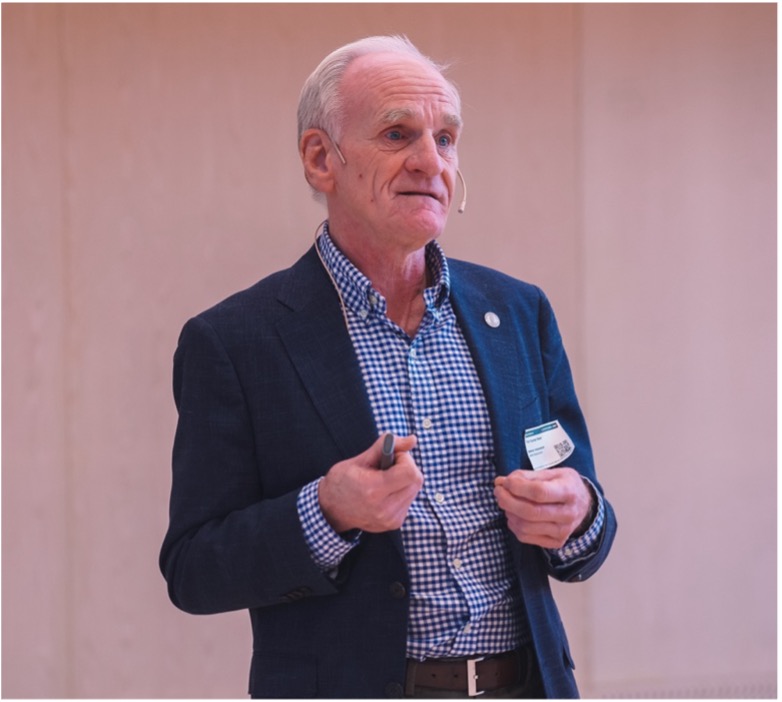
Figure 5: Finn Gunnar Nielsen reviews the outlook for offshore wind in Europe including Norway's strong ambiitons. Photo by Andrea Magugliani.
1.2 Being a trusted facilitator: Positioning fisheries, biodiversity and offshore wind debates in the Northeast coast of USA
Kanae Tokunaga, Gulf of Maine Research Institute
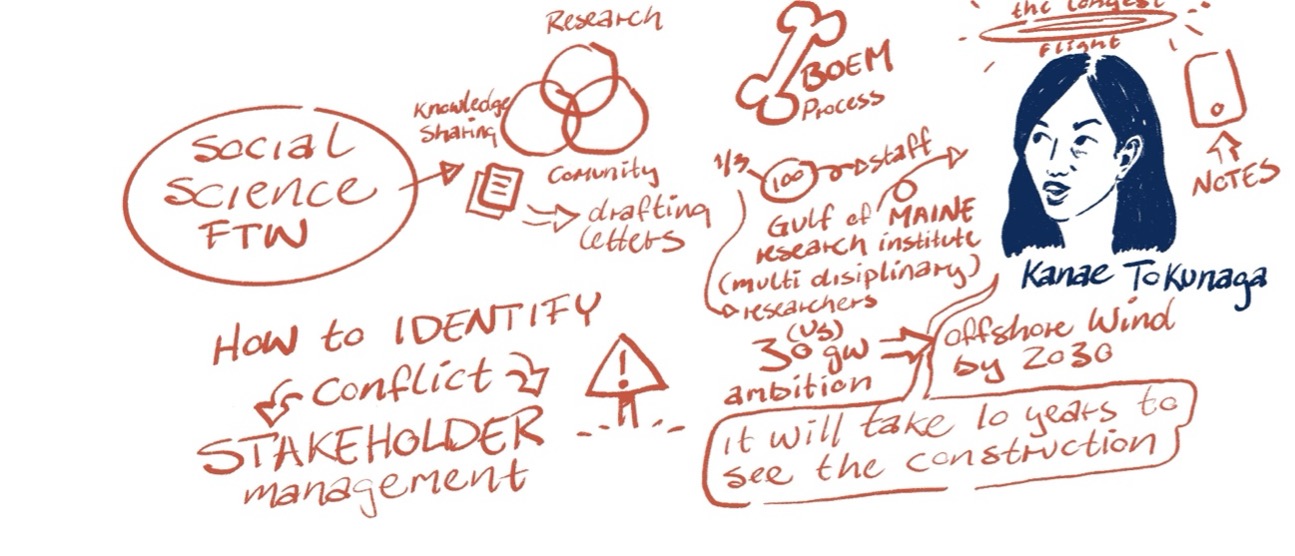
Figure 6: Graphical summary of Kanae Tokunaga’s talk. Illustration by Håvard Legreid.
The Gulf of Maine Research Institute (www.gmri.org) plays a leading role in engaging various sectors in offshore wind development across the USA, leveraging its multidisciplinary expertise in marine and fisheries research. The USA has set a target to harness its offshore wind and energy potential by 2030, with a significant portion expected to be derived from floating offshore wind. The northeastern region of the US stands out as one of the most promising areas for wind and energy development.
Tokunaga emphasized the importance of sharing the best available information and enhancing stakeholder engagement capacity in the planning process. This is crucial due to potential conflicts arising from various sectors such as fisheries, shipping, and conservation. The Gulf of Maine Research Institute is actively collaborating with stakeholders to bolster this capacity. Their efforts include engaging fishing community members, organizing port meetings, and providing resources like logistical support for public input. These inputs were factored in when identifying potential areas for wind energy development.
Recognizing the significance of local social dynamics, it's imperative for offshore wind solutions to be integrated with local needs and priorities to effectively address the climate crisis. This underscores the necessity of aligning offshore wind development with both environmental and social considerations.
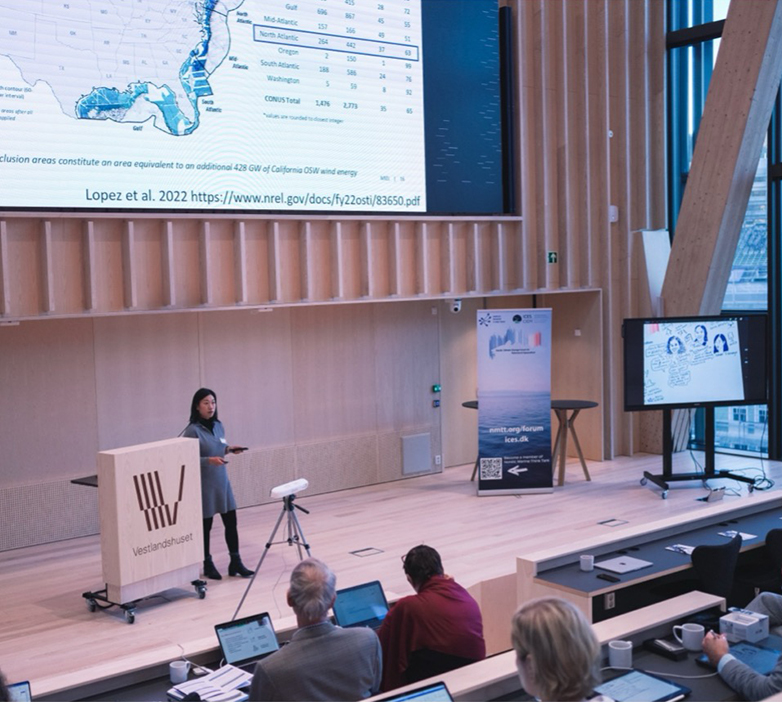
Figure 7: Kanae Tokunaga discusses experience with co-existence between offshore wind and fishermen in the Northeast United States. Photo by Andrea Magugliani.
1.3 Offshore wind in a Social-Ecological-Technical and Ethical system: Preparing for an ethical dialogue in a Nordic context
Rita Vasconcellos L. d’Oliveira Bouman, SINTEF Ocean & FME NorthWind, Norwegian Research Center on Wind Energy
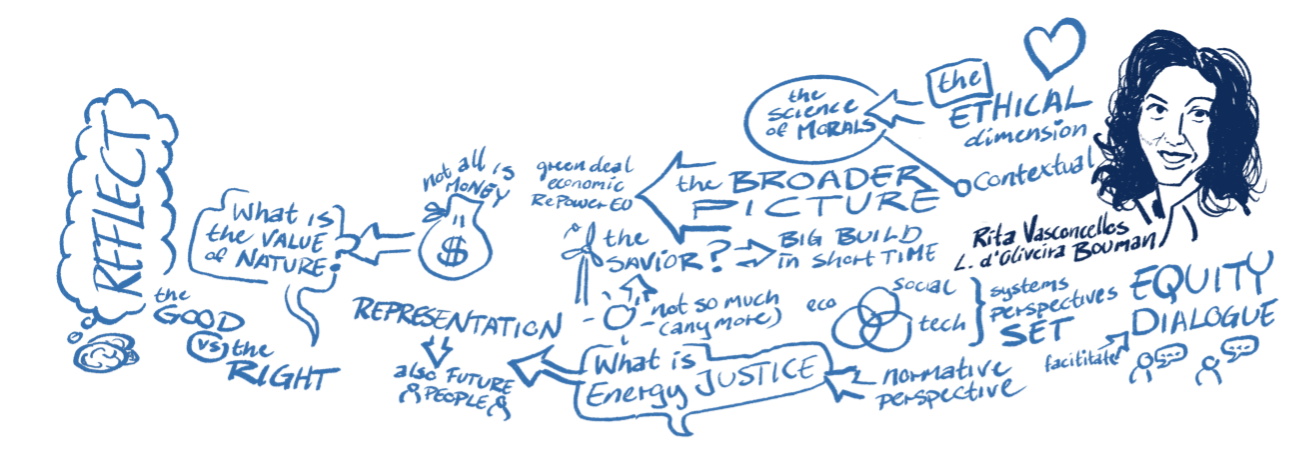
Figure 8: Graphical summary of Rita Bouman’s talk. Illustration by Håvard Legreid.
Bouman integrated ethics into the conversation surrounding offshore wind development. The overarching goal is to transition society towards green energy, primarily driven by concerns related to climate change and environmental crises, necessitating a shift away from fossil fuels towards renewable energy sources. Offshore wind is poised for rapid and significant growth within a short timeframe to meet European energy targets and achieve climate objectives.
In Norway, initial planning for offshore wind was progressing well until recently, but there's now a growing apprehension at the societal level regarding the potential for social conflicts that need addressing before further development can proceed.
Offshore wind occupies a central position within the SET framework (social, ecological, and technological systems), which are intricately intertwined, forming a complex system. Utilizing this framework can aid in understanding the emerging social resistance to offshore wind in Norway. It's crucial to map out the effects of offshore wind, considering various expectations and concerns. Understanding the ethical principles and values inherent in the Norwegian offshore debate and how they intersect with concepts of justice and nature is necessary.
Currently, there's a lack of fair representation in offshore wind decisions, partly due to the absence of robust process guidelines, impacting both current and future representation in the decision-making process. This issue of mis- or underrepresentation must be acknowledged and rectified. Bouman emphasized the need to question the value of nature and human wellbeing, and the role of money within these contexts. Effective technology should maximize benefits while distributing burdens equitably, incorporating environmental considerations and ensuring the rights and freedoms associated with its usage.
The social dynamics surrounding offshore wind projects are deeply rooted in normative principles, but there's a clash between concepts of nature and justice. For example, who has the moral authority to make decisions about where and how to build new wind parks? How is this authority related to power? Who’s views matter? Addressing these normative issues early in the process is crucial for the successful design and implementation of offshore wind projects.
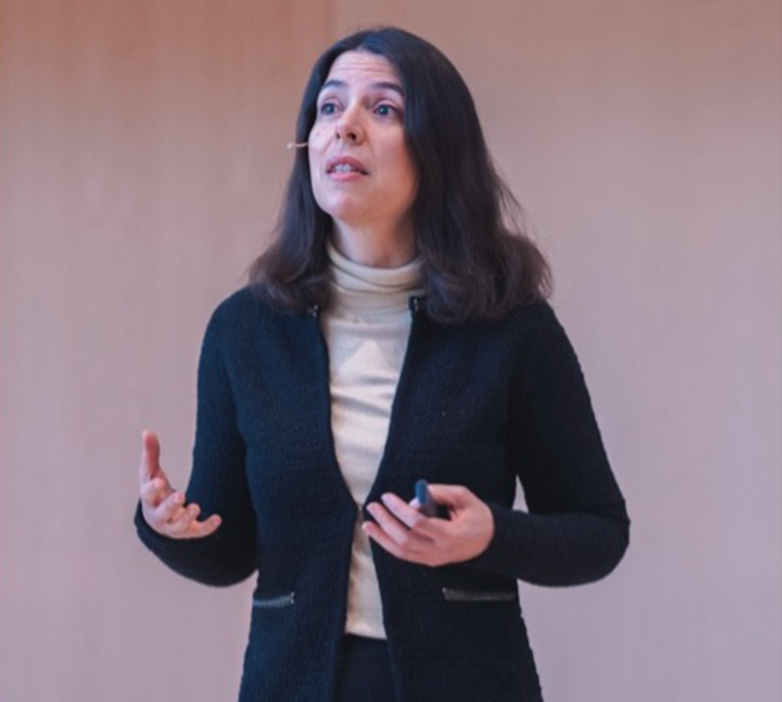
Figure 9: Rita Bouman discusses the many ethical dimensions of co-existence in offshore areas. Photo by Andrea Magugliani.