PART 3: WHAT CAN YOU DO? FROM LOCAL ACTION TO GLOBAL IMPACT
Nordic youth are already leading the way in demanding action. According to the Nordic Youth Position Paper on Biodiversity, 4 out of 5 young people are very concerned about biodiversity loss, highlighting as their foremost concerns: the right of all living beings to exist, our need for ecosystem services, and the importance of biodiversity in preventing further irreversible climate change. Nordic youth see climate and nature crises as fundamental threats that require urgent, joint, and holistic solutions (Nordic Council of Ministers, 2021).
At COP16 in 2024, NYBN presented updated demands calling on Nordic governments to exceed their "fair share" in protecting biodiversity for future generations, with a vision of "a world where biodiversity thrives, human rights are upheld, and the biosphere is recognized as an essential system we depend on—not a resource to exploit" (NYBN, 2025).
Action Mindset
Start where you are, with what you have. Every biodiversity champion started with a single action. Your background, location, and resources are assets, not limitations. The key is finding the intersection between what you care about, what you are good at, and what the world needs.
Tools & Resources
- iNaturalist app — Identify plants and animals while contributing to science.
- Local botanical gardens — Often offer workshops and native plant sales.
- Seed libraries — Community-based collections of locally-adapted seeds.
Advocate, Influence, and Participate
Policy engagement might seem intimidating, but democratic systems depend on citizen participation. Our generation will live with the consequences of today's biodiversity policy decisions longer than anyone else.
Nordic youth strongly support meaningful participation in decision-making. Research shows that more than half of the Nordic youth consulted support youth quotas in decision-making processes, and they emphasize the need for intergenerational collaboration that includes youth in relevant political and legislative decisions (Nordic Council of Ministers, 2021).
NYBN's latest position, presented at COP16, specifically demands that Nordic countries ensure formalized and continuous youth participation within the UN Convention on Biological Diversity, including the appointment of national UN CBD youth delegates, and provide capacity building and education for diverse youth on how to participate effectively in political processes related to biodiversity (NYBN, 2025).
Join Networks: The Power of Collective Action
Nordic Youth Biodiversity Network (NYBN) represents youth voices in Nordic biodiversity policy, creating pathways for young people to influence national and regional strategies. The network provides training, coordinates advocacy campaigns, and ensures youth perspectives reach decision-makers.
Policy Engagement: Making Your Voice Heard
- Local Level: Municipal planning meetings, school board participation, community organization leadership.
- National Level: Public consultations on biodiversity strategies, parliamentary committee hearings.
- International Level: COP youth delegations, UN youth forums, regional networks.
Awareness Campaigns: Changing Hearts and Minds
Effective campaigns combine emotional connection with practical information, inspiring action while building political support for biodiversity conservation.
How to Co-Create Nature PositiveNature positive means halting and reversing biodiversity loss through measurable improvements in the health, abundance, diversity and resilience of species, ecosystems, and natural processes. It is commonly connected to the goal in the Kunmig-Montreal Global Biodiversity Framework, commiting to halt and reverse biodiversity loss to 2030 (WWF, n.d.). Futures
Nature positive means halting and reversing biodiversity loss through measurable improvements in the health, abundance, diversity and resilience of species, ecosystems, and natural processes. It is commonly connected to the goal in the Kunmig-Montreal Global Biodiversity Framework, commiting to halt and reverse biodiversity loss to 2030 (WWF, n.d.).
Collaborative Planning
Learning to facilitate inclusive planning processes helps ensure that nature positive strategies are both effective and equitable. This involves stakeholder mapping, shared vision development, and strategy co-creation.
Innovation: Developing Nature-Based Solutions
Nature-based solutions use natural processes to address societal challenges while providing biodiversity benefits. Examples include green infrastructure for stormwater management, ecosystem restoration, and sustainable agriculture practices.
Education: Promoting Biodiversity Literacy
Education creates the foundation for all other biodiversity action. This can happen through formal curriculum development, informal community workshops, online content creation, and peer education programs.
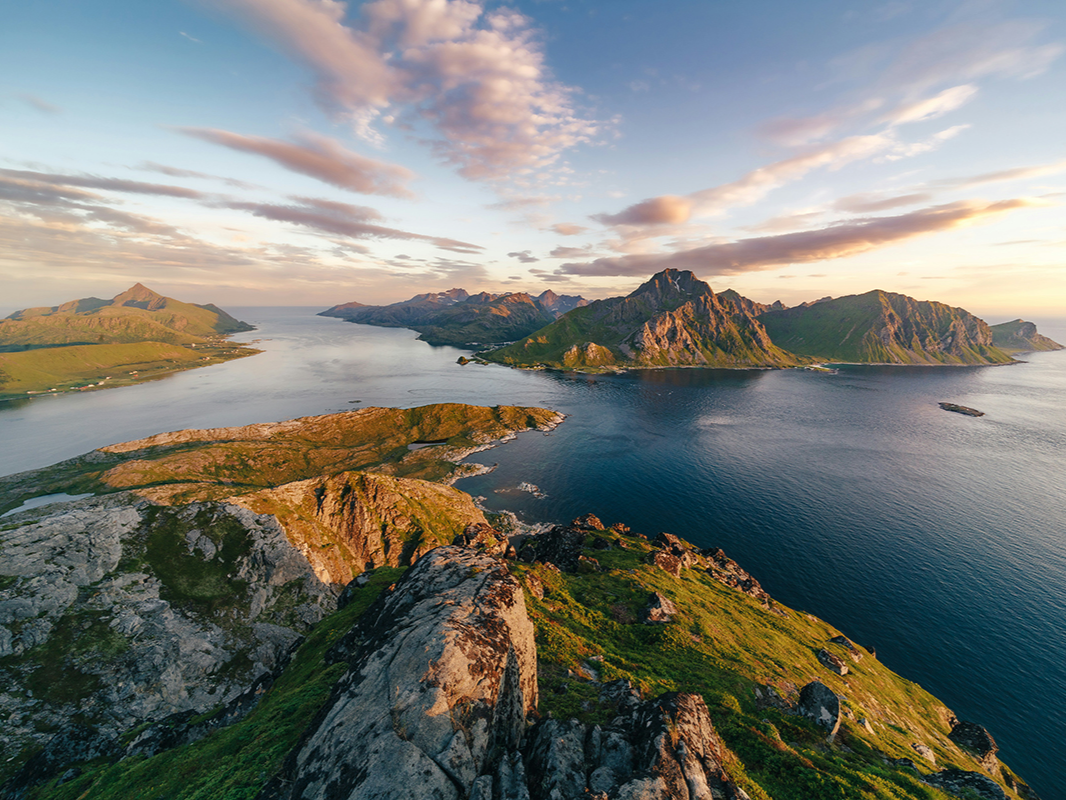
Photo by: Daniel Sessleron Unsplash